From Surf Wiki (app.surf) — the open knowledge base
Russia national football team
Men's association football team

Men's association football team
| Field | Value |
|---|---|
| Name | Russia |
| Badge | Coat of Arms of the Russian Federation 2.svg |
| Badge_size | 180px |
| Nickname | Сборная / Sbornaya |
| (The National Team) | |
| Наши парни / Nashi parni (Our Boys) | |
| Association | Rossiyskiy Futbolnyy Soyuz (RFS) |
| Российский Футбольный Союз | |
| Confederation | UEFA (Europe) |
| Coach | Valery Karpin |
| Captain | Aleksandr Golovin |
| Most caps | Sergei Ignashevich (127) |
| Top scorer | Artem Dzyuba (31) |
| Home Stadium | Various |
| FIFA Trigramme | RUS |
| FIFA Rank | |
| FIFA max | 3 |
| FIFA max date | April 1996 |
| FIFA min | 70 |
| FIFA min date | June 2018 |
| Elo Rank | |
| Elo max | 7 |
| Elo max date | August 2009 |
| Elo min | 50 |
| Elo min date | 29 March 2017 |
| pattern_la1 | _thinwhiteborder |
| pattern_b1 | _whitecollar |
| pattern_ra1 | _thinwhiteborder |
| pattern_sh1 | _whitejogel |
| pattern_so1 | _whitejogel |
| leftarm1 | D62718 |
| body1 | D62718 |
| rightarm1 | D62718 |
| shorts1 | D62718 |
| socks1 | D62718 |
| pattern_la2 | _thindarkblueborder |
| pattern_b2 | _blackjogel |
| pattern_ra2 | _thindarkblueborder |
| pattern_sh2 | _whitejogel |
| pattern_so2 | _blackjogellogo |
| leftarm2 | FFFFFF |
| body2 | FFFFFF |
| rightarm2 | FFFFFF |
| shorts2 | 000040 |
| socks2 | FFFFFF |
| First game | *As Russian Empire:* |
| Unofficial | |
| 5–4 | |
| (Saint Petersburg, Russia; 16 October 1910) | |
| Official | |
| Finland 2–1 | |
| (Stockholm, Sweden; 30 June 1912)*As Soviet Union:* | |
| 3–0 | |
| (Moscow, Soviet Union; 16 November 1924)*As Russia:* | |
| 2–0 | |
| (Moscow, Russia; 16 August 1992) | |
| Largest win | *As Russian Empire:* |
| 5–4 | |
| (Saint Petersburg, Russia; 16 October 1910) | |
| 1–0 | |
| (Moscow, Russia; 23 October 1910)*As Soviet Union:* | |
| **** 11–1 | |
| (Moscow, Soviet Union; 16 September 1955) | |
| 0–10 **** | |
| (Helsinki, Finland; 15 August 1957)*As Russia:* | |
| 11–0 | |
| (Krasnodar, Russia; 15 November 2024) | |
| Largest loss | *As Russian Empire:* |
| 16–0 Russian Empire Russian Empire | |
| (Stockholm, Sweden; 1 July 1912)*As Soviet Union:* | |
| 5–0 | |
| (London, England; 22 October 1958)*As Russia:* | |
| 7–1 | |
| (Lisbon, Portugal; 13 October 2004) | |
| World cup apps | 11 |
| World cup first | 1958 |
| World cup best | Fourth place (1966 - as Soviet Union) |
| Quarter-finals (2018 - as Russia) | |
| Regional name | European Championship |
| Regional cup apps | 12 |
| Regional cup first | 1960 as Soviet Union |
| 1992 as CIS | |
| 1996 as Russia | |
| Regional cup best | Champions (1960 - as Soviet Union) |
| Group stage (1992 - as CIS) | |
| Semi-finals (2008 - as Russia) | |
| Confederations cup apps | 1 |
| Confederations cup first | 2017 |
| Confederations cup best | Group stage (2017) |
the men's team
(The National Team) Наши парни / Nashi parni (Our Boys) Российский Футбольный Союз Unofficial 5–4 (Saint Petersburg, Russia; 16 October 1910) Official Finland 2–1 (Stockholm, Sweden; 30 June 1912)As Soviet Union: 3–0 (Moscow, Soviet Union; 16 November 1924)As Russia: 2–0 (Moscow, Russia; 16 August 1992) 5–4 (Saint Petersburg, Russia; 16 October 1910) 1–0 (Moscow, Russia; 23 October 1910)As Soviet Union: **** 11–1 (Moscow, Soviet Union; 16 September 1955) 0–10 **** (Helsinki, Finland; 15 August 1957)As Russia: 11–0 (Krasnodar, Russia; 15 November 2024) 16–0 Russian Empire Russian Empire (Stockholm, Sweden; 1 July 1912)As Soviet Union: 5–0 (London, England; 22 October 1958)As Russia: 7–1 (Lisbon, Portugal; 13 October 2004) Quarter-finals (2018 - as Russia) 1992 as CIS 1996 as Russia Group stage (1992 - as CIS) Semi-finals (2008 - as Russia)
The Russia national football team () represents Russia in men's international football. It is controlled by the Russian Football Union (, Rossiyskiy Futbolnyy Soyuz), the governing body for football in Russia. Russia's home ground is the Luzhniki Stadium in Moscow and their head coach is Valery Karpin.
As the Russian Empire before 1917, as the Russian SFSR in 1917–1924 and as the Soviet Union in 1924–1991, Russia first entered the FIFA World Cup in 1958. They have qualified for the tournament 11 times (seven of which as the Soviet Union), with their best result being their fourth-place finish in 1966. As the Soviet Union, Russia was a founding member of UEFA in 1954, winning the first edition of the European Championship in 1960 and were runners-up in 1964, 1972 and 1988. Since the dissolution of the Soviet Union, Russia's best result was in 2008, when the team finished third.
On 28 February 2022, following the Russian invasion of Ukraine and in accordance with a "recommendation" by the International Olympic Committee (IOC), FIFA and UEFA suspended the participation of Russia in their competitions. The Russian Football Union unsuccessfully appealed the FIFA and UEFA bans to the Court of Arbitration for Sport, which upheld the bans. Since then, they have played several friendlies, mostly against non-Western countries.
History
Beginning
Led by manager Pavel Sadyrin, Russia were in Group 5 for the qualification campaign for the 1994 FIFA World Cup held in the United States which consisted of Greece, Iceland, Hungary and Luxembourg. The suspension of FR Yugoslavia reduced the group to five teams. Russia qualified alongside Greece with five wins, one draw and one defeat. Russia went to the US as an independent country. The Russian squad consisted of veterans like goalkeeper Stanislav Cherchesov, Aleksandr Borodyuk and players like Viktor Onopko, Oleg Salenko, Dmitri Cheryshev, Aleksandr Mostovoi, Vladimir Beschastnykh, and Valery Karpin (some of these Russian players could have chosen to play for the Ukraine national football team but the Ukrainian Association of Football had not secured recognition in time to compete in the 1994 FIFA World Cup qualification).
In the final tournament, Russia was drawn into Group B with Cameroon, Sweden, and Brazil. Russia was eliminated from the tournament with three points. Sadyrin was sacked following what was a poor performance.
Euro 1996
After Sadyrin was sacked, Oleg Romantsev was appointed coach to lead Russia to UEFA Euro 1996. During qualifying, Russia overcame Scotland, Greece, Finland, San Marino, and the Faroe Islands to finish in first place with eight wins and two draws.
In the final tournament, Russia was in Group C with Germany, the Czech Republic and Italy. They were eliminated after losing 2–1 to Italy and 3–0 to Germany. Russia's last game against the Czech Republic ended 3–3. Germany and Czech Republic went on to meet in the final.
1997–1999
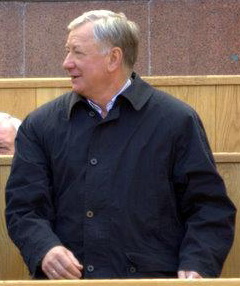
After Euro 96, Boris Ignatyev was appointed manager for the campaign to qualify for the 1998 FIFA World Cup in France. In the qualifying stage, Russia was in Group 5 with Bulgaria, Israel, Cyprus, and Luxembourg. Russia and Bulgaria were considered the two main contenders to qualify from the group with Israel considered a minor threat. Russia began the campaign with two victories against Cyprus and Luxembourg and two draws against Israel and Cyprus. They continued with victories against Luxembourg and Israel. Russia suffered their only defeat of the campaign with a 1–0 loss to Bulgaria. They ended the campaign with a 4–2 victory in the return game over Bulgaria and qualify for the play-off spot. In the play-offs, Russia was drawn with Italy. In the first leg Russia drew 1–1. In the away leg, Russia were defeated 1–0 and failed to qualify for the World Cup.
After failing to qualify for the World Cup in France, Russia played to qualify for the UEFA Euro 2000 co-hosted by Belgium and the Netherlands. Anatoliy Byshovets was appointed as Russia manager. Russia were drawn in Group 4 for the qualifying round with France, Ukraine, Iceland, Armenia, and Andorra. Russia and France were considered as favorites for the top two spots with Ukraine being an outside contender. Russia began their campaign with three straight defeats to Ukraine, France, and Iceland. Outraged by this result, the Russian Football Union immediately sacked Byshovets and reappointed Oleg Romantsev as manager. Russia went on to win their next six games including a 3–2 victory over eventual champions France at the Stade de France. In their last game against Ukraine, a win for Russia would have resulted in outright qualification as the winners of the group, having an identical head-to-head record with France (a 3–2 win and a 3–2 loss), while possessing a superior goal difference. The game finished 1–1 after an error by the goalkeeper Aleksandr Filimonov late in the game. Russia finished third in the group, failing to qualify for their second consecutive major tournament.
Revival
Oleg Romantsev remained as manager of the national team to supervise their qualification campaign to the 2002 FIFA World Cup in South Korea and Japan. In the preliminary stage, Russia was in Group 1 with Slovenia, FR Yugoslavia, and Switzerland, Faroe Islands, and Luxembourg. Russia finished in first place to qualify directly managing seven wins, two draws, and a loss.
Russia was drawn into Group H with Belgium, Tunisia, and Japan. In their first game, Russia achieved a 2–0 victory over Tunisia, but lost their next match to Japan 1–0, causing riots to erupt in Moscow. For their last game against Belgium, Russia needed a draw to take them to the second round, but lost 3–2 and was eliminated.

Romantsev was sacked immediately following the tournament and replaced with CSKA's Valery Gazzaev. His task looked difficult as Russia's group consisted of Switzerland, Republic of Ireland, Albania, and Georgia with the Irish considered favourites and an improving Swiss side as an increasing threat. Russia began their campaign with home victories against Ireland and Albania, but lost their next two games away to Albania and Georgia. Gazzaev was sacked after a disappointing draw with Switzerland in Basel, and Georgi Yartsev was then appointed manager. He managed to qualify Russia for a play-off against Wales after home victories to Switzerland and Georgia. In the first play-off leg, Russia drew 0–0 with Wales in Moscow, but a Vadim Evseev header gave Russia a 1–0 victory in the away leg in Cardiff to qualify for Euro 2004. The victory was overshadowed when Russian midfielder Yegor Titov tested positive for drugs; amidst calls for Russia to be disqualified, Titov was given a one-year ban on 15 February 2004.
Russia were drawn in Group A with hosts Portugal, Spain, and Greece. They were not among the favourites to progress and tournament preparations were hampered by injuries to defenders Sergei Ignashevich and Viktor Onopko. Russia started their tournament against Spain but a late goal from Juan Carlos Valerón put Russia on the brink of another group stage elimination. Four days later, Russia became the first team eliminated after a 0–2 defeat to Portugal. The final game of the group resulted in a surprising 2–1 victory over eventual champions Greece with Dmitri Kirichenko scoring one of the fastest goals of the tournament.
In the 2006 World Cup qualifying tournament, Russia was drawn into Group 3 with Portugal, Slovakia, Estonia, Latvia, Luxembourg, and Liechtenstein. Russia began qualification with a 1–1 draw against Slovakia on 4 September 2004 in Moscow and then beat Luxembourg 4–0, but suffered a 7–1 defeat against Portugal in Lisbon, which remains Russia's worst defeat. Victories against Estonia and Liechtenstein seemed to put them back on track, but a 1–1 draw with Estonia on 30 March 2005 in Tallinn was a major disappointment which saw the end of Georgi Yartsev's reign. Under new manager Yury Syomin, Russia were able to rekindle their hopes with a 2–0 win against Latvia before a 1–1 draw in Riga on 17 August 2005. Russia then had victories against Liechtenstein, Luxembourg and a 0–0 draw against Portugal. In their final game, Russia needed to win against Slovakia in Bratislava. After a 0–0 draw, Slovakia advanced to the play-offs above Russia on goal difference.
Euro 2008

Having failed to qualify Russia for the 2006 World Cup, Yury Syomin stepped down several weeks later and Russia began looking for a new manager. It was clear that a foreign manager would be needed as most of the high-profile Russian coaches were not successful with the national team. On 10 April 2006, it was announced that then-Australia manager Guus Hiddink would lead Russia in the Euro 2008 qualification campaign.
For the Euro 2008 qualifying campaign, Russia were drawn into Group E with England, Croatia, Israel, Macedonia, Estonia, and Andorra. For much of the campaign, it was between Russia and England to obtain the final qualifying place behind Croatia. Russia lost 3–0 away to England, and in the return game in Moscow, fell to an early goal from Wayne Rooney. During the second half Russia came from behind to win 2–1 with Roman Pavlyuchenko scoring both goals. On 17 November 2007, Russia suffered a 2–1 defeat to Israel to put qualification hopes in jeopardy, but Russia still managed to qualify one point ahead of England by beating Andorra 1–0 while England lost 3–2 to Croatia.
In the Euro 2008 tournament, Russia were drawn into Group D with Sweden and Euro 2004 group rivals Spain and Greece. In a preparation friendly against Serbia, leading striker Pavel Pogrebnyak was injured and would miss the tournament. Russia lost their opening match 4–1 to Spain in Innsbruck but then beat Greece 1–0 with a goal by Konstantin Zyryanov. The third game saw Russia defeat Sweden 2–0 through goals by Roman Pavlyuchenko and Andrey Arshavin, resulting in Russia advancing to the quarter-finals in second place behind Spain. This was the first time ever since the fall of USSR, that saw Russia qualified from the group stage of a major tournament.
In the quarter-final against the Netherlands, Roman Pavlyuchenko scored a volley ten minutes after half-time. With four minutes left in the match, Ruud van Nistelrooy scored, to make it 1–1 and put the game into extra time. But Russia regained the lead when Andrey Arshavin raced down the left flank and sent across towards substitute Dmitri Torbinski, who tapped the ball into the net. Arshavin then beat Edwin van der Sar, ending the match 3–1, and sent Russia through to their first major semi-final since the breakup of the USSR. In the semi-finals, Russia was once again matched up against Spain, and lost 3–0.
2010 FIFA World Cup qualification

Russia was drawn to Group 4 in qualification for 2010 FIFA World Cup, competing with Germany, Finland, Wales, Azerbaijan and Liechtenstein. The team started the campaign with a 2–1 victory over Wales but on 11 October lost 2–1 to Germany. Russia's form then improved, and by winning 3–1 away to Wales on the same day as Finland drew 1–1 to Liechtenstein, guaranteed them at least a play-off spot. The match at the Luzhniki Stadium against Germany to top the group was watched by 84,500 fans. Miroslav Klose scored the only goal of the game in the 35th minute, sending the Germans to the finals in South Africa and Russia to a play-off.
On 14 November, Russia faced Slovenia in the first-leg of their two-legged play-off, where they won 2–1 with two goals from Diniyar Bilyaletdinov. In the return match, Russia lost 1–0 in Maribor, and Slovenia qualified for the finals on the away goals rule. On 13 February 2010, it was confirmed that Hiddink would leave his position as manager, with the expiration of his contract on 30 June.
Euro 2012

Russia directly qualified for Euro 2012 by winning qualifying Group B, defeating Slovakia, the Republic of Ireland, Macedonia, Armenia and Andorra. Russia were drawn into Group A with Poland, the Czech Republic and Greece. Led by Dick Advocaat, Russia had been unbeaten for nearly 15 games and managed to record a 3–0 win against Italy one week before the Euro 2012's opening game kick-off. The Sbornaya started off the tournament with a 4–1 win over the Czech Republic and temporarily went top of the group with three points. Alan Dzagoev netted twice and Roman Shirokov and Roman Pavlyuchenko scored. In the second game against co-host Poland, Advocaat's side saw Dzagoev continue his fine form. He netted the opener, but Poland managed to equalise in the second half. Despite having drawn, the result wasn't seen as a bad one. A game against Greece finished with a 1–0 loss which eliminated the Russians from the tournament.
The group stage exit resulted in a hostile reaction from fans and media. Advocaat and most of the team, such as Andrey Arshavin, were heavily criticized for their perceived overconfidence.
2014 FIFA World Cup
In July 2012, the Italian Fabio Capello was named as the new Russian manager, after being sacked by England in February.
Russia competed in Group F of World Cup qualification and qualified in first place after a 1–1 draw with Azerbaijan in their last game. In January 2014, Capello was rewarded with a new four-year contract to last up to the 2018 FIFA World Cup in Russia.
Russia played in Group H against South Korea, Belgium and Algeria. In their first group match, against South Korea, goalkeeper Igor Akinfeev fumbled a long-range shot from Lee Keun-ho, dropping it over the line to give the Koreans the lead. Russia then went on to equalise through substitute Aleksandr Kerzhakov, who drew equal to Vladimir Beschastnykh's record 26 goals for Russia, and the match finished 1–1. In the second match, Russia held Belgium at 0–0 at the Maracanã until substitute Divock Origi scored the only goal in the 88th minute. The final group stage match between Algeria and Russia on 26 June ended 1–1, advancing Algeria and eliminating Russia. A win for Russia would have seen them qualify, and they led the game 1–0 after six minutes through Aleksandr Kokorin. In the 60th minute of the game, a laser was shone in Akinfeev's face while he was defending from an Algerian free kick, from which Islam Slimani scored to equalise. Both Akinfeev and Russian coach Fabio Capello blamed the laser for the decisive conceded goal.
Euro 2016
Russia were placed in Group G of UEFA Euro 2016 qualifying alongside Sweden, Austria, Montenegro, Moldova and Liechtenstein. Russia began with a 4–0 win against Liechtenstein. This was followed by a string of shaky performances by Russia, two 1–1 draws against Sweden and Moldova and two 1–0 losses against Austria. Russia were awarded a 3–0 victory against Montenegro due to crowd violence. At this stage, Russia looked to be finishing third in their group before they bounced back by winning their remaining matches against Sweden, Liechtenstein, Moldova and Montenegro to finish second in their qualifying group above Sweden and qualify for UEFA Euro 2016.
During the group stages of the tournament, UEFA imposed a suspended disqualification on Russia for crowd riots during a group match against England. Russia were knocked out of the competition in their final group match which was against Wales (a 3–0 defeat); prior to this they had only collected a single point from a 1–1 draw against England which was followed by a 2–1 loss to Slovakia.
2017 FIFA Confederations Cup
Russia qualified for the 2017 Confederations Cup as hosts, yet once again produced a dismal performance. After defeating New Zealand 2–0, Russia disappointed its fans by losing 0–1 to Portugal and 1–2 to Mexico, thus once again crashed out from the group stage of a major FIFA tournament. Despite this dismal performance, Stanislav Cherchesov, appointed as coach of Russia after Euro 2016, was allowed to keep the job.
2018 FIFA World Cup
.jpg)
On 2 December 2010, Russia were selected to host the 2018 World Cup and automatically qualified for the tournament. During the friendly matches prior to the tournament, Russia did not have good results. The team lost more games than it won and this made their FIFA ranking fall to 70th, the lowest among all World Cup participants. Russia were drawn to play Saudi Arabia, Egypt and Uruguay in the group stage.
Despite a series of poor results in warm-up games, however, Russia began their World Cup campaign with a 5–0 demolition of Saudi Arabia, who were three places above them in the rankings, on 14 June in the opening match of the 2018 FIFA World Cup. On 19 June, Russia won their second game of the group stage, beating Egypt by a scoreline of 3–1, taking their goal difference to +7 with only two matches played. The win over Egypt all but secured Russia's advancement into the knockout stage for the first time since 1986, when they played as the Soviet Union; and also for the first time in their history as an independent state. They officially qualified for the knockout stage the next day, following Uruguay's 1–0 win over Saudi Arabia. Russia's final group game was against two-time world champions (1930 and 1950) Uruguay, losing 3–0, and finished second in the group.
Advancing from their group in second place, Russia faced Spain at the Round of 16 in Moscow. Spain were considered one of the tournament favorites with many accomplished players at club and international level, having won the 2010 edition. Russia managed to surprise Spain in one of the biggest shocks in World Cup history; beating them in a penalty shootout after the match ended 1–1 in regular time. BBC Sport and The Guardian described this as one of the biggest tournament surprises, considering how Russia were the lowest-ranked team prior to the competition, and according to some, had one of the worst teams of the competition. Against the Spaniards who were known for their tiki-taka, coach Stanislav Cherchesov used a defensive 5–3–1–1 formation to sit deep and defend with ten men, and conceded no goals from open play as Spain's only goal was from a free kick set piece while Russia tied the game thanks for a penalty awarded for a handball. Igor Akinfeev, who saved two penalties including a foot-save to deny Spain's Iago Aspas, was voted as Budweiser Man of the Match. The win against Spain sent supporters and residents of Russia into wild celebrations, as they reached the quarter-finals for the first time since the breakup of the Soviet Union. Match TV commentator Denis Kazansky said: "From the first day we had not been expecting much from our team. Then thoughts turned to winning the thing. What we have seen is a significant change in people's attitudes, and in the history of Russian football."

Russia then played Croatia in the quarter-finals held at Sochi, on 7 July. Coach Stanislav Cherchesov reverted to a four-man defense which successfully exploited Croatia offensive set-up which proved vulnerable to Russia's counter-attacking. Nonetheless, this stands as Russia's best World Cup performance ever since the dissolution of the USSR. The team visited the FIFA Fan Fest in Moscow on Sunday, 8 July 2018, to thank their supporters and say goodbye. Following the World Cup run, Russia's position in the FIFA ranking rose from 70 to 40.
2018–19 UEFA Nations League
Russia participated in the UEFA Nations League for the first time, where they were drawn with Turkey and Sweden. Russia had a promising start, with two wins over Turkey and a home draw to Sweden. However, Russia wasted its opportunity to promote to League A after getting a 0–2 away defeat to Sweden, thus losing their first place to the Swedes instead and was forced to stay in League B.
Euro 2020
In qualification, the Russian side was drawn in Group I with Belgium, Kazakhstan, San Marino, Cyprus and Scotland. With the exception of its 1–3 loss to the Belgians away, Russia defeated other group opponents. The Russian team defeated San Marino 9–0 after the two 7–0 wins in 1995 and in 2015. Russia also defeated Scotland, Cyprus and Kazakhstan twice and qualified for the UEFA Euro 2020. Russia consolidated its second place in the group despite being thrashed by number-one ranked Belgium 1–4 at home.
Russia lost their first match against Belgium in a 3–0 defeat, but won their second match against Finland 1–0. However, Russia were knocked out of the competition in their final group match against Denmark where they lost 4–1. Following Russia's exit from the competition, Stanislav Cherchesov was sacked as coach.
2020–21 UEFA Nations League
Russia competed in the League B for the season, thereby matching up with Turkey, Serbia and Hungary. Russia began comfortably, beating Serbia and Hungary to take the first place. In their last two games, they suffered two losses in Turkey and 0–5 in Serbia and finished the group in second place, remaining in League B.
2022 FIFA World Cup qualification
Russia was drawn to Group H for the 2022 FIFA World Cup, competing with Croatia, Slovakia, Slovenia, Cyprus, and Malta. After finishing second behind Croatia, Russia advanced to the play-offs.
Since 2022: suspensions and potential AFC move
In the wake of the Russian invasion of Ukraine, several nations, including Albania, England, Scotland, Wales, and Russia's 2022 FIFA World Cup qualifying play-off opponents Poland, Sweden and the Czech Republic, said they would refuse to play Russia. On 27 February, FIFA initially announced a ban on any international competition being played in Russia, with any "home" matches having to be played on neutral territory behind closed doors, and ordered that Russia compete under the name of the Russian Football Union (RFU) and without being allowed to display the Russian flag or play the Russian national anthem. This followed a decision taken by UEFA two days prior that stripped Saint Petersburg of hosting the 2022 UEFA Champions League final, which had been due to be held at Krestovsky Stadium, in addition to banning any UEFA-sanctioned matches from occurring in Russia.
The decision was criticized by many as inadequate, and the next day FIFA and UEFA relented and issued blanket bans on Russian participation in international football, effectively barring them from participating in the 2022 World Cup qualifying play-off. This was in accordance with a recommendation by the International Olympic Committee (IOC). The Russian Football Union unsuccessfully appealed the FIFA and UEFA bans to the Court of Arbitration for Sport, which upheld the bans. On 20 September 2022, UEFA decided to ban Russia from participating in UEFA Euro 2024.
In response to the disqualification and suspension of Russia from all international football activities, especially within Europe, President of the Russian Football Union, Alexander Dyukov, implied that Russia should begin to discuss about moving to the AFC in order to continue competing in major international tournaments. In December 2022, the RFU Executive Committee opted to vote about the matter, but their attempt to move to the AFC did not materialise; instead, the RFU opted to create a working group with the aim of bringing Russia back to European competition. Still, Dyukov attended the AFC Congress in Manama in February 2023, which increased speculation about Russia's possible move to the AFC as the country was initially invited to compete in the CAFA Nations Cup, held by Central Asian nations that were formerly part of the Russian Empire and Soviet Union (except Kazakhstan), which Russia later chose not to enter. On 5 April 2023, UEFA president, Aleksander Čeferin, decided to extend the ban, stating it was "very hard" to lift it until the war is over, ensuring Russia's isolation from European football process.
At the same time, Russia has also increasingly pivoted football games to Asia. From late 2022 to early 2023, Russia played six AFC opponents, Kyrgyzstan, Uzbekistan, Tajikistan, Iran, Iraq and Qatar. In response, critics claim that the AFC does not offer the "same amount of power like in Europe" when compared to "lucrative European competitions". Magomed Adiyev, the current head coach of Kazakhstan national football team (Kazakhstan moved from the AFC to UEFA in 2002), also claimed that Russia should not move and rather "wait until further development". However, Australia, Japan, South Korea, three major AFC members, has urged the AFC not to allow Russia in even if they decided on doing so. Still, according to Martin Lowe, the AFC has a significant number of members that are sympathetic to Russia, mainly in West and South Asia, as well as China, plus with several Central Asian countries (including Kazakhstan, which is the first UEFA nation to send a national team to play Russia since the invasion of Ukraine after Belarus), which could undermine Australia, Japan and South Korea's efforts due to their limited voices against the wider pro-Russian opinions in the AFC.
In December 2023, the Russian Football Union decided not to apply for the transfer to AFC at the time (the application has to be made six months before the end of UEFA's reporting year in June), as the FIFA ban from official international competitions remained in effect. The RFU agreed to re-consider the transfer in the future depending on FIFA or UEFA's actions.
In 2024, Russia decided to play against opponents from Asia once again, as they participated in the 2024 LPBank Cup held in Vietnam. Russia was scheduled to face Vietnam and Thailand. They defeated Vietnam 3–0, however, the match against Thailand was cancelled for safety reasons due to Typhoon Yagi. On 15 November, Russia recorded its biggest ever victory as they thrashed Brunei 11–0 at the Krasnodar Stadium, before defeating Syria 4–0 in the following friendly, adding the number of Asian opponents Russia have played to nine. On 20 November 2024, shortly after the conclusion of the 2024–25 UEFA Nations League group stages, Russia were confirmed to be banned from the entire 2026 FIFA World Cup qualification, which raised further questions over Russia's affiliation to UEFA.
Team image
Kits and crests
Following the break up of the Soviet Union, the Russian Football Union replaced the red and white Adidas kits with strips supplied by Reebok in red, blue and white reflecting the readopted national flag of Russia. In 1997, Nike decided on a simpler design used at the 2002 FIFA World Cup and Euro 2004, consisting of mainly a white base with blue trim and the opposite combination for the away kit. After failing to qualify for the 2006 FIFA World Cup, Nike reintroduced red, this time as the home kit, while white being reversed as the away colour. This trend was continued by Adidas, who took over as suppliers in 2008. The 2009–10 season marked yet another change with the introduction of the maroon and gold as the primary home colours. A return to red and white was made in 2011. The edition of the kit used at Euro 2012 featured a red base with gold trim and a Russian flag positioned diagonally while the away kit was a minimalistic white with red trim. The 2014 FIFA World Cup kit made a return to the maroon and gold colour scheme, with Russian flag-coloured stripes built horizontally into the sleeves, the front includes the pattern in different shades of maroon depicting the Monument to the Conquerors of Space. The away 2014 kit was mostly white with blue trim, the top of the front below the trim shows the view of Earth from space. The sides and back of the collar were made in the colours of the Russian flag. The 2018 FIFA World Cup kit did not have much decorations in it, except for the coat of arms. Home red shirt had a very similar design to the uniform of Soviet Union Olympic football team it used at the 1988 Summer Olympics, the last major tournament as of 2018 that Russia or USSR won. The back side of the inside of the shirt had "Together to Victory" () slogan printed below the collar.
The Russia national team's official shirt supplier in 2008–22 was Adidas. The contract was unilaterally terminated by the German giant after the Russian invasion of Ukraine.
Jögel is currently the team's official sponsor starting from 2024. Jögel's deal with the Russian national team took effect in early 2024 and lasts until 2026.
Kit suppliers
| Period | Supplier | Notes |
|---|---|---|
| 1992–1993 | GER Adidas | |
| 1993–1996 | USA Reebok | |
| 1997–2008 | USA Nike | |
| 2008–2022 | GER Adidas | |
| 2022–2024 | GER Adidas | Kits produced in 2020 used, without official relationship, due to Western sanctions on Russia |
| 2024– | RUS Jögel |
Kit deals
| Kit supplier | Period | Contract | ||
|---|---|---|---|---|
| announcement | Contract | |||
| duration | Value | |||
| GER Adidas | 2008–2022 | 2008-09-08 | 2008–2018 | Undisclosed |
| 2018-05-31 | 2018–2022 | Undisclosed |
Results and fixtures
Main article: Russia national football team results (2020–present)
The following is a list of match results in the last 12 months, as well as any future matches that have been scheduled.
2025
- Prutsev
- Adamov
- Dzyuba
- Fomin
- Bakayev
- Glushenkov
- Vakhaniya
- Batrakov
- Ajayi
- Arokodare
- Pigas
- Gladyshev
- Afif
- Golovin
- Kislyak
- Sergeyev
- Al. Miranchuk
- Vorobyov
- Batrakov
- Hosseinzadeh
- Sadulayev
- Al. Miranchuk
- Sergeyev
- Tapia
- Brereton Díaz
2026
Coaching staff
| a | #0032A0 | 2px}} | Position | a | #0032A0 | 2px}} | Name |
|---|---|---|---|---|---|---|---|
| Head coach | RUS Valery Karpin | ||||||
| Assistant coach | RUS Nikolai PisarevRUS Yuriy NikiforovRUS Viktor Onopko | ||||||
| Goalkeeping coach | TKM Vitaly Kafanov | ||||||
| Fitness coach | ESP Luis Martínez | ||||||
| Analyst | ESP Jonatan Alba |
Manager history
| | |23 |12 |6 |5 |52 |- align="center" |2 | | |25 |17 |4 |4 |68 |- align="center" |3 | | |20 |8 |8 |4 |40 | |- align="center" |4 | | |6 |0 |0 |6 |0 | |- align="center" |5 | | |35 |19 |10 |6 |54 |- align="center" |6 | | |9 |4 |2 |3 |44 | |- align="center" |7 | | |19 |8 |6 |5 |42 |- align="center" |8 | | |7 |3 |4 |0 |43 | |- align="center" bgcolor="#dedede" |C | | |2 |0 |1 |1 |0 | |- align="center" |9 | | |39 |22 |7 |10 |56 |- align="center" |10 | | |23 |12 |7 |4 |52 |- align="center" |11 | | |33 |17 |11 |5
| 52 |
|---|
| 12 |
| | |13 |6 |2 |5
| 46 |
|---|
| 13 |
| | |57 |24 |13 |20 |42 2018 World Cup – Quarter-finals UEFA Euro 2020 – Group stage |- |14 | | |31 |20 |9 |2 |65 | |}
Players
Current squad
The following players were called up for the friendly match against Chile, on 15 November 2025.
Caps and goals are correct , after the match against Chile.
Recent call-ups
The following players have been called up for the team within the last 12 months and are still available for selection. ;Notes
- INJ = Not part of the current squad due to injury.
- PRE = Preliminary squad/standby.
Individual records
|109 |7
| 1992–2004 |
|---|
| 4 |
| 105 |
| 2 |
| 2005–2021 |
| - |
| 5 |
| 101 |
| 5 |
| 2003–2016 |
| - |
| 6 |
| 90 |
| 30 |
| 2002–2016 |
| - |
| 7 |
| 76 |
| 1 |
| 2004–2013 |
| - |
| 8 |
| 74 |
| 17 |
| 2002–2012 |
| - |
| 9 |
| 72 |
| 17 |
| 1992–2003 |
| - |
| 10 |
| 71 |
| 26 |
| 1992–2003 |
| } |
Notes
Top goalscorers

| Rank | Name | Goals | Caps | Average | Period |
|---|---|---|---|---|---|
| 1 | Artem Dzyuba | 31 | 56 | 0.55 | 2011–2025 |
| 2 | Aleksandr Kerzhakov | 30 | 90 | 0.33 | 2002–2016 |
| 3 | Vladimir Beschastnykh | 26 | 71 | 0.37 | 1992–2003 |
| 4 | Roman Pavlyuchenko | 21 | 50 | 0.42 | 2003–2012 |
| 5 | Valery Karpin | 17 | 72 | 0.24 | 1992–2003 |
| Andrey Arshavin | 17 | 74 | 0.23 | 2002–2012 | |
| 7 | Fyodor Smolov | 16 | 44 | 0.36 | 2012–2021 |
| 8 | Dmitri Sychev | 15 | 47 | 0.32 | 2002–2010 |
| 9 | Roman Shirokov | 13 | 56 | 0.23 | 2008–2016 |
| 10 | Denis Cheryshev | 12 | 33 | 0.36 | 2012–2021 |
| Igor Kolyvanov | 12 | 35 | 0.34 | 1992–1998 | |
| Aleksandr Kokorin | 12 | 47 | 0.26 | 2011–2017 |
Notes
Competitive record
FIFA World Cup
Main article: Russia at the FIFA World Cup
Champions Runners-up Third place Fourth place
| FIFA World Cup record | Qualification record | Year | Result | Position | Pld | W | D | L | GF | GA | Squad | Pld | W | D | L | GF | GA | — | as part of Soviet Union | as part of Soviet Union | as Russia | as Russia | Total | Fourth place | 11/23 | 45 | 19 | 10 | 16 | 77 | 54 | — | 125 | 80 | 24 | 21 | 246 | 81 | — |
|---|---|---|---|---|---|---|---|---|---|---|---|---|---|---|---|---|---|---|---|---|---|---|---|---|---|---|---|---|---|---|---|---|---|---|---|---|---|---|---|
| Uruguay 1930 | Did not enter | Declined invitation | 1930 | ||||||||||||||||||||||||||||||||||||
| Italy 1934 | Did not enter | 1934 | |||||||||||||||||||||||||||||||||||||
| France 1938 | 1938 | ||||||||||||||||||||||||||||||||||||||
| Brazil 1950 | 1950 | ||||||||||||||||||||||||||||||||||||||
| Switzerland 1954 | 1954 | ||||||||||||||||||||||||||||||||||||||
| Sweden 1958 | Quarter-finals | 6th | 5 | 2 | 1 | 2 | 5 | 6 | Squad | 5 | 4 | 0 | 1 | 18 | 3 | 1958 | |||||||||||||||||||||||
| Chile 1962 | 4 | 2 | 1 | 1 | 9 | 7 | Squad | 4 | 4 | 0 | 0 | 11 | 3 | 1962 | |||||||||||||||||||||||||
| England 1966 | Fourth place | 4th | 6 | 4 | 0 | 2 | 10 | 6 | Squad | 6 | 5 | 0 | 1 | 19 | 6 | 1966 | |||||||||||||||||||||||
| Mexico 1970 | Quarter-finals | 5th | 4 | 2 | 1 | 1 | 6 | 2 | Squad | 4 | 3 | 1 | 0 | 8 | 1 | 1970 | |||||||||||||||||||||||
| West Germany 1974 | Did not qualify | 6 | 3 | 1 | 2 | 5 | 4 | 1974 | |||||||||||||||||||||||||||||||
| Argentina 1978 | 4 | 2 | 0 | 2 | 5 | 3 | 1978 | ||||||||||||||||||||||||||||||||
| Spain 1982 | Second group stage | 7th | 5 | 2 | 2 | 1 | 7 | 4 | Squad | 8 | 6 | 2 | 0 | 20 | 2 | 1982 | |||||||||||||||||||||||
| Mexico 1986 | Round of 16 | 10th | 4 | 2 | 1 | 1 | 12 | 5 | Squad | 8 | 4 | 2 | 2 | 13 | 8 | 1986 | |||||||||||||||||||||||
| Italy 1990 | Group stage | 17th | 3 | 1 | 0 | 2 | 4 | 4 | Squad | 8 | 4 | 3 | 1 | 11 | 4 | 1990 | |||||||||||||||||||||||
| United States 1994 | Group stage | 17th | 3 | 1 | 0 | 2 | 7 | 6 | Squad | 8 | 5 | 2 | 1 | 15 | 4 | 1994 | |||||||||||||||||||||||
| France 1998 | Did not qualify | 10 | 5 | 3 | 2 | 20 | 7 | 1998 | |||||||||||||||||||||||||||||||
| South Korea Japan 2002 | Group stage | 22nd | 3 | 1 | 0 | 2 | 4 | 4 | Squad | 10 | 7 | 2 | 1 | 18 | 5 | 2002 | |||||||||||||||||||||||
| Germany 2006 | Did not qualify | 12 | 6 | 5 | 1 | 23 | 12 | 2006 | |||||||||||||||||||||||||||||||
| South Africa 2010 | 12 | 8 | 1 | 3 | 21 | 8 | 2010 | ||||||||||||||||||||||||||||||||
| Brazil 2014 | Group stage | 24th | 3 | 0 | 2 | 1 | 2 | 3 | Squad | 10 | 7 | 1 | 2 | 20 | 5 | 2014 | |||||||||||||||||||||||
| Russia 2018 | Quarter-finals | 8th | 5 | 2 | 2 | 1 | 11 | 7 | Squad | Qualified as hosts | 2018 | ||||||||||||||||||||||||||||
| Qatar 2022 | Disqualified from qualification play-offs by FIFA and UEFA in response to Russia's invasion of Ukraine | 10 | 7 | 1 | 2 | 19 | 6 | 2022 | |||||||||||||||||||||||||||||||
| Canada Mexico United States 2026 | Banned from entering | Banned from entering | 2026 | ||||||||||||||||||||||||||||||||||||
| Morocco Portugal Spain 2030 | To be determined | To be determined | 2030 | ||||||||||||||||||||||||||||||||||||
| Saudi Arabia 2034 | 2034 |
UEFA European Championship
Main article: Russia at the UEFA European Championship
| UEFA European Championship record | Qualifying record | Year | Result | Position | Pld | W | D | L | GF | GA | Squad | Pld | W | D | L | GF | GA | — | as part of Soviet Union | as part of Soviet Union | as part of CIS | as part of CIS | as Russia | as Russia | Total | 1 title | 12/18 | 36 | 13 | 7 | 16 | 40 | 52 | — | 128 | 80 | 29 | 19 | 262 | 89 | — |
|---|---|---|---|---|---|---|---|---|---|---|---|---|---|---|---|---|---|---|---|---|---|---|---|---|---|---|---|---|---|---|---|---|---|---|---|---|---|---|---|---|---|
| France 1960 | Champions | 1st | 2 | 2 | 0 | 0 | 5 | 1 | Squad | 2 | 2 | 0 | 0 | 4 | 1 | 1960 | |||||||||||||||||||||||||
| Spain 1964 | Runners-up | 2nd | 2 | 1 | 0 | 1 | 4 | 2 | Squad | 4 | 2 | 2 | 0 | 7 | 3 | 1964 | |||||||||||||||||||||||||
| Italy 1968 | Fourth place | 4th | 2 | 0 | 1 | 1 | 0 | 2 | Squad | 8 | 6 | 0 | 2 | 19 | 8 | 1968 | |||||||||||||||||||||||||
| Belgium 1972 | Runners-up | 2nd | 2 | 1 | 0 | 1 | 1 | 3 | Squad | 8 | 5 | 3 | 0 | 16 | 4 | 1972 | |||||||||||||||||||||||||
| Yugoslavia 1976 | Did not qualify | 8 | 4 | 1 | 3 | 12 | 10 | 1976 | |||||||||||||||||||||||||||||||||
| Italy 1980 | 6 | 1 | 3 | 2 | 7 | 8 | 1980 | ||||||||||||||||||||||||||||||||||
| France 1984 | 6 | 4 | 1 | 1 | 11 | 2 | 1984 | ||||||||||||||||||||||||||||||||||
| West Germany 1988 | Runners-up | 2nd | 5 | 3 | 1 | 1 | 7 | 4 | Squad | 8 | 5 | 3 | 0 | 14 | 3 | 1988 | |||||||||||||||||||||||||
| Sweden 1992 | Group stage | 8th | 3 | 0 | 2 | 1 | 1 | 4 | Squad | 8 | 5 | 3 | 0 | 13 | 2 | 1992 | |||||||||||||||||||||||||
| England 1996 | Group stage | 14th | 3 | 0 | 1 | 2 | 4 | 8 | Squad | 10 | 8 | 2 | 0 | 34 | 5 | 1996 | |||||||||||||||||||||||||
| Belgium Netherlands 2000 | Did not qualify | 10 | 6 | 1 | 3 | 22 | 12 | 2000 | |||||||||||||||||||||||||||||||||
| Portugal 2004 | Group stage | 11th | 3 | 1 | 0 | 2 | 2 | 4 | Squad | 10 | 5 | 3 | 2 | 20 | 12 | 2004 | |||||||||||||||||||||||||
| Austria Switzerland 2008 | Semi-finals | 3rd | 5 | 3 | 0 | 2 | 7 | 8 | Squad | 12 | 7 | 3 | 2 | 18 | 7 | 2008 | |||||||||||||||||||||||||
| Poland Ukraine 2012 | Group stage | 9th | 3 | 1 | 1 | 1 | 5 | 3 | Squad | 10 | 7 | 2 | 1 | 17 | 4 | 2012 | |||||||||||||||||||||||||
| France 2016 | 23rd | 3 | 0 | 1 | 2 | 2 | 6 | Squad | 10 | 6 | 2 | 2 | 21 | 5 | 2016 | ||||||||||||||||||||||||||
| Europe 2020 | 19th | 3 | 1 | 0 | 2 | 2 | 7 | Squad | 10 | 8 | 0 | 2 | 33 | 8 | 2020 | ||||||||||||||||||||||||||
| Germany 2024 | Banned | Banned | 2024 | ||||||||||||||||||||||||||||||||||||||
| United Kingdom Republic of Ireland 2028 | 2028 | ||||||||||||||||||||||||||||||||||||||||
| Italy Turkey 2032 | To be determined | To be determined | 2032 |
UEFA Nations League
| UEFA Nations League record | Season | Division | Group | Pld | W | D | L | GF | GA | P/R | RK | Total | 10 | 4 | 3 | 3 | 13 | 15 | 17th |
|---|---|---|---|---|---|---|---|---|---|---|---|---|---|---|---|---|---|---|---|
| 2018–19 | B | 2 | 4 | 2 | 1 | 1 | 4 | 3 | 17th | ||||||||||
| 2020–21 | B | 3 | 6 | 2 | 2 | 2 | 9 | 12 | 24th | ||||||||||
| 2022–23 | B | 2 | Disqualified | 32nd | |||||||||||||||
| 2024–25 | Banned | ||||||||||||||||||
| 2026–27 |
FIFA Confederations Cup
Main article: Russia at the FIFA Confederations Cup
Head-to-head record
Include the records of the Russian Empire, the Soviet Union and the CIS before 1992.
As of 15 November 2025 after the match against Chile.
| Opponents | Pld | W | D | L | GF | GA | GD | Confederation | Total | 728 | 385 | 191 | 159 | 1,282 | 660 | +622 |
|---|---|---|---|---|---|---|---|---|---|---|---|---|---|---|---|---|
| 2 | 1 | 0 | 1 | 5 | 4 | +1 | UEFA | |||||||||
| 4 | 1 | 3 | 0 | 6 | 5 | +1 | CAF | |||||||||
| 6 | 6 | 0 | 0 | 21 | 2 | +19 | UEFA | |||||||||
| 14 | 3 | 6 | 5 | 14 | 16 | −2 | CONMEBOL | |||||||||
| 5 | 4 | 1 | 0 | 10 | 1 | +9 | UEFA | |||||||||
| 19 | 8 | 4 | 7 | 22 | 16 | +6 | UEFA | |||||||||
| 7 | 4 | 3 | 0 | 12 | 4 | +8 | AFC | |||||||||
| 5 | 3 | 2 | 0 | 9 | 2 | +7 | UEFA | |||||||||
| 6 | 4 | 2 | 0 | 16 | 5 | +11 | UEFA | |||||||||
| 13 | 4 | 2 | 7 | 17 | 24 | −7 | UEFA | |||||||||
| 2 | 2 | 0 | 0 | 5 | 1 | +4 | CONMEBOL | |||||||||
| 15 | 3 | 3 | 9 | 13 | 28 | −15 | CONMEBOL | |||||||||
| 1 | 1 | 0 | 0 | 11 | 0 | +11 | AFC | |||||||||
| 20 | 12 | 6 | 2 | 35 | 17 | +18 | UEFA | |||||||||
| 4 | 3 | 1 | 0 | 11 | 1 | +10 | CAF | |||||||||
| 2 | 2 | 0 | 0 | 4 | 1 | +3 | CONCACAF | |||||||||
| 8 | 4 | 2 | 2 | 11 | 7 | +4 | CONMEBOL | |||||||||
| 2 | 2 | 0 | 0 | 4 | 2 | +2 | AFC | |||||||||
| 3 | 1 | 2 | 0 | 7 | 5 | +2 | CONMEBOL | |||||||||
| 2 | 1 | 0 | 1 | 5 | 5 | 0 | CONCACAF | |||||||||
| 6 | 0 | 4 | 2 | 3 | 6 | −3 | UEFA | |||||||||
| 2 | 2 | 0 | 0 | 16 | 0 | +16 | CONCACAF | |||||||||
| 11 | 10 | 1 | 0 | 36 | 3 | +33 | UEFA | |||||||||
| 18 | 9 | 5 | 4 | 37 | 24 | +13 | UEFA | |||||||||
| 13 | 10 | 1 | 2 | 37 | 14 | +23 | UEFA | |||||||||
| 15 | 6 | 4 | 5 | 21 | 16 | +5 | UEFA | |||||||||
| 1 | 1 | 0 | 0 | 3 | 1 | +2 | CAF | |||||||||
| 5 | 5 | 0 | 0 | 10 | 1 | +9 | UEFA | |||||||||
| 15 | 4 | 5 | 6 | 18 | 26 | −8 | UEFA | |||||||||
| 5 | 3 | 1 | 1 | 10 | 3 | +7 | UEFA | |||||||||
| 4 | 4 | 0 | 0 | 12 | 2 | +10 | UEFA | |||||||||
| 19 | 13 | 5 | 1 | 56 | 13 | +43 | UEFA | |||||||||
| 21 | 8 | 7 | 6 | 36 | 30 | +6 | UEFA | |||||||||
| 3 | 1 | 1 | 1 | 4 | 3 | +1 | UEFA | |||||||||
| 20 | 3 | 2 | 15 | 15 | 51 | −36 | UEFA | |||||||||
| 1 | 1 | 0 | 0 | 1 | 0 | +1 | CAF | |||||||||
| 22 | 13 | 5 | 4 | 39 | 14 | +35 | UEFA | |||||||||
| 1 | 1 | 0 | 0 | 5 | 0 | +5 | CONCACAF | |||||||||
| 1 | 1 | 0 | 0 | 3 | 0 | +3 | CONCACAF | |||||||||
| 28 | 15 | 8 | 5 | 49 | 36 | +13 | UEFA | |||||||||
| 12 | 7 | 4 | 1 | 20 | 6 | +14 | UEFA | |||||||||
| 2 | 2 | 0 | 0 | 16 | 1 | +15 | AFC | |||||||||
| 3 | 2 | 1 | 0 | 5 | 0 | +5 | AFC | |||||||||
| 7 | 4 | 2 | 1 | 9 | 5 | +4 | AFC | |||||||||
| 1 | 1 | 0 | 0 | 2 | 0 | +2 | AFC | |||||||||
| 14 | 7 | 3 | 4 | 28 | 18 | +10 | UEFA | |||||||||
| 17 | 6 | 6 | 5 | 17 | 15 | +2 | UEFA | |||||||||
| 2 | 0 | 1 | 1 | 1 | 3 | −2 | CAF | |||||||||
| 4 | 3 | 0 | 1 | 11 | 3 | +8 | AFC | |||||||||
| 1 | 0 | 1 | 0 | 0 | 0 | 0 | AFC | |||||||||
| 4 | 3 | 1 | 0 | 11 | 0 | +11 | UEFA | |||||||||
| 1 | 0 | 1 | 0 | 2 | 2 | 0 | CAF | |||||||||
| 3 | 3 | 0 | 0 | 5 | 1 | +4 | AFC | |||||||||
| 1 | 1 | 0 | 0 | 2 | 1 | +1 | AFC | |||||||||
| 4 | 3 | 1 | 0 | 7 | 2 | +5 | UEFA | |||||||||
| 6 | 6 | 0 | 0 | 19 | 1 | +18 | UEFA | |||||||||
| 4 | 3 | 1 | 0 | 11 | 4 | +7 | UEFA | |||||||||
| 11 | 11 | 0 | 0 | 38 | 4 | +34 | UEFA | |||||||||
| 3 | 3 | 0 | 0 | 7 | 1 | +6 | UEFA | |||||||||
| 14 | 5 | 7 | 2 | 17 | 6 | +11 | CONCACAF | |||||||||
| 4 | 2 | 2 | 0 | 4 | 2 | +2 | UEFA | |||||||||
| 2 | 2 | 0 | 0 | 5 | 0 | +5 | UEFA | |||||||||
| 5 | 4 | 1 | 0 | 10 | 3 | +7 | CAF | |||||||||
| 1 | 1 | 0 | 0 | 1 | 0 | +1 | AFC | |||||||||
| 11 | 4 | 3 | 4 | 11 | 14 | −3 | UEFA | |||||||||
| 2 | 2 | 0 | 0 | 5 | 0 | +5 | OFC | |||||||||
| 4 | 3 | 1 | 0 | 6 | 1 | +5 | CAF | |||||||||
| 2 | 2 | 0 | 0 | 6 | 0 | +6 | AFC | |||||||||
| 4 | 4 | 0 | 0 | 7 | 0 | +7 | UEFA | |||||||||
| 6 | 3 | 2 | 1 | 6 | 2 | +4 | UEFA | |||||||||
| 13 | 7 | 4 | 2 | 24 | 11 | +13 | UEFA | |||||||||
| 4 | 2 | 2 | 0 | 5 | 1 | +4 | CONMEBOL | |||||||||
| 19 | 9 | 6 | 4 | 34 | 18 | +16 | UEFA | |||||||||
| 11 | 3 | 1 | 7 | 9 | 15 | −6 | UEFA | |||||||||
| 5 | 2 | 2 | 1 | 12 | 7 | +5 | AFC | |||||||||
| 15 | 7 | 4 | 4 | 18 | 15 | +3 | UEFA | |||||||||
| 12 | 6 | 2 | 4 | 18 | 15 | +3 | UEFA | |||||||||
| 4 | 4 | 0 | 0 | 25 | 0 | +25 | UEFA | |||||||||
| 2 | 1 | 0 | 1 | 7 | 4 | +3 | AFC | |||||||||
| 9 | 5 | 3 | 1 | 13 | 7 | +6 | UEFA | |||||||||
| 33 | 19 | 10 | 4 | 57 | 31 | +24 | UEFA | |||||||||
| 2 | 2 | 0 | 0 | 4 | 0 | +4 | AFC | |||||||||
| 23 | 10 | 7 | 2 | 31 | 21 | +10 | UEFA | |||||||||
| 7 | 4 | 1 | 2 | 11 | 8 | +3 | UEFA | |||||||||
| 3 | 2 | 1 | 0 | 7 | 4 | +3 | AFC | |||||||||
| 14 | 3 | 5 | 6 | 15 | 19 | −4 | UEFA | |||||||||
| 1 | 1 | 0 | 0 | 2 | 1 | +1 | CAF | |||||||||
| 29 | 9 | 10 | 10 | 47 | 37 | +10 | UEFA | |||||||||
| 12 | 8 | 4 | 0 | 29 | 11 | +18 | UEFA | |||||||||
| 2 | 2 | 0 | 0 | 6 | 0 | +6 | AFC | |||||||||
| 1 | 0 | 1 | 0 | 0 | 0 | 0 | AFC | |||||||||
| 1 | 1 | 0 | 0 | 2 | 0 | +2 | CONCACAF | |||||||||
| 2 | 2 | 0 | 0 | 5 | 0 | +5 | CAF | |||||||||
| 24 | 18 | 3 | 3 | 43 | 12 | +31 | UEFA | |||||||||
| 2 | 0 | 1 | 1 | 3 | 4 | −1 | UEFA | |||||||||
| 1 | 1 | 0 | 0 | 1 | 0 | +1 | AFC | |||||||||
| Germany | 1 | 1 | 0 | 0 | 2 | 1 | +1 | UEFA | ||||||||
| 10 | 5 | 4 | 1 | 15 | 8 | +7 | CONCACAF | |||||||||
| 9 | 6 | 1 | 2 | 15 | 8 | +7 | CONMEBOL | |||||||||
| 1 | 0 | 1 | 0 | 0 | 0 | 0 | AFC | |||||||||
| 1 | 1 | 0 | 0 | 4 | 0 | +4 | CONMEBOL | |||||||||
| 1 | 1 | 0 | 0 | 3 | 0 | +3 | AFC | |||||||||
| 10 | 5 | 3 | 2 | 12 | 8 | +4 | UEFA | |||||||||
| 3 | 3 | 0 | 0 | 12 | 1 | +11 | CAF |
Total
732M 389W 191D 159L 1,294GF 660GA +634GD
Home venues record
| Venue | City | First match | Last match | Played | Won | Drawn | Lost | GF | GA | Average attendance |
|---|---|---|---|---|---|---|---|---|---|---|
| Lokomotiv | Moscow | 16 August 1992 | 6 June 2014 | 28 | 16 | 8 | 4 | 56 | 20 | 20,592 |
| Luzhniki | Moscow | 14 October 1992 | 10 October 2019 | 33 | 20 | 8 | 5 | 55 | 21 | 41,881 |
| Dynamo | Moscow | 29 May 1996 | 14 October 2020 | 18 | 11 | 7 | 0 | 36 | 11 | 15,556 |
| Petrovsky | Saint Petersburg | 20 August 1997 | 26 May 2014 | 9 | 8 | 0 | 1 | 19 | 3 | 18,119 |
| Arsenal | Tula | 19 May 1999 | 19 May 1999 | 1 | 0 | 1 | 0 | 1 | 1 | 13,000 |
| Tsentralny | Volgograd | 16 October 2002 | 16 October 2002 | 1 | 1 | 0 | 0 | 4 | 1 | 16,000 |
| Kuban | Krasnodar | 17 November 2004 | 14 November 2015 | 4 | 3 | 1 | 0 | 9 | 2 | 26,800 |
| Tsentralny Profsoyuz | Voronezh | 17 November 2010 | 17 November 2010 | 1 | 0 | 0 | 1 | 0 | 2 | 34,000 |
| Tsentralny | Kazan | 6 September 2013 | 6 September 2013 | 1 | 1 | 0 | 0 | 4 | 1 | 22,000 |
| Arena Khimki | Khimki | 3 September 2014 | 7 June 2015 | 4 | 3 | 1 | 0 | 12 | 2 | 6,109 |
| Otkrytie Arena | Moscow | 12 October 2014 | 21 June 2017 | 6 | 3 | 1 | 2 | 7 | 3 | 38,204 |
| Olimp-2 | Rostov-on-Don | 17 November 2015 | 17 November 2015 | 1 | 0 | 0 | 1 | 1 | 3 | 15,000 |
| Krasnodar Stadium | Krasnodar | 9 October 2016 | 24 March 2017 | 5 | 0 | 2 | 3 | 6 | 7 | 30,100 |
| Akhmat-Arena | Grozny | 15 November 2016 | 15 November 2016 | 1 | 1 | 0 | 0 | 1 | 0 | 30,000 |
| Fisht Olympic Stadium | Sochi | 28 March 2017 | 15 November 2025 | 4 | 1 | 2 | 1 | 5 | 7 | 47,569 |
| VEB Arena | Moscow | 9 June 2017 | 8 October 2020 | 3 | 1 | 2 | 0 | 6 | 4 | 21,742 |
| Krestovsky Stadium | Saint Petersburg | 17 June 2017 | 16 November 2019 | 4 | 2 | 1 | 1 | 9 | 7 | 52,843 |
| Kazan Arena | Kazan | 24 June 2017 | 10 October 2017 | 2 | 0 | 1 | 1 | 2 | 3 | 37,428 |
| Cosmos Arena | Samara | 25 June 2018 | 25 June 2018 | 1 | 0 | 0 | 1 | 0 | 3 | 41,970 |
| Rostov Arena | Rostov-on-Don | 10 September 2018 | 10 September 2018 | 1 | 1 | 0 | 0 | 5 | 1 | 42,200 |
| Kaliningrad Stadium | Kaliningrad | 11 October 2018 | 9 September 2019 | 2 | 1 | 1 | 0 | 0 | 0 | 31,698 |
Notes
Honours
Global
- Olympic Games
- Gold Medal (2): 19561, 19881
- Bronze Medal (3): 19721, 19761, 19801
Continental
Friendly
- Nehru Cup
- Champions (1): 1985
- Malta International Football Tournament
- Champions (1): 1996
- Lunar New Year Cup
- Champions (1): 1997
- Cyprus International Football Tournament
- Champions (1): 2003
Awards
- Gazzetta Sports World Team of the Year: 1979
Summary
| Competition | Total | Total | 3 | 3 | 3 | 9 |
|---|---|---|---|---|---|---|
| Olympic Games | 2 | 0 | 3 | 5 | ||
| UEFA European Championship | 1 | 3 | 0 | 4 |
;Notes:
- Honours won as .
References
References
- (March 2020). "UEFA: A Successful Pan-European Organization during the Cold War". Athens Journal of Sports.
- (18 March 2022). "Russia World Cup ban appeal rejected by CAS".
- [https://www.theguardian.com/football/2023/mar/26/russia-has-seamlessly-returned-to-football-and-nobody-seems-overly-perturbed Russia has seamlessly returned to football – and nobody seems overly perturbed], Jonathan Liew, The Guardian, 26 March 2023
- link. (16 October 2014 , Business Ukraine (4 August 2010))
- {{YouTube. Po5quGK0vQk. Russia vs Ukraine (09.10.1999) with Filimonov's terrible mistake
- (10 June 2002). "Two die in Moscow World Cup rioting". [[The Guardian]].
- (2 June 2004). "Russian Onopko ruled out". [[BBC Sport]].
- (12 June 2004). "Mostovoi blames coach". [[BBC Sport]].
- (16 June 2004). "Russia 0–2 Portugal". [[BBC Sport]].
- (20 June 2004). "Russia 2–1 Greece". [[BBC Sport]].
- (12 April 2009). "Russia make Hiddink appointment". [[BBC Sport]].
- (14 November 2009). "Bilyaletdinov double but Slovenia strike late". ESPN.
- (18 November 2009). "Major shock for Hiddink". ESPN.
- (13 February 2010). "Guus Hiddink confirms departure from Russia post". ESPN.
- (26 July 2012). "Fabio Capello is appointed the new Russia boss". [[BBC Sport]].
- (24 January 2014). "Fabio Capello agrees to lead Russia until 2018 World Cup". [[BBC Sport]].
- (17 June 2014). "Russia v South Korea: World Cup 2014 – as it happened". [[The Guardian]].
- Sid Lowe at the Arena da Baixada. (26 June 2014). "Algeria 1–1 Russia; World Cup 2014 Group H match report". [[The Guardian]].
- (27 June 2014). "World Cup 2014: Fabio Capello unhappy at laser shone at keeper". [[BBC Sport]].
- (15 June 2016). "Euro 2016: Russia given suspended disqualification". BBC Sport.
- "Russia 2-0 New Zealand". BBC Sport.
- Butler, Michael. (21 June 2017). "Russia 0-1 Portugal: Confederations Cup 2017 – as it happened". The Guardian.
- "Mexico 2-1 Russia: Hosts knocked out of Confederations Cup after defeat".
- Riach, James. (28 October 2015). "Sepp Blatter: Russia was chosen as 2018 World Cup host before vote". [[Guardian News and Media Limited]].
- Guardian sport. (15 November 2017). "World Cup 2018: which teams have made it to Russia?". [[Guardian News and Media Limited]].
- (2018-05-30). "Russia slumps to 1–0 defeat in Austria for 3rd straight loss". ProSoccerTalk.
- "Russia Drops to 70th Place in FIFA Table, Becomes Lowest-Ranked World Cup Team".
- "The FIFA/Coca-Cola World Ranking - Ranking Table".
- "2018 FIFA World Cup Russia - Matches - Russia - Saudi Arabia". FIFA.
- "2018 FIFA World Cup Russia - Matches - Russia - Egypt". FIFA.
- (2018-06-18). "Russia 3–1 Egypt – two wins & eight goals for hosts". BBC Sport.
- "Russia make it to FIFA World Cup knockout stage for first time in history".
- (2018-06-19). "World Cup 2018: Russia beat Egypt 3–1 to close in on last-16 spot". BBC Sport.
- "2018 FIFA World Cup Russia - Matches - Uruguay - Russia". FIFA.
- (2018-07-01). "Russia stun Spain with penalty shootout win to reach quarter finals, Iago Aspas and Koke miss from the spot". The Telegraph.
- "The FIFA/Coca-Cola World Ranking - Ranking Table". FIFA.
- Yokhin, Michael. (2018-06-13). "Russia has 145 million people and likes football, so why are the team so poor?".
- Petrosyan, Artur. (8 July 2018). "Russia's Denis Cheryshev scores stunner but defensive failings cost World Cup hosts". [[ESPN]].
- (2018-07-01). "World Cup 2018: Wild celebrations across Russia after hosts beat Spain". BBC Sport.
- Jennings, Patrik. (8 July 2018). "World Cup 2018: 'Russia dream over but nation's hope restored'". BBC.
- (2018-07-01). "World Cup 2018: Russia reach quarter-finals after 4–3 penalty shootout win over Spain". BBC Sport.
- "2018 FIFA World Cup Russia - Matches - Spain - Russia". FIFA.
- Lowe, Sid. (2018-07-01). "Russia eliminate Spain from World Cup in last-16 penalty shootout".
- (7 July 2018). "Russia's surprising World Cup run ends in shootout loss to Croatia". [[Los Angeles Times]].
- Borunov, Igor. (9 July 2018). "Pride and gratitude as Russia stars reflect". [[FIFA]].
- "Dzyuba earns Russia win over Turkey". BBC Sport.
- (2018-10-14). "Russia secure 2-0 Nations League win over Turkey".
- "Highlights: Sweden 2-0 Russia | UEFA Nations League".
- "Hazard scores twice in Belgium win". BBC Sport.
- (2019-06-08). "Russia's team wins most crushing victory in its history". [[TASS]].
- "Russia thrash Cyprus to reach Euro 2020". BBC Sport.
- "Hazard brothers help Belgium thump Russia". BBC Sport.
- (8 July 2021). "Russia coach Cherchesov fired following Euro 2020 exit".
- "Russia defeats Serbia 3:1 in UEFA Nations League match".
- "Highlights: Hungary 2-3 Russia | UEFA Nations League".
- (27 February 2022). "LAJMI I FUNDIT / Ministrja Xhaçka e zyrtarizon: Nuk do të luhet ndeshja kundër Rusisë". [[Panorama Sport]].
- (27 February 2002). "England will not play against Russia for 'foreseeable future' due to invasion of Ukraine, FA confirms". Sky Sports.
- (27 February 2002). "Football Association of Wales says Wales teams will not play against Russia". The National.
- (27 February 2022). "Czech Republic Join Poland, Sweden in Refusing to Play Russia in 2022 World Cup Playoffs". ESPN.
- (27 February 2022). "Bureau of the FIFA Council takes initial measures with regard to war in Ukraine". FIFA.
- (25 February 2022). "Decisions from today's extraordinary UEFA Executive Committee meeting". UEFA.
- (28 February 2022). "FIFA/UEFA suspend Russian clubs and national teams from all competitions". [[FIFA]].
- (28 February 2022). "FIFA/UEFA suspend Russian clubs and national teams from all competitions". [[UEFA]].
- "Fifa and Uefa suspend all Russian teams". BBC Sport.
- (28 February 2022). "FIFA/UEFA suspend Russian clubs and national teams from all competitions". [[FIFA]].
- (20 September 2022). "UEFA EURO 2024 qualifying draw procedure approved". [[UEFA.
- Berkeley, Geoff. (2023-04-27). "Russia may consider Asia switch if UEFA position "does not change", says Sorokin".
- (2022-12-30). "Russian Football Union Votes to Remain in UEFA Despite Ongoing Ban".
- Houston, Michael. (2023-02-03). "Russia football President Dyukov attends AFC Congress as guest".
- "UEFA chief says 'very hard' to lift Russia ban until war ends".
- Liew, Jonathan. (2023-03-26). "Russia has seamlessly returned to football – and nobody seems overly perturbed". The Observer.
- (1 May 2017). "Germany and Turkey receive bid requirements for hosting UEFA EURO 2024". UEFA.
- "UEFA EURO 2024 Tournament Requirements". UEFA.
- "UEFA EURO 2024 Bid Dossier Template". UEFA.
- [https://editorial.uefa.com/resources/0270-13f89d361aaa-640357446989-1000/uefa_human_rights_commitment_2021.pdf UEFA SOCIAL AND SUSTAINABLE DEVELOPMENT Human Rights Commitment]
- Price, Steve. "Why Russia Joining The Asian Football Confederation Makes Little Sense".
- (2023-03-28). "Адиев: УЕФА вернет Россию в свои турниры, надо ждать. Рано или поздно все это закончится...".
- Belot, Henry. (2022-12-28). "Australia urged to fight any Russian bid to join Asian Football Confederation". The Guardian.
- (22 September 2022). "Наша молодежка продолжит феерить на полях Белоруссии. Прогноз на Россия U21 — Казахстан U21 - 22 сентября 2022 - Sport24".
- Lowe, Martin. (2022-12-20). "OPINION: AFC must soon confront the looming question over Russia".
- (21 December 2023). "Александр Дюков: «Есть договоренность сыграть матч со сборной Сербии»". Russian Football Union.
- (16 November 2024). "Russia breaks record with 11-0 win over Brunei, surpassing San Marino rout". nogomania.com.
- (20 November 2024). "Syria's national football team loses 0-4 to Russian counterpart in a friendly match".
- (11 November 2024). "Draw procedure for the UEFA Nations League 2024/25 knockout stage and play-off draw – Fixture list procedure for the European Qualifiers 2024–26". [[UEFA.
- (29 June 2008). "Euro 2008 Team Kits – Historical Football Kits". Historicalkits.co.uk.
- Wallace, Sam. (18 October 2007). "Russia 2 England 1: McClaren's ambitions in ruins after Roman lands double blow". The Independent.
- (3 September 2008). "Russia national team switched to Adidas". Championat.ru.
- Loh, Tim. (1 March 2022). "Adidas Halts Partnership With Russian Football Union Over Ukraine Invasion". Bloomberg.
- "Jögel presents the new team Russia jerseys - WITH ALL HEART, WHOLE COUNTRY".
- "Russia Still Wear Adidas 2020 Kit in International Friendlies".
- [https://www.adidas-group.com/en/media/news-archive/press-releases/2008/adidas-and-russian-football-union-announce-long-term-partnership/ adidas and Russian Football Union announce long-term partnership until 2018 ]
- (31 May 2018). "Russian Football Union extends Adidas deal ahead of World Cup - SportsPro Media".
- (26 July 2021). ""Наша философия и понимание основных принципов игры совпадают"". [[Russian Football Union]].
- (27 March 2018). "Russia national football team fixtures and results". soccerway.
- (27 October 2025). "Валерий Карпин включил в расширенный список сборной России 39 футболистов". [[Russian Football Union]].
- (7 November 2025). "На BetBoom матчи сборной с Перу и Чили вызваны 30 футболистов". [[Russian Football Union]].
- (15 November 2025). "Матч: Россия 0:2 Чили". Russian Football Union.
- "Russia - Record International Players".
- Roy, Abhishek. (14 August 2007). "Revisiting some of the memorable moments of the Nehru Cup". IANS.
This article was imported from Wikipedia and is available under the Creative Commons Attribution-ShareAlike 4.0 License. Content has been adapted to SurfDoc format. Original contributors can be found on the article history page.
Ask Mako anything about Russia national football team — get instant answers, deeper analysis, and related topics.
Research with MakoFree with your Surf account
Create a free account to save articles, ask Mako questions, and organize your research.
Sign up freeThis content may have been generated or modified by AI. CloudSurf Software LLC is not responsible for the accuracy, completeness, or reliability of AI-generated content. Always verify important information from primary sources.
Report