From Surf Wiki (app.surf) — the open knowledge base
Rotavirus
Specific genus of RNA viruses

Specific genus of RNA viruses
- RVA (Rotavirus alphagastroenteritidis)
- RVB (Rotavirus betagastroenteritidis)
- RVC (Rotavirus tritogastroenteritidis)
- RVD (Rotavirus deltagastroenteritidis)
- RVF (Rotavirus phigastroenteritidis)
- RVG (Rotavirus gammagastroenteritidis)
- RVH (Rotavirus aspergastroenteritidis)
- RVI (Rotavirus iotagastroenteritidis)
- RVJ (Rotavirus jotagastroenteritidis)
- RVK (Rotavirus kappagastroenteritidis)
- RVL (Rotavirus lambdagastroenteritidis)
Rotaviruses are the most common cause of diarrhoeal disease among infants and young children. Nearly every child in the world is infected with a rotavirus at least once by the age of five. Immunity develops with each infection, so subsequent infections are less severe. Adults are rarely affected.
The virus is transmitted by the faecal–oral route. It infects and damages the cells that line the small intestine and causes gastroenteritis. Although rotavirus was discovered in 1973 by Ruth Bishop and her colleagues by electron micrograph images and accounts for about one-third of hospitalisations for severe diarrhoea in infants and children, its importance has historically been underestimated within the public health community, particularly in developing countries. In addition to its impact on human health, rotavirus also infects other animals, and is a pathogen of livestock.
Rotaviral enteritis is usually an easily managed disease of childhood, but among children under 5 years of age, rotavirus caused an estimated 151,714 deaths from diarrhoea in 2019. In the United States, before initiation of the rotavirus vaccination programme in the 2000s, rotavirus caused about 2.7million cases of severe gastroenteritis in children, almost 60,000 hospitalisations, and around 37 deaths each year. Following rotavirus vaccine introduction in the United States, hospitalisation rates have fallen significantly. Public health campaigns to combat rotavirus focus on providing oral rehydration therapy for infected children and vaccination to prevent the disease. The incidence and severity of rotavirus infections has declined significantly in countries that have added rotavirus vaccine to their routine childhood immunisation policies.
Rotavirus is a genus of double-stranded RNA viruses in the family Reoviridae. Eleven species are placed in the genus, usually referred to as RVA, RVB, RVC, RVD, RVF, RVG, RVH, RVI, RVJ, RVK, and RVL. The most common is RVA, and these rotaviruses cause more than 90% of rotavirus infections in humans.
Virology
Types of rotaviruses
The 11 species of rotaviruses (sometimes informally called groups) are referred to as RVA, RVB, RVC, RVD, RVF, RVG, RVH, RVI, RVJ, RVK, and RVL. Humans are primarily infected by rotaviruses in the species RVA. This one and the other species cause disease in other animals, for example, species RVH in pigs, RVD, RVF and RVG in birds, RVI in cats and RVJ in bats.
Group A rotaviruses contain different strains, called serotypes. As with influenza viruses, a dual classification system is used based on two proteins on the surface of the virus. The glycoprotein VP7 defines the G serotypes and the protease-sensitive protein VP4 defines P serotypes. Because the two genes that determine G-types and P-types can be passed on separately to progeny viruses, different combinations are found. A whole genome genotyping system has been established for group A rotaviruses, which has been used to determine the origin of atypical strains. The prevalence of the individual G-types and P-types varies between and within countries and years. At least 36 G types and 51 P types are known, but in infections of humans, only a few combinations of G and P types predominate. They are G1P[8], G2P[4], G3P[8], G4P[8], G9P[8], and G12P[8].
Structure
The genome of rotaviruses consists of 11 unique double-helix molecules of RNA (dsRNA), which are 18,555 nucleotides in total. Each helix, or segment, is a gene, numbered 1 to 11 by decreasing size. Each gene codes for one protein, except gene 11, which codes for two. The RNA is surrounded by a three-layered icosahedral protein capsid. Viral particles are up to 76.5nm in diameter and are not enveloped.
Proteins
There are six viral proteins (VPs) that form the virus particle (virion). These structural proteins are called VP1, VP2, VP3, VP4, VP6, and VP7. In addition to the VPs, six nonstructural proteins (NSPs) are only produced in cells infected by rotaviruses. These are called NSP1, NSP2, NSP3, NSP4, NSP5, and NSP6.
At least six of the twelve proteins encoded by the rotavirus genome bind RNA. The role of these proteins in rotavirus replication is not entirely understood; their functions are thought to be related to RNA synthesis and packaging in the virion, mRNA transport to the site of genome replication, and mRNA translation and regulation of gene expression.
Structural proteins

VP2 forms the core layer of the virion and binds the RNA genome.
VP3 is part of the inner core of the virion and is an enzyme called guanylyl transferase. This is a capping enzyme that catalyses the formation of the 5' cap in the post-transcriptional modification of mRNA. The cap stabilises viral mRNA by protecting it from nucleic acid-degrading enzymes called nucleases.
VP4 is on the surface of the virion that protrudes as a spike. It binds to molecules on the surface of cells called receptors and drives the entry of the virus into the cell. VP4 has to be modified by the protease enzyme trypsin, which is found in the gut, into VP5* and VP8* before the virus is infectious. VP4 determines how virulent the virus is and it determines the P-type of the virus. In humans, an association exists between the blood group (Lewis antigen system, ABO blood group system, and secretor status) and susceptibility to infection. Nonsecretors seem resistant to infection by types P[4] and P[8], indicating that blood-group antigens are the receptors for these genotypes. This resistance is dependent on the rotavirus genotype.
VP6 forms the bulk of the capsid. It is highly antigenic and can be used to identify rotavirus species. This protein is used in laboratory tests for rotavirus infections.
VP7 is a glycoprotein that forms the outer surface of the virion. Apart from its structural functions, it determines the G-type of the strain, and along with VP4, is involved in immunity to infection.
Nonstructural viral proteins
NSP1, the product of gene 5, is a nonstructural RNA-binding protein. NSP1 also blocks the interferon response, the part of the innate immune system that protects cells from viral infection. NSP1 causes the proteosome to degrade key signaling components required to stimulate production of interferon in an infected cell and to respond to interferon secreted by adjacent cells.
Targets for degradation include several IRF transcription factors required for interferon gene transcription.
NSP2 is an RNA-binding protein that accumulates in cytoplasmic inclusions (viroplasms) and is required for genome replication.
NSP3 is bound to viral mRNAs in infected cells, and it is responsible for the shutdown of cellular protein synthesis.{{cite journal |title=Rotavirus protein NSP3 (NS34) is bound to the 3' end consensus sequence of viral mRNAs in infected cells
First, NSP3 ejects poly(A)-binding protein (PABP) from the translation initiation factor eIF4F. PABP is required for efficient translation of transcripts with a 3' poly(A) tail, which is found on most host-cell transcripts. Second, NSP3 inactivates eIF2 by stimulating its phosphorylation. Efficient translation of rotavirus mRNA, which lacks the 3' poly(A) tail, does not require either of these factors.
NSP4 is a viral enterotoxin that induces diarrhoea and was the first viral enterotoxin discovered. It is a viroporin that elevates cytosolic Ca2+ in mammalian cells.
NSP5 is encoded by genome segment 11 of rotavirus A. In virus-infected cells, NSP5 accumulates in the viroplasm.
NSP6 is a nucleic acid-binding protein and is encoded by gene 11 from an out-of-phase open reading frame.
| RNA Segment (Gene) | Size (base pairs) | Protein | UniProt | Molecular weight kDa | Location | Copies per particle | Function | 1 | 2 | 3 | 4 | 5 | 6 | 7 | 8 | 9 | 10 | 11 |
|---|---|---|---|---|---|---|---|---|---|---|---|---|---|---|---|---|---|---|
| 3302 | VP1 | 125 | At the vertices of the core | 12 | RNA-dependent RNA polymerase | |||||||||||||
| 2690 | VP2 | 102 | Forms inner shell of the core | 120 | RNA binding | |||||||||||||
| 2591 | VP3 | 88 | At the vertices of the core | 12 | methyltransferase mRNA capping enzyme | |||||||||||||
| 2362 | VP4 | 87 | Surface spike | 180 (60 trimers) | Cell attachment, virulence | |||||||||||||
| 1611 | NSP1 | 59 | Nonstructural | 0 | 5'RNA binding, interferon antagonist | |||||||||||||
| 1356 | VP6 | 45 | Inner Capsid | 780 (260 trimers) | Structural and species-specific antigen | |||||||||||||
| 1104 | NSP3 | 37 | Nonstructural | 0 | Enhances viral mRNA activity and shut-offs cellular protein synthesis | |||||||||||||
| 1059 | NSP2 | 35 | Nonstructural | 0 | NTPase involved in RNA packaging | |||||||||||||
| 1062 | VP7 VP7 | 38 and 34 | Surface | 780 (260 trimers) | Structural and neutralisation antigen | |||||||||||||
| 751 | NSP4 | 20 | Nonstructural | 0 | Viroporin (enterotoxin) | |||||||||||||
| 667 | NSP5 NSP6 | 22 | Nonstructural | 0 | ssRNA and dsRNA binding modulator of NSP2, phosphoprotein |
This table is based on the simian rotavirus strain SA11. RNA-protein coding assignments differ in some strains.
Replication

The attachment of the virus to the host cell is initiated by VP4, which attaches to molecules, called glycans, on the surface of the cell. The virus enters cells by receptor-mediated endocytosis and forms a vesicle known as an endosome. Proteins in the third layer (VP7 and the VP4 spike) disrupt the membrane of the endosome, creating a difference in the calcium concentration. The fall in calcium levels causes the breakdown of VP7 trimers into single protein subunits, leaving the VP2 and VP6 protein coats around the viral dsRNA, forming a double-layered particle (DLP).
The 11 dsRNA strands remain within the protection of the two protein shells and the viral RNA-dependent RNA polymerase creates mRNA transcripts of the double-stranded viral genome. By remaining in the core, the viral RNA evades innate host immune responses, including RNA interference, that are triggered by the presence of double-stranded RNA.
During the infection, rotaviruses produce mRNA for both protein biosynthesis and gene replication. Most of the rotavirus proteins accumulate in viroplasm, where the RNA is replicated and the DLPs are assembled. In the viroplasm, the positive-sense viral RNAs that are used as templates for the synthesis of viral genomic dsRNA are protected from siRNA-induced RNase degradation. Viroplasm is formed around the cell nucleus as early as two hours after virus infection, and consists of viral factories thought to be made by two viral nonstructural proteins: NSP5 and NSP2. Inhibition of NSP5 by RNA interference in vitro results in a sharp decrease in rotavirus replication. The DLPs migrate to the endoplasmic reticulum, where they obtain their third, outer layer (formed by VP7 and VP4). The progeny viruses are released from the cell by lysis.
Transmission

Rotaviruses are transmitted by the faecal–oral route, via contact with contaminated hands, surfaces and objects,{{cite journal |doi-access=free
Rotaviruses are stable in the environment and have been found in estuary samples at levels up to 1–5 infectious particles per USgallon. The viruses survive between 9 and 19 days. Sanitary measures adequate for eliminating bacteria and parasites seem to be ineffective in control of rotaviruses, as the incidence of rotavirus infection in countries with high and low health standards is similar.
Signs and symptoms
Rotaviral enteritis is a mild to severe disease characterised by nausea, vomiting, watery diarrhoea, and low-grade fever. Once a child is infected by the virus, an incubation period of about two days passes before symptoms appear. The period of illness is acute. Symptoms often start with vomiting followed by four to eight days of profuse diarrhoea. Dehydration is more common in rotavirus infection than in most of those caused by bacterial pathogens, and is the most common cause of death related to rotavirus infection.
Rotavirus infections can occur throughout life; the first usually produces symptoms, but subsequent infections are typically mild or asymptomatic, as the immune system provides some protection. Consequently, symptomatic infection rates are highest in children under two years of age and decrease progressively towards 45 years of age. The most severe symptoms tend to occur in children six months to two years of age, the elderly, and those with immunodeficiency. Due to immunity acquired in childhood, most adults are not susceptible to rotavirus; gastroenteritis in adults usually has a cause other than rotavirus, but asymptomatic infections in adults may maintain the transmission of infection in the community. Some evidence suggests blood group can impact the susceptibility to infection by rotaviruses.
Disease mechanisms

Rotaviruses replicate mainly in the gut, and infect enterocytes of the villi of the small intestine, leading to structural and functional changes of the epithelium. Evidence exists in humans, and particularly in animal models, of extraintestinal dissemination of infectious viruses to other organs and macrophages.
The diarrhoea is caused by multiple activities of the virus. Malabsorption occurs because of the destruction of gut cells called enterocytes. The toxic rotavirus protein NSP4 induces age- and calcium ion-dependent chloride secretion, disrupts SGLT1 (sodium/glucose cotransporter 2) transporter-mediated reabsorption of water, apparently reduces activity of brush-border membrane disaccharidases, and activates the calcium ion-dependent secretory reflexes of the enteric nervous system. The elevated concentrations of calcium ions in the cytosol (which are required for the assembly of the progeny viruses) is achieved by NSP4 acting as a viroporin. This increase in calcium ions leads to autophagy (self-destruction) of the infected enterocytes.
NSP4 is also secreted as an extracellular form, which is modified by protease enzymes in the gut, is an enterotoxin, which acts on uninfected cells via integrin receptors, which in turn cause and increase in intracellular calcium ion concentrations, secretory diarrhoea, and autophagy.
The vomiting, which is a characteristic of rotaviral enteritis, is caused by the virus infecting the enterochromaffin cells on the lining of the digestive tract. The infection stimulates the production of 5' hydroxytryptamine (serotonin). This activates vagal afferent nerves, which in turn activate the cells of the brain stem that control the vomiting reflex.
Healthy enterocytes secrete lactase into the small intestine; milk intolerance due to lactase deficiency is a symptom of rotavirus infection, which can persist for weeks. A recurrence of mild diarrhoea often follows the reintroduction of milk into the child's diet, due to bacterial fermentation of the disaccharide lactose in the gut.{{cite journal |doi-access=free
Immune responses
Specific responses
Rotaviruses elicit both B- and T-cell immune responses. Antibodies to the rotavirus VP4 and VP7 proteins neutralise viral infectivity in vitro and in vivo. Specific antibodies of the classes IgM, IgA, and IgG are produced, which have been shown to protect against rotavirus infection by the passive transfer of the antibodies in other animals. Maternal trans-placental IgG might play a role in the protection neonates from rotavirus infections, but on the other hand might reduce vaccine efficacy.
Innate responses
Following infection by rotaviruses, a rapid innate immune response occurs involving types I and III interferons and other cytokines (particularly Th1 and Th2) which inhibit the replication of the virus and recruit macrophages and natural killer cells to the rotavirus infected cells. The rotavirus dsRNA activates pattern recognition receptors such toll-like receptors that stimulate the production of interferons. The rotavirus protein NSP1 counteracts the effects of type-1 interferons by suppressing the activity of the interferon regulatory proteins IRF3, IRF5, and IRF7.
Markers of protection
The levels of IgG and IgA in the blood and IgA in the gut correlate with protection from infection. Rotavirus-specific serum IgG and IgA at high titres (e.g. 1:200) have been claimed to be protective and a significant correlation is seen between IgA titres and rotavirus vaccine efficacy.
Diagnosis and detection
Diagnosis of infection with a rotavirus normally follows diagnosis of gastroenteritis as the cause of severe diarrhoea. Most children admitted to hospital with gastroenteritis are tested for rotavirus.
Specific diagnosis of infection with rotavirus is made by finding the virus in the child's stool by enzyme immunoassay. Several licensed test kits on the market are sensitive, specific, and detect all serotypes of rotavirus. Other methods, such as electron microscopy and polymerase chain reaction (PCR), are used in research laboratories. Reverse transcription-polymerase chain reaction (RT-PCR) can detect and identify all species and serotypes of human rotaviruses.
Treatment and prognosis
Treatment of acute rotavirus infection is nonspecific and involves management of symptoms, and most importantly, management of dehydration. If untreated, children can die from the resulting severe dehydration. Depending on the severity of diarrhoea, treatment consists of oral rehydration therapy, during which the child is given extra water to drink that contains specific amounts of salt and sugar. In 2004, the World Health Organisation (WHO) and UNICEF recommended the use of low-osmolarity oral rehydration solution and zinc supplementation as a two-pronged treatment of acute diarrhoea. Some infections are serious enough to warrant hospitalisation where fluids are given by intravenous therapy or nasogastric intubation, and the child's electrolytes and blood sugar are monitored. Rotavirus infections rarely cause other complications and for a well-managed child the prognosis is excellent. Probiotics have been shown to reduce the duration of rotaviral diarrhoea, and according to the European Society for Pediatric Gastroenterology "effective interventions include administration of specific probiotics such as Lactobacillus rhamnosus or Saccharomyces boulardii, diosmectite, or racecadotril."
Prevention
Main article: Rotavirus vaccine
Rotaviruses are highly contagious and cannot be treated with antibiotics or other drugs. Because improved sanitation does not decrease the prevalence of rotaviral disease, and the rate of hospitalisations remains high despite the use of oral rehydrating medicines, the primary public health intervention is vaccination. In 1998, a rotavirus vaccine was licensed for use in the United States. Clinical trials in the United States, Finland, and Venezuela had found it to be 80–100% effective at preventing severe diarrhoea caused by rotavirus A, and researchers had detected no statistically significant serious adverse effects.{{cite book
In 2006, two new vaccines against rotavirus A infection were shown to be safe and effective in children,{{cite journal
The incidence and severity of rotavirus infections has declined significantly in countries that have acted on this recommendation. A 2014 review of available clinical trial data from countries routinely using rotavirus vaccines in their national immunisation programs found that rotavirus vaccines have reduced rotavirus hospitalisations by 49–92% and all cause diarrhoea hospitalisations by 17–55%. In Mexico, which in 2006 was among the first countries in the world to introduce rotavirus vaccine, diarrhoeal disease death rates dropped during the 2009 rotavirus season by more than 65 percent among children age two and under. In Nicaragua, which in 2006 became the first developing country to introduce a rotavirus vaccine, severe rotavirus infections were reduced by 40% and emergency room visits by a half. In the United States, rotavirus vaccination since 2006 has led to drops in rotavirus-related hospitalisations by as much as 86%. The vaccines may also have prevented illness in non-vaccinated children by limiting the number of circulating infections. In developing countries in Africa and Asia, where the majority of rotavirus deaths occur, a large number of safety and efficacy trials, as well as recent postintroduction impact and effectiveness studies of Rotarix and RotaTeq have found that vaccines dramatically reduced severe disease among infants. In September 2013, the vaccine was offered to all children in the UK, aged between two and three months. A 2022 study found that the number of rotavirus cases in infants in England under one year of age was reduced by 77–88%. In all age groups, the number of laboratory-confirmed rotavirus infections was reduced by 69–83%. In Europe, hospitalisation rates following infection by rotaviruses have decreased by 65% to 84% following the introduction of the vaccine. Globally, vaccination has reduced hospital admissions and emergency department visits by a median of 67%.
Rotavirus vaccines are licensed in over 100 countries, and more than 80 countries have introduced routine rotavirus vaccination, almost half with the support of the GAVI vaccine alliance. To make rotavirus vaccines available, accessible, and affordable in all countries—particularly low- and middle-income countries in Africa and Asia, where the majority of rotavirus deaths occur, PATH (formerly Program for Appropriate Technology in Health), the WHO, the U.S. Centers for Disease Control and Prevention, and GAVI have partnered with research institutions and governments to generate and disseminate evidence, lower prices, and accelerate introduction.
The vaccine may prevent type 1 diabetes.
Epidemiology
Rotavirus A, which accounts for more than 90% of rotavirus gastroenteritis in humans, is endemic worldwide. Each year, rotaviruses cause millions of cases of diarrhoea in developing countries, almost 2million of which result in hospitalisation. In 2019, an estimated 151,714 children younger than five died from rotavirus infections, 90% of whom were in developing countries. Almost every child has been infected with rotaviruses by age five.{{cite journal
Outbreaks of rotavirus A diarrhoea are common among hospitalised infants, young children attending day-care centres, and elderly people in nursing homes. An outbreak caused by contaminated municipal water occurred in Colorado in 1981. During 2005, the largest recorded epidemic of diarrhoea occurred in Nicaragua. This unusually large and severe outbreak was associated with mutations in the rotavirus A genome, possibly helping the virus escape the prevalent immunity in the population. A similar large outbreak occurred in Brazil in 1977.
Rotavirus B, also called adult diarrhoea rotavirus or ADRV, has caused major epidemics of severe diarrhoea affecting thousands of people of all ages in China. These epidemics occurred as a result of sewage contamination of drinking water. Rotavirus B infections also occurred in India in 1998; the causative strain was named CAL. Unlike ADRV, the CAL strain is endemic. To date, epidemics caused by rotavirus B have been confined to mainland China, and surveys indicate a lack of immunity to this species in the United States. Rotavirus C has been associated with rare and sporadic cases of diarrhoea in children, and small outbreaks have occurred in families.
File:Rotavirus seasonal distribution.png|The seasonal variation of rotavirus A infections in England: rates of infection peak during the winter. File:Avertable-deaths-from-rotavirus-with-full-vaccine-coverage.png|Preventable child deaths from rotavirus vaccination, 2016. Annual number of preventable deaths in children under five years old from rotavirus if full coverage of the rotavirus vaccine were achieved.
Other animals
Rotaviruses infect the young of many species of animals and are a major cause of diarrhoea in wild and reared animals worldwide. As a pathogen of livestock, notably in young calves and piglets, rotaviruses cause economic loss to farmers because of costs of treatment associated with high morbidity and mortality rates. These rotaviruses are a potential reservoir for genetic exchange with human rotaviruses. There is evidence that animal rotaviruses can infect humans, either by direct transmission of the virus or by contributing one or several RNA segments to reassortants with human strains.
History
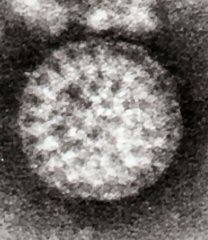
In 1943, Jacob Light and Horace Hodes proved that a filterable agent in the faeces of children with infectious diarrhoea also caused scours (livestock diarrhoea) in cattle. Three decades later, preserved samples of the agent were shown to be rotavirus. In the intervening years, a virus in mice was shown to be related to the virus causing scours. In 1973, Ruth Bishop and colleagues described related viruses found in children with gastroenteritis.
In 1974, Thomas Henry Flewett suggested the name rotavirus after observing that when viewed through an electron microscope, a rotavirus particle looks like a wheel (rota in Latin) the name was officially recognised by the International Committee on Taxonomy of Viruses four years later. In 1976, related viruses were described in several other species of animals. These viruses, all causing acute gastroenteritis, were recognised as a collective pathogen affecting humans and other animals worldwide. Rotavirus serotypes were first described in 1980, and in the following year, rotaviruses from humans were first grown in cell cultures derived from monkey kidneys, by adding trypsin (an enzyme found in the duodenum of mammals and now known to be essential for rotavirus to replicate) to the culture medium. The ability to grow rotaviruses in culture accelerated the pace of research, and by the mid-1980s, the first candidate vaccines were being evaluated.
References
References
- (September 2015). "Rotavirus Infection: A Disease of the Past?". Infectious Disease Clinics of North America.
- (April 2022). "Global Estimates of Rotavirus Hospitalizations Among Children Below 5 Years in 2019 and Current and Projected Impacts of Rotavirus Vaccination". Journal of the Pediatric Infectious Diseases Society.
- (2007). "Use of formative research in developing a knowledge translation approach to rotavirus vaccine introduction in developing countries". BMC Public Health.
- (June 2022). "Cost-effectiveness of rotavirus vaccination in children under five years of age in 195 countries: A meta-regression analysis". Vaccine.
- (April 2007). "Hospitalizations and deaths from diarrhea and rotavirus among children <5 years of age in the United States, 1993–2003". The Journal of Infectious Diseases.
- (July 2014). "Rotavirus vaccines and health care utilization for diarrhea in the United States (2007–2011)". Pediatrics.
- (January 2011). "Uptake, impact, and effectiveness of rotavirus vaccination in the United States: review of the first 3 years of postlicensure data". The Pediatric Infectious Disease Journal.
- (July 2010). "Performance of rotavirus vaccines in developed and developing countries". Human Vaccines.
- (May 2016). "Health Impact of Rotavirus Vaccination in Developing Countries: Progress and Way Forward". Clinical Infectious Diseases.
- "Virus Taxonomy: 2024 Release". International Committee on Taxonomy of Viruses.
- (August 2019). "Rotavirus Replication: Gaps of Knowledge on Virus Entry and Morphogenesis". The Tohoku Journal of Experimental Medicine.
- (September 2010). "Genetic and antigenic diversity of human rotaviruses: potential impact on vaccination programs". The Journal of Infectious Diseases.
- (August 2011). "Porcine rotavirus closely related to novel group of human rotaviruses". Emerging Infectious Diseases.
- (July 2014). "Widespread rotavirus H in commercially raised pigs, United States". Emerging Infectious Diseases.
- (June 2017). "Rotavirus I in feces of a cat with diarrhea". Virus Genes.
- (March 2017). "Candidate new rotavirus species in Schreiber's bats, Serbia". Infection, Genetics and Evolution.
- (March 2009). "The ever-changing landscape of rotavirus serotypes". The Pediatric Infectious Disease Journal.
- (January 2012). "Rotavirus diversity and evolution in the post-vaccine world". Discovery Medicine.
- (July 2016). "Unbiased whole-genome deep sequencing of human and porcine stool samples reveals circulation of multiple groups of rotaviruses and a putative zoonotic infection". Virus Evolution.
- (December 1989). "Temporal and geographical distributions of human rotavirus serotypes, 1983 to 1988". Journal of Clinical Microbiology.
- (January 2021). "Genetic characterization of G12P[6] and G12P[8] rotavirus strains collected in six African countries between 2010 and 2014". BMC Infectious Diseases.
- (2023). "Rotavirus genotypes in children under five years hospitalized with diarrhea in low and middle-income countries: Results from the WHO-coordinated Global Rotavirus Surveillance Network". PLOS Global Public Health.
- (1989). "Rotavirus gene structure and function". Microbiological Reviews.
- (2006). "Reoviruses: Entry, Assembly and Morphogenesis". Springer.
- (1994). "Rotaviruses". Springer.
- (2019). "Physical Virology".
- (2000). "Rotaviruses : methods and protocols". Humana Press.
- (1995). "Structure and function of the rotavirus RNA-binding proteins". The Journal of General Virology.
- Patton JT. (2001). "Gastroenteritis Viruses".
- (2006). "Bioinformatic prediction of polymerase elements in the rotavirus VP1 protein". Biological Research.
- (2012). "Interactions among capsid proteins orchestrate rotavirus particle functions". Current Opinion in Virology.
- (2004). "Nonstructural proteins involved in genome packaging and replication of rotaviruses and other members of the Reoviridae". Virus Research.
- (2009). "Desk Encyclopedia of Human and Medical Virology". Academic Press.
- (2009). "Regulation of mRNA cap methylation". The Biochemical Journal.
- (2006). "Rotavirus spike protein VP4 binds to and remodels actin bundles of the epithelial brush border into actin bodies". Journal of Virology.
- (2002). "Molecular biology of rotavirus cell entry". Archives of Medical Research.
- (2004). "Emerging themes in rotavirus cell entry, genome organization, transcription and replication". Virus Research.
- (2002). "Characterization of neutralization specificities of outer capsid spike protein VP4 of selected murine, lapine, and human rotavirus strains". Virology.
- (2014). "Association between norovirus and rotavirus infection and histo-blood group antigen types in Vietnamese children". Journal of Clinical Microbiology.
- (March 2020). "The Impact of Human Genetic Polymorphisms on Rotavirus Susceptibility, Epidemiology, and Vaccine Take". Viruses.
- (1984). "Enzyme-linked immunosorbent assays based on polyclonal and monoclonal antibodies for rotavirus detection". Journal of Clinical Microbiology.
- (1993). "Comparative analysis of the rotavirus NS53 gene: conservation of basic and cysteine-rich regions in the protein and possible stem-loop structures in the RNA". Virology.
- (2016). "The Rotavirus Interferon Antagonist NSP1: Many Targets, Many Questions". Journal of Virology.
- (1994). "The rotavirus RNA-binding protein NS35 (NSP2) forms 10S multimers and interacts with the viral RNA polymerase". Virology.
- (2016). "Challenging the Roles of NSP3 and Untranslated Regions in Rotavirus mRNA Translation". PLOS ONE.
- (2012). "Rotavirus-host cell interactions: an arms race". Current Opinion in Virology.
- (2009). "Rotavirus vaccines and pathogenesis: 2008". Current Opinion in Gastroenterology.
- (March 2017). "The Rotavirus NSP4 Viroporin Domain is a Calcium-conducting Ion Channel". Scientific Reports.
- (1996). "Phosphorylation generates different forms of rotavirus NSP5". Journal of General Virology.
- (2007). "Characterization of the NSP6 protein product of rotavirus gene 11". Virus Research.
- (2001). "Nucleotide sequence analysis of rotavirus gene 11 from two tissue culture-adapted ATCC strains, RRV and Wa". Virus Genes.
- (April 2023). "Characterization of the rotavirus assembly pathway in situ using cryoelectron tomography". Cell Host & Microbe.
- (2000). "Rotaviruses : methods and protocols". Humana Press.
- (2024-01-16). "Host IP 3 R channels are dispensable for rotavirus Ca 2+ signaling but critical for intercellular Ca 2+ waves that prime uninfected cells for rapid virus spread". mBio.
- (2010). "Cell Entry by Non-Enveloped Viruses".
- (2016). "The Rotavirus Interferon Antagonist NSP1: Many Targets, Many Questions". Journal of Virology.
- (2004). "Rotavirus replication: plus-sense templates for double-stranded RNA synthesis are made in viroplasms". Journal of Virology.
- (2004). "Replication and transcription of the rotavirus genome". Current Pharmaceutical Design.
- (2009). "Molecular biology of rotavirus entry and replication". The Scientific World Journal.
- (2009). "Rotavirus vaccines: opportunities and challenges". Human Vaccines.
- (1984). "Isolation of enteroviruses from water, suspended solids, and sediments from Galveston Bay: survival of poliovirus and rotavirus adsorbed to sediments". Applied and Environmental Microbiology.
- (1999). "Rotavirus vaccine, live, oral, tetravalent (RotaShield)". Pediatric Nursing.
- (1990). "Rotavirus". Baillière's Clinical Gastroenterology.
- (2006). "Rotavirus vaccines: current prospects and future challenges". The Lancet.
- (1996). "Viral Gastroenteritis".
- Offit PA. (2001). "Gastroenteritis viruses". Wiley.
- (2000). "Rotaviruses: Methods and Protocols". Humana Press.
- (2004). "Rotavirus infection in adults". The Lancet Infectious Diseases.
- (November 2020). "The role of host genetics in susceptibility to severe viral infections in humans and insights into host genetics of severe COVID-19: A systematic review". Virus Research.
- (2009). "Rotaviruses: from pathogenesis to vaccination". Gastroenterology.
- (1994). "Rotaviruses". Springer.
- (2006). "Rotavirus viremia and extraintestinal viral infection in the neonatal rat model". Journal of Virology.
- (2004). "Pathogenesis of intestinal and systemic rotavirus infection". Journal of Virology.
- (2010). "Rotavirus disrupts calcium homeostasis by NSP4 viroporin activity". mBio.
- (2006). "Rotavirus NSP4 induces a novel vesicular compartment regulated by calcium and associated with viroplasms". Journal of Virology.
- (2012). "Towards a human rotavirus disease model". Current Opinion in Virology.
- Farnworth ER. (2008). "The evidence to support health claims for probiotics". The Journal of Nutrition.
- (2003). "Health aspects of probiotics". IDrugs: The Investigational Drugs Journal.
- (2009). "Mechanisms of protection against rotavirus infection and disease". The Pediatric Infectious Disease Journal.
- (2012). "IgY antibodies protect against human Rotavirus induced diarrhea in the neonatal gnotobiotic piglet disease model". PLOS ONE.
- (2017). "Contribution of Maternal Immunity to Decreased Rotavirus Vaccine Performance in Low- and Middle-Income Countries". Clinical and Vaccine Immunology.
- (2017). "Cytokines in the management of rotavirus infection: A systematic review of in vivo studies". Cytokine.
- (2013). "Innate cellular responses to rotavirus infection". The Journal of General Virology.
- (2016). "Intestinal Innate Antiviral Immunity and Immunobiotics: Beneficial Effects against Rotavirus Infection". Frontiers in Immunology.
- (1994). "Rotaviruses: immunological determinants of protection against infection and disease". Advances in Virus Research.
- (2013). "A systematic review of anti-rotavirus serum IgA antibody titer as a potential correlate of rotavirus vaccine efficacy". The Journal of Infectious Diseases.
- The Pediatric ROTavirus European CommitTee (PROTECT). (2006). "The paediatric burden of rotavirus disease in Europe". Epidemiology and Infection.
- (2009). "Desk Encyclopedia of Human and Medical Virology". Academic Press.
- (2001). "Gastroenteritis viruses". Wiley.
- (2004). "Rotavirus typing methods and algorithms". Reviews in Medical Virology.
- Diggle L. (2007). "Rotavirus diarrhea and future prospects for prevention". British Journal of Nursing.
- (2003). "Treatment of infectious diarrhea in children". Paediatric Drugs.
- Sachdev HP. (1996). "Oral rehydration therapy". Journal of the Indian Medical Association.
- World Health Organization, UNICEF. "Joint Statement: Clinical Management of Acute Diarrhoea".
- (2007). "Routine laboratory testing data for surveillance of rotavirus hospitalizations to evaluate the impact of vaccination". The Pediatric Infectious Disease Journal.
- Ramig RF. (2007). "Systemic rotavirus infection". Expert Review of Anti-infective Therapy.
- (2015). "Efficacy of probiotic use in acute rotavirus diarrhea in children: A systematic review and meta-analysis". Caspian Journal of Internal Medicine.
- (2014). "European Society for Pediatric Gastroenterology, Hepatology, and Nutrition/European Society for Pediatric Infectious Diseases evidence-based guidelines for the management of acute gastroenteritis in children in Europe: update 2014". Journal of Pediatric Gastroenterology and Nutrition.
- Bernstein DI. (2009). "Rotavirus overview". The Pediatric Infectious Disease Journal.
- (1999). "Rotavirus vaccine for the prevention of rotavirus gastroenteritis among children. Recommendations of the Advisory Committee on Immunization Practices (ACIP)". MMWR. Recommendations and Reports.
- Bines. (2005). "Rotavirus vaccines and intussusception risk". Current Opinion in Gastroenterology.
- Bines J. (2006). "Intussusception and rotavirus vaccines". Vaccine.
- (2010). "Global impact of rotavirus vaccines". Expert Review of Vaccines.
- (2011). "Summary of effectiveness and impact of rotavirus vaccination with the oral pentavalent rotavirus vaccine: a systematic review of the experience in industrialized countries". Human Vaccines.
- (2014). "Rotavirus Vaccines in Routine Use". Clinical Infectious Diseases.
- (2010). "Effect of Rotavirus Vaccination on Death From Childhood Diarrhea in Mexico". The New England Journal of Medicine.
- (2012). "Duration of protection of pentavalent rotavirus vaccination in Nicaragua". Pediatrics.
- (April 2022). "Rotaviruses: From Pathogenesis to Disease Control-A Critical Review". Viruses.
- (2011). "Real World Impact of Rotavirus Vaccination". Pediatric Infectious Disease Journal.
- (2010). "Rotavirus Infection in Africa: Epidemiology, Burden of Disease, and Strain Diversity". Journal of Infectious Diseases.
- (2009). "Rotavirus in Asia: Updates on Disease Burden, Genotypes and Vaccine Introduction". Vaccine.
- World Health Organization. (2009). "Rotavirus vaccines: an update". Weekly Epidemiological Record.
- (10 November 2012). "New vaccine to help protect babies against rotavirus". UK Department of Health.
- (February 2022). "Sustained Declines in Age Group-Specific Rotavirus Infection and Acute Gastroenteritis in Vaccinated and Unvaccinated Individuals During the 5 Years Since Rotavirus Vaccine Introduction in England". Clinical Infectious Diseases.
- (2015). "Effectiveness and impact of rotavirus vaccines in Europe, 2006–2014". Vaccine.
- (2017). "Global Impact of Rotavirus Vaccination on Childhood Hospitalizations and Mortality from Diarrhea". The Journal of Infectious Diseases.
- "Rotavirus Deaths & Rotavirus Vaccine Introduction Maps – ROTA Council".
- Moszynski P. (2011). "GAVI rolls out vaccines against child killers to more countries". BMJ.
- (2019-01-22). "Rotavirus vaccination tied to lower rates of type 1 diabetes". Reuters.
- Bakalar, Nicholas. (2019-01-30). "Rotavirus Vaccine May Protect Against Type 1 Diabetes". The New York Times.
- (2005). "Rotavirus gastroenteritis". Advances in Therapy.
- (2012). "2008 estimate of worldwide rotavirus-associated mortality in children younger than 5 years before the introduction of universal rotavirus vaccination programmes: a systematic review and meta-analysis". The Lancet Infectious Diseases.
- (2006). "Economics of rotavirus gastroenteritis and vaccination in Europe: what makes sense?". Pediatric Infectious Disease Journal.
- (1996). "Hospital admissions attributable to rotavirus infection in England and Wales". Journal of Infectious Diseases.
- (2010). "Temperature-dependent transmission of rotavirus in Great Britain and The Netherlands". Proceedings of the Royal Society B: Biological Sciences.
- (2009). "Seasonality of rotavirus disease in the tropics: a systematic review and meta-analysis". International Journal of Epidemiology.
- (1999). "Seasonality and diversity of Group A rotaviruses in Europe". Acta Paediatrica.
- (2015). "Control of the spread of viruses in a long-term care facility using hygiene protocols". American Journal of Infection Control.
- (1984). "A community waterborne gastroenteritis outbreak: evidence for rotavirus as the agent". American Journal of Public Health.
- (2007). "Mutated G4P[8] rotavirus associated with a nationwide outbreak of gastroenteritis in Nicaragua in 2005". Journal of Clinical Microbiology.
- (1981). "An outbreak of rotavirus diarrhea among a non-immune, isolated South American Indian community". American Journal of Epidemiology.
- (1984). "Waterborne outbreak of rotavirus diarrhea in adults in China caused by a novel rotavirus". The Lancet.
- (1989). "Investigation of an outbreak of adult diarrhea rotavirus in China". Journal of Infectious Diseases.
- (2004). "Group B rotaviruses similar to strain CAL-1, have been circulating in Western India since 1993". Epidemiology and Infection.
- (2004). "Genetic analysis of group B human rotaviruses detected in Bangladesh in 2000 and 2001". Journal of Medical Virology.
- (1989). "Seroepidemiology of adult diarrhea rotavirus in China, 1977 to 1987". Journal of Clinical Microbiology.
- (2011). "First detection of group C rotavirus in children with acute gastroenteritis in South Korea". Clinical Microbiology and Infection.
- (26 July 2013). "Rotavirus vaccination programme for infants". Public Health England.
- (2019). "Rotavirus vaccine – an effective tool that prevents children dying from diarrhea". Our World in Data.
- (2010). "Fenner's Veterinary Virology". Academic Press.
- (2010). "Zoonotic aspects of rotaviruses". Veterinary Microbiology.
- (2007). "Rotaviruses: diversity and zoonotic potential—a brief review". Berliner und Munchener Tierarztliche Wochenschrift.
- (2004). "The zoonotic potential of rotavirus". The Journal of Infection.
- (2015). "Zoonotic transmission of rotavirus: surveillance and control". Expert Review of Anti-infective Therapy.
- (1943). "Studies on Epidemic Diarrhea of the New-born: Isolation of a Filtrable Agent Causing Diarrhea in Calves". American Journal of Public Health and the Nation's Health.
- (1976). "Diarrhea in gnotobiotic calves caused by the reovirus-like agent of human infantile gastroenteritis". Infection and Immunity.
- (1971). "The growth of the virus of epidemic diarrhoea of infant mice (EDIM) in organ cultures of intestinal epithelium". British Journal of Experimental Pathology.
- (1976). "Morphological and antigenic relationships between viruses (rotaviruses) from acute gastroenteritis in children, calves, piglets, mice, and foals". Infection and Immunity.
- Bishop R. (2009). "Discovery of rotavirus: Implications for child health". Journal of Gastroenterology and Hepatology.
- (1974). "Relation between viruses from acute gastroenteritis of children and newborn calves". The Lancet.
- Matthews RE. (1979). "Third report of the International Committee on Taxonomy of Viruses. Classification and nomenclature of viruses". Intervirology.
- (1978). "The rotaviruses". Archives of Virology.
- (1988). "The antigenic diversity of rotaviruses: significance to epidemiology and vaccine strategies". European Journal of Epidemiology.
- (1981). "Sequential passages of human rotavirus in MA-104 cells". Microbiology and Immunology.
- (2009). "Rotarix: a rotavirus vaccine for the world". Clinical Infectious Diseases.
This article was imported from Wikipedia and is available under the Creative Commons Attribution-ShareAlike 4.0 License. Content has been adapted to SurfDoc format. Original contributors can be found on the article history page.
Ask Mako anything about Rotavirus — get instant answers, deeper analysis, and related topics.
Research with MakoFree with your Surf account
Create a free account to save articles, ask Mako questions, and organize your research.
Sign up freeThis content may have been generated or modified by AI. CloudSurf Software LLC is not responsible for the accuracy, completeness, or reliability of AI-generated content. Always verify important information from primary sources.
Report