From Surf Wiki (app.surf) — the open knowledge base
Rodent
Order of mammals

Order of mammals
- Anomaluromorpha
- Castorimorpha
- Hystricomorpha (incl. Caviomorpha)
- Myomorpha
- Sciuromorpha
Rodents (from Latin , 'gnawing') are mammals characterized by a single pair of continuously growing incisors in each of the upper and lower jaws. About 40% of all mammal species belong to the order Rodentia ( or ). They are native to all major land masses except for Antarctica, and several oceanic islands, though they have subsequently been introduced to most of these land masses by human activity.
Rodents are extremely diverse in their ecology and lifestyles and can be found in almost every terrestrial habitat, including human-made environments. Species can be arboreal, fossorial (burrowing), saltatorial/ricochetal (leaping on their hind legs), or semiaquatic. However, all rodents share several morphological features, including having only a single upper and lower pair of ever-growing incisors. Well-known rodents include mice, rats, squirrels, prairie dogs, porcupines, beavers, guinea pigs, and hamsters. Once included with rodents, rabbits, hares, and pikas, which also have incisors that grow continuously, are now considered to be in a separate order, the Lagomorpha, distinguished by an extra pair of incisors. Both Rodentia and Lagomorpha are sister groups, sharing a single common ancestor and forming the clade of Glires.
Most rodents are small animals with robust bodies, short limbs, and long tails. They use their sharp incisors to gnaw food, excavate burrows, and defend themselves. Most eat seeds or other plant material, but some have more varied diets. They tend to be social animals and many species live in societies with complex ways of communicating with each other. Mating among rodents can vary from monogamy, to polygyny, to promiscuity. Many have litters of underdeveloped, altricial young, while others are precocial (relatively well developed) at birth.
The rodent fossil record dates back to the Paleocene of Asia. Rodents greatly diversified in the Eocene, as they spread across continents, sometimes even crossing oceans. Rodents reached both South America and Madagascar from Africa and, until the arrival of Homo sapiens, were the only terrestrial placental mammals to reach and colonize Australia.
Rodents have been used as food, for clothing, as pets, and as laboratory animals in research. Some species, in particular, the brown rat, the black rat, and the house mouse, are serious pests, eating and spoiling food stored by humans and spreading diseases. Accidentally introduced species of rodents are often considered to be invasive and have caused the extinction of numerous species, such as island birds, the dodo being an example, previously isolated from land-based predators.
Characteristics
The distinguishing feature of the rodents is their pairs of continuously growing, sharpened incisors. Enamel covers the front of the incisor back the back is uncovered. Because they do not stop growing, the animal must continue to wear them down so that they do not reach and pierce the skull. As the incisors grind against each other, they sharpen the enamel like the blade of a chisel. Rodent species have 12–28 teeth total, usually less than 22, with no canines. A gap, or diastema, is present between the incisors the cheek teeth. This allows rodents to suck in and block out inedible material as the incisors chip them off. Chinchillas and guinea pigs have a high-fiber diet; their molars have no roots and grow continuously like their incisors.
The complexly ridged surface of the molars are well equipped for grinding food into small particles. The jaw musculature is strong. The lower jaw is thrust forward while gnawing and shifts backwards during chewing. Among rodents, the masseter muscle plays a key role in chewing, making up 60% – 80% of the total muscle mass among masticatory muscles.
In rodents, masseter muscles are attached behind the eyes and contribute to eye boggling that occurs during gnawing, where the quick contraction and relaxation of the muscle causes the eyeballs to move up and down. Variations in the zygomasseteric system are associated with different specializations in the chewing apparatus. Sciuromorphous rodents, such as the eastern grey squirrel, have a large deep masseter, making them efficient at biting with the incisors. Hystricomorphous rodents, such as the guinea pig, have larger superficial masseter muscles and smaller deep masseter muscles than rats or squirrels, possibly making them less efficient at biting with the incisors, but their enlarged internal pterygoid muscles may allow them to move the jaw further sideways when chewing. Myomorphous rodents, such as the brown rat, have enlarged temporalis and masseter muscles, making them efficient with both gnawing and chewing.
While the largest species, the capybara, can reach 66 kg, most species weigh less than 100 g. Rodents have wide-ranging morphologies, but typically have stout bodies and short limbs. The forefeet usually have five digits, including an opposable thumb, while the hind feet have three to five digits. The elbow gives the forearms great flexibility. The majority of species are plantigrade, walking on the whole foot and have claw-like nails which vary in size. Rodents have nails on their first digit which they use in food handling. Such a nail combined with dexterous feeding movement with incisors which allow them to eat hard seeds and nuts, a niche that they presently dominate. This thumbnail is argued to be ancestorial with exceptions being linked to its replacement by claws in burrowing and for oral-only feeding.
Rodent species use a wide variety of methods of locomotion including quadrupedal walking, running, burrowing, climbing, bipedal hopping (kangaroo rats and hopping mice), swimming and even gliding. Scaly-tailed squirrels and flying squirrels, although not closely related, can both glide from tree to tree using parachute-like membranes that stretch from the fore to the hind limbs. The agouti is fleet-footed and antelope-like, being digitigrade with hoof-like nails. The majority of rodents have tails, which can be of many shapes and sizes. Some tails are prehensile, as in the Eurasian harvest mouse, and the fur on the tails can vary from bushy to mostly bald. Some species have vestigial or non-visible tails. In some species, the tail is capable of regeneration if a part is broken off.
Rodents generally have well-developed senses of smell and hearing and while the eyes are enlarged in species that are active at night. Many species have long, sensitive whiskers or vibrissae for touch or "whisking". Whisker action is mostly driven by the brain stem, which is itself provoked by the cortex, though alternative routes have been found. Many species have cheek pouches for storing food. In squirrels and species of Muroidea, these structures are extensions of the oral cavity while in gophers and the Heteromyidae, they are separate. Both types reach to the shoulders. The digestive system is efficient enough to absorb nearly 80% of the energy in their food. When eating cellulose, the food is softened in the stomach and directed to the cecum, where bacteria reduce it to its carbohydrate elements. The rodent then practices coprophagy, eating its own fecal pellets, so the nutrients can be absorbed by the gut. The final fecal pellet is hard and dry. They may entirely lack the ability to vomit. In many species, the penis contains a bone, the baculum; the testes can be located either abdominally or at the groin.
Sexual dimorphism occurs in many rodent species. In some rodents, males are larger than females, while in others the reverse is true. The former is typical for ground squirrels, kangaroo rats, solitary mole rats and pocket gophers; it likely developed due to sexual selection with larger males being more reproductively successful. Female-bias sexual dimorphism exists among chipmunks and jumping mice. Its function is not understood, but in the case of yellow-pine chipmunks, males may choose larger females due to their greater fitness. In some species, such as voles, sexual dimorphism can vary from population to population. In bank voles, females are usually the larger sex, but males may be larger in certain alpine populations, possibly because of the lack of predators and greater competition between them.
File:Gnagarnas tandsystem, Nordisk familjebok.png|Drawing of typical rodent tooth system: The front surface of the incisors is hard enamel, whereas the rear is softer dentine. The act of chewing wears down the dentine, leaving a sharp, chisel-like edge. File:Labeled Rattus Skull.jpg|Noticeable diastema in a rat skull File:VolRenderShearWarp.gif|Volume rendering of a mouse skull (CT) using shear warp algorithm File:Nagezähne eines Hausmeerschweinchens.jpg|Incisors of a guinea pig
Distribution and habitat
Rodents have a near global distribution. They are the only terrestrial placental mammals to have colonized Australia and New Guinea without human intervention. Humans have also allowed the animals to spread to many remote oceanic islands. Rodents have adapted to almost every terrestrial habitat, from cold tundra (under snow) to hot deserts. Species range from arboreal (tree-dwelling), to fossorial (underground) and semiaquatic. Rodents have also thrived in human-created environments such as agricultural and urban areas.
Though some species are common pests for humans, rodents also play important ecological roles. Some rodents are considered keystone species and ecosystem engineers in their respective habitats. In the Great Plains of North America, the burrowing activities of prairie dogs play important roles in soil aeration and nutrient redistribution, raising the organic content of the soil and increasing the absorption of water. They maintain these grassland habitats, and some large herbivores such as bison and pronghorn prefer to graze near prairie dog colonies due to the increased nutritional quality of forage.
Extirpation of prairie dogs can also contribute to regional and local biodiversity loss, increased seed depredation, and the establishment and spread of invasive shrubs. Burrowing rodents may eat the fruiting bodies of fungi and spread spores through their feces, thereby allowing the fungi to disperse and form symbiotic relationships with the roots of plants (which usually cannot thrive without them). As such, these rodents may play a role in maintaining healthy forests.
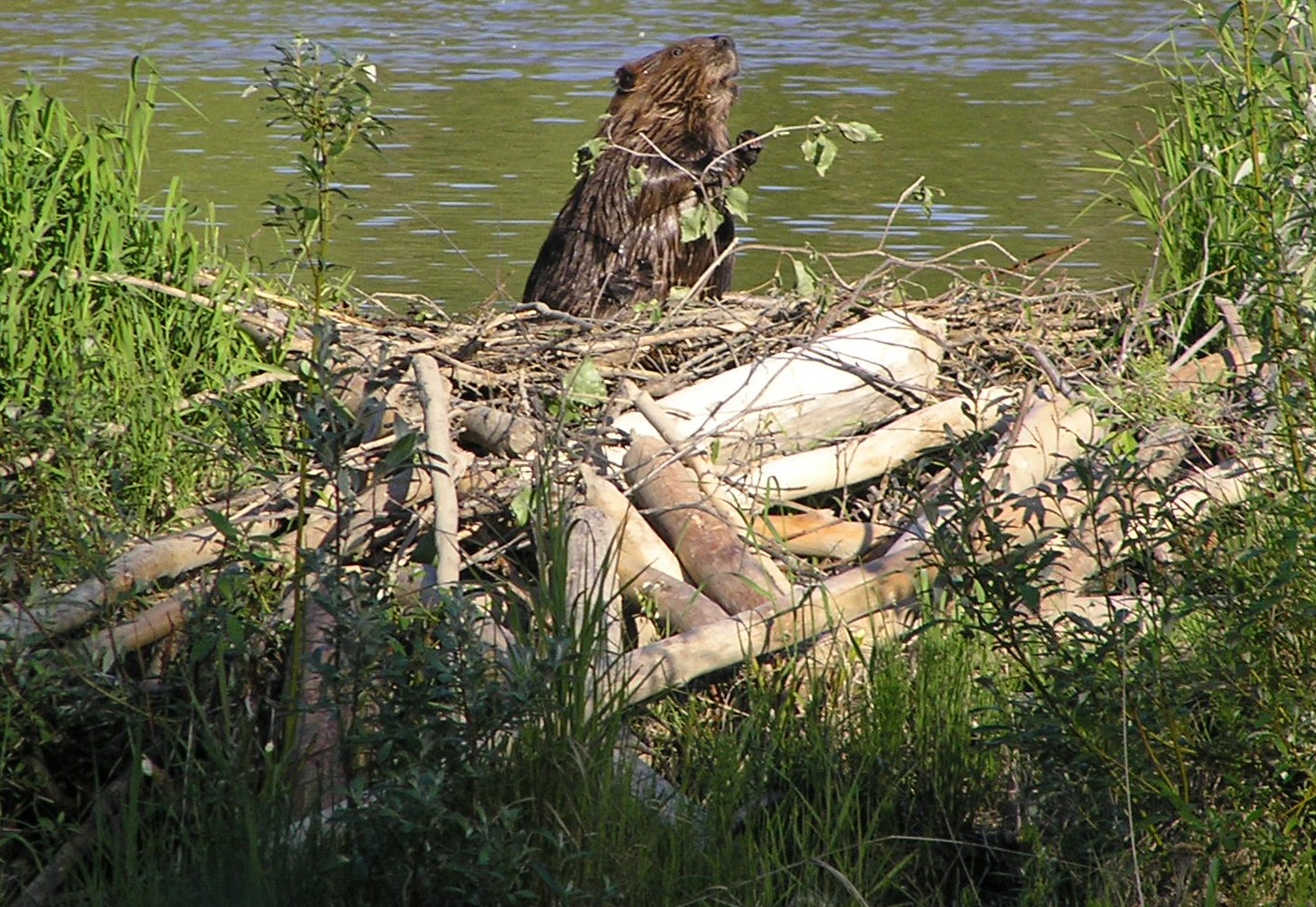
In many temperate regions, beavers play an essential hydrological role. When building their dams and lodges, beavers alter the paths of streams and rivers and allow for the creation of extensive wetland habitats. One study found that engineering by beavers leads to a 33 percent increase in the number of herbaceous plant species in riparian areas. Another study found that beavers increase wild salmon populations. Meanwhile, some rodents are seen as pests, due to their wide range.
Behavior and life history
Feeding

Most rodents are herbivorous, feeding exclusively on plant material while others are omnivorous and a few are predators. The plains pocket gopher eats plant material found underground during tunneling, and also collects grasses, roots, and tubers in its cheek pouches and caches them in underground larder chambers.
The Texas pocket gopher avoids emerging onto the surface to feed by seizing the roots of plants with its jaws and pulling them downwards into its burrow. It also practices coprophagy. The African pouched rat forages on the surface, gathering anything that might be edible into its capacious cheek pouches until its face bulges out sideways. It then returns to its burrow to sort through the material it has gathered and eats the nutritious items.
Agouti species are one of the few animal groups that can break open the large capsules of the Brazil nut fruit. Too many seeds are inside to be consumed in one meal, so the agouti carries some off and caches them. This helps dispersal of the seeds as any that the agouti fails to retrieve are distant from the parent tree when they germinate. Other nut-bearing trees tend to bear a glut of fruits in the autumn. These are too numerous to be eaten in one meal and squirrels gather and store the surplus in crevices and hollow trees. In desert regions, seeds are often available only for short periods. The kangaroo rat collects all it can find and stores them in larder chambers in its burrow.

A strategy for dealing with seasonal plenty is to eat as much as possible and store the surplus nutrients as fat. Marmots do this, and may be 50% heavier in the autumn than in the spring. They rely on their fat reserves during their long winter hibernation.
Although rodents have been regarded traditionally as herbivores, most small rodents opportunistically include insects, worms, fungi, fish, or meat in their diets and a few have become specialized to rely on a diet of animal matter. A functional-morphological study of the rodent tooth system supports the idea that primitive rodents were omnivores rather than herbivores. Studies of the literature show that numerous members of the Sciuromorpha and Myomorpha, and a few members of the Hystricomorpha, have either included animal matter in their diets or been prepared to eat such food when offered it in captivity. Examination of the stomach contents of the North American white-footed mouse, normally considered to be herbivorous, showed 34% animal matter.
More specialized carnivores include the shrewlike rats of the Philippines, which feed on insects and soft-bodied invertebrates, and the rakali or Australian water-rat, which devours aquatic insects, fish, crustaceans, mussels, snails, frogs, birds' eggs, and water birds. The grasshopper mouse from dry regions of North America feeds on insects, scorpions, and other small mice, and only a small part of its diet is plant material. It has a chunky body with short legs and tail, but is agile and can easily overpower prey as large as itself.
Social behavior
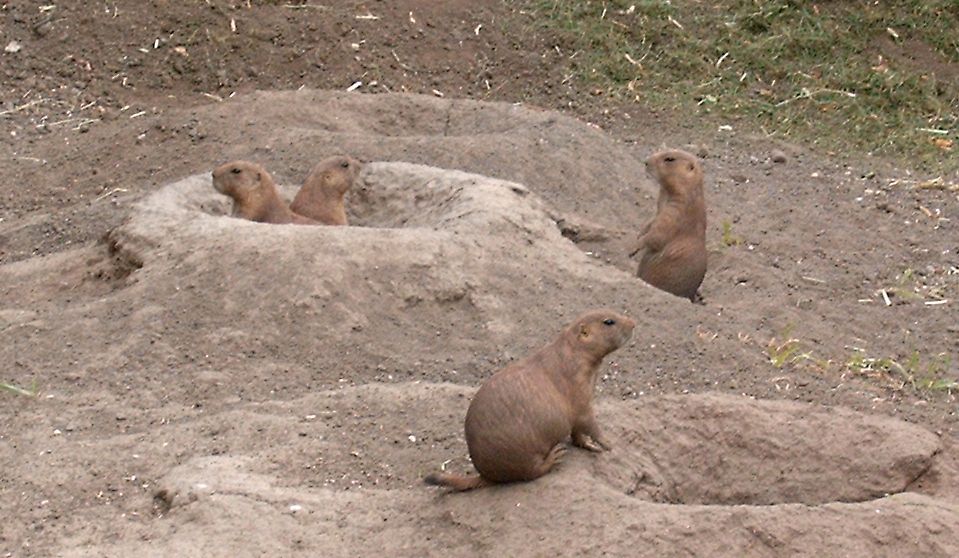
Rodents exhibit a wide range of types of social behavior ranging from the mammalian caste system of the naked mole-rat, the extensive "town" of the colonial prairie dog, through family groups to the independent, solitary life of the edible dormouse. Adult dormice may have overlapping feeding ranges, but they live in individual nests and feed separately, coming together briefly in the breeding season to mate. The pocket gopher is also a solitary animal outside the breeding season, each individual digging a complex tunnel system and maintaining a territory.
Larger rodents tend to live in family units where parents and their offspring live together until the young disperse. Beavers live in extended family units typically with a pair of adults, this year's kits, the previous year's offspring, and sometimes older young. Brown rats usually live in small colonies with up to six females sharing a burrow and one male defending a territory around the burrow. At high population densities, this system breaks down and males show a hierarchical system of dominance with overlapping ranges. Female offspring remain in the colony while male young disperse. The prairie vole is monogamous and forms a lifelong pair bond. Outside the breeding season, prairie voles live with others in small colonies. A male is not aggressive towards other males until he has mated, after which time he defends a territory, a female, and a nest against other males. The pair huddles together, grooms one another, and shares nesting and pup-raising responsibilities.
Among the most social of rodents are the ground squirrels, which typically form colonies based on female kinship, with males dispersing after weaning and becoming nomadic as adults. Cooperation in ground squirrels varies between species and typically includes making alarm calls, defending territories, sharing food, protecting nesting areas, and preventing infanticide. The black-tailed prairie dog forms large towns that may cover many hectares. The burrows do not interconnect, but are excavated and occupied by territorial family groups known as coteries. A coterie often consists of an adult male, three or four adult females, several nonbreeding yearlings, and the current year's offspring. Individuals within coteries are friendly with each other, but hostile towards outsiders.
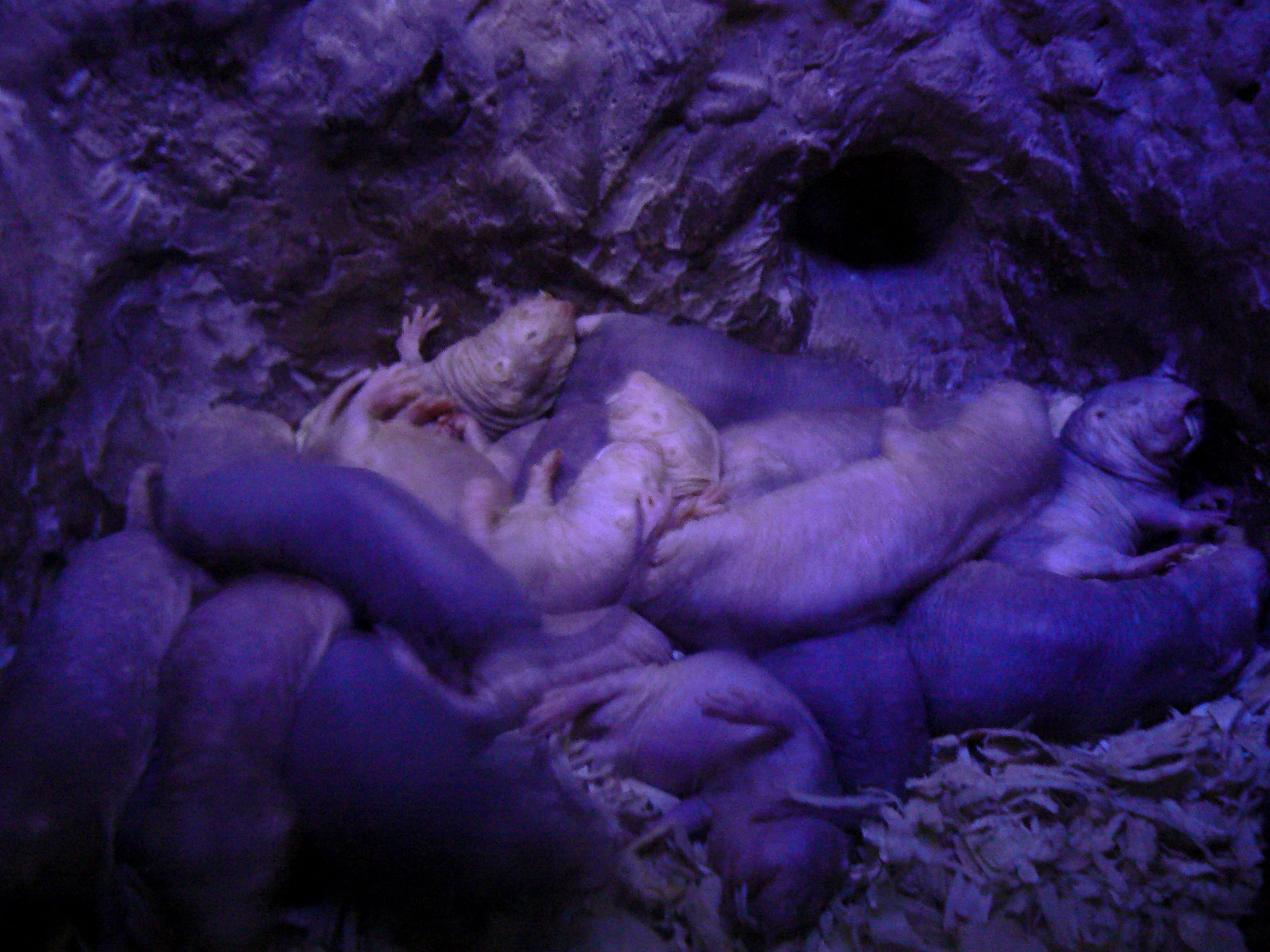
Perhaps the most extreme examples of colonial behavior in rodents are the eusocial naked mole rat and Damaraland mole rat. The naked mole rat lives completely underground and can form colonies of up to 80 individuals. Only one female and up to three males in the colony reproduce, while the rest of the members are smaller and sterile, and function as workers. Some individuals are of intermediate size. They help with the rearing of the young and can take the place of a reproductive if one dies. The Damaraland mole rat is characterized by having a single reproductively active male and female in a colony where the remaining animals are not truly sterile, but become fertile only if they establish a colony of their own. The naked mole-rat has a particularly long life-span for a small rodent, about 30 years, and the basis for this longevity has been investigated. Naked mole-rats express DNA repair genes, including core genes in several DNA repair pathways, at a higher level than shorter-lived mice, and thus it was suggested that DNA repair acts as a longevity assurance system.
Communication
Olfactory

Rodents use scent marking in many social contexts including inter- and intra-species communication, the marking of trails and the establishment of territories. Their urine provides genetic information about individuals including the species, the sex and individual identity, and metabolic information on dominance, reproductive status and health. Compounds derived from the major histocompatibility complex (MHC) are bound to several urinary proteins. The odor of a predator depresses scent-marking behavior.
Rodents are able to recognize close relatives by smell and this allows them to show nepotism (preferential behavior toward their kin) and also avoid inbreeding. This kin recognition is by olfactory cues from urine, feces and glandular secretions. The main assessment may involve the MHC, where the degree of relatedness of two individuals is correlated to the MHC genes they have in common. In non-kin communication, where more permanent odor markers are required, as at territorial borders, then non-volatile major urinary proteins (MUPs), which function as pheromone transporters, may also be used. MUPs may also advertise individual identity, with each male house mouse (Mus musculus) having uniquely encoded MUPs in their urine.
House mice deposit urine, which contains pheromones, for territorial marking, individual and group recognition, and social organization. Territorial beavers and red squirrels investigate and become familiar with the scents of their neighbors and respond less aggressively to intrusions by them than to those made by non-territorial "floaters" or strangers. This is known as the "dear enemy effect".
Auditory
Many rodent species, particularly those that are diurnal and social, have a wide range of alarm calls that are emitted when they perceive threats. There are both direct and indirect benefits of doing this. A potential predator may stop when it knows it has been detected, or an alarm call can allow conspecifics or related individuals to take evasive action. Several species, for example prairie dogs, have complex anti-predator alarm call systems. These species may have different calls for different predators (e.g. aerial predators or ground-based predators) and each call contains information about the nature of the precise threat. The urgency of the threat is also conveyed by the acoustic properties of the call.
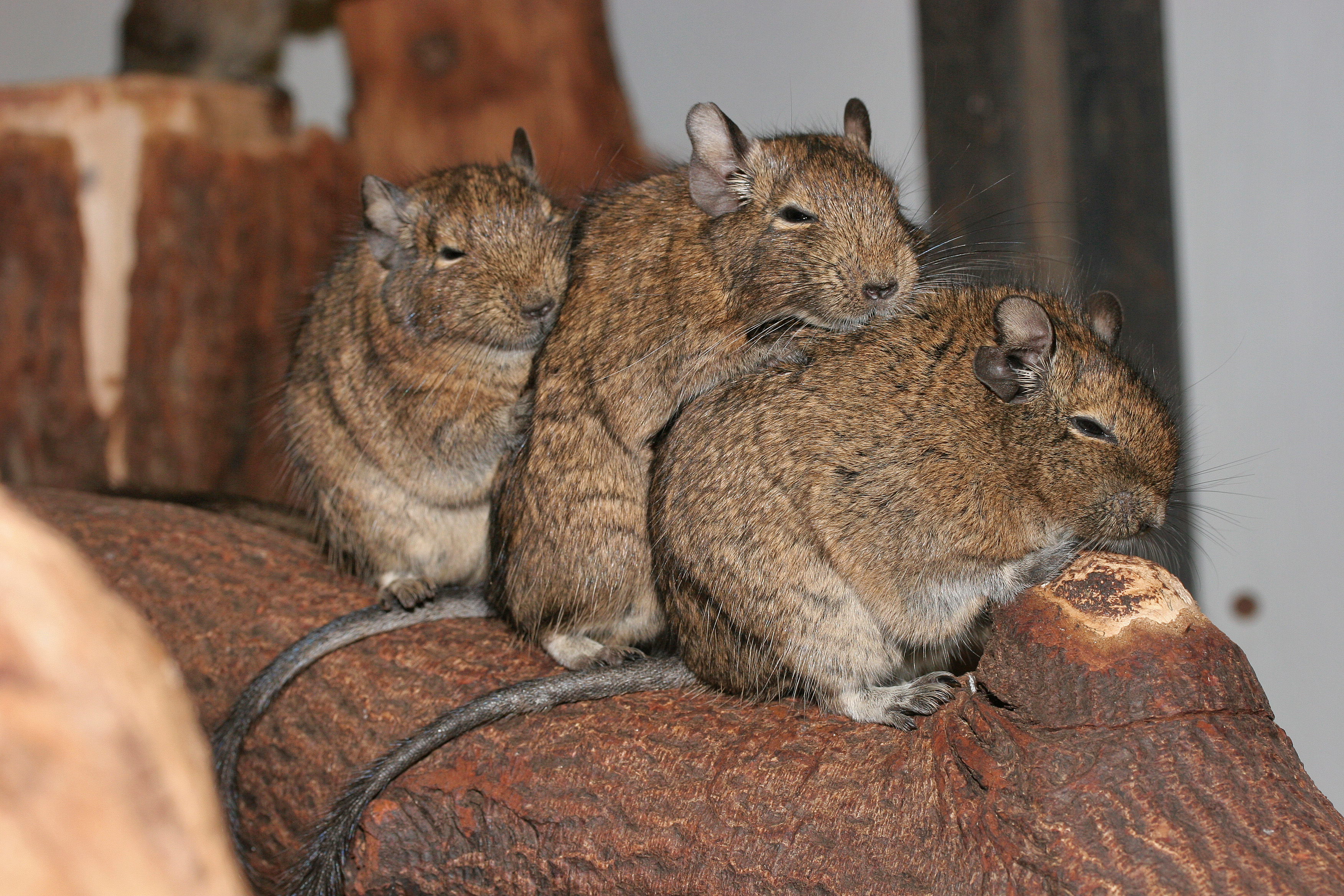
Social rodents have a wider range of vocalizations than do solitary species. Fifteen different call-types have been recognized in adult Kataba mole rats and four in juveniles. Similarly, the common degu, another social, burrowing rodent, exhibits a wide array of communication methods and has an elaborate vocal repertoire comprising fifteen different categories of sound. Ultrasonic calls play a part in social communication between dormice and are used when the individuals are out of sight of each other.
House mice use both audible and ultrasonic calls in a variety of contexts. Audible vocalizations can often be heard during agonistic or aggressive encounters, whereas ultrasound is used in sexual communication and also by pups when they have fallen out of the nest.
Laboratory rats (which are brown rats, Rattus norvegicus) emit short, high frequency, ultrasonic vocalizations during purportedly pleasurable experiences such as rough-and-tumble play, when anticipating routine doses of morphine, during mating, and when tickled. The vocalization, described as a distinct "chirping", has been likened to laughter, and is interpreted as an expectation of something rewarding. In clinical studies, the chirping is associated with positive emotional feelings, and social bonding occurs with the tickler, resulting in the rats becoming conditioned to seek the tickling. However, as the rats age, the tendency to chirp declines. Like most rat vocalizations, the chirping is at frequencies too high for humans to hear without special equipment, so bat detectors have been used for this purpose.
Visual
Rodents, like all placental mammals except primates, have just two types of light receptive cones in their retina, a short wavelength "blue-UV" type and a middle wavelength "green" type. They are therefore classified as dichromats; however, they are visually sensitive into the ultraviolet (UV) spectrum and therefore can see light that humans cannot. The functions of this UV sensitivity are not always clear. In degus, for example, the belly reflects more UV light than the back. Therefore, when a degu stands up on its hind legs, which it does when alarmed, it exposes its belly to other degus and ultraviolet vision may serve a purpose in communicating the alarm. When it stands on all fours, its low UV-reflectance back could help make the degu less visible to predators. Ultraviolet light is abundant during the day but not at night. There is a large increase in the ratio of ultraviolet to visible light in the morning and evening twilight hours. Many rodents are active during twilight hours (crepuscular activity), and UV-sensitivity would be advantageous at these times. Ultraviolet reflectivity is of dubious value for nocturnal rodents.
The urine of many rodents (e.g. voles, degus, mice, rats) strongly reflects UV light and this may be used in communication by leaving visible as well as olfactory markings. However, the amount of UV that is reflected decreases with time, which in some circumstances can be disadvantageous; the common kestrel can distinguish between old and fresh rodent trails and has greater success hunting over more recently marked routes.
Tactile
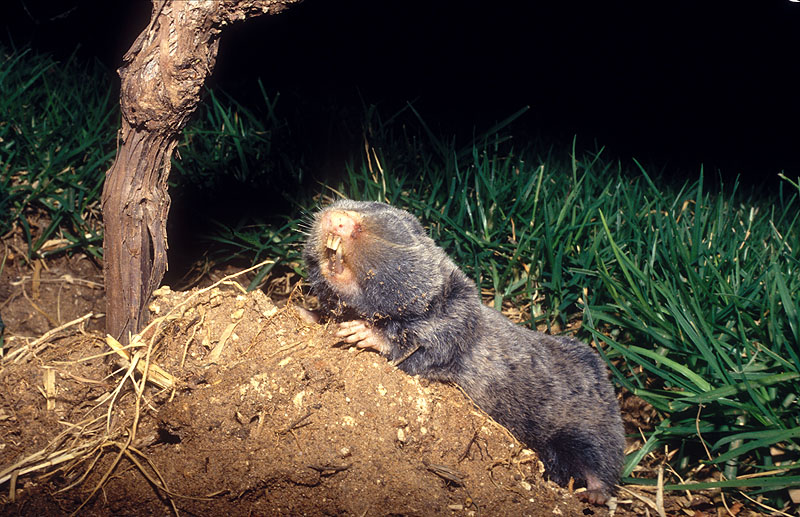
Vibrations can provide cues to conspecifics about specific behaviors being performed, predator warning and avoidance, herd or group maintenance, and courtship. The Middle East blind mole rat was the first mammal for which seismic communication was documented. These fossorial rodents bang their head against the walls of their tunnels. This behavior was initially interpreted as part of their tunnel building behavior, but it was eventually realized that they generate temporally patterned seismic signals for long-distance communication with neighboring mole rats.
Footdrumming is used widely as a predator warning or defensive action. It is used primarily by fossorial or semi-fossorial rodents. The banner-tailed kangaroo rat produces several complex footdrumming patterns in a number of different contexts, one of which is when it encounters a snake. The footdrumming may alert nearby offspring but most likely conveys that the rat is too alert for a successful attack, thus preventing the snake's predatory pursuit. Several studies have indicated intentional use of ground vibrations as a means of intra-specific communication during courtship among the Cape mole rat. Footdrumming has been reported to be involved in male-male competition; the dominant male indicates its resource holding potential by drumming, thus minimizing physical contact with potential rivals.
Mating strategies

Some species of rodent are monogamous, with an adult male and female forming a lasting pair bond. Monogamy can come in two forms; obligate and facultative. In obligate monogamy, both parents care for the offspring and play an important part in their survival. This occurs in species such as California deermice, oldfield mice, Malagasy giant rats and beavers. In these species, males usually mate only with their partners. In addition to increased care for young, obligate monogamy can also be beneficial to the adult male as it increases the chances of having a mate, particularly a fertile one. In facultative monogamy, the males do not provide direct parental care and are forced to mate with one female due to more dispersed social spacing. Prairie voles appear to be an example of this form of monogamy, with males guarding and defending females within their vicinity.
In polygynous species, males will try to monopolize and mate with multiple females. As with monogamy, polygyny in rodents can come in two forms; defense and non-defense. Defense polygyny involves males defend areas where females are spatially clumped as territories. This occurs in ground squirrels like yellow-bellied marmots, California ground squirrels, Columbian ground squirrels and Richardson's ground squirrels. Males with territories are known as "resident" males and the females that live within the territories are known as "resident" females. In the case of marmots, resident males do not appear to ever lose their territories and always repel invading males. Some species are also known to directly defend their resident females and the ensuing fights can lead to serious injuries. In species with non-defense polygyny, males are not territorial and wander widely in search of females. These males establish dominance hierarchies, with the high-ranking males having access to the most females. This occurs in species like Belding's ground squirrels and some tree squirrel species. right|thumbnail|A [[mating plug]] in a female [[Richardson's ground squirrel]] Promiscuity, in which both males and females mate with multiple partners, also occurs in rodents. In species such as Gunnison's prairie dogs, females give birth to litters with multiple paternities. Promiscuity leads to increased sperm competition and males tend to have larger testicles. In the Cape ground squirrel, the male's testes can be 20 percent of its head-body length. Several rodent species have flexible mating systems that can vary between monogamy, polygyny and promiscuity.
Female rodents play an active role in choosing their mates. Factors that contribute to female preference may include the fitness, dominance and spatial ability of the male. The preference of reproductively active females for unfamiliar males is thought to be an adaptation for inbreeding avoidance, since inbreeding ordinarily leads to the expression of recessive deleterious alleles.
In most rodent species, ovulation is cyclical while a minority of species have it induced by mating. Males of some rodent species leave behind a mating plug, which blocks both sperm leakage and other males from inseminating the female. Females can remove the plug and may do so right after mating or after several hours.
Metabolism of thyroid hormones and iodine in the mediobasal hypothalamus changes in response to photoperiod. Thyroid hormones in turn induce reproductive changes. This is in Siberian hamsters, Syrian hamsters, and mice.
Birth and parenting
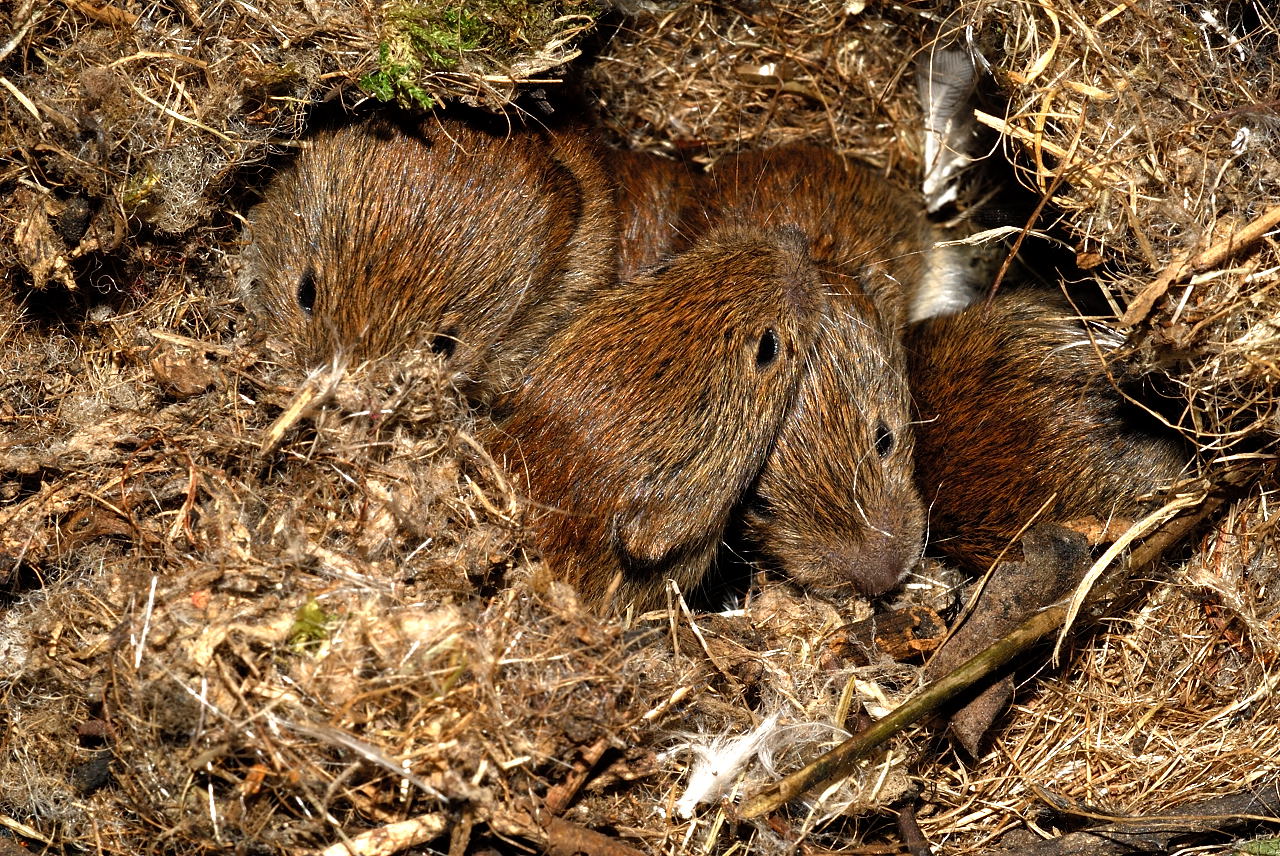
Rodents may be born either altricial (blind, hairless and relatively underdeveloped) or precocial (mostly furred, eyes open and fairly developed) depending on the species. The altricial state is typical for squirrels and mice, while the precocial state usually occurs in species like guinea pigs and porcupines. Females with altricial young typically construct complex nests for their young, lasting from before birth and until they are weaned. The female gives birth sitting or lying down and the young emerge in the direction she is facing. Starting at a few days old, when their eyes first open, offspring can periodically venture outside.
In precocial species, the mothers invest little in nest building and some do not build nests at all. The female gives birth standing as the offspring emerge behind her. Mothers maintain contact with their highly mobile young with contact calls. Though relatively independent and weaned within days, precocial young may continue to nurse and be groomed by their mothers. Rodent litter sizes also vary with smaller litters having longer maternal care than larger ones.
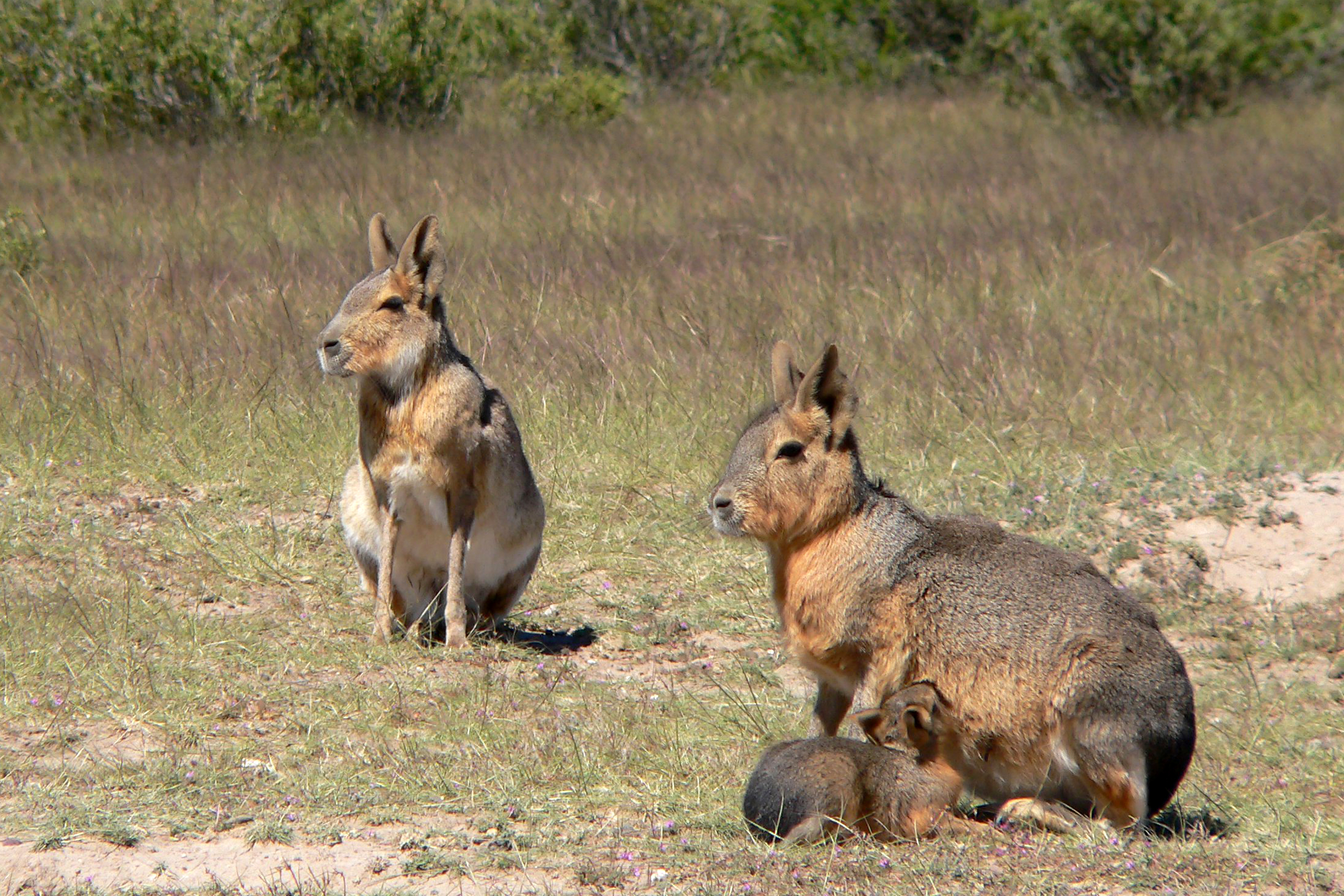
Mother rodents provide both direct parental care, such as nursing, feeding, grooming, warmth, transportation, socialization and expelling, and indirect parenting, such as food storing, nest building and protection to their offspring. In many social species, young may be cared for by individuals other than their parents, a practice known as alloparenting or cooperative breeding. This is known to occur in black-tailed prairie dogs and Belding's ground squirrels, where mothers have communal nests and nurse unrelated young along with their own. There is some question as to whether these mothers can distinguish which young are theirs. In the Patagonian mara, young are also placed in communal warrens, but mothers do not permit youngsters other than their own to nurse.
Infanticide exists in numerous rodent species and may be practiced by adult conspecifics of either sex. Several reasons have been proposed for this behavior, including nutrition, resource competition, avoiding caring for alien young and, in the case of males, attempting to make the mother sexually receptive. The latter reason is more studied in primates and lions. Infanticide appears to be widespread in black-tailed prairie dogs, including infanticide from invading males and immigrant females, as well as occasional cannibalism of an individual's own offspring. To protect against infanticide from other adults, female rodents may employ avoidance or direct aggression (including in groups) against potential perpetrators, multiple mating, territoriality or early abortions.
Intelligence
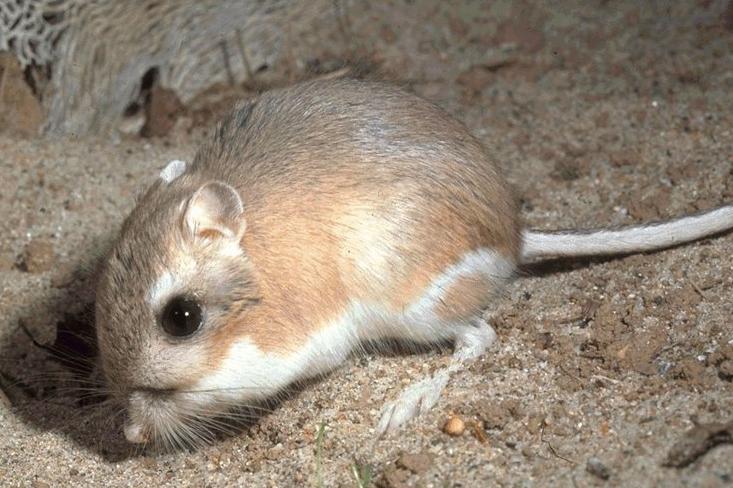
Rodents have advanced cognitive abilities. They can recognize poisoned baits, making pest control difficult. Guinea pigs can learn and remember complex pathways to food. Squirrels and kangaroo rats are able to locate caches of food by spatial memory, rather than just by smell.
Because laboratory mice (house mice) and rats (brown rats) are widely used as scientific models to further our understanding of biology, a great deal has come to be known about their cognitive capacities. Brown rats exhibit cognitive bias, where information processing is biased by whether they are in a positive or negative affective state. For example, laboratory rats trained to respond to a specific tone by pressing a lever to receive a reward, and to press another lever in response to a different tone so as to avoid receiving an electric shock, are more likely to respond to an intermediate tone by choosing the reward lever if they have just been tickled (something they enjoy), indicating "a link between the directly measured positive affective state and decision making under uncertainty in an animal model."
Laboratory (brown) rats may have the capacity for metacognition—to consider their own learning and then make decisions based on what they know, or do not know, as indicated by choices they make apparently trading off difficulty of tasks and expected rewards, making them the first animals other than primates known to have this capacity, but these findings are disputed, since the rats may have been following simple operant conditioning principles, or a behavioral economic model. Brown rats use social learning in a wide range of situations, but perhaps especially so in acquiring food preferences.
Evolutionary history

Dentition is the key feature by which fossil rodents are recognized and the earliest record of such mammals comes from the Paleocene, shortly after the extinction of the non-avian dinosaurs some 66 million years ago. These fossils are found in Laurasia, Some molecular clock data suggest modern rodents (members of the order Rodentia) had appeared by the late Cretaceous, although other molecular divergence estimations are in agreement with the fossil record.
Rodents are thought to have evolved in Asia, where local multituberculate faunas were severely affected by the Cretaceous–Paleogene extinction event and never fully recovered, unlike their North American and European relatives. In the resulting ecological vacuum, rodents and other Glires were able to evolve and diversify, taking the niches left by extinct multituberculates. The correlation between the spread of rodents and the demise of multituberculates is a controversial topic, not fully resolved. American and European multituberculate assemblages do decline in diversity in correlation with the introduction of rodents in these areas, but the remaining Asian multituberculates co-existed with rodents with no observable replacement taking place, and ultimately both clades co-existed for at least 15 million years.
The history of the colonization of the world's continents by rodents is complex. The movements of the large superfamily Muroidea (including hamsters, gerbils, true mice and rats) may have involved up to seven colonizations of Africa, five of North America, four of Southeast Asia, two of South America and up to ten of Eurasia.

During the Eocene, rodents began to diversify. Beavers appeared in Eurasia in the late Eocene before spreading to North America in the late Miocene. Late in the Eocene, hystricognaths invaded Africa, most probably having originated in Asia at least 39.5 million years ago. From Africa, fossil evidence shows that some hystricognaths (caviomorphs) colonized South America, which was an isolated continent at the time, evidently making use of ocean currents to cross the Atlantic on floating debris. Caviomorphs had arrived in South America by 41 million years ago (implying a date at least as early as this for hystricognaths in Africa),
Nesomyid rodents are thought to have rafted from Africa to Madagascar 20–24 million years ago. All 27 species of native Malagasy rodents appear to be descendants of a single colonization event.
By 20 million years ago, fossils recognizably belonging to the current families such as Muridae had emerged. Some fossil species were very large in comparison to modern rodents and included the giant beaver, Castoroides ohioensis, which grew to a length of 2.5 m and weight of 100 kg. The largest known rodent was Josephoartigasia monesi, a pacarana with an estimated body length of 3 m (10 ft).
The first rodents arrived in Australia via Indonesia around 5 million years ago. Although marsupials are the most prominent mammals in Australia, many rodents, all belonging to the subfamily Murinae, are among the continent's mammal species. There are about fifty species of 'old endemics', the first wave of rodents to colonize the country in the Miocene and early Pliocene, and eight true rat (Rattus) species of 'new endemics', arriving in a subsequent wave in the late Pliocene or early Pleistocene. The earliest fossil rodents in Australia have a maximum age of 4.5 million years, and molecular data is consistent with the colonization of New Guinea from the west during the late Miocene or early Pliocene followed by rapid diversification. A further wave of adaptive radiation occurred after one or more colonizations of Australia some 2 to 3 million years later.
Rodents participated in the Great American Interchange that resulted from the joining of the Americas by formation of the Isthmus of Panama, around 3 million years ago in the Piacenzian age. In this exchange, a small number of species such as the New World porcupines (Erethizontidae) headed north. However, the main southward invasion of sigmodontines preceded formation of the land bridge by at least several million years, probably occurring via rafting. Sigmodontines diversified explosively once in South America, although some degree of diversification may have already occurred in Central America before the colonization.
Classification
The use of the order name "Rodentia" is attributed to the English traveler and naturalist Thomas Edward Bowdich (1821). The Modern Latin word Rodentia is derived from rōdēns, present participle of rōdere, rōdō . The hares, rabbits and pikas (order Lagomorpha) have continuously growing incisors, as do rodents, and were at one time included in the order. However, they have an additional pair of incisors in the upper jaw and the two orders have quite separate evolutionary histories. The phylogeny of the rodents places them in the clades Glires, Euarchontoglires and Boreoeutheria. The cladogram below shows some of the inner and outer relations of Rodentia based on a 2012 attempt by Wu et al. to align the molecular clock with paleontological data:
The living rodent families based on the study done by Fabre et al. 2012.
| Rodentia classification |
|---|
The order Rodentia may be divided into suborders, infraorders, superfamilies and families. There is a great deal of parallelism and convergence among rodents caused by the fact that they have tended to evolve to fill largely similar niches. This parallel evolution includes not only the structure of the teeth, but also the infraorbital region of the skull (below the eye socket) and makes classification difficult as similar traits may not be due to common ancestry. Brandt (1855) was the first to propose dividing Rodentia into three suborders, Sciuromorpha, Hystricomorpha and Myomorpha, based on the development of certain muscles in the jaw, and this system was widely accepted. Schlosser (1884) performed a comprehensive review of rodent fossils, mainly using the cheek teeth, and found that they fitted into the classical system, but Tullborg (1899) proposed just two sub-orders, Sciurognathi and Hystricognathi. These were based on the degree of inflection of the lower jaw and were to be further subdivided into Sciuromorpha, Myomorpha, Hystricomorpha and Bathyergomorpha. Matthew (1910) created a phylogenetic tree of New World rodents but did not include the more problematic Old World species. Further attempts at classification continued without agreement, with some authors adopting the classical three suborder system and others Tullborg's two suborders.
These disagreements remain unresolved, nor have molecular studies fully resolved the situation though they have confirmed the monophyly of the group and that the clade has descended from a common Paleocene ancestor. Carleton and Musser (2005) in Mammal Species of the World have provisionally adopted a five suborder system: Sciuromorpha, Castorimorpha, Myomorpha, Anomaluromorpha, and Hystricomorpha. As of 2021 the American Society of Mammalogists recognizes 34 recent families containing more than 481 genera and 2277 species.
Conservation

While rodents are not the most seriously threatened order of mammals, there are 168 species in 126 genera that are said to warrant conservation attention Several species of rice rat have become extinct since the 19th century, probably through habitat loss and the introduction of alien species. In Colombia, the brown hairy dwarf porcupine was recorded from only two mountain localities in the 1920s, while the red crested soft-furred spiny rat is known only from its type locality on the Caribbean coast, so these species are considered vulnerable. The IUCN Species Survival Commission writes "We can safely conclude that many South American rodents are seriously threatened, mainly by environmental disturbance and intensive hunting".
The "three now cosmopolitan commensal rodent pest species" (the brown rat, the black rat and the house mouse) have been dispersed in association with humans, partly on sailing ships in the Age of Exploration, and with a fourth species in the Pacific, the Polynesian rat (Rattus exulans), have severely damaged island biotas around the world. For example, when the black rat reached Lord Howe Island in 1918, over 40 percent of the terrestrial bird species of the island, including the Lord Howe fantail, became extinct within ten years. Similar destruction has been seen on Midway Island (1943) and Big South Cape Island (1962). Conservation projects can with careful planning completely eradicate these pest rodents from islands using an anticoagulant rodenticide such as brodifacoum.
Rodents have also been susceptible to climate change, especially species living on low-lying islands. The Bramble Cay melomys, which lived in the northernmost point of land of Australia, was the first mammal species to be declared extinct as a consequence of human-caused climate change.
Interaction with humans
Exploitation
Fur

Humans globally have used rodent fur for clothing. Later, the coypu took over as a cheaper source of fur for felting and was farmed extensively in America and Europe; however, fashions changed, new materials became available and this area of the animal fur industry declined. The chinchilla has a soft and silky coat and the demand for its fur was so high that it was nearly wiped out in the wild before farming took over as the main source of pelts.
Consumption
At least 89 species of rodent, mostly Hystricomorpha such as guinea pigs, agoutis and capybaras, are eaten by humans; in 1985, there were at least 42 different societies in which people eat rats. Guinea pigs were first raised for food around 2500 B.C. and by 1500 B.C. had become the main source of meat for the Inca Empire. Dormice were raised by the Romans in special pots called "gliraria", or in large outdoor enclosures, where they were fattened on walnuts, chestnuts, and acorns. The dormice were also caught from the wild in autumn when they were fattest, and either roasted and dipped into honey or baked while stuffed with a mixture of pork, pine nuts, and other flavorings. Researchers found that in Amazonia, where large mammals were scarce, pacas and common agoutis accounted for around 40 percent of the annual game taken by the indigenous people, but in forested areas where larger mammals were abundant, these rodents constituted only about 3 percent of the take.
Guinea pigs are used in the cuisine of Cuzco, Peru, in dishes such as cuy al horno, baked guinea pig. The traditional Andean stove, known as a qoncha or a fogón, is made from mud and clay reinforced with straw and hair from animals such as guinea pigs. In Peru, there are at any time 20 million domestic guinea pigs, which annually produce 64 million edible carcasses. This animal is an excellent food source since the flesh is 19% protein. In the United States, mostly squirrels, but also muskrats, porcupines, and groundhogs are eaten by humans. The Navajo people ate prairie dog baked in mud, while the Paiute ate gophers, squirrels, and rats.
Animal testing
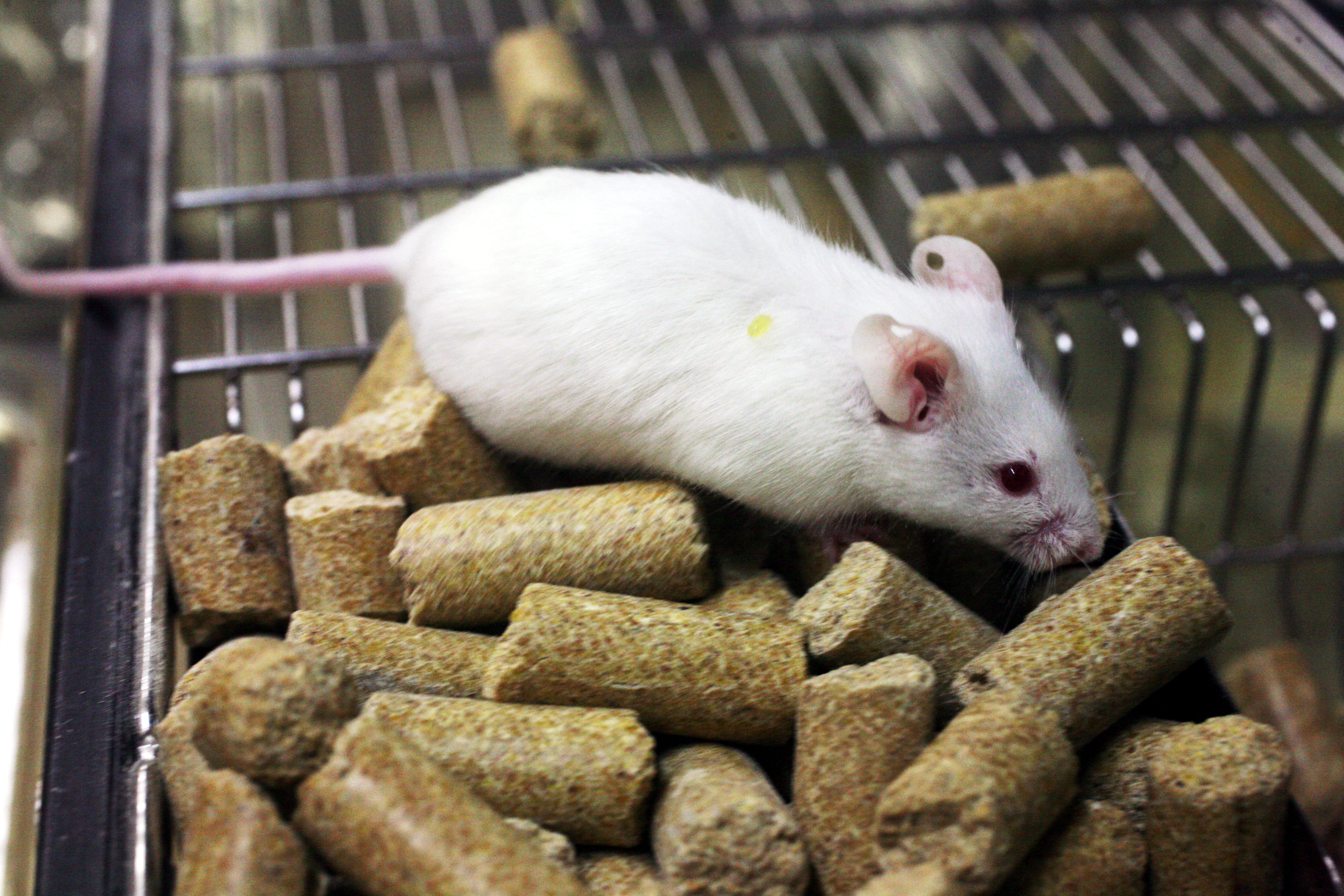
Rodents are used widely as in animal testing. Nowadays, the house mouse is the most commonly used laboratory rodent, and in 1979 it was estimated that fifty million were used annually worldwide. They are favored because of their small size, fertility, short gestation period and ease of handling and because they are susceptible to many of the conditions and infections that afflict humans. They are used in research into genetics, developmental biology, cell biology, oncology and immunology. Guinea pigs were popular laboratory animals until the late 20th century; about 2.5 million guinea pigs were used annually in the United States for research in the 1960s, but that total decreased to about 375,000 by the mid-1990s. In 2007, they constituted about 2% of all laboratory animals. They have been launched into orbital space flight several times—first by the USSR on the Sputnik 9 biosatellite of 9 March 1961, with a successful recovery. The naked mole rat is the only known mammal that is poikilothermic; it is used in studies on thermoregulation. It is also unusual in not producing the neurotransmitter substance P, a fact which researchers find useful in studies on pain.
Rodents have sensitive olfactory abilities, which have been used by humans to detect odors or chemicals of interest. The Gambian pouched rat is able to detect tuberculosis bacilli with a sensitivity of up to 86.6%, and specificity (detecting the absence of the bacilli) of over 93%; the same species has been trained to detect land mines. Rats have been studied for possible use in hazardous situations such as in disaster zones. They can be trained to respond to commands, which may be given remotely, and even persuaded to venture into brightly lit areas, which rats usually avoid.
As pets

Rodents including guinea pigs, mice, rats, hamsters, gerbils, chinchillas, degus and chipmunks make convenient pets able to live in small spaces, each species with its own qualities. Most are normally kept in cages of suitable sizes and have varied requirements for space and social interaction. If handled from a young age, they are usually docile and do not bite. Guinea pigs have a long lifespan and need a large cage. Rats also need plenty of space and can become very tame, can learn tricks and seem to enjoy human companionship. Mice are short-lived but take up very little space. Hamsters are solitary but tend to be nocturnal. They have interesting behaviors, but unless handled regularly they may be defensive. Gerbils are not usually aggressive, rarely bite and are sociable animals that enjoy the company of humans and their own kind.
As pests and disease vectors

Some rodent species are serious agricultural pests, eating large quantities of food stored by humans. For example, in 2003, the amount of rice lost to mice and rats in Asia was estimated to be enough to feed 200 million people. Most of the damage worldwide is caused by a relatively small number of species, chiefly rats and mice. In Indonesia and Tanzania, rodents reduce crop yields by around fifteen percent, while in some instances in South America losses have reached ninety percent. Across Africa, rodents including Mastomys and Arvicanthis damage cereals, groundnuts, vegetables and cacao. In Asia, rats, mice and species such as Microtus brandti, Meriones unguiculatus and Eospalax baileyi damage crops of rice, sorghum, tubers, vegetables and nuts. In Europe, as well as rats and mice, species of Apodemus, Microtus and in occasional outbreaks Arvicola terrestris cause damage to orchards, vegetables and pasture as well as cereals. In South America, a wider range of rodent species, such as Holochilus, Akodon, Calomys, Oligoryzomys, Phyllotis, Sigmodon and Zygodontomys, damage many crops including sugar cane, fruits, vegetables, and tubers.
Rodents are also significant vectors of disease. The black rat, with the fleas that it carries, plays a primary role in spreading the bacterium Yersinia pestis responsible for bubonic plague, and carries the organisms responsible for typhus, Weil's disease, toxoplasmosis and trichinosis. Rodents also help to transmit diseases including babesiosis, cutaneous leishmaniasis, human granulocytic anaplasmosis, Lyme disease, Omsk hemorrhagic fever, Powassan virus, rickettsialpox, relapsing fever, Rocky Mountain spotted fever, and West Nile virus.

Because rodents are a nuisance and endanger public health, human societies often attempt to control them. Traditionally, this involved poisoning and trapping, methods that were not always safe or effective. More recently, integrated pest management attempts to improve control with a combination of surveys to determine the size and distribution of the pest population, the establishment of tolerance limits (levels of pest activity at which to intervene), interventions, and evaluation of effectiveness based on repeated surveys. Interventions may include education, making and applying laws and regulations, modifying the habitat, changing farming practices, and biological control using pathogens or predators, as well as poisoning and trapping. The use of pathogens such as Salmonella has the drawback that they can infect man and domestic animals, and rodents often become resistant. The use of predators including ferrets, mongooses and monitor lizards has been found unsatisfactory. Domestic and feral cats are able to control rodents effectively, provided the rodent population is not too large. In the UK, two species in particular, the house mouse and the brown rat, are actively controlled to limit damage in growing crops, loss and contamination of stored crops and structural damage to facilities, as well as to comply with the law.
References
References
- Waggoner, Ben. (15 August 2000). "Introduction to the Rodentia". University of California Museum of Paleontology.
- Niemiec, Brook A.. (15 October 2011). "Small Animal Dental, Oral and Maxillofacial Disease: A Colour Handbook". CRC Press.
- (2012-04-27). "Functional Evolution of the Feeding System in Rodents". [[PLOS ONE]].
- Turnbull, William D.. (1970). "Mammalian masticatory apparatus". Field Museum Press.
- Froberg-Fejko, Karen. (2014-10-01). "Give a rat a bone: satisfying rodents' need to gnaw". Lab Animal.
- (2011). "Reviewing the Morphology of the Jaw-Closing Musculature in Squirrels, Rats, and Guinea Pigs with Contrast-Enhanced MicroCT". The Anatomical Record.
- Nowak, R. M.. (1999). "Walker's Mammals of the World". [[Johns Hopkins University Press]].
- (2025-09-04). "Evolution of thumbnails across Rodentia". Science.
- Thorington, R. W Jr.. (1998). "Wing tip anatomy and aerodynamics in flying squirrels". Journal of Mammalogy.
- (2001). "The Encyclopedia of Mammals". Oxford University Press.
- Petersen, Carl C.H.. (2014-07-08). "Cortical Control of Whisker Movement". [[Annual Reviews (publisher).
- (1986). "Comparative morphology and evolution of cheek pouches in rodents". Journal of Morphology.
- (2015-07-27). "Animal Models of Barrett's Esophagus and Esophageal Adenocarcinoma-Past, Present, and Future". Clinical and Translational Science.
- (2017). "What is nausea? A historical analysis of changing views". [[Autonomic Neuroscience]].
- Schulte-Hostedde, A. I.. (2008). "Rodent Societies: An Ecological and Evolutionary Perspective". University of Chicago Press.
- Parshad, V.R.. (1999). "Rodent control in India". Integrated Pest Management Reviews.
- (1986). "Feeding relationships among bison, pronghorn, and prairie dogs: an experimental analysis". Ecology.
- (2013). "Prairie dog decline reduces the supply of ecosystem services and leads to desertification of semiarid grasslands". [[PLOS ONE]].
- (2012). "Effect of gut passage by two highland rodents on spore activity and mycorrhiza formation of two species of ectomycorrhizal fungi (''Laccaria trichodermophora'' and ''Suillus tomentosus'')". [[Botany (journal).
- (2010). "The river discontinuum: applying beaver modifications to baseline conditions for restoration of forested headwaters". BioScience.
- (2002). "An ecosystem engineer, the beaver, increases species richness at the landscape scale". Oecologia.
- (2012). "Qualitative and quantitative effects of reintroduced beavers on stream fish". [[Fish and Fisheries]].
- (2020-04-01). "Rodents...Vermin...Pests…What's The Difference?".
- Connior, M. B.. (2011). "''Geomys bursarius'' (Rodentia: Geomyidae)". [[Mammalian Species]].
- "Texan pocket gopher". NSRL: Museum of Texas Tech University.
- Attenborough, David. (2002). "The Life of Mammals". BBC Books.
- (2003). "The Beaver: Natural History of a Wetlands Engineer". Cornell University Press.
- Landry, Stuart O. Jr.. (1970). "The Rodentia as omnivores". The Quarterly Review of Biology.
- (30 June 2004). "''Hydromys chrysogaster'': Water rat". CSIRO.
- "Northern grasshopper mouse". NSRL: Museum of Texas Tech University.
- Hoogland, John L.. (1995). "The Black-Tailed Prairie Dog: Social Life of a Burrowing Mammal". University of Chicago Press.
- (1962). "Reproduction in the Plains Pocket Gopher in Colorado". [[Journal of Mammalogy]].
- (2003). "Wild Mammals of North America: Biology, Management, and Conservation". JHU Press.
- Hanson, Anne. (25 October 2006). "Wild Norway rat behavior". Rat behavior and biology.
- (1993). "A role for central vasopressin in pair bonding in monogamous prairie voles". Letters to Nature.
- (2003). "Wild Mammals of North America: Biology, Management, and Conservation". JHU Press.
- Jarvis, Jennifer. (1981). "Eusociality in a mammal: Cooperative breeding in naked mole-rat colonies". [[Science (journal).
- (2004). "''Cryptomys damarensis''". [[Mammalian Species]].
- (December 2015). "DNA repair in species with extreme lifespan differences". Aging.
- (2008). "Scent marking behavior as an odorant communication in mice". Neuroscience and Biobehavioral Reviews.
- (2008). "Rodent Societies: An Ecological and Evolutionary Perspective". University of Chicago Press.
- Sherwin, C.M.. (2002). "Comfortable Quarters For Laboratory Animals". Animal Welfare Institute.
- (2002). "A test of the dear enemy phenomenon in the Eurasian beaver". Animal Behaviour.
- (2001). "The ability of red squirrels (''Tamiasciurus hudsonicus'') to discriminate conspecific olfactory signatures". [[Canadian Journal of Zoology]].
- (2005). "The evolution of vocal alarm communication in rodents". [[Behavioral Ecology (journal).
- (2009). "Prairie dog alarm calls encode labels about predator colors". Animal Cognition.
- (2013). "The Evolution of Emotional Communication: From Sounds in Nonhuman Mammals to Speech and Music in Man". Oxford University Press.
- (2014). "Does sociality imply a complex vocal communication system? A case study for ''Fukomys micklemi'' (Bathyergidae, Rodentia)". Bioacoustics.
- Long, C. V.. (2007). "Vocalisations of the degu (''Octodon degus''), a social caviomorph rodent". Bioacoustics.
- (2014). "Ultrasonic communication in Gliridae (Rodentia): the hazel dormouse (''Muscardinus avellanarius'') as a case study". Bioacoustics.
- (2003). ""Laughing" rats and the evolutionary antecedents of human joy?". Physiology & Behavior.
- (2005). "The primordial, blue-cone color system of the mouse retina". [[Journal of Neuroscience]].
- Hanson, Anne. "What do rats see?". Rat behavior and biology.
- Pickrell, John. (8 July 2003). "Urine vision? How rodents communicate with UV light". National Geographic News.
- (1973). "Social rank in house mice: Differentiation revealed by ultraviolet visualization of urinary marking patterns". Science.
- (1995). "Attraction of kestrels to vole scent marks visible in ultraviolet light". [[Nature (journal).
- Randall, J. A.. (2001). "Evolution and function of drumming as communication in mammals". [[American Zoologist]].
- (4 August 2010). "Vibrational communication in mammals". University of Cambridge.
- (1997). "Why do kangaroo rats (''Dipodomys spectabilis'') footdrum at snakes?". Behavioral Ecology.
- (1992). "Seismic signal transmission between burrows of the Cape mole-rat ''Georychus capensis''". Journal of Comparative Physiology A.
- Waterman, Jane. (2008). "Rodent Societies: An Ecological and Evolutionary Perspective". University of Chicago Press.
- (October 1999). "Kin discrimination and female mate choice in the naked mole-rat Heterocephalus glaber". Proceedings. Biological Sciences.
- (November 2009). "The genetics of inbreeding depression". Nature Reviews. Genetics.
- (2008). "Rodent Societies: An Ecological and Evolutionary Perspective". University of Chicago Press.
- (15 February 2019). "Photoperiodic Regulation of Reproduction in Vertebrates". [[Annual Reviews (publisher).
- (2008). "Rodent Societies: An Ecological and Evolutionary Perspective". University of Chicago Press.
- (2008). "Rodent Societies: An Ecological and Evolutionary Perspective". University of Chicago Press.
- (1985). "Infanticide in prairie dogs: Lactating females kill offspring of close kin". Science.
- (2003). "Reproductive suppression in female Alpine marmots, ''Marmota marmota''". [[Animal Behaviour (journal).
- Charters, Jessie Blount Allen. (1904). "The associative processes of the guinea pig: A study of the psychical development of an animal with a nervous system well medullated at birth". Journal of Comparative Neurology and Psychology.
- (1991). "Grey squirrels remember the locations of buried nuts". Animal Behaviour.
- Jacobs, Lucia F.. (1992). "Memory for cache locations in Merriam's kangaroo rats". Animal Behaviour.
- (2004). "Animal behaviour: Cognitive bias and affective state". Nature.
- (2012). "Laughing rats are optimistic". PLOS ONE.
- Carlyle, Kim. (8 March 2007). "Rats capable of reflecting on mental processes". University of Georgia.
- Foote, Allison L.. (2007). "Metacognition in the rat". Current Biology.
- Smith, J. David. (2008). "The comparative study of metacognition: Sharper paradigms, safer inferences". Psychonomic Bulletin & Review.
- (2009). "Metacognition in animals: how do we know that they know?". Comparative Cognition & Behavior Reviews.
- Hanson, Anne. (2012). "How do rats choose what to eat?". Rat behavior and biology.
- (June 2005). "Social Learning in Animals: Empirical Studies and Theoretical Models". BioScience.
- (2005). "Stem Lagomorpha and the Antiquity of Glires". Science.
- (February 2017). "The impacts of Cenozoic climate and habitat changes on small mammal diversity of North America". [[Global and Planetary Change]].
- (2011). "Deterioration of the Gαo Vomeronasal Pathway in Sexually Dimorphic Mammals". PLOS ONE.
- (2003). "Local molecular clocks in three nuclear genes: divergence times for rodents and other mammals and incompatibility among fossil calibrations". Journal of Molecular Evolution.
- (2007). "Phylogenetic analyses of complete mitochondrial genome sequences suggest a basal divergence of the enigmatic rodent ''Anomalurus''". BMC Evolutionary Biology.
- Wood, D. Joseph. (2010). "The Extinction of the Multituberculates Outside North America: a Global Approach to Testing the Competition Model". The Ohio State University.
- (2013). "Ecological opportunity and incumbency in the diversification of repeated continental colonizations by muroid rodents". Systematic Biology.
- Hopkins, Samantha S.B.. (2005). "The evolution of fossoriality and the adaptive role of horns in the Mylagaulidae (Mammalia: Rodentia)". Proceedings of the Royal Society B.
- (2011). "An early hemphillian occurrence of ''Castor'' (Castoridae) from the Rattlesnake Formation of Oregon". Journal of Paleontology.
- (2014). "A new and primitive species of ''Protophiomys'' (Rodentia, Hystricognathi) from the late middle Eocene of Djebel el Kébar, Central Tunisia". Palaeovertebrata.
- (2006). "Paleobiogeography of Africa: How distinct from Gondwana and Laurasia?". Palaeogeography, Palaeoclimatology, Palaeoecology.
- (2014). "The earliest Caribbean rodents: Oligocene caviomorphs from Puerto Rico". Journal of Vertebrate Paleontology.
- (2010-01-20). "Mammalian biodiversity on Madagascar controlled by ocean currents". [[Nature (journal).
- (28 May 2013). "Giant beaver". Canadian Museum of Nature.
- (2008). "The largest fossil rodent". Proceedings of the Royal Society B.
- (2007). "Native Mice and Rats". CSIRO Publishing.
- (1 April 1995). "The Action Plan for Australian Rodents". Environment Australia.
- (2008). "Pliocene colonization and adaptive radiations in Australia and New Guinea (Sahul): multilocus systematics of the old endemic rodents (Muroidea: Murinae)". Molecular Phylogenetics and Evolution.
- (2007). "South Texas and the Great American Interchange". Gulf Coast Association of Geological Societies Transactions.
- (2008). "Rodents". Current Biology.
- (1979). "Calibration of the Great American Interchange". Science.
- (1999). "Phylogenetic relationships and the radiation of Sigmodontine rodents in South America: evidence from cytochrome b". Journal of Mammalian Evolution.
- (March 2013). "Dating an impressive Neotropical radiation: Molecular time estimates for the Sigmodontinae (Rodentia) provide insights into its historical biogeography". [[Molecular Phylogenetics and Evolution]].
- Steppan, Scott J.. (18 April 2006). "Rodentia". Tree of Life Web Project.
- "rodent (n.)". [[Online Etymology Dictionary]].
- Smith, Andrew T.. "Lagomorph".
- (2012). "Molecular and paleontological evidence for a post-Cretaceous origin of rodents". PLOS ONE.
- Fabre. (2012). "A glimpse on the pattern of rodent diversification: a phylogenetic approach". BMC Evolutionary Biology.
- Wood, Albert E.. (1958). "Are there rodent suborders?". Systematic Biology.
- Wood, Albert E.. (1955). "A Revised Classification of the Rodents". Journal of Mammalogy.
- (2005). "Mammal Species of the World – a taxonomic and geographic reference". JHU Press.
- Honeycutt, Rodney L.. (2009). "The Timetree of Life". Oxford University Press.
- Database, Mammal Diversity. (2021-08-10). "Mammal Diversity Database".
- (2003). "A higher-taxon approach to rodent conservation priorities for the 21st century". Animal Biodiversity and Conservation.
- Morgan, G. S.. (1993). "Biostratigraphy of Jamaica".
- "Rodent Conservation Assessment". WAZA.
- Gudynas, Eduardo. (1989). "Rodents: A World Survey of Species of Conservation Concern: Based on the Proceedings of a Workshop of the IUCN/SSC Rodent Specialist Group, Held at the Fourth International Theriological Congress, August 17, 1985, Edmonton, Alberta, Canada". IUCN.
- (1992). "Rodent Control in the Conservation of Endangered Species". Proceedings of the 15th Vertebrate Pest Conference.
- Hindwood, K.A.. (1940). "Birds of Lord Howe Island". Emu.
- (22 February 2008). "Lundy puffins back from the brink". BBC Devon.
- Mitchell, Heather. (27 May 2014). "Puffins a-plenty? New hope for Lundy and other UK seabird islands". RSPB.
- Slezak, Michael. (14 June 2016). "Revealed: first mammal species wiped out by human-induced climate change". [[The Guardian]].
- Innis, Harold A.. (1999). "The Fur Trade in Canada: An Introduction to Canadian Economic History". University of Toronto Press.
- (May 2010). "Excessive trade: Clothes and trimming". Granby Zoo.
- "Lakota Quillwork Art and Legend". Akta Lakota Museum and Cultural Center.
- Fiedler, Lynwood A.. (1990). "Rodents as a Food Source". Proceedings of the Fourteenth Vertebrate Pest Conference 1990.
- Knowlton, David. (13 July 2011). "Guinea Pig, Pet or Festive Meal". Cuzco Eats.
- (5 March 2012). "Traditional Mud Stoves and Ovens Make the Best Food". Cuzco Eats.
- (1981). "The Mouse in Biomedical Research: History, Genetics, and Wild Mice". Elsevier.
- Gad, Shayne C.. (2007). "Animal Models in Toxicology". Taylor & Francis.
- (1995). "The Biology and Medicine of Rabbits and Rodents". Williams & Wilkins.
- Guerrini, Anita. (2003). "Experimenting with Humans and Animals". Johns Hopkins.
- Gray, Tara. (1998). "A Brief History of Animals in Space". [[NASA.
- (2010). "UFAW Handbook on the Care and Management of Laboratory Animals". Wiley-Blackwell.
- Wines, Michael. (19 May 2004). "Gambian rodents risk death for bananas". The Age.
- Mhelela, Hassan. (13 September 2012). "Giant rats trained to detect land mines and tuberculosis in Africa". BBC.
- Bakalar, Nicholas. (3 January 2011). "Detecting Tuberculosis: No Microscopes, Just Rats". The New York Times.
- Harder, Ben. (1 May 2002). "Scientists "Drive" rats by remote control". National Geographic.
- Solon, O.. (9 September 2013). "Man's mission to build remote control systems for dogs, roaches and sharks".
- (2004). "A multi-channel telemetry system for brain microstimulation in freely roaming animals". Journal of Neuroscience Methods.
- (2014). "Guinea pigs". RSPCA.
- (2014). "Pet Rodents". RSPCA.
- Broekel, Ray. (1983). "Gerbil Pets and Other Small Rodents". Childrens Press.
- (2009). "The Year of the Rat ends: time to fight hunger!". Pest Management Science.
- (2003). "Mice, rats, and people: The bio-economics of agricultural rodent pests". Frontiers in Ecology and the Environment.
- (2009). "Rodent-borne diseases and their risks for public health". Critical Reviews in Microbiology.
- McCormick, M.. (2003). "Rats, communications, and plague: Toward an ecological history". Journal of Interdisciplinary History.
- "Rodent-borne diseases". European Centre for Disease Prevention and Control.
- (2012). "Diseases indirectly transmitted by rodents". Centers for Disease Control and Prevention.
- Centers for Disease Control and Prevention. (2006). "Integrated pest management: conducting urban rodent surveys". US Department of Health and Human Services.
- Wodzicki, K.. (1973). "Prospects for biological control of rodent populations". Bulletin of the World Health Organization.
- (2012). "Rodent control in agriculture – an HGCA guide". Agriculture and Horticulture Development Board.
This article was imported from Wikipedia and is available under the Creative Commons Attribution-ShareAlike 4.0 License. Content has been adapted to SurfDoc format. Original contributors can be found on the article history page.
Ask Mako anything about Rodent — get instant answers, deeper analysis, and related topics.
Research with MakoFree with your Surf account
Create a free account to save articles, ask Mako questions, and organize your research.
Sign up freeThis content may have been generated or modified by AI. CloudSurf Software LLC is not responsible for the accuracy, completeness, or reliability of AI-generated content. Always verify important information from primary sources.
Report