From Surf Wiki (app.surf) — the open knowledge base
Ripstop
Reinforced woven fabric

Reinforced woven fabric
NOTOC
Ripstop is a woven fabric, often made of nylon, using a reinforcing technique that makes it more resistant to tearing and wear. During weaving, stronger (and often thicker) reinforcement yarns are interwoven at regular intervals in a crosshatch pattern. The intervals are typically 5 to 8 millimeters (0.2 to 0.3 in). Thin and lightweight ripstop fabrics have a two-dimensional structure due to the thicker yarns being interwoven in thinner cloth. Older lightweight ripstop fabrics display the thicker interlocking thread patterns in the material quite prominently, but more modern weaving techniques make the ripstop threads less obvious. A similar effect can be achieved by weaving two or three fine yarns together at smaller intervals.
Advantages of ripstop are the favourable strength-to-weight ratio and that small tears can not easily spread (reinforcement yarns stop the ripping of the main fabric, hence the name rip-stop). Fibers used to make ripstop include cotton, silk, polyester, and polypropylene, with nylon content often limited to the crosshatched threads that make it tear-resistant.
Invention
Nylon, a synthetic fiber with inherent elasticity, was developed shortly before World War II by DuPont. Initially used for consumer goods such as stockings and toothbrush bristles, nylon production was shifted entirely for military use, including parachute cloth.
In 1962, a patent for "parachute fabric containing stretch and non-stretch type ripstops" was filed by the U.S. Army.
Applications
Ripstop fabrics are used in outdoor gear such as backpacks, sleeping bags, and tents, luggage, footwear, parachutes, yacht sails, hot air balloons, wingsuits, kites, and hovercraft skirts. Swags, flags, banners, and other applications requiring a strong lightweight fabric use ripstop as well.
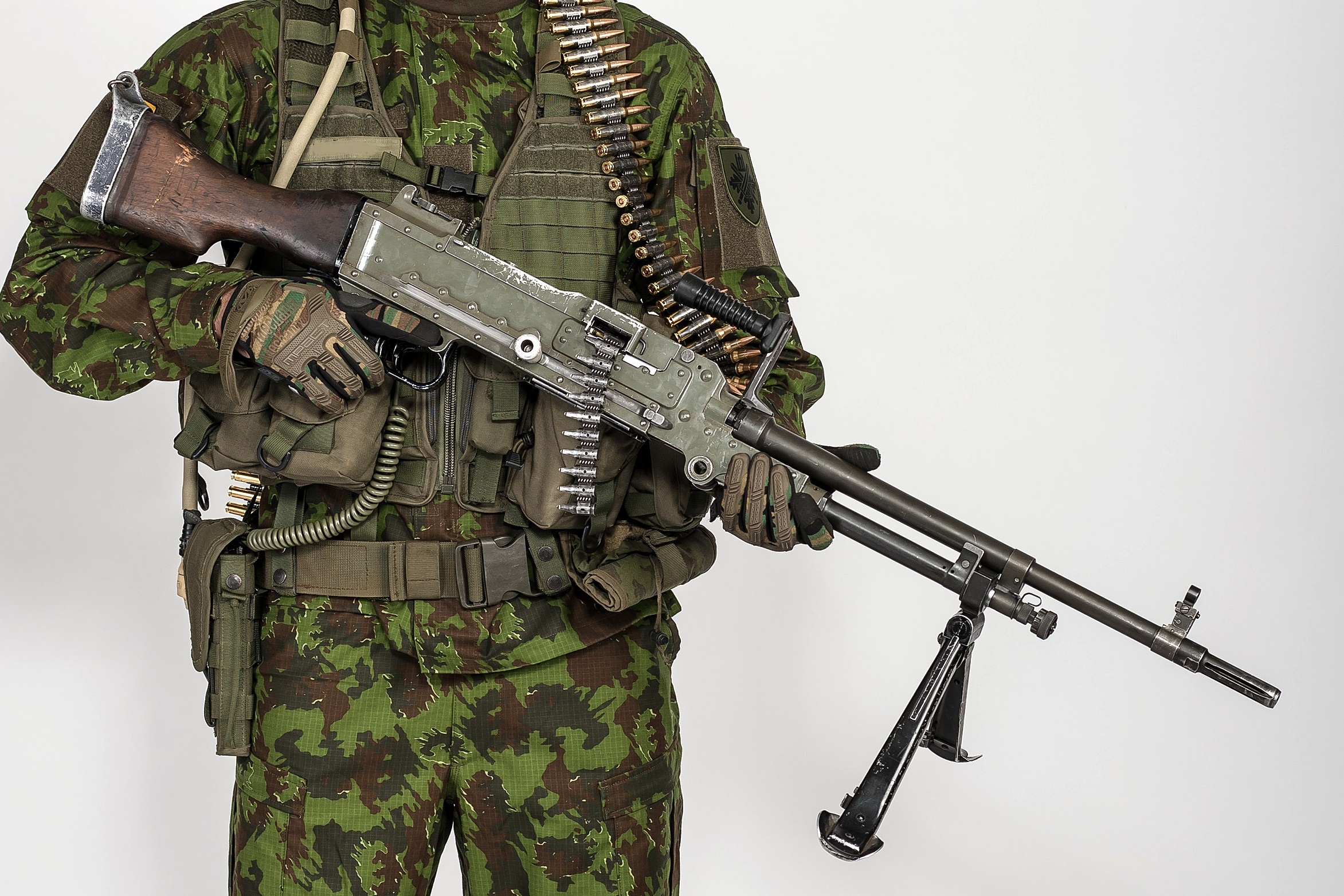
Ripstop reinforcements are incorporated into heavier fabrics requiring extreme durability, such as those used in military uniforms and hunting gear, Nomex protective clothing for firefighters and other workwear, and to reduce the wear on fabrics in direct contact with the ground or wind.
Self-adhesive ripstop patches are used to repair other fabrics.
Ejection seat parachutes made with ripstop are woven with an elastic-like fabric so that they stretch to allow more air to pass through at high speed. Then as the ejection seat slows, the weave closes and acts like a conventional parachute. This allows the pilot seat to slow gently, avoiding compression that could result in spinal injury.
Types
Nylon

Ripstop nylon is available in a wide range colors, sizes, thicknesses, textures, and weave densities (down to zero porosity to wind and water). It also may be made fire-resistant.
Polyester
Ripstop polyester lacks the inherent elasticity of ripstop nylon. Among its uses are paragliding canopies and stunt kites.
References
References
- Fairchild's Dictionary of Textiles, 7th edition, pg. 474
- "Wallace Carothers and the Development of Nylon - Landmark".
- Krier, Beth Ann. (1988-10-27). "How Nylon Changed the World : 50 Years Ago Today, It Reshaped the Way We Live--and Think".
- "Parachute fabric containing stretchand non-stretch-type ripstops".
- Dan Poynter. (1 May 1991). "The Parachute Manual: A Technical Treatise on Aerodynamic Decelerators". Para Publishing.
This article was imported from Wikipedia and is available under the Creative Commons Attribution-ShareAlike 4.0 License. Content has been adapted to SurfDoc format. Original contributors can be found on the article history page.
Ask Mako anything about Ripstop — get instant answers, deeper analysis, and related topics.
Research with MakoFree with your Surf account
Create a free account to save articles, ask Mako questions, and organize your research.
Sign up freeThis content may have been generated or modified by AI. CloudSurf Software LLC is not responsible for the accuracy, completeness, or reliability of AI-generated content. Always verify important information from primary sources.
Report