From Surf Wiki (app.surf) — the open knowledge base
Rice glue
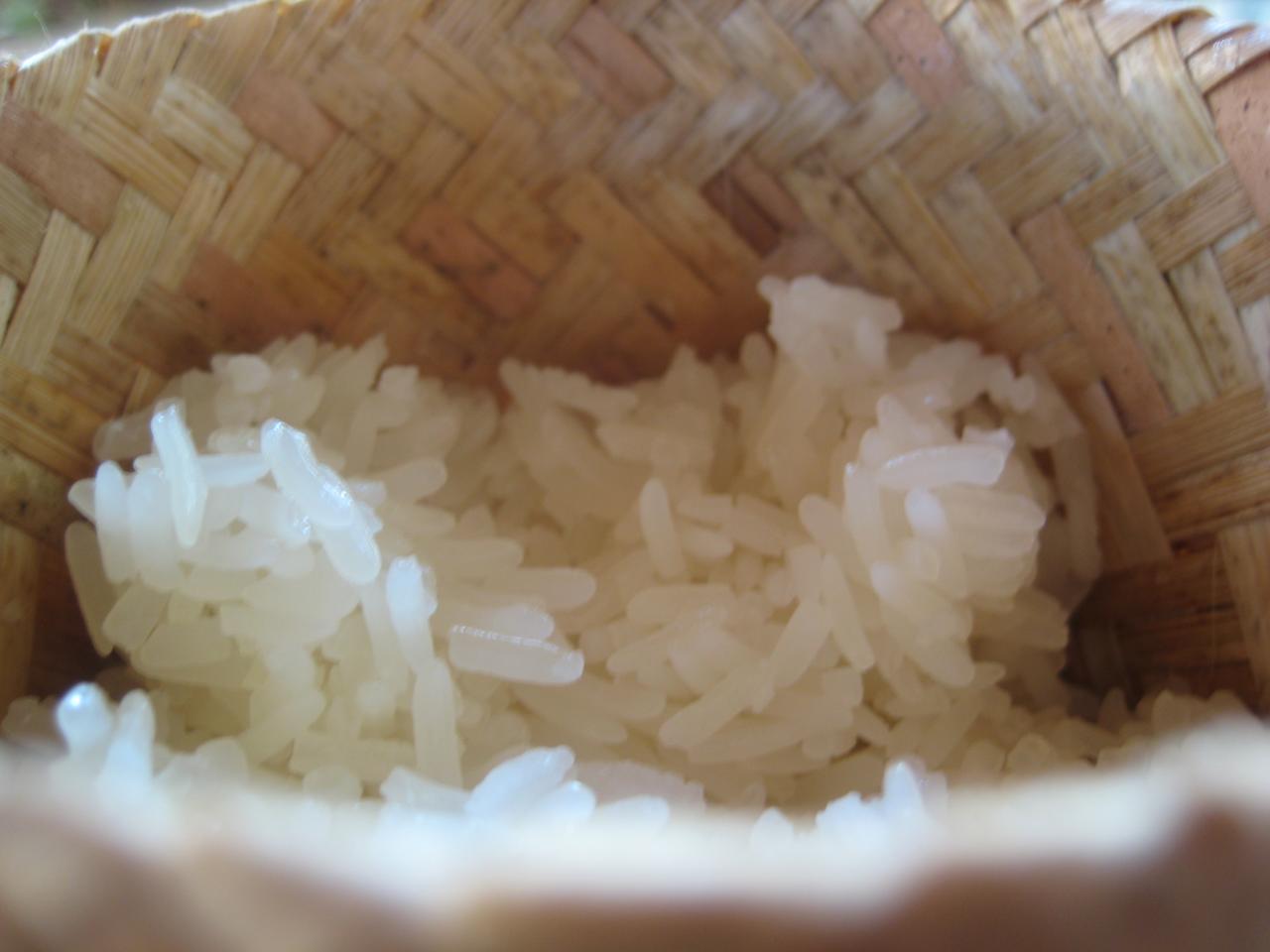
Rice glue () is a gel or liquid adhesive made of a smooth mush of well-cooked white rice, diluted to the desired thickness with water. It has been used since antiquity for various arts and crafts; for instance, it is a woodworking and paper glue. When dried, it is transparent. Rice glue is notable for containing no acids which can degrade the materials it holds together.
It is still used in modern times to reversibly assemble joints; after it has dried, the glue can be soaked, on a small wood joint, the glue is resistant to tens of minutes of water immersion.
It is sometimes mixed 1:1 with urushi lacquer to make nori-urushi (Japanese term), which is darker and dries faster than undiluted lacquer, and is used in making lacquerware.
Rice glue is frequently used in Japan and in China.
References
References
- "Mend a Paper or Shoji Screen".
- (27 October 2015). "Making Sokui (Rice Paste Glue) - Historical Knifemaking".
- (28 March 2014). "Sokui (Rice Paste Glue) Strength Testing".
This article was imported from Wikipedia and is available under the Creative Commons Attribution-ShareAlike 4.0 License. Content has been adapted to SurfDoc format. Original contributors can be found on the article history page.
Ask Mako anything about Rice glue — get instant answers, deeper analysis, and related topics.
Research with MakoFree with your Surf account
Create a free account to save articles, ask Mako questions, and organize your research.
Sign up freeThis content may have been generated or modified by AI. CloudSurf Software LLC is not responsible for the accuracy, completeness, or reliability of AI-generated content. Always verify important information from primary sources.
Report