From Surf Wiki (app.surf) — the open knowledge base
Rice flour
Flours made from finely milled rice

Flours made from finely milled rice
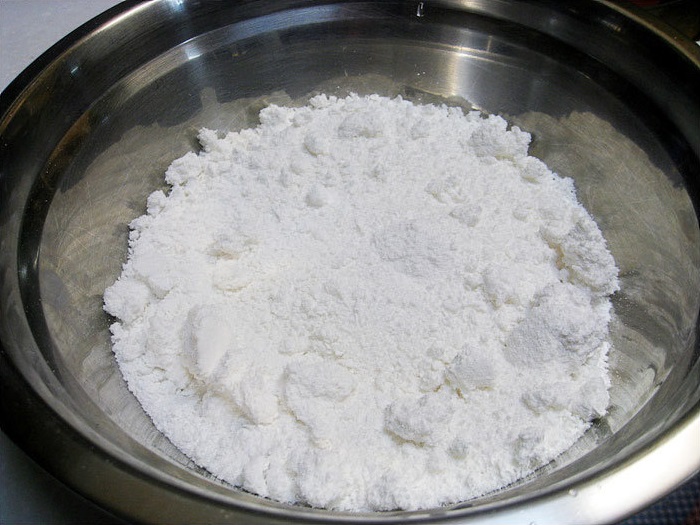
Rice flour (also rice powder) is a form of flour made from finely milled rice. It is distinct from rice starch, which is usually produced by steeping rice in lye. Rice flour is a common substitute for wheat flour. It is also used as a thickening agent in recipes that are refrigerated or frozen since it inhibits liquid separation.
Rice flour may be made from either white rice, brown rice or glutinous rice. To make the flour, the husk of rice or paddy is removed and raw rice is obtained, which is then ground to flour.
Types and names

By rice
Rice flour can be made from indica, japonica, and wild rice varieties. Usually, rice flour (, , , , , , , , , ) refers to flour made from non-glutinous white rice.
When made with glutinous rice (or sweet rice), it is called glutinous rice flour or sweet rice flour (, Japanese: ; romanized: shiratamako, ). In Japan, the glutinous rice flour produced from ground cooked glutinous rice, used to make mochi, is called mochigomeko (, or mochiko for short). In comparison to the glutinous rice flour, non-glutinous rice flour (, Japanese: ; romanized: jōshinko, ) can be specified as so.
When made with brown rice with only the inedible outer hull removed, it is called brown rice flour (, ). Flour made from black, red, and green rice are each called as black rice flour (), red rice flour (), green rice flour (). In comparison to brown rice flour, white rice flour (, ) can be specified as so.
By milling methods
Different milling methods also produce different types of rice flour. Rice flour can be dry-milled from dry rice grains, or wet-milled from rice grains that were soaked in water prior to milling. Usually, "rice flour" refers to dry-milled rice flour (), which can be stored on a shelf. In Korea, wet-milled rice flour () is made from rice that was soaked in water, drained, ground using a stone-mill, and then optionally sifted. Like moderately moist sand, wet-milled rice flour forms an easily breakable lump when squeezed with a hand. It is usually stored in the freezer. In the Philippines, rice flour is not traditionally prepared dry. Rather, it is made by first soaking uncooked glutinous rice overnight (usually allowing it to slightly ferment) then grinding the results (traditionally with stone mills) into a rich and smooth viscous rice dough known as galapóng.
Uses

Culinary
.jpg)
Rice flour can be used to make confections like rice cakes, macaroons and some types of buns due to the texture and flavor it lends the finished products. It is also used for dusting confections in a manner similar to powdered sugar.
East Asia
In China, rice flour is used to made foods like jian dui, tangyuan, nian gao, qingtuan, and yuanxiao.
In Japan, cooked glutinous rice flour, called mochigomeko (or mochiko for short) is used to create mochi and dango or as a thickener for sauces. Uncooked glutinous rice flour, shiratamako, is often used to produce confectioneries. The non-glutinous rice flour jōshinko is primarily used for creating confectioneries.
In Korea, rice flour made from different rice varieties and with different milling methods are used for different types of tteok (rice cakes) and hangwa (confections). Glutinous rice flour, chapssal-garu, is used for making chapssal-tteok (glutinous rice cakes) and gochujang (chili paste), as well as rice glue for kimchi. Non-glutinous rice flour can also be used to make porridge- or gruel-like dishes such as ko, ko, ko, and ko.
Southeast Asia

In the Philippines, galapóng, glutinous rice dough, is the basis for numerous types of native rice cakes and desserts (kakanin). Depending on the dish, coconut milk (gata), wood ash lye, and various other ingredients may be added to the galapóng. The galapóng can be prepared baked, steamed, boiled, or fried, resulting in dishes like puto or bibingka.
South Asia

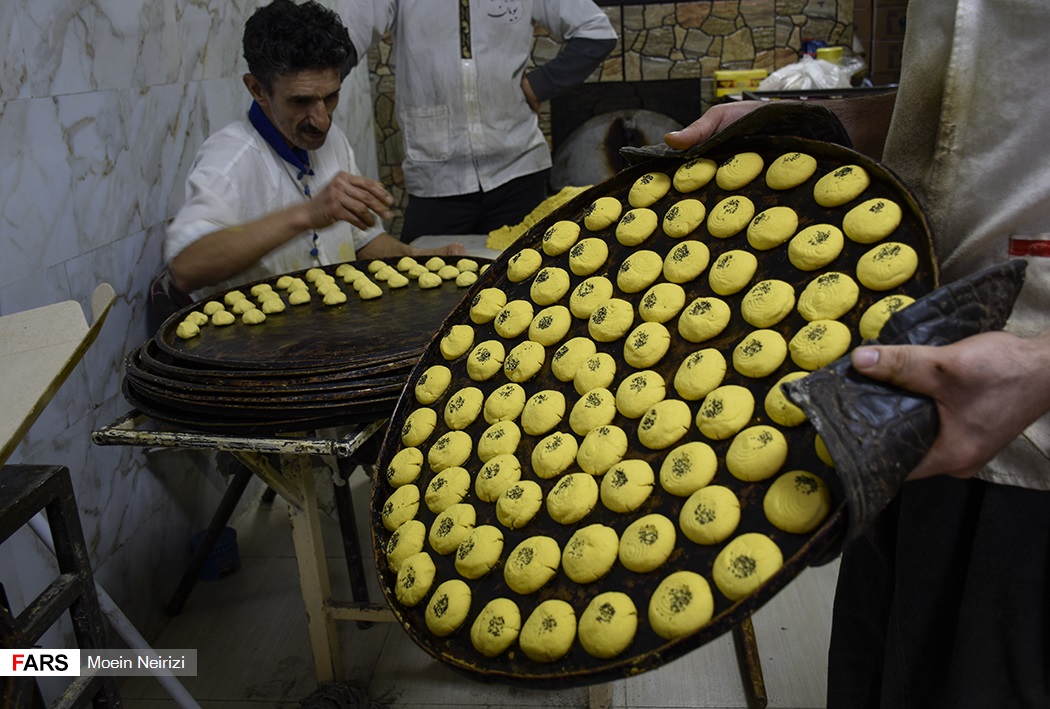
In South India, rice flour is used for dishes like dosa, puttu, chakkuli, golibaje (Mangalore bajji) and kori rotti. It is also mixed with wheat, millet, other cereal flours, and sometimes dried fruits or vegetables to make manni, a kind of baby food.. Rice flour is used to make bhakari in the Konkan region in western India.
In Bangladesh, rice flour is a regular ingredient. In the Bengali and Assamese cuisines of eastern India, it is used in making roti and desserts such as sandesh and pitha. It is also used in making kheer, a common dessert in the Indian subcontinent.
In Sri Lanka, it is used in making many household food products. Among them are pittu, appa (hoppers), indi appa (string hoppers) and sweets such as ta, kokis and athirasa. It can also be used in making bread and other bakery products.
In Nepal, Newars use rice flour to make yomari and chataamari. Sel roti is another well-known rice flour based food commonly eaten in Nepal and in the Sikkim and Darjeeling regions of India. Sel roti is known as shinghal in Kumaon.
Central America
Rice flour is also used in the Central American dish pupusas as a substitute for regular flour.
Non-culinary
.jpg)
Cosmetics
Rice flour is used in the cosmetics industry.
Mushroom cultivation
Brown rice flour can be combined with vermiculite for use as a substrate for the cultivation of mushrooms. Hard cakes of colonised substrate can then be fruited in a humid container. This method is often (though not always) employed by growers of edible mushrooms, as it is a very simple and low-cost method of growing mushrooms.
References
References
- Alden, Lori. (1996). "Cook's Thesaurus: Rice". Lori Allen.
- Hosking, Richard. (1997). "A Dictionary of Japanese Food". Tuttle Publishing.
- 辻静雄. (2006). "Japanese Cooking: A Simple Art". Kodansha International.
- (1993). "Effect of Different Milling Methods on Distribution of Particle Size of Rice Flours". Korean Journal of Food Science and Technology.
- E.B. Bennion. (1997). "The Technology of Cake Making". Springer.
- Amy Besa & Romy Dorotan. (2014). "Memories of Philippine Kitchens". Abrams.
- (17 October 2017). "easy chakkuli recipe using ready flour". Udupi Recipes.
This article was imported from Wikipedia and is available under the Creative Commons Attribution-ShareAlike 4.0 License. Content has been adapted to SurfDoc format. Original contributors can be found on the article history page.
Ask Mako anything about Rice flour — get instant answers, deeper analysis, and related topics.
Research with MakoFree with your Surf account
Create a free account to save articles, ask Mako questions, and organize your research.
Sign up freeThis content may have been generated or modified by AI. CloudSurf Software LLC is not responsible for the accuracy, completeness, or reliability of AI-generated content. Always verify important information from primary sources.
Report