From Surf Wiki (app.surf) — the open knowledge base
Rhodamine B
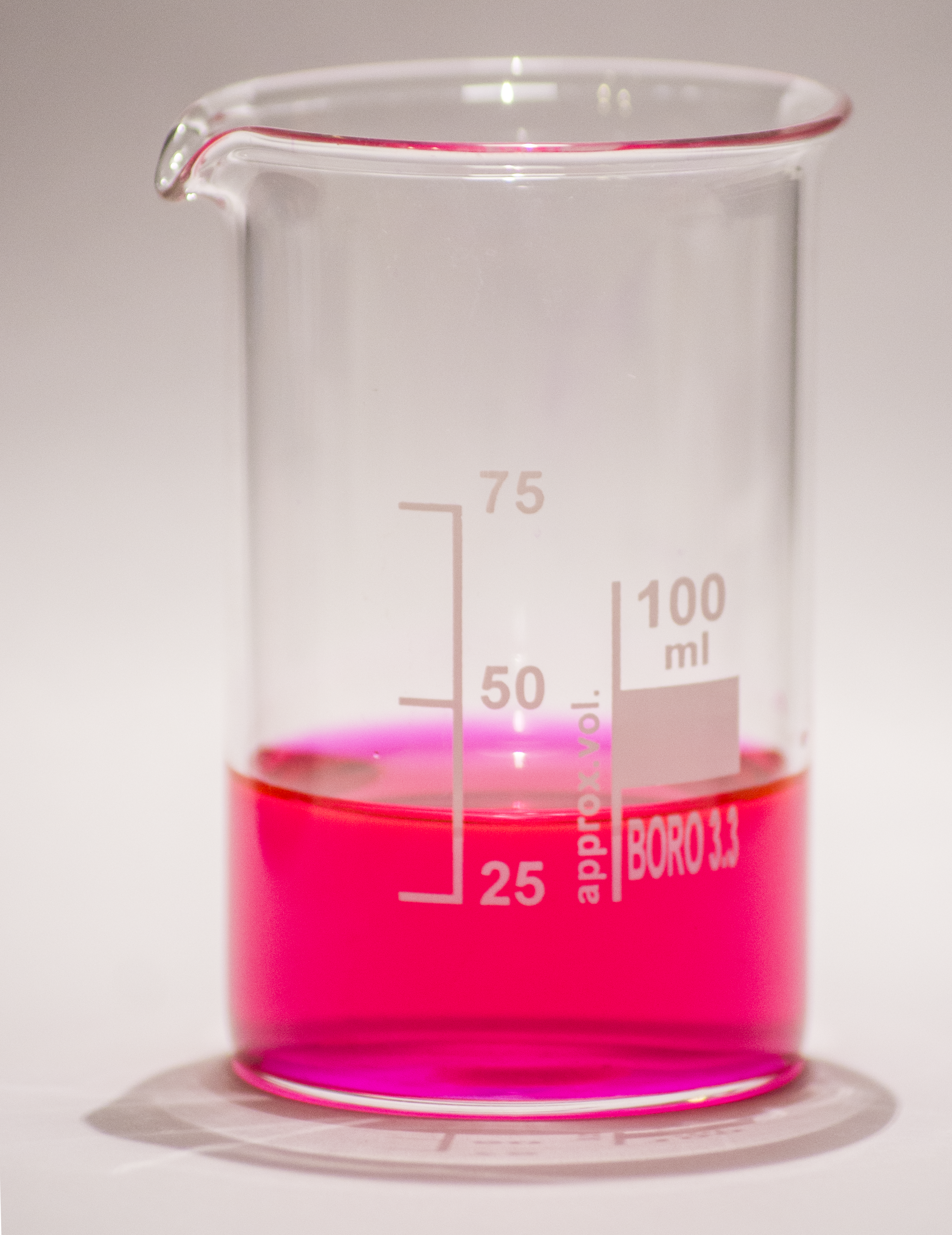
Rhodamine B is a chemical compound and a dye. It is often used as a tracer dye within water to determine the rate and direction of flow and transport. Rhodamine dyes fluoresce and can thus be detected easily and inexpensively with fluorometers.
Rhodamine B is used in biology as a staining fluorescent dye, sometimes in combination with auramine O, as the auramine-rhodamine stain to demonstrate acid-fast organisms, notably Mycobacterium. Rhodamine dyes are also used extensively in biotechnology applications such as fluorescence microscopy, flow cytometry, fluorescence correlation spectroscopy and ELISA.
Other uses
Rhodamine B is often mixed with herbicides to show where they have been used.
It is also being tested for use as a biomarker in oral rabies vaccines for wildlife, such as raccoons, to identify animals that have eaten a vaccine bait. The rhodamine is incorporated into the animal's whiskers and teeth. Rhodamine B is an important hydrophilic xanthene dye well known for its stability and is widely used in the textile industry, leather, paper printing, paint, coloured glass and plastic industries.
Rhodamine B (BV10) is mixed with quinacridone magenta (PR122) to make the bright pink watercolor known as Opera Rose.
Properties

Rhodamine B can exist in equilibrium between two forms: an "open"/fluorescent form and a "closed"/nonfluorescent spirolactone form. The "open" form dominates in acidic condition while the "closed" form is colorless in basic condition.

The fluorescence intensity of rhodamine B will decrease as temperature increases.
The solubility of rhodamine B in water varies by manufacturer, and has been reported as 8 g/L and ~15 g/L, while solubility in alcohol (presumably ethanol) has been reported as 15 g/L. Chlorinated tap water decomposes rhodamine B. Rhodamine B solutions adsorb to plastics and should be kept in glass. Rhodamine B is tunable around 610 nm when used as a laser dye. Its luminescence quantum yield is 0.65 in basic ethanol, 0.49 in ethanol, 1.0, and 0.68 in 94% ethanol. The fluorescence yield is temperature dependent; the compound is fluxional in that its excitability is in thermal equilibrium at room temperature.
Synthesis

Safety and health
In California, rhodamine B is suspected to be carcinogenic and thus products containing it must contain a warning on its label. Cases of economically motivated adulteration, where it has been illegally used to impart a red color to chili powder, have come to the attention of food safety regulators.
References
Notes
References
- (1956). "Rhodamine B Equilibria". Journal of the American Chemical Society.
- (2013). "Safety data sheet". Roth.
- (November 1997). "Evaluation of five fluorescent dyes and triethyl phosphate as atmospheric tracers of agricultural sprays". Journal of Environmental Science and Health, Part B.
- (December 2009). "Oral rabies vaccination in north america: opportunities, complexities, and challenges". PLOS Neglected Tropical Diseases.
- (2 October 2022). "Eco-toxicological effect of a commercial dye Rhodamine B on freshwater microalgae Chlorella vulgaris". Archives of Microbiology.
- MacEvoy, Bruce. "Handprint: color making attributes". www.handprint.com.
- (2011). "Investigating rhodamine B-labeled peptoids: scopes and limitations of its applications". Biopolymers.
- (March 2014). "Thermo-optical characterization of fluorescent rhodamine B based temperature-sensitive nanosensors using a CMOS MEMS micro-hotplate". Sensors and Actuators. B, Chemical.
- (2002). "Detection and Prevention of Leaks from Dams". Taylor & Francis.
- Prahl, Scott. "Rhodamine B". OMLC.
- (1982). "Fluorescence quantum yields of some rhodamine dyes". [[Journal of Luminescence]].
- (1988). "Effect of solvent polarity on nonradiative processes in xanthene dyes: Rhodamine B in normal alcohols". The Journal of Physical Chemistry.
- (1964). "Radiationless Intermolecular Energy Transfer. III. Determination of Phosphorescence Efficiencies". The Journal of Chemical Physics.
- (1982). "The photophysics of rhodamine B". Journal of Photochemistry.
- (1980). "Rhodamine B and rhodamine 101 as reference substances for fluorescence quantum yield measurements". The Journal of Physical Chemistry.
- (May 2019). "Bypassing bleaching with fluxional fluorophores". Nature Methods.
- (20 October 1998). "Naval Jelly MSDS with Rhodamine B". Locite Corporation.
- (2015). "Rapid and sensitive SERS method for determination of Rhodamine B in chili powder with paper-based substrates". Analytical Methods.
This article was imported from Wikipedia and is available under the Creative Commons Attribution-ShareAlike 4.0 License. Content has been adapted to SurfDoc format. Original contributors can be found on the article history page.
Ask Mako anything about Rhodamine B — get instant answers, deeper analysis, and related topics.
Research with MakoFree with your Surf account
Create a free account to save articles, ask Mako questions, and organize your research.
Sign up freeThis content may have been generated or modified by AI. CloudSurf Software LLC is not responsible for the accuracy, completeness, or reliability of AI-generated content. Always verify important information from primary sources.
Report