From Surf Wiki (app.surf) — the open knowledge base
Religion in Europe
none
none

Religion has been a major influence on the societies, cultures, traditions, philosophies, artistic expressions and laws within present-day Europe. The largest religion in Europe is Christianity. However, irreligion and practical secularisation are also prominent in some countries. In Southeastern Europe, three countries (Bosnia and Herzegovina, Kosovo and Albania) have Muslim majorities, with Christianity being the second-largest religion in those countries. Transcontinental nations between Europe and Asia also have muslim majorities, such as Turkiye and Azerbaijan, or large muslim minorities, such as Cyprus (including a de facto majority in the generally unrecognised Northern Cyprus), North Macedonia, Montenegro, Bulgaria and Georgia.
Little is known about the prehistoric religion of Neolithic Europe. Bronze and Iron Age religion in Europe as elsewhere was predominantly polytheistic and included Ancient Greek religion, Ancient Roman religion, Slavic paganism, Finnish paganism, Celtic polytheism and Germanic paganism. Modern revival movements of these religions, and religions influenced by them, include Heathenism, Rodnovery, Romuva, Druidry, Wicca, and Hetanism.
The Roman Empire officially adopted Christianity in AD 380. Most of Europe underwent Christianisation during the Early Middle Ages, with the process being essentially complete with the Christianisation of Lithuania in the High Middle Ages, with the exception of Al-Andalus. The notion of "Europe" and the "Western World" has been intimately connected with the concept of "Christendom", and many even consider Christianity as the unifying belief that created a European identity, especially since Christianity in the Middle East was marginalized by the rise of Islam from the 8th century. This confrontation led to the Crusades, which ultimately failed militarily, but were an important step in the emergence of a European identity based on religion. Despite this, traditions of folk religion continued at all times, largely independent from institutional religion or dogmatic theology.
The Great Schism of the 11th century and Reformation of the 16th century tore apart Christendom into hostile factions, and following the Age of Enlightenment of the 18th century, atheism and agnosticism have spread across Europe. Nineteenth-century Orientalism contributed to a certain popularity of Hinduism and Buddhism, and the 20th century brought increasing syncretism, New Age, and various new religious movements divorcing spirituality from inherited traditions for many Europeans. Recent times have seen increased secularisation and religious pluralism. Smaller religions include Indian religions, Judaism, and some East Asian religions, which are found in their largest groups in Britain, France, and Kalmykia.
Religiosity

Some European countries have experienced a decline in church membership and church attendance. A relevant example of this trend is Sweden where the Church of Sweden, previously the state-church until 2000, claimed to have 82.9% of the Swedish population as its flock in 2000. Surveys showed this had dropped to 72.9% by 2008 and to 56.4% by 2019. Moreover, in the 2005 Eurobarometer survey 23% of the Swedish population said that they do not believe there is any sort of spirit, God or life force and in the 2010 Eurobarometer survey 34% said the same.
Gallup survey 2008–2009
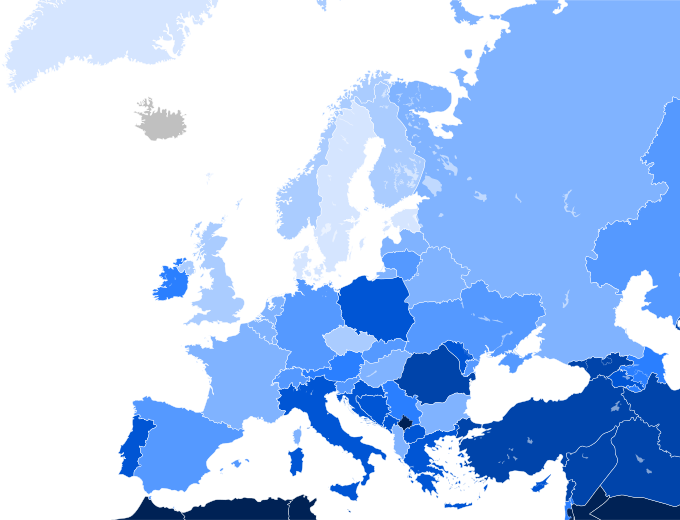
During 2008–2009, a Gallup survey asked in several countries the question "Is religion important in your daily life?" The table and map below shows percentage of people who answered "Yes" to the question.
||0%–9% ||10%–19% (Estonia, Sweden, Denmark) ||20%–29% (Norway, Czech Republic, United Kingdom, Finland) ||30%–39% (France, Netherlands, Belgium, Bulgaria, Russia, Belarus, Luxembourg, Hungary, Albania, Latvia) ||40%–49% (Germany, Switzerland, Lithuania, Kazakhstan, Ukraine, Slovenia, Slovakia, Spain) ||50%–59% (Azerbaijan, Serbia, Ireland, Austria) ||60%–69% ||70%–79% (Croatia, Montenegro, Greece, Portugal, Italy, Moldova, Armenia, Poland, Cyprus, North Macedonia, Bosnia and Herzegovina) ||80%–89% (Georgia, Turkey, Romania, Malta) ||90%–100% (Kosovo) ||No data ]] During 2007–2008, a Gallup poll asked in several countries the question "Does religion occupy an important place in your life?" The table on right shows percentage of people who answered "No". |blue|27}}
Eurobarometer survey 2010
religious_group_by_EU_member_state_(and_5_other_countries)_-_Eurobarometer_2010.svg)
]] The 2010 Eurobarometer survey found that, on average, 51% of the citizens of the EU member states state that they "believe there is a God", 26% "believe there is some sort of spirit or life force" while 20% "don't believe there is any sort of spirit, God or life force". 3% declined to answer. According to a recent study (Dogan, Mattei, Religious Beliefs in Europe: Factors of Accelerated Decline), 47% of French people declared themselves as agnostics in 2003. This situation is often called "Post-Christian Europe". A decrease in religiousness and church attendance in Denmark, Belgium, France, Germany, Netherlands, and Sweden has been noted, despite a concurrent increase in some countries like Greece (2% in 1 year). The Eurobarometer survey must be taken with caution, however, as there are discrepancies between it and national census results. For example, in the United Kingdom, the 2001 census revealed over 70% of the population regarded themselves as "Christian" with only 15% professing to have "no religion", though the wording of the question has been criticized as "leading" by the British Humanist Association. Romania, one of the most religious countries in Europe, witnessed a threefold increase in the number of atheists between 2002 and 2011, as revealed by the most recent national census.
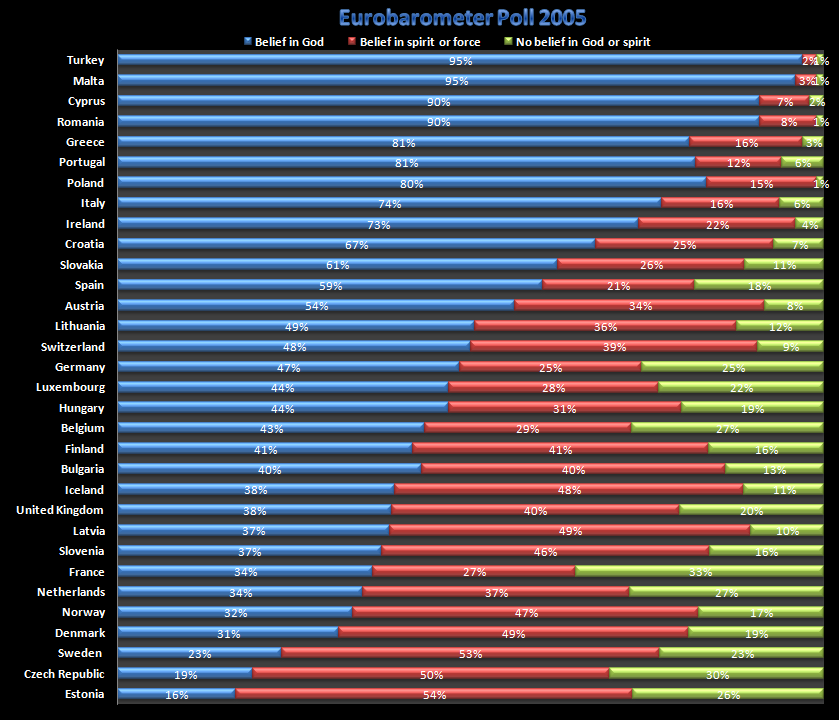
The following is a list of European countries ranked by religiosity, based on the rate of belief, according to the Eurobarometer survey 2010. The 2010 Eurobarometer survey asked whether the person "believes there is a God", "believes there is some sort of spirit or life force", or "doesn't believe there is any sort of spirit, God or life force".
| Country | "I believe | ||
|---|---|---|---|
| there is a God" | "I believe there is some | ||
| sort of spirit or life force" | "I don't believe there is any sort | ||
| of spirit, God or life force" | |||
| Malta Malta | 94% | 4% | 2% |
| Romania Romania | 93% | 6% | 1% |
| Cyprus Cyprus | 88% | 8% | 3% |
| Poland Poland | 79% | 14% | 5% |
| Greece Greece | 79% | 16% | 4% |
| Italy Italy | 74% | 20% | 6% |
| Ireland Ireland | 70% | 20% | 7% |
| Portugal Portugal | 70% | 15% | 12% |
| Slovakia Slovakia | 63% | 23% | 13% |
| Spain Spain | 59% | 20% | 19% |
| Lithuania Lithuania | 47% | 37% | 12% |
| Luxembourg Luxembourg | 46% | 22% | 24% |
| Hungary Hungary | 45% | 34% | 20% |
| Austria Austria | 44% | 38% | 12% |
| Germany Germany | 44% | 25% | 27% |
| Latvia Latvia | 38% | 48% | 11% |
| United Kingdom United Kingdom | 37% | 33% | 25% |
| Belgium Belgium | 37% | 31% | 27% |
| Bulgaria Bulgaria | 36% | 43% | 15% |
| Finland Finland | 33% | 42% | 22% |
| Slovenia Slovenia | 32% | 36% | 26% |
| Denmark Denmark | 28% | 47% | 24% |
| Netherlands Netherlands | 28% | 39% | 30% |
| France France | 27% | 27% | 40% |
| Estonia Estonia | 18% | 50% | 29% |
| Sweden Sweden | 18% | 45% | 34% |
| Czech Republic Czech Republic | 16% | 44% | 37% |
| EU EU27 | 51% | 26% | 20% |
| Turkey Turkey (EUCU, not EU) | 94% | 1% | 1% |
| Croatia Croatia (joined EU in 2013) | 69% | 22% | 7% |
| Switzerland Switzerland (EFTA, not EU) | 44% | 39% | 11% |
| Iceland Iceland (EFTA, not EU) | 31% | 49% | 18% |
| Norway Norway (EFTA, not EU) | 22% | 44% | 29% |
The decrease in theism is illustrated in the 1981 and 1999 according to the World Values Survey, both for traditionally strongly theist countries (Spain: 86.8%:81.1%; Ireland 94.8%:93.7%) and for traditionally secular countries (Sweden: 51.9%:46.6%; France 61.8%:56.1%; Netherlands 65.3%:58.0%). Some countries nevertheless show increase of theism over the period, Italy 84.1%:87.8%, Denmark 57.8%:62.1%. For a comprehensive study on Europe, see Mattei Dogan's "Religious Beliefs in Europe: Factors of Accelerated Decline" in Research in the Social Scientific Study of Religion.
Eurobarometer survey 2019
religious_group_by_EU_member_state_-_Eurobarometer_2019.svg)
]] According to the 2019 Eurobarometer survey about Religiosity in the European Union Christianity is the largest religion in the European Union accounting 64% of the EU population, down from 72% in 2012. Catholics are the largest Christian group in EU, accounting for 41% of EU population, while Eastern Orthodox make up 10%, and Protestants make up 9%, and other Christians account for 4% of the EU population. Non believer/Agnostic account 17%, Atheist 10%, and Muslim 2% of the EU population. 3% refuse to answer or didn't know.
| Country | "Atheist" | "Non believer/Agnostic" | "Atheist + Non believer/Agnostic" |
|---|---|---|---|
| Romania Romania | 2% | 2% | 4% |
| Malta Malta | 2% | 2% | 4% |
| Cyprus Cyprus | 3% | 4% | 7% |
| Poland Poland | 5% | 4% | 9% |
| Lithuania Lithuania | 3% | 6% | 9% |
| Greece Greece | 7% | 4% | 11% |
| Slovakia Slovakia | 6% | 5% | 11% |
| Croatia Croatia | 6% | 5% | 11% |
| Portugal Portugal | 4% | 8% | 12% |
| Ireland Ireland | 7% | 7% | 14% |
| Italy Italy | 5% | 9% | 14% |
| Bulgaria Bulgaria | 8% | 7% | 15% |
| Austria Austria | 4% | 12% | 16% |
| Slovenia Slovenia | 14% | 4% | 18% |
| Latvia Latvia | 6% | 13% | 19% |
| Hungary Hungary | 3% | 17% | 20% |
| Denmark Denmark | 9% | 13% | 22% |
| Finland Finland | 10% | 14% | 24% |
| Luxembourg Luxembourg | 10% | 16% | 26% |
| Germany Germany | 9% | 21% | 30% |
| Belgium Belgium | 10% | 21% | 31% |
| Spain Spain | 12% | 20% | 32% |
| United Kingdom United Kingdom | 19% | 20% | 39% |
| France France | 21% | 19% | 40% |
| Estonia Estonia | 21% | 27% | 48% |
| Sweden Sweden | 16% | 34% | 50% |
| Netherlands Netherlands | 11% | 41% | 52% |
| Czech Republic Czech Republic | 22% | 34% | 56% |
| EU EU28 | 10% | 17% | 27% |
Maps
|File:Europe belief in god.svg|Belief "There is a God" per country based on Eurobarometer 2005 survey |File:Europe belief in Spirit Life Force.png|Belief "there is some sort of spirit or life force" per country based on Eurobarometer 2005 survey |File:Europe No Belief enhanced.svg|No belief in "any sort of spirit, God or life force" per country based on Eurobarometer 2005 survey
|File:Europe belief in god 2010.png|Belief "there is a God" per country based on Eurobarometer 2010 survey |File:Europe belief in Spirit Life Force 2010.png|Belief "there is some sort of spirit or life force" per country based on Eurobarometer 2010 survey |File:Europe No Belief enhanced 2010.png|No belief in "any sort of spirit, God or life force" per country based on Eurobarometer 2010 survey
Pew Research Poll
According to the 2012 Global Religious Landscape survey by the Pew Research Center, 75.2% of the Europe residents are Christians, 18.2% are irreligious, atheist or agnostic, 5.9% are Muslims and 0.2% are Jews, 0.2% are Hindus, 0.2% are Buddhist, and 0.1% adhere to other religions. According to the 2015 Religious Belief and National Belonging in Central and Eastern Europe survey by the Pew Research Center, 57.9% of the Central and Eastern Europeans identified as Orthodox Christians, and according to a 2018 study by the Pew Research Center, 71.0% of Western Europeans identified as Christians, 24.0% identified as religiously unaffiliated and 5% identified as adhere to other religions. According to the same study a large majority (83%) of those who were raised as Christians in Western Europe still identify as such, and the remainder mostly self-identify as religiously unaffiliated.
Pew Research Poll
| Country | Affiliated Orthodox, | |||||||||
|---|---|---|---|---|---|---|---|---|---|---|
| Catholic or Muslim | ||||||||||
| (poll 1) | Unaffiliated | |||||||||
| (poll 1) | Other/DK/ref | |||||||||
| (poll 1)* | "Believe in God, | |||||||||
| absolutely certain" | ||||||||||
| (poll 2)** | "Believe in God, | |||||||||
| fairly certain" | ||||||||||
| (poll 2)** | "Believe in God, | |||||||||
| not too/at all certain" | ||||||||||
| (poll 2)** | "Do not believe in God" | |||||||||
| (Poll 2)** | Atheist | |||||||||
| (poll 3)*** | Agnostic | |||||||||
| (poll 3)*** | Nothing in particular | |||||||||
| (poll 3)*** | ||||||||||
| Armenia | 97 | 2 | 1 | 94 | 2 | 1 | 2 | 1 | 1 | |
| Georgia | 99 | 1 | 93 | 2 | 2 | 1 | ||||
| Bosnia and Herzegovina | 96 | 3 | 1 | 90 | 3 | 2 | 3 | 2 | 1 | |
| Moldova | 95 | 2 | 3 | 89 | 4 | 3 | 3 | 1 | 1 | |
| Romania | 91 | 1 | 8 | 64 | 28 | 2 | 4 | 1 | ||
| Serbia | 94 | 4 | 1 | 73 | 16 | 3 | 5 | 2 | 1 | 1 |
| Croatia | 90 | 7 | 3 | 72 | 14 | 5 | 5 | 4 | 2 | 1 |
| Greece | 92 | 4 | 4 | 69 | 16 | 7 | 6 | 3 | 1 | |
| Poland | 88 | 7 | 5 | 45 | 35 | 5 | 8 | 2 | 1 | 4 |
| Lithuania | 78 | 6 | 17 | 34 | 34 | 7 | 11 | 2 | 4 | |
| Ukraine | 88 | 7 | 5 | 32 | 45 | 6 | 9 | 3 | 4 | |
| Bulgaria | 91 | 5 | 4 | 30 | 40 | 7 | 17 | 2 | 1 | 2 |
| Latvia | 54 | 21 | 25 | 28 | 34 | 7 | 15 | 3 | 18 | |
| Belarus | 86 | 3 | 11 | 26 | 47 | 11 | 9 | 2 | 1 | |
| Hungary | 57 | 21 | 22 | 26 | 26 | 7 | 30 | 5 | 16 | |
| Russia | 81 | 15 | 4 | 25 | 38 | 10 | 15 | 4 | 1 | 10 |
| Czech Republic | 22 | 72 | 6 | 13 | 13 | 3 | 66 | 25 | 1 | 46 |
| Estonia | 26 | 45 | 29 | 13 | 24 | 7 | 45 | 9 | 1 | 35 |
(*) 13% of respondents in Hungary identify as Presbyterian. In Estonia and Latvia, 20% and 19%, respectively, identify as Lutherans. And in Lithuania, 14% say they are "just a Christian" and do not specify a particular denomination. They are included in the "other" category.
(**) Identified as "don't know/refused" from the "other/idk/ref" column are excluded from this statistic.
(***) Figures may not add to subtotals due to rounding.
| Country | A holy book (e.g. Bible) is written | |
|---|---|---|
| by men, not the word of God | A holy book is the word of God | |
| Georgia | ||
| Armenia | ||
| Moldova | ||
| Bosnia and Herzegovina | ||
| Romania | ||
| Ukraine | ||
| Poland | ||
| Serbia | ||
| Greece | ||
| Croatia | ||
| Russia | ||
| Belarus | ||
| Bulgaria | ||
| Lithuania | ||
| Hungary | ||
| Latvia | ||
| Estonia | ||
| Czech Republic |
(**) Identified with answers "don't know/refused" are not shown.
Abrahamic religions
Bahá'í Faith
Main article: Bahá'í Faith in Europe

The first reference to the religious movement in a European newspaper began with coverage of the Báb, whom Bahá'ís consider the forerunner of the Bahá'í Faith, which occurred in The Times on 1 November 1845, only a little over a year after the Báb first started his mission. British, Russian, and other diplomats, businessmen, scholars, and world travelers also took note of the precursor Bábí religion most notably in 1865 by Frenchman Arthur de Gobineau who wrote the first and most influential account. In April 1890 Edward G. Browne of Cambridge University met Bahá'u'lláh, the prophet-founder of the Bahá'í Faith, and left the only detailed description by a Westerner.
Starting in the 1890s Europeans began to convert to the religion. In 1910 Bahá'u'lláh's son and appointed successor, 'Abdu'l-Bahá embarked on a three-year journey to including Europe and North America and then wrote a series of letters that were compiled together in the book titled Tablets of the Divine Plan which included mention of the need to spread the religion in Europe following the war.
A 1925 list of "leading local Bahá'í Centres" of Europe listed organized communities of many countries – the largest being in Germany. However the religion was soon banned in a couple of countries: in 1937 Heinrich Himmler disbanded the Bahá'í Faith's institutions in Germany because of its 'international and pacifist tendencies' and in Russia in 1938 "monstrous accusations" against Bahá'ís and a Soviet government policy of oppression of religion resulted in Bahá'í communities in 38 cities across Soviet territories ceasing to exist. However the religion recovered in both countries. The religion has generally spread such that in recent years the Association of Religion Data Archives estimated the Bahá'ís in European countries to number in hundreds to tens of thousands.
Christianity
Main article: Christianity in Europe


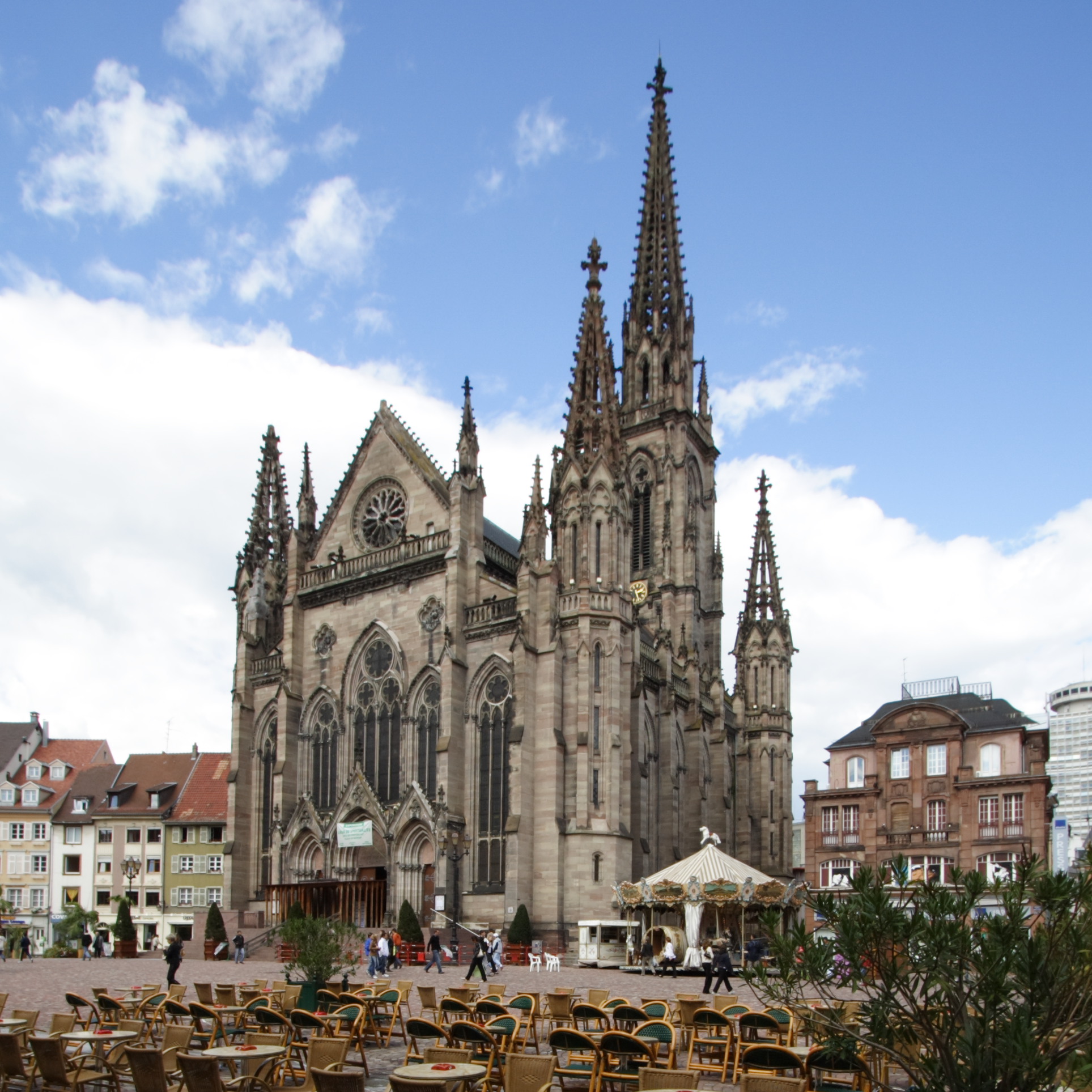
The majority of Europeans describe themselves as Christians, divided into a large number of denominations. Christian denominations are usually classed in three categories: Catholicism (consider only two groups, the Roman-Latin Catholic and the Eastern Greek and Armenian Catholics), Orthodoxy (consider only two groups, the Eastern Byzantine Orthodox and the Armenian Apostolic which is within the Oriental Orthodox Church) and Protestantism (a diverse group including Lutheranism, Calvinism and Anglicanism as well as numerous minor denominations, including Baptists, Methodism, Evangelicalism, Pentecostalism, etc.).
Christianity, more specifically the Catholic Church, which played an important part in the shaping of Western civilization since at least the 4th century. Historically, Europe has been the center and "cradle of Christian civilization".
European culture, throughout most of its recent history, has been heavily influenced by Christian belief and has been nearly equivalent to Christian culture. The Christian culture was one of the more dominant forces to influence Western civilization, concerning the course of philosophy, art, music, science, social structure and architecture. The civilizing influence of Christianity includes social welfare, founding hospitals, economics (as the Protestant work ethic), politics, architecture, literature and family life.
.jpg)
Christianity is still the largest religion in Europe. According to a survey about Religiosity in the European Union in 2019 by Eurobarometer, Christianity was the largest religion in the European Union accounting 64% of EU population, down from 72% in 2012. Catholics were the largest Christian group in EU, and accounted for 41% of the EU population, while Eastern Orthodox made up 10%, Protestants made up 9%, and other Christians 4%. According to a 2010 study by the Pew Research Center, 76.2% of the European population identified themselves as Christians, constitute in absolute terms the world's largest Christian population.
According to Scholars, in 2017, Europe's population was 77.8% Christian (up from 74.9% 1970), these changes were largely result of the collapse of Communism and switching to Christianity in the former Soviet Union and Eastern Bloc countries.
Christian denominations
- Catholicism (predominantly in the form of the Latin Church, with various minorities of the Byzantine Rite Eastern Catholic Churches in the Eastern European regions, and the Armenian Catholic Church in Armenia and its diaspora) is the largest denomination with adherents mostly existing in Latin Europe (which includes France, Italy, Spain, Portugal, Malta, San Marino, Monaco, Vatican City,); southern [Wallon] Belgium, Czech Republic, Ireland, Lithuania, Poland, Hungary, Slovakia, Slovenia, Croatia, western Ukraine, parts of Bosnia and Herzegovina (Mostly in predominantly Croat areas), but also the southern parts of Germanic Europe (which includes Austria, Luxembourg, northern Flemish Belgium, southern and western Germany, parts of the Netherlands, parts of Switzerland, and Liechtenstein).
- Orthodox Christianity (the churches are in full communion, i.e. the national churches are united in theological concept and part of the One, Holy, Catholic and Apostolic Eastern Orthodox Church) is strongest in eastern and south eastern Europe, reflecting the geography and cultural divisions of the Great Schism, and the Orthodox christianisation of Russia, which following suppression within the officially atheist context of the Soviet Union, reasserted itself post-communism.
- Ecumenical Patriarchate of Constantinople
- Russian Orthodox Church
- Serbian Orthodox Church
- Romanian Orthodox Church
- Church of Greece
- Bulgarian Orthodox Church
- Georgian Orthodox Church
- Finnish Orthodox Church
- Cypriot Orthodox Church
- Albanian Orthodox Church
- Polish Orthodox Church
- Church of the Czech Lands and Slovakia
- Ukrainian Orthodox Church
- Turkish Orthodox Church
- Macedonian Orthodox Church – Ohrid Archbishopric
- Montenegrin Orthodox Church
- Oriental Orthodoxy
- Armenian Apostolic Church
- Armenian Patriarchate of Constantinople
- Armenian Apostolic Church
- Protestantism was most influential in central, north western and Northern Europe, with various branches becoming dominant in Great Britain (Anglicanism and Calvanism), northern Germany, the Netherlands and Scandinavia (Lutheranism). African and New World denominations also rose in those countries that had an effective empire in those areas.
- Lutheranism
- Independent Evangelical-Lutheran Church
- Danish National Church
- Estonian Evangelical Lutheran Church
- Evangelical Lutheran Church of Finland
- United Protestant Church of France
- Protestant Church in Germany
- Evangelical-Lutheran Church in Hungary
- Evangelical Lutheran Church of Latvia
- Church of Norway
- Church of Sweden
- Anglicanism
- Church of England
- Church of Ireland
- Scottish Episcopal Church
- Church in Wales
- Lusitanian Catholic Apostolic Evangelical Church
- Spanish Reformed Episcopal Church
- Calvinism
- United Reformed Church
- Evangelical Presbyterian Church in England and Wales
- Reformed Church in Hungary
- Church of Scotland
- Presbyterian Church in Ireland
- Methodist Church of Great Britain
- Protestant Church in the Netherlands (Neo-Calvinism)
- United Protestant Church of France
- Swiss Reformed Church
- Lutheranism
- Restorationism
- The Church of Jesus Christ of Latter-day Saints
- Jehovah's Witnesses
- Other
- Baptist Union of Great Britain
- Baptist Union of Sweden
- Bruderhof Communities
- Seventh-day Adventist Church
There are numerous minor Protestant movements, including various Evangelical congregations.
Islam
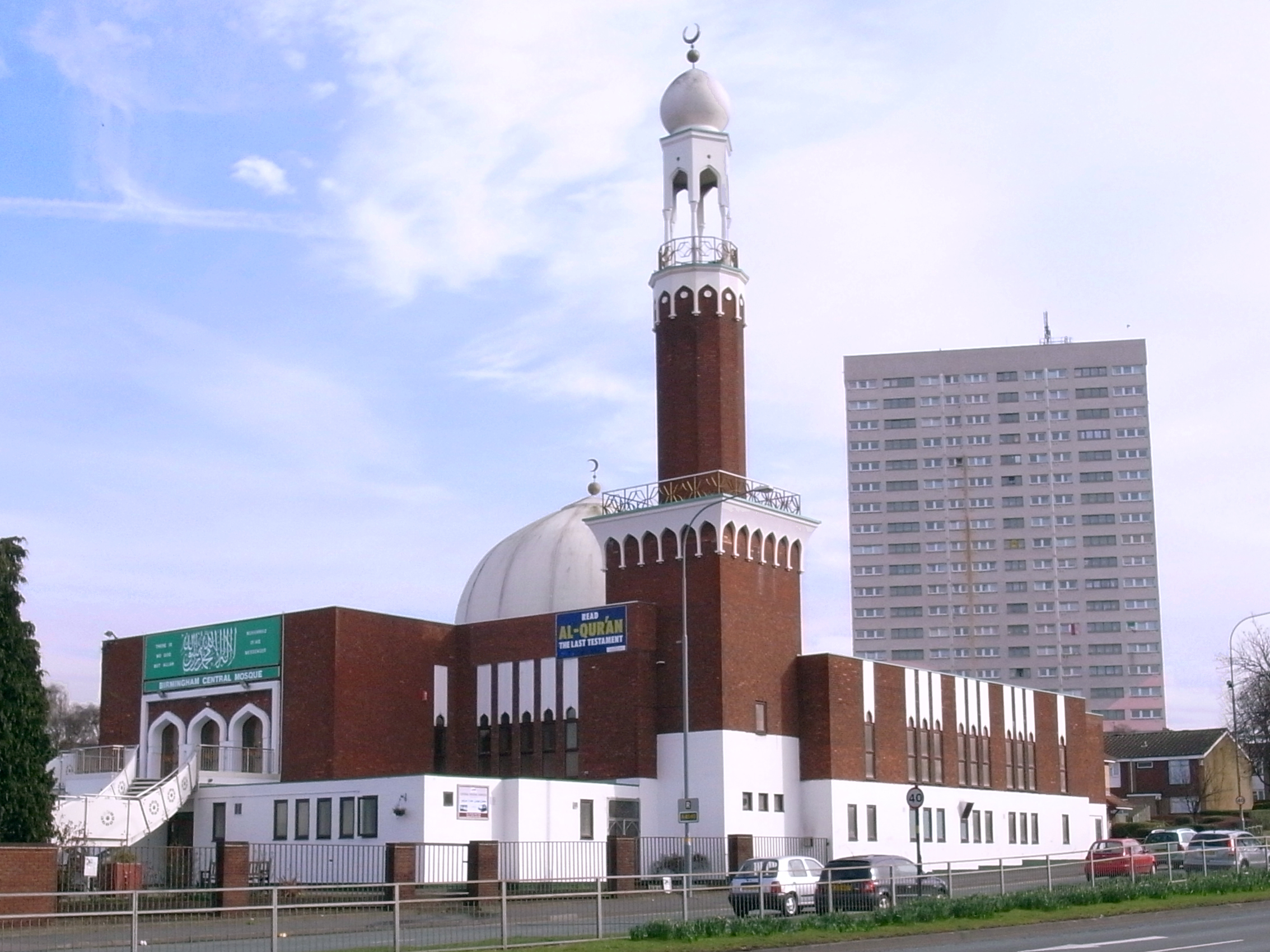
Islam came to parts of European islands and coasts on the Mediterranean Sea during the 8th-century Muslim conquests. In the Iberian Peninsula and parts of southern France, various Muslim states existed before the Reconquista; Islam spread in southern Italy briefly through the Emirate of Sicily and Emirate of Bari. During the Ottoman expansion, Islam was spread from into the Balkans and even part of Central Europe. Muslims have also been historically present in Ukraine (Crimea and vicinity, with the Crimean Tatars), as well as modern-day Russia, beginning with Volga Bulgaria in the 10th century and the conversion of the Golden Horde to Islam. In recent years, Muslims have migrated to Europe as residents and temporary workers.
According to the Pew Forum, the total number of Muslims in Europe in 2010 was about 44 million (6%). While the total number of Muslims in the European Union in 2007 was about 16 million (3.2%). Data from the 2000s for the rates of growth of Islam in Europe showed that the growing number of Muslims was due primarily to immigration and higher birth rates.
Muslims make up 99% of the population in Turkey, Northern Cyprus, 96% in Kosovo, 56% in Albania, 51% in Bosnia and Herzegovina, 32.17% in North Macedonia, 20% in Montenegro, between 10 and 15% in Russia, 7–9% in France, 8% in Bulgaria, 6% in the Netherlands, 5% in Denmark, United Kingdom and Germany, just over 4% in Switzerland and Austria, and between 3 and 4% in Greece.
A survey conducted by the Pew Research Center in 2016 found that Muslims make up 4.9% of all of Europe's population. According to a same study conversion does not add significantly to the growth of the Muslim population in Europe, with roughly 160,000 more people leaving Islam than converting into Islam between 2010 and 2016.
Judaism

The Jews were dispersed within the Roman Empire from the 2nd century. At one time Judaism was practiced widely throughout the European continent; throughout the Middle Ages, Jews were accused of ritual murder and faced pogroms and legal discrimination. The Holocaust perpetrated by Nazi Germany decimated the Jewish population, and today, France is home to the largest Jewish community in Europe with 1% of the total population (between 483,000 and 500,000 Jews). Other European countries with notable Jewish populations include the United Kingdom (291,000 Jews), Germany (119,000), and Russia (194,000) which is home to Eastern Europe's largest Jewish community. The Jewish population of Europe in 2010 was estimated to be approximately 1.4 million (0.2% of European population) or 10% of the world's Jewish population.
Deism
Main article: Deism
During the Enlightenment, Deism became influential especially in France, Germany, the Netherlands, and the United Kingdom. Interpretations of the Bible then common were challenged by concepts such as a heliocentric universe and other scientific concepts posited to be challenges to the Bible. Notable early deists include Voltaire, Kant, and Mendeleev.
Irreligion
The trend towards secularism during the 20th and 21st centuries has a number of reasons, depending on the individual country:
- France has been traditionally laicist since the French Revolution. Today the country is 25% to 32% irreligious. The remaining population is made up evenly of both Christians and people who believe in a god or some form of spiritual life force, but are not involved in organized religion. French society is still secular overall.
- Some parts of Eastern Europe were secularized as a matter of state doctrine under communist rule in the countries of the former Eastern Bloc. Albania was an officially (and constitutionally binding) atheist state from 1967 to 1991. The countries where the most people reported no religious belief were France (33%), the Czech Republic (30%), Belgium (27%), Netherlands (27%), Estonia (26%), Germany (25%), Sweden (23%) and Luxembourg (22%). The region of Eastern Germany, which was also under communist rule, is by far the least religious region in Europe. Other post-communist countries, however, have seen the opposite effect, with religion being very important in countries such as Romania, Lithuania and Poland.
The trend towards secularism has been less pronounced in the traditionally Catholic countries of Mediterranean Europe. Greece, traditionally known for the strong presence of the Greek Orthodox Church, has seen a gradual increase in the proportion of people identifying as atheist, agnostic, or non-religious. While findings since 1981 indicated strong religious sentiment, with around 80% of Greeks believing in God, a closer look reveals a partial retreat as Irreligion in Greece grows: in 2024, 27% of Greeks reported being indifferent to religion, up from 18% in 2018. According to a nationwide survey by Metron Analysis for To Vima in December 2024, 66% of Greeks declared that they have a religion, but only 15% reported attending church regularly. Estimates from other sources suggest that roughly 4–15% of the population explicitly identify as atheist.
According to a Pew Research Center Survey in 2012 the religiously unaffiliated (atheists and agnostics) make up about 18.2% of the European population in 2010. According to the same survey the religiously unaffiliated make up the majority of the population in only two European countries: Czech Republic (76%) and Estonia (60%). A newer study (released in 2015) found that in the Netherlands there is also an irreligious majority of 68%.
Atheism and agnosticism
Main article: Atheism, Agnosticism
During the late 20th and early 21st centuries, atheism and agnosticism have increased, with falling church attendance and membership in various European countries. The 2010 Eurobarometer survey found that on total average, of the EU28 population, 51% "believe there is a God", 26% "believe there is some sort of spirit or life force", and 20% "don't believe there is any sort of spirit, God or life force". Across the EU, belief was higher among women, increased with age, those with a strict upbringing, those with the lowest level of formal education and those leaning towards right-wing politics. Results were varied widely between different countries.
According to a survey measuring religious identification in the European Union in 2019 by Eurobarometer, 10% of EU citizens identify themselves as atheists. , the top seven European countries with the most people who viewed themselves as atheists were Czech Republic (22%), France (21%), Sweden (16%), Estonia (15%), Slovenia (14%), Spain (12%) and Netherlands (11%). 17% of EU citizens called themselves non-believers or agnostics and this percentage was the highest in Netherlands (41%), Czech Republic (34%), Sweden (34%), United Kingdom (28%), Estonia (23%), Germany (21%) and Spain (20%).
Modern Paganism


Germanic
Main article: Germanic neopaganism
Heathenism or Esetroth (Icelandic: Ásatrú), and the organised form Odinism, are names for the modern folk religion of the Germanic nations.
In the United Kingdom Census 2001, 300 people registered as Heathen in England and Wales. However, many Heathens followed the advice of the Pagan Federation (PF) and simply described themselves as "Pagan", while other Heathens did not specify their religious beliefs. In the 2011 census, 1,958 people self-identified as Heathen in England and Wales. A further 251 described themselves as Reconstructionist and may include some people reconstructing Germanic paganism.
Ásatrúarfélagið (Esetroth Fellowship) was recognized as an official religion by the Icelandic government in 1973. For its first 20 years it was led by farmer and poet Sveinbjörn Beinteinsson. By 2003, it had 777 members, and by 2014, it had 2,382 members, corresponding to 0.8% of Iceland's population. In Iceland, Germanic religion has an impact larger than the number of its adherents.
In Sweden, the Swedish Forn Sed Assembly (Forn Sed, or the archaic Forn Siðr, means "Old Custom") was formed in 1994 and is since 2007 recognized as a religious organization by the Swedish government. In Denmark Forn Siðr was formed in 1999, and was officially recognized in 2003 The Norwegian Åsatrufellesskapet Bifrost (Esetroth Fellowship Bifrost) was formed in 1996; as of 2011, the fellowship has some 300 members. Foreningen Forn Sed was formed in 1999, and has been recognized by the Norwegian government as a religious organization. In Spain there is the Odinist Community of Spain – Ásatrú.
Roman

The Roman polytheism also known as Religio Romana (Roman religion) in Latin or the Roman Way to the Gods (in Italian 'Via romana agli Déi') is alive in small communities and loosely related organizations, mainly in Italy.
The Natale di Roma, historically known as Dies Romana and also referred to as Romaia, is a festival linked to the foundation of Rome, celebrated on April 21. According to legend, Romulus is said to have founded the city of Rome on April 21, 753 BC. From this date, the Roman chronology derived its system, known by the Latin phrase Ab Urbe condita, meaning "from the founding of the City", which counted the years from this presumed foundation.
Druidry
The religious development of Druidry was largely influenced by Iolo Morganwg. Modern practises aim to imitate the practises of the Celtic peoples of the Iron Age.
Slavic
Main article: Slavic Native Faith
Slavic Native Faith, commonly known as Rodnovery{{efn-lg|The term is derived from the Proto-Slavic roots *rod (род), which means anything which is "indigenous", "ancestral" and "native", also "genus", "generation", "kin", "race" (e.g. Russian родная rodnaya or родной rodnoy), and is also the name of the universe's supreme god according to Slavic knowledge; and *vera, which means "faith", "religion". The term has many emic variations, all of which are compounds, in different Slavic languages, including:
From some variations of the term, the English adaptations "Rodnovery" and its adjective "Rodnover(s)" have taken foothold in English-language literature, supported and used by Rodnovers themselves.}} and sometimes as Slavic Neopaganism, emerged in 19th century but is based on much older religion from medieval era. Main countries with Slavic Neopagans are Russia (10,000–757,000 Slavic Neopagans in 2012), Ukraine (5,000–10,000 Slavic Neopagans) and Poland (7,000–10,000 Slavic Neopagans).
Official religions
A number of countries in Europe have official religions, including Greece (Orthodox), Liechtenstein, Malta, Monaco, the Vatican City (Catholic); Armenia (Apostolic Orthodoxy); Denmark, Iceland (Lutheran); and the United Kingdom (England alone) (Anglican). In Switzerland, some cantons are officially Catholic, others Reformed Protestant. Some Swiss villages even have their religion as well as the village name written on the signs at their entrances.
Georgia, while technically has no official church per se, has special constitutional agreement with Georgian Orthodox Church, which enjoys de facto privileged status. Much the same applies in Germany with the Evangelical Church and the Roman Catholic Church, and the Jewish community. In Finland, both the Finnish Orthodox Church and the Lutheran Church are official. England, a country of the United Kingdom (UK), has Anglicanism as its official religion. Scotland, another country of the UK, has Presbyterianism as its national church. In Sweden, the national church used to be Lutheranism, but it is no longer "official" since 2000. Azerbaijan, Czech Republic, Germany, France, Ireland, Italy, Luxembourg, Portugal, Serbia, Romania, Russia, Spain and Turkey are officially secular.
Indian religions
Buddhism
Main article: Buddhism in Europe
Buddhism is thinly spread throughout Europe, and the fastest growing religion in recent years with about 3 million adherents. In Kalmykia, Tibetan Buddhism is prevalent.
Hinduism

Hinduism is mainly practised among Indian immigrants. It has been growing rapidly in recent years, notably in the United Kingdom, France, the Netherlands and Italy. In 2010, there were an estimated 1.4 million Hindu adherents in Europe.
Jainism

Jainism, small membership rolls, mainly among Indian immigrants in Belgium and the United Kingdom, as well as several converts from western and northern Europe.
Sikhism
Sikhism has nearly 700,000 adherents in Europe. Most of the community live in United Kingdom (450,000) and Italy (100,000). Around 10,000 Sikhs live in Belgium and France. Netherlands and Germany have a Sikh population of 22,000. All other countries, such as Greece, have 5,000 or fewer Sikhs.
Other religions

Other religions represented in Europe include:
- Animism
- Confucianism
- Eckankar
- Ietsism
- Raëlism
- Beliefs of the Romani people
- Romuva
- Reconstructionist Roman religion
- Satanism
- Shinto
- Spiritualism
- Taoism
- Thelema
- Unitarian Universalism
- Yazidism
- Zoroastrianism
- Rastafari communities in the United Kingdom, France, Spain, Portugal, Italy and elsewhere.
- Traditional African Religions (including Muti), mainly in the United Kingdom and France, including
- West African Vodun and Haitian Vodou (Voodoo), mainly among West African and black Caribbean immigrants in the UK and France.
Religious distribution
Central Europe
| Country | Population | Christian | Muslim | Irreligion | Hindu | Buddhist | Jewish | Other religion | Not stated/Undeclared | Pop. | % | Pop. | % | Pop. | % | Pop. | % | Pop. | % | Pop. | % | Pop. | % | Pop. | % |
|---|---|---|---|---|---|---|---|---|---|---|---|---|---|---|---|---|---|---|---|---|---|---|---|---|---|
| Austria Austria | 8,935,800 | 6,093,700 | 68.2 | 745,600 | 8.3 | 1,997,700 | 22.40 | 10,100 | 0.00 | 26,600 | 0.20 | 5,400 | 0.00 | 62,100 | 0.1 | ||||||||||
| Czech Republic Czech Republic | 10,524,167 | 1,241,214 | 11.7 | 5,244 | 0.05 | 5,027,094 | 47.8 | 2,024 | 0.02 | 5,757 | 0.05 | 1,474 | 0.02 | 1,123,283 | 10.7 | 3,162,540 | 30.1 | ||||||||
| Germany Germany | 82,300,000 | 56,540,100 | 68.70 | 4,773,400 | 5.80 | 20,328,100 | 24.70 | 246,900 | 0.30 | 246,990 | 0.30 | 82,300 | 0.10 | ||||||||||||
| Hungary Hungary | 9,603,630 | 4,086,250 | 42.5 | 7,983 | 0.1 | 1,549,610 | 16.1 | 3,307 | 0.03 | 11,042 | 0.1 | 7,635 | 0.1 | 85,646 | 0.9 | 3,852,533 | 40.1 | ||||||||
| Liechtenstein Liechtenstein | 40,000 | 36,760 | 91.90 | 2,000 | 5.00 | 1,160 | 2.90 | 40 | 0.10 | ||||||||||||||||
| Poland Poland | 38,036,120 | 27,550,861 | 72.43 | 2,209 | 0.01 | 2,611,506 | 6.87 | 3,236 | 0.01 | 44,694 | 0.12 | 7,823,612 | 20.57 | ||||||||||||
| Slovakia Slovakia | 5,449,270 | 3,747,558 | 68.8 | 3,862 | 0.1 | 1,296,142 | 23.8 | 975 | 0.02 | 6,722 | 0.1 | 2,007 | 0.04 | 38,157 | 0.7 | 353,797 | 6.5 | ||||||||
| Total | 163,169,237 | 118,062,752 | 72.36 | 5,951,406 | 3.47 | 33,471,696 | 20.51 | 43,739 | 0.03 | 316,619 | 0.19 | 255,871 | 0.16 | 1,313,500 | 0.80 | 3,549,337 | 2.18 |
Eastern Europe
| Country | Population | Christian | Muslim | Irreligion | Hindu | Buddhist | Folk religion | Other religion | Jewish | Pop. | % | Pop. | % | Pop. | % | Pop. | % | Pop. | % | Pop. | % | Pop. | % | Pop. | % |
|---|---|---|---|---|---|---|---|---|---|---|---|---|---|---|---|---|---|---|---|---|---|---|---|---|---|
| Belarus Belarus | 9,611,750 | 6,835,200 | 71.20 | 19,200 | 0.20 | 2,745,600 | 28.60 | ||||||||||||||||||
| Georgia (country) Georgia | 4,350,225 | 3,849,750 | 88.50 | 465,450 | 10.70 | 30,450 | 0.70 | ||||||||||||||||||
| Russia Russia | 142,960,000 | 104,789,680 | 73.30 | 14,296,000 | 10.00 | 23,159,520 | 16.20 | 142,960 | 0.10 | 285,920 | 0.20 | 285,920 | 0.20 | ||||||||||||
| Ukraine Ukraine | 45,450,000 | 38,087,100 | 83.80 | 545,400 | 1.20 | 6,681,150 | 14.70 | 45,450 | 0.10 | ||||||||||||||||
| Total | 202,360,000 | 153,561,730 | 75.89% | 15,326,050 | 7.57% | 32,616,720 | 16.12% | 40,000 | 0.02% | 162,960 | 0.08% | 290,420 | 0.14% | 0 | 0.00% | 331,370 | 0.16% |
Northern Europe
| Country | Population | Christian | Muslim | Irreligion | Jewish | Buddhist | Pagan | Other religion | /Undecided/Not Stated | Pop. | % | Pop. | % | Pop. | % | Pop. | % | Pop. | % | Pop. | % | Pop. | % | Pop. | % |
|---|---|---|---|---|---|---|---|---|---|---|---|---|---|---|---|---|---|---|---|---|---|---|---|---|---|
| Denmark Denmark | 5,822,863 | 4,413,430 | 75.8 | 256,206 | 4.4 | 1,112,167 | 19.1 | 40,760 | 0.7 | ||||||||||||||||
| Faroe Islands Faroe Islands | 50,000 | 49,000 | 98.00 | 850 | 1.70 | 150 | 0.30 | ||||||||||||||||||
| Estonia Estonia* | 1,331,824 | 298,410 | 26.8 | 5,800 | 0.5 | 650,900 | 58.4 | 1,880 | 0.2 | 5,630 | 0.5 | 9,630 | 0.9 | 141,780 | 12.7 | ||||||||||
| Finland Finland | 5,548,000 | 3,805,928 | 68.6 | 1,697,688 | 30.6 | 44,384 | 0.8 | ||||||||||||||||||
| Iceland Iceland | 364,134 | 274,321 | 75.06 | 1,281 | 0.35 | 29,621 | 8.13 | 1,495 | 0.42 | 4,764 | 1.31 | 53,652 | 14.73 | ||||||||||||
| Latvia Latvia | 1,893,223 | 1,249,527 | 66.0 | 2,500 | 0.10 | 539,035 | 29.0 | 4,500 | 0.20 | ||||||||||||||||
| Lithuania Lithuania | 3,320,000 | 2,230,020 | 79.37 | 2,165 | 0.08 | 171,810 | 6.11 | 1,154 | 0.04 | 16,486 | 0.58 | 384,094 | 13.67 | ||||||||||||
| Norway Norway | 5,367,580 | 4,059,366 | 75.63 | 182,826 | 3.41 | 1,083,076 | 20.17 | 794 | 0.01 | 21,555 | 0.40 | 19,963 | 5.21 | ||||||||||||
| Sweden Sweden | 10,379,295 | 6,364,093 | 61.3 | 246,498 | 2.3 | 3,739,255 | 36.0 | 8,148 | 0.08 | 12,328 | 0.1 | 10,380 | 0.10 | ||||||||||||
| Total | 32,450,000 | 24,569,250 | 75.71% | 893,290 | 2.75% | 6,751,930 | 20.81% | 66,320 | 0.20% | 79,180 | 0.24% | 20,370 | 0.06% | 33,810 | 0.10% | 9,380 | 0.03% | ||||||||
| * Only includes the population of religious affiliation for 15 years old or above. |
Southeastern Europe (Balkans)
| Country | Population | Christian | Muslim | Irreligion | Hindu | Buddhist | Jewish | Other religion | Not stated/Undeclared | Pop. | % | Pop. | % | Pop. | % | Pop. | % | Pop. | % | Pop. | % | Pop. | % | Pop. | % |
|---|---|---|---|---|---|---|---|---|---|---|---|---|---|---|---|---|---|---|---|---|---|---|---|---|---|
| Albania Albania | 2,402,113 | 384,833 | 16 | 1,217,362 | 50.67 | 417,466 | 17.37 | 382,452 | 15.91 | ||||||||||||||||
| Bosnia and Herzegovina Bosnia and Herzegovina | 3,824,782 | 1,755,574 | 45.9 | 1,939,164 | 50.70 | 94,000 | 2.50 | ||||||||||||||||||
| Bulgaria Bulgaria | 6,519,789 | 4,219,270 | 64.7 | 638,708 | 9.8 | 1,036,943 | 15.9 | 1,736 | 0.03 | 6,451 | 0.1 | 616,681 | 9.5 | ||||||||||||
| Croatia Croatia | 3,871,833 | 3,383,980 | 87.46 | 51,110 | 1.32 | 247,410 | 6.39 | 72,400 | 1.87 | 149,450 | 3.86 | ||||||||||||||
| Greece Greece | 11,360,000 | 10,008,160 | 88.10 | 602,080 | 5.30 | 692,960 | 6.10 | 11,360 | 0.10 | ||||||||||||||||
| Kosovo Kosovo | 1,585,566 | 64,498 | 4.06 | 1,482,276 | 93.50 | 7,899 | 0.50 | 7,175 | 0.45 | 23,718 | 1.50 | ||||||||||||||
| Moldova Moldova | 3,570,000 | 3,477,180 | 97.40 | 21,420 | 0.60 | 49,980 | 1.40 | 21,420 | 0.60 | ||||||||||||||||
| Montenegro Montenegro | 623,633 | 464,370 | 74.46 | 124,668 | 19.99 | 16,784 | 2.69 | 22,859 | 2.86 | ||||||||||||||||
| North Macedonia North Macedonia | 1,836,713 | 1,109,808 | 60.43 | 590,879 | 32.17 | 10,728 | 0.59 | 894 | 0.05 | 74 | 209 | 0.02 | 132,260 | 7.20 | |||||||||||
| Romania Romania | 19,053,815 | 16,161,328 | 84.82 | 58,335 | 0.31 | 128,622 | 2,707 | 0.01 | 23,925 | 0.12 | 2,656,477 | 13.04 | |||||||||||||
| Serbia Serbia | 6,647,003 | 5,758,719 | 86.68 | 278,212 | 4.19 | 82,793 | 1.25 | 602 | 0.01 | 1,707 | 0.03 | 524,970 | 7.9 | ||||||||||||
| Slovenia Slovenia | 2,030,000 | 1,591,520 | 78.40 | 73,080 | 3.60 | 365,400 | 18.00 | ||||||||||||||||||
| Total | 76,746,932 | 60,899,220 | 76.35 | 8,798,576 | 13.38 | 2,980,693 | 4.53 | 11 360 | 0.02% | 894 | 25,937 | 0.04 | 109,385 | 0.17 | 3,554,868 | 5.41 |
Southern Europe
| Country | Population | Christian | Muslim | Irreligion | Hindu | Buddhist | Folk religion | Other religion | Jewish | Pop. | % | Pop. | % | Pop. | % | Pop. | % | Pop. | % | Pop. | % | Pop. | % | Pop. | % |
|---|---|---|---|---|---|---|---|---|---|---|---|---|---|---|---|---|---|---|---|---|---|---|---|---|---|
| Andorra Andorra | 80,740 | 71,600 | 89.50 | 640 | 0.80 | 7,040 | 8.80 | 400 | 0.50 | 80 | 0.10 | 240 | 0.30 | ||||||||||||
| Gibraltar Gibraltar | 30,000 | 26,640 | 88.80 | 1,200 | 4.00 | 870 | 2.90 | 540 | 1.80 | 90 | 0.30 | 630 | 2.10 | ||||||||||||
| Italy Italy | 60,550,000 | 50,438,150 | 83.30 | 2,240,350 | 3.70 | 7,508,200 | 12.40 | 60,550 | 0.10 | 121,100 | 0.20 | 60,550 | 0.10 | 60,000 | 0.10 | 50,000 | 0.08 | ||||||||
| Malta Malta | 420,264 | 407,400 | 97.00 | 840 | 0.20 | 10,500 | 2.50 | 840 | 0.20 | ||||||||||||||||
| Portugal Portugal | 10,343,066 | 7,444,786 | 84.77 | 36,480 | 0.42 | 1,237,130 | 14.09 | 19,471 | 0.22 | 16,757 | 0.19 | 24,366 | 0.28 | 2,910 | 0.03 | ||||||||||
| San Marino San Marino | 30,000 | 27,480 | 91.60 | 2,160 | 7.20 | 270 | 0.90 | 90 | 0.30 | ||||||||||||||||
| Spain Spain | 46,080,000 | 23,961,600 | 52.0 | 967,680 | 2.10 | 20,321,280 | 44.1 | 20,000 | 0.04 | 20,000 | 0.04 | 10,000 | 0.02 | 46,080 | 0.10 | ||||||||||
| Vatican City Vatican City | 800 | 800 | 100.00 | ||||||||||||||||||||||
| Total | 106,870,800 | 87,208,790 | 82.47% | 2,674,790 | 2.78% | 16,053,890 | 14.21% | 93,010 | 0.08% | 185,180 | 0.16% | 133,950 | 0.11% | 70,440 | 0.06% | 97,040 | 0.08% |
Western Europe
| Country | Population | Christian | Irreligion | Muslim | Hindu | Buddhist | Paganism/Neo-Paganism | Other religion | Jewish | Sikh | Not stated/Undeclared | Pop. | % | Pop. | % | Pop. | % | Pop. | % | Pop. | % | Pop. | % | Pop. | % | Pop. | % | Pop. | % | Pop. | % | Total | 175,651,092 | 85,298,950 | 48.56 | 65,250,842 | 37.15 | 8,674,704 | 4.94 | 1,131,624 | 0.64 | 1,748,536 | 1.00 | 125,393 | 0.07 | 1,507,180 | 0.86 | 933,170 | 0.53 | 560,391 | 0.32 | 9,884,394 | 5.63 |
|---|---|---|---|---|---|---|---|---|---|---|---|---|---|---|---|---|---|---|---|---|---|---|---|---|---|---|---|---|---|---|---|---|---|---|---|---|---|---|---|---|---|---|---|---|---|---|---|---|---|---|---|---|---|
| Belgium Belgium | 11,521,238 | 5,645,406 | 49.0 | 4,723,708 | 41.0 | 691,274 | 6.0 | 115,212 | 1.0 | 345,637 | 3.0 | ||||||||||||||||||||||||||||||||||||||||||
| England England | 56,490,048 | 26,167,899 | 46.3 | 20,715,664 | 36.7 | 3,801,186 | 6.7 | 1,020,533 | 1.8 | 262,433 | 0.5 | 95,931 | 0.2 | 78,851 | 0.1 | 269,283 | 0.5 | 520,092 | 0.9 | 3,400,548 | 6.0 | ||||||||||||||||||||||||||||||||
| France France | 65,250,000 | 32,625,000 | 50.0 | 21,532,000 | 33.0 | 2,610,000 | 4.0 | 1,305,000 | 2.0 | 653,000 | 1.0 | 652,500 | 1.0 | 5,873,000 | 9.0 | ||||||||||||||||||||||||||||||||||||||
| Ireland Ireland | 5,145,255 | 3,885,560 | 75.50 | 758,734 | 14.8 | 83,272 | 1.60 | 33,827 | 0.70 | 9,285 | 0.20 | 3,868 | 0.10 | 22,163 | 0.40 | 2,193 | 0.04 | 2,183 | 0.04 | 345,165 | 6.70 | ||||||||||||||||||||||||||||||||
| Isle of Man Isle of Man | 84,069 | 40,735 | 48.5 | 32,603 | 38.8 | 393 | 0.5 | 263 | 0.3 | 390 | 0.5 | 0 | 0.0 | 0 | 0.0 | 113 | 0.1 | 9,582 | 11.4 | ||||||||||||||||||||||||||||||||||
| Luxembourg Luxembourg | 510,000 | 359,040 | 70.40 | 136,580 | 26.8 | 11,730 | 2.3 | 1,530 | 0.30 | 510 | 0.10 | ||||||||||||||||||||||||||||||||||||||||||
| Monaco Monaco | 40,000 | 34,400 | 86.00 | 4,680 | 11.7 | 160 | 0.4 | 80 | 0.20 | 680 | 1.70 | ||||||||||||||||||||||||||||||||||||||||||
| Netherlands Netherlands | 17,424,978 | 6,238,140 | 35.8 | 10,019,362 | 57.5 | 801,550 | 4.6 | 365,925 | 2.1 | ||||||||||||||||||||||||||||||||||||||||||||
| Northern Ireland Northern Ireland | 1,903,188 | 1,516,152 | 79.7 | 330,983 | 17.4 | 10,870 | 0.6 | 4,190 | 0.2 | 10,464 | 0.6 | 30,529 | 1.6 | ||||||||||||||||||||||||||||||||||||||||
| Scotland Scotland | 5,493,842 | 2,110,405 | 38.8 | 2,780,900 | 51.1 | 119,872 | 2.2 | 29,929 | 0.6 | 15,501 | 0.3 | 19,113 | 0.4 | 12,425 | 0.2 | 5,847 | 0.1 | 10,988 | 0.2 | 30,529 | 1.6 | ||||||||||||||||||||||||||||||||
| Switzerland Switzerland | 8,680,980 | 5,321,440 | 61.30 | 2,769,230 | 31.9 | 477,450 | 5.5 | 30,640 | 0.40 | 30,640 | 0.40 | 7,660 | 0.10 | 22,980 | 0.30 | ||||||||||||||||||||||||||||||||||||||
| Wales Wales | 3,107,494 | 1,354,773 | 46.5 | 1,446,398 | 43.6 | 66,947 | 2.2 | 12,242 | 0.4 | 10,075 | 0.3 | 6,481 | 0.2 | 9,445 | 0.3 | 2,044 | 0.1 | 4,048 | 0.1 | 195,041 | 6.3 |
Notes
References
References
- "Europe".
- "Special Eurobarometer, biotechnology, page 204". Fieldwork: Jan–Feb 2010.
- (18 December 2012). "Religiously Unaffiliated". Pew Research Center's Religion & Public Life Project.
- Dawson, Christopher. (1961). "Crisis in Western Education". CUA Press.
- Hans Knippenberg. (2005). "The Changing Religious Landscape of Europe". Het Spinhuis.
- Ronan McCrea. (17 June 2013). "Ronan McCrea – Is migration making Europe more secular?". Aeon Magazine.
- [http://www.capebretonpost.com/Opinion/Letters-to-the-Editor/2011-01-11/article-2109068/Church-attendance-faces-decline-almost-everywhere/1 Church attendance faces decline almost everywhere] {{Webarchive. link. (9 September 2018 retrieved 3 July 2011)
- "Svenska kyrkans medlemsutveckling år 1972–2008". svenskakyrkan.se.
- [https://www.svenskakyrkan.se/statistik Svenska kyrkan i siffror] Svenska kyrkan
- (June 2005). "Special Eurobarometer: Social values, Science and Technology". European Commission Public Opinion.
- (31 August 2010). "Religiosity Highest in World's Poorest Nations". Gallup.
- [https://worldview.gallup.com/default.aspx GALLUP WorldView] – data accessed 17 January 2009
- (2015). "Gallup in depth: Religion". Gallup.com.
- 5 non-EU countries were included in the survey: Croatia (EU member since 1 June 2013), Iceland, Norway, Switzerland and Turkey.
- "The Census Campaign 2011". British Humanist Association.
- Cristina Lica. (4 December 2012). "Tot mai mulţi români "sţau lepadat" de Dumnezeu. Harta ateilor din România". evz.ro.
- "Religion and morale: Believe in God". World Values Survey.
- (2019). "Discrimination in the European Union". [[European Commission]].
- (2019). "Discrimination in the European Union". European Commission.
- (2012). "Discrimination in the EU in 2012". [[European Commission]].
- "The Global Religious Landscape". Pewforum.org.
- (2018). "Being Christian in Western Europe". Pew Research Center.
- (10 May 2017). "Religious Belief and National Belonging in Central and Eastern Europe".
- (10 May 2017). "Religious Belief and National Belonging in Central and Eastern Europe".
- Momen, Moojan. (September 1989). "First Public Mentions of the Bahá'í Faith". Bahá'í Information Office (United Kingdom).
- Momen, Moojan. (1981). "The Babi and Baha'i Religions, 1844–1944: Some Contemporary Western Accounts". George Ronald.
- U.K. Bahá'í Heritage Site. "The Bahá'í Faith in the United Kingdom -A Brief History".
- (1989). "Life and Work".
- Abbas, 'Abdu'l-Bahá. (April 1919). "Tablets, Instructions and Words of Explanation".
- "100 Years of the Bahá'í Faith in Europe".
- Kolarz, Walter. (1962). "Religion in the Soviet Union". St. Martin's Press.
- [https://web.archive.org/web/20110706164853/http://bahai-studies.ca/journal/files/jbs/5.3%20Hassall.pdf "Notes on the Bábí and Bahá'í Religions in Russia and its Territories"], by Graham Hassall, Journal of Bahá'í Studies, 5.3 (Sept.-Dec. 1993)
- (2010). "Most Baha'i Nations (2010)". The Association of Religion Data Archives.
- [[Pew Forum]], [http://www.pewforum.org/2015/04/02/religious-projection-table/2010/percent/all/ Religious Composition by Country, 2010–2050]
- Orlandis, ''A Short History of the Catholic Church'' (1993), preface.
- (2 May 2005). "How The Catholic Church Built Western Civilization". Simon and Schuster.
- A. J. Richards, David. (2010). "Fundamentalism in American Religion and Law: Obama's Challenge to Patriarchy's Threat to Democracy". University of Philadelphia Press.
- D'Anieri, Paul. (2019). "Ukraine and Russia: From Civilied Divorce to Uncivil War". Cambridge University Press.
- L. Allen, John. (2005). "The Rise of Benedict XVI: The Inside story of How the Pope Was Elected and What it Means for the World". Penguin UK.
- Rietbergen, Peter. (2014). "Europe: A Cultural History". Routledge.
- Koch, Carl. (1994). "The Catholic Church: Journey, Wisdom, and Mission". St. Mary's Press.
- Dawson, Christopher. (1961). "Crisis in Western Education". CUA Press.
- [https://web.archive.org/web/20080514184844/http://www.britannica.com/EBchecked/topic/115240/Christianity/67594/Church-and-social-welfare Encyclopædia Britannica] Church and social welfare,
- [https://web.archive.org/web/20130926080752/http://www.britannica.com/EBchecked/topic/115240/Christianity/67597/Care-for-the-sick Encyclopædia Britannica] Care for the sick
- [http://www.britannica.com/EBchecked/topic/115240/Christianity/67599/Property-poverty-and-the-poor Encyclopædia Britannica] Property, poverty, and the poor,
- Weber, Max. (1905). "The Protestant Ethic and the Spirit of Capitalism".
- [http://www.britannica.com/EBchecked/topic/115240/Christianity/67577/Church-and-state Encyclopædia Britannica] Church and state
- Sir [[Banister Fletcher]], ''History of Architecture on the Comparative Method''.
- Buringh, Eltjo; van Zanden, Jan Luiten: "Charting the "Rise of the West": Manuscripts and Printed Books in Europe, A Long-Term Perspective from the Sixth through Eighteenth Centuries", ''The Journal of Economic History'', Vol. 69, No. 2 (2009), pp. 409–445 (416, table 1)
- [http://www.britannica.com/EBchecked/topic/115240/Christianity/67603/The-tendency-to-spiritualize-and-individualize-marriage Encyclopædia Britannica] The tendency to spiritualize and individualize marriage
- [http://www.pewforum.org/files/2014/01/global-religion-full.pdf The Global Religious Landscape A Report on the Size and Distribution of the World's Major Religious Groups as of 2010] {{Webarchive. link. (24 September 2015 Pew Forum on Religion & Public Life, p.18)
- [http://www.pewforum.org/files/2011/12/Christianity-fullreport-web.pdf Global Christianity A Report on the Size and Distribution of the World's Christian Population] {{Webarchive. link. (1 November 2013 Pew Forum on Religion & Public Life, p.15)
- "The Global Religious Landscape". Pewforum.org.
- (2019). "Yearbook of International Religious Demography 2017". BRILL.
- (2017). "African Perspectives on Culture and World Christianity". Cambridge Scholars Publishing.
- "Adherents.com".
- W. A. R. Shadid. (1995). "Religious Freedom and the Position of Islam in Western Europe". Peters Publishers.
- [[Pew Forum]], The Future of the Global Muslim Population, January 2011, [http://www.pewforum.org/2011/01/27/the-future-of-the-global-muslim-population/] [http://www.pewforum.org/2011/01/27/the-future-of-the-global-muslim-population/] [http://www.pewforum.org/2011/01/27/the-future-of-the-global-muslim-population/], [http://www.pewforum.org/2011/01/27/table-muslim-population-by-country/], [http://www.pewforum.org/2011/01/27/the-future-of-the-global-muslim-population/]
- (8 May 2007). "In Europa leben gegenwärtig knapp 53 Millionen Muslime". islam.de.
- (2005-12-23). "Muslims in Europe: Country guide". [[BBC News]].
- "TURKEY". Library of Congress: Federal Research Division.
- (2013). "Life in North Cyprus: General Information on North Cyprus". [[European University of Lefke]].
- (8 September 2007). "Religion, Secularism and the Veil in daily life". Milliyet News.
- "The World Factbook".
- "The World Factbook".
- (October 2009). "Mapping the Global Muslim Population: A Report on the Size and Distribution of the World's Muslim Population". [[Pew Research Center]].
- (June 2016). "Census of population, households and dwellings in Bosnia and Herzegovina, 2013: Final results". Agency for Statistics of Bosnia and Herzegovina.
- ''[http://www.pewforum.org/2015/04/02/religious-projection-table/2010/percent/all/ "Religious Composition by Country, 2010–2050"] {{Webarchive. link. (2 August 2017 '' in: ''[[Pew Research Center]]''. Retrieved 3 December 2016)
- ''[http://www.globalreligiousfutures.org/countries/republic-of-macedonia#/?affiliations_religion_id=0&affiliations_year=2010®ion_name=All%20Countries&restrictions_year=2013 Republic of Macedonia]'', in: ''Pew-Templeton Global Religious Futures''. Retrieved 3 December 2016
- (12 July 2011). "Popis stanovništva, domaćinstava i stanova u Crnoj Gori 2011. godine". Statistical office, Montenegro.
- "The World Factbook".
- [[Minister of the Interior (France). (28 June 2010). "Entre 5 et 6 Millions de Musulmans en France". Le Point.
- [[Minister of the Interior (France)]], [http://www.lefigaro.fr/flash-actu/2010/06/28/97001-20100628FILWWW00407-5-a-6m-de-musulmans-en-france.php Article du ''Figaro''], 28 June 2010
- [[Minister of the Interior (France)]], [http://www.liberation.fr/actualite/2008/06/06/5-millions-de-musulmans-en-france_21064 Article de ''Libération'']
- (2011). "Bulgaria: People and Society". The World Factbook.
- "Religion in England and Wales 2011".
- [http://news.bbc.co.uk/2/hi/europe/4385768.stm Muslims in Europe: Country guide], BBC News, 23 December 2005. Retrieved 3 May 2007
- [http://www.deutsche-islam-konferenz.de/DIK/DE/Magazin/Lebenswelten/ZahlMLD/zahl-mld-node.html Number of Muslims in Germany]. Retrieved 13 October 2014
- Hackett, Conrad. (November 29, 2017). "5 facts about the Muslim population in Europe". [[Pew Research Center]].
- Gruen, Erich S: [https://books.google.com/books?id=7tgXDQAAQBAJ&pg=PA284 The Construct of Identity in Hellenistic Judaism: Essays on Early Jewish Literature and History] (2016), p. 284. [[Walter de Gruyter]] GmbH & Co KG
- "The World Factbook".
- (2 November 2012). "World Jewish Population, 2012". North American Jewish Data Bank.
- (December 18, 2012). "Jews". Pew Research Center.
- [https://books.google.com/books?id=t1pQ4YG-TDIC&pg=PA147 Encyclopedia Of The Enlightenment] Ellen Judy Wilson, Peter Hanns Reill – 2004
- [https://books.google.com/books?id=0gdClKhMQH0C&pg=PA12 The Founders' Facade] R. L. Worthy – 2004
- (2011). "Les Français et la croyance religieuse".
- (2013). "CSA décrypte… Le catholicisme en France".
- (October 2010). "Eurobarometer 73.1: Biotechnology Report 2010". European Commission Public Opinion.
- Gallagher, Amelia. (1997). "The Albanian atheist state, 1967–1991".
- (2005). "Eurobarometer 225: Social values, Science & Technology". [[Eurostat]].
- (2012). "WHY EASTERN GERMANY IS THE MOST GODLESS PLACE ON EARTH". Die Welt.
- (2012). "East Germany the 'most atheistic' of any region". Dialog International.
- (2024). "New anxieties grip Greeks in 2024".
- (30 December 2024). "Αποκαλυπτική δημοσκόπηση στο «Βήμα» – Το προφίλ του σημερινού Έλληνα".
- (2023). "2023 Report on International Religious Freedom: Greece".
- (18 December 2012). "religiously unaffiliated". Pew Research Center's Religion & Public Life Project.
- (14 March 2016). "Two-thirds of people in Netherlands have no religious faith". DutchNews.nl.
- Zuckerman, Phil. (2005). "Atheism: Contemporary Rates and Patterns". [[Cambridge University Press]].
- Blain, Jenny. (2005). "Modern Paganism in World Cultures". ABC-CLIO.
- [[Office for National Statistics]], 11 December 2012, ''[http://www.ons.gov.uk/ons/publications/re-reference-tables.html?newquery=%2A&newoffset=25&pageSize=25&edition=tcm%3A77-286262 2011 Census, Key Statistics for Local Authorities in England and Wales]''. Retrieved 12 December 2012.
- Strmiska, Michael F.; Sigurvinsson, Baldur A. (2005). "Asatru: Nordic Paganism in Iceland and America". In Strmiska, Michael F. ''Modern Paganism in World Cultures''. Santa Barbara, California: ABC-CLIO. pp. 127–179. {{ISBN. 978-1-85109-608-4. p. 168
- "Populations by religious organizations 1998–2013". [[Statistics Iceland]].
- Strmiska, Michael F.; Sigurvinsson, Baldur A. (2005). "Asatru: Nordic Paganism in Iceland and America". In Strmiska, Michael F. ''Modern Paganism in World Cultures''. Santa Barbara, California: ABC-CLIO. pp. 127–179. {{ISBN. 978-1-85109-608-4. p. 174
- "Forn Siðr – Forn Siðr".
- [[Plutarch]], ''[[Parallel Lives]] - Life of Romulus'', [http://penelope.uchicago.edu/Thayer/E/Roman/Texts/Plutarch/Lives/Romulus*.html#12 12.2] (from [[LacusCurtius]])
- Grimoire for the Apprentice Wizard – Page 353, Oberon Zell-Ravenheart – 2004
- Bonewits 2006. pp. 128–140.
- (2007). "Neoyazychestvo or rodnoverie? Reflection, ethics and the ideal of religious tolerance in the study of religion". ''Obshchestvo ka sobytie: "Sistema" i "zhiznennyi mir"''. Omsk: SIBIT. pp. 53–70. {{ISBN. 9785988670094.
- Beskov, A. (2015). "Реминисценции восточнославянского язычества в современной российской культуре (статья первая)" [Reminiscences of East Slavic paganism in modern Russian culture (article one)]. ''Colloquium Heptaplomeres'' (in Russian) (2). Nizhny Novgorod: Nizhny Novgorod State Pedagogical University named after Kozma Minin. p. 17
- Evaluation of the Secretary of the Department of Religious Studies of the Institute of Philosophy of the National Academy of Sciences of Ukraine Dmytro Bazik // ''[[Segodnya]]''. July 7, 2013.
- "Σύνταγμα".
- (26 March 2009). "Constitution Religion".
- (21 September 1964). "Constitution of Malta, Article 2". legirel.cnrs.fr.
- (17 December 1962). "Constitution de la Principauté, Article 9". Principaute De Monaco, Ministère d'Etat.
- "Vatican City". Catholic-Pages.com.
- [http://www.servat.unibe.ch/icl/da00000_.html Denmark – Constitution]: Section 4 State Church, [http://www.servat.unibe.ch/icl/ International Constitutional Law].
- [http://www.government.is/constitution/ Constitution of the Republic of Iceland]: Article 62, [http://www.government.is/ Government of Iceland].
- (2011). "Statistics Iceland – Statistics » Population » Religious organisations". Statice.is.
- "The History of the Church of England". The Archbishops' Council of the Church of England.
- (February 2008). "U.S.Religious Landscape Survey Religious Affiliation: Diverse and Dynamic". The Pew Forum.
- [http://www.asiantribune.com/?q=node/10418 Buddhism fastest growing religion in West]. Asian Tribune (7 April 2008). Retrieved 28 July 2013.
- "Vipassana Foundation – Buddhists around the world".
- "The Buddhist World: Spread of Buddhism to the West".
- [http://infocus.asiaportal.info/2012/02/06/contemporary-buddhist-revival-in-kalmykia-survey-of-the-present-state-of-religiosity/ Contemporary Buddhist Revival in Kalmykia: Survey of the Present State of Religiosity. AsiaPortal – Infocus] {{webarchive. link. (15 April 2012 . Infocus.asiaportal.info (6 February 2012). Retrieved 28 July 2013.)
- "Adherents by Location". Adherents.com.
- Center, Pew Research. (2015-04-02). "Europe".
- Paul Weller. (2005). "Jain Origins and Key Organisations in the UK". multifaithcentre.org.
- [http://www.kwintessential.co.uk/resources/religion/jainism.html A Brief Introduction to Jainism. religion. resources] {{Webarchive. link. (9 April 2016 . Kwintessential.co.uk. Retrieved 28 July 2013.)
- [http://news.bbc.co.uk/2/hi/uk_news/wales/south_east/3015089.stm UK. Wales. South East Wales. Sikhs celebrate harvest festival]. BBC News (10 May 2003). Retrieved 28 July 2013.
- [http://www.nriinternet.com/EUROPE/ITALY/2004/111604Gurdwara.htm NRI Sikhs in Italy]. Nriinternet.com (15 November 2004). Retrieved 28 July 2013.
- (February 2016{{cbignore)
- [http://www.sikhs.nl/ Sikhs in Nederland – Introduction]. Sikhs.nl. Retrieved 28 July 2013.
- [http://fateh.sikhnet.com/s/SikhGermanLeaders Sikhs in Germany Seek Meeting with German Leaders on Turban Issue]. Fateh.sikhnet.com (20 May 2004). Retrieved 28 July 2013.
- "Religionszugehörigkeit 2021: drei Viertel bekennen sich zu einer Religion".
- "Náboženská víra". [[Czech Statistical Office]].
- "Religion by region and county according to the 2001, 2011 and 2022 censuses". [[Hungarian Central Statistical Office]].
- GUS. "Tablice z ostatecznymi danymi w zakresie przynależności narodowo-etnicznej, języka używanego w domu oraz przynależności do wyznania religijnego".
- "Religion in Slovakia (2021 census)".
- "Population census. The proportion of people with a religious affiliation remains stable, Orthodox Christianity is still the most widespread {{!}} Statistikaamet".
- "Population". Statistics Finland.
- "Bulgaria (2021 census)".
- (22 September 2022). "Share of Croats in Croatia increases as census results published".
- "Total resident population in the Republic of North Macedonia by religious affiliation and sex, Census 2021".
- (30 December 2022). "Rezultatele parțiale ale recensământului din 2022 privind situația religiei în România".
- "Census - Final results: Portugal - 2021". Statistics Portugal.
- (September 2021). "Special Eurobarometer 516 : European citizens' knowledge and attitudes towards science and technology". [[European Union]]: [[European Commission]].
- "Religion, England and Wales - Office for National Statistics".
- "Etat des lieux de la laïcité en France - 2021". Observatoire de la laïcité, [[Government of France]].
- (30 May 2023). "Census 2022: Number who identify as Catholic falls by 10 percentage points to 69%".
- "2021 Isle of Man Census Report Part II".
- (22 September 2022). "MS-B21: Religion". [[Northern Ireland Statistics and Research Agency]].
- . (21 May 2024). ["Scotland's Census 2022 - Ethnic group, national identity, language and religion - Chart data"](https://www.scotlandscensus.gov.uk/media/trbdxzme/scotland-s-census-2022-ethnic-group-national-identity-language-and-religion-chart-data.xlsx). *[[National Records of Scotland]]*.
- "Religion, England and Wales - Office for National Statistics".
This article was imported from Wikipedia and is available under the Creative Commons Attribution-ShareAlike 4.0 License. Content has been adapted to SurfDoc format. Original contributors can be found on the article history page.
Ask Mako anything about Religion in Europe — get instant answers, deeper analysis, and related topics.
Research with MakoFree with your Surf account
Create a free account to save articles, ask Mako questions, and organize your research.
Sign up freeThis content may have been generated or modified by AI. CloudSurf Software LLC is not responsible for the accuracy, completeness, or reliability of AI-generated content. Always verify important information from primary sources.
Report