From Surf Wiki (app.surf) — the open knowledge base
Regional Mexican
Genre of music
Genre of music
| Field | Value |
|---|---|
| name | Regional Mexican music |
| other_names | Música Mexicana, Mexican Regional |
| stylistic_origins | |
| cultural_origins | Mexico and Southwestern U.S. |
| subgenres | (See list) |
| other_topics | Latin music, country music, sertanejo music |
Regional Mexican music, also known as Música Mexicana, is an umbrella term encompassing the regional subgenres of Mexico's folk music and its derivatives from the Southwestern United States.{{Cite web |date=2024-01-26 |title=Regional Mexican music is crossing borders and going global. Here's how it happened |url=https://apnews.com/article/regional-mexican-music-grammys-3d2093f2dd3775912a0d3c95df1e2aa4 |access-date=2025-11-01 |website=AP News |language=en}}{{Cite web |last=Aguilera |first=Tere |date=2023-08-22 |title=Know the Difference Between Corridos, Norteño and Sierreño? Our Mexican Music Dictionary Breaks Down the Genre’s Styles |url=https://www.billboard.com/lists/regional-mexican-music-explained-corridos-mariachi-nortena/ |access-date=2024-03-23 |website=Billboard |language=en-US}} It is characterized by its stylistic diversity, with each subgenre representing and originating from a specific region of Mexico. Its roots date back to the 16th–19th centuries, emerging from a fusion of Indigenous, Spanish, African and other European instruments and musical traditions.{{Cite web |date=2023-08-01 |title=A Brief Article On The History Of Regional Mexican Music • Speak Spanish Academy Inc. |url=https://www.speakspanishacademy.com/a-brief-article-on-the-history-of-regional-mexican-music/ |access-date=2025-11-01 |website=www.speakspanishacademy.com
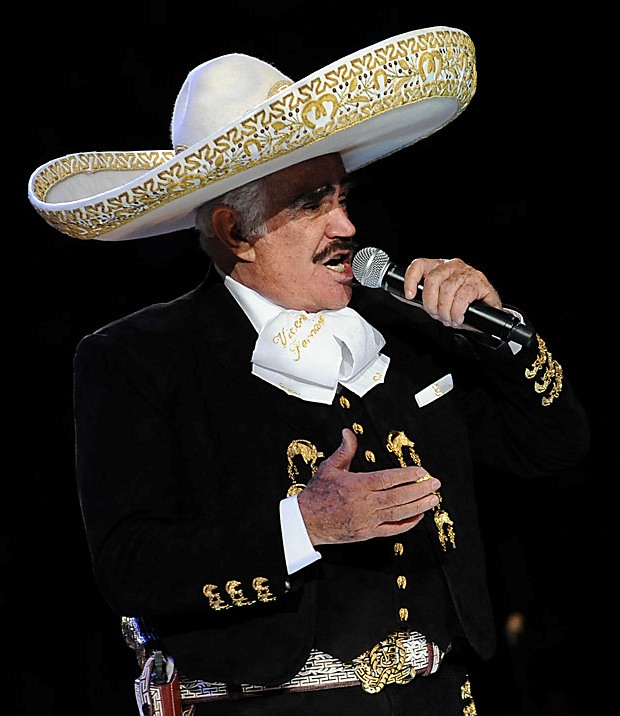
Major subgenres include mariachi, banda, norteño, corridos, Tejano, duranguense, and sierreño.{{Cite web |title=Our Story, Our Content |url=http://www.univision.net/corp/en/urg.jsp |url-status=dead |archive-url=https://web.archive.org/web/20110314202943/http://www.univision.net/corp/en/urg.jsp |archive-date=March 14, 2011 |website=Univision Radio}} Mariachi, which originated in 18th-century Jalisco, achieved international recognition during the Golden Age of Mexican cinema through figures such as Pedro Infante and Vicente Fernández. The 1990s saw the rise of grupero and the so-called "Golden Age of Tejano", led by Selena. In the 2000s, duranguense gained prominence, while the 2020s were defined by the presence of corridos tumbados, a contemporary fusion incorporating elements of trap and hip-hop, and unprecedented global growth driven by recording artists such as Peso Pluma, Natanael Cano, Grupo Frontera, and Carín León.{{Cite web |last=Flores |first=Griselda |date=2022-10-03 |title=Hispanic Heritage Month: 37 Songs That Tell the Story of Regional Mexican |url=https://www.billboard.com/music/latin/hispanic-heritage-month-2020-35-songs-regional-mexican-9463010/ |access-date=2025-11-01 |website=Billboard |language=en-US}}
Within the music industry of the United States, regional Mexican music became a dominant format on Spanish-language radio, resonating strongly with the Mexican American population.{{Cite web |last=Herrera |first=Isabelia |date=2023-07-27 |title=How Regional Mexican Music Became the Year’s Most Refreshing Pop Breakthrough |url=https://pitchfork.com/thepitch/how-regional-mexican-music-became-the-years-most-refreshing-pop-breakthrough/ |access-date=2025-11-01 |website=Pitchfork |language=en-US}}{{Cite news |last=Ho |first=Rodney |date=November 29, 2006 |title=105.3 FM changed to Regional Mexican |url=http://www.accessatlanta.com/event/content/music/stories/2006/11/28/1129lvspanish.html |url-status=dead |archive-url=https://web.archive.org/web/20120214002544/http://www.accessatlanta.com/event/content/music/stories/2006/11/28/1129lvspanish.html |archive-date=February 14, 2012 |work=Atlanta Journal-Constitution}} This expansion has been marked by record-breaking streaming figures and chart success on platforms such as Billboard, where the genre has regularly placed songs on the Billboard Hot 100 chart.{{Cite web |title=Regional Mexican music is crossing borders and going global |url=https://spectrumlocalnews.com/tx/south-texas-el-paso/news/2024/01/26/regional-mexican-music-crossing-borders |access-date=2025-11-01 |website=spectrumlocalnews.com |language=en}}{{Cite web |last=by |first=Written |date=2024-10-04 |title=Regional sounds show Mexico and the U.S. in movement |url=https://mvccvelocity.com/2024/10/03/regional-mexican-music/ |access-date=2025-11-01 |website=Velocity |language=en}}
History
16th–20th century: Origins
Many different subgenres of regional Mexican have their origins in the 16th to 19th centuries. Indigenous and Spanish instruments and styles mixed together to create these genres of music. For example, mariachi originated in the state of Jalisco around the 18th century. The mariachi genre is distinguished by its use of the vihuela, guitarrón, trumpet, and violin.
Other genres developed later in the 20th century. An example being the ranchera. Ranchera is a traditional style of regional Mexican formed during the Mexican Revolution. Today, it can be performed in the vast majority of regional Mexican subgenres in several different time signatures.
1940s–1960s: Rise of mariachi
The popularity of regional Mexican music, increased internationally from the 1940s to 1960s with the addition of the many regional Mexican soundtracks used in films. Pedro Infante was one of many who helped popularize the genre in the 1950s during the Golden Age of Mexican Cinema. Regional Mexican boleros, specifically boleros accompanied with mariachi, were also popular around this time. Beginning in the 1940s, regional Mexican music gained popularity in Chile through the use of radio and television.
1970s–1980s: Popularity of mariachi
In the 1970s, the mariachi genre and ranchera style began to increasingly spread into the United States. Many popular mariachi singers during this time include Vicente Fernández and Antonio Aguilar.
In the 1980s, Mexican singer-songwriter Juan Gabriel popularized the mariachi ballad along with Angélica María. Musical groups like Ramón Ayala y Los Bravos del Norte, Los Cadetes de Linares, and Los Invasores de Nuevo León from the northeastern states of Mexico helped expand the popularity of norteño music. During the 1980s, the different but similar genres of music were grouped under the term "regional Mexican" and grew in popularity in the United States, due to higher concentrations of Mexican population. In 1984, Billboard released a Regional Mexican Albums chart in their magazine. Vicente Fernández's album Por Tu Maldito Amor (1989) became the longest running number one regional Mexican album of the decade in the United States.
1990s: Rise of several subgenres
In the 1990s, various subgenres of regional Mexican music remained popular and gained popularity all over Mexico and the United States. The grupero genre became one of the most popular regional Mexican genres in the United States due to its unique use of electric guitars, keyboard, and drums. Popular bands in the genre included Los Bukis, Los Temerarios, and Bronco. Other regional Mexican acts like American singer Selena were known for fusing the style with Tejano music. Tejano music soon became the most prominent in the genre and one of the fastest-growing music genres in the United States. The "Golden Age of Tejano" is considered to have ended March 31, 1995, when Selena was shot and killed. Selena's music led to the genre's revival and made it marketable in the U.S. for the first time.
In 1992, Chalino Sanchez, a Mexican singer who influenced the narcocorrido genre was murdered outside a nightclub. In 1994 in the U.S., the Billboard chart for Regional Mexican music was created and mostly included technocumbias and grupero ballads. "La Niña Fresa" by Banda Zeta was the first number-one song included on the chart. The decade also saw the rise in popularity of Sinaloan banda with groups such as Banda El Recodo, La Arrolladora Banda El Limón, and Banda Los Recoditos. Technobanda, a hybrid of Sinaloan banda and grupero which was developed in the late 1970s in the Mexican state of Nayarit, had its heyday with acts such as Banda Machos, Banda Maguey, and Banda Arkángel R-15. Bands such as Conjunto Primavera, Los Rieleros del Norte, and Polo Urías y su Máquina Norteña helped spread the popularity of the norteño with sax sound. A country en Español popularity boom, led by the band Caballo Dorado, reached northern and central Mexico during the 1990s.
In the late 1990s, Mexican singer Alejandro Fernández was known for mixing elements of pop music and mariachi in his Mexican pop songs. In 1999, Nortec was developed from Norteño and Techno in the Mexican city of Tijuana.
2000s: Duranguense and Tierra Caliente sounds
In the 2000s, established regional Mexican artists continued to release music including California-based norteño band Los Tigres de Norte, a band that has released music since the 1970s. That same decade, some new regional Mexican groups were formed, including Sinaloan banda group Banda MS. Valentín Elizalde, a regional Mexican artist who made corridos was shot after a performance in Mexico in 2006.
In the mid to late 2000s, duranguense was one of the most prevalent genres. Duranguense was further evolved with its own "Chicago sound" as Mexican American artists from the area incorporated different rhythms and styles into the genre. Duranguense bands include Grupo Montéz de Durango, K-Paz de la Sierra, and Patrulla 81. The decade also saw some mainstream exposure for Tierra Caliente music with acts such as La Dinastía de Tuzantla, Beto y sus Canarios, and Tierra Cali.
2010s: Heavy Sinaloan influence
In the 2010s, regional Mexican music continued to be pioneered, although it remained less popular than decades before. Norteño-Banda, also known as norteño with tuba, had its most successful run during the early to mid 2010s with artists such as Larry Hernández, Gerardo Ortíz, Calibre 50, and Voz de Mando. Mexican singer-songwriter Ariel Camacho led the sierreño style with Los Plebes del Rancho. Camacho would go on to inspire many other later regional Mexican artists before and after his death in 2015.
In 2017, Mexican singer Christian Nodal charted on the Regional Mexican and Latin Billboard charts in the United States with his single "Adiós Amor". Nodal is known for his fusion of mariachi and norteño music. In 2019, norteño band Los Tucanes de Tijuana became Coachella's first norteño act. Another norteño band, Los Tigres de Norte broke the record of paid attendance for a Rodeo Houston show on March 10, 2019, with 75,586 concert tickets sold.
2020s: Global resurgence
.png)
In the early 2020s, the regional Mexican genre had a global resurgence steadily topping charts and becoming more listened to. According to Spotify in 2022, Mexican music streams more than doubled since 2019 to reach 5.6 billion. The format had 150 U.S. radio stations. Some of the most listened to regional Mexican artists in the 2020s include Peso Pluma, Natanael Cano, Junior H, Grupo Frontera, Banda MS, Iván Cornejo, and Grupo Firme. Many regional Mexican artists reached millions of streams and high chart success including Peso Pluma whose song with Eslabon Armando titled "Ella Baila Sola" reached No. 4 on the U.S.'s Billboard's mainstream pop chart, the Hot 100. In 2023, Peso Pluma had 24 songs enter the Hot 100. Popular genres of these new artists include corridos tumbados, or trap corridos. In 2022, Yahritza Martinez of Yahritza y su Esencia, became the youngest Latin artist to enter the Hot 100 at the age of 15. In 2023, artists of other Latin music genres including Bad Bunny, Becky G, and Shakira released songs and albums with regional Mexican music.
In February 2024, Carín León, who is known to incorporate country music influence into several of his songs, became the first regional Mexican artist to perform in one of country music's most prestigious venues, the Grand Ole Opry. Later, in April of that year, he became the first regional Mexican artist to perform in both the Coachella and Stagecoach music festivals within the same year.
Mass media
Uforia Audio Network owns a number of stations running the regional Mexican format. Television channels Bandamax and Video Rola are dedicated to transmitting programming relating mainly to the regional Mexican genre. In Mexico, there are many radio stations solely dedicated to regional Mexican music and some with certain subgenres. Regional Mexican stations are available in the U.S. mostly targeting the Mexican American population.
Subgenres
References
References
- Flores, Griselda. (August 16, 2024). "Sonidos NUEVOS". Billboard.
- "Mexican Music History".
- "Puro Mariachi - History".
- Cruz, Alejandro. "El Mariachi, inicios, evolución y exponentes de este género musical".
- Brenner, Helmut. (1996). "Música ranchera: das mexikanische Äquivalent zur country and Western music aus historischer, musikalischer und kommerzieller Sicht". H. Schneider.
- Flores, Griselda. (2023-05-04). "La música regional mexicana no solo tiene su momento, es un movimiento".
- Flores, Griselda. (2022-10-03). "Hispanic Heritage Month: 37 Songs That Tell the Story of Regional Mexican".
- Flores, Griselda. (2022-02-03). "As Mexican Music Goes Global, There’s Debate Over What to Call It".
- (2019-04-12). "Diferencia entre ser ranchero y ser grupero".
- (March 30, 2023). "A look back at the life of Selena".
- Flores, Griselda. (2022-07-07). "Chalino Sanchez's Legacy Continues to Be Celebrated, 30 Years After His Death".
- (2013-01-02). "Regional Mexican Airplay".
- Lechner, Ernesto. (2002-11-12). "Vicente and Alejandro Fernandez".
- Arce, José Manuel Valenzuela. (2004). "Epílogo, Josh Kun". Trilce Ediciones.
- Villegas, Richard. (2019-11-01). "Nortec Collective's Bostich and Fussible Look Back on 20 Years of Border Town Sounds".
- Beauregard, Rodrigo Soriano, Luis Pablo. (2023-06-13). "A new chapter in the Latin boom: Mexican music takes over from reggaeton".
- (2006-02-19). "Regional Mexican music at a glance".
- Flores, Griselda. (2016-06-21). "Valentín Elizalde’s Former Partner Killed By Gunman In Sonora, Mexico".
- Mier, Tomás. (2024-03-20). "Can TikTok Bring Back This Forgotten Mexican Genre?".
- Giraud, Melissa. (January 14, 2006). "Duranguense Mexico meets the Midwest".
- Orozco, Gisela. (2022-01-27). "Duranguense: made in Chicago".
- Cobo, Leila. (July 19, 2008). ""Hot" Mexican musical genre picks up steam in U.S.".
- Orth, Jesse. (August 2015). "Tubas on the Rise: the Tuba As a Signifier of 21st Century Mexican-American Music Culture in Southern California". [[University of North Texas]].
- Cantor-Navas, Judy. (2015-02-25). "Regional Mexican Artist Ariel Camacho Dead at 22".
- Mendizabal, Amaya. (2017-02-16). "Christian Nodal Vaults Into Top 5 on Hot Latin Songs Chart".
- Villa, Lucas. (2019-06-07). "Meet Christian Nodal: The Future of Regional Mexican Music".
- Raygoza, Isabela. (2019-04-18). "Los Tucanes de Tijuana on Making History as Coachella's First Norteño Act".
- Lopez, Julyssa. (2019-03-11). "Los Tigres del Norte Just Broke Cardi B's Houston Rodeo Attendance Record".
- Acevedo, Angelica. (2019-03-11). "Los Tigres del Norte Break Cardi B’s Attendance Record at Houston Rodeo".
- Covert, Adrian. (2022-09-16). "A New Generation of Artists Is Reinventing Mexican Music and Captivating Listeners Around the World".
- Flores, Griselda. (September 18, 2021). "Regional Mexican Goes Global". [[Billboard (magazine).
- (2024-01-26). "Regional Mexican music is crossing borders and going global. Here's how it happened".
- (June 6, 2023). "Regional Mexican Music Is Finding More Ears.".
- Flores, Griselda. (2024-05-07). "Peso Pluma Signs With CAA in All Areas".
- Cano, Natalia. (2023-07-12). "Why Do Corridos Tumbados Generate Controversy?".
- Cantú, Elda. (2023-12-05). "The World Loves Corridos Tumbados. In Mexico, It’s Complicated.". The New York Times.
- Villa, Lucas. (2022-10-14). "The Teens Revitalizing Regional Mexican Music for a New Generation".
- Cardenas, Cat. (2023-10-26). "How Yahritza y Su Esencia—A Family Band From Washington State—Is Transforming Regional Mexican Music".
- (2023-09-18). "Shakira explores regional Mexican music with her upcoming single ‘El Jefe’: What we know so far".
- Avila, Pamela. "Meet Edgar Barrera: The Grammy winner writing hits for Shakira, Bad Bunny, Karol G and more".
- Marks, Craig. (2024-05-27). "Carin León Is Bringing Música Mexicana and Country Ever Closer". The New York Times.
- "Carín León earns a superstar's welcome during his Grand Ole Opry debut: 'This place is magical'".
- "Carín León mends broken hearts with vibrant & soulful Coachella debut".
- "Stagecoach 2024: Carín León makes history at country music festival".
- Flores, Griselda. (2021-02-09). "Sad Sierreño: Up-and-Coming Mexican Regional Acts Are Bringing a New Wave of Ballads to the Charts".
- "Música de tambora, tamborazo zacatecano".
- "Genres · The Sounds of México · Cook Music Library Digital Exhibitions".
- Aparicio, Diego. (2016-04-26). "Cómo distinguir los distintos géneros de la música regional mexicana, la reina de la radio en…".
This article was imported from Wikipedia and is available under the Creative Commons Attribution-ShareAlike 4.0 License. Content has been adapted to SurfDoc format. Original contributors can be found on the article history page.
Ask Mako anything about Regional Mexican — get instant answers, deeper analysis, and related topics.
Research with MakoFree with your Surf account
Create a free account to save articles, ask Mako questions, and organize your research.
Sign up freeThis content may have been generated or modified by AI. CloudSurf Software LLC is not responsible for the accuracy, completeness, or reliability of AI-generated content. Always verify important information from primary sources.
Report