From Surf Wiki (app.surf) — the open knowledge base
Receiving vault
Structure which temporarily stores dead bodies
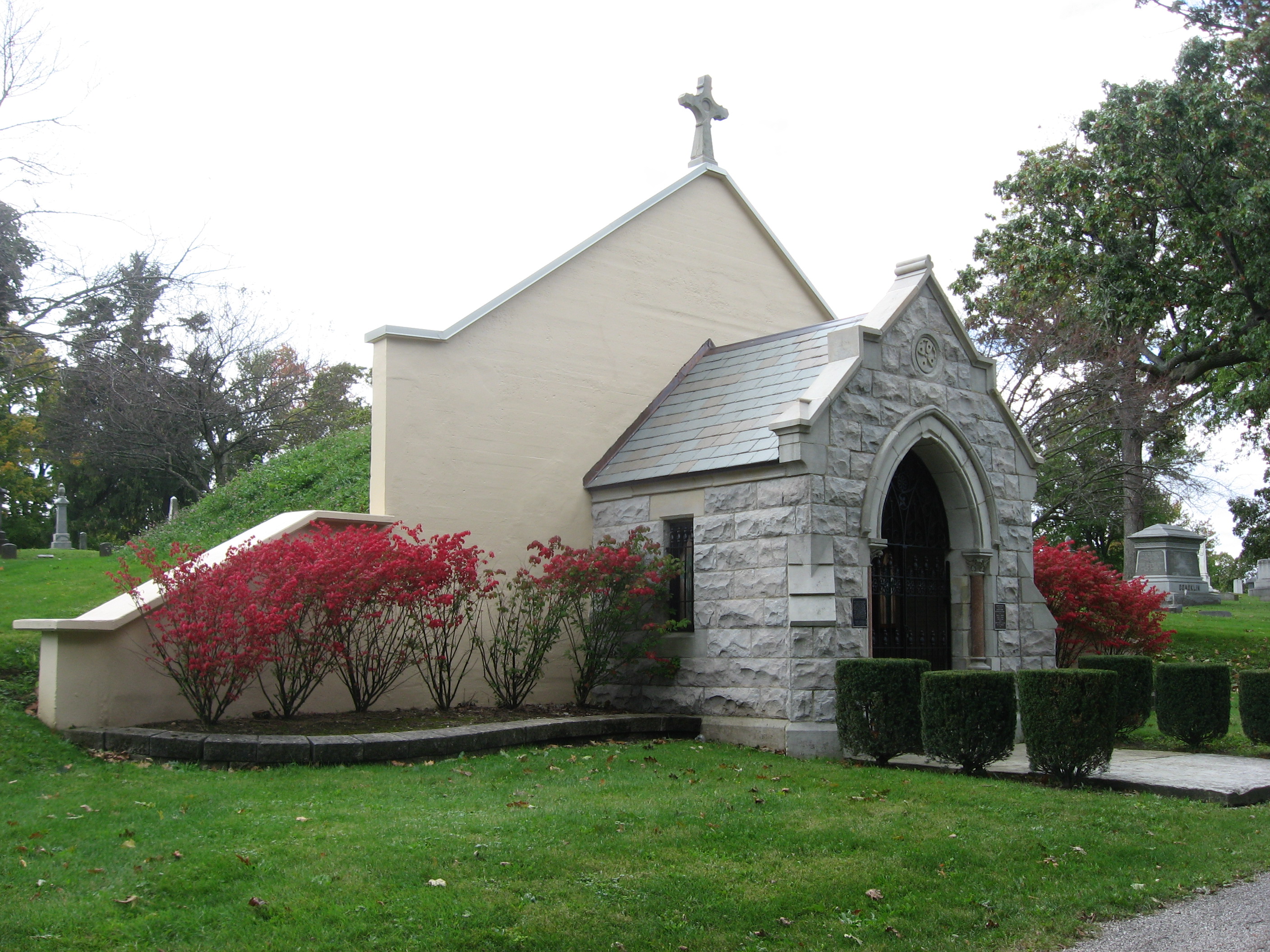
Structure which temporarily stores dead bodies
A receiving vault or receiving tomb, sometimes also known as a public vault, is a structure designed to temporarily store dead bodies in winter months when the ground is too frozen to dig a permanent grave in a cemetery. Technological advancements in excavation, embalming, and refrigeration have rendered the receiving vault obsolete.
Development and use
The receiving vault came into use in parts of the world such as northern Europe, northern North America, and far southern South America, where frozen ground made it difficult or impossible to dig graves during the winter months. In such areas, the receiving vault was used to temporarily store bodies until warmer weather permitted digging. Receiving vaults were also used as a temporary burial site while an elaborate mausoleum or under ground crypt was being constructed to house the remains. Occasionally they were used to temporarily bury the remains of an individual until a decision was made regarding a permanent place of burial, or until the family had the funds to arrange for a permanent place of burial.
In times of epidemics, in which large numbers of people could die within days of one another, receiving vaults were often used to hold remains until such time as individual or mass graves could be dug. Disease-bearing corpses were also often stored in the receiving vault until such time as authorities believed it was safe to handle them. Some cemeteries, however, barred the placement of diseased remains in the receiving vault for fear that the vault would become contaminated.
Receiving vaults largely ceased to be built once powered digging equipment, such as the steam shovel and backhoe, made it possible to dig graves in winter months.
Types


The receiving vault was most commonly seen from the 1800s into the early 1900s. The earliest receiving vaults were simple underground chambers dug out of hills. Where the ground was level, the receiving vault was dug into the earth, and a mound heaped over it to mimic a hill. Receiving vaults stored coffins or bodies in loculi, or shelves, set into the walls of the vault. The interiors were simple, and often plain, with heavy lockable doors to prevent entry by grave robbers or body snatchers.
Receiving vaults built from the mid-1800s onward could be either above-ground or below-ground, and ranged from the simple structure with loculi (wall niches) for coffins to beautifully decorated, large, and ornate structures. Some cemeteries co-located a chapel (either next to or above) with the receiving vault to make it easier to hold a funeral in conjunction with the vault's use. The cost of constructing and operating the receiving vault was usually borne by the cemetery. Receiving vaults were usually located toward the center or the rear of a cemetery. Small cemeteries usually used a small, subterranean receiving vault, while larger burying grounds with more income built larger underground or above-ground structures.
References
Bibliography
References
- "National Historic Landmark Nomination".
- Caparn, Harold A.. (July 1911). "Modern Meditations Among the Tombs". Landscape Architecture Magazine.
This article was imported from Wikipedia and is available under the Creative Commons Attribution-ShareAlike 4.0 License. Content has been adapted to SurfDoc format. Original contributors can be found on the article history page.
Ask Mako anything about Receiving vault — get instant answers, deeper analysis, and related topics.
Research with MakoFree with your Surf account
Create a free account to save articles, ask Mako questions, and organize your research.
Sign up freeThis content may have been generated or modified by AI. CloudSurf Software LLC is not responsible for the accuracy, completeness, or reliability of AI-generated content. Always verify important information from primary sources.
Report