From Surf Wiki (app.surf) — the open knowledge base
Recalcitrant seed
Plant seeds intolerant of drying or cold
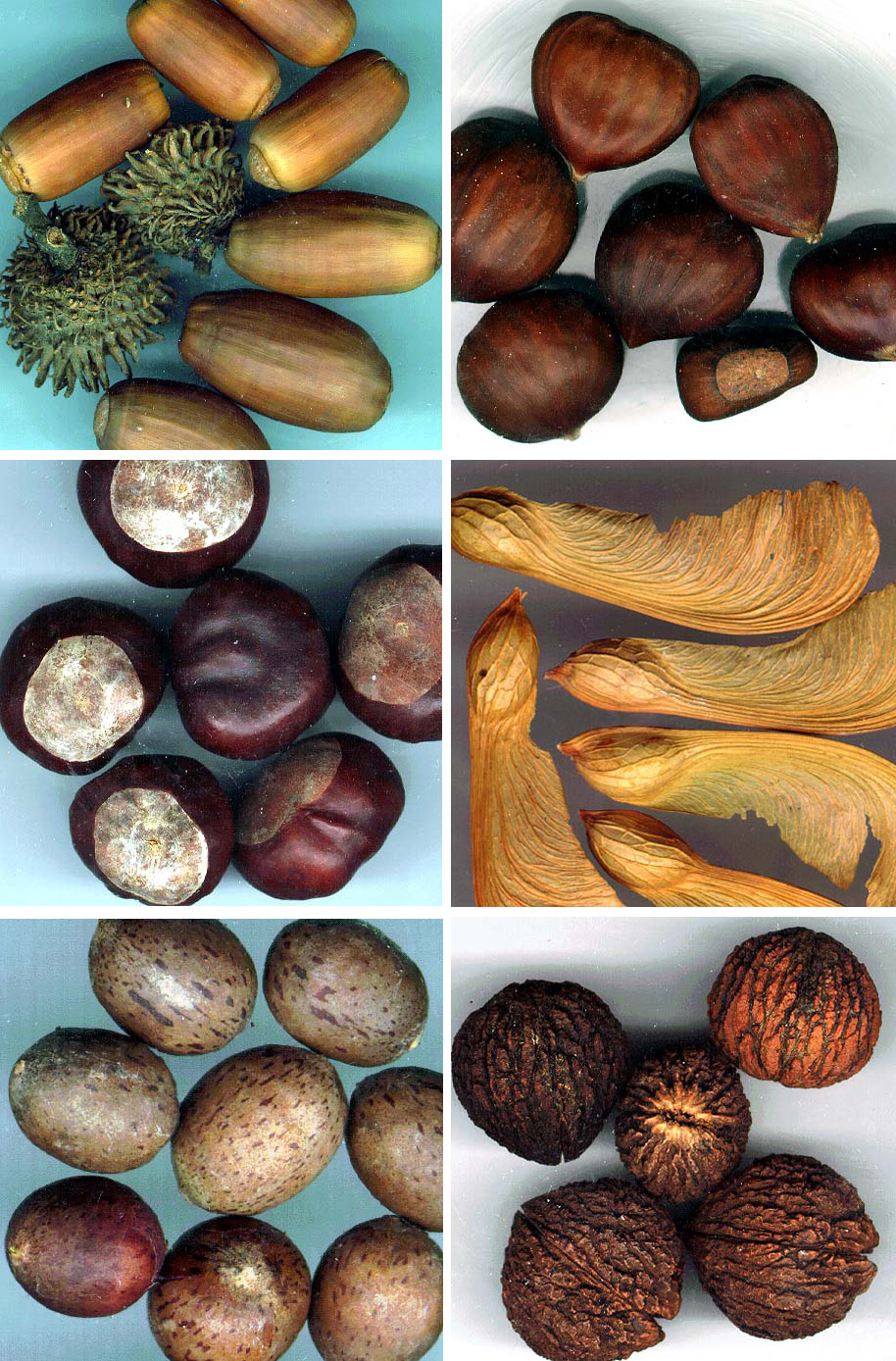
Plant seeds intolerant of drying or cold
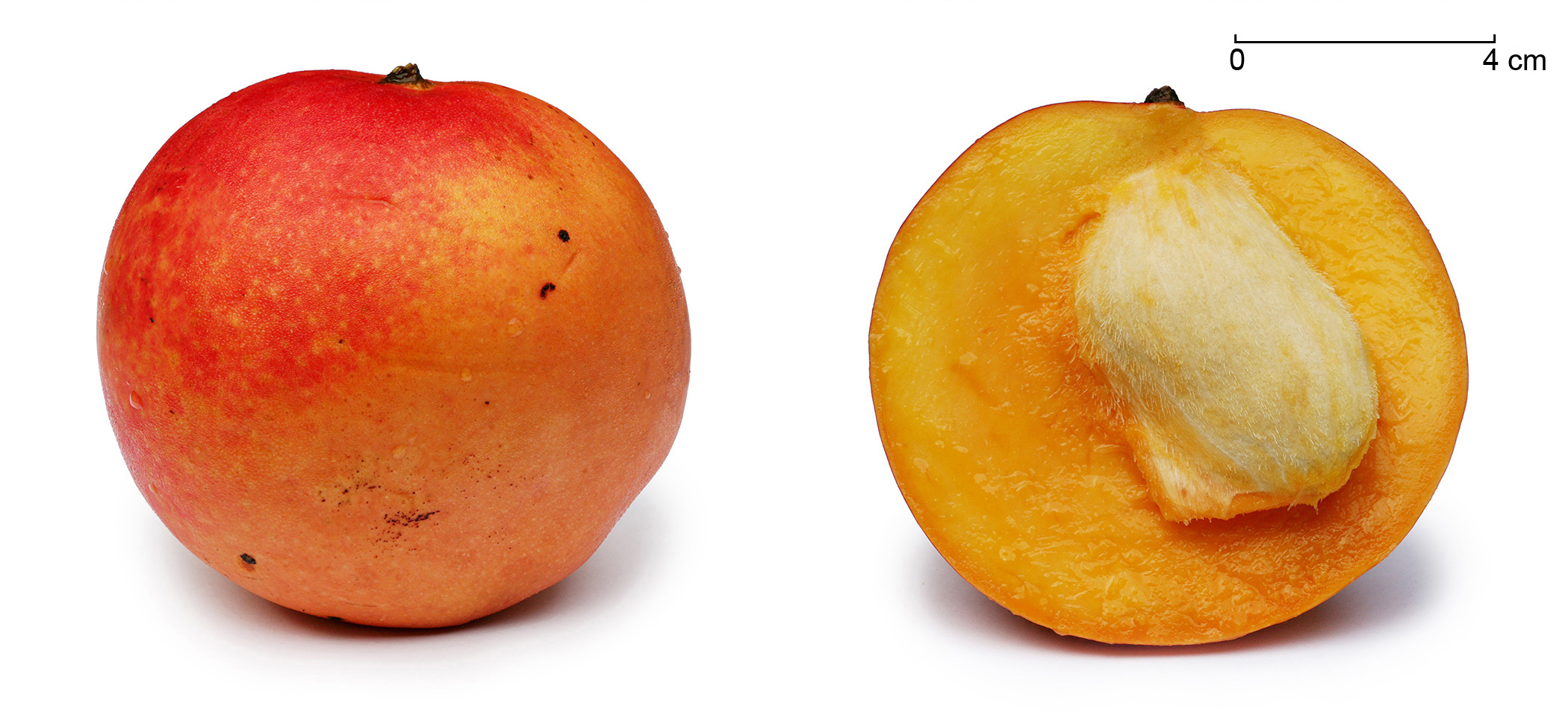
Recalcitrant seeds are seeds that do not survive drying and freezing during ex situ conservation. By and large, these seeds cannot resist the effects of drying or temperatures less than 10 °C (50 °F); thus, they cannot be stored for long periods like orthodox seeds because they can lose their viability. Plants that produce recalcitrant seeds include avocado, mango, mangosteen, lychee, cocoa, rubber tree, some horticultural trees, aquatic plants such as Nymphaea caerulea, and several plants used in traditional medicine, such as species of Virola and Pentaclethra. Generally speaking, most tropical pioneer species have orthodox seeds but many climax species have recalcitrant or intermediate seeds.
Mechanisms of damage

The two main mechanisms causing damage to recalcitrant seeds are desiccation effects on the intracellular structures and metabolic damage from the formation of toxic chemicals such as free radicals. An example of the first type of damage would be found in some recalcitrant nontropical hardwood seeds, specifically the acorns of recalcitrant oaks, which can be stored in a non-frozen state for up to two years provided that precautions are taken against drying. These seeds show deterioration of cell membrane lipids and proteins after as few as 3–4 days of drying. Other recalcitrant seeds, such as those of the sweet chestnut (Castanea sativa), show oxidative damage resulting from uncontrolled metabolism occurring during the drying process.
Storage
Preservation of recalcitrant seeds remains experimental. Some approaches include:
- Removal of the embryo inside for cryopreservation (liquid nitrogen).
- Cryopreservation of the whole seed in an anti-freezing solution.
Intermediate seeds are between orthodox and recalcitrant seeds in their survivability. They are initially identified by their inability to survive conventional dry-freezing storage while being able to survive cryopreservation as a whole. The storage guideline is to put them in refrigeration at 45–65% RH, for a maximum of five years.
References
References
- "Frequently Asked Questions". National Center for Genetic Resources Preservation, [[United States Department of Agriculture.
- Marcos-Filho, Julio. "Physiology of Recalcitrant Seeds". Ohio State University.
- Flores, E. M.. "Tropical Tree Seed Manual". Forest Service, US Department of Agriculture.
- Berjak, Patricia. "Tropical Tree Seed Manual". Forest Service, US Department of Agriculture.
- Connor, Kristina F. (2004). "Update on oak seed quality research: Hardwood recalcitrant seeds". [[Rocky Mountain Research Station]], Forest Service, US Department of Agriculture.
- (1999). "Axes and cotyledons of recalcitrant seeds of Castanea sativa Mill. exhibit contrasting responses of respiration to drying in relation to desiccation sensitivity". Oxford University Press.
- Lee, Chung-Hao. (2022-03-30). "Cryopreservation of seeds of blue waterlily (Nymphaea caerulea) using glutathione adding plant vitrification solution, PVS+".
- "Orthodox, Intermediate, and Recalcitrant Seed".
This article was imported from Wikipedia and is available under the Creative Commons Attribution-ShareAlike 4.0 License. Content has been adapted to SurfDoc format. Original contributors can be found on the article history page.
Ask Mako anything about Recalcitrant seed — get instant answers, deeper analysis, and related topics.
Research with MakoFree with your Surf account
Create a free account to save articles, ask Mako questions, and organize your research.
Sign up freeThis content may have been generated or modified by AI. CloudSurf Software LLC is not responsible for the accuracy, completeness, or reliability of AI-generated content. Always verify important information from primary sources.
Report