From Surf Wiki (app.surf) — the open knowledge base
Rap rock
Music genre combining hip hop and rock

Music genre combining hip hop and rock
| Field | Value |
|---|---|
| name | Rap rock |
| image | Urban Dance Squad.jpg |
| caption | Urban Dance Squad performing in 2006 |
| stylistic_origins | |
| cultural_origins | Early to mid-1980s, United States |
| fusiongenres | Rap metal |
| other_topics |
Rap rock is a music genre that developed from the early to mid-1980s, when hip hop DJs incorporated rock records into their routines and rappers began incorporating original and sampled rock instrumentation into hip hop music. Rap rock is considered to be rock music in which lyrics are rapped, rather than sung. The genre achieved its greatest success in the late 1990s and early 2000s.
Characteristics
AllMusic characterized rap rock songs as rock songs in which the vocals were rapped rather than sung. AllMusic also states that the rhythms of rap rock are rooted in those of hip hop, with more funk influences than normal hard rock. Session player Eddie Martinez, who created the guitar parts for hip hop group Run-DMC's rap rock song "Rock Box", recognized that "a rap-rock song needn't feature a new change in the chorus; rather, it's a spot where the guitarist can just solo over the same riff that drives the verses."
Rap rock is often conflated with rap metal. While the two styles may appear to have minute differences, AllMusic says that rap rock has "organic, integrated" hip hop elements, while rap metal features "big, lurching beats and heavy, heavy riffs"; the latter also has a tendency to sound "as if the riffs were merely overdubbed over scratching and beat box beats." AllMusic says that old school rap rock had more in common with "hardcore punk or artsy post-punk with breakbeats" than with metal.
History
Old school rap rock (1980s to mid-1990s)
Early hip hop DJs utilized breaks from rock records, such as Billy Squier's "the Big Beat", the Monkees' "Mary, Mary" and Steve Miller Band's "Take the Money and Run", in order to "flaunt their vinyl guile". Although the Cold Crush Brothers' "Punk Rock Rap" did not see much success and Grandmaster Flash and the Furious Five would wind up being jeered opening for the Clash, Run-DMC saw a crossover audience with their rap rock sound, helping gain rock fans' acceptance of hip hop. Public Enemy brought a punk rock attitude to hip hop; Another link between hip hop and punk rock was producer Rick Rubin, who split his time between working with hip hop artists Run-DMC and Beastie Boys, and punk-influenced bands like Slayer and the Cult.
Although hip hop music would gain popularity in the 1980s, many dismissed it as either being a fad, or as a marginal art form which appealed only to urban African Americans. However, a rap rock collaboration between Run-DMC and the rock band Aerosmith helped diminish such biases. The 1986 single "Walk This Way", a remake of Aerosmith's 1975 rock song, helped bring hip hop into popularity with a mainstream white audience. It was the first Billboard top ten rap rock success played on radio. The music video signaled "both a literal and metaphoric merging of hard rock and rap"; the recording revitalized Aerosmith's career. The same year that Run-DMC released "Walk This Way", Beastie Boys released their debut album, Licensed to Ill, "a head-banging party album that enjoyed multi-platinum sales". According to CNN, the album "essentially invented rap-rock", as demonstrated by songs like "Rhymin' and Stealin'", which was built around samples from Black Sabbath, Led Zeppelin and the Clash, "(You Gotta) Fight for Your Right (To Party!)" and "No Sleep till Brooklyn", which featured guitar playing by Slayer's Kerry King. Public Enemy's 1988 album It Takes a Nation of Millions to Hold Us Back contained a song which sampled Slayer, and in 1991, the hip hop group would re-record their song "Bring the Noise" with the metal band Anthrax, a collaboration Spin deemed to be a weak retread of the "Walk This Way" collaboration.

The 1990s saw rap rock achieving mainstream success. After releasing "two albums of pure Beastie Boys worship", Kid Rock began to explore his Southern rock influences on Early Mornin' Stoned Pimp (1996), and Devil Without a Cause (1998), the latter of which "extended the lineage of rap-rock" and helped to "ignite the rap-rock genre".
Golden age rap rock (late 1990s)
The late 1990s has been cited as rap rock's "golden age". However, the Woodstock '99 festival and the band Limp Bizkit would wind up linking, as well as shifting critical opinion of both genres from the acclaim they'd initially received to near-universal disdain. However, despite these performances being well received, Limp Bizkit's performance was subject to national controversy as violence and vandalism occurred during and after the band's performance; this included fans tearing plywood from the walls during a performance of their song "Break Stuff". Durst stated during the concert, "Don't let anybody get hurt. But I don't think you should mellow out. That's what Alanis Morissette had you motherfuckers do. If someone falls, pick 'em up." Durst said during a performance of the band's hit song "Nookie", "We already let all the negative energy out. Its time to reach down and bring that positive energy to this motherfucker. Its time to let yourself go right now, 'cause there are no motherfuckin' rules out there." Eyewitnesses also reported a crowd-surfing woman being pulled down into the crowd and assaulted in the mosh pit during Limp Bizkit's set. Widely blamed for inciting the crowd to violence, Durst later stated in an interview, "I didn't see anybody getting hurt. You don't see that. When you're looking out on a sea of people and the stage is 20 ft in the air and you're performing, and you're feeling your music, how do they expect us to see something bad going on?" Their third album, Chocolate Starfish and the Hot Dog Flavored Water, debuted at number one on the Billboard 200, selling 1,054,511 copies in its first week of being released, with 400,000 of those copies being sold in the album's first day of release making it the largest first-week sales debut for a rock album in the United States.
Crazy Town was met with more ire from metal purists than any other rap rock band due to looking more like a hip hop crew than a metal band. Crazy Town's music and image reflected the band members' background in the underground hip hop scene in Los Angeles, anticipating nu metal. Their lyrics reflected "one of the most dynamic and volatile sociocultural environments on the planet [...] where the urban squalor of the South Central district exists just minutes away from the glitz of Beverly Hills." Rapper KRS-One recorded a guest appearance for the band's debut album The Gift of Game. "Butterfly" would be the only Hot 100 hit by a rap rock act. According to Vulture, the 1990s were capped off by the short-lived late-90s sitcom Shasta McNasty, which encapsulated numerous 1990s trends in its depiction of a fictional rap rock band, brought the genre to primetime.
Further developments (2000s to 2020s)
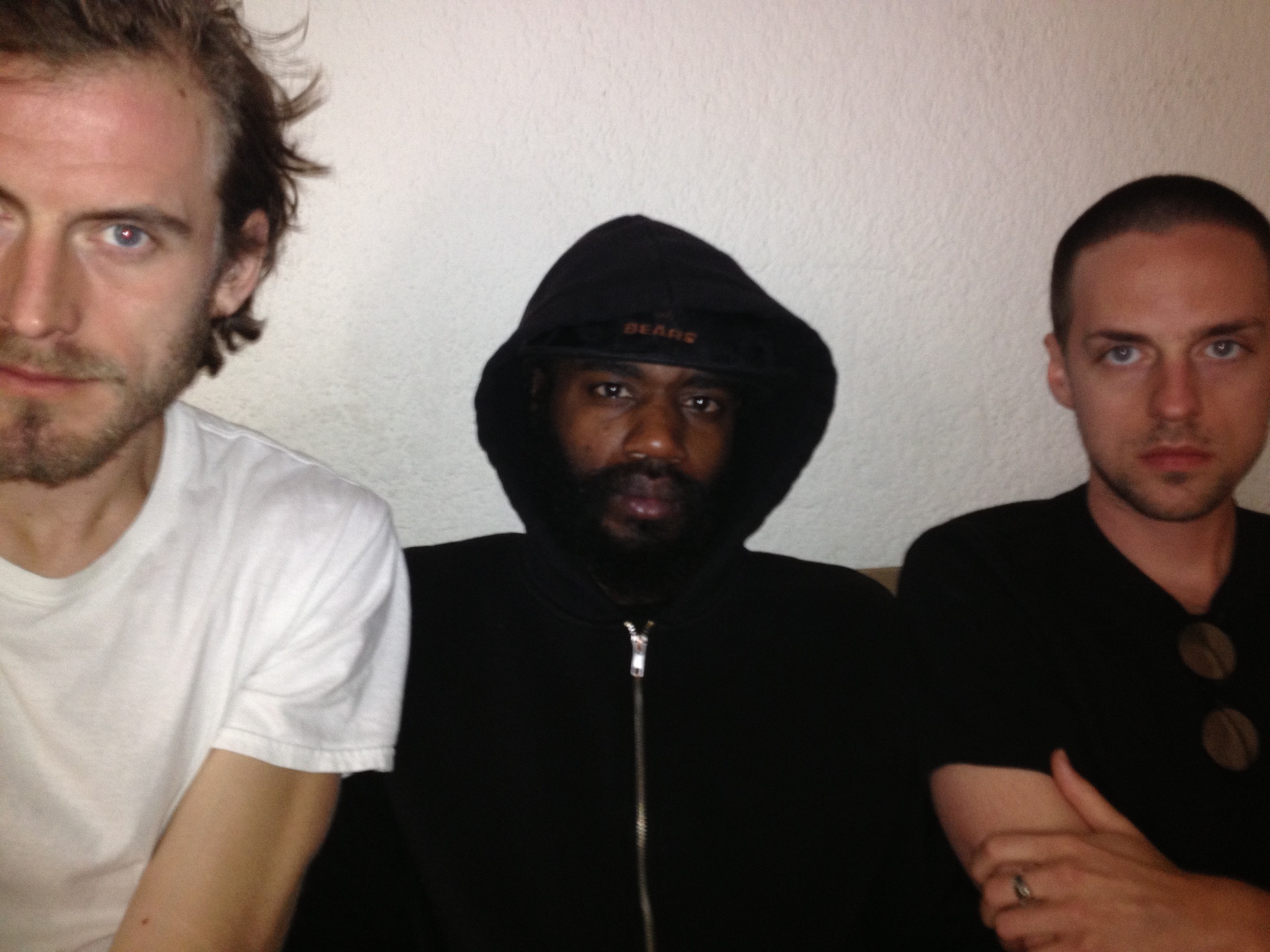
The style of crunk developed by Lil Jon was categorized as a "southern rap take on punk, which prioritised uncomfortably loud horns and repetitive screams." Hollywood Undead was seen as a revival of the rap rock sound, although they considered themselves a rock band with hip hop influences, rather than a rap rock band. The publication suggested that the negative reception to the latter two albums, as well as Lil Wayne's Rebirth (2010), were "glaring examples of the music media immediately shutting down Black artists for stepping outside of the confines of what is deemed as 'Black music.'" However, that year saw the release of several acclaimed rap rock projects, including Wugazi, a mashup mixtape in which raps by Wu-Tang Clan were paired with instrumentals by the band Fugazi, and the rap rock mixtape Exmilitary by the band Death Grips, which "[coupled] contemporary avant-rock techniques with underground rap sonics"; while some of the mixtape's samples and influences were more mainstream, such as a sample of a David Bowie song, most of the mixtape's samples came from American underground bands like Black Flag and Minutemen.
In 2017, Pitchfork wrote, "if, at some point, you made a name for yourself through combining rap and rock, chances are you either distance yourself vigorously from such efforts now or have learned to adjust to life as a walking joke." In 2018, conversely, The A.V. Club wrote that "rap-rock as we once knew it as dead", while HotNewHipHop said that the genre showed "no signs of stopping". The late 2010s saw the emergence of female rap rock artists such as Princess Nokia, Rico Nasty and Bali Baby, diverging from the typically male-dominated rap rock acts of the past.
In 2020, NME writer Kyann-Sian Williams reported a resurgence in rap rock, which fans dubbed "glock rock" due to the unfavorable reputation of rap rock. Williams cited as representatives of glock rock, Lil Uzi Vert, a punk rock-influenced rapper who identified as a "rockstar" and cited Marilyn Manson as their all-time favorite musical artist, Kerrang! writer Sophie K. described them as "a talented rock band who are able to properly rap with authenticity as well, seamlessly switching between clean vocals, electronics, fuzzy guitars and angsty rap vocals". Rappers dominated the rock charts throughout 2020.
References
References
- "Genre: Rap-Rock".
- Anderson, Rick. "Broadcast to the World Review". AllMusic.
- Aaron, Charles. (11 February 2014). "Rap-Rock: From 'Punk Rock Rap' to Mook Nation".
- Staff. (April 29, 2021). "How the Clash Embraced New York's Hip Hop Scene and Released the Dance Track, "The Magnificent Dance" (1981)". OpenCulture.
- Grierson, Tim. "What Is Rap-Rock: A Brief History of Rap-Rock". liveaboutdotcom.
- Sanneh, Kelefa. (December 3, 2000). "''Rappers Who Definitely Know How to Rock''". [[The New York Times]].
- Dreisinger, Baz. (February 13, 2019). "Run-DMC, Aerosmith and the Song That Changed Everything". [[The New York Times]].
- Anderson, Kyle. (May 7, 2012). "Beastie Boys' Adam Yauch's musical legacy: Changing all games, all the time". [[CNN]].
- Hess, Mickey. (2007). "Hip Hop Dead? The Past, Present, and Future of America's Most Wanted Music". Greenwood Publishing Group.
- "Kid Rock Raps With The Devil".
- "Nu Metal Meltdown". MTV.
- Kreps, Daniel. (July 23, 2021). "19 Worst Thing About Woodstock '99". Rolling Stone.
- (2000). "Limp Bizkit". [[St. Martin's Press]].
- Wartofsky, Alona. (July 29, 1999). "Police Investigate Reports of Rapes at Woodstock". [[The Washington Post]].
- Stark, Jeff. (July 27, 1999). "What A Riot". [[Salon.com.
- Wyman, Bill. (July 29, 1999). "Woodstock 99: Three days of peace, love and rape". [[Salon.com.
- "Limp Bizkit - Full Concert - 07/24/99 - Woodstock 99 East Stage (OFFICIAL)". YouTube.
- (July 29, 1999). "Police investigate alleged rapes at Woodstock '99". CNN.
- (August 3, 2022). "Trainwreck: Woodstock '99". Netflix.
- "Limp Bizkit - Chart history (''Billboard'' 200)".
- Hilburn, Robert. (October 26, 2000). "Limp Bizkit Joins an Elite Group as First-Week Album Sales Top 1 Million". [[Los Angeles Times]].
- Seymour, Craig. (October 26, 2000). "Limp Bizkit tops the Billboard Album chart".
- Reese, Lori. (October 24, 2000). "Bizkit in Gravy".
- Udo, Tommy. (2002). "Brave Nu World". Sanctuary Publishing.
- Kangas, Chaz. (May 13, 2014). "Everything You Need to Know About Crazy Town Getting Back Together". L.A. Weekly.
- Nimmervoll, Ed. "Crazy Town - Biography".
- Breihan, Tom. (September 14, 2022). "The Number Ones: Crazy Town's "Butterfly"". Stereogum.
- Schimkowitz, Matt. (November 18, 2013). "How 'Shasta McNasty' Brought Rap Rock to Primetime and Killed the 90s". Vulture.
- (November 3, 2017). "Kid Rock – Sweet Southern Sugar (Album Review) – Cryptic Rock".
- Fisher, Gus. (August 7, 2018). "Kings Of Rock: A Brief History Of Rap-Rock". [[HotNewHipHop]].
- Levy, Piet Levy. (July 10, 2011). "Hollywood Undead resurrects rap-rock". Milwaukee Journal Sentinel.
- Coulter Walls, Seth. (September 9, 2011). "In Defense of Rap Rock: The only thing from the '90s no one has nostalgia for.". Slate.
- (July 5, 2019). "All 65 Twenty One Pilots songs ranked from worst to best". [[Cleveland.com]].
- (March 4, 2019). "Heathens sheet music".
- Corner, Lewis. (2016-08-04). "Suicide Squad: Villains do a mean soundtrack".
- McIntyre, Hugh. (February 23, 2017). "Twenty One Pilots' 'Heathens' Is Now The Longest-Running No. 1 Rock Song Of All Time".
- Lambert, Molly. (September 29, 2016). "And Let Us Now Praise Twenty One Pilots".
- (November 13, 2017). "The Unlikely Resurgence of Rap Rock - Pitchfork".
- Williams, Kyann-Sian. (July 15, 2020). "From Trippie Redd to Lil Uzi Vert, rap-rock is back. And this time, it doesn't suck". [[NME]].
- Chichester, Sammi. (September 28, 2021). "RISING RAP-ROCK CREW OXYMORRONS BREAK DOWN NEW EP TRACK BY TRACK". Revolver.
- K, Sophie. (September 18, 2020). "Now Hear This: Sophie K On The Best New Rap-Metal, Canadian Rock'N'Roll Cool And Blue-Collar Scottish Punk". Kerrang!.
- McIntyre, Hugh. (September 7, 2020). "2020 Is The Year Rap Artists Rule The Rock Charts". Forbes.
This article was imported from Wikipedia and is available under the Creative Commons Attribution-ShareAlike 4.0 License. Content has been adapted to SurfDoc format. Original contributors can be found on the article history page.
Ask Mako anything about Rap rock — get instant answers, deeper analysis, and related topics.
Research with MakoFree with your Surf account
Create a free account to save articles, ask Mako questions, and organize your research.
Sign up freeThis content may have been generated or modified by AI. CloudSurf Software LLC is not responsible for the accuracy, completeness, or reliability of AI-generated content. Always verify important information from primary sources.
Report