From Surf Wiki (app.surf) — the open knowledge base
Railway Technical Research Institute
Railway research institute in Japan

Railway research institute in Japan
| Field | Value |
|---|---|
| name | Railway Technical Research Institute |
| 財団法人鉄道総合技術研究所 | |
| image | JR logo RTRI.svg |
| image_size | 150px |
| alt | Stylised capital J and R in blue |
| map | |
| msize | |
| malt | |
| mcaption | |
| abbreviation | RTRI |
| formation | |
| extinction | |
| status | Public Interest Incorporated Foundation |
| purpose | Railway technology research and consulting |
| headquarters | 2-8-38, Hikaricho, Kokubunji-shi, Tokyo |
| coords | |
| region_served | Japan |
| leader_title | |
| leader_name | Masao Mukaidono (chair) |
| main_organ | |
| parent_organization | |
| affiliations | Japan Railways Group |
| num_staff | 512 (as of 1 October 2008) |
| budget | (FY 2009) |
| website | rtri.or.jp |
財団法人鉄道総合技術研究所
Railway Technical Research Institute, or RTRI, is the technical research company under the Japan Railways group of companies.
Overview
RTRI was established in its current form in 1986 just before Japanese National Railways (JNR) was privatised and split into separate JR group companies. It conducts research on everything related to trains, railways and their operation. It is funded by the government and private rail companies. It works both on developing new railway technology, such as magnetic levitation, and on improving the safety and economy of current technology.
Its research areas include earthquake detection and alarm systems, obstacle detection on level crossings, improving adhesion between train wheels and tracks, reducing energy usage, noise barriers and preventing vibrations.
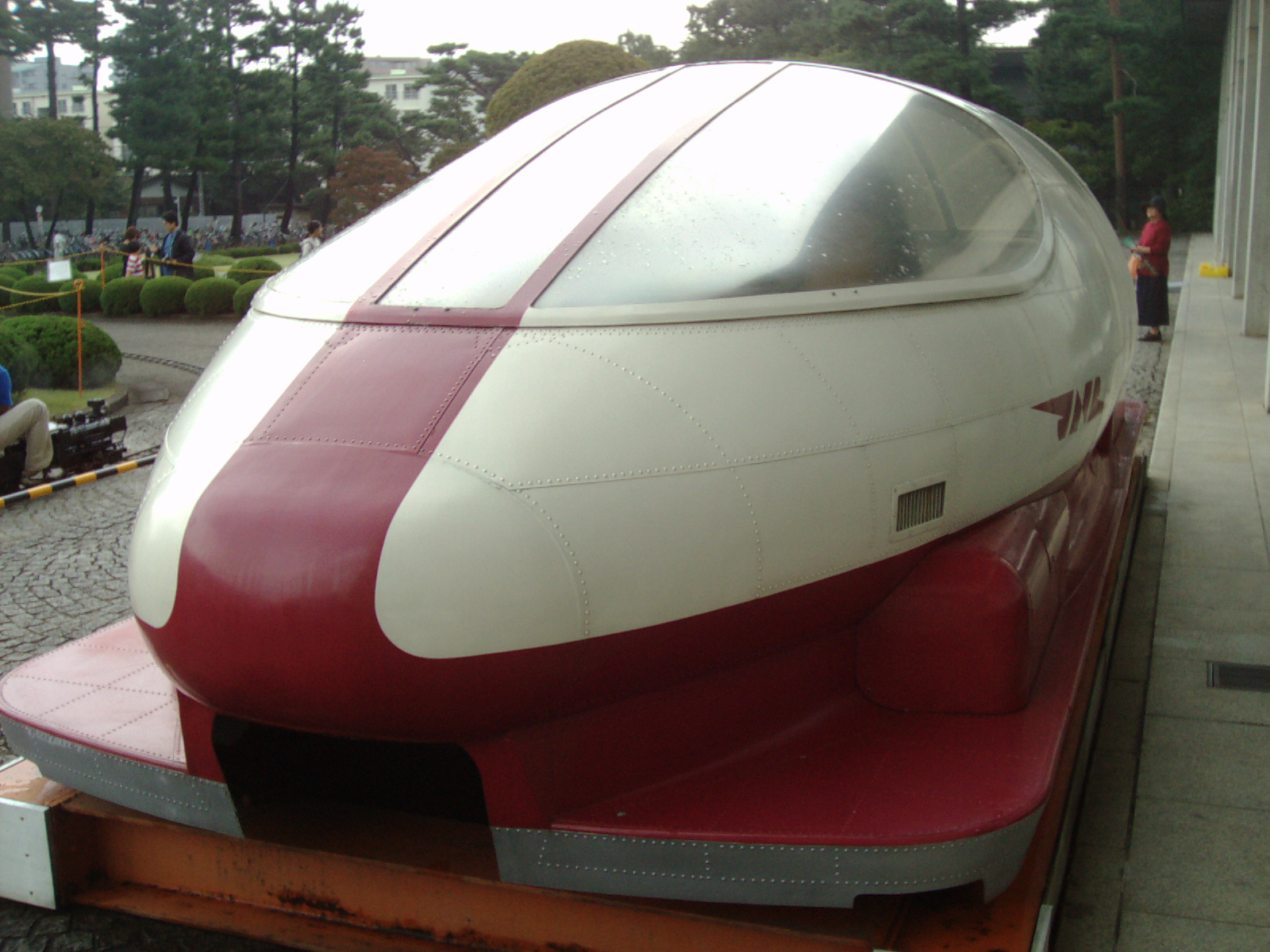
RTRI is the main developer in the Japanese SCMaglev program.
Offices and test facilities
8px Research facilities 8px Office
Main office
- 844 Shin-Kokusai Bldg. – 3-4-1 Marunouchi, Chiyoda, Tokyo
Research facilities
- Kunitachi Institute – 2-8-38 Hikari-cho, Kokubunji, Tokyo
- Wind Tunnel Technical Center – Maibara, Shiga
- Shiozawa Snow Testing Station – Minami-Uonuma, Niigata
- Hino Civil Engineering Testing Station – Hino, Tokyo
- Gatsugi Anti-Salt Testing Station – Sanpoku, Niigata
Gauge Change Train
The RTRI is developing a variable gauge system, called the "Gauge Change Train", to allow Shinkansen trains to access lines of the original rail network.
Publications
- Japan Railway & Technical Review
- Quarterly Report of RTRI - Print: Online:
References
References
- [http://www.rtri.or.jp/rtri/gyomu_zaimu/h21/pdf/6_1.pdf http://www.rtri.or.jp/rtri/gyomu_zaimu/h21/pdf/6_1.pdf]{{dead link. (April 2018)
- "Japan Railway & Transport Review - page 6".
This article was imported from Wikipedia and is available under the Creative Commons Attribution-ShareAlike 4.0 License. Content has been adapted to SurfDoc format. Original contributors can be found on the article history page.
Ask Mako anything about Railway Technical Research Institute — get instant answers, deeper analysis, and related topics.
Research with MakoFree with your Surf account
Create a free account to save articles, ask Mako questions, and organize your research.
Sign up freeThis content may have been generated or modified by AI. CloudSurf Software LLC is not responsible for the accuracy, completeness, or reliability of AI-generated content. Always verify important information from primary sources.
Report