From Surf Wiki (app.surf) — the open knowledge base
Push processing
Film developing technique
Film developing technique
Push processing in photography, sometimes called uprating, refers to a film developing technique that increases the effective sensitivity of the film being processed.{{cite book |url-access = registration
Visual characteristics
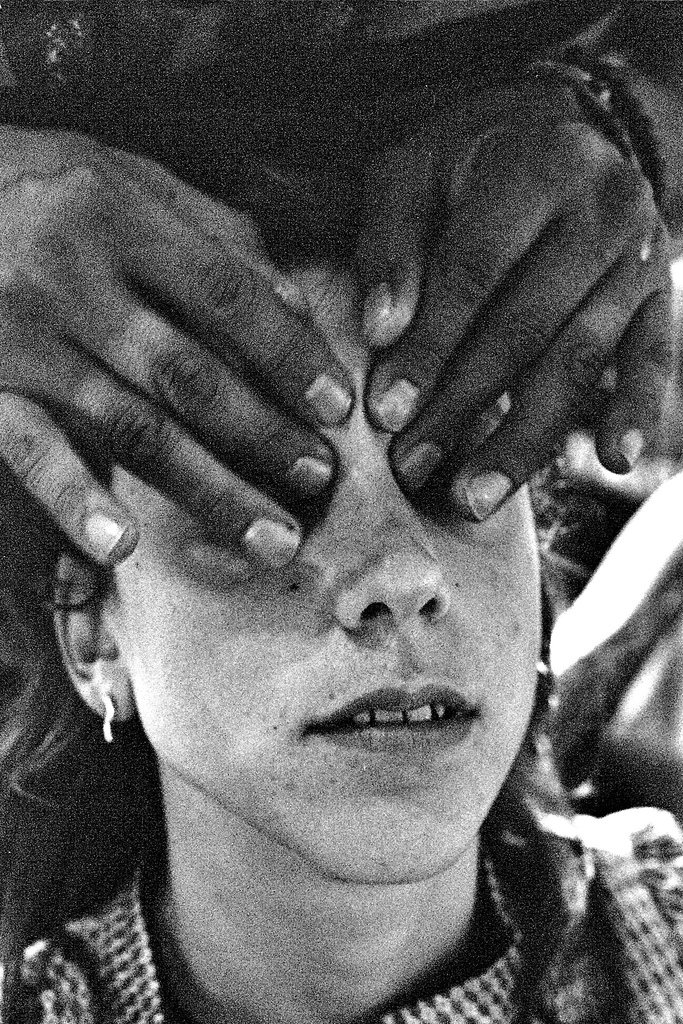
Push processing allows relatively insensitive films to be used under lighting conditions that would ordinarily be too low for adequate exposure at the required shutter speed and aperture combination. This technique alters the visual characteristics of the film, such as higher contrast, increased grain and lower resolution. Saturated and distorted colours are often visible on colour film that has been push processed.
Pull processing involves overexposure and underdevelopment, effectively decreasing the sensitivity of the processed film. It is achieved by developing the film for a shorter time, and possibly at a lower temperature. Film that has been pull processed will display the opposite change in visual characteristics. This may be deliberately exploited for artistic effect.
Exposure index
When a film's effective sensitivity has been varied, the resulting sensitivity is called the exposure index; the film's speed remains at the manufacturer's indication. For example, an ISO 200/24° film could be push processed to EI 400/27° or pull processed to EI 100/21°.
In cinema
Andy Warhol's 1965 8-hour art film Empire, was shot on ASA 400 Tri-X 16mm film stock, which was then push processed to ASA 1000 to compensate for the dark conditions of filming the Empire State Building during the night.
John Alcott won an Oscar "for his gorgeous use of natural lighting" in Stanley Kubrick's 1975 period film Barry Lyndon, set in the 18th century, where he succeeded in filming scenes lit only by candlelight through the use of special wide-aperture Carl Zeiss Planar 50mm f/0.7 lenses designed for the low-light shooting on NASA's moon landings, and then push-processing the film stock.
Larry Smith, the cinematographer for Kubrick's 1999 film Eyes Wide Shut, used push-processing to increase the intensity of the color.
Paul Thomas Anderson and Michael Bauman used this technique on their 35mm film stock for the 2017 film Phantom Thread, also filling its frames with "theatrical haze" to "dirty up" the look of the film.
References
References
- (1994). "The Films of Andy Warhol, Part II: Exhibition Whitney Museum of American Art, March 30-April 24, 1994".
- Eggert, Brian. (January 9, 2013). "Barry Lyndon". Deep Focus Review.
- Pizzella, Stephen. (October 28, 1999). "A Sword in the Bed". [[American Cinematographer]].
- O'Falt, Chris. (December 20, 2017). "How Paul Thomas Anderson Dirtied-Up 'Phantom Thread' to Avoid the Polish of 'The Crown'".
This article was imported from Wikipedia and is available under the Creative Commons Attribution-ShareAlike 4.0 License. Content has been adapted to SurfDoc format. Original contributors can be found on the article history page.
Ask Mako anything about Push processing — get instant answers, deeper analysis, and related topics.
Research with MakoFree with your Surf account
Create a free account to save articles, ask Mako questions, and organize your research.
Sign up freeThis content may have been generated or modified by AI. CloudSurf Software LLC is not responsible for the accuracy, completeness, or reliability of AI-generated content. Always verify important information from primary sources.
Report