From Surf Wiki (app.surf) — the open knowledge base
Punicic acid
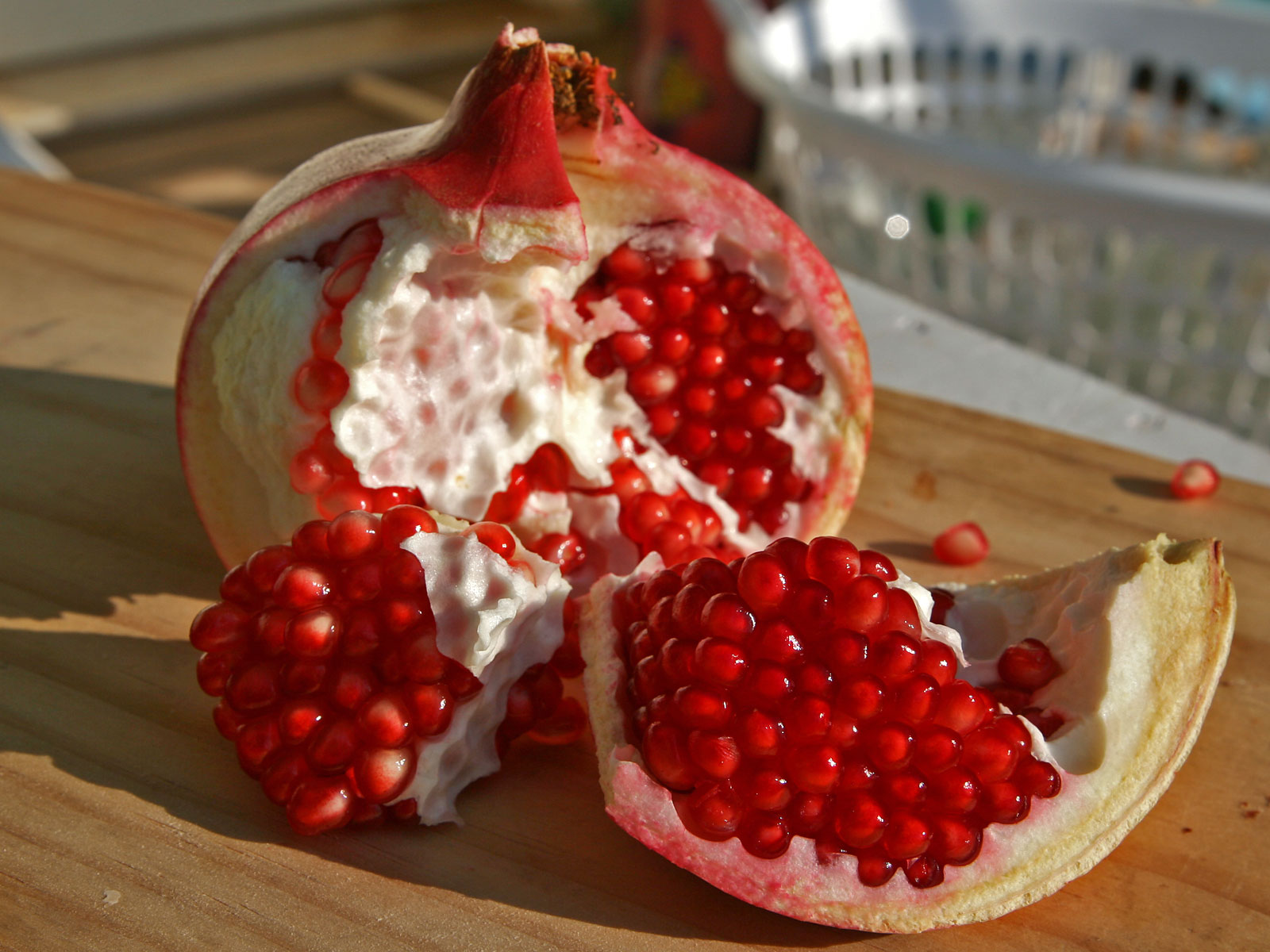
Punicic acid (also called trichosanic acid) is a polyunsaturated fatty acid, 18:3 cis-9, trans-11, cis-13. It is named for the pomegranate, (Punica granatum), and is obtained from pomegranate seed oil. It has also been found in the seed oils of snake gourd.
Punicic acid is a conjugated linolenic acid or CLnA; i.e. it has three conjugated double bonds. It is chemically similar to the conjugated linoleic acids, or CLA, which have two. It has also been classified as an "n-5" or "omega-5" polyunsaturated fatty acid. In lab rats, punicic acid was converted to the CLA rumenic acid (9Z11E-CLA). In vitro, it shows anti-invasive activity against prostate cancer cells. OLETF rats—a strain which becomes obese—remained relatively lean when punicic acid was added to their feed.
References
References
- Cyberlipid. "POLYENOIC FATTY ACIDS".
- (2005). "Pomegranate (Punica granatum) pure chemicals show possible synergistic inhibition of human PC-3 prostate cancer cell invasion across Matrigel". Invest New Drugs.
- (2004). "Dietary effect of pomegranate seed oil rich in 9cis, 11trans, 13cis conjugated linolenic acid on lipid metabolism in obese, hyperlipidemic OLETF rats". Lipids Health Dis.
This article was imported from Wikipedia and is available under the Creative Commons Attribution-ShareAlike 4.0 License. Content has been adapted to SurfDoc format. Original contributors can be found on the article history page.
Ask Mako anything about Punicic acid — get instant answers, deeper analysis, and related topics.
Research with MakoFree with your Surf account
Create a free account to save articles, ask Mako questions, and organize your research.
Sign up freeThis content may have been generated or modified by AI. CloudSurf Software LLC is not responsible for the accuracy, completeness, or reliability of AI-generated content. Always verify important information from primary sources.
Report