From Surf Wiki (app.surf) — the open knowledge base
Public enemy
Person who endangers society as a whole
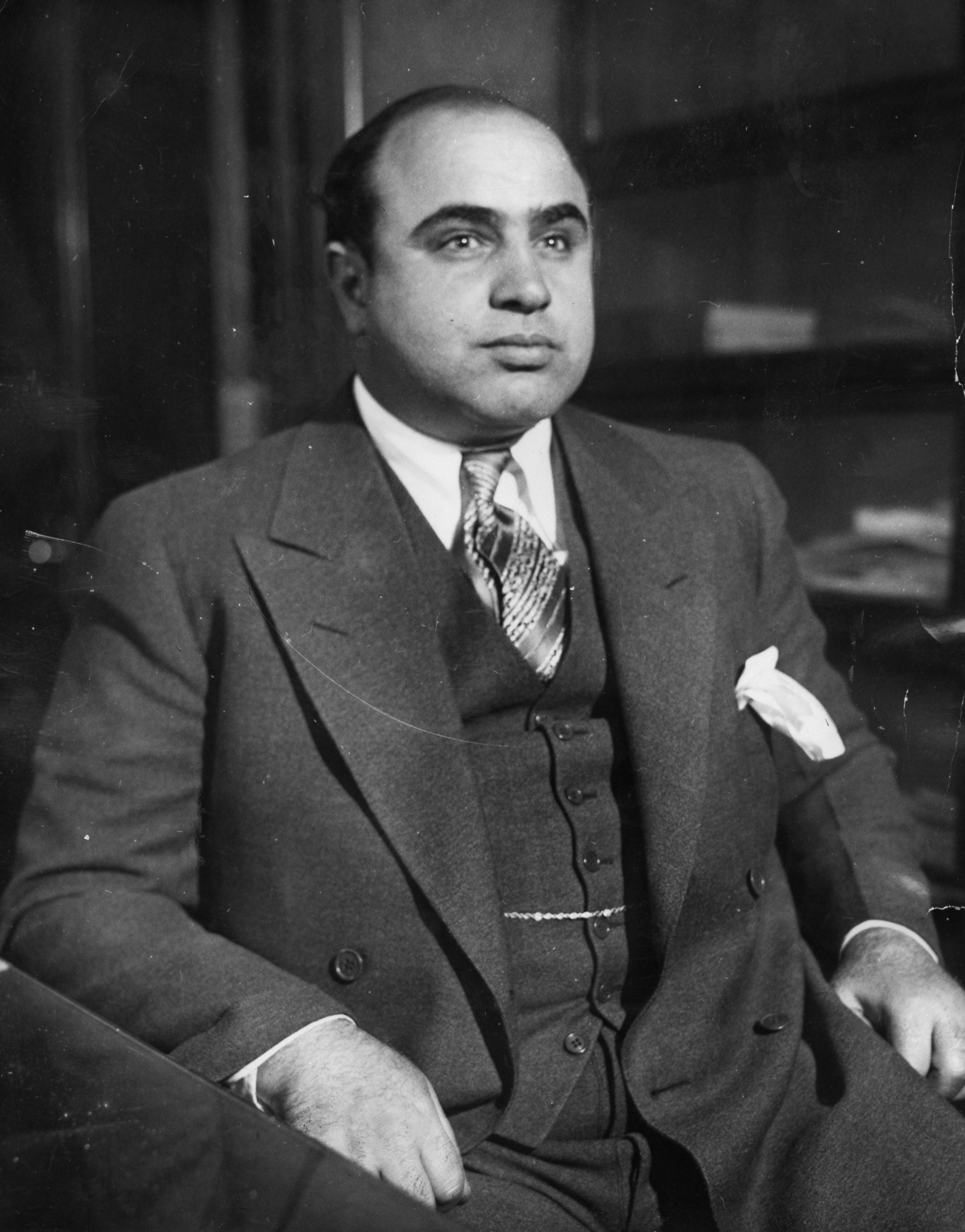
Person who endangers society as a whole
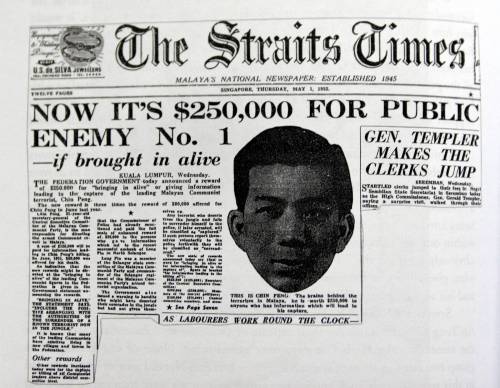
"Public enemy" is a term to denounce a notorious criminal whose activities are seen as extremely damaging to society.
A notable declared public enemy was Al Capone in the 1930s.
Origin and usage
The expression is a translation of the ancient Roman phrase hostis publicus; for example, the Senate denounced emperor Nero as a hostis publicus in AD 68.
The phrase is attested in the 17th century in the United Kingdom.
The phrase ennemi du peuple was extensively used during the French Revolution. On 25 December 1793, Robespierre stated: "The revolutionary government owes to the good citizen all the protection of the nation; it owes nothing to the Enemies of the People but death." The Law of 22 Prairial in 1794 extended the remit of the Revolutionary Tribunal to punish "enemies of the people", with some political crimes punishable by death, including "spreading false news to divide or trouble the people".
US Public Enemy era
The modern use of the term was first popularized in April 1930 by Frank J. Loesch, then chairman of the Chicago Crime Commission, to publicly denounce Al Capone and a list of other organized crime gangsters.
In 1933, Loesch recounted the origin and purpose of the list:
The phrase was later appropriated by J. Edgar Hoover and the FBI, who used it throughout the 1930s to describe various notorious fugitives. Unlike Loesch's list, the FBI's "Public Enemies" were wanted criminals already charged with crimes, including at various times John Dillinger, Baby Face Nelson, Bonnie and Clyde, Pretty Boy Floyd, Machine Gun Kelly, Ma Barker, and Alvin Karpis.
The term was used so extensively during the 1930s that some writers call that period of the FBI's early history the "Public Enemy Era". Dillinger, Floyd, Nelson, and Karpis were successively named "Public Enemy Number 1" from June 1934 to May 1936. The informal designation eventually evolved into the FBI Ten Most Wanted Fugitives list.
The FBI's website describes the bureau's use of the term: "The FBI and the U.S. Department of Justice made use of the term, 'Public Enemy', in the 1930s, an era in which the term was synonymous with 'fugitive' or 'notorious gangster'." It was used in speeches, books, press releases, and internal memoranda and remains in usage to this day.
File:John Dillinger mug shot.jpg|John Dillinger File:Baby Face Nelson 1931 mug shot.jpg|1931 Mugshot of Lester Gillis aka "George 'Baby Face' Nelson" File:Bonnie Parker and Clyde Barrow.jpg|Clyde Barrow and Bonnie Parker File:PrettyBoyFloyd01.jpg|"Pretty Boy" Floyd File:MachineGunKelly.jpg|"Machine Gun" Kelly File:Alvin Karpis.jpg|Alvin Karpis
References
References
- see also Jal, Paul (1963) [http://www.persee.fr/doc/rea_0035-2004_1963_num_65_1_3689 ''Hostis (publicus) dans la littérature latine de la fin de la République''], footnotes 1 and 2.
- Garzetti, Albino (2014) ''From Tiberius to the Antonines: A History of the Roman Empire AD 14–192'', Routledge, p. 220, {{ISBN. 9781317698432.
- (1642). "Journals of the House of Lords". H. M. Stationery Office.
- [[Robespierre]], [https://books.google.com/books?id=ik2jUBnhZbgC&pg=PA392&lpg=PA39 "Le but du gouvernement constitutionnel est de conserver la République; celui du gouvernement révolutionnaire est de la fonder. […] Le gouvernement révolutionnaire doit au bon citoyen toute la protection nationale; il ne doit aux Ennemis du Peuple que la mort"] (speech at the [[National Convention]]).
- Higgins, Andrew (February 26, 2017) [https://www.nytimes.com/2017/02/26/world/europe/trump-enemy-of-the-people-stalin.html "Trump Embraces ‘Enemy of the People’, a Phrase With a Fraught History"], ''[[The New York Times]]''.
- Sifakis, Carl. (2005-06-30). "The Mafia Encyclopedia". Infobase Publishing.
- Bergreen, Laurence. (1996). "Capone: The Man and the Era". Simon and Schuster.
- "The FBI and the American Gangster, 1924-1938 — FBI".
- ""Ten Most Wanted Fugitives" Program Frequently Asked Questions". U.S. Department of Justice.
This article was imported from Wikipedia and is available under the Creative Commons Attribution-ShareAlike 4.0 License. Content has been adapted to SurfDoc format. Original contributors can be found on the article history page.
Ask Mako anything about Public enemy — get instant answers, deeper analysis, and related topics.
Research with MakoFree with your Surf account
Create a free account to save articles, ask Mako questions, and organize your research.
Sign up freeThis content may have been generated or modified by AI. CloudSurf Software LLC is not responsible for the accuracy, completeness, or reliability of AI-generated content. Always verify important information from primary sources.
Report