From Surf Wiki (app.surf) — the open knowledge base
Prince-bishop
Bishop who also rules a principality
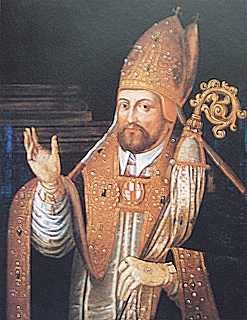
Bishop who also rules a principality
A prince-bishop is a bishop who is also the civil ruler of some secular principality and sovereignty, as opposed to Prince of the Church itself, a title associated with cardinals. Since 1951, the sole extant prince-bishop has been the Bishop of Urgell, Catalonia, who has remained ex officio one of two co-princes of Andorra, along with the French president.
Overview
In the West, with the decline of imperial power from the 4th century onwards in the face of the barbarian invasions, sometimes Christian bishops of cities took the place of the Roman commander, made secular decisions for the city and led their own troops when necessary. Later relations between a prince-bishop and the burghers were invariably not cordial. As cities demanded charters from emperors, kings, or their prince-bishops and declared themselves independent of the secular territorial magnates, friction intensified between burghers and bishops. The principality or prince-bishopric (Hochstift) ruled politically by a prince-bishop could wholly or largely have overlapped with his diocesan jurisdiction, but some parts of his diocese, even the city of his residence, could have been exempt from his civil rule, obtaining the status of free imperial city. If the episcopal see was an archbishopric, the correct term was prince-archbishop; the equivalent in the regular (monastic) clergy was prince-abbot. A prince-bishop was usually considered an elected monarch. With the dissolution of the Holy Roman Empire in 1806, the title finally became defunct in the Confederation of the Rhine. However, in respect to the lands of the former Holy Roman Empire outside of French control, such as the Habsburg Monarchy, including Austria proper (Salzburg, Seckau), the Lands of the Bohemian Crown (the bulk of Olomouc and parts of Breslau), as well as in respect to the parts of the 1795-partitioned Polish state, including those forming part of the Kingdom of Galicia and Lodomeria or those acquired by the Kingdom of Prussia, the position continued in some cases nominally and was sometimes transformed into a new, titular type, initially recognized by the German Empire and Austria-Hungary until their demise, with the title ultimately abolished altogether by the pope in 1951.
The sole exception is the Bishop of Urgell, Catalonia, who no longer has any secular rights in Spain, but remains ex officio one of two co-princes of Andorra, along with the French head of state (currently its President), and thus the last extant prince-bishop.
In the Byzantine Empire, the still autocratic Emperors passed general legal measures assigning all bishops certain rights and duties in the secular administration of their dioceses, possibly as part of a development to put the Eastern Church in the service of the Empire, with its Ecumenical Patriarch almost reduced to the Emperor's minister of religious affairs.. The institution of prince-bishop was revived in the Orthodox Church in the modern times during the existence of the Prince-Bishopric of Montenegro.
History
Holy Roman Empire
Main article: Imperial church system


Bishops had been involved in the government of the Frankish realm and subsequent Carolingian Empire frequently as the clerical member of a duo of envoys styled Missus dominicus, but that was an individual mandate, not attached to the see. Prince-bishoprics were most common in the feudally fragmented Holy Roman Empire, where many were formally awarded the rank of an Imperial Prince Reichsfürst, granting them the immediate power over a certain territory and a representation in the Imperial Diet (Reichstag).
The stem duchies of the German Kingdom inside the Empire had strong and powerful dukes (originally, war-rulers), always looking out more for their duchy's "national interest" than for the Empire's. In turn the first Ottonian (Saxon) king Henry the Fowler and more so his son, Emperor Otto I, intended to weaken the power of the dukes by granting loyal bishops Imperial lands and vest them with regalia privileges. Unlike dukes they could not pass hereditary titles and lands to any descendants. Instead the Emperors reserved the implementation of the bishops of their proprietary church for themselves, defying the fact that according to canon law they were part of the transnational Catholic Church. This met with increasing opposition by the Popes, culminating in the fierce Investiture Controversy of 1076. Nevertheless, the Emperors continued to grant major territories to the most important (arch)bishops. The immediate territory attached to the episcopal see then became a prince-diocese or (arch)bishopric (Fürst(erz)bistum). The German term Hochstift was often used to denote the form of secular authority held by bishops ruling a prince-bishopric with Erzstift being used for prince-archbishoprics.
Emperor Charles IV by the Golden Bull of 1356 confirmed the privileged status of the Prince-Archbishoprics of Mainz, Cologne and Trier as members of the electoral college. At the eve of the Protestant Reformation, the Imperial states comprised 53 ecclesiastical principalities. They were finally secularized in the 1803 German Mediatization upon the territorial losses to France in the Treaty of Lunéville, except for the Mainz prince-archbishop and German archchancellor Karl Theodor Anton Maria von Dalberg, who continued to rule as Prince of Aschaffenburg and Regensburg. With the dissolution of the Holy Roman Empire in 1806, the title finally became defunct in the successor Confederation of the Rhine.
No less than three of the (originally only seven) prince-electors, the highest order of Reichsfürsten (comparable in rank with the French pairs), were prince-archbishops, each holding the title of Archchancellor (the only arch-office amongst them) for a part of the Empire; given the higher importance of an electorate, their principalities were known as Kurfürstentum ("electoral principality") rather than prince-archbishopric.
| Arms | Name | Rank | Local name(s) | Imperial immediacy | Imperial | |||||||||||||||||||||||||||||||||||||||||||||||||||||||||||||||||||||||||||||||||||||||||||||||||||||||||||||||||||||||||||
|---|---|---|---|---|---|---|---|---|---|---|---|---|---|---|---|---|---|---|---|---|---|---|---|---|---|---|---|---|---|---|---|---|---|---|---|---|---|---|---|---|---|---|---|---|---|---|---|---|---|---|---|---|---|---|---|---|---|---|---|---|---|---|---|---|---|---|---|---|---|---|---|---|---|---|---|---|---|---|---|---|---|---|---|---|---|---|---|---|---|---|---|---|---|---|---|---|---|---|---|---|---|---|---|---|---|---|---|---|---|---|---|---|---|---|---|---|---|---|---|---|---|---|---|---|---|---|---|---|
| Circle | Modern | |||||||||||||||||||||||||||||||||||||||||||||||||||||||||||||||||||||||||||||||||||||||||||||||||||||||||||||||||||||||||||||||
| nation | Notes | [[File:Wappen Bistum Augsburg.png | 40px | alt=]] | [[File:Wappen Bamberg bis.svg | 25px | alt=]] | [[File:Wappen Bistum Basel.png | 40px | alt=]] | [[File:Blason-diocèse-Besançon-ancien.svg | 25px | alt=]] | [[File:Wappen Bistum Brandenburg.png | 40px | alt=]] | [[File:Wappen Erzbistum Bremen.png | 40px | alt=]] | [[File:Wappen Bistum Breslau.png | 40px | alt=]] | ||||||||||||||||||||||||||||||||||||||||||||||||||||||||||||||||||||||||||||||||||||||||||||||||||||||||||
| [[File:POL księstwo nyskie COA.svg | 25px | alt=]] | [[File:Wappen Bistum Brixen.png | 40px | alt=]] | [[File:CoA Cambrai Diocese.svg | 25px | alt=]] | [[File:Wappen Bistum Chur.png | 40px | alt=]] | [[File:Wappen Erzbistum Köln.png | 40px | alt=]] | [[File:Wappen Bistum Konstanz.png | 40px | alt=]] | [[File:Wappen Bistum Eichstätt.png | 40px | alt=]] | [[File:Wappen Bistum Freising.png | 40px | alt=]] | [[File:Wappen Bistum Fulda.png | 40px | alt=]] | [[File:Wappen Genf matt.svg | 25px | alt=]] | [[File:Wappen Bistum Halberstadt.png | 40px | alt=]] | [[File:Wappen Bistum Havelberg.png | 40px | alt=]] | [[File:Wappen Bistum Hildesheim.png | 40px | alt=]] | [[File:Wappen Bistum Lausanne.png | 40px | alt=]] | [[File:Wappen Bistum Lebus.png | 40px | alt=]] | [[File:Wappen Bistum Lüttich.png | 40px | alt=]] | [[File:Wappen Bistum Lübeck.png | 40px | alt=]] | [[File:Chapitre de Lyon simple.png | 40px | alt=]] | [[File:Wappen Erzbistum Magdeburg.png | 40px | alt=]] | [[File:Wappen Erzbistum Mainz.png | 40px | alt=]] | [[File:Wappen Bistum Merseburg.png | 40px | alt=]] | [[File:Blason fr Bishop of Metz.svg | 50px | alt=]] | [[File:Wappen Bistum Minden.png | 40px | alt=]] | [[File:Wappen Bistum Münster.png | 40px | alt=]] | [[File:Wappen Bistum Naumburg-Zeitz.png | 40px | alt=]] | [[File:Wappen Erzbistum Olmütz.png | 40px | alt=]] | [[File:Wappen Bistum Osnabrück.png | 40px | alt=]] | [[File:Wappen Bistum Paderborn.png | 40px | alt=]] | [[File:Wappen Bistum Passau.png | 40px | alt=]] | [[File:Wappen Bistum Ratzeburg.png | 40px | alt=]] | [[File:Wappen Bistum Regensburg.png | 40px | alt=]] | [[File:Wappen Erzbistum Salzburg.png | 40px | alt=]] | [[File:Wappen Bistum Schwerin.png | 40px | alt=]] | [[File:Wappen Bistum Speyer.png | 40px | alt=]] | [[File:Wappen Bistum Straßburg.png | 40px | alt=]] | [[File:Blason ville fr Moûtiers (Savoie).svg | 25px | alt=]] | [[File:Blason Vicherey 88.svg | 25px | alt=]] | [[File:Wappen Bistum Trient.png | 40px | alt=]] | [[File:Wappen Erzbistum Trier.png | 40px | alt=]] | [[File:Wappen Bistum Utrecht.png | 40px | alt=]] | [[File:Wappen Bistum Verden.png | 40px | alt=]] | [[File:Coat of arms of the Bishopric of Verdun.svg | 30px | alt=]] | [[File:Wappen Bistum Worms.png | 40px | alt=]] |
| Augsburg | Bishopric | –1803 | Swabian | Augsburg became a Free Imperial City in 1276. | ||||||||||||||||||||||||||||||||||||||||||||||||||||||||||||||||||||||||||||||||||||||||||||||||||||||||||||||||||||||||||||
| Bamberg | Bishopric | 1245–1802 | Franconian | |||||||||||||||||||||||||||||||||||||||||||||||||||||||||||||||||||||||||||||||||||||||||||||||||||||||||||||||||||||||||||||
| Basel | Bishopric | |||||||||||||||||||||||||||||||||||||||||||||||||||||||||||||||||||||||||||||||||||||||||||||||||||||||||||||||||||||||||||||||
| 1032–1803 | Upper Rhenish | |||||||||||||||||||||||||||||||||||||||||||||||||||||||||||||||||||||||||||||||||||||||||||||||||||||||||||||||||||||||||||||||
| Basel joined the Old Swiss Confederacy as the Canton of Basel in 1501. Secularized as a result of Swiss Mediation. A tiny fraction of the bishopric is not now in Switzerland: Schliengen and Istein are both now in Germany; a very small part of the Vogtei of St Ursanne is now in France. | ||||||||||||||||||||||||||||||||||||||||||||||||||||||||||||||||||||||||||||||||||||||||||||||||||||||||||||||||||||||||||||||||
| Besançon | Archbishopric | |||||||||||||||||||||||||||||||||||||||||||||||||||||||||||||||||||||||||||||||||||||||||||||||||||||||||||||||||||||||||||||||
| 1043–1678/1803 | Upper Rhenish | Made Prince by Henry III in 1043. Temporal power revoked and granted to the Free City of Besançon in 1290, while the title of Prince was retained by the Archbishop. Transferred to the Burgundian Circle in 1512. Imperial Diet seat was retained but left vacant after France annexed Besançon in 1678. | ||||||||||||||||||||||||||||||||||||||||||||||||||||||||||||||||||||||||||||||||||||||||||||||||||||||||||||||||||||||||||||||
| Brandenburg | Bishopric | –1598 | Upper Saxon | Founded in 948; annihilated 983; re-established . Continued by Lutheran administrators after the Reformation in 1520; secularized and incorporated into the Margraviate of Brandenburg in 1571. | ||||||||||||||||||||||||||||||||||||||||||||||||||||||||||||||||||||||||||||||||||||||||||||||||||||||||||||||||||||||||||||
| Bremen | Archbishopric | 1180–1648 | Lower Saxon | Continued by Lutheran administrators from the Reformation in 1566 until 1645/1648. Bremen itself became autonomous in 1186, and was confirmed as a Free Imperial City in 1646. | ||||||||||||||||||||||||||||||||||||||||||||||||||||||||||||||||||||||||||||||||||||||||||||||||||||||||||||||||||||||||||||
| Breslau (Duchy of Nysa) | Bishopric | |||||||||||||||||||||||||||||||||||||||||||||||||||||||||||||||||||||||||||||||||||||||||||||||||||||||||||||||||||||||||||||||
| fief of the Bohemian crown, after 1748 also of the Kingdom of Prussia | None | |||||||||||||||||||||||||||||||||||||||||||||||||||||||||||||||||||||||||||||||||||||||||||||||||||||||||||||||||||||||||||||||
| (temporal and diocesan territory) | ||||||||||||||||||||||||||||||||||||||||||||||||||||||||||||||||||||||||||||||||||||||||||||||||||||||||||||||||||||||||||||||||
| (diocesan territory only) | Ceded 1335/1348 by Poland. After dissolution of the HRE, secularized in 1810 (Prussian part) and in 1850 (Austrian part). The princely title continued until 1951, elevated to archbishopric 1930 | |||||||||||||||||||||||||||||||||||||||||||||||||||||||||||||||||||||||||||||||||||||||||||||||||||||||||||||||||||||||||||||||
| Brixen | Bishopric | |||||||||||||||||||||||||||||||||||||||||||||||||||||||||||||||||||||||||||||||||||||||||||||||||||||||||||||||||||||||||||||||
| 1027–1803 | Austrian | secularized to Tyrol | ||||||||||||||||||||||||||||||||||||||||||||||||||||||||||||||||||||||||||||||||||||||||||||||||||||||||||||||||||||||||||||||
| Cambrai | Bishopric, then archbishopric | |||||||||||||||||||||||||||||||||||||||||||||||||||||||||||||||||||||||||||||||||||||||||||||||||||||||||||||||||||||||||||||||
| 1007–1678 | Lower Rhenish / Westphalian | To France by 1678 Peace of Nijmegen | ||||||||||||||||||||||||||||||||||||||||||||||||||||||||||||||||||||||||||||||||||||||||||||||||||||||||||||||||||||||||||||||
| Chur | Bishopric | |||||||||||||||||||||||||||||||||||||||||||||||||||||||||||||||||||||||||||||||||||||||||||||||||||||||||||||||||||||||||||||||
| 831/1170–1526 | Austrian | Secularized 1803 as a result of Swiss Mediation. | ||||||||||||||||||||||||||||||||||||||||||||||||||||||||||||||||||||||||||||||||||||||||||||||||||||||||||||||||||||||||||||||
| Cologne | Archbishopric electorate | 953–1803 | Electoral Rhenish | Prince-elector and Arch-Chancellor of Italy. Duke of Westphalia from 1180. Cologne became a Free Imperial City in 1288. | ||||||||||||||||||||||||||||||||||||||||||||||||||||||||||||||||||||||||||||||||||||||||||||||||||||||||||||||||||||||||||||
| Constance | Bishopric | 1155–1803 | Swabian | |||||||||||||||||||||||||||||||||||||||||||||||||||||||||||||||||||||||||||||||||||||||||||||||||||||||||||||||||||||||||||||
| Greatly reduced during the Reformation, when significant parts of Swabia and Switzerland became Protestant. | ||||||||||||||||||||||||||||||||||||||||||||||||||||||||||||||||||||||||||||||||||||||||||||||||||||||||||||||||||||||||||||||||
| Eichstätt | Bishopric | 1305–1802 | Franconian | |||||||||||||||||||||||||||||||||||||||||||||||||||||||||||||||||||||||||||||||||||||||||||||||||||||||||||||||||||||||||||||
| Freising | Bishopric | 1294–1802 | Bavarian | |||||||||||||||||||||||||||||||||||||||||||||||||||||||||||||||||||||||||||||||||||||||||||||||||||||||||||||||||||||||||||||
| Fulda | Abbey, then bishopric | 1220–1802 | Upper Rhenish | Imperial Abbey until 5 October 1752, when it was raised to a bishopric. Secularized in 1802 in the German Mediatization | ||||||||||||||||||||||||||||||||||||||||||||||||||||||||||||||||||||||||||||||||||||||||||||||||||||||||||||||||||||||||||||
| Geneva | Bishopric | |||||||||||||||||||||||||||||||||||||||||||||||||||||||||||||||||||||||||||||||||||||||||||||||||||||||||||||||||||||||||||||||
| 1154-1526 | Upper Rhenish | |||||||||||||||||||||||||||||||||||||||||||||||||||||||||||||||||||||||||||||||||||||||||||||||||||||||||||||||||||||||||||||||
| De jure reichsfrei since 1154. De facto dominated by their guardians, the counts of Geneva (until 1400) and Savoy (from 1401). Geneva joined the Old Swiss Confederacy in 1526. | ||||||||||||||||||||||||||||||||||||||||||||||||||||||||||||||||||||||||||||||||||||||||||||||||||||||||||||||||||||||||||||||||
| Halberstadt | Bishopric | 1180–1648 | Lower Saxon | |||||||||||||||||||||||||||||||||||||||||||||||||||||||||||||||||||||||||||||||||||||||||||||||||||||||||||||||||||||||||||||
| Havelberg | Bishopric | 1151–1598 | Lower Saxon | Founded in 948; annihilated 983; re-established 1130. Continued by Lutheran administrators from Reformation in 1548 until 1598 | ||||||||||||||||||||||||||||||||||||||||||||||||||||||||||||||||||||||||||||||||||||||||||||||||||||||||||||||||||||||||||||
| Hildesheim | Bishopric | 1235–1803 | Lower Saxon | |||||||||||||||||||||||||||||||||||||||||||||||||||||||||||||||||||||||||||||||||||||||||||||||||||||||||||||||||||||||||||||
| Lausanne | Bishopric | |||||||||||||||||||||||||||||||||||||||||||||||||||||||||||||||||||||||||||||||||||||||||||||||||||||||||||||||||||||||||||||||
| 1270–1536 | None | Conquered by the Swiss city canton of Bern in 1536. | ||||||||||||||||||||||||||||||||||||||||||||||||||||||||||||||||||||||||||||||||||||||||||||||||||||||||||||||||||||||||||||||
| Lebus | Bishopric | |||||||||||||||||||||||||||||||||||||||||||||||||||||||||||||||||||||||||||||||||||||||||||||||||||||||||||||||||||||||||||||||
| 1248/1454/1506–1598 | None | |||||||||||||||||||||||||||||||||||||||||||||||||||||||||||||||||||||||||||||||||||||||||||||||||||||||||||||||||||||||||||||||
| Established 1124 in Poland, 1248-1372 disputed and 1372 ultimately lost to HRE. 1372–1454 fief of the Bohemian crown, seated in Fürstenwalde from 1385; reichsfrei ostensibly from 1248, but challenged by Brandenburg. Continued by Hohenzollern Lutheran administrators from Protestant Reformation in 1555 until secularization in 1598. | ||||||||||||||||||||||||||||||||||||||||||||||||||||||||||||||||||||||||||||||||||||||||||||||||||||||||||||||||||||||||||||||||
| Liège | Bishopric | |||||||||||||||||||||||||||||||||||||||||||||||||||||||||||||||||||||||||||||||||||||||||||||||||||||||||||||||||||||||||||||||
| 980–1789/1795 | Lower Rhenish / Westphalian | |||||||||||||||||||||||||||||||||||||||||||||||||||||||||||||||||||||||||||||||||||||||||||||||||||||||||||||||||||||||||||||||
| Lübeck | Bishopric | 1180–1803 | Lower Saxon | Seated in Eutin from the 1270s; Reformation started in 1535, continued by Lutheran administrators from 1586 until secularization in 1803. Lübeck became a Free Imperial City in 1226. | ||||||||||||||||||||||||||||||||||||||||||||||||||||||||||||||||||||||||||||||||||||||||||||||||||||||||||||||||||||||||||||
| Lyon | Archbishopric | |||||||||||||||||||||||||||||||||||||||||||||||||||||||||||||||||||||||||||||||||||||||||||||||||||||||||||||||||||||||||||||||
| 1157-1312 | None | Seated in Lyon; Reichsfreiheit confirmed by Frederick Barbarossa in 1157. Annexed by the Kingdom of France in 1312. | ||||||||||||||||||||||||||||||||||||||||||||||||||||||||||||||||||||||||||||||||||||||||||||||||||||||||||||||||||||||||||||||
| Magdeburg | Archbishopric | 1180–1680 | Lower Saxon | Continued by Lutheran administrators between 1566 and 1631, and again from 1638 until 1680. | ||||||||||||||||||||||||||||||||||||||||||||||||||||||||||||||||||||||||||||||||||||||||||||||||||||||||||||||||||||||||||||
| Mainz | Archbishopric electorate | –1803 | Electoral Rhenish | Prince-elector and Arch-Chancellor of Germany. | ||||||||||||||||||||||||||||||||||||||||||||||||||||||||||||||||||||||||||||||||||||||||||||||||||||||||||||||||||||||||||||
| Merseburg | Bishopric | 1004–1565 | None | Administered by the Lutheran Electorate of Saxony between 1544 and 1565. | ||||||||||||||||||||||||||||||||||||||||||||||||||||||||||||||||||||||||||||||||||||||||||||||||||||||||||||||||||||||||||||
| Metz | Bishopric | |||||||||||||||||||||||||||||||||||||||||||||||||||||||||||||||||||||||||||||||||||||||||||||||||||||||||||||||||||||||||||||||
| 10th century–1552 | Upper Rhenish | One of the Three Bishoprics ceded to France by the 1552 Treaty of Chambord. | ||||||||||||||||||||||||||||||||||||||||||||||||||||||||||||||||||||||||||||||||||||||||||||||||||||||||||||||||||||||||||||||
| Minden | Bishopric | 1180–1648 | Lower Rhenish / Westphalian | |||||||||||||||||||||||||||||||||||||||||||||||||||||||||||||||||||||||||||||||||||||||||||||||||||||||||||||||||||||||||||||
| Münster | Bishopric | 1180–1802 | Lower Rhenish / Westphalian | |||||||||||||||||||||||||||||||||||||||||||||||||||||||||||||||||||||||||||||||||||||||||||||||||||||||||||||||||||||||||||||
| Naumburg | Bishopric | Under guardianship of Meissen from 1259. Administered by Saxony from 1564. | ||||||||||||||||||||||||||||||||||||||||||||||||||||||||||||||||||||||||||||||||||||||||||||||||||||||||||||||||||||||||||||||
| Olomouc | Bishopric, then archbishopric | |||||||||||||||||||||||||||||||||||||||||||||||||||||||||||||||||||||||||||||||||||||||||||||||||||||||||||||||||||||||||||||||
| fief of the Bohemian Crown, after 1742 also of the Kingdom of Prussia | None | |||||||||||||||||||||||||||||||||||||||||||||||||||||||||||||||||||||||||||||||||||||||||||||||||||||||||||||||||||||||||||||||
| The Czech bishopric (later Metropolitan) of Olomouc, as a fief of the Bohemian Crown, was the peer of the Margraviate of Moravia, and from 1365 its prince-bishop was 'Count of the Bohemian Chapel', i.e., first court chaplain, who was to accompany the monarch on his frequent travels. Secularized in 1803, but the princely title continued. However, all bishops' princely titles were abolished by the pope in 1951. | ||||||||||||||||||||||||||||||||||||||||||||||||||||||||||||||||||||||||||||||||||||||||||||||||||||||||||||||||||||||||||||||||
| Osnabrück | Bishopric | 1225/1236–1802 | Lower Rhenish / Westphalian | Alternated between Catholic and Protestant incumbents after the Thirty Years' War; secularized in 1802/1803 | ||||||||||||||||||||||||||||||||||||||||||||||||||||||||||||||||||||||||||||||||||||||||||||||||||||||||||||||||||||||||||||
| Paderborn | Bishopric | 1281–1802 | Lower Rhenish / Westphalian | |||||||||||||||||||||||||||||||||||||||||||||||||||||||||||||||||||||||||||||||||||||||||||||||||||||||||||||||||||||||||||||
| Passau | Bishopric | 999–1803 | Bavarian | |||||||||||||||||||||||||||||||||||||||||||||||||||||||||||||||||||||||||||||||||||||||||||||||||||||||||||||||||||||||||||||
| Princely title was confirmed at Nuremberg in 1217. | ||||||||||||||||||||||||||||||||||||||||||||||||||||||||||||||||||||||||||||||||||||||||||||||||||||||||||||||||||||||||||||||||
| Ratzeburg | Bishopric | 1236–1648 | Lower Saxon | Ruled by Lutheran administrators between 1554 and 1648. | ||||||||||||||||||||||||||||||||||||||||||||||||||||||||||||||||||||||||||||||||||||||||||||||||||||||||||||||||||||||||||||
| Regensburg | Bishopric, then archbishopric electorate | 1132?–1803 | Bavarian | Regensburg became a Free Imperial City in 1245. | ||||||||||||||||||||||||||||||||||||||||||||||||||||||||||||||||||||||||||||||||||||||||||||||||||||||||||||||||||||||||||||
| Salzburg | Archbishopric electorate | 1278–1803 | Bavarian | Raised to an electorate in 1803, but simultaneously secularized; see Electorate of Salzburg. Since 1648, the archbishop has also borne the title Primas Germaniae, First [Bishop] of Germania, which used to include the right to preside over the Princes of the Holy Roman Empire. However, all bishops' princely titles were abolished by the pope in 1951. | ||||||||||||||||||||||||||||||||||||||||||||||||||||||||||||||||||||||||||||||||||||||||||||||||||||||||||||||||||||||||||||
| Schwerin | Bishopric | 1180–1648 | Lower Saxon | Ruled by an administrator between 1516 and 1648. | ||||||||||||||||||||||||||||||||||||||||||||||||||||||||||||||||||||||||||||||||||||||||||||||||||||||||||||||||||||||||||||
| Speyer | Bishopric | 888–1803 | Upper Rhenish | Territories to the east of the Rhine were annexed by France in 1681, confirmed in 1697. Speyer became a Free Imperial City in 1294. | ||||||||||||||||||||||||||||||||||||||||||||||||||||||||||||||||||||||||||||||||||||||||||||||||||||||||||||||||||||||||||||
| Strasbourg | Bishopric | |||||||||||||||||||||||||||||||||||||||||||||||||||||||||||||||||||||||||||||||||||||||||||||||||||||||||||||||||||||||||||||||
| 982–1803 | Upper Rhenish | |||||||||||||||||||||||||||||||||||||||||||||||||||||||||||||||||||||||||||||||||||||||||||||||||||||||||||||||||||||||||||||||
| Territories to the east of the Rhine were annexed by France in 1681, confirmed in 1697. | ||||||||||||||||||||||||||||||||||||||||||||||||||||||||||||||||||||||||||||||||||||||||||||||||||||||||||||||||||||||||||||||||
| Tarentaise | Archbishopric | |||||||||||||||||||||||||||||||||||||||||||||||||||||||||||||||||||||||||||||||||||||||||||||||||||||||||||||||||||||||||||||||
| 1186-1769 | Upper Rhenish | Count of Tarentaise from 996; reichsfrei from 1186. De facto dominated by their guardians Savoy (from 1271). Secularized and annexed by the Kingdom of Sardinia 1769. | ||||||||||||||||||||||||||||||||||||||||||||||||||||||||||||||||||||||||||||||||||||||||||||||||||||||||||||||||||||||||||||||
| Toul | Bishopric | |||||||||||||||||||||||||||||||||||||||||||||||||||||||||||||||||||||||||||||||||||||||||||||||||||||||||||||||||||||||||||||||
| 10th century – 1552 | Upper Rhenish | One of the Three Bishoprics ceded to France by the 1552 Treaty of Chambord, confirmed in 1648. | ||||||||||||||||||||||||||||||||||||||||||||||||||||||||||||||||||||||||||||||||||||||||||||||||||||||||||||||||||||||||||||||
| Trent | Bishopric | |||||||||||||||||||||||||||||||||||||||||||||||||||||||||||||||||||||||||||||||||||||||||||||||||||||||||||||||||||||||||||||||
| 1027–1803 | Austrian | Secularized to Tyrol in 1803. | ||||||||||||||||||||||||||||||||||||||||||||||||||||||||||||||||||||||||||||||||||||||||||||||||||||||||||||||||||||||||||||||
| Trier | Archbishopric electorate | |||||||||||||||||||||||||||||||||||||||||||||||||||||||||||||||||||||||||||||||||||||||||||||||||||||||||||||||||||||||||||||||
| 772–1803 | Electoral Rhenish | Prince-elector and Arch-Chancellor of Burgundy. | ||||||||||||||||||||||||||||||||||||||||||||||||||||||||||||||||||||||||||||||||||||||||||||||||||||||||||||||||||||||||||||||
| Utrecht | Bishopric | 1024–1528 | Lower Rhenish / Westphalian | Sold to Charles V, Holy Roman Emperor in 1528, after which it was moved to the Burgundian Circle. Founding member of the Dutch Republic in 1579/1581, confirmed in 1648. | ||||||||||||||||||||||||||||||||||||||||||||||||||||||||||||||||||||||||||||||||||||||||||||||||||||||||||||||||||||||||||||
| Verden | Bishopric | 1180–1648 | Lower Rhenish / Westphalian | Continued by Lutheran administrators after Reformation until 1645/1648, when it was continued as a secular and independent principality until its disestablishment in 1807. It became a part of the Kingdom of Hanover in 1815. | ||||||||||||||||||||||||||||||||||||||||||||||||||||||||||||||||||||||||||||||||||||||||||||||||||||||||||||||||||||||||||||
| Verdun | Bishopric | |||||||||||||||||||||||||||||||||||||||||||||||||||||||||||||||||||||||||||||||||||||||||||||||||||||||||||||||||||||||||||||||
| 10th century – 1552 | Upper Rhenish | One of the Three Bishoprics ceded to France by the 1552 Treaty of Chambord, confirmed in 1648. | ||||||||||||||||||||||||||||||||||||||||||||||||||||||||||||||||||||||||||||||||||||||||||||||||||||||||||||||||||||||||||||||
| Worms | Bishopric | 861–1801 | Upper Rhenish | Worms city rule established by Bishop Burchard (1000–25). Episcopal residence at Ladenburg from 1400. Held large estates in the former Lahngau region. Territories on the Left Bank of the Rhine lost by the 1797 Treaty of Campo Formio; secularized at first to the French Empire, then to Baden and Hesse-Darmstadt in 1815. |
The suffragan-bishoprics of Gurk (established 1070), Chiemsee (1216), Seckau (1218), and Lavant (1225) sometimes used the Fürstbischof title, but never held any reichsfrei territory. However, all bishops' princely titles were abolished by the pope in 1951.
|- ! [[File:Wappen Bistum Gurk.png|40px|alt=]] | Gurk | Bishopric | | | None |
| Part of Carinthia, bishops claimed Fürstbischof title, but never held any reichsfrei territory. |
|---|
| ! [[File:Wappen Bistum Lavant.png |
| Lavant |
| Bishopric |
|
| | None |
| Part of Carinthia and Styria, bishops since 1446 claimed Fürstbischof title, but never held any reichsfrei territory. |
|---|
| ! [[File:Wappen Bistum Seckau.png |
| Seckau |
| Bishopric |
| | | None | ? | Whilst the bishop was known as Fürstbischof, it is unclear whether the bishopric held any reichsfrei territory.
The Patriarchate of Aquileia (1077–1433) was conquered by Venice in 1420 and officially incorporated after the 1445 Council of Florence.
In Brescia Bishop Notingus was made count of Brescia in 844.
In the Bishopric of Belley, Saint Anthelm of Belley was granted Reichsfreiheit by Emperor Frederick I, but submitted temporal authorities to the Duchy of Savoy in 1401.
The Bishopric of Sion (, ) was from 999 a classic example of unified secular and diocesan authority. It progressively lost its powers since the Renaissance, and was finally replaced by the Republic of the Seven Tithings in 1634.
State of the Teutonic Order

Upon the incorporation of the Livonian Brothers of the Sword in 1237, the territory of the Order's State largely corresponded with the Diocese of Riga. Bishop Albert of Riga in 1207 had received the lands of Livonia as an Imperial fief from the hands of German king Philip of Swabia, he however had to come to terms with the Brothers of the Sword. At the behest of Pope Innocent III the Terra Mariana confederation was established, whereby Albert had to cede large parts of the episcopal territory to the Livonian Order. Albert proceeded tactically in the conflict between the Papacy and Emperor Frederick II: in 1225 he reached the acknowledgement of his status as a Prince-Bishop of the Empire, though the Roman Curia insisted on the fact that the Christianized Baltic territories were solely under the suzerainty of the Holy See. By the 1234 Bull of Rieti, Pope Gregory IX stated that all lands acquired by the Teutonic Knights were no subject of any conveyancing by the Emperor.
Within this larger conflict, the continued dualism of the autonomous Riga prince-bishop and the Teutonic Knights led to a lengthy friction. Around 1245 the Papal legate William of Modena reached a compromise: though incorporated into the Order's State, the archdiocese and its suffragan bishoprics were acknowledged with their autonomous ecclesiastical territories by the Teutonic Knights. The bishops pursued the conferment of the princely title by the Holy Roman Emperor to stress their sovereignty. In the original Prussian lands of the Teutonic Order, Willam of Modena established the suffragan bishoprics of Culm, Pomesania, Samland and Warmia. From the late 13th century onwards, the appointed Warmia bishops were no longer members of the Teutonic Knights, a special status confirmed by the bestowal of the princely title by Emperor Charles IV in 1356.
| Arms | Name | Rank | Local name(s) | Territory | Modern | |||||||||||
|---|---|---|---|---|---|---|---|---|---|---|---|---|---|---|---|---|
| nation | Notes | [[File:Herb diecezji kurlandzkiej.svg | 25px | alt=]] | [[File:Biskupstwo Dorpatu COA.svg | 25px | alt=]] | [[File:Herb diecezji Ozylii.svg | 25px | alt=]] | [[File:Rigasiebmacher new.png | 25px | alt=]] | [[File:Wappen Bistum Ermland.png | 40px | alt=]] |
| Courland | Bishopric | |||||||||||||||
| Terra Mariana | Established about 1234, the smallest of the Livonian dioceses. Secularized in 1559 and occupied by Prince Magnus of Denmark. From 1585 under the suzerainty of the Polish–Lithuanian Commonwealth, part of the Duchy of Livonia. | |||||||||||||||
| Dorpat | Bishopric | |||||||||||||||
| Terra Mariana | Bishop Hermann, appointed by his brother Bishop Albert of Riga, received the title of a prince-bishop by King Henry VII of Germany in 1225. Dorpat () remained a suffragan diocese of Riga. Dissolved in the course of the Protestant Reformation in 1558. | |||||||||||||||
| Ösel-Wiek | Bishopric | |||||||||||||||
| Terra Mariana | Established on Saaremaa island in 1228 under Bishop Gottfried, appointed by Bishop Albert of Riga, vested with the title of a prince-bishop by King Henry VII of Germany. It remained a suffragan diocese of Riga. Dissolved in the course of the Protestant Reformation in 1559. | |||||||||||||||
| Riga | Archbishopric | |||||||||||||||
| Terra Mariana | Episcopal see at Üxküll 1186–1202. In 1225 Albert of Riga received the title of a Prince-bishop of Livonia by Emperor Frederick II. Last Archbishop William of Brandenburg resigned in 1561 during the Livonian War, territory fell to the Polish–Lithuanian Commonwealth, to Sweden in 1621. | |||||||||||||||
| Warmia | Bishopric | |||||||||||||||
| Prussia | ||||||||||||||||
| (temporal and diocesan territory) | ||||||||||||||||
| (diocesan territory only) | Established by Papal legate William of Modena in 1243, princely title documented in the Golden Bull of 1356. Incorporated into the Jagiellon kingdom of Poland in 1466 and re-established as an autonomous prince-bishopric under the Polish crown in 1479 (see below). |
Kingdom of Poland and Polish–Lithuanian Commonwealth
Three bishoprics were initially parts of the Kingdom of Poland and its offshoots before being subsequently incorporated into the Holy Roman Empire, namely the bishoprics of Wolin/Kamień (Wollin/Cammin) (1140–1181), Lubusz (Lebus) (1125–1372) and Wrocław (Breslau) (1201–1335/1348), with the latter two of them continuing, however, as suffragan to the Polish archbishopric of Gniezno for many years later (until 1424 in the case of Lebus and until 1821 in the case of Breslau). On the other hand, the Prince Bishopric of Warmia was obtained by Poland following the Second Peace of Thorn.
| Arms | Name | Rank | Local name(s) | Years under Polish crown or offshoots | Modern | |||||||
|---|---|---|---|---|---|---|---|---|---|---|---|---|
| nation | Notes | [[File:Herb AG.jpg | 40px | alt=]] | [[File:Wappen Bistum Kammin.png | 40px | alt=]] | [[File:Aaron (Gloger).jpg | 25px | alt=]] | ||
| [[File:Księstwo siewierskie COA.svg | 25px | alt=]] | [[File:Wappen Bistum Lebus.png | 40px | alt=]] | [[File:Wappen Bistum Ermland.png | 40px | alt=]] | [[File:EBBreslauCOA.svg | 40px | alt=]] | |
| [[File:POL księstwo nyskie COA.svg | 25px | alt=]] | ||||||||||
| Gniezno (Duchy of Łowicz) | Archbishopric | 1136–1795 | Established 1136 around Łowicz in the Polish Duchy of Masovia as endowment of the archbishops of Gniezno and primates of Poland. In the years 1572–1795, the primate of Poland presided ex officio over the Senate of the Kingdom as the honorific 'First Prince of the Kingdom' (Primus Princeps), regarded as a vicegerent second only to the king and proclaimed interrex in case of interregnum. Upon the third partition of the Polish–Lithuanian Commonwealth in 1795, the Prussian authorities seized the Duchy of Łowicz and forbade archbishops of Gniezno to style themselves primates of Poland, awarding them the princely title (Fürst) as a compensation. | |||||||||
| Wolin/Kamień | Bishopric | |||||||||||
| 1140–1181 | ||||||||||||
| (temporal and diocesan territory) | ||||||||||||
| (diocesan territory only) | Established 1140 in the Polish Duchy of Pomerania. Since 1181 part of HRE. Reichsfreiheit obtained 1248 from and lost 1544 again to Duchy of Pomerania. Secularized in 1650, to Brandenburg Province of Pomerania | |||||||||||
| Kraków (Duchy of Siewierz) | Bishopric | 1443–1791 | Wenceslaus I, Duke of Cieszyn, sold a Duchy of Siewierz to the Bishop of Kraków Zbigniew Cardinal Oleśnicki for 6,000 silver Groschen in 1443. This tiny duchy had its own laws, treasury and army. In 1790, the Great Sejm took over the Duchy of Siewierz to the State Treasury and incorporated it directly into the Polish–Lithuanian Commonwealth. | |||||||||
| Lebus | Bishopric | |||||||||||
| 1124–1248/1372 | ||||||||||||
| Established 1124 in Poland, 1248–1372 disputed and 1372 ultimately lost to HRE. 1372–1454 fief of the Bohemian crown, seated in Fürstenwalde since 1385; Reichsfreiheit ostensibly since 1248, but challenged by Brandenburg. Continued by Hohenzollern Lutheran administrators after Protestant Reformation in 1555 until secularization in 1598. | ||||||||||||
| Warmia | Bishopric | |||||||||||
| 1466–1772 | ||||||||||||
| (temporal and diocesan territory) | ||||||||||||
| (diocesan territory only) | Established as a part of the State of the Teutonic Order (see above) by Papal legate William of Modena in 1243, with princely title documented in the Golden Bull of 1356. Incorporated into the Jagiellon kingdom of Poland in 1466 and re-established as an autonomous prince-bishopric under the Polish crown in 1479. It was ultimately abolished in the course of the Prussian annexation in 1772 during the First Partition of Poland. | |||||||||||
| Wrocław (Duchy of Nysa) | Bishopric | |||||||||||
| 1201–1335/1348 | ||||||||||||
| (temporal and diocesan territory) | ||||||||||||
| (diocesan territory only) | Ceded 1335/1348 to Lands of the Bohemian Crown (part of HRE). After dissolution of the HRE, secularized in 1810 (Prussian part) and in 1850 (Austrian part), but the princely title continued until 1951, elevated to archbishopric 1930 |
England
Durham
Main article: County Palatine of Durham
The bishops of Durham, while not sovereign, held extensive rights usually reserved to the English, and later British, monarch within the county palatine of Durham. In 1075 Walcher, the bishop of Durham, was allowed to purchase the earldom of Northumbria; this marked the beginning of the bishops' temporal powers, which expanded during the Middle Ages before being gradually curbed from the sixteenth century onwards. Except for a brief period of suppression during the English Civil War, the bishopric retained some temporal powers until it was abolished by the Durham (County Palatine) Act 1836, when its powers returned to the Crown. The last institution of the palatinate, its court of chancery, was abolished in 1974.
Other English Prince-bishoprics
Main article: Isle of Ely, Hexhamshire
- The Isle of Ely was a royal liberty, and between 1109 and 1535 a county palatine, with traces of the bishop's princely status remaining until 1837.
- Hexhamshire was a county palatine under the Archbishop of York from at least the 14th century until 1572; prior to that, it was a royal liberty.
France
From the tenth century civil wars on, many bishops took over the powers of the local count, as authorised by the king. For example, at Chalons-sur-Marne the bishop ruled the lands 20 km around the town, while the Archbishop of Rheims demarcated his territory with five fortresses of Courville, Cormicy, Betheneville, Sept-Saulx and Chaumuzy. A number of French bishops did hold a noble title, with a tiny territory usually about their seat; it was often a princely title, especially Count but also Prince or Baron, including actual seigneurial authority and rights. Indeed, six of the twelve original Pairies (the royal vassals awarded with the highest precedence at Court) were episcopal: the Archbishop of Reims, the Bishop of Langres, and the Bishop of Laon held a ducal title, the bishops of Beauvais, Chalôns, and Noyon had comital status. They were later joined by the Archbishop of Paris, who was awarded a ducal title, but with precedence over the others.
France also counted a number of prince-bishops formerly within the Holy Roman Empire such those of Besançon, Cambrai, Strasbourg, Metz, Toul, Verdun, and Belley. The bishops of Arles, Embrun, and Grenoble also qualify as princes of episcopal cities. The bishop of Viviers was Count of Viviers and Prince de Donzère. The bishop of Sisteron was also Prince de Lurs, the title of count was held by the Archbishop of Lyons, and the bishops of Gap, Saint-Paul-Trois-Châteaux, Vienne and Die were Seigneurs of their cities.
Never part of the empire were Lisieux, Cahors, Chalon-sur-Saône, Léon, Dol and Vabres whose bishops were also counts. Ajaccio was Count of Frasso. The bishops of Sarlat, Saint-Malo (Baron de Beignon) and of Luçon were Barons and Tulle was Viscount of the city. The bishop of Mende was governor and count, Puy held the title Count of Velay, Quimper was Seigneur of the city and Comte de Cornouailles, Valence was Seigneur and Count of the city. Montpellier's bishop was Count of Mauguio and Montferrand, Marquis of Marquerose and Baron of Sauve, Durfort, Salevoise, and Brissac. The bishop of Saint-Claude was Seigneur of all the lands of Saint-Claude. The bishops of Digne (Seigneur and Baron), Pamiers (co-Seigneur), Albi, Lectoure, Saint-Brieuc, Saint-Papoul, Saint-Pons, and Uzès were Seigneurs of the cities.
Portugal
From 1472 to 1967, the bishop of Coimbra held the comital title of Count of Arganil, being thus called "bishop-count" (). The use of the comital title declined during the 20th century since Portugal has become a republic and nobility privileges have ceased to be officially recognized, and was ultimately discontinued.
Montenegro
The bishops of Cetinje, who took as the Prince-Bishops of Montenegro the place of the earlier secular (Grand) Voivodes in 1516, had a unique position of Slavonic, Orthodox prince-bishops of Montenegro under Ottoman suzerainty. It was eventually secularized and became ruled by hereditary princes and ultimately Kings of Montenegro in 1852, as reflected in their styles:
- first Vladika i upravitelj Crne Gore i Brda ("Bishop and Ruler of Montenegro and the Highlands")
- from 13 March 1852 (New Style): Po milosti Božjoj knjaz i gospodar Crne Gore i Brda ("By the grace of God Prince and Sovereign of Montenegro and the Highlands")
- from 28 August 1910 (New Style): Po milosti Božjoj kralj i gospodar Crne Gore ("By the grace of God, King and Sovereign of Montenegro")
Contemporary
The Bishop of Urgell, Catalonia, who no longer has any secular rights in Spain, remains ex officio one of two co-princes of Andorra, along with the French head of state (currently its President)
Modern informal usage
The term has been used by Episcopalians in North America to describe modern bishops with commanding personalities usually of previous generations. One such individual was Bishop Horace W. B. Donegan of whom Episcopal suffragan bishop Robert E. Terwilliger said "We often say that Bishop Donegan is the last prince bishop of the church because in his graciousness, in his presence, in his total lack of any crisis of identity, we have seen what a bishop is; and we know that it is a kind of royalty in Christ."
Anglican Archbishop Robert Duncan expressed his view that the pastoral changes "in the 1970s was a revolution in reaction to those prince bishops – they had all this authority, they had all this power." So systems such as the Commission on Ministry system in the Episcopal Church "was to replace an individual's authority with a committee's authority."
References
Sources
- Westermann, Großer Atlas zur Weltgeschichte (in German)
References
- "The constitution of the Principality of Andorra".
- (7 October 2019). "Why is the President of France Co-Prince of Andorra?". Royal Central.
- {{lang. de. Joachim Fernau: 'Deutschland, Deutschland über alles — Geschichte der Deutschen'
- (1889). "Origine composition territoriale & Démembrements Successifs des Fiefs de l'évéché de Tarentaise". Recueil des mémoires et documents de l'Académie de la Val d'Isère.
- {{langx. la. Patriarchæ Aquileiensis, {{langx. it. Patriarcato di Aquileia, {{langx. fur. Patriarcjât di Aquilee, {{langx. vec. Patriarcal de Aquileja
- Zbigniew Góralski: ''Urzędy i godności w dawnej Polsce'', Warszawa 1998, S. 62–66
- Jan Józefecki. (1988). "Dzieje Skierniewic".
- (1830). "England & Wales Delineated (Curiosities of Great Britain).".
- [[wikisource:1911 Encyclopædia Britannica/Durham (county). "Durham"]]. Encyclopædia Britannica. 11th Ed. Vol 8.
- (1836). "The Statutes of the United Kingdom of Great Britain and Ireland". His Majesty's Statute and Law Printers.
- "Courts Act 1971, c. 4".
- (2002). "A History of the County of Cambridge and the Isle of Ely: Volume 4". Victoria County Historiy / British History Online.
- McKitterick, Rosamond. (1995). "The New Cambridge Medieval History: Volume 4, C.1024-c.1198, Part 2". Cambridge University Press.
- (1895). "Histoire et littérature". E. Vitte.
- (1893). "L'ancien clergé de France: Les évêques avant la Révolution Volume 1 of L'ancien clergé de France".
- (1889). "Le correspondant, Volume 155". Bureaux du Correspondant.
- (2019). "Sword and Mitre Government and Episcopate in France and England in the Age of Aristocracy". de Gruyter.
- {{lang. sr-Latn. [[Sima Milutinović Sarajlija]]: [http://www.njegos.org/past/sarajlija.htm#_Toc483545799 ''MONTENEGRO led by its Bishops''] from {{lang. sr. Историја Црне Горе (''The History of Montenegro'', 1835) {{in lang. sr
- (June 19, 2014). "Duncan's Final Interview as Archbishop". AnglicanTV Ministries.
- Robert E. Terwilliger. (1973). "The Apostolic Ministry".
This article was imported from Wikipedia and is available under the Creative Commons Attribution-ShareAlike 4.0 License. Content has been adapted to SurfDoc format. Original contributors can be found on the article history page.
Ask Mako anything about Prince-bishop — get instant answers, deeper analysis, and related topics.
Research with MakoFree with your Surf account
Create a free account to save articles, ask Mako questions, and organize your research.
Sign up freeThis content may have been generated or modified by AI. CloudSurf Software LLC is not responsible for the accuracy, completeness, or reliability of AI-generated content. Always verify important information from primary sources.
Report