From Surf Wiki (app.surf) — the open knowledge base
Plastic bag ban
Laws regarding plastic shopping bags

Laws regarding plastic shopping bags
A plastic bag ban or charge is a law that restricts the use of lightweight plastic bags at retail establishments. In the early 21st century, there has been a global trend towards the phase-out of lightweight plastic bags. Single-use plastic shopping bags, commonly made from low-density polyethylene plastic, have traditionally been given for free to customers by stores when purchasing goods: the bags have long been considered a convenient, cheap, and hygienic way of transporting items. Lightweight plastic carrier bags include all carrier bags with a wall thickness below 50 microns and are not biodegradable. Problems associated with plastic bags include use of non-renewable resources (such as crude oil, gas and coal), difficulties during disposal, and environmental impacts. Concurrently with the reduction in lightweight plastic bags, shops have introduced reusable shopping bags.
Various governments have banned the sale of lightweight bags, have taxed manufacturers for the production of lightweight bags, or charged the sale of lightweight plastic bags in stores, placing the tax burden on consumers. The Bangladesh government of Begum Khaleda Zia was the first to do so in 2002, imposing a total ban on lightweight plastic bags. Between 2010 and 2019, the number of public policies intended to phase out plastic carryout bags tripled. As of 2024, regulations have been introduced in 127 countries, with 27 countries implementing bans on the sale to consumers and 30 countries implementing charges on the sale to consumers.
Issues
Plastic bags cause many minor and major ecological and environmental issues. The most general issue with plastic bags is the amount of waste produced. Many plastic bags end up on streets and subsequently pollute major water sources, rivers, and streams. [[File:Photodegraded Plastic Bag.jpg|thumb|left|Photodegraded plastic bag adjacent to hiking trail. Approx. 2,000 pieces 1 to 25 mm, three months' exposure outdoors.]]
Even when disposed of properly, they take many years to decompose and break down, generating large amounts of garbage over long periods of time. Improperly discarded bags have polluted waterways, clogged sewers and been found in oceans, affecting the ecosystem of marine creatures. Huge volumes of plastic waste end up in the oceans every year, causing threats to marine species and disruption to the marine food chain. Several microbial species colonize on plastic particles enhancing their harmfulness, and plastic particles driven by winds form garbage patches in various parts of the oceans. The UN estimates that there will be more plastics than fish in the oceans by 2050 unless countries comes up with urgent measures to promote efficient production, use and waste management of plastics throughout their life cycles.
Plastic bags have been found to contribute to global warming. After disposed of, if exposed to consistent sunlight the surface of such plastic produces significant amounts of two greenhouse gases – methane and ethylene. Furthermore, due to its low density/high branching properties, it breaks down more easily over time compared to other plastics leading to higher exposed surface areas and accelerated release of gases. Production of these trace gases from virgin plastics exponentially increases with surface area/time, thus low-density polyethylene emits greenhouse gases at a more unsustainable rate compared to other plastics. At the end of a 212-day incubation, emissions have been recorded at 5.8 nanomoles per gram per day (nmol⋅g−1⋅d−1) of methane, 14.5 nmol⋅g−1⋅d−1 of ethylene, 3.9 nmol⋅g−1⋅d−1 of ethane and 9.7 nmol⋅g−1⋅d−1 of propylene.
Two primary kinds of direct damage to wildlife are entanglement and ingestion. Animals can become entangled and drown. Plastic bags are often ingested by animals that cannot distinguish them from food. As a result, they clog their intestines which results in death by starvation. Plastic bags can block drains, trap birds and kill livestock. The World Wide Fund for Nature has estimated that over 100,000 whales, seals, and turtles die every year as a result of eating or being trapped by plastic bags. In India, an estimated number of 20 cows die per day as a result of ingesting plastic bags and having their digestive systems clogged by the bags. It is also very common across Africa to have sewers and drain systems clogged by bags which cause severe cases of malaria due to the increased population of mosquitoes that live on the flooded sewers. The term "white pollution" has been coined in China to describe the local and global effects of discarded plastic bags upon the environment.
Lightweight plastic bags are also blown into trees and other plants and can be mistaken for food. Plastic bags break down by polymer degradation but not by biodegradation. As a result, any toxic additives they contain—including flame retardants, antimicrobials, and plasticizers—will be released into the environment. Many of those toxins directly affect the endocrine systems of organisms, which control almost every cell in the body. Research shows the average operating "lifespan" of a plastic bag to be approximately 20 years.
Plastic bags dumped in the Pacific Ocean can end up in the Great Pacific Garbage Patch. 80% of the plastic waste comes from land; the rest comes from oil platforms and ships. This can be eaten by marine animals, and block their breathing passages and digestive systems. Plastic bags not only add to the Great Pacific garbage patch, they can be washed ashore around the world.
Methods
The two most popular methods of phasing out lightweight plastic bags are charges and bans, but there are a number of methods which have been found effective.
Lightweight plastic charges
Lightweight plastic charges include all taxes, levies, and fees placed on the sale of single use plastic bags to consumers. As of 2018, 30 countries charge consumers when they purchase lightweight carrier bags. The charge strategy has all the same results in plastic bag reduction as a plastic bag ban, with the additional benefit of creating a new revenue source. The plastic bag charge method also protects consumer choice, which the ban does not.
Lightweight plastic bags
Lightweight plastic bans constitute strict bans on the sale and distribution of single use plastic bags to consumers by retailers. As of 2018, 27 countries had completely banned the sale of plastic lightweight carrier bags. The ban strategy, while being the most effective and direct approach to reduce consumption of single-use plastic bags, increases the consumption of non-banned bags, plastic carriers slightly thicker than the lightweight bags which are still disposed of by consumers. In this way, bans decrease lightweight bag consumption, but increase other plastic carrier consumption and pollution.
Taxing and regulating manufacturers
Many countries have decided to tax manufacturers and distributors of lightweight plastic bags, instead of placing the responsibility upon consumers. As of 2018, 27 countries taxed the manufacturing and production of plastic bags while 63 countries placed mandates for extended producer responsibility for single-use plastic. Extended producer responsibility means that producers carry the burden of responsibility even after the consumer purchases their products, meaning on a practical level that producers are required to help pay and support programs that properly recycle these bags or that producers are encouraged to change the design of their bags. This is the only method of regulation that places the burden on producers, instead of consumers.
Recycling
Recycling of plastic bags can be another method of phase-out. However, only 5% of plastic bags make it to recycling facilities. Even when bags are brought to recycling facilities, they often fly out of these bins or recycling trucks and end up as litter on the streets. Another issue with recycling is that different bags are made from different yet aesthetically similar types of plastics. Bags can be either made of bioplastics or biodegradable plastics, and if accidentally combined in a compost, the bioplastics could contaminate the biodegradable composting. These bags can also jam recycling equipment when mixed with other types of plastic, which can be costly to repair. For example, costs of repairs rounded out to be about $1 million per year in San Jose, California.
Impact


Across the world, plastic bag regulation has worked to decrease lightweight plastic bag usage rates, with usage rates after lightweight plastic charges best demonstrating this point.
According to a 2018 study in the American Economic Journal: Economic Policy, a five-cent tax on disposable bags reduced disposable bag usage by 40 percentage points. According to a 2019 review of existing studies, levies and taxes led to a 66% reduction in usage in Denmark, between 74 and 90% in South Africa, Belgium, Hong Kong, Washington D.C., Santa Barbara, the UK, and around 50% in Botswana and China.
In Ireland, the introduction of a €0.15 levy on plastic bags in 2002 led to a 90% reduction in usage within weeks, with the policy receiving widespread public support. Similarly, Portugal's 2015 plastic bag tax resulted in significant decreases in consumption, as consumers adapted by using reusable bags. Between 2010 and 2014 after a city-wide ban, there was a 50% decrease in the presence of single-use plastic bag Seattle's residential waste, despite the city's population growing by 10%.
In Kenya, a 2017 ban on plastic bags received favorable support from approximately 67% of consumers, who reported increased use of reusable bags and perceived improvements in cleanliness and waste management. Conversely, in Sweden, the repeal of a tax on single-use plastic bags in 2024 raised concerns about potential increases in plastic consumption, despite the tax's prior success in reducing usage by 75% between 2020 and 2021.
Some studies highlight unintended consequences. In California, a statewide ban on thin plastic bags led to an increase in the purchase of thicker, unregulated plastic bags, offsetting some environmental benefits. Additionally, the ban's loophole allowing the sale of thicker plastic bags for a fee resulted in increased plastic waste, as these bags were often not reused as intended.
While plastic bag regulations can lead to substantial reductions in usage, the overall environmental impact depends on policy design, enforcement, and consumer behavior.
Criticism
Plastic bag bans can lead to larger black markets in plastic bags. Further, the bans can drive significant increases in sales of trash bags because people could no longer reuse their old grocery bags for things like lining small trash cans.
The thicker reusable bags that are intended to replace single-use bags are recyclable. However, they require a specific recycling process, which requires that they be disposed of separately from other household recyclable materials. An estimated 6% of plastic bags are recycled. This can lead to an overall increase in plastic waste from plastic bags.
The production of some non-plastic bags (e.g. paper, cotton, using virgin plastic such as plastic having thickness of 50 micron) can produce more greenhouse gas emissions than plastic bags, which means that greenhouse gas emissions may increase on net following plastic bag bans. Alternatives to plastic bags would need to be reused over a hundred times to make them more environmentally friendly than plastic bags. They are also viewed as less sanitary than plastic because they can bring germs from outside the store to high contact volume surfaces like carts and check out stands.
Consumer reception
The effectiveness of single use plastic bag regulations, and whether they are adopted in the first place, depends on consumer reception. Consumer responses to plastic bag regulations vary across regions and policy types. In Kenya, the 2017 plastic bag ban received favorable support from approximately 67% of consumers, who reported increased use of reusable bags and perceived improvements in cleanliness and waste management. In contrast, some consumers in the United States have expressed dissatisfaction with restrictions on plastic bags. For instance, Kroger's initiative to phase out plastic bags by 2025 faced backlash from shoppers who find the alternatives less durable and practical.
Legislation around the world
Summary

]]
| Legislation | Country | United Nations Regional Group | Notes | |||||||||
|---|---|---|---|---|---|---|---|---|---|---|---|---|
| Ban | Afghanistan | Asia-Pacific | ||||||||||
| Ban | Albania | Eastern Europe | Since 2018. | |||||||||
| Ban | Andorra | Western Europe and Others | Since 2017. | |||||||||
| Angola | Africa | Ban planned on 22 September 2026. | ||||||||||
| Ban | Anguilla | N/A | Since 2018. | |||||||||
| Ban | Antigua and Barbuda | Latin America | ||||||||||
| Regional ban | Argentina | Latin America | Banned in several provinces and cities. | |||||||||
| Ban | Armenia | Eastern Europe | Since 2022. | |||||||||
| Ban | Australia | Western Europe and Others | Lightweight plastic bags banned in supermarkets in all states and territories. Initially replaced by reusable thick 15¢ bags in the two major supermarket chains, this was phased out by June 2023. Legislation covering other retailers varies by state/territory. | |||||||||
| Ban | Austria | Western Europe and Others | Since 2020. | |||||||||
| Ban | Azerbaijan | Eastern Europe | Since 2021. | |||||||||
| Ban | Bahamas | Latin America | Since 1 July 2020. | |||||||||
| Ban | Bahrain | Asia-Pacific | Since 21 July 2019. | |||||||||
| Ban | Bangladesh | Asia-Pacific | Since 2002. | |||||||||
| Ban | Barbados | Latin America | Since April 2019. | |||||||||
| Belarus | Eastern Europe | Charge is being considered. | ||||||||||
| Ban | Belgium | Western Europe and Others | Since 2016 in Wallonia, 2017 in Brussels, 2019 in Flanders. | |||||||||
| Ban | Belize | Latin America | Since 22 April 2019 (Earth Day). | |||||||||
| Ban | Benin | Africa | Since November 2017. | |||||||||
| Ban | Bhutan | Asia-Pacific | ||||||||||
| Regional ban | Bolivia | South America | Banned in La Paz. | |||||||||
| Charge | Bosnia and Herzegovina | Eastern Europe | ||||||||||
| Ban | Botswana | Africa | Since November 2018. | |||||||||
| Regional ban | Brazil | Latin America | Banned in São Paulo and the state of Rio de Janeiro. | |||||||||
| British Indian Ocean Territory | N/A | Move from plastic to paper bags planned, method not announced. | ||||||||||
| Voluntary charge | Brunei | Asia-Pacific | ||||||||||
| Charge | Bulgaria | Eastern Europe | ||||||||||
| Ban | Burkina Faso | Africa | Since 2015. | |||||||||
| Ban | Burundi | Africa | Since 22 August 2019. | |||||||||
| Charge | Cambodia | Asia-Pacific | Since October 2017. | |||||||||
| Ban | Cameroon | Africa | Since April 2014. | |||||||||
| Ban | Canada | Western Europe and Others | Since 20 Dec 2022. | |||||||||
| Ban | Cape Verde | Africa | Since 2017. | |||||||||
| Ban | Central African Republic | Africa | Since 2021. | |||||||||
| Regional ban | Chad | Africa | Banned in N'Djamena. | |||||||||
| Ban | Chile | Latin America | Since February 2019. | |||||||||
| Ban | China | Asia-Pacific | Since 2022. Charge applied since June 2008. Replaced by ban, excluding fresh produce markets until 2025. Hong Kong and Macau apply a charge. | |||||||||
| Charge | Taiwan | Asia-Pacific | Since 2003. Ban planned for 2030. | |||||||||
| Ban | Colombia | Latin America | Since July 2017. Charge applied to reusable bags. | |||||||||
| Ban | Comoros | Africa | Since April 2018. | |||||||||
| Ban | Cook Islands | N/A | Since July 2025. | |||||||||
| Ban | Costa Rica | Latin America | Since 2021. | |||||||||
| Ban | Democratic Republic of the Congo | Africa | Since 2018. | |||||||||
| Ban | Republic of the Congo | Africa | Since 2011. | |||||||||
| Ban | Croatia | Eastern Europe | Since 2022. | |||||||||
| Ban | Cyprus | Western Europe and Others | Since 18 February 2023. | |||||||||
| Charge | Czech Republic | Eastern Europe | Since 2018. | |||||||||
| Charge | Denmark | Western Europe and Others | A tax on plastic bags since 1993. There is also a tax in Greenland. | |||||||||
| Ban | Djibouti | Africa | ||||||||||
| Ban | Dominica | North America | Since 2019. | |||||||||
| Ban | East Timor | Asia-Pacific | Since 23 February 2021. | |||||||||
| Charge | Ecuador | Latin America | Since 9 May 2020. Banned in the Galápagos Islands. | |||||||||
| Regional ban | Egypt | Africa | Banned in Red Sea Governorate. | |||||||||
| Charge | Equatorial Guinea | Africa | Charge since 12 December 2019. | |||||||||
| Ban | Eritrea | Africa | Since 2005. | |||||||||
| Charge | Estonia | Eastern Europe | Since July 2017. | |||||||||
| Ban | Eswatini | Africa | Ban from 1 December 2024. | |||||||||
| Regional ban | Ethiopia | Africa | ||||||||||
| Ban | Fiji | Asia-Pacific | Since 2020. | |||||||||
| Voluntary charge | Finland | Western Europe and Others | ||||||||||
| Ban | France | Western Europe and Others | Since July 2016. Also banned in Overseas France. | |||||||||
| Ban | Gabon | Africa | Since 2010. | |||||||||
| Ban | Gambia | Africa | Since 2015. | |||||||||
| Ban | Georgia | Eastern Europe | Since 2017. | |||||||||
| Ban | Germany | Western Europe and Others | Since 2022. | |||||||||
| Ban | Gibraltar | N/A | Since 2019. | |||||||||
| Charge | Greece | Western Europe and Others | Since 2018. | |||||||||
| Ban | Grenada | Latin America | Since February 2019. | |||||||||
| Ban | Guatemala | Latin America | Since 2021. | |||||||||
| Regional bans and voluntary charges | Guernsey | N/A | Ban in Alderney. Voluntary charge in Guernsey. | |||||||||
| Ban | Guinea | Africa | Since 2024. | |||||||||
| Ban | Guinea-Bissau | Africa | Since 2016. | |||||||||
| Ban | Guyana | Latin America | Since 2021. | |||||||||
| Ban | Haiti | Latin America | ||||||||||
| Regional ban | Honduras | Latin America | Banned in the Bay Islands Department. | |||||||||
| Charge | Hungary | Eastern Europe | Since 2012. | |||||||||
| Ban | Iceland | Western Europe and Others | Since 2021. | |||||||||
| Ban | India | Asia-Pacific | Since 1 July 2022 | |||||||||
| Regional bans and charges | Indonesia | Asia-Pacific | Charges in 23 cities. Banned in Bali since June 2019 and Jakarta since July 2020. | |||||||||
| Regional ban | Iraq | Asia-Pacific | Banned in Kurdistan Region. | |||||||||
| Charge | Ireland | Western Europe and Others | Since March 2002, a 0.15 Euro tax has been added to all plastic bags, increasing to 0.22 Euro in July 2007. Since these charges were added, there has been a 90% reduction in the use of plastic bags. | |||||||||
| Ban | Isle of Man | N/A | Full ban in force from 18 October 2023, including products made from oxo-degradable plastics. | |||||||||
| Charge | Israel | Western Europe and Others | Since January 2017. | |||||||||
| Ban | Italy | Western Europe and Others | Since January 2011. | |||||||||
| Ban | Ivory Coast | Africa | Since 2014. | |||||||||
| Ban | Jamaica | Latin America | Since January 2019. | |||||||||
| Charge | Japan | Asia-Pacific | Since July 2020. | |||||||||
| Ban | Jersey | N/A | Ban since July 2022. Reusable bags subject to 70p charge. | |||||||||
| Kazakhstan | Asia-Pacific | Ban is being considered. | ||||||||||
| Ban | Kenya | Africa | Since 28 August 2017. | |||||||||
| Ban | Kiribati | Asia-Pacific | Since October 2020. | |||||||||
| Ban | Kosovo | Eastern Europe | Since 29 September 2023. | |||||||||
| Regional ban | Kyrgyzstan | Asia-Pacific | Banned in tourist areas. Ban planned for 2027. | |||||||||
| Charge | Latvia | Eastern Europe | Since January 2019. Ban to be implemented by 2025. | |||||||||
| Regional ban | Lebanon | Asia-Pacific | Banned in Byblos. | |||||||||
| Lesotho | Africa | Charge planned. | ||||||||||
| Charge | Lithuania | Eastern Europe | Since 31 December 2018. | |||||||||
| Charge | Luxembourg | Western Europe and Others | ||||||||||
| Ban | Madagascar | Africa | Since 2015. | |||||||||
| Malawi | Africa | Bans revoked several times. | ||||||||||
| Regional charge | Malaysia | Asia-Pacific | Charges in two states. | |||||||||
| Ban | Maldives | Asia-Pacific | Since June 2021. | |||||||||
| Ban | Mali | Africa | ||||||||||
| Ban | Malta | Western Europe and Others | Since 2022. | |||||||||
| Ban | Marshall Islands | Asia-Pacific | ||||||||||
| Ban | Mauritania | Africa | Since 2013. | |||||||||
| Ban | Mauritius | Africa | Since 2016. | |||||||||
| Regional ban | Mexico | Latin America | Banned in 18 states and Mexico City. | |||||||||
| Ban | Micronesia | Asia-Pacific | Since 31 December 2020. | |||||||||
| Ban | Moldova | Eastern Europe | Since 2021. | |||||||||
| Ban | Monaco | Western Europe and Others | Since 2016. | |||||||||
| Ban | Mongolia | Asia-Pacific | Since March 2019. | |||||||||
| Ban | Montenegro | Eastern Europe | Since 20 October 2024. | |||||||||
| Ban | Morocco | Africa | Since July 2016. | |||||||||
| Charge | Mozambique | Africa | Since 5 February 2016. Ban to be implemented by 2024. | |||||||||
| Regional ban | Myanmar | Asia-Pacific | Banned in Yangon. | |||||||||
| Regional ban | Namibia | Africa | Banned in protected places. Levy approved but not implemented. | |||||||||
| Ban | Nauru | Asia-Pacific | Since 23 April 2021. | |||||||||
| Ban | Nepal | Asia-Pacific | ||||||||||
| Charge | Netherlands | Western Europe and Others | Since 2016. Banned in Aruba, Curaçao, Sint Maarten and Caribbean Netherlands. | |||||||||
| Ban | New Zealand | Western Europe and Others | Since July 2019. Also banned in Niue. Ban planned in the Cook Islands. | |||||||||
| Ban | Niger | Africa | ||||||||||
| Ban | Nigeria | Africa | ||||||||||
| Ban | Niue | N/A | Banned since 2020. | |||||||||
| Charge | North Macedonia | Eastern Europe | Since 2009. | |||||||||
| Voluntary charge | Norway | Western Europe and Others | ||||||||||
| Ban | Oman | Asia-Pacific | Since 2021. | |||||||||
| Ban | Pakistan | Asia-Pacific | Banned independently in each of the country's provinces and territories from 1994 to 2019. | |||||||||
| Ban | Palau | Asia-Pacific | ||||||||||
| Ban | Panama | Latin America | Since 20 July 2019. | |||||||||
| Ban | Papua New Guinea | Asia-Pacific | Since 2016. | |||||||||
| Charge | Peru | Latin America | Since August 2019. | |||||||||
| Regional ban and charges | Philippines | Asia-Pacific | Banned in select cities of Metro Manila, excluding Taguig, Malabon, Caloocan, Valenzuela, Navotas and San Juan. | |||||||||
| Charge | Poland | Eastern Europe | Since 2018. | |||||||||
| Charge | Portugal | Western Europe and Others | Since 2016. | |||||||||
| Ban | Qatar | Asia-Pacific | Since 15 November 2022. | |||||||||
| Ban | Romania | Eastern Europe | Since 2019. | |||||||||
| Russia | Eastern Europe | Ban planned for 2024. | ||||||||||
| Ban | Rwanda | Africa | Since 2008. | |||||||||
| Ban | Saint Kitts and Nevis | Latin America | Since 31 March 2025. | |||||||||
| Ban | Saint Vincent and the Grenadines | Latin America | Since August 2020. | |||||||||
| Ban | Samoa | Asia-Pacific | Since 2019. | |||||||||
| Ban | San Marino | Western Europe and Others | Since 1 June 2021. | |||||||||
| Ban | São Tomé and Príncipe | Africa | Since 2021. | |||||||||
| Ban | Senegal | Africa | Since April 2015. | |||||||||
| Charge | Serbia | Eastern Europe | Since 2018. Banned in Belgrade and Novi Sad. | |||||||||
| Ban | Seychelles | Africa | Since 2017. | |||||||||
| Charge | Slovakia | Eastern Europe | Since March 2017. | |||||||||
| Charge | Slovenia | Eastern Europe | Since 2019. | |||||||||
| Ban | Solomon Islands | Asia-Pacific | Since 1 September 2023. | |||||||||
| Ban | Somalia | Africa | Since 30 June 2024. Also banned in Somaliland. | |||||||||
| Charge | South Africa | Africa | Since 2004. | |||||||||
| Ban | South Korea | Asia-Pacific | Since August 2018. | |||||||||
| Ban | South Sudan | Africa | ||||||||||
| Charge | Spain | Western Europe And Others | Since July 2018. Banned in Balearic Islands since 2020. | |||||||||
| Ban | Sri Lanka | Asia | Since 2017. | |||||||||
| Regional ban | Sudan | Africa | Banned in Khartoum State. | |||||||||
| Charge | Sweden | Western Europe and Others | ||||||||||
| Voluntary charge | Switzerland | Western Europe and Others | Banned in Geneva since 2020. Voluntary charge elsewhere. | |||||||||
| Ban | Tajikistan | Asia-Pacific | Since January 2025. | |||||||||
| Ban | Tanzania | Africa | Since June 2019. | |||||||||
| Ban | Thailand | Asia-Pacific | Since 2021. | |||||||||
| Ban | Togo | Africa | Since July 2018. | |||||||||
| Ban | Tunisia | Africa | Since March 2017. | |||||||||
| Charge | Turkey | Western Europe and Others | Also a ban in some regions. Turkish-controlled Northern Cyprus also applies a charge. | |||||||||
| Ban | Turks and Caicos | N/A | Since January 2019. | |||||||||
| Ban | Tuvalu | Asia-Pacific | Since August 2019. | |||||||||
| Ban | Uganda | Africa | Since September 2007. | |||||||||
| Ban | Ukraine | Eastern Europe | Since 10 December 2021. | |||||||||
| Ban | United Arab Emirates | Asia-Pacific | Since 1 January 2024. | |||||||||
| Charge | United Kingdom | Western Europe and Others | England: 5p levy introduced in 2015. Raised to 10p in 2021. | |||||||||
| Northern Ireland: 5p levy since 2013. Raised to 25p in 2022. | date=2015-11-20 | title=NI Direct Bag Levy | url=http://www.nidirect.gov.uk/baglevy | website=Carrier bag Levy Northern Ireland | publisher=NI Direct}} | |||||||
| Scotland: 5p charge since 2014. Raised to 10p in 2021. | author=Natasha Culzac | date=20 October 2014 | title=Scotland's 5p carrier bag charge comes into effect | url=https://www.independent.co.uk/news/uk/home-news/scotlands-5p-carrier-bag-charge-comes-into-effect-9806706.html | url-access=subscription | url-status=live | archive-url=https://ghostarchive.org/archive/20220526/https://www.independent.co.uk/news/uk/home-news/scotlands-5p-carrier-bag-charge-comes-into-effect-9806706.html | archive-date=26 May 2022 | access-date=6 October 2015 | work=The Independent}} | ||
| Wales: 5p charge since 2011. Ban proposed. | date=July 2013 | title=Retailers | url=http://www.carrierbagchargewales.gov.uk/retailers/?lang=en | access-date=4 August 2013 | work=Carrier bag charge Wales | publisher=Crown | archive-date=6 September 2018 | archive-url=https://web.archive.org/web/20180906113800/http://www.carrierbagchargewales.gov.uk/retailers/?lang=en }} | ||||
| Regional bans and charges | United States | Western Europe and Others | Banned in twelve states (one de facto) and five territories. Charge in Washington, DC. Bans and charges in several municipalities. | |||||||||
| Ban | Uruguay | South America | Since July 2019. | |||||||||
| Charge | Uzbekistan | Asia-Pacific | Since 2019. Ban planned for 2027. | |||||||||
| Ban | Vanuatu | Asia-Pacific | Since 31 January 2018. | |||||||||
| Ban | Vatican City | Western Europe and Others | Since 2019. | |||||||||
| Vietnam | Asia-Pacific | Ban planned for 2025. | ||||||||||
| Ban | Yemen | Asia-Pacific | ||||||||||
| Zambia | Africa | Ban announced but not implemented. | ||||||||||
| Ban | Zimbabwe | Africa |
Africa
_waste_disposal.jpg)
Kenya
Kenya made the first attempt to ban the manufacturing and importation of plastic bags in 2007 and 2011 as a way to protect the environment. The 2007 and 2011 ban targeting plastics below 30 microns failed after manufacturers and retail outlets threatened to pass on the cost of using other materials to consumers. In 2017 the cabinet secretary of Environment and Natural resources, Judi Wakhungu, banned the use, manufacture and importation of all plastic bags used for commercial and household packaging under Gazette notice number 2356. On 28 August 2017, Kenya began implementing a countrywide ban of single-use plastic bags. Primary packaging bags, hospital waste bags, and garbage bin liners have been exempted from the ban. The ban has been hailed as one of the most stringent in the world, with fines of up to $40000, or four years in prison.
President Uhuru Kenyatta in 2019, during World Environment Day, further solidified Kenya's efforts to fight plastic pollution and in the sustainable management of waste by banning single-use plastics in protected natural areas. The ban, which came into effect on 5 June 2020, prohibits the use of plastics in National Parks, beaches, forests and conservation areas.
Nigeria
In May 2019, The House of Representatives of Nigeria banned the production, import and usage of plastic bags in the country.
Rwanda
Rwanda's plastic bag ban went into effect in 2008. The Rwandan government has encouraged other countries in their region to ban plastic bags as well, starting in 2011.
Somalia
Plastic bags were banned in the self-declared Republic of Somaliland on 1 March 2005 after a 120-day grace period that the government had given to the public to get rid of their stocks. The Ministry of Trade and Industries announced the cabinet decision in a decree titled: "Banning importation, production and use of plastic bags in the country". The bags had been nicknamed "the Hargeysa flower", as many of them ended up being blown around and getting stuck in trees and shrubs, posing a danger to livestock because the animals that feed on the leaves often ingest the bags accidentally. In 2015 the ban was repeated by Presidential Decree No. #JSL/M/XERM/249-3178/042015, again providing for a 120 days grace period to get rid of stocks. To ensure the implementation of the ban, the government constituted enforcement teams in 2016 to conduct special drives which launch probes into business stalls. At least 1000 men and women in uniform deployed into the main markets and shopping malls. The government announced fines against violators who continue selling plastic bags in the country.
South Africa
Plastic bags were a major concern in South Africa before the bag levy was introduced in 2004. The bags were never banned, but a levy was introduced, payable by the plastic bag manufacturer. The thicker plastic bags are levied and although this move initially caused outrage with consumers and an initial decline in volumes, consumers use has continually increased to several billion plastic shopping bags every year.
Tanzania
The Revolutionary Government of Zanzibar banned plastic bags in 2005.{{cite news| title = Zanzibar islands ban plastic bags
Tunisia
Tunisia introduced a ban on plastic bag distribution in supermarkets starting from 1 March 2017. An agreement was signed between the Ministry of Local Affairs and Environment and large supermarket chains in the country to enact the first phase of a process aiming to reduce the consumption of plastic bags. Tunisian activists are planning awareness campaigns to establish greener policies in the country.
Uganda

Uganda introduced legislation in 2007 to ban the sale of lightweight plastic bags under 30 μm thick and tax thicker bags at a punitive rate of 120%. Although the laws came into effect in September of that year, they have not been enforced and have failed to measurably reduce the use of plastic bags. The law is not well enforced.
Asia
Bangladesh
A strict ban was introduced in Bangladesh in 2002 after floods caused by littered plastic bags submerged two-thirds of the country in water between 1988 and 1998. Plastic bags remain a big problem for sewerage system and waterways.
Cambodia
Cambodia passed legislation to impose a plastic bag tax in October 2017. Supermarkets now charge customers 400 Riels (10 US cents) per plastic bag should they need one.
China
A total plastic bag ban on ultra thin plastic bags and a fee on plastic bags was introduced in China on 1 June 2008. This came into effect because of the problems with sewerage and general waste. One 2009 survey suggests that plastic bag use fell between 60 and 80% in Chinese supermarkets, and 40 billion fewer bags were used. However, first hand accounts clearly indicate, the ban has seen limited success, and that the use of plastic bags remains prevalent. Street vendors and smaller stores, which make up a significant portion of retail in China, do not abide by the policy in part due to difficulties of enforcing the ban.
The term "white pollution" (, less often "white garbage" ) appears to be local to China and later to South Asia, enjoying far less use and recognition outside of the region. It refers to the color of white plastic shopping bags, styrofoam containers, and other light-colored materials that began turning up in visible volume in agricultural fields, the landscape, and waterways in the mid- to late 1990's. The first references to the term "white pollution" appear in official language at least as early as 1999, when the first bans were imposed by the State Council.
Hong Kong
Main article: Hong Kong plastic shopping bag environmental levy scheme
Hong Kong forbids retailers from giving plastic bags under a certain thickness and for free. A 50 cent plastic bag levy was implemented on 1 April 2015 across Hong Kong. The use of plastic bags dropped 90% after the introduction of the levy. Signs show that Hong Kong is phasing out the use of plastic bags at a dramatic rate.

India
In 2002, India banned the production of plastic bags below 20 μm in thickness to prevent plastic bags from clogging of the municipal drainage systems and to prevent the cows of India ingesting plastic bags as they confuse it for food. However, enforcement remains a problem.
The Ministry of Environment, Forest and Climate Change has also passed regulation to ban all polythene bags less than 50 microns on 18 March 2016. Due to poor implementation of this regulation, regional authorities (states and municipal corporations), have had to implement their own regulation.
In 2016, Sikkim, India's first fully organic state, banned the use of not only packaged drinking water bottles in any government meetings or functions but also food containers made from polystyrene foam all over the state.
Himachal Pradesh was the first state to ban plastic bags less than 30 μm. The Karnataka state became first state to ban all forms of plastic carry bags, plastic banners, plastic buntings, flex, plastic flags, plastic plates, plastic cups, plastic spoons, cling films and plastic sheets for spreading on dining tables irrespective of thickness including the above items made of thermacol and plastic which uses plastic micro beads. The state of Goa has banned bags up to 40 μm thick, while the city of Mumbai bans bags below a minimum thickness to 50 μm.
The state Government of Maharashtra banned plastic starting 23 June 2018. The state Government of Tamil Nadu also banned plastic starting 1 January 2019.
Indonesia
From 2016, the Environment Ministry obliged retailers in 23 cities across the archipelago (mini-markets, hypermarkets, and supermarkets) to charge consumers between Rp.200 and Rp.5,000 for each plastic bag, including degradable plastic bags. Money raised by the tax are used as public funds for waste management alongside non-governmental organizations.
The island of Bali banned single-use plastic bags, straws, and styrofoam, effective July 2019. Other major cities, including Jakarta, Surabaya, Bandung, Semarang and Bogor, have since also banned single use plastic bags.
Israel
Since January 2017, large retailers are required to charge consumers for plastic bags with handles, at NIS 0.10 for each bag. The tax revenues will be used to fund public waste-management programs. The average use of plastic bags in Israel in 2014 was 275 per person per year. Four months after the law came into force, the number of disposable plastic bags distributed by retailers subject to the law had dropped by 80%.
Philippines
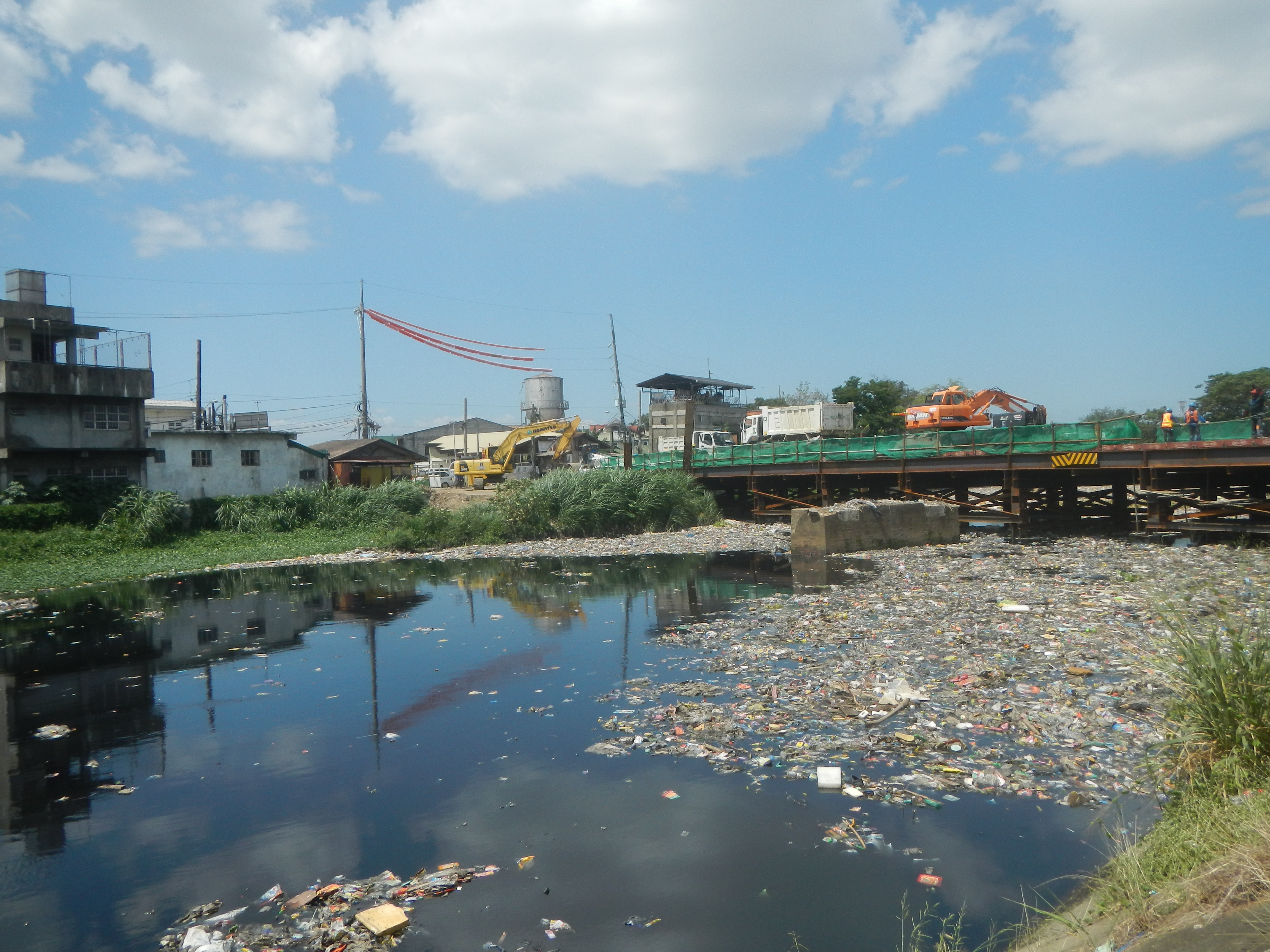
The Philippines is the world's third-largest ocean polluter despite a waste management act which came into effect 18 years ago. Efforts to regulate plastics have been hampered by corruption, lack of political will, and the proliferation and wide accessibility of single-use plastic products.
In 2010, Muntinlupa became the first local government in the National Capital Region to ban plastic bags and styrofoam in shops. This was followed by the measures in the cities of Las Piñas (2 January 2012), Pasig (1 January 2012), Quezon City (1 September 2012, bags for a fee), Pasay (1 September 2012, bags for a fee), Makati (30 June 2013), and Paranaque (June 2021).
Metro Manila cities that have delayed imposing regulations and bans include Taguig, Caloocan, Malabon, Valenzuela, Navotas and San Juan, which are home to hundreds of plastics and rubber manufacturing companies. In one city, a mayor's family owns a 60-hectare "Plastic City Industrial" compound.
On 4 July 2019, Senator Francis Pangilinan filed a bill seeking to phase out single-use plastic products by prohibiting importation, manufacture and use in food establishments, stores, markets, and retailers.
Singapore
Large supermarkets in Singapore are required to charge a disposable carrier bag tax of at least 5 cents per bag, since 3 July 2023. Within the first six months of implementation, supermarkets reported a significant drop in the distribution of plastic bags, with some outlets experiencing a 50-80% reduction. The policy is enforced by the National Environment Agency.
Taiwan
In January 2003, Taiwan banned the free distribution of lightweight plastic bags. The ban prevented the owners of department stores, shopping malls, hypermarkets, convenience stores, fast food restaurants and regular restaurants from providing free plastic bags to their customers. Many stores have replaced plastic with recycled paper boxes. In 2006, however, the administration decided to begin allowing free plastic bags to be offered by food service operators. In February 2018, Taiwan announced plans to ban plastic bags in varying degrees, banned for in-store use by 2019, certain stores prohibited from offering bags by 2020, price increases starting 2025, then 2030 blanket ban of single-use plastic bags, as well as single-use utensils and containers.
Thailand
Thailand banned all free single-use plastics in 2020, including plastic bags.
Europe
European Union
In November 2013, the European Commission published a proposal aiming to reduce the consumption of lightweight (thickness below 50 microns) plastic carrier bags. Under the proposal, EU member states can choose the most appropriate measures to discourage the use of plastic bags.
On 29 April 2015 the European Parliament passed Directive 2015/720, aiming to reduce plastic bag use by 50% by 2017 and 80% by 2019.
Denmark
In 2003, Denmark introduced a tax on retailers giving out plastic bags. This encouraged stores to charge for plastic bags and pushed the use of reusable bags. It was thought that this saved about 66% of plastic and paper bags. In 2004, a similar law was passed by the *Inatsisartut *in Greenland, which applied a recycling tax on plastic bags. By 2014 Denmark had the lowest plastic bag use in Europe, with 4 bags per person per year, compared to 466 in Portugal, Poland and Slovakia.
Germany
The German Packaging Act was introduced on 1 January 2019, limiting the number of disposable plastic bags used for packaging. Companies planning to use these materials are now required to register with the government before distributing their products. If they do not comply, they can be fined up to **€**200,000 and banned from selling their products. The amendment also established recycling quotas that markets must meet to avoid being fined. In 2019, 36% of plastic bags used for packaging were required to be recycled, but this percentage was increased to 63% in 2022. An amendment to the Packaging Act was introduced on 9 February 2021, banning all single-use plastic, including shopping bags, from 1 January 2022.
Greece
Prior to the introduction of a charge on plastic bags, Greece produced roughly 4 billion single-use plastic bags every year. Though the average person in Greece disposed of over 300 plastic bags annually, only 10% of these were recycled. A plastic bag charge was introduced on 1 January 2018, initially of 4 cents per bag, then increased to 7 cents on 1 January 2019. Greece passed further legislation to discourage use of single-use plastics on 1 July 2021, including a ban on merchants from ordering and selling single-use plastic bags and serviceware.
Ireland
Ireland introduced a €0.15 tax in March 2002. Levied on consumers at the point of sale, this led to 90% of consumers using long-life bags within a year. This tax geared to change the behavior of consumers while still allowing them to choose if they want to pay an extra fee for plastic bags. The tax was increased to €0.22 in 2007. The revenue is put into an Environment Fund, which is to be used for environmental projects; this is a major reason that consumers support this tax. A study was done to look at how consumers responded to the tax at checkout and 60% were neutral over the cost while 14% of respondent were "positive" to the extra charge and 26% responded negatively.
Moldova
The Moldovan parliament passed legislation gradually beginning the phase-out of plastic bags from January 2019, with a full ban coming into force from 1 January 2021.
Netherlands
The Netherlands implemented a comprehensive ban on free plastic shopping bags on 1 January 2016. The ban has a small number of exemptions for unpacked food products which are exposed to possible contamination, such as fresh fruit. The target price for a plastic bag is €0.25.
Poland
A plastic recycling levy was introduced on 1 January 2018. Single-use plastic bags cost a minimum of (inclusive of VAT), however stores are able to charge a higher amount. The Polish government estimated that the levy would bring 1.1 billion złoty to the state budget in 2018, in addition to approx. 250 million złoty of VAT revenue raised on sales of the bags.
Portugal
Portugal implemented a plastic bag tax amounting to 10 cents (€) on single-use carrier bags, which led to a reduction of 90% in their use. However, many retailers started selling thicker (reusable) plastic bags, which are not subject to the tax, for the same amount. Before the Portuguese government implemented this plastic bag tax, some supermarkets in Portugal had already implemented a 2 cent (€) fee on each plastic bag. In Madeira Island where supermarkets implemented this bag fee, there was a 64% reduction in plastic bag consumption.
Portugal banned plastic bags entirely in 2021.
Romania
A law was introduced in 2006 (law 578/2006) – and was later modified in 2011 (law 1032/2011) – that put a mandatory tax on non-biodegradable plastic bags. A modification in 2011 reduced the tax on plastic bags and was regarded by some as a step backwards from environmental protection. Lightweight plastic bags were banned on 1 January 2019.
Serbia
Serbia has a tax on manufacturers and importers of plastic bags and plans to introduce a ban on lightweight plastic bags and a charge on biodegradable bags in order to reduce bag use to under 90 per person by 2019. Major supermarkets began charging 2 dinars per bag in 2018.
Spain
Spain introduced a plastic bag charge on 1 July 2018. Catalonia has had a bag charge since April 2017.
Switzerland
In 2016, the two largest chains of supermarkets in Switzerland, the Federation of Migros Cooperatives and Coop, announced that they will progressively stop to distribute free plastic bags (at the check-out). Both distributors announced that they will not make money with paid bags, but that profits from their sale will be invested in environmental projects.
Migros previously tested the measure in the canton of Vaud since 2013: they reduced the number of plastic bags distributed by ninety percent (and saved 100,000 francs per year).
United Kingdom
The Climate Change Act 2008 served as the legislative framework for the regulation of plastic bags in the United Kingdom. In July 2022, it was reported that plastic bag usage among the main retailers in the UK had declined 97% since 2014, with a great share of the decline occurring after the 5p charge was introduced in 2015.
Wales
Wales introduced a legal minimum charge of 5 pence for almost all single use bags in October 2011. Paper and biodegradable bags are included in the charge as well as plastic bags, with only a few specific exemptions – such as for unpackaged food or medicine supplied on an NHS prescription. VAT raised from the charge is collected by the government. Retailers are asked to pass the rest of the proceeds on to charities. July 2012 statistics released by the Welsh Government suggested that carrier bag use in Wales had reduced 96% since the introduction of the charge.
Northern Ireland
Northern Ireland introduced a 5 pence levy on almost all single use bags on 8 April 2013. The levy was extended to reusable carrier bags with a retail price of less than 20 pence from 19 January 2014 as data from a number of retailers indicated that reusable bag sales had increased by 800% since the introduction of the levy on single use bags. The proceeds of the levy (£4.17m in 2013/14) are paid to the Department of the Environment and used to fund local environmental projects and enforce the levy. Official statistics for the Northern Ireland levy show that the number of single use bags dispensed fell from around 300 million in 2012/13 to 84.5 million in 2013/14 – a reduction of 72%.
Scotland
A five pence minimum charge for single-use carrier bags came into force in Scotland on 20 October 2014. This was enacted as a statutory instrument under the Climate Change (Scotland) Act 2009, rather than a UK wide act. The proceeds of the charge can be used by the retailers as they see fit, The charge is not exclusive to plastic bags, and includes biodegradable bags, such as paper.
England
England was the last country in the United Kingdom to adopt the 5 pence charge, with the levy taking effect on 5 October 2015. Prior to the introduction of plastic bag regulations, various retailers participated in voluntary actions to reduce plastic bag consumption.
Unlike the rest of the UK, the English charge does not apply to paper bags or bags made from other natural materials. As with the other nations, VAT raised on sales will be collected by the Government. Retailers can choose how the money raised from bag sales is used. The Government publishes information yearly on the scheme, encouraging retailers to donate the proceeds to charities.
In the first 6 months, 640 million plastic bags were used in seven major supermarkets in England, raising £29.2 million for good causes. England reported to have distributed 0.6 billion single-use bags during the first half year of the charge, 7 billion fewer than were distributed in 2014. A longitudinal evaluation of the English Plastic Bag Charge found that the charge had a positive effect upon all demographic groups, with a reduction in single-use plastic bags found among all income groups, all age groups, and both men and women. In addition, the study found that public support for the plastic bag charge increased just one month after it was introduced, and people who increased their support for the bag charge were also more likely to increase their support for other policies aimed at reducing plastic waste, suggesting a 'spillover' effect for policy support.
Retailers with fewer than 250 employees were initially exempt from the charge. Opponents of this exemption argued that it would reduce the environmental impact of the charge. In response to this criticism, in the UK government announced plans to extend the charge to all retailers and double it to 10p, which was expected to come into effect in April 2021. The 10p plastic bag charge went into effect for all businesses in England on 21 May 2021.
There is no requirement to charge for:
- Exempt bags
- Woven plastic bags
- "Bags for life" that are sold for 10p or more
- Bags used only to contain these items:
- Food and plants
- Uncooked fish
- Uncooked meat and poultry
- Unwrapped food for human or animal consumption
- Unwrapped loose seeds
- Flowers
- Bulbs, corms, or rhizomes
- Goods contaminated by soil
- Specified products
- Unwrapped blades
- Prescription medicines
- Live fish or aquatic creatures
- Alcohol or tobacco sold airside at an airport, where the bag is sealed at purchase
- Food and plants
- Bags considered to be sealed packaging for mail orders or click and collect
- Bags containing free promotional material
- Plastic bags supplied in the course of a service where no goods are sold, such as dry cleaning
North America
This section is become so large it would be useful to start a "main article" with a hyperlink using the tag
--
The Bahamas
The Bahamian government banned single-use plastics (including light-weight plastic bags) in 2020, following a campaign by the Bahamas Plastic Movement (BPM), an environmental non-profit organization, which used citizen science-based research, public education and youth campaigns to lobby the government.
Canada
In March 2007, the small town of Leaf Rapids, Manitoba, became the first community in North America to ban bags.
The Toronto City Council voted on 6 June 2012, to ban plastic bags effective 1 January 2013, and to scrap the city's five-cent bag fee starting 1 July 2012. Industry groups have convinced city officials to include a grace period between 1 January 2013, and 30 June 2013, when no fines, only warnings, can be issued. The bag ban and five cent fee (six cents with HST) have both been overturned as of 28 November 2012 and it's up to individual retailers if they want to charge for plastic bags. Most stores, with the exception of a few national retailers do not charge.
The Canadian government planned to ban single-use plastics in 2021, including plastic straws, cotton swabs, stirrers, plates, cutlery, and balloon sticks. Implementation of the ban was postponed to 20 December 2022 due to the COVID-19 pandemic.
| Province/Territory | Municipality | Passage date | Effective date | Effect | ||||||
|---|---|---|---|---|---|---|---|---|---|---|
| Alberta Alberta | Regional Municipality of Wood Buffalo | Single-use plastic shopping bag ban. Reusable bags must be at least 2.25 mils. | ||||||||
| British Columbia British Columbia | Victoria | Single-use plastic shopping bag ban. | ||||||||
| Manitoba Manitoba | ||||||||||
| Leaf Rapids | Single-use plastic shopping bag ban. | |||||||||
| Thompson | Single-use polyethylene bag ban. Reusable bags must be 2.25 mils thick. | |||||||||
| New Brunswick New Brunswick | ||||||||||
| Dieppe | title=City of Moncton passes bylaw banning some plastic and placing fee on paper checkout bags – Dieppe and Riverview introduce bylaws identical to Moncton Bylaw | date=4 July 2019 | url=https://www.retailcouncil.org/province/nb/city-of-moncton-passes-bylaw-banning-some-plastic-and-placing-fee-on-paper-checkout-bags-dieppe-and-riverview-introduce-bylaws-identical-to-moncton-bylaw/ | publisher=Retail Council | access-date=7 August 2019}} | |||||
| Moncton | Single-use plastic shopping bag ban. | |||||||||
| Riverview | Single-use plastic shopping bag ban. | |||||||||
| Newfoundland and Labrador Newfoundland and Labrador | Province-wide | Single-use plastic shopping bag ban. | ||||||||
| Northwest Territories Northwest Territories | Territory-wide | Single-use plastic shopping bag charge of 25c. | ||||||||
| Nova Scotia Nova Scotia | Province-wide | Single-use plastic shopping bag ban. | ||||||||
| Nunavut Nunavut | Baker Lake | Single-use plastic shopping bag ban. | ||||||||
| Prince Edward Island Prince Edward Island | Province-wide | Single-use plastic shopping bag ban. | ||||||||
| Quebec Quebec | ||||||||||
| Brossard | Single-use plastic bag ban (including compostable) | |||||||||
| Deux-Montagnes | last1=Bruemmer | first1=René | title=Can Montreal's proposed ban on plastic bags work? | url=http://www.canada.com/news/local-news/Montreal+proposed+plastic+bags+work/10363204/story.html | access-date=20 November 2014 | work=Montreal Gazette | date=7 November 2014}} | |||
| Huntingdon | Plastic bag ban including bags used for newspapers and flyers | |||||||||
| Montreal | Ban of plastic bags including biodegradable. Reusable bags must be at least 50 microns thickness. | |||||||||
| Saskatchewan Saskatchewan | Regina | 31 May 2020 | 1 February 2022 | Single-use plastic shopping bag ban effective following COVID-19 pandemic. | ||||||
| Yukon Yukon | ||||||||||
| Province-wide | Single-use plastic shopping bag ban. | |||||||||
| Carmacks | Single-use plastic shopping bag ban. |
Guatemala
A few municipalities in Guatemala have banned plastic bags, including San Pedro La Laguna, Acatenango, Villa Canales, San Miguel Petapa and Totonicapán.
Jamaica
On 17 September 2018, the Jamaican Cabinet announced a total ban on the importation, manufacture, distribution and use of single-use plastic bags, effective 1 January 2019. The policy came in response to problems of improper disposal leading to drain clogging and expensive clean-up efforts. They phased single use plastic bags in waves, the most recent of which took effect 1 January 2021.
Mexico
Plastic bags are banned in the following states: Baja California, Mexico City, Colima, Durango, Hidalgo, Michoacán, Morelos, Nayarit, Nuevo León, Oaxaca, Querétaro, Quintana Roo, Sonora, Tabasco, Veracruz, Yucatán and Zacatecas.
Panama
Panama's Assembly has passed legislation banning plastic bags. The law was passed in 2018 and came into force on 20 July 2019, while wholesalers had until January 2020 to phase out their existing stock.
United States
Main article: Plastic bag bans in the United States

]]There is no national plastic bag fee or ban currently in effect in the United States. However, the states of California, Connecticut (July 2021), Delaware (2021), Hawaii (de facto), Maine (January 2021), New Jersey (May 2022), New York, Oregon, Vermont (July 2020) and Washington (2021) and the territories of American Samoa, Guam (2021), Northern Mariana Islands, US Virgin Islands and Puerto Rico have banned disposable bags. By September 2018, about 350 counties and municipalities had enacted ordinances either imposing a fee on plastic bags or banning them outright, including all counties in Hawaii. Other attempts at banning plastic shopping bags statewide (for example in Massachusetts, though as of August 2019, 122 cities and towns in the state have done so)) have not succeeded mainly due to plastic industry lobbying. A few jurisdictions have chosen to implement a fee-only approach to bag reduction such as Connecticut, Washington, D.C. and adjacent Montgomery County, Maryland. Some US states, such as Florida and Arizona, have passed laws preventing local municipalities from passing their own bans.
The California Senate passed Senate Bill 270 in 2014 that banned the free single-use plastic bags available at grocery stores. This ban specified that plastic bags available at grocery stores must be 2.25 millimeters thick, contain at least 40% recycled materials, and be recyclable within California. This bill was passed with timeframes for progressively tighter restrictions. Violations are punishable by fines. In September 2024, Governor Gavin Newsom signed a bill banning all plastic bags statewide from 2026.
Oceania
Australia
Main article: Plastic bag bans in Australia
Although there is no nationwide ban on lightweight bags, they are banned in all states and territories. The introduction of the "Zero Waste" program in South Australia led to its lightweight bag ban in October 2008. It is estimated that 400 million bags are saved each year. Western Australia and Queensland banned them in July 2018 and Victoria introduced a ban in November 2019. Bans in the Australian Capital Territory, South Australia, Northern Territory, Tasmania allow lightweight bags that are biodegradable.
In Australia, 6 billion HDPE bags were used in 2002. Usage reduced to 5.6 billion in 2004, and 3.9 billion in 2007.
After the two biggest supermarket chains in Australia banned single-use plastic grocery bags, the consumption of plastic bags in Australia dropped by 80% in three months.
New Zealand
In 2018, the Labour government pledged to phase out single-use plastic bags within a year's time. New Zealand is one of the highest producers of urban waste in the developed world, per capita, according to OECD data. Prime Minister Jacinda Ardern and Associate Environment Minister Eugenie Sage made the announcement on 10 August 2018. On 18 December 2018, the Labour Government announced that all plastic shopping bags, including biodegradable, compostable, and oxy-gradable bags, that have handles with a thickness of less than 70 microns, will be banned from 1 July 2019. Retailers who do not comply could face fines of up to NZD$100,000 (£51,000).
Since 1 October 2022, PVC food trays, polystyrene takeaway and drink packaging, expanded polystyrene food and drink packaging, plastic with pro-degradent additives, plastic drink stirrers and plastic stemmed cotton buds have been banned. On 1 July 2023, plastic produce bags; plastic plates, bowls and cutlery; plastic straws (except for medical reasons) and plastic produce labels were banned.
Vanuatu
On 1 July 2018, Vanuatu banned single use plastic bags and polystyrene take-away boxes. Simultaneously, Vanuatu also became the world's first country to ban the sale and usage of disposable plastic drinking straws.
South America
Argentina
In 2012, the Buenos Aires city government allowed supermarkets to charge for plastic bags in order to discourage their use, which is said to have reduced their use by 50%. In 2016 the city announced a full ban on the distribution of plastic bags in supermarkets and hypermarkets, commencing 1 January 2017.
In 2009 the Governor of Buenos Aires Province, Daniel Scioli, approved Law 13868, which mandated that by the end of that year, all non-biodegradable plastic bags should be phased out in favour of degradable materials.
Other provinces like Neuquén, Chubut, Río Negro and cities like Rosario, Villa Gesell or Bariloche had already banned the distribution of plastic bags in supermarkets as well.
Chile
In May 2018, the House of Representatives voted for a gradual phaseout of plastic bags from retailers nationwide. In August 2018, the legislation was approved by Congress and the President, making Chile the first Latin American country to ban plastic bags. Beginning on 3 August 2018, each purchase could be accompanied by no more than two plastic bags. Under the legislation, six months later, supermarkets and large retail businesses were not permitted to provide plastic bags at all, and on 3 August 2020 the total ban also began to apply to small businesses. Environment minister Carolina Schmidt said it is believed that the law eliminated the use of billions of plastic bags.
Before the nationwide ban, similar rules existed regionally. As of 2017, some 80 municipalities already restricted plastic bag distribution, while some coastal and lakeside areas had banned plastic bags altogether.
Colombia
As of 2015, Colombia planned to reduce the use of plastic bags by 80% by the year 2020 and to eliminate their use by the year 2025. On 29 April 2016, the Ministry of Environment passed a resolution banning plastic bags under 30 cm by 30 cm.
From 1 July 2017, the Colombian Government applies a tax of 20 pesos per plastic bag, with a planned annual increase of 10 pesos per bag until 2020.
A challenge has been the single-use plastic that accompanies grocery and restaurant delivery; these services were in high demand during the 2020 coronavirus pandemic.
Uruguay
In 2018, the Uruguayan Parliament approved the law No19655 that banned the production, importation and commercialization of all non-biodegradable single-use plastic bags throughout the country. Since 1 July 2019 only biodegradable bags are allowed for commercial use, with a tax of 4 pesos per bag. According to government agencies, just days after the law was approved, the use of plastic bags dropped by 80%, marking a huge success for the regulation.
References
- (2018). "Reducing marine pollution from single-use plastics (SUPs): A review". Marine Pollution Bulletin.
- (2017). "International policies to reduce plastic marine pollution from single-use plastics (plastic bags and microbeads): A review". Marine Pollution Bulletin.
- Environment, U. N.. (2018-02-17). "Legal limits on single-use plastics and microplastics".
- (5 November 2009). "Plastic bags". Australian Government.
- (9 November 2005). "Plastic Bag Fact Sheet". Sustainability Victoria.
- Kogoy, D. (8 November 2010). "Plastic bag reduction around the world". Marrickville Council.
- Onyanga-Omara, Jane. (14 September 2013). "Plastic bag backlash gains momentum". [[BBC News]].
- (March 2019). "Need a bag? A review of public policies on plastic carrier bags – Where, how and to what effect?". Waste Management.
- (August 2022). "Plastics in the environment as potential threat to life: an overview". Environmental Science and Pollution Research.
- "Our planet is drowning in plastic pollution. This World Environment Day, it's time for a change".
- (1 August 2018). "Production of methane and ethylene from plastic in the environment". PLOS ONE.
- "Marine litter – trash that kills".
- "Plastic Waste and Wildlife".
- "Plastic in our oceans is killing marine mammals".
- "Getting Friendly Environment". The Dell Challenge.
- (27 February 2008). "China's biggest plastic bag maker closes after ban". The Guardian.
- Kiener, Robert. (1 July 2010). "Plastic Pollution". CQ Global Researcher.
- "The lifecycle of plastics".
- "Facts".
- "A staggering amount of waste – much of which has only existed for the past 60 years or so – enters the oceans each year.".
- (November 2016). "Bag ban basics". Plastics Recycling Update.
- (2023-11-01). "Single-use plastic bags: challenges, consumer's behavior, and potential intervention policies". Journal of Material Cycles and Waste Management.
- (April 25, 2014). "Momentum for Plastic Bag Bans Spreading; Recycling Programs Earn Mixed Reviews". Solid Waste Report.
- (1 November 2018). "Can Small Incentives Have Large Effects? The Impact of Taxes versus Bonuses on Disposable Bag Use". American Economic Journal: Economic Policy.
- (March 2017). "The Portuguese plastic carrier bag tax: The effects on consumers' behavior". Waste Management.
- Wagner, Travis P.. (2017-12-01). "Reducing single-use plastic shopping bags in the USA". Waste Management.
- (2024). "CVS Caremark Sustainability Efforts: Single-Use Plastic Bags". SAGE Publications: SAGE Business Cases Originals.
- Taylor, Rebecca L. C.. (December 2022). "It's in the bag? The effect of plastic carryout bag bans on where and what people purchase to eat". American Journal of Agricultural Economics.
- "California's first plastic bag ban made things worse. Now it's trying again".
- (February 2021). "Skipping the Bag: The Intended and Unintended Consequences of Disposable Bag Regulation".
- (March 2019). "Need a bag? A review of public policies on plastic carrier bags – Where, how and to what effect?". Waste Management.
- (July 26, 2024). "Plastic".
- Roy, Jessica. (August 24, 2023). "California's plastic bag ban is failing. here's why.". LA Times.
- Thompson, Don. (December 29, 2022). "Thicker, reusable plastic bags in ca might not be recyclable". abc10.
- "Are Plastic Bag Bans Garbage?". NPR.org.
- Gollom, Mark. (October 9, 2020). "Why a plastic bag ban could lead to unintended environmental consequences". CBC News.
- (31 July 2018). "Albania bans lightweight plastic bags".
- "Reducció del consum de les bosses de plàstic".
- "Angola: Regulations on Single-use Plastics".
- (26 November 2018). "Anguilla Joins Region's Governments Banning Plastic". The Anguillan.
- (12 July 2016). "Antigua and Barbuda bans plastic bags".
- (January 2017). "Adiós a las bolsas del súper".
- (23 February 2019). "Armenia to introduce environmental tax on plastic bags, looks to ban from 2022". Panorama.am.
- (January 2018). "New laws that will affect Australia".
- (6 September 2017). "Plastic bag ban gets green light in Queensland". ABC News.
- "Victoria set to ban plastic bags next year".
- (20 October 2017). "Council Adopts a Plastic Bag Policy for Norfolk Island".
- (19 June 2019). "Victoria moves to ban plastic bags". SBS.
- Risso, Angelo. (2020-03-08). "NSW set to ban single-use plastic bags". [[Seven News]].
- (16 November 2021). "Single-use plastics banned under new law". NSW Government.
- Slade, Lucy. (17 April 2023). "Woolworths to phase out 15c plastic bags nationwide".
- (10 May 2023). "Coles to stop selling soft-plastic shopping bags by end of June". The Guardian.
- (5 December 2018). "Austria to ban most plastic bags starting in 2020".
- "Azerbaijan bans more plastic {{pipe}} Eurasianet". Eurasianet.
- (3 January 2020). "Customer Complaints As Single Use Plastic Ban Comes Into Effect". The Tribune.
- (13 June 2019). "Bahrain to ban plastic bags in July". Khaleej Times.
- Nicole Bogart. (7 June 2012). "Top 5 places with plastic bag bans". Global News.
- "Jamaica Observer Limited".
- (28 July 2019). "Belarus joins garbage combating trend". TVR.
- "Plastic bags law in Belgium".
- (25 March 2019). "Verbod plastic zakjes definitief van kracht". Bakkers Vlaanderen.
- (22 March 2018). "Belize pledges to ban plastic forks, bags and other single-use items by 2019".
- (November 2020). "Policy responses to reduce single-use plastic marine pollution in the Caribbean". Marine Pollution Bulletin.
- (8 November 2017). "Stop banning plastic bags, please". Bloomberg.
- (1 June 2020). "Policies to reduce single-use plastic marine pollution in West Africa". Marine Policy.
- (14 January 2013). "Plastic ban still ineffective".
- "La Paz, Bolivia BANS Plastic Bags!".
- (2018). "Legal Limits on Single-Use Plastics and Microplastics". United Nations.
- (6 May 2015). "City of São Paulo, Brazil Launches Ban on Traditional Plastic Bags – The Global Grid".
- Soares, Eduardo. (2018-07-05). "Brazil: State of Rio de Janeiro Bans Plastic Bags". Global Legal Monitor.
- "Tackling Plastic Pollution – British Indian Ocean Territory".
- (16 April 2018). "Brunei aims to phase out plastic bags in supermarkets by 2019".
- "Bulgaria's Environment Ministry Reports Substantial Reduction in Plastic Bag Use – Novinite.com – Sofia News Agency".
- "Burkina Faso endorses law on sustainable development and bans non-biodegradable plastic bags – UN Environment".
- (14 August 2019). "Burundi brings forward plastic bag ban by six months".
- (19 October 2017). "Cambodia to charge customers for plastic bags". Channel News Asia.
- (30 November 2016). "Cameroon: bagging it after the plastic ban".
- Lee, Michael. (20 December 2022). "Canada's single-use plastics ban takes effect. These are the products in phase 1". [[CTV News]].
- "Cabo Verde: ban on plastic bags – Partenariat Régional pour la conservation".
- (18 January 2022). "Centrafrique: les sacs plastiques en circulation malgré l'entrée en vigueur de la loi interdisant l'usage".
- "Chad – Prohibited & Restricted Imports – export.gov".
- Concepción, Diario. "Comienza la aplicación de la nueva Ley de Bolsas Plásticas".
- Shi Jierui. (10 July 2009). "China's bag ban, one year later". China Dialogue.
- (6 January 2011). "Plastic bag ban abroad". China Network Television.
- (23 March 2021). "China: Single-Use Plastic Straw and Bag Ban Takes Effect".
- (19 August 2019). "Shops providing free plastic bags to customers will be fined in Macau". Macau Hub.
- (20 January 2020). "China to cut single-use plastic reliance by 2025". Circular Online.
- (11 March 2011). "Retail Bags Report – List of Retail Bag Policies – Asia". Department of Environmental Protection Florida.
- (22 February 2018). "Taiwan to ban disposable plastic items by 2030". AFP.
- "Taiwan EPA sets timeline for ban on plastic straws". Taiwan News.
- (22 February 2018). "Taiwan Announces Ban on All Plastic Bags, Straws, and Utensils".
- (2017-06-30). "Abecé de lo que tiene que saber sobre el impuesto a bolsas plásticas". ElTiempo.com.
- (11 July 2019). "REPORT ON THE STATUS OF STYROFOAM AND PLASTIC BAG BANS IN THE WIDER CARIBBEAN REGION". United Nations.
- (2021). "Single-use plastic bag policies in the Southern African development community". Environmental Challenges.
- Dasalusalu, Losirene. (2 July 2025). "Plastic bags banned". Cook Islands News.
- (27 July 2017). "By 2021 Costa Rica Will be the First Country to Eliminate Single-Use Plastics". The Costa Rica News.
- "Costa Rica's Plastic Laws - ELAW: Environmental Law Alliance Worldwide".
- Oldenburg, Silke. (6 December 2018). "Living without plastic bags — the Democratic Republic of Congo is paving the way". Medium.
- (2011-06-02). "Congo bans plastic bags to fight pollution". Reuters.
- (30 April 2021). "Plastic Bag Ban in Croatia from January 1, 2022: How Will It Look?".
- (4 January 2018). "Shops ignoring plastic bag ban – Cyprus Mail".
- (18 December 2017). "Czech Republic Bids Farewell to Free Plastic Bags in 2018".
- "ENOUGH EXCUSES: Time for Europe to act against plastic bag pollution.". Surfrider Foundation Europe.
- "Saqqummersitat {{pipe}} Inatsisartut".
- Gibbens, Sarah. (8 August 2018). "This Island Nation Is Banning Plastic".
- Ray, Alex. (23 May 2021). "Burning ambition: Timor-Leste's waste management problem".
- (2018-08-05). "Chile becomes first South American country to ban commercial use of plastic bags".
- Alarcón, Isabel. (2020-05-08). "Impuesto a las bolsas plásticas se aplica desde este sábado 9 de mayo del 2020 en Ecuador". [[El Comercio (Ecuador)]].
- (2 April 2019). "Red Sea Governorate bans plastics".
- (11 February 2020). "Equatorial Guinea publishes Financial Law 2020". Tax News.
- (16 December 2008). "Retail Bags Report – List of Retail Bag Policies". Department of Environmental Protection Florida.
- (6 March 2025). "Greenpeace Africa Applauds Eswatini's Bold Move to Ban Single-Use Plastic Carrier Bags".
- "Ethiopia puts a squeeze on plastic bags".
- (31 December 2019). "Fiji's plastic bag ban to come into effect on New Year's Day".
- (3 July 2017). "Ditching Plastic Bags: A Lesson from Africa – Zero Waste Europe".
- (19 November 2015). "France postpones plastic bag ban for six months".
- "St-Pierre-et-Miquelon: A taste of French freedom for N.L.ers".
- "Protection de l'environnement: création de l'écotaxe et interdiction des sacs plastiques / 2017 / Articles archivés / Autres dossiers archivés / Publications / Accueil – Les services de l'État à Wallis et Futuna".
- "Le gouvernement annonce une interdiction des sacs plastiques en 2019".
- (3 January 2019). "La Nouvelle-Calédonie interdit les plastiques jetables".
- (10 July 2023). "Gabon to ban plastic bags, introduces biodegradable bags".
- "Gambia: The Ban On Plastic Bag Use".
- (20 December 2017). "Armenia Fails to Ban Plastic Bags. Taxing Them Could Generate $215 Million for the Government – Hetq – News, Articles, Investigations".
- Wedia. (28 November 2020). "Germany bans plastic bags from 2022".
- (17 September 2019). "New legislation bans most single use plastic bags and makes washing down dog urine a legal obligation". GBC.
- "Free plastic shopping bags banned from start of new year – Kathimerini".
- "Grenada bans single use plastics".
- (20 September 2019). "Guatemala to ban plastic bags, straws, cups beginning 2021". AP.
- (15 March 2020). "Alderney agrees ban on single-use plastic bags".
- Warlow, Alex. (28 December 2018). "'UK has left us behind on plastic bag charge'".
- "Guinea bans single-use plastic to promote environmental protection".
- (17 April 2017). "Guinea-Bissau: retail hits back at plastic bag ban – Trendtype".
- "The Impending Ban on Single-use Plastic Products (SUPP)".
- Lall, Rashmee Roshan. (15 August 2013). "Haiti police raid warehouses in plastics ban crackdown". The Guardian.
- (24 January 2019). "Roatan Bans Plastic Bags and Straws!". Honduras Travel.
- (5 Jan 2021). "Plastic Shopping Bags Banned in Iceland".
- "Ban on identified Single Use Plastic Items from 1st July 2022".
- Sujadi Siswo. (21 February 2016). "Indonesia launches campaign to reduce use of plastic bags".
- "Indonesia: Plastic bag ban in Bali to go into effect June 2019".
- "Jakarta to ban single-use plastic bags by June".
- Washington, Jessica. "Indonesia: Jakarta bans single-use plastic bags".
- "KRG bans plastic bags in food establishments".
- (2012-03-19). "What should be done about plastic bags?". BBC News.
- (26 July 2007). "The most popular tax in Europe? Lessons from the Irish plastic bags levy". Environmental and Resource Economics.
- (24 July 2019). "Manx government proposes ban on single-use plastics". BBC News.
- (October 20, 2022). "Plastic bags and straws to be banned on the Isle of Man in 2023". [[BBC News]].
- "Isle of Man Government - Plastics".
- Udasin, Sharon: [https://www.jpost.com/Enviro-Tech/Knesset-bills-seeks-to-alleviate-scourge-of-plastic-shopping-bags-in-Israel-340958 "Knesset bills seeks to alleviate scourge of plastic shopping bags in Israel "], in ''[[The Jerusalem Post]]'', 10 February 2014
- (6 January 2011). "Italy Carries Out Plastic Bag Ban". Environmental Leader.
- (25 November 2014). "Plastic bag protest in Ivory Coast". [[BBC News]].
- (17 September 2018). "Gov't ban on single use plastic bags, straws, Styrofoam starts January". Jamaica Observer.
- "Current Status of Plastic Bag Reduction Efforts in Japan|JFS Japan for Sustainability".
- (25 March 2019). "Can Japan end its love affair with plastic?". Japan Today.
- (1 November 2019). "Japan retailers to charge for plastic bags from 2020". Phys.
- "Single use plastic and paper bag guidance". Jersey Government.
- (2022-07-21). "Single-use plastic carrier bag ban in Jersey begins". BBC News.
- "Kazakhstan authorities decide to abolish plastic shopping bags". Tajikistan News Asia-Plus.
- (28 August 2017). "In Kenya, Selling or Importing Plastic Bags Will Cost You $19,000 — or Jail (Published 2017)". The New York Times.
- (27 August 2021). "Policy framework: Kiribati Integrated Environment Policy". Osaka Blue Ocean Vision.
- "Prohibition of the production and use of certain types of bags in Kosovo - Aliu reveals details - Telegrafi - Telegrafi".
- (11 August 2023). "Kyrgyzstan: Authorities impose plastic bag ban". Eurasianet.
- (11 January 2018). "Stores in Latvia will no longer provide plastic bags free of charge".
- (August 30, 2022). "How Latvian stores prepare for future ban on free plastic bags". [[Public Broadcasting of Latvia.
- "Lebanese mayor bans plastic bags: 'We need to start somewhere'".
- (13 December 2022). "Government imposes plastic bag levy".
- Rajaona, Antso. "Madagascar: Prohibition of the use of plastic bags as from May 1 2015".
- (24 January 2011). "Launching of No Free Plastic Bags Day at Tesco Sg Dua". Penang Government.
- Shaun Ho. (3 January 2010). "Selangor implements 'No Plastic Day' every Saturday". The Star.
- (31 December 2020). "Maldives banning plastic bags, straws and other single-use items from June 2021".
- (3 January 2013). "Could 2013 spell the end for plastic bags?". France 24.
- (14 October 2019). "Single-Use Plastics Will Be Banned In Malta By 2022". Lovin Malta.
- (1 August 2017). "More Pacific islands step up battle against plastic".
- (3 January 2013). "Mauritania bans plastic bag use". [[BBC News]].
- (4 January 2016). "Mauritius bans the use of plastic bags".
- (4 January 2020). "Estos son los estados del país que prohíben el uso de plásticos".
- (2019-07-28). "State of Chihuahua to ban plastic bags next month".
- "Jalisco plastic bag ban fines put on ice for next 12 months".
- (29 June 2018). "Pacific Islands Moving Towards Banning Single Use Plastic". SPREP.
- (4 December 2018). "Plastic Bag Ban coming April 2019 for Kosrae State". Kirma Kosrae.
- (April 2018). "Chuuk State Clean Environment Act of 2018". Chuuk State Senate.
- Dulgher, Maria. (13 February 2020). "Plastic bags use and selling will be penalised in Moldova".
- Staff Writer. (8 January 2017). "Plastic bag restrictions continue in Monaco".
- "Mongolia decides to ban single-use plastic bags". Xinhua News Agency.
- (1 July 2016). "Morocco enforcing nationwide ban on plastic bags". Africanews.
- (29 January 2016). "Mozambique: Restrictions On Plastic Bags Take Effect On 5 February".
- (2 May 2011). "Plastic bags get the toss from Yangon". The Myanmar Times.
- "Namibia officially bans plastic bags in protected areas". Xinhua News Agency.
- "Ronlaw – Nauru's Online Legal Database – Environmental Management and Climate Change (Ban on Single Use Plastic Shopping Bags) Regulations 2021 in force".
- (17 July 2016). "Ban on production and use of plastic bags comes into effect".
- Milieu, Ministerie van Infrastructuur en. (2015-08-26). "Verbod op gratis plastic tassen – Afval – Rijksoverheid.nl".
- "Curaçao enacts new law against plastic".
- (9 August 2016). "Why Aruba Just Banned Plastic Bags".
- Insider, Susan Davis for The Bonaire. (18 July 2019). "Single-Use Plastics Banned by Bonaire".
- (10 July 2023). "Plastic carrier bags prohibited in Saba per January 1".
- (27 April 2021). "Sint Maarten's Move To Prohibit Single-Use Plastics 'Focuses On Natural Processes, Emerging Green Technologies, Innovative Thinking'".
- (2018-12-18). "Single-use plastic bags banned from July 1, Government confirms". Newshub.
- (11 July 2018). "Niue joins growing Pacific movement to ban plastics". [[Radio New Zealand]].
- (11 June 2019). "Cook Islands moves to ban single-use plastic". [[Radio New Zealand]].
- "Niger: Govt. bans production, import, trade, use of plastic bags".
- (May 21, 2019). "Reps pass bill banning plastic bags, prescribe fines against offenders".
- (18 April 2024). "Supporting Niue on their plastic-free journey". Department of Climate Change, Energy, the Environment and Water.
- (5 August 2019). "Оние незабележливи пластични ќеси". Nezavisen.
- [https://zabranaplasticnikesi.site/nezabraneti-zabraneti-plasticni-kesi/ "Незабранетите забранети пластични кеси во Македонија"] {{Webarchive. link. (13 August 2022 , Иницијатива за забрана на пластични кеси, 23.12.2020.)
- (3 October 2017). "Plastic bag charge carries to Norway". The Local Norway.
- (8 January 2021). "Clarification issued on single-use plastic bag ban in Oman". Times of Oman.
- (5 August 2019). "Pakistan will become 128th country to ban use of plastic bags on 14th". The News.
- (17 March 2019). "KP govt bans plastic bags". The News.
- (26 June 2019). "In Pakistan's northern mountains, plastic bags face the bin". Quantara.
- (30 May 2019). "AJK bans production, use of plastic shopping bags". Nation.
- (9 November 2017). "Palau Moves To Ban Plastic Bags". Pacific Note.
- (2015-12-15). "PNG prepares for ban on non-biodegradable plastic bags".
- (2016-01-28). "Ban on plastic bags begins in PNG".
- (7 May 2019). "Ley de plásticos: todo lo que debes saber sobre el cobro de bolsas en establecimientos". El Comercio.
- (6 December 2018). "Peru to phase out throw-away plastic bags in three years". Reuters.
- Valisno, Jeffrey O.. (March 2, 2012). "To plastic or not to plastic, that is the question...".
- (14 November 2014). "Quezon City plastic bag fee to go to 'green' projects".
- (12 July 2012). "Industry expects 50% downsizing if Manila bans plastic bags".
- (18 July 2013). "As ban on plastic bags spreads, Valenzuela stubbornly says 'no'".
- Melican, Nathaniel R.. (30 May 2014). "Why Malabon continues to delay plastic ban".
- (2018-01-02). "Koniec z darmowymi reklamówkami. Jakie są ceny foliówek w supermarketach?". [[Wprost]].
- "Plastic bag use plummets a year after tax introduction".
- Newspaper, The Peninsula. (23 June 2022). "Qatar to ban single-use plastic bags from November 15".
- Korotchenko, Maxim. (2 September 2021). "Russia Moves to Phase Out Plastic Bags in New Draft Law".
- Clavel, Émilie. (15 February 2014). "Think you can't live without plastic bags? Consider this: Rwanda did it". [[The Guardian]].
- (11 April 2024). "St. Kitts And Nevis Checks Box For Ban Of Single-Use Plastics".
- (29 November 2019). "St Vincent and the Grenadines bans single-use plastic bags".
- "Samoa to ban plastics".
- (29 October 2020). "La Repubblica di San Marino dice addio alla plastica monouso". San Marino Fixing.
- (21 September 2020). "SÃO TOMÉ E PRÍNCIPE - DIÁRIO DA REPÚBLICA N.º 61 – 21 de Setembro de 2020".
- Iwuoha, John-Paul. (3 June 2016). "Plastic Shopping Bags Will Soon Be History Everywhere in Africa. Here's Why...".
- (17 January 2012). "Serbia Throws Plastic Bags in Dustbin of History".
- "Службени лист - Града Београда".
- "In another environmental push, Seychelles bans single-use plastic straws".
- "STA: Govt bans free lightweight plastic bags as of 2019".
- ["Regulation to ban single use plastic products signed and gazetted – My SIG Services Portal"](https://solomons.gov.sb/regulation-to-ban-single-use-plastic-products-signed-and-gazetted/#:~:text=HONIARA%2C%20SOLOMON%20ISLANDS%20(4TH,on%201st%20September%202023.).
- (2 February 2024). "Somalia joins Kenya, Rwanda in banning single-use plastics".
- [http://www.irinnews.org/report/53210/somalia-somaliland-bans-use-plastic-bags Somaliland bans use of plastic bags], IRIN News, 1 March 2005. Accessed on 30 October 2017.
- [http://www.irinnews.org/feature/2005/03/24/somaliland-still-blighted-plastic-bags-despite-ban Somaliland still blighted by plastic bags, despite ban], IRIN News, 24 March 2005. Accessed on 30 October 2017.
- [http://www.somalilandinformer.com/somaliland/somaliland-plastic-ban-enforcement-teams-formed-for-implementation/ Somaliland plastic ban: Enforcement teams formed for implementation] {{Webarchive. link. (7 November 2017 , Somaliland Informer, 9 September 2016. Accessed on 30 October 2017.)
- [http://www.somalilandsun.com/politics1/government/7236-somaliland-ban-on-plastic-bags-imposed Somaliland: Ban on Plastic Bags Imposed] {{Webarchive. link. (19 February 2017 , Somaliland Sun, 14 April 2015. Accessed on 30 October 2017.)
- [http://www.somalilandsun.com/images/PDF/warsaxaafadeed_Madaxweyne_14.04.2015_1.pdf The Official text of the Presidential decree (in Somali)] {{Webarchive. link. (6 April 2017 . Accessed on 30 October 2017.)
- (8 July 2010). "Analysis of the plastic-bag levy in South Africa".
- John Roach. (4 April 2008). "Plastic-Bag Bans Gaining Momentum Around the World".
- "South Korea bans disposable coffee cups, plastic bags".
- (18 December 2017). "Gov't bans plastic bags".
- (16 February 2017). "Charging for carrier bags to be mandatory in Spain from 2018".
- (17 January 2018). "Balearic Islands to ban plastic by 2020 in bid to clean its beaches". The Telegraph.
- (1 September 2017). "Sri Lanka bans plastic bags, other disposables after garbage crisis". The Straits Times.
- (21 September 2017). "Sudan: Khartoum State Bans Light Plastic Bags". Sudan News Agency (Khartoum).
- (6 July 2016). "Sweden considers higher fees for plastic bags".
- {{in lang. fr Michel Guillaume, "L'économie suisse promet de verdir", ''[[Le temps]]'', Monday 26 September 2016, page 4. Published on-line as [https://www.letemps.ch/suisse/2016/09/25/leconomie-suisse-promet-verdir-malgre-rejet-linitiative "L'économie suisse promet de verdir malgré le rejet de l'initiative"] {{Webarchive. link. (21 April 2023 on 25 September 2016 (page visited on 26 September 2016).)
- {{in lang. fr Michael West, "Environnement. « Petits prix pour grands effets »", ''[[Migros Magazine]]'', number 39, 29 September 2016, page 38-39.
- (23 April 2019). "Geneva set to ban single-use plastics". The Local.
- (19 July 2023). "Tajikistan bans thin polyethylene bags".
- (8 April 2019). "Tanzania to ban single-use plastics by July – environment minister".
- (2019-05-31). "Tanzania latest African nation to ban plastic bags".
- (24 September 2019). "Major Thai stores to stop giving out plastic bags by 2020: minister".
- (12 November 2019). "Thailand to ban single-use plastics in 2021". Coconuts Bangkok.
- (2011-01-19). "Togo bans plastic bags amid growing global trend".
- "Tunisia bans disposable plastic shopping bags". TreeHugger.
- (19 February 2016). "Plastic bags to be banned on Istanbul's Princes' Islands".
- Hartmann, Jens. "TURKEY: Introduction of fees for retail plastic bags from January 2018 / Ban on thin plastic bags".
- "North Cyprus introduces plastic bag charge – T-VINE".
- (8 October 2018). "Goodbye to single use plastic bags Ban to take effect from January 2019".
- (19 August 2019). "Tuvalu: Ban on Single-Use Plastics Commences". Library of Congress.
- (2007-06-14). "East African ban on plastic bags". BBC.
- {{in lang. uk [https://www.epravda.com.ua/news/2021/12/10/680568/ "Goodbye, plastic": restrictions on plastic bags have come into force in Ukraine], [[Ukrayinska Pravda. Ekonomichna Pravda ("Economic Truth")]] (10 December 2021)
- "President signed a law banning the use of plastic bags in Ukraine".
- (10 January 2023). "UAE to ban single-use plastic from 2024". The National.
- Howell, Dominic. (2016-07-30). "The 5p plastic bag charge: All you need to know". [[BBC News]].
- (2021-05-20). "Higher plastic bag charge comes into force in England". BBC News.
- (2015-11-20). "NI Direct Bag Levy". NI Direct.
- (2020-11-02). "Carrier Bag Levy {{!}} Department of Agriculture, Environment and Rural Affairs".
- Natasha Culzac. (20 October 2014). "Scotland's 5p carrier bag charge comes into effect". The Independent.
- (2023-03-21). "Single-use carrier bags charge (Scotland)".
- (July 2013). "Retailers". Crown.
- "Welsh Government Publishes Bill to Ban Single Use Plastic Bags {{!}} ACS Press Release".
- "Ley N° 19655".
- "Free distribution of plastic bags to be banned in Uzbekistan from 2019".
- "Central Asia Combats Plastic Pollution with Bag Ban Initiatives".
- (3 January 2018). "Plastic bag ban in Vanuatu from February".
- (16 July 2019). "Vatican City State set to end sale of single-use plastics".
- (16 May 2022). "Vietnam aims to ban the use of all plastic bags by 2030". Packaging gateway.
- (9 January 2011). "Kenya bans plastic bags". The Independent UK.
- (3 April 2014). "Nairobi city to ban use of plastic bags". Africa Review Kenya.
- "Government bans use of plastic bags".
- (28 June 2020). "Uhuru Kenyatta bans single-use plastic products in parks, beaches".
- Behuria, Pritish. (December 2021). "Ban the (plastic) bag? Explaining variation in the implementation of plastic bag bans in Rwanda, Kenya and Uganda". Environment and Planning C: Politics and Space.
- Pflanz, Mike. (2006-04-04). "Tanzania to ban all plastic bags". [[The Daily Telegraph]].
- "Plastic bag ban delayed – Dar Post".
- "Tunisia bans plastic bags in supermarkets".
- Tenywa, Gerald. (2009-01-11). "Paper bag makers shift base as kaveera ghost hits with vengeance". New Vision.
- "Makers of plastic bags get reprieve".
- (2000). "日本の対中環境協力と中国の環境行政システム". 环境情报研究8号.
- (16 November 2000). "Chinese cities to curb 'white pollution'".
- (16 March 2002). "爱山环保日活动挑战"白色污染" (Aishan Ecology Day activities set to battle 'white pollution')". People's Daily.
- (21 January 2006). "Finding solutions to 'white pollution'". People's Daily (English edition).
- "Historical ecological change in the upper Baiwu Valley (白乌溪流域的历代生态变迁)".
- "Minimum Thickness of Plastic Carry Bags Increased from 40 to 50 Microns". Ministry of Environment, Forest and Climate Change.
- (2016-01-14). "India's first organic state". The Hindu.
- "Sikkim Becomes the First Indian State to Ban Mineral Water Bottles in Govt Programmes".
- (14 March 2016). "Total plastic ban in Karnataka {{pipe}} Bengaluru News".
- (2016-03-30). "HC refuses to stay plastic ban; asks plastic industry to go to Green Tribunal".
- TNN. (20 May 2013). "Plea to relax ban on plastic bags below 40 microns". [[The Times of India]].
- Press Trust of India. (2 January 2010). "Mumbai to ban plastic bags; to amend law". Diligent Media Corporation Ltd..
- (23 June 2018). "Plastic Waste Management in Maharashtra". Maharashtra Pollution Control Board.
- Thangavelu, Dharani. (31 December 2018). "Tamil Nadu to usher in New Year on green note with ban on single-use plastic".
- Heyden, Dylan. (24 January 2019). "Bali Institutes a Ban on Single-Use Plastics in 2019 With Aggressive Reduction Goals".
- (7 January 2020). "Sebelum Jakarta, Bali hingga Semarang Lebih Dulu Larang Kantong Plastik". detiknews.
- (25 May 2017). "Disposable plastic bag use falls very sharply – Globes English".
- (18 October 2018). "This is why Philippines is world's third-largest ocean plastic polluter".
- Melican, Nathaniel R.. (24 June 2012). "First to ban plastics in NCR, Muntinlupa City takes campaign further".
- Inquirer, Philippine Daily. (2021-01-20). "Parañaque City to ban single-use plastics".
- "Press Release - Bawal ang plastic: Kiko".
- "Days of single-use plastic to end with approval of Pangilinan's Senate Bill 40".
- "Large supermarkets to charge minimum 5 cents for each disposable carrier bag".
- "Disposable Carrier Bag Charge".
- "Plastic bag use at supermarkets has dropped by up to 80% since mandatory charge".
- "Why plastic shopping bag bans and taxes don't work". Canadian Plastics Industry Association.
- (18 December 2006). "Many support EPA ban on throw-away utensils". taipeitimes.com.
- Mangmeechai, Aweewan. (July 26, 2024). "Plastic bag ban policy in Thailand: A step into the 20-year roadmap for Plastic Waste Management".
- "EUROPA – Press release – Environment: Commission proposes to reduce the use of plastic bags". European Commission.
- Cécile Barbière. (29 April 2015). "EU to halve plastic bag use by 2019". Euractiv.
- {{cite EU directive. (2015). (29 April 2015)
- "Learn About Global Efforts to Reduce Waste from Disposable Products". Reuse it.
- [http://www.abc.net.au/environment/articles/2014/04/17/3987712.htm "Europe votes to slash plastic bag use"], ABC News, 17 April 2014
- (16 August 2019). "Germany: Changes to Germany's Packaging Laws – An Exporter's Guide".
- (December 2024). "Environmental Law and Practice in Germany: Overview".
- "Germany: Lightweight Plastic Bag Ban to Take Effect January 1, 2022".
- Peppa, Sofia. (September 2016). "Thinking outside the plastic bag". International Institute for Industrial Environmental Economics.
- "The European Union Hopes To Ban Single-Use Plastic By 2021". NPR.org.
- (October 2017). "Plastic bags to cost 4 cents each in Greece after January 1 – CretePost.gr".
- "Transposition of the Single-use Plastics Directive, and its Impact on the Economy in Bosnia and Herzegovina {{!}} United Nations Development Programme".
- Pokojska, Agnieszka. (2017-12-19). "Opłata recyklingowa w 2018 roku. Fiskus zarobi ćwierć miliarda złotych na sprzedaży foliówek".
- (October 2010). "The influence of a voluntary fee in the consumption of plastic bags on supermarkets from Madeira Island (Portugal)". Journal of Environmental Planning and Management.
- (13 May 2024). "Is This the Beginning of the End of Plastic Bags in UK Supermarkets?".
- (2011-06-02). "Ecotaxa pe pungi şi sacoşe pentru cumpărături".
- "Serbia set to ban plastic bags".
- (17 July 2018). "NAPLATA PLASTIČNE AMBALAŽE: Traže dva dinara za kesu". [[Večernje novosti]].
- "Carrier bag charges compulsory from July this year".
- fr [http://www.rts.ch/info/economie/8036213-chez-coop-et-migros-les-sacs-jetables-vont-desormais-couter-5-centimes.html "Chez Coop et Migros, les sacs jetables vont désormais coûter 5 centimes"], [[Radio télévision suisse]], 22 September 2016 (page visited on 25 September 2016).
- Houlton, Cara. (29 July 2022). "Retailers See 97% Fall In Plastic Bag Use Since 2015, Data Reveals".
- "List by country; 'bag charges, taxes and bans'. – Big Fat Bags". Big Fat Bags.
- (August 2014). "NI Bag Levy Annual Statistics 2013/14". DOE NI.
- Introductory Text to The Single Use Carrier Bags Charge (Scotland) Regulations 2014 [https://www.legislation.gov.uk/ssi/2014/161/introduction/made]
- "Home – Carrier Bag Charge Scotland".
- . (16 September 2015). ["5p carrier bag fee 'will cost families £1.5 billion' over next 10 years"](http://www.itv.com/news/2015-09-16/5p-carrier-bag-fee-will-cost-families-1-5-billion-over-next-10-years/). *[[ITV News]]*.
- (2009). "Plastic bag politics: Modifying consumer behaviour for sustainable development". International Journal of Consumer Studies.
- Howell, Dominic. (30 July 2016). "The 5p plastic bag charge: All you need to know". [[BBC News]].
- (3 November 2015). "Carrier bags: why there's a charge". [[Department for Environment, Food and Rural Affairs]].
- Morelle, Rebecca. (30 July 2016). "Plastic bag use plummets in England since 5p charge". [[BBC News]].
- "Single-use plastic carrier bags charge: data in England for 2015 to 2016".
- (2015-07-22). "WRAP announces new carrier bag figures".
- (26 February 2019). "The English Plastic Bag Charge Changed Behavior and Increased Support for Other Charges to Reduce Plastic Waste". Frontiers in Psychology.
- Sutherland, Nikki. (2020-10-19). "Plastic Bags – The single use carrier bag charge". [[House of Commons Library]].
- "Plastic bags: Government response – News from Parliament".
- [[Department for Environment, Food and Rural Affairs. DEFRA]], [https://www.gov.uk/government/news/war-on-plastic-waste-stepped-up-with-extension-of-plastic-bag-charge War on plastic waste stepped up with extension of plastic bag charge], published 31 August 2020, accessed 29 September 2021
- (29 July 2022). "Single-use plastic carrier bags charge: data for England 2021 to 2022".
- (7 April 2025). "Carrier bag charges: Retailers' responsibilities".
- (May 2019). "Spatial trends and drivers of marine debris accumulation on shorelines in South Eleuthera, the Bahamas using citizen science". Marine Pollution Bulletin.
- (2 April 2007). "Plastic bags officially banned in Manitoba town". Bell Media.
- (6 June 2012). "Toronto bans plastic bags by the start of 2013". The Toronto Sun.
- (7 November 2012). "Toronto plastic bag ban: Bylaw ready to go for a Jan. 1 soft launch". The Toronto Star.
- (2012-11-28). "Bag ban overturned, shopping bylaw unchanged". CP24.
- Hannah, Thibedeau. (9 June 2019). "Government to ban single-use plastics as early as 2021".
- (January 2022). "Public Perceptions of Legislative Action to Reduce Plastic Pollution: A Case Study of Atlantic Canada". Sustainability.
- "BYLAW NO. 12/007". Regional Municipality of Wood Buffalo.
- (17 December 2017). "Plastic bags no more: Victoria to implement ban July 1". CBC News.
- "Leaf Rapids Green Initiatives". Town of Leaf Rapids.
- "Single Use Plastic Bag By-law". City of Thompson.
- (4 July 2019). "City of Moncton passes bylaw banning some plastic and placing fee on paper checkout bags – Dieppe and Riverview introduce bylaws identical to Moncton Bylaw". Retail Council.
- "Moncton-area municipalities delay single-use plastic bag bylaw restrictions".
- (10 April 2019). "N.S. passes legislation banning single-use plastic bags". CBC.
- "Plastic-free amid a pandemic? It might not be possible, but it's worth a try".
- "FAQ – Single-use Retail Bag Program". Northwest Territories Government.
- (30 October 2019). "N.S. passes legislation banning single-use plastic bags". CBC.
- (18 June 2021). "Baker Lake bans single-use plastic bags". Nunavut News.
- (11 June 2018). "Plastic bag ban a relief for Island Waste Management". CBC.
- (17 February 2016). "Brossard bans plastic bags in stores for fall 2016". CBC.
- "Sacs d'emplettes". Ville de Brossard.
- (7 November 2014). "Can Montreal's proposed ban on plastic bags work?". Montreal Gazette.
- (8 September 2016). "Montreal is largest Canadian city to ban plastic bags".
- (31 May 2020). "Plastic bags soon to be banned in Regina".
- (1 October 2021). "Ban on single-use shopping bags coming to the Yukon". Yukon News.
- (7 August 2019). "No more single-use plastic bags in Carmacks". Yukon News.
- (4 May 2017). "To Help Conserve Lake Atitlán, Town Bans Plastic Bags".
- "Acatenango prohíbe el uso de bolsas plásticas, pajillas y duroport".
- "Municipalidad de Villa Canales prohíbe el uso de bolsas plásticas y otros artículos no reusables". elPeriodico.
- "San Miguel Petapa se une a la prohibición de bolsas plásticas". Prensa Libre.
- (2018-06-05). "Totonicapán dice NO al uso del plástico".
- Clayton, C. Andrea Bruce. (25 October 2021). "Building Collective Ownership of Single-Use Plastic Waste in Youth Communities: A Jamaican Case Study". Social Sciences.
- (2021-01-25). "Jamaica: plastics ban creates new opportunities".
- (16 August 2017). "Plastic Bags Banned in Panama – THE PANAMA PERSPECTIVE".
- Moreno, Elida. (20 July 2019). "Panama becomes first Central American nation to ban plastic bags". Reuters.
- (10 November 2016). "Californians say farewell to the plastic bag". The Sacramento Bee.
- (18 March 2020). "Maine halts plastic bag ban as part of plan to mitigate coronavirus spread". Plastics News.
- (November 4, 2020). "New Jersey governor signs sweeping bill limiting carryout bags, polystyrene foam and straws".
- (23 April 2019). "New York Officially Bans Plastic Bags". Forbes.
- (18 June 2019). "Vermont adopts the most comprehensive plastics ban in U.S.".
- KREM Staff. (25 March 2020). "WaBagBan".
- (30 October 2015). "Puerto Rico to ban use of plastic bags through executive order after legislators opposed bill". U.S. News & World Report.
- Nace, Trevor. "Here's A List Of Every City In The US To Ban Plastic Bags, Will Your City Be Next?".
- Llanos, Miguel. (16 May 2012). "Hawaii first state to ban plastic bags at checkout". NBC News.
- "Massachusetts plastic bag ban is now tied up in Beacon Hill".
- "Plastic Bag Legislation".
- (18 April 2013}} {{Dead link). "This time, pass California ban on plastic bags: Editorial". Los Angeles Daily News.
- Verespej, Nike. (16 November 2012}} {{Dead link). "Massachusetts town bans plastic bags". Waste & Recycling News.
- "The Bag Bill".
- (July 26, 2024). "SB 1053: Solid waste: Reusable grocery bags: Standards: Plastic film prohibition.".
- Jacobson, Eva. "CALIFORNIA'S LAW BANNING PLASTIC BAGS".
- (23 September 2024). "California's Gavin Newsom signs law banning all plastic bags at grocery stores". The Guardian.
- (29 April 2003). "Tasmania carries eco-fight, bans plastic bags". Mail & Guardian.
- (28 February 2011). "Plastic Bag Ban". Zero Waste South Australia.
- (July 26, 2024). "BAG BANS ACROSS AUSTRALIA".
- (3 December 2018). "Australia Cuts 80% of Plastic Bag Use in 3 Short Months".
- (2018-08-09). "Government pledges mandatory phase-out of plastic bags".
- (10 August 2018). "Jacinda Ardern says New Zealand will ban plastic bags". The Guardian.
- (2023-07-01). "Phasing out hard-to-recycle and single-use plastics".
- (2018-05-15). "Walking the talk in Vanuatu, the first country in the world to ban plastic straw". [[Pacific Regional Environment Programme]].
- (2018-05-19). "Ban Plastics". [[Vanuatu Daily Post]].
- "El gobierno porteño anunció que desde 2017 se prohibirán bolsas plásticas en los súper".
- (3 September 2016). "Adiós a un clásico: desde 2017, no habrá más bolsas de plástico en los súper porteños".
- (2016-09-03). "Polémica por la prohibición de bolsas en los comercios porteños".
- "Ley 13868 PBA".
- "Prohibición del uso de bolsas plasticas en supermercados, hipermercados y minimercados de la Provincia de Buenos Aires.".
- "SE REGLAMENTÓ LA LEY DE SUSTITUCIÓN DE BOLSAS PLÁSTICAS".
- (1 June 2018). "Chile Bans Plastic Bags at Retail Businesses". The New York Times.
- "Chile adopts new law to ban the use of plastic bags".
- (31 May 2018). "Chile to Become First Country in the Americas to Ban Plastic Bags".
- "Chile set to become first American country to ban plastic bags – The Santiago Times".
- (3 August 2018). "Chile bans supermarket plastic bags". [[BBC News]].
- El Tiempo, Casa Editorial. (3 August 2020). "El primer país de Latinoamérica que se despide de las bolsas plásticas".
- "Chile to ban plastic bags in coastal regions".
- (2015-11-27). "Colombia apunta a la eliminación completa del uso de bolsas plásticas en 2025". Elespectador.com.
- Tiempo, Casa Editorial El. (2016-04-12). "Las bolsas plásticas pequeñas tienen los días contados en Colombia – Sectores – El Tiempo".
- Tiempo, Casa Editorial El. (2020-08-01). "Plástico de un solo uso: protege del virus pero amenaza al planeta".
- (2019-04-25). "Bajó 80% el uso de bolsas plásticas desde el pasado 1o de abril".
This article was imported from Wikipedia and is available under the Creative Commons Attribution-ShareAlike 4.0 License. Content has been adapted to SurfDoc format. Original contributors can be found on the article history page.
Ask Mako anything about Plastic bag ban — get instant answers, deeper analysis, and related topics.
Research with MakoFree with your Surf account
Create a free account to save articles, ask Mako questions, and organize your research.
Sign up freeThis content may have been generated or modified by AI. CloudSurf Software LLC is not responsible for the accuracy, completeness, or reliability of AI-generated content. Always verify important information from primary sources.
Report