From Surf Wiki (app.surf) — the open knowledge base
Pitchfork
Agricultural tool
.jpg)
Agricultural tool
A pitchfork or hay fork is an agricultural tool used to pitch loose material, such as hay, straw, manure, or leaves. It has a long handle and usually two to five thin tines designed to efficiently move such materials.
The term is also applied colloquially, but inaccurately, to the garden fork. While similar in appearance, the garden fork is shorter and stockier than the pitchfork, with three or four thicker tines intended for turning or loosening the soil of gardens.
Alternative terms
In some parts of England, a pitchfork is known as a prong. In parts of Ireland, the term sprong is used to refer specifically to a four-pronged pitchfork.
Description
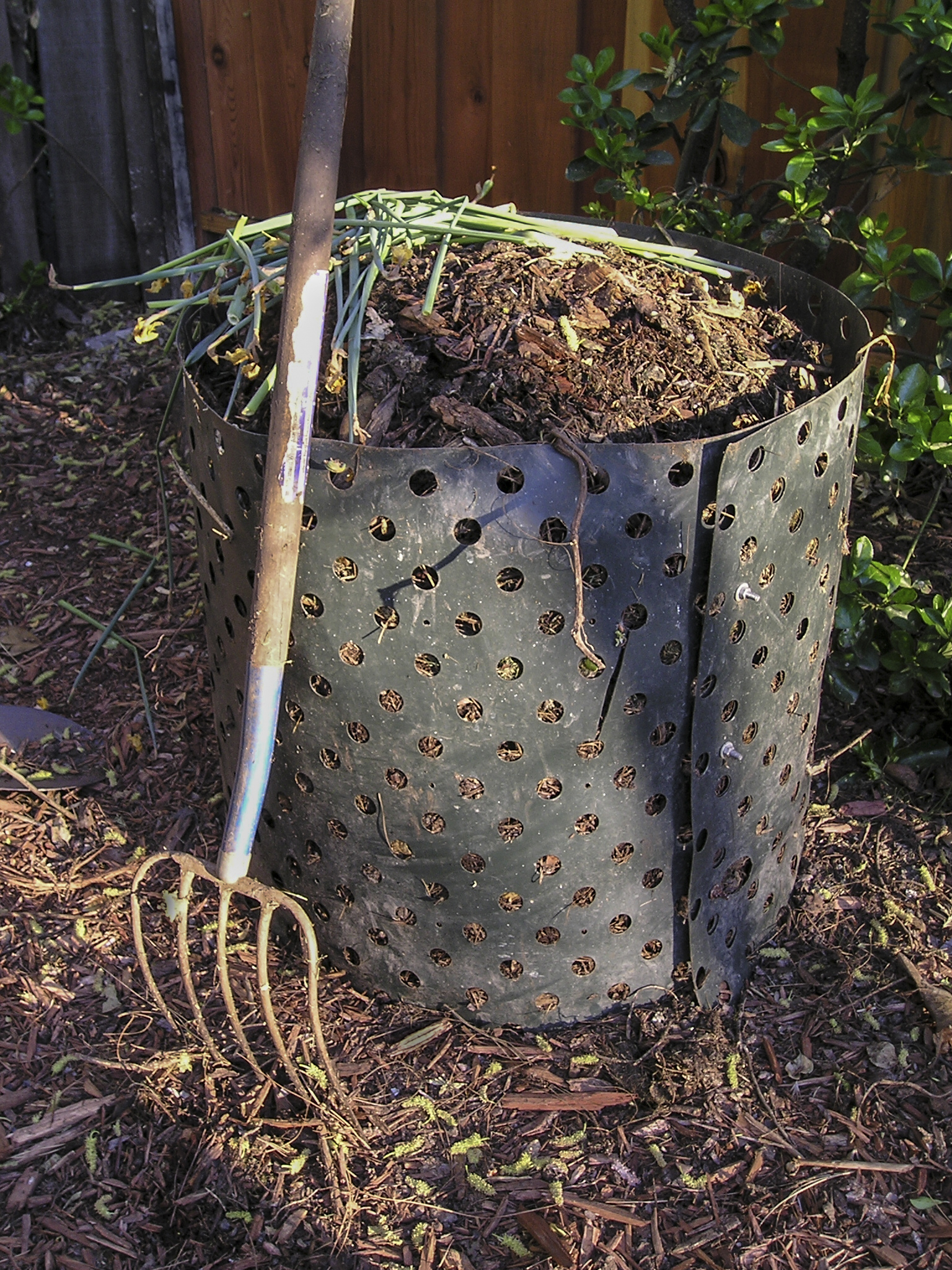
The typical pitchfork consists of a wooden shaft bearing two to five slightly curved metal tines fixed to one end of a handle. These are typically made of steel, wrought iron, or some other alloy, though historically wood or bamboo were used. Unlike a garden fork, a pitchfork lacks a grab at the end of its handle.
Pitchforks with few tines set far apart are typically used for bulky material such as hay or straw; those with more and more closely spaced are used for looser materials such as silage, manure, leaves, or compost.
History
In Europe, the pitchfork was first used in the Early Middle Ages, at about the same time as the harrow. These were made entirely of wood.
In the Middle Ages, pitchforks might on occasion be employed as an improvised weapon in battle by peasants unable to obtain a proper weapon. The visual idiom of a mob of peasants staging a revolt while armed with just torches and pitchforks is well-known, if not necessarily historical, and seen or parodied in several works.
In popular culture
Artwork

Paintings by various artists depict a wide variety of pitchforks in use and at rest. A notable American work is American Gothic (1930) by Grant Wood, which features a three-pronged tool.
Politics
.jpg)
The Gangster Disciples, a street gang in the Midwestern United States, use a three-pointed pitchfork as one of their symbols.
References
References
- Copper, Bob. (1975). "A Song for Every Season: A Hundred Years of a Sussex Farming Family". Paladin, St. Albans, Hertfordshire.
- Joyce, P. W.. (2009). "English As We Speak It in Ireland". Read Books.
- Rhode, Dr. Robert T.. (October 1996). "Why All Pitchforks Are Not Alike". Farm Collector.
- (November 2012). "A Companion to Global Environmental History". [[Wiley-Blackwell]].
- "Medieval Men". Medieval-Period.com.
- Ritch, Alan. (February 6, 2006). "Resting in the hay (1592-1900)". Hay In Art.
- "Asset Protection for the 21st Century". [[Food Marketing Institute]].
This article was imported from Wikipedia and is available under the Creative Commons Attribution-ShareAlike 4.0 License. Content has been adapted to SurfDoc format. Original contributors can be found on the article history page.
Ask Mako anything about Pitchfork — get instant answers, deeper analysis, and related topics.
Research with MakoFree with your Surf account
Create a free account to save articles, ask Mako questions, and organize your research.
Sign up freeThis content may have been generated or modified by AI. CloudSurf Software LLC is not responsible for the accuracy, completeness, or reliability of AI-generated content. Always verify important information from primary sources.
Report