From Surf Wiki (app.surf) — the open knowledge base
Phytochemical
Chemical compounds produced by plants
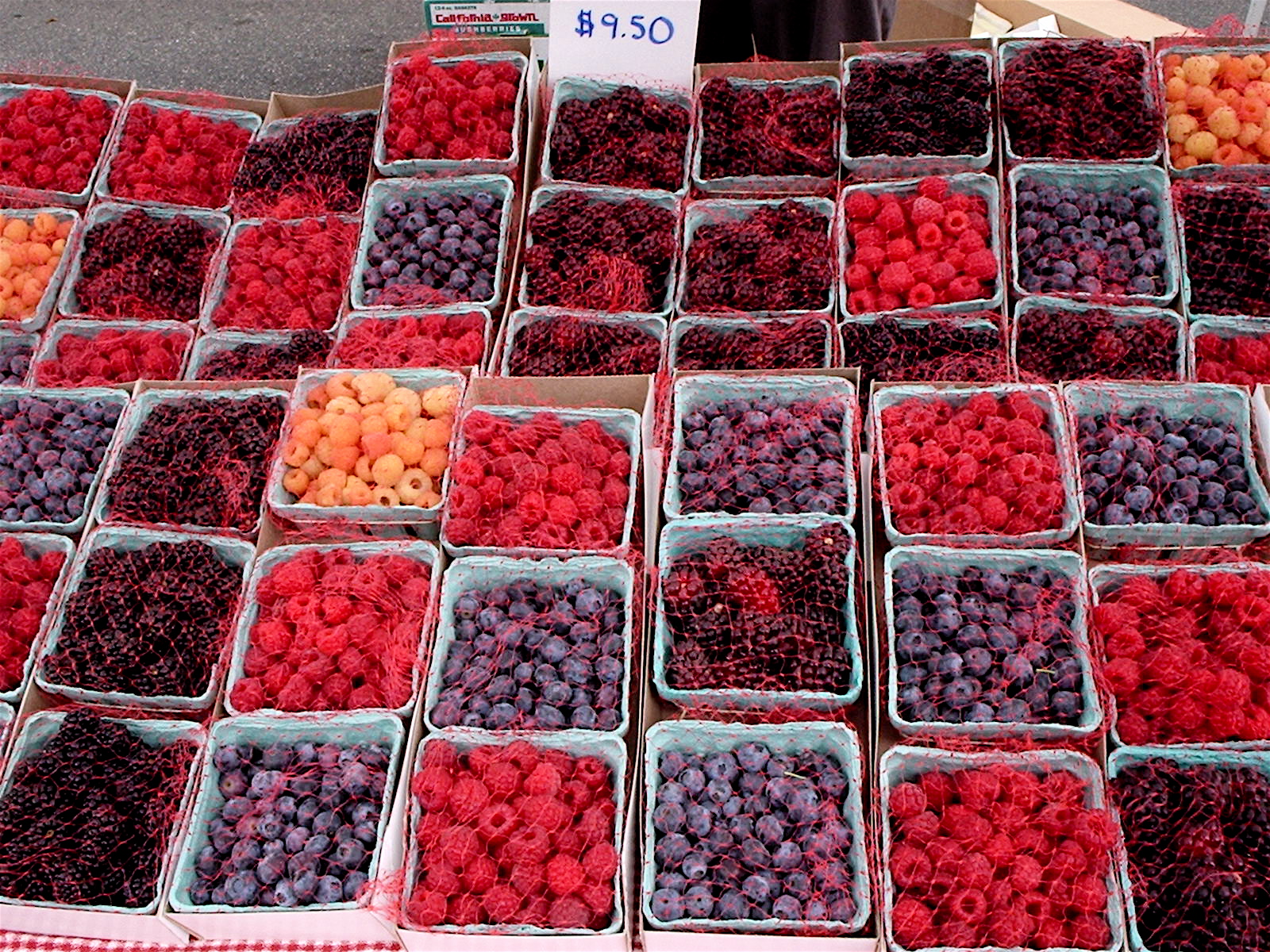
Chemical compounds produced by plants

Phytochemicals are naturally occurring chemicals present in or extracted from plants. Some phytochemicals are nutrients for the plant, while others are metabolites produced to enhance plant survivability and reproduction.
The fields of extracting phytochemicals for manufactured products or applying scientific methods to study phytochemical properties are called phytochemistry. An individual who uses phytochemicals in food chemistry manufacturing or research is a phytochemist.
The term phytochemical does not generally imply that there is any biological activity or health benefit following its consumption. Further, the bioavailability of many phytochemical metabolites appears to be low, as they are rapidly excreted from the body within minutes. Other than for dietary fiber, no non-nutrient phytochemicals have sufficient scientific evidence for providing a health benefit.
Some ingested phytochemicals may be toxic, and some may be used in cosmetics, drug discovery, or traditional medicine.
Etymology
Phytochemical derives by compounding the Ancient Greek word for plant (phytón, phyto) with chemical,
Definition
Phytochemicals are chemicals produced by plants through primary or secondary metabolism. They generally have biological activity in the plant host and play a role in plant growth or defense against competitors, pathogens, or predators. As components of plants, all individual phytochemicals make up the whole plant as it exists in nature.{{cite book|last1=Brielmann|first1=Harry L. |last2=Setzer|first2=William S. |last3= Kaufman|first3=Peter B. |last4= Kirakosyan|first4=Ara|last5=Cseke|first5=Leland J. |chapter=1 Phytochemicals The Chemical Components of Plants: 1.1 Introduction|chapter-url=https://books.google.com/books?id=wLxCEQAAQBAJ&pg=PP17|location=|editor-last1=|editor-first1= |editor-last2=|editor-first2=|title= Natural Products from Plants|url=https://books.google.com/books?id=wLxCEQAAQBAJ&q=Phytochemicals|series=|language=|volume=|edition=2nd|publication-place=|publisher=CRC Press (Taylor & Francis)|publication-date=2016 |isbn=1-040-16852-3|issn=|access-date=9 April 2025|via=}}
Phytochemicals are generally regarded as research compounds rather than essential nutrients because proof of their possible health effects has not been established yet. Phytochemicals under research can be classified into major categories, such as carotenoids and polyphenols, which include phenolic acids, flavonoids, stilbenes or lignans. and 130,000 phytochemicals have been discovered.
Phytochemists study phytochemicals by first extracting and isolating compounds from the origin plant, followed by defining their structure or testing in laboratory model systems, such as in vitro studies or in vivo studies using laboratory animals. Challenges in that field include isolating specific compounds and determining their structures, which are often complex, and identifying what specific phytochemical is primarily responsible for any given biological activity.
Further, upon consuming phytochemicals in a food entering the digestion process, the fate of individual phytochemicals in the body is unknown due to extensive metabolism in the gastrointestinal tract, producing smaller phytochemical metabolites with different biological properties from those of the parent compound, and with low bioavailability and rapid excretion. no non-nutrient phytochemical has sufficient scientific evidence in humans for an approved health claim.
History of uses

Without specific knowledge of their cellular actions or mechanisms, phytochemicals can be toxic or used in traditional medicine. For example, salicin, having anti-inflammatory and pain-relieving properties, was originally extracted from the bark of the white willow tree and later synthetically produced to become the common, over-the-counter drug, aspirin.{{Cite journal
The English yew tree was long known to be extremely and immediately toxic to animals that grazed on its leaves or children who ate its berries; however, in 1971, paclitaxel was isolated from it, subsequently becoming a cancer drug.
Functions
The biological activities for most phytochemicals are unknown or poorly understood, in isolation or as part of foods. Phytochemicals with established roles in the body are classified as essential nutrients.
The phytochemical category includes compounds recognized as essential nutrients, which are naturally contained in plants and are required for normal physiological functions, so must be obtained from the diet in humans.
Some phytochemicals are known phytotoxins that are toxic to humans; for example aristolochic acid is carcinogenic at low doses. Some phytochemicals are antinutrients that interfere with the absorption of nutrients. Others, such as some polyphenols and flavonoids, may be pro-oxidants in high ingested amounts.
Non-digestible dietary fibers from plant foods, often considered as a phytochemical, and coronary heart disease.
Phytochemical dietary supplements are neither recommended by health authorities for improving health nor are they approved by regulatory agencies for health claims on product labels.
Consumer and industry guidance
While health authorities encourage consumers to eat diets rich in fruit, vegetables, whole grains, legumes, and nuts to improve and maintain health, evidence that such effects result from specific, non-nutrient phytochemicals is limited or absent. Further, in the United States, regulations exist to limit the language on product labels for how plant food consumption may affect cancers, excluding mention of any phytochemical except for those with established health benefits against cancer, such as dietary fiber, vitamin A, and vitamin C.
Phytochemicals, such as polyphenols, have been specifically discouraged from food labeling in Europe and the United States because there is no evidence for a cause-and-effect relationship between dietary polyphenols and inhibition or prevention of any disease.
Among carotenoids such as the tomato phytochemical, lycopene, the US Food and Drug Administration found insufficient evidence for its effects on any of several cancer types, resulting in limited language for how products containing lycopene can be described on labels.
Effects of food processing
Phytochemicals in freshly harvested plant foods may be degraded by processing techniques, including cooking.{{Cite journal | hdl-access = free
A converse exists in the case of carotenoids, such as lycopene present in tomatoes, which may remain stable or increase in content from cooking due to liberation from cellular membranes in the cooked food. Food processing techniques like mechanical processing can also free carotenoids and other phytochemicals from the food matrix, increasing dietary intake.{{Cite journal | doi-access = free
In some cases, processing of food is necessary to remove phytotoxins or antinutrients; for example societies that use cassava as a staple have traditional practices that involve some processing (soaking, cooking, fermentation), which are necessary to avoid illness from cyanogenic glycosides present in unprocessed cassava.
References
References
- (2025). "Phytochemicals". Micronutrient Information Center, [[Linus Pauling Institute]], [[Oregon State University]], Corvallis, Oregon.
- (June 2020). "Terms and nomenclature used for plant-derived components in nutrition and related research: efforts toward harmonization". Nutrition Reviews.
- (29 November 2020). "Plant Metabolites: Methods, Applications and Prospects (eds Sukumaran ST et al)". Springer.
- (February 2016). "Flavonoids". Micronutrient Information Center, Linus Pauling Institute, Oregon State University, Corvallis, Oregon.
- (2007). "Phytochemicals: the good, the bad and the ugly?". Phytochemistry.
- (2008). "Publication 8313: Phytochemicals". [[University of California Cooperative Extension]].
- (October 2023). "Carotenoids". Micronutrient Information Center, Linus Pauling Institute, Oregon State University, Corvallis, Oregon.
- (February 2012). "KNApSAcK Family Databases: Integrated Metabolite–Plant Species Databases for Multifaceted Plant Research". Plant and Cell Physiology.
- (26 May 2022). "The LOTUS initiative for open knowledge management in natural products research". [[eLife]].
- (2025). "Fiber". Micronutrient Information Center, Linus Pauling Institute, Oregon State University, Corvallis, Oregon.
- [[EFSA]] Panel on Dietetic Products, Nutrition and Allergies. (2010). "Scientific Opinion on the substantiation of health claims related to various food(s)/food constituent(s) and protection of cells from premature aging, antioxidant activity, antioxidant content and antioxidant properties, and protection of DNA, proteins and lipids from oxidative damage pursuant to Article 13(1) of Regulation (EC) No 1924/20061". EFSA Journal.
- Landau E. (22 Dec 2010). "From a tree, a 'miracle' called aspirin". CNN.
- Wink, Michael. (1998). "Alkaloids: biochemistry, ecology, and medicinal applications". [[Plenum Press]].
- Timbrell, John. (2005). "The poison paradox: chemicals as friends and foes". Oxford Univ. Pr..
- Ellena, Jean-Claude. (2022). "Atlas of Perfumed Botany". [[MIT Press]].
- (April 1998). "Natural organic compounds that affect to microtubule functions.". Yakugaku Zasshi.
- (2009). "Introduction to Food Toxicology". Elsevier.
- (December 2010). "Toxicological risks of Chinese herbs.". [[Georg Thieme Verlag KG]].
- (July 2019). "Antinutrients in Plant-based Foods: A Review - 1. INTRODUCTION". [[The Open Biotechnology Journal]].
- (2007). "Dietary polyphenols: Good, bad, or indifferent for your health?". Cardiovascular Research.
- (5 January 2017). "Health claims: fiber-containing grain products, fruits, and vegetables and cancer; Title 21: Food and Drugs, Subpart E, 101.76". U.S. Food and Drug Administration.
- (5 January 2017). "Health claims: Soluble fiber from certain foods and risk of coronary heart disease (CHD); Title 21: Food and Drugs, Subpart E, 101.81". U.S. Food and Drug Administration.
- (29 July 2016). "Code of Federal Regulations, Title 21, Part 101, Food Labeleing, Subpart D, Specific Requirements for Nutrient Content Claims, Section 101.54". US Food and Drug Administration.
- (2003). "Fruits, vegetables and lung cancer: A pooled analysis of cohort studies". International Journal of Cancer.
- (9 February 2017). "Electronic Code of Federal Regulations, Title 21, Chapter I, Subchapter B, Part 101.78. Health claims: fruits and vegetables and cancer". US Government Printing Office.
- Schneeman BO. (9 July 2015). "Qualified Health Claims: Letter Regarding "Tomatoes and Prostate, Ovarian, Gastric and Pancreatic Cancers (American Longevity Petition)" (Docket No. 2004Q-0201)". Office of Nutritional Products, Labeling and Dietary Supplements, Center for Food Safety and Applied Nutrition, US Food and Drug Administration.
- (2002). "Thermal processing enhances the nutritional value of tomatoes by increasing total antioxidant activity". Journal of Agricultural and Food Chemistry.
- O L. Oke. (31 December 1990). "Roots, tubers, plantains and bananas in human nutrition". [[Food & Agriculture Organization of the United Nations]].
This article was imported from Wikipedia and is available under the Creative Commons Attribution-ShareAlike 4.0 License. Content has been adapted to SurfDoc format. Original contributors can be found on the article history page.
Ask Mako anything about Phytochemical — get instant answers, deeper analysis, and related topics.
Research with MakoFree with your Surf account
Create a free account to save articles, ask Mako questions, and organize your research.
Sign up freeThis content may have been generated or modified by AI. CloudSurf Software LLC is not responsible for the accuracy, completeness, or reliability of AI-generated content. Always verify important information from primary sources.
Report