From Surf Wiki (app.surf) — the open knowledge base
Phosphodiesterase inhibitor
Drug
Drug
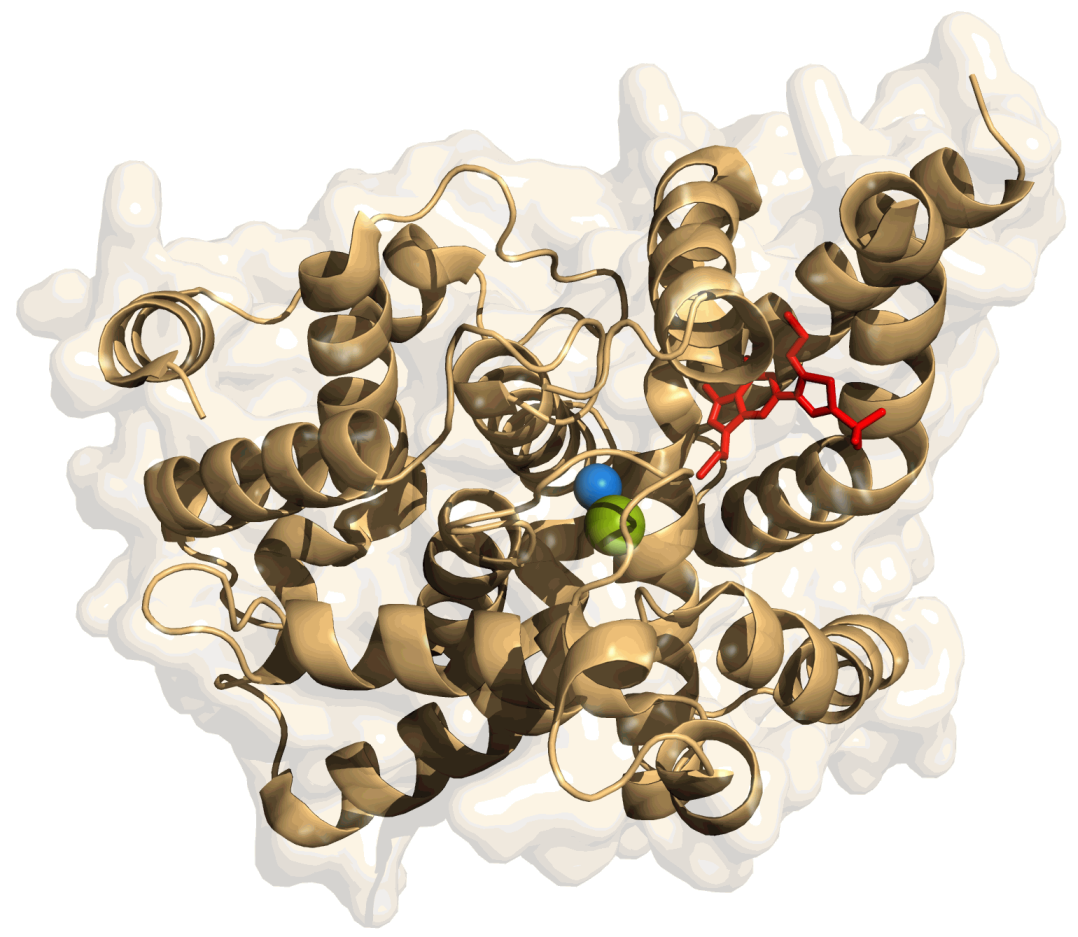
A phosphodiesterase inhibitor is a drug that blocks one or more of the five subtypes of the enzyme phosphodiesterase (PDE), thereby preventing the inactivation of the intracellular second messengers, cyclic adenosine monophosphate (cAMP) and cyclic guanosine monophosphate (cGMP) by the respective PDE subtype(s). The ubiquitous presence of this enzyme means that non-specific inhibitors have a wide range of actions, with those in the heart and lungs being some of the first to find therapeutic use.
History
The different forms or subtypes of phosphodiesterase were initially isolated from rat brains in the early 1970s and were soon afterward shown to be selectively inhibited in the brain and in other tissues by a variety of drugs. The potential for selective phosphodiesterase inhibitors as therapeutic agents was predicted as early as 1977 by Weiss and Hait. This prediction meanwhile has proved to be true in a variety of fields.
Classification
Nonselective PDE inhibitors
Methylated xanthines and derivatives:
- caffeine, a minor stimulant
- aminophylline
- IBMX (3-isobutyl-1-methylxanthine), used as investigative tool in pharmacological research
- paraxanthine
- pentoxifylline, a drug that has the potential to enhance circulation and may have applicability in treatment of diabetes, fibrotic disorders, peripheral nerve damage, and microvascular injuries
- theobromine
- theophylline, a bronchodilator Methylated xanthines act as both
- competitive nonselective phosphodiesterase inhibitors, which raise intracellular cAMP, activate PKA, inhibit TNF-alpha and leukotriene synthesis, and reduce inflammation and innate immunity and
- nonselective adenosine receptor antagonists But different analogues show varying potency at the numerous subtypes, and a wide range of synthetic xanthine derivatives (some nonmethylated) have been developed in the search for compounds with greater selectivity for phosphodiesterase enzyme or adenosine receptor subtypes.
PDE2 selective inhibitors
- EHNA (erythro-9-(2-hydroxy-3-nonyl)adenine)
- BAY 60-7550 (2-[(3,4-dimethoxyphenyl)methyl]-7-[(1R)-1-hydroxyethyl]-4-phenylbutyl]-5-methyl-imidazo[5,1-f][1,2,4]triazin-4(1H)-one)
- Oxindole
- PDP (9-(6-Phenyl-2-oxohex-3-yl)-2-(3,4-dimethoxybenzyl)-purin-6-one)
PDE3 selective inhibitors
Main article: PDE3 inhibitor
- Amrinone, milrinone and enoximone are used clinically for short-term treatment of cardiac failure. These drugs mimic sympathetic stimulation and increase cardiac output.
- Anagrelide
- Cilostazol is used in the treatment of intermittent claudication.
- Pimobendan is FDA approved for veterinary use in the treatment of heart failure in animals.
PDE3 is sometimes referred to as cGMP-inhibited phosphodiesterase.
PDE4 selective inhibitors

Main article: PDE4 inhibitor
- Mesembrenone, an alkaloid from the herb Sceletium tortuosum
- Rolipram, used as investigative tool in pharmacological research
- Ibudilast, a neuroprotective and bronchodilator drug used mainly in the treatment of asthma and stroke. It inhibits PDE4 to the greatest extent, but also shows significant inhibition of other PDE subtypes, and so acts as a selective PDE4 inhibitor or a non-selective phosphodiesterase inhibitor, depending on the dose.
- Piclamilast, a more potent inhibitor than rolipram.
- Luteolin, supplement extracted from peanuts that also possesses IGF-1 properties.
- Drotaverine, used to alleviate renal colic pain, also to hasten cervical dilatation in labor
- Roflumilast, indicated for people with severe COPD to prevent symptoms such as coughing and excess mucus from worsening
- Apremilast, used to treat psoriasis and psoriatic arthritis.
- Crisaborole, used to treat atopic dermatitis.
- Glaucine, an aporphine alkaloid, low-potency PDE4 inhibitor, calcium channel blocker, dopamine antagonist and 5-HT2A positive allosteric modulator, used as antitussive in Eastern Europe and Iceland.
PDE4 is the major cAMP-metabolizing enzyme found in inflammatory and immune cells. PDE4 inhibitors have proven potential as anti-inflammatory drugs, especially in inflammatory pulmonary diseases such as asthma, COPD, and rhinitis. They suppress the release of cytokines and other inflammatory signals, and inhibit the production of reactive oxygen species. PDE4 inhibitors may have antidepressive effects and have also been proposed for use as antipsychotics.
On October 26, 2009, the University of Pennsylvania reported that researchers at their institution had discovered a link between elevated levels of PDE4 (and therefore decreased levels of cAMP) in sleep deprived mice. Treatment with a PDE4 inhibitor raised the deficient cAMP levels and restored some functionality to hippocampus-based memory functions.
PDE5 selective inhibitors
Main article: PDE5 inhibitor
- Sildenafil, tadalafil, vardenafil, and the newer udenafil and avanafil selectively inhibit PDE5, which is cGMP-specific and responsible for the degradation of cGMP in the corpus cavernosum. These phosphodiesterase inhibitors are used primarily as remedies for erectile dysfunction, as well as having some other medical applications such as treatment of pulmonary hypertension.
- Dipyridamole also inhibits PDE5. This results in added benefit when given together with nitric oxide or statins.
PDE7 selective inhibitors
Recent studies have shown quinazoline type PDE7 inhibitor to be potent anti-inflammatory and neuroprotective agents.
PDE9 selective inhibitors
Paraxanthine, the main metabolite of caffeine (84% in humans), is another cGMP-specific phosphodiesterase inhibitor which inhibits PDE9, a cGMP preferring phosphodiesterase. PDE9 is expressed as high as PDE5 in the corpus cavernosum.
PDE10 selective inhibitors
Papaverine, an opium alkaloid, has been reported to act as a PDE10 inhibitor. PDE10A is almost exclusively expressed in the striatum and subsequent increase in cAMP and cGMP after PDE10A inhibition (e.g. by papaverine) is "a novel therapeutic avenue in the discovery of antipsychotics".
Please go ahead and add..... --
References
References
- (1971). "Multiple cyclic nucleotide phosphodiesterase activities from rat brain". Biochemistry.
- (1972). "Separation of multiple molecular forms of cyclic adenosine 3',5'-monophosphate phosphodiesterase in rat cerebellum by polyacrylamide gel electrophoresis". Biochim. Biophys. Acta.
- Weiss B. (1975). "Differential activation and inhibition of the multiple forms of cyclic nucleotide phosphodiesterase". Adv. Cycl. Nucl. Res..
- (1976). "Properties and drug responsiveness of cyclic nucleotide phosphodiesterases of rat lung". Mol. Pharmacol..
- (1977). "Selective cyclic nucleotide phosphodiesterase inhibitors as potential therapeutic agents". Annu. Rev. Pharmacol. Toxicol..
- Essayan DM.. (2001). "Cyclic nucleotide phosphodiesterases.". The Journal of Allergy and Clinical Immunology.
- (2008). "Insights into the Regulation of TNF-α Production in Human Mononuclear Cells: The Effects of Non-Specific Phosphodiesterase Inhibition". Clinics (Sao Paulo).
- (February 1999). "Pentoxifylline inhibits TNF-alpha production from human alveolar macrophages". Am. J. Respir. Crit. Care Med..
- (2005). "Leukotrienes: underappreciated mediators of innate immune responses". Journal of Immunology.
- (1987). "Adenosine receptors: development of selective agonists and antagonists". Prog Clin Biol Res.
- (July 1929). "The Synthesis of Some Alkylxanthines1,2". Journal of the American Chemical Society.
- link. (2011-08-05 , Sunshine A, Laska EM, Siegel CE, "ANALGESIC AND ANTI-INFLAMMATORY COMPOSITIONS COMPRISING XANTHINES AND METHODS OF USING SAME", granted 1989-03-22, assigned to RICHARDSON-VICKS, INC.)
- "Cosmetic compositions having a slimming action".
- (July 1986). "Analogues of caffeine and theophylline: effect of structural alterations on affinity at adenosine receptors". Journal of Medicinal Chemistry.
- (1987). "Adenosine receptors: development of selective agonists and antagonists". Progress in Clinical and Biological Research.
- (1988). "Caffeine and theophylline analogues: correlation of behavioral effects with activity as adenosine receptor antagonists and as phosphodiesterase inhibitors". Life Sciences.
- (June 1989). "Effects of 8-phenyl and 8-cycloalkyl substituents on the activity of mono-, di-, and trisubstituted alkylxanthines with substitution at the 1-, 3-, and 7-positions". Journal of Medicinal Chemistry.
- (1991). "Caffeine analogs: structure-activity relationships at adenosine receptors". Pharmacology.
- (February 1993). "Adenosine receptor-blocking xanthines as inhibitors of phosphodiesterase isozymes". [[Biochemical Pharmacology (journal).
- Daly JW. (July 2000). "Alkylxanthines as research tools". Journal of the Autonomic Nervous System.
- Daly JW. (August 2007). "Caffeine analogs: biomedical impact". Cellular and Molecular Life Sciences.
- (May 2008). "Search for new antagonist ligands for adenosine receptors from QSAR point of view. How close are we?". Medicinal Research Reviews.
- (January 2008). "Adenosine receptor antagonists: translating medicinal chemistry and pharmacology into clinical utility". Chemical Reviews.
- (2010). "Development of acute myocardial infarction in a young female patient with essential thrombocythemia treated with anagrelide: a case report". Korean J Hematol.
- (2008). "Phosphodiesterase-4 inhibition attenuates pulmonary inflammation in neonatal lung injury". Eur Respir J.
- (2009). "Luteolin, a non-selective competitive inhibitor of phosphodiesterases 1–5, displaced [(3)H]-rolipram from high-affinity rolipram binding sites and reversed xylazine/ketamine-induced anesthesia". Eur J Pharmacol.
- "Powered by Skipta technology, PharmacistSociety.com is the social network for verified Pharmacists to communicate and collaborate.".
- (1988). "Is phosphodiesterase inhibition a new mechanism of antidepressant action? A double blind double-dummy study between rolipram and desipramine in hospitalized major and/or endogenous depressives". Eur Arch Psychiatry Neurol Sci.
- (2004). "Phosphodiesterase inhibitors: a novel mechanism for receptor-independent antipsychotic medications". Neuroscience.
- (2006). "Rolipram: A specific phosphodiesterase 4 inhibitor with potential antipsychotic activity". Neuroscience.
- (2009). "Sleep deprivation impairs cAMP signaling in the hippocampus". Nature.
- (Jan 2012). "Neuroprotective efficacy of quinazoline type phosphodiesterase 7 inhibitors in cellular cultures and experimental stroke model". Eur J Med Chem.
- (October 2008). "Paraxanthine, the primary metabolite of caffeine, provides protection against dopaminergic cell death via stimulation of ryanodine receptor channels". Molecular Pharmacology.
- "Paraxanthine".
- (April 2013). "Psychostimulant pharmacological profile of paraxanthine, the main metabolite of caffeine in humans". Neuropharmacology.
- (March 2013). "Phosphodiesterase-9 (PDE9) inhibition with BAY 73-6691 increases corpus cavernosum relaxations mediated by nitric oxide–cyclic GMP pathway in mice". International Journal of Impotence Research.
- (May 2009). "Evaluating the antipsychotic profile of the preferential PDE10A inhibitor, papaverine". Psychopharmacology.
- Inhibitory Mechanism of Papaverine on Carbachol-Induced Contraction in Bovine Trachea; Takeharu Kaneda1,*, Yukako Takeuchi1, Hirozumi Matsui1, Kazumasa Shimizu1, Norimoto Urakawa1, and Shinjiro Nakajyo, Division of Veterinary Pharmacology, Nippon Veterinary and Animal Science University; http://www.jstage.jst.go.jp/article/jphs/98/3/275/_pdf{{Dead link. (May 2020)
- (1971). "Papaverine - induced inhibition of phosphodiesterase activity in various mammalian tissues". Life Sciences.
- "Archived copy".
This article was imported from Wikipedia and is available under the Creative Commons Attribution-ShareAlike 4.0 License. Content has been adapted to SurfDoc format. Original contributors can be found on the article history page.
Ask Mako anything about Phosphodiesterase inhibitor — get instant answers, deeper analysis, and related topics.
Research with MakoFree with your Surf account
Create a free account to save articles, ask Mako questions, and organize your research.
Sign up freeThis content may have been generated or modified by AI. CloudSurf Software LLC is not responsible for the accuracy, completeness, or reliability of AI-generated content. Always verify important information from primary sources.
Report