From Surf Wiki (app.surf) — the open knowledge base
Petronas Towers
Interlinked supertall skyscraper in Kuala Lumpur, Malaysia

Interlinked supertall skyscraper in Kuala Lumpur, Malaysia
| Field | Value |
|---|---|
| name | Petronas Twin Towers |
| alternate_names | Petronas Twin Towers, KLCC Twin Towers |
| native_name | |
| mapframe-zoom | 8 |
| mapframe-marker | observation-tower |
| highest_prev | Willis Tower |
| highest_next | Taipei 101 |
| highest_start | 1998 |
| highest_end | 2004 |
| location | Jalan Ampang, Kuala Lumpur, Malaysia |
| location_country | Malaysia |
| status | |
| logo | Petronas Towers Logo.svg |
| logo_size | 180 |
| image | The Twins SE Asia 2019 (49171985716) (cropped) 2.jpg |
| image_size | 250 |
| caption | The Petronas Towers at dusk, 2019 |
| groundbreaking_date | |
| start_date | |
| completion_date | |
| opened_date | |
| inauguration_date | |
| renovation_date | |
| building_type | Commercial offices and tourist attraction |
| architectural_style | Postmodern |
| architectural | 451.9 m |
| tip | 451.9 m |
| antenna_spire | 46 m |
| roof | 405.1 m |
| top_floor | 375 m (Level 88) |
| observatory | 370 m (Level 86) |
| floor_count | 88 (with 5 being underground) |
| public_transit | KLCC LRT station |
| elevator_count | 38 (each tower) |
| cost | US$1.6 billion |
| floor_area | 395000 m2 |
| architect | César Pelli, Adamson Associates Architects (as executive architect) |
| structural_engineer | Thornton Tomasetti & Ranhill Bersekutu |
| main_contractor | Tower 1: Hazama Corporation |
| Tower 2: Samsung Engineering & Construction and Kukdong Engineering & Construction | |
| City Center: B.L. Harbert International | |
| developer | KLCC Holdings Sdn Bhd |
| owner | KLCC Holdings Sdn Bhd |
| references | |
| website |
| mapframe-zoom = 8 | mapframe-marker = observation-tower Islamic architecture Tower 2: Samsung Engineering & Construction and Kukdong Engineering & Construction City Center: B.L. Harbert International
The Petronas Towers (), also known as the Petronas Twin Towers and colloquially the KLCC Twin Towers, are an interlinked pair of 88-storey supertall skyscrapers in Kuala Lumpur, Malaysia, standing at 451.9 m. From 1996 to 2004, they were the tallest buildings in the world until they were surpassed by the Taipei 101 building. The Petronas Towers remain the world's tallest twin skyscrapers, surpassing the original World Trade Center towers in New York City, and were the tallest buildings in Malaysia until 2021, when they were surpassed by Merdeka 118. The Petronas Towers are a major landmark of Kuala Lumpur, along with the nearby Kuala Lumpur Tower and Merdeka 118, and are visible in many places across the city.
History and architecture
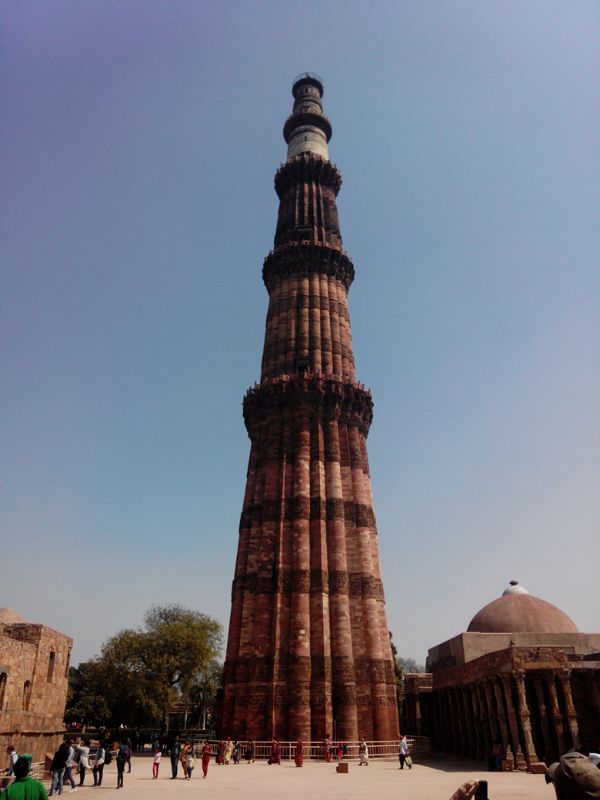
The Petronas Towers' structural system is a tube in tube design, invented by Bangladeshi-American architect Fazlur Rahman Khan. Applying a tube-structure for extremely tall buildings is a common phenomenon. The 88-floor towers are constructed largely of reinforced concrete, with a steel and glass facade designed to resemble motifs found in Islamic art, a reflection of Malaysia's Muslim religion. Another Islamic influence on the design is that the cross section of the towers is based on a Rub el Hizb, albeit with circular sectors added to meet office space requirements. The circular sectors are similar to the bottom part of the Qutb Minar.
.jpg)
The towers were designed by Argentine-American architect César Pelli. A distinctive postmodern style was chosen to create a 21st-century icon for Kuala Lumpur, Malaysia. Planning on the Petronas Towers started on 1 January 1992 and included rigorous tests and simulations of wind and structural loads on the design. Seven years of construction followed at the former site of the original Selangor Turf Club, beginning on 1 March 1993 with excavation, which involved moving 500 truckloads of earth every night to dig down 30 m below the surface. The construction of the superstructure commenced on 1 April 1994. Interiors with furniture were completed on 1 January 1996, the spires of Tower 1 and Tower 2 were completed on 1 March 1996, 3 years after its construction was started, and the first batch of Petronas personnel moved into the building on 1 January 1997. The building was officially opened by the Prime Minister of Malaysia, Tun Dr. Mahathir bin Mohamad, on 31 August 1999. The twin towers were built on the site of Kuala Lumpur's race track. It was the tallest structure in Malaysia at the time of its completion. Test boreholes found that the original construction site effectively sat on the edge of a cliff. One half of the site was decayed limestone while the other half was soft rock. The entire site was moved 61 m to allow the buildings to sit entirely on the soft rock. Because of the depth of the bedrock, the buildings were built on the world's deepest foundations. 104 concrete piles, ranging from 60 to deep, were bored into the ground. The concrete raft foundation, comprising 13200 m3 of concrete was continuously poured through a period of 54 hours for each tower. The raft is 4.6 m thick, weighs 32500 tonne and held the world record for the largest concrete pour until 2007. The foundations were completed within 12 months by Bachy Soletanche and required massive amounts of concrete.
As a result of the Malaysian government specifying that the buildings be completed in six years, two construction consortia were hired to meet the deadline, one for each tower. Tower 1, the west tower (left in the top-right photograph) was built by a Japanese consortium led by the Hazama Corporation (JA Jones Construction Co., MMC Engineering Services Sdn Bhd, Ho Hup Construction Co. Bhd and Mitsubishi Corp) while Tower 2, the east tower (right in the top-right photograph) was built by a South Korean consortium led by the Samsung C&T Corporation (Kukdong Engineering & Construction and Syarikat Jasatera Sdn Bhd).
Early into construction a batch of concrete failed a routine strength test causing construction to come to a complete halt. All the completed floors were tested but it was found that only one had used a bad batch and it was demolished. As a result of the concrete failure, each new batch was tested before being poured. The halt in construction had cost US$700,000 per day and led to three separate concrete plants being set up on the site to ensure that if one produced a bad batch, the other two could continue to supply concrete. The sky bridge contract was completed by Kukdong Engineering & Construction. Tower 2 (Samsung C&T) became the first to reach the world's tallest building at the time.
Due to the huge cost of importing steel, the towers were constructed on a cheaper radical design of super high-strength reinforced concrete. High-strength concrete is a material familiar to Asian contractors and twice as effective as steel in sway reduction; however, it makes the building twice as heavy on its foundation as a comparable steel building. Supported by 23-by-23 metre concrete cores and an outer ring of widely spaced super columns, the towers use a sophisticated structural system that accommodates its slender profile and provides 560,000 square metres of column-free office space. Below the twin towers is Suria KLCC, a shopping mall, and Petronas Philharmonic Hall, the home of the Malaysian Philharmonic Orchestra.
Notable events
- On 15 April 1999, Felix Baumgartner set the world record for BASE jumping (since broken) by jumping off a window cleaning crane on the Petronas Towers.
- Thousands of people were evacuated on 12 September 2001 after a bomb threat the day after the September 11 attacks destroyed the World Trade Center towers in New York City. Bomb disposal squads found no explosives in the towers, but they nevertheless evacuated the premises. Workers and shoppers were allowed to return three hours later, around noon. No one was hurt during the evacuation.
- On the evening of 4 November 2005, a fire broke out in the cinema complex of the Suria KLCC shopping centre below the Petronas Towers, triggering panic among patrons. There were no reports of injuries. The buildings were largely empty, except the shopping mall, Suria KLCC, because of the late hour; the only people involved were moviegoers and some diners in restaurants.
- On the morning of 1 September 2009, French urban climber Alain "Spiderman" Robert, using only his bare hands and feet and with no safety devices, scaled to the top of Tower Two in just under 2 hours after two previous efforts had ended in arrest. In his first attempt on 20 March 1997, police arrested him at the 60th floor, 28 floors away from the "summit". His second attempt, on 20 March 2007, exactly 10 years later, was also stopped on the same floor, though on the other tower.
Anchor tenants
Tower One is fully occupied by Petronas and a number of its subsidiaries and associate companies, while the office spaces in Tower Two are mostly available for lease to other companies. A number of companies have offices in Tower Two, including SapuraOMV Upstream (Sarawak) Inc., Huawei Technologies, AVEVA, Al Jazeera English, Carigali Hess, Bloomberg News, Bloomberg Television, Boeing, IBM, Khazanah Nasional Berhad, McKinsey & Co, WIPRO Limited, TCS, HCLTech, Krawler, Microsoft, The Agency (a modelling company) and Reuters.
Petronas Towers 1 & 2 Floor Plan
| Levels | Tower 1 | Tower 2 | 88 | 87 | 86 | 85 | 84M3 | 84M2 | 84M1 | 84 | 83 | 82 | 81 | 80 | 79 | 78 | 77 | 76 | 75 | 74 | 73 | 72 | 71 | 70 | 69 | 68 | 67 | 66 | 65 | 64 | 63 | 62 | 61 | 60 | 59 | 58 | 57 | 56 | 55 | 54 | 53 | 52 | 51 | 50 | 49 | 48 | 47 | 46 | 45 | 44 | 43 | 42 | 41 | 40 | 39 | 38 | 37 | 36 | 35 | 34 | 33 | 32 | 31 | 30 | 29 | 28 | 27 | 26 | 25 | 24 | 23 | 22 | 21 | 20 | 19 | 18 | 17 | 16 | 15 | 14 | 13 | 12 | 11 | 10 | 9 | 8 | 7 | 6 | 5 | 4 | 3 | 2 | 1 | Ground Level | Service Level | Concourse Level | P1 | P2 | P3 | P4 | P5 |
|---|---|---|---|---|---|---|---|---|---|---|---|---|---|---|---|---|---|---|---|---|---|---|---|---|---|---|---|---|---|---|---|---|---|---|---|---|---|---|---|---|---|---|---|---|---|---|---|---|---|---|---|---|---|---|---|---|---|---|---|---|---|---|---|---|---|---|---|---|---|---|---|---|---|---|---|---|---|---|---|---|---|---|---|---|---|---|---|---|---|---|---|---|---|---|---|---|---|---|---|---|---|
| Mechanical | |||||||||||||||||||||||||||||||||||||||||||||||||||||||||||||||||||||||||||||||||||||||||||||||||||||
| Lounge 4 | Observatory Deck | ||||||||||||||||||||||||||||||||||||||||||||||||||||||||||||||||||||||||||||||||||||||||||||||||||||
| Boardroom | Multimedia Conference Room | ||||||||||||||||||||||||||||||||||||||||||||||||||||||||||||||||||||||||||||||||||||||||||||||||||||
| Mechanical | |||||||||||||||||||||||||||||||||||||||||||||||||||||||||||||||||||||||||||||||||||||||||||||||||||||
| Lounge 2 | Lounge 3 | ||||||||||||||||||||||||||||||||||||||||||||||||||||||||||||||||||||||||||||||||||||||||||||||||||||
| Lounge 1 | Gift Shop | ||||||||||||||||||||||||||||||||||||||||||||||||||||||||||||||||||||||||||||||||||||||||||||||||||||
| Office Zone 5 | |||||||||||||||||||||||||||||||||||||||||||||||||||||||||||||||||||||||||||||||||||||||||||||||||||||
| Office Zone 4 | |||||||||||||||||||||||||||||||||||||||||||||||||||||||||||||||||||||||||||||||||||||||||||||||||||||
| Office Zone 3 | |||||||||||||||||||||||||||||||||||||||||||||||||||||||||||||||||||||||||||||||||||||||||||||||||||||
| Link Bridge & Malaysian Petroleum Club | |||||||||||||||||||||||||||||||||||||||||||||||||||||||||||||||||||||||||||||||||||||||||||||||||||||
| Conference Centre, Executive Dining Room | |||||||||||||||||||||||||||||||||||||||||||||||||||||||||||||||||||||||||||||||||||||||||||||||||||||
| Mechanical | |||||||||||||||||||||||||||||||||||||||||||||||||||||||||||||||||||||||||||||||||||||||||||||||||||||
| Office Zone 2 | |||||||||||||||||||||||||||||||||||||||||||||||||||||||||||||||||||||||||||||||||||||||||||||||||||||
| Office Zone 1 | |||||||||||||||||||||||||||||||||||||||||||||||||||||||||||||||||||||||||||||||||||||||||||||||||||||
| Mechanical | |||||||||||||||||||||||||||||||||||||||||||||||||||||||||||||||||||||||||||||||||||||||||||||||||||||
| Petrosains Discovery Centre | |||||||||||||||||||||||||||||||||||||||||||||||||||||||||||||||||||||||||||||||||||||||||||||||||||||
| Surau Al-Muhsinin & Petronas Art Gallery | |||||||||||||||||||||||||||||||||||||||||||||||||||||||||||||||||||||||||||||||||||||||||||||||||||||
| Surau Al-Muhsinin & Petronas Philharmonic Hall | |||||||||||||||||||||||||||||||||||||||||||||||||||||||||||||||||||||||||||||||||||||||||||||||||||||
| Grand Entrance & Petronas Philharmonic Hall | |||||||||||||||||||||||||||||||||||||||||||||||||||||||||||||||||||||||||||||||||||||||||||||||||||||
| Main Petronas Lobby & SURIA KLCC Mall Entrance | |||||||||||||||||||||||||||||||||||||||||||||||||||||||||||||||||||||||||||||||||||||||||||||||||||||
| Mechanical, Loading Dock, Staff Office, Control Room | |||||||||||||||||||||||||||||||||||||||||||||||||||||||||||||||||||||||||||||||||||||||||||||||||||||
| Observatory Deck Entrance, Gift Shop, Petronas Card Centre, Mesra Shop, Petronas Fitness Centre | |||||||||||||||||||||||||||||||||||||||||||||||||||||||||||||||||||||||||||||||||||||||||||||||||||||
| Motorcycle Parking | |||||||||||||||||||||||||||||||||||||||||||||||||||||||||||||||||||||||||||||||||||||||||||||||||||||
| Car Parking | |||||||||||||||||||||||||||||||||||||||||||||||||||||||||||||||||||||||||||||||||||||||||||||||||||||
| Mechanical Basement |
(the given chart is the floor arrangement according to the level arrangement.)
Suria KLCC Mall Floor Plan
| Levels | Ampang Mall | Centre Court | Ramlee Mall | L5 | L4 | L3 | L2 | L1 | Ground Floor | Concourse Floor | P1 | P2 | P3 | P4 | P5 |
|---|---|---|---|---|---|---|---|---|---|---|---|---|---|---|---|
| Petrosains Gallery & Kinokuniya | |||||||||||||||
| Mall & ISETAN | Petrosains Gallery & Kinokuniya | Mall & F&B | |||||||||||||
| Mall & TGV Cinemas & ISETAN | Mall & TGV Cinemas | ||||||||||||||
| Mall & Food Court & ISETAN | Mall & Food Court | ||||||||||||||
| Mall & F&B Outlet & ISETAN | Mall & F&B Outlet | ||||||||||||||
| Mall & ISETAN & Ampang Entrance | Mall & KLCC Park & Main Entrance | Mall & F&B Outlet & Ramlee Entrance | |||||||||||||
| LRT Link & Mall & ISETAN | Event Space & Cold Storage & Mall | Mall & F&B Outlet & Banks & Petronas Tower 3 Link. | |||||||||||||
| Motorcycle Parking | |||||||||||||||
| Car Parking | |||||||||||||||
| Mechanical Basement |
Features
Suria KLCC
Main article: Suria KLCC
Suria KLCC is a 140000 m2 upscale retail center at the foot of the Petronas Towers. It features mostly foreign luxury goods and high-street labels. Its attractions include an art gallery, an underwater aquarium and also a Science center. Boasting approximately 300 stores, Suria KLCC is touted as one of the largest shopping malls in Malaysia. The Petronas Philharmonic Hall, also built at the base of the towers, is frequently associated with Suria KLCC's floorspace. During holidays or celebration days, Suria KLCC is the top spot to see the decorations especially at the main entrances and also in Centre Court. It also promotes the uniqueness and beauty of Malaysia's cultural diversity towards the visitors.
File:Inside View of Petronas.jpg|Inside View of Suria KLCC Shopping Centre File:Suria KLCC 2012.JPG|Inside the Suria KLCC File:2016 Kuala Lumpur, Park KLCC i Suria KLCC (cropped).jpg|Entrance of Suria KLCC File:Kampung House decoration at Suria KLCC's centre court for Hari Raya.jpg|Kampung House decoration at Suria KLCC's centre court for Hari Raya File:Deepavali decoration at Suria KLCC.jpg|Deepavali decoration at Suria KLCC's centre court File:Christmas decoration at Suria KLCC's centre court.jpg|Christmas decoration at Suria KLCC's centre court File:Chinese New Year decoration at Suria KLCC's centre court.jpg|Chinese New Year decoration at Suria KLCC's centre court File:The Tallest Giant "Ketupat" Decoration Replica in Malaysia!.jpg|The Tallest Giant "Ketupat" Decoration for Raya at Suria KLCC File:Kuala Lumpur Twin Towers(2023).jpg|Suria KLCC's entrance with a giant Christmas tree
KLCC Park
Main article: KLCC Park

Spanning 17 acre below the building is the KLCC Park with jogging and walking paths, a fountain with incorporated light show, wading pools, and a children's playground.
Skybridge
The towers feature a double decker skybridge connecting the two towers on the 41st and 42nd floors, holding the record for the highest 2-story bridge in the world. The skybridge also functions as a crucial design feature facilitating movement between the two towers during high winds. The bridge is 170 m above the ground and 58.4 m long, weighing 750 tonne. The same floor is also known as the podium, since visitors going to higher levels have to change elevators here. Dynamic analyses were performed and iterated to support the final design by studying the structural behavior of the twin towers to time-varying loads such as earthquakes and wind. The skybridge is open to all visitors, but tickets are limited to about 1,000 people per day, with around half available to be purchased online, and the other half obtained on a first-come, first-served basis. Petronas began selling tickets in 2010, eliminating free visits. Visitors can choose to opt for package one which is just a visit to the skybridge or go for package two to go to the skybridge and all the way to level 86. Visitors are only allowed on the 41st floor as the 42nd floor can only be used by the tenants of the building.
The skybridge also acts as a safety device, so that in the event of a fire or other emergency in one tower, tenants can evacuate by crossing the skybridge to the other tower. The total evacuation triggered by a bomb hoax on 12 September 2001 (the day after the September 11 attacks destroyed the twin towers of the World Trade Center in New York City) showed that the bridge would not be useful if both towers need to be emptied simultaneously, as the capacity of the staircases was insufficient for such an event. Plans thus call for the lifts to be used if both towers need to be evacuated, and a successful drill following the revised plan was conducted in 2005.
There is a two hinged arch that supports the skybridge with arch legs, each 51 m long, that are bolted to level 29 of each of the towers. After being constructed on the ground, the skybridge was lifted into place on the towers over a period of three days in July 1995. Residing on the 41st and 42nd floors, the skybridge connects a conference room, an executive dining room and a prayer room.
File:Skybridge petronas twin towers kl.jpg|A skybridge connects the two towers File:SkyBridge.JPG|An inside view of the skybridge File:KLCC skybridge view.jpg|View to the northwest from the Petronas Towers skybridge, including the shadow of Tower 1 and the skybridge, and the Public Bank Berhad building
Lift system
The main bank of lifts is located in the centre of each tower. All main lifts are double-decker with the lower deck of the lift taking passengers to even-numbered floors and upper deck to odd-numbered floors. To reach an odd-numbered floor from ground level, passengers must take an escalator to the upper deck of the lift.
There are 29 double-deck passenger elevators, but there are different sets that service certain floors of the towers, specifically two sets of six of these double-deck passenger elevators to floors 1–23 and 1–37 respectively. Another set of 5 passenger lifts transport passengers to the 41st and 42nd floors where they can switch lifts to reach the upper zones of the buildings, each double-deck passenger lift with the capacity of 52 passengers or, 26 passengers per deck. There are also 6 heavy-duty elevators for utility.
The lift system information of the Petronas Towers (does not include Suria KLCC Mall)
- PL7A-PL7D (Tower 1) & PL8A-PL8D (Tower 2) (Parking & Podium Passenger Lift): P4,P3,P2,P1,C,G,1-4 (PL7A & PL8A non-stop at level 2M)
- SL6 (Tower 1) & SL7 (Tower 2) (Parking & Podium Service Lift): P5-P1, 1, 2, 2M, 3–5 (SL7 non-stop at level 2M)
- PL14 (Tower 1) & PL15 (Tower 2) (Concert Passenger Lift): G,2,2M,3,4.
- A1-A6 (Tower 1) & A7-A12 (Tower 2) (Bank A Passenger Lift): G,M,8-23.
- B1-B6 (Tower 1) & B7-B12 (Tower 2) (Bank B Passenger Lift): G,M,23–37.
-
- (Tower 1) & - (Tower 2) (Conference Shuttle Lift): 36,37,40–43.
- C1-C6 (Tower 1) & C7-C12 (Tower 2) (Bank C Passenger Lift): 41,42,44–61.
- D1-D3 (Tower 1) & D4-D6 (Tower 2) (Bank D Passenger Lift): 41, 42,61,69–83.
- E1-E3 (Tower 1) & E4-E6 (Tower 2) (Bank E Passenger Lift): 41,42,61–73.
- TE1-TE2 (Tower 1) & TE3-TE4 (Tower 2) (Upper Level Passenger Lift): 83,85,86.
-
- (Tower 1) & - (Tower 2) (Shuttle Lift): G,41,42.
- S1-S2 (Tower 1) & S4-S5 (Tower 2) (Service Lift): P1,C,G,2–6,8–38,40–84.
- S3 (Tower 1) & S6 (Tower 2) (Lower Level Service Lift): P1,C,G,2–6,8–37.
- F1-F2 (Tower 1) & F3-F4 (Tower 2) (Fireman Service Lift): P1,C,CM,G,1–6,8–38,40–84,84M1,84M2,85,86. (F1 & F3 non-stop at Level 1)
Service building
The service building is to the east of the Petronas Towers and contains the chiller plant system and the cooling towers to keep the Petronas Towers at a comfortable temperature.
Ticketing system
In order to visit the Petronas Towers, visitors must first purchase tickets.
In popular culture
- The towers are prominently featured and mentioned by name in the 1999 film Entrapment, with numerous scenes filmed at the towers, with the climax set on the skybridge. CGI was used to add slums to the bottom of the towers.
- The towers appear in the first episode of the US TV series 24.
- Several scenes of the Bollywood film Don: The Chase Begins Again were also filmed in the Petronas Towers and its skybridge.
- In Part 1 of the Phineas and Ferb episode "Phineas and Ferb Save Summer!", the towers are visible during the musical number "Summer All Over the World".
- Eidos Interactive has twice used the towers for inspiration in their video games. In the 2002 Hitman 2: Silent Assassin, the Malaysia-based levels Basement Killing, The Graveyard Shift, and The Jacuzzi Job all take place in the Petronas Towers. In 2010's Just Cause 2, the fictional Panau Falls Casino is based on the Petronas Towers.
- A 2002 episode of the animated series Jackie Chan Adventures titled "When Pigs Fly" (Season 3, Episode 6), features the towers.
- A 2002 episode of The Amazing Race 3 ("Why Did You Have to Take Your Pants Off?!") featured the Petronas Towers as part of a task in which the competing team had to have their photograph taken in front of the towers. The towers were seen again 21 seasons later on an episode of The Amazing Race 24 ("Smarter, Not Harder").
- The towers made an appearance in the animated series Totally Spies! in an episode titled "Man or Machine".
- The opening of the 2010 film Fair Game had scenes with the twin towers along with the skyline of Kuala Lumpur.
- A number of scenes for the 2012 Hong Kong-Chinese action film Viral Factor included shots of the twin towers.
- In the 2016 film Independence Day: Resurgence, the towers are dropped onto the London Tower Bridge by aliens, with a character commenting: "They like to get the landmarks".
- In the 2009 History Channel original program Life After People, the towers make an appearance in the episode titled "Bound and Buried", and it is stated that the towers would survive approximately 500 years without human maintenance, eventually collapsing from the weathering and erosion of Malaysia's tropical climate.
- The towers are seen on the cover of the 2005 album Controversy Loves Company by American pop punk band The Audition.
- The towers make an appearance in episode 46 of anime Jujutsu Kaisen as a means of shelter for Mei Mei and Ui Ui after escaping an offscreen battle with Kenjaku.
- The towers make an appearance in the 2020 film Bloodshot; Rising Spirit Technologies (RST) is stationed in Kuala Lumpur.
- The towers appear in the opening scene in Thunderbolts*.
Gallery
File:The Twins SE Asia 2019 (49171985716).jpg|The Petronas Towers with their surroundings in December 2019 File:Petronas Towers at night (7025662613).jpg|Night view of the Petronas Towers and the surrounding KLCC business district File:Petronas Towers, Kuala Lumpur (3323152170).jpg|At night from twenty-ninth floor of the Traders Hotel File:Petronas Towers at Night - from the base upwards.jpg|Looking up from the base at night with a Malaysian flag banner File:Petronas Towers at sunset.JPG|Petronas Towers in Kuala Lumpur, Malaysia at sunset File:Petronas Twin Towers, Kuala Lumpur.jpg|Night image of the Petronas Towers in Kuala Lumpur, taken from behind File:Petronas Towers.JPG|View of Tower 2 from the ground File:Petronas Tower spire.JPG|One of the Petronas Towers' spires File:Architecture 2 (51855782247).jpg|The Petronas Towers lit in pink for breast cancer awareness in 2014 File:Inside View of Festival Time.jpg|Inside view of Festival Time at Petronas Twin Towers File:Petronas Twin Towers in Kuala Lumpur (2) (10498382174).jpg|The Petronas Towers from their bases File:Petronas Twin Towers in Kuala Lumpur (1) (10498571923).jpg|Detailed view from one of the towers File:KLCC illuminated at night.jpg|The Petronas Towers illuminated at night, with clouds briefly surrounding the towers File:Petronas Twin Towers, Kuala Lumpur, Malaysia (61).jpg|Inside the Petronas Tower 2's observation deck at level 86 File:Petronas towers merdeka24.jpg|The Petronas Towers illuminated with the colours of the Malaysian flag in Independence day File:Portrait of Petronas Twin Towers skyline and palm tree shadows.jpg|Portrait of Petronas Twin Towers skyline and palm tree shadows
References
References
- "Petronas Towers 1".
- (6 August 2013). "25 World-Famous Skyscrapers".
- "Emporis building complex ID 100172". [[Emporis]].
- {{glasssteelandstone. 191
- {{skyscraperpage. 22
- {{structurae. 20000053
- (2010). "Tall Buildings in Numbers".
- (1997). "Structures in the New Millennium: Proceedings of the Fourth International Kerensky Conference on Structures in the New Millennium, Hong Kong, 3–5 September 1997". A. A. Balkema.
- Koppen, Paul. "Pudong and Shanghai World Financial Center".
- "Know About".
- (2002). "Local Cultures and the "New Asia": The State, Culture, and Capitalism in Southeast Asia". Institute of Southeast Asian Studies.
- Moskal, Greg. (2004). "Modern Buildings: Identifying Bilateral and Rotational Symmetry". Rosen Classroom.
- Galal Abada. (2004). "Petronas Office Towers".
- Sebestyén, Gyula. (1998). "Construction: Craft to Industry". Taylor & Francis.
- (1998). "100 of the World's Tallest Buildings". Images Publishing.
- National Geographic Channel International / Caroline Anstey (2005), ''Megastructures: Petronas Twin Towers''
- (November 1996). "The Taller the Deeper". ASCE.
- (18 March 2010). "Detailed Structural Analysis".
- Wells, Matthew. (2005). "Skyscrapers: Structure and Design". Laurence King Publishing.
- "Information Malaysia." (2005). Berita Publ. Sdn. Bhd.
- Taranath, Bungale S.. (2004). "Wind and Earthquake Resistant Buildings: Structural Analysis and Design". CRC Press.
- Crerar, Simon. (15 October 2012). "Planes, Caves and Skyscrapers Among Fearless Skydiver Felix Baumgartner's Fabulous Feats".
- "Petronas Towers (451 Meters), Malaysia". Felix Baumgartner.
- Yoong, Sean. (12 September 2001). "World's Tallest Towers, IBM Building in Malaysia Evacuated After Threats". Lubbock Online: The Avalanche Journal.
- (4 November 2005). "Fire Forces Evacuation at Malaysia Towers". CBS News.
- (1 September 2009). "'Spiderman' Scales Malaysia Tower". BBC News.
- (20 March 2007). "'Spiderman' Has Another Go at Twin Tower". The Star Online.
- Sheela Chandran. (25 August 2005). "Documentary on the Petronas Twin Towers". The Star (Malaysia).
- (26 October 2015). "Petronas Towers and KLCC: Urban Catalyst". Council on Tall Buildings and Urban Habitat.
- (2003). "Malaysia, Singapore and Brunei". Rough Guides.
- Frankham, Steve. (2008). "Malaysia and Singapore". Footprint Travel Guides.
- Moskal, Greg. (2004). "Modern Buildings: Identifying Bilateral and Rotational Symmetry and Transformations". i Rosen Classroom.
- (2005). "Structural Health Monitoring 2005: Advancements and Challenges for Implementation". DEStech Publications.
- Chalhoub, Michel Soto. (1990). "Dynamic Analysis and Design of KLCC Twin Towers for Seismic and Wind Loads".
- (25 October 2010). "The Petronas Towers Skybridge".
- (2008). "Borneo". Lonely Planet.
- (2005). "The Skybridge as an Evacuation Option for Tall Buildings for Highrise Cities in the Far East". Journal of Applied Fire Science.
- (12 September 2001). "World's Tallest Towers in Malaysia Evacuated After Threats". People's Daily.
- "The Petronas Twin Towers Official Website".
- Wheeler, Mark. (May 1996). "The World's Tallest Building".
- (25 October 2010). "Petronas Towers Lift System".
- (22 June 1999). "Entrapment Rapped by Malaysian PM". BBC News.
- (26 December 2012). "Hitman 2 Silent Assassin Prima Official eGuide". Scribd.com.
- Balderas, Christopher. (30 August 2018). "20 of the Sickest Places Featured on The Amazing Race (That We Can Visit Too)".
- Kwiatkowski, Elizabeth. (17 March 2014). "'The Amazing Race: All-Stars' "Newlyweds" Team Brendon Villegas and Rachel Reilly Survive Non-Elimination Leg".
- (3 May 2017). "5 Hollywood Films Shot in Malaysia! Do You Know Them All?".
- "The Viral Factor".
- James Sivalingam. (23 April 2016). "Petronas Twin Towers Features in Independence Day Sequel.. But It's Not Good News". New Straits Times.
This article was imported from Wikipedia and is available under the Creative Commons Attribution-ShareAlike 4.0 License. Content has been adapted to SurfDoc format. Original contributors can be found on the article history page.
Ask Mako anything about Petronas Towers — get instant answers, deeper analysis, and related topics.
Research with MakoFree with your Surf account
Create a free account to save articles, ask Mako questions, and organize your research.
Sign up freeThis content may have been generated or modified by AI. CloudSurf Software LLC is not responsible for the accuracy, completeness, or reliability of AI-generated content. Always verify important information from primary sources.
Report