From Surf Wiki (app.surf) — the open knowledge base
Personal life
Course or state of an individual's life
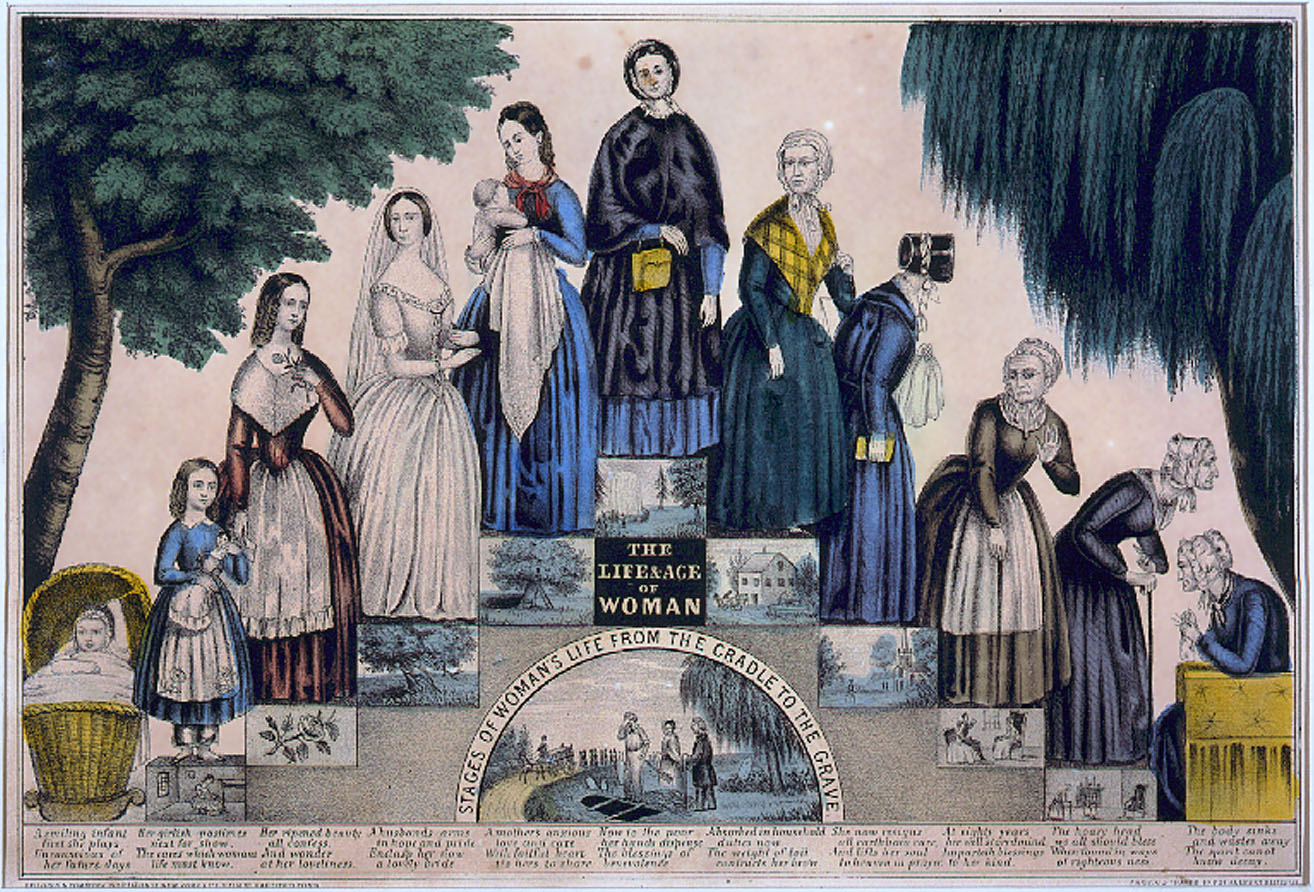
Course or state of an individual's life
Personal life is the course or state of an individual's life, especially when viewed as the sum of personal choices contributing to one's personal identity.
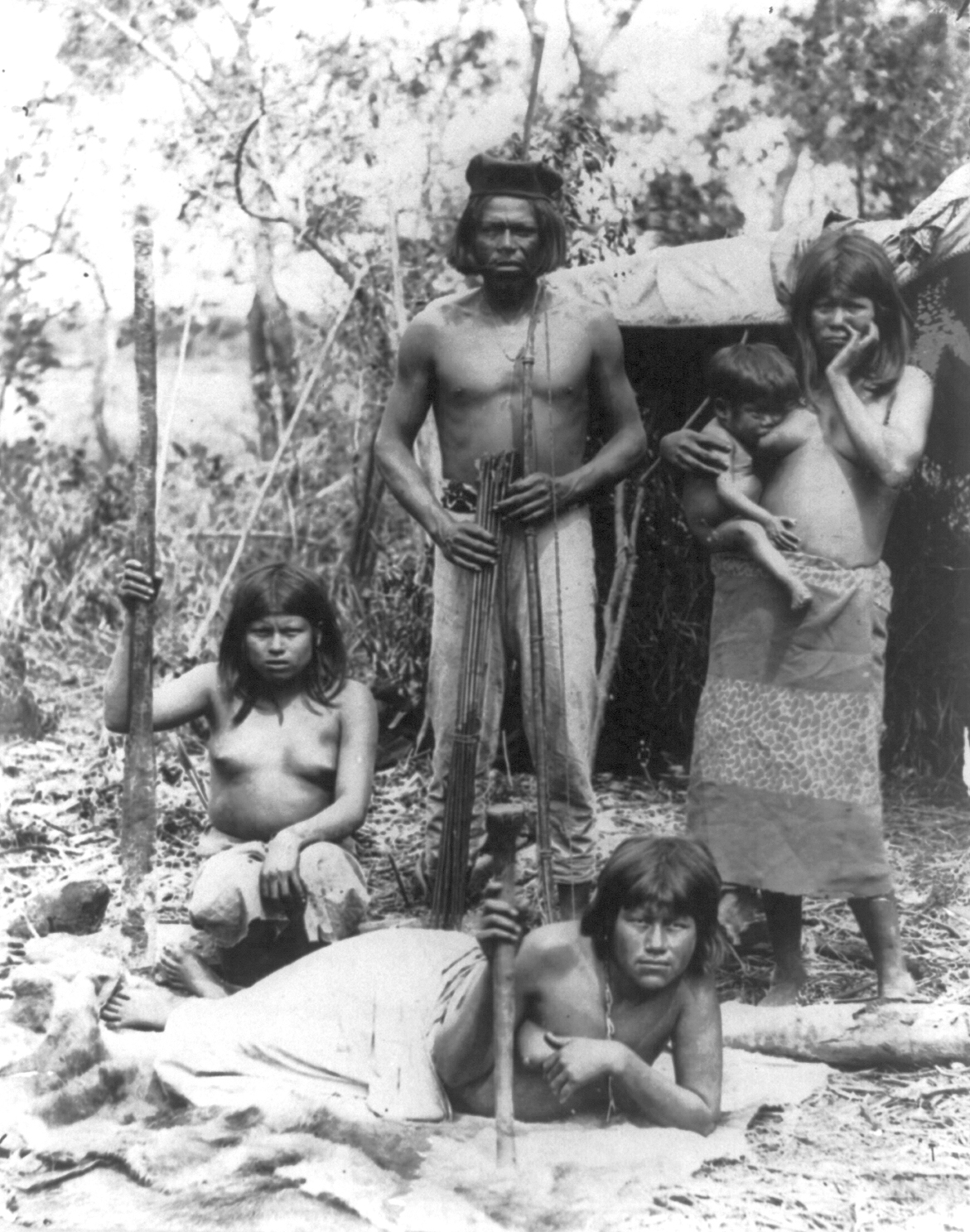
Apart from hunter-gatherers, most pre-modern peoples' time was limited by the need to meet necessities such as food and shelter through subsistence farming; leisure time was scarce. | editor1-last = Cameron | editor1-first = Samuel People identified with their social role in their community and engaged in activities based on necessity rather than on personal choice. Privacy in such communities was rare.
The modern conception of "personal life" is an offshoot of modern Western society. Modern people tend to distinguish their work activities from their personal life and may seek work–life balance. | author-link1 = Matthew Kelly (speaker) It is a person's choices and preferences outside of work that define personal life, including one's choice of hobbies, cultural interests, manner of dress, mate, friends, and so on. In particular, what activities one engages in during leisure-time defines a person's personal life. Religious authorities, moralists, managers and personal-development gurus have seized on the concept of an individual life as a fulcrum for potential control and manipulation. | editor1-last = Woodhead | editor1-first = Linda | editor1-link = Linda Woodhead | editor2-last = Winter | editor2-first = Norman | author-link1 = William Ritchie Sorley | publication-date = 2012 | author-link1 = Roy Eugene Davis | publication-date = 1997
People in Western countries, such as the United States and Canada, tend to value privacy. Privacy includes both information privacy and decisional privacy; people expect to be left alone with respect to intimate details of their life and they expect to be free from undue control by others.
History
In the past, before modern technology largely alleviated issues of economic scarcity in industrialised countries, most people spent a large portion of their time attempting to provide their basic survival needs, including water, food, and protection from the weather. Humans needed survival skills for the sake of both themselves and their community; food needed to be harvested and shelters needed to be maintained. There was little privacy in a community, and people identified one another according to their social role. Jobs were assigned out of necessity rather than personal choice.
Furthermore, individuals in many ancient cultures primarily viewed their self-existence under the aspect of a larger social whole, often one with mythological underpinnings which placed the individual in relation to the cosmos. People in such cultures found their identity not through their individual choices—indeed, they may not have been able to conceive a choice which was purely individual. Such individuals, if asked to describe themselves, would speak of the collective of which they were part: the tribe, the Church, the nation. Even in the 21st century, survival issues dominate in many countries and societies. For example, the continents of Africa and Asia are still largely mired in poverty and third-world conditions, without technology, secure shelter, or reliable food sources. In such places, the concepts of a "personal life", "self-actualization", "personal fulfillment", or "privacy" are often unaffordable luxuries.
The English philosopher John Locke (1632–1704) figures among the pioneers in discussing the concept of individual rights. In the 17th century he promoted the natural rights of the individual to life, liberty, and property, and included the pursuit of happiness as one of the individual's goals.
Sociology
The notion of a personal life, as currently understood in the west is in part an artefact of modern Western society. People in the United States of America, especially, place a high value on privacy. Since the colonial period, commentators have noted Americans' individualism and their pursuit of self-definition. Compare: {{cite book | author-link1 = James T. Schleifer | chapter-url = https://books.google.com/books?id=poDsymzIrDoC | access-date = 8 August 2016 Indeed, the United States Declaration of Independence and the Constitution explicitly raise the pursuit of happiness and the expectation of privacy to the level of rights.
George Lakoff sees the metaphor of life as "a journey" as a noteworthy structuring idea in "our culture". | author-link1 = George Lakoff | editor1-last = Ortony | editor1-first = Andrew | chapter-url = https://books.google.com/books?id=QiJRvuXA_VcC | publication-date = 1993 | access-date = 8 August 2016 Compare the traditional Chinese concept of tao.
In modern times, many people have come to think of their personal lives as separate from their work. |url-access= registration |quote= work leisure. |isbn= 978-1-4129-0386-8 This 9 to 5 paradigm regards work and recreation as distinct; one is either on the job or not, and the transition is abrupt. Employees have certain hours they are bound to work, and work during recreational time is rare. This may reflect the continuing specialisation of jobs and the demand for increased efficiency, both at work and at home. The common phrase "Work hard, play hard" illustrates this mindset. There is a growing trend, however, towards living more holistically and minimising such rigid distinctions between work and play, in order to achieve an "appropriate" work–life balance.
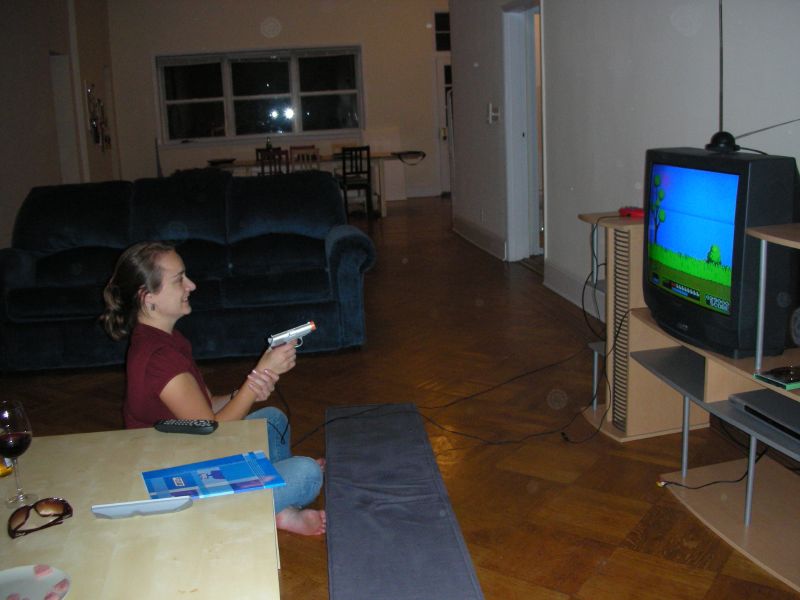
The concept of personal life also tends to be associated with the way individuals dress, the food they eat, their schooling and further education as well as their hobbies, leisure activities, and cultural interests. Increasingly, in the developed world, a person's daily life is also influenced by leisure-time use of consumer electronics such as televisions, computers and the Internet, mobile phones and digital cameras. |access-date= 26 February 2011
Other factors affecting personal life include individuals' health, personal relationships, pets as well as home and personal possessions.
Leisure activities

The way in which individuals make use of their spare time also plays an important role in defining their personal lives. In general, leisure activities can be categorised as either passive, in cases when no real effort is required, or active, when substantial physical or mental energy is needed.
Passive activities include watching television, listening to music, watching sports activities or going to the cinema. The individual simply relaxes without any special effort.
Active activities may be more or less intensive ranging from walking, through jogging and cycling to sports such as tennis or football. Playing chess or undertaking creative writing might also be considered as demanding as these require a fair amount of mental effort.
Based on 2007 data, a US survey on use of leisure time found that the daily use of leisure time by individuals over 15 averaged 4.9 hours. Of this, more than half (2.6 hours) went on watching TV while only 19 minutes involved active participation in sports and exercise.
Privacy

Privacy has been understood as entailing two different concepts; namely informational privacy and decisional privacy. The former concerns the right to be left alone in respect of the most intimate details of one's personal life and is a more accepted doctrine than the latter which concerns freedom from undue regulation and control.
References
References
- (2010). "Choices and Constraints in Family Life". Oxford University Press.
- Van Loon, Hendrik. (1921). "The Story of Mankind". Boni and Liveright, Inc..
- Gupta, Anil K.. (10 July 2004). "Origin of agriculture and domestication of plants and animals linked to early Holocene climate amelioration". Current Science.
- Barnard, Alan J.. (2004). "Hunter-gatherers in history, archaeology and anthropology". Berg Publishers.
- "Why did anthropologists get interested in peasants?". University of Kent at Canterbury.
- Percy, Walker. (2000). "Lost in the cosmos: the last self-help book". Macmillan.
- (1991). "The Gender reader". Allyn and Bacon.
- Maslow, A. H.. (1943). "A Theory of Human Motivation". Psychological Review.
- de Tocqueville, Alexis. (1840). "Democracy in America". Saunders and Otley.
- Stebbins, Robert A.. (November 2002). "Choice and Experiential Definitions of Leisure". LSA Newsletter.
- "Leisure Time on an Average Day". Bureau of Labor Statistics.
- Kumar, Krishna. (997). "Public and private in thought and practice : perspectives on a grand dichotomy". The University of Chicago Press.
This article was imported from Wikipedia and is available under the Creative Commons Attribution-ShareAlike 4.0 License. Content has been adapted to SurfDoc format. Original contributors can be found on the article history page.
Ask Mako anything about Personal life — get instant answers, deeper analysis, and related topics.
Research with MakoFree with your Surf account
Create a free account to save articles, ask Mako questions, and organize your research.
Sign up freeThis content may have been generated or modified by AI. CloudSurf Software LLC is not responsible for the accuracy, completeness, or reliability of AI-generated content. Always verify important information from primary sources.
Report