From Surf Wiki (app.surf) — the open knowledge base
Panthenol
Organic compound, provitamin
Organic compound, provitamin
| NFPA-H = 1 | NFPA-F = 1 | NFPA-R = 0
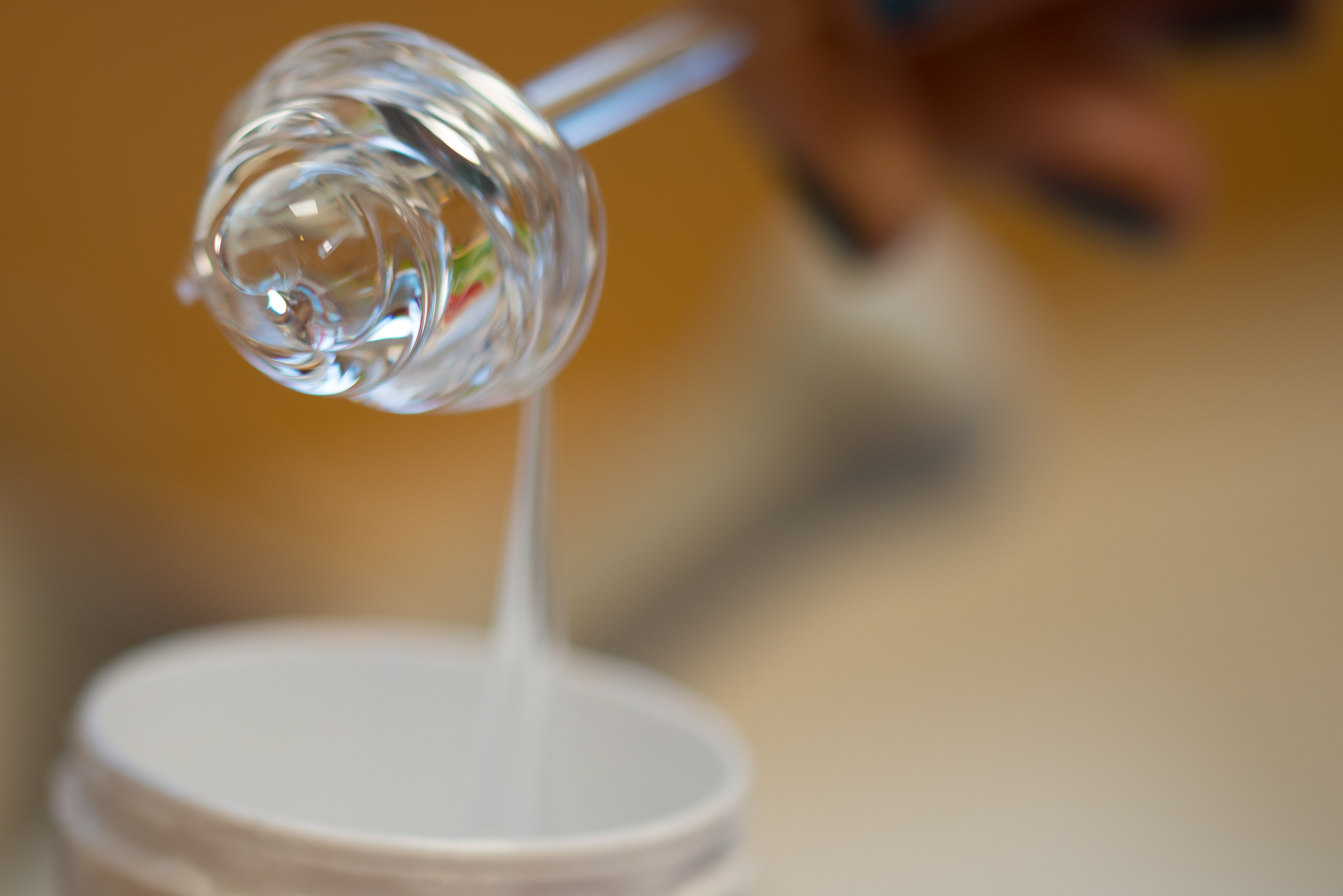
Panthenol (also called pantothenol) is the alcohol analog of pantothenic acid (vitamin B5), and is thus a provitamin of B5. In organisms, it is quickly oxidized to pantothenic acid. It is a viscous transparent liquid at room temperature. Panthenol is used in pharmaceutical and children's products as a moisturizer and to hasten wound healing.
Adverse effects
Panthenol is generally well-tolerated. In rare cases, skin irritation causing contact dermatitis and contact allergies have been reported.
Pharmacology
Panthenol readily penetrates into the skin and mucous membranes (including the intestinal mucosa), where it is quickly oxidized to pantothenic acid. Pantothenic acid is extremely hygroscopic. It is also used in the biosynthesis of coenzyme A, which plays a role in a wide range of enzymatic reactions and in cell growth.
Physical and chemical properties
Panthenol is an odourless, slightly bitter, highly viscous, transparent, and colourless liquid at room temperature, but salts of pantothenic acid (for example sodium pantothenate) are powders that are typically white. It is easily soluble in water and alcohol, moderately soluble in diethyl ether, soluble in chloroform (1:100), in propylene glycol, and slightly soluble in glycerin.
Panthenol's expanded chemical formula is HO–CH2–C(CH3)2–CH(OH)–CONH–CH2CH2CH2–OH.
Stereochemistry
Panthenol comes in two enantiomers: D, and L. Only D-panthenol (dexpanthenol) is biologically active, however both forms have moisturizing properties. For cosmetic use, panthenol comes either in D form, or as a racemic mixture of D and L (DL-panthenol).
References
References
- (25 March 2005). "Dexpanthenol – Compound summary". National Center for Biotechnology Information.
- (2002). "Topical use of dexpanthenol in skin disorders". American Journal of Clinical Dermatology.
- (1991). "Arzneistoff-Profile". Govi Pharmazeutischer Verlag.
- (2015). "Austria-Codex". Österreichischer Apothekerverlag.
- (1969). "Hagers Handbuch der pharmazeutischen Praxis". Springer.
This article was imported from Wikipedia and is available under the Creative Commons Attribution-ShareAlike 4.0 License. Content has been adapted to SurfDoc format. Original contributors can be found on the article history page.
Ask Mako anything about Panthenol — get instant answers, deeper analysis, and related topics.
Research with MakoFree with your Surf account
Create a free account to save articles, ask Mako questions, and organize your research.
Sign up freeThis content may have been generated or modified by AI. CloudSurf Software LLC is not responsible for the accuracy, completeness, or reliability of AI-generated content. Always verify important information from primary sources.
Report