From Surf Wiki (app.surf) — the open knowledge base
Outline of chocolate
Food produced from cacao seeds
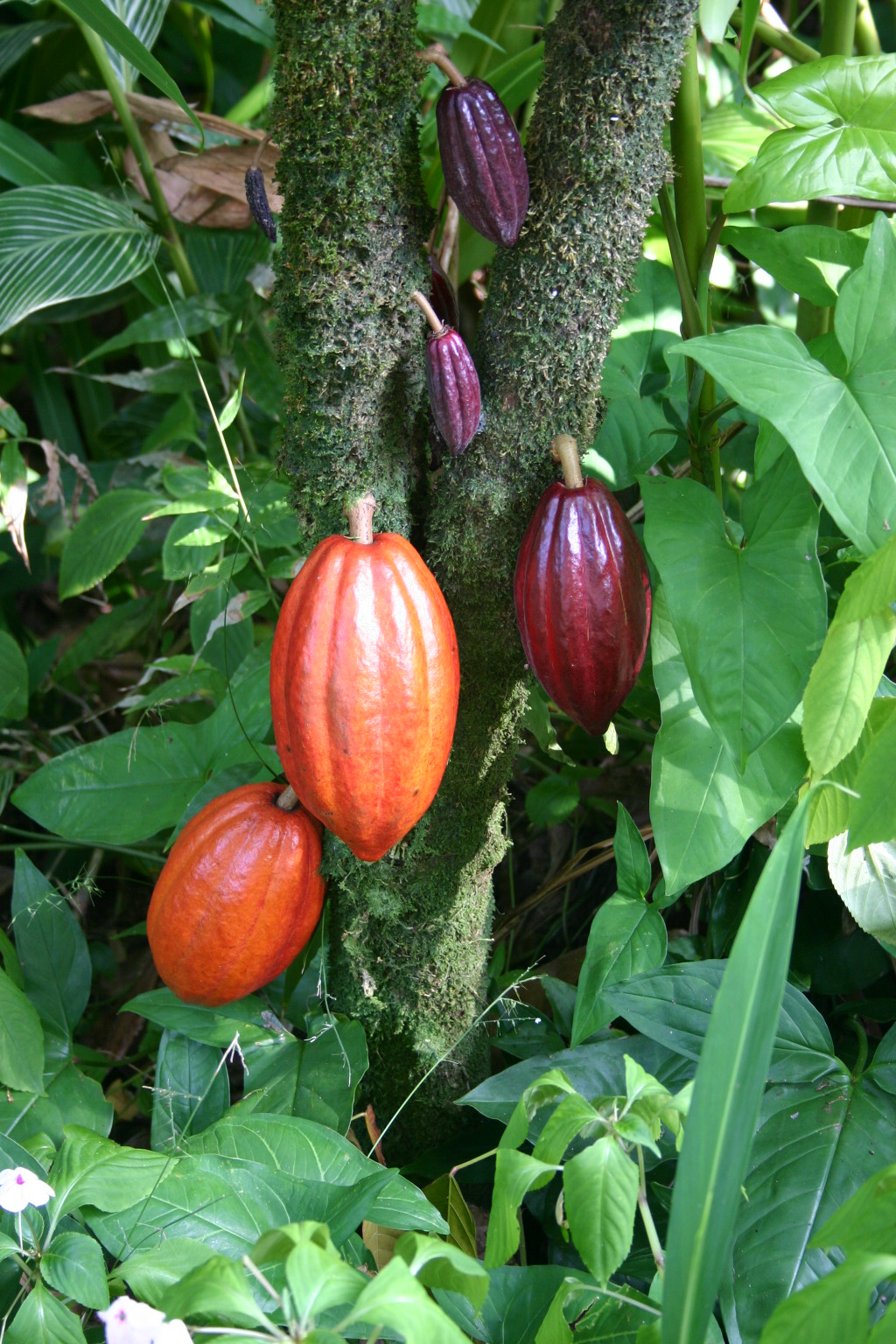
Food produced from cacao seeds
part of the set of 870+ outlines listed at Wikipedia:Contents/Outlines.
Wikipedia outlines are a special type of list article. They make up one of Wikipedia's content navigation systems
See Wikipedia: Outlines and Wikipedia:WikiProject Outlines for more details. Further improvements to this outline are on the way ...-- The following outline is provided as an overview of and topical guide to chocolate:
What is chocolate?
- Chocolate – raw or processed food produced from the seed of the tropical Theobroma cacao tree. The seeds of the cacao tree have an intense bitter taste, and must be fermented to improve the flavour. Chocolate is a popular ingredient in confectionery items and candies.
What type of thing is chocolate?
Chocolate is a type of:
- Food – substance to provide nutritional support for the body, ingested by an organism and assimilated by the organism's cells in an effort to produce energy, maintain life, and/or stimulate growth.
- Confectionery – the set of food items that are rich in sugar, any one or type of which is called a confection. Modern usage may include substances rich in artificial sweeteners as well.
- Candy – confection made from a concentrated solution of sugar in water, to which flavourings and colourants are added. Candies come in numerous colours and varieties and have a long history in popular culture.
- Ingredient – substance that forms part of a mixture (in a general sense). For example, in cooking, recipes specify which ingredients are used to prepare a specific dish. Chocolate is often used as an ingredient in dessert items, such as cakes and cookies.
- Confectionery – the set of food items that are rich in sugar, any one or type of which is called a confection. Modern usage may include substances rich in artificial sweeteners as well.
What is chocolate made of?
Necessary ingredients
Optional ingredients
Substances found in cacao
-
- Phenethylamine – psychoactive drug that is usually inactive when orally ingested because most of it is metabolized into phenylacetic acid by monoamine oxidase (MAO), preventing significant concentrations from reaching the brain
- Theobromine – also known as xantheose, it contains no bromine and has a similar, but lesser, effect to caffeine
- Theophylline – methylxanthine drug found in tea leaves
Source of cocoa
By country
Types

By country
Production methods
Producers and trade organizations
-
- – a Ghanaian cocoa processing company
- – a Ghanaian farmers' cooperative organisation
-
Brands
-
- – a chocolate brand containing coffee and cola nut
Edibles
Brand names:
Cereals
Chocolate
Chocolates –
Drinks

History
Effects on health
Other articles
- – named for its colour, does not contain cocoa
Military chocolate
References
References
- (9 January 1998). "Theobroma cacao". Hort.purdue.edu.
- (November 1973). "Beta-phenylethylamine: a specific substrate for type B monoamine oxidase of brain". Journal of Pharmacology and Experimental Therapeutics.
- (March 1981). "Oxidation of beta-phenylethylamine by both types of monoamine oxidase: examination of enzymes in brain and liver mitochondria of eight species". Journal of Neurochemistry.
- Malisoff, William Marias. (1943). "Dictionary of Bio-Chemistry and Related Subjects". Philosophical Library.
- (2002). "The World of Caffeine: The Science and Culture of the World's Most Popular Drug". [[Routledge]], New York.
- "History".
This article was imported from Wikipedia and is available under the Creative Commons Attribution-ShareAlike 4.0 License. Content has been adapted to SurfDoc format. Original contributors can be found on the article history page.
Ask Mako anything about Outline of chocolate — get instant answers, deeper analysis, and related topics.
Research with MakoFree with your Surf account
Create a free account to save articles, ask Mako questions, and organize your research.
Sign up freeThis content may have been generated or modified by AI. CloudSurf Software LLC is not responsible for the accuracy, completeness, or reliability of AI-generated content. Always verify important information from primary sources.
Report