From Surf Wiki (app.surf) — the open knowledge base
Outdoor dining
Culinary concept
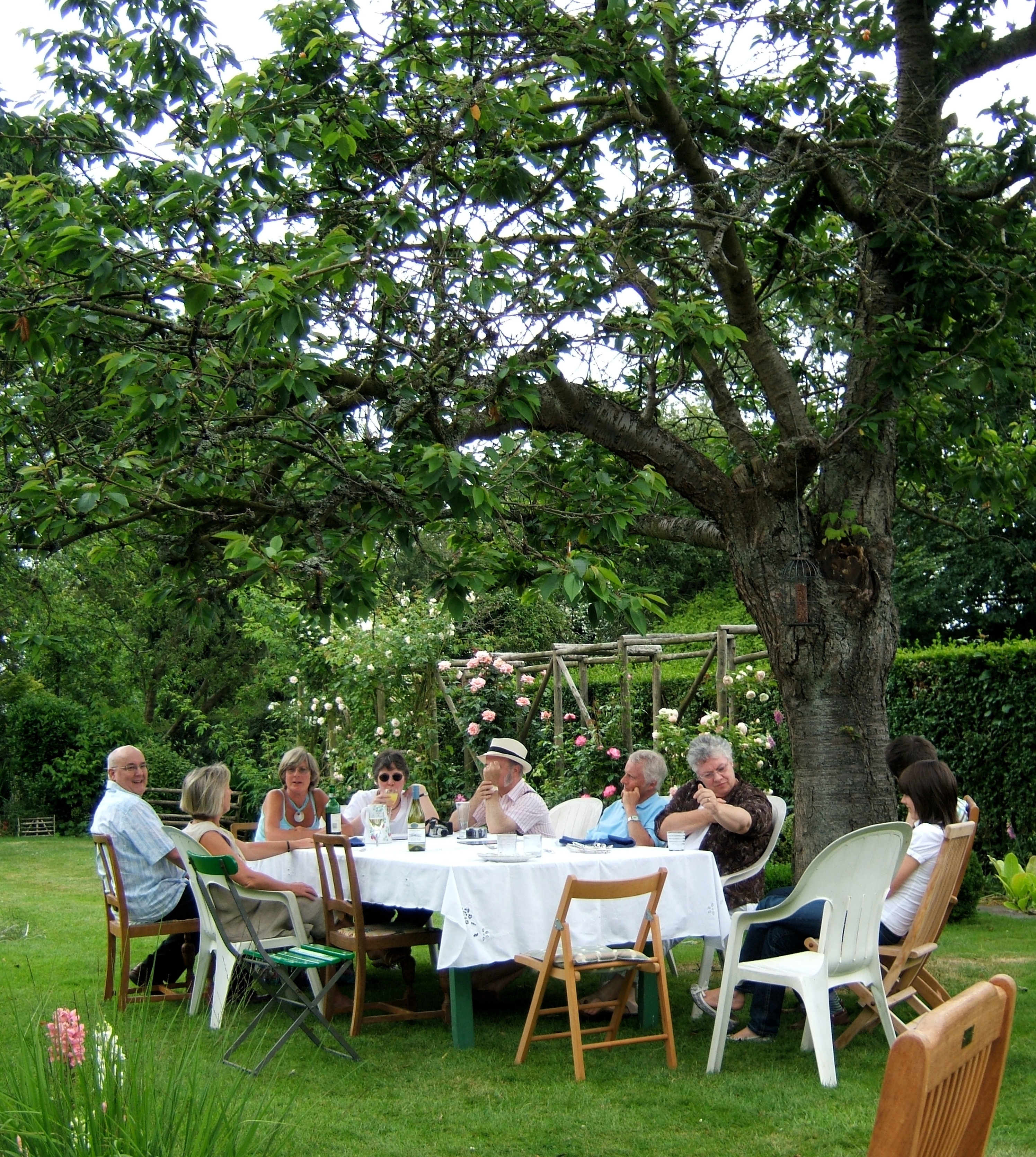
Culinary concept
.jpg)
Outdoor dining, also known as ***al fresco'' dining''' or ***dining al fresco''''', is the act of eating a meal outside.
In temperate climates, al fresco dining is especially popular in the summer months when temperatures and weather are most favorable. It is a style of dining that is casual and often party-like in its atmosphere.
In order to promote and accommodate the pedestrian activity and vibrancy associated with al fresco dining, some communities have passed ordinances permitting it at restaurants, including the service of food and alcoholic beverages to customers at pavement tables, until late at night.{{cite web|url=http://www.wyff4.com/news/19756429/detail.html
Etymology
The phrase al fresco composed of two words, is borrowed from Italian for "in the cool/fresh [air]". It is not in current use in Italian to refer to dining outside. Instead, Italians use the phrases fuori ("outside", "outdoor") or all'aperto ("in the open [air]"). In Italian, the expression al fresco usually refers to spending time in jail.
COVID-19 pandemic

In 2020, responding to the COVID-19 pandemic, many cities increased the options for restaurants to offer outdoor dining, in order to promote open-air and spaced-out seating, and help businesses economically recover from the pandemic's impact.{{Cite web|title=Open Restaurants
In New York City, 10,600 restaurants had enrolled in the city's outdoor dining program by September 2020, compared to just 1,023 sidewalk cafes that existed before the pandemic. The use of bubble tents or outdoor dining pods also increased during the pandemic. Before the pandemic, these pod installations were rare. Although outdoor pods reduce the risk of contracting COVID-19 compared to indoor dining, they have been criticized for their lack of air ventilation.
Some cities, such as New York and Portland, have taken steps to preserve outdoor dining installations that were originally introduced as a COVID-19 mitigation, albeit with new regulations and fee structures. In other cities, such as Paris, Long Beach and Claremont, rollbacks to initially liberal pandemic-era dining policies have resulted in a significant decrease in the availability of outdoor dining.
References
References
- Santoni, Sharon. (2016-04-11). "french living - the al fresco dining season".
- Preble, Keith. (July 1, 2014). "Word of the Day: stare al fresco". Parola del Giorno.
- "Dizionario dei modi di dire". Fresco.
- (2023-05-05). "The Evolution of Restaurant Design Trends Over Time".
- (2020-11-09). "The Setups for Outdoor Winter Dining Are Lavish. But Are They Safe?". The New York Times.
- Forster, Victoria. "Why 'Bubble Dining' Pods Are a Terrible Idea During the Covid-19 Coronavirus Pandemic".
- "Outdoor Dining Ideas for Restaurants in the Era of COVID". mcdonaldpaper.com.
- Stone, Will. "Yurts, Igloos and Pop-Up Domes: How Safe Is 'Outside' Restaurant Dining This Winter?". NPR.
- Wray, Sarah. (2023-08-17). "New York makes outdoor dining permanent – with new rules".
- Foden-Vencil, Kristian. (December 10, 2022). "COVID changed our lives, and our streets, as outdoor restaurant seating becomes permanent".
- (2022-03-27). "Seulement 4.000 des 12.000 terrasses estivales validées à Paris".
- Schuster, Kat. (2023-02-08). "Here's why all of Long Beach's COVID-era parklets have disappeared".
- Rojas, Javier. (2023-03-03). "Claremont ends pandemic-era outdoor dining program".
This article was imported from Wikipedia and is available under the Creative Commons Attribution-ShareAlike 4.0 License. Content has been adapted to SurfDoc format. Original contributors can be found on the article history page.
Ask Mako anything about Outdoor dining — get instant answers, deeper analysis, and related topics.
Research with MakoFree with your Surf account
Create a free account to save articles, ask Mako questions, and organize your research.
Sign up freeThis content may have been generated or modified by AI. CloudSurf Software LLC is not responsible for the accuracy, completeness, or reliability of AI-generated content. Always verify important information from primary sources.
Report