From Surf Wiki (app.surf) — the open knowledge base
Ottoman Turkish
Standardized register of Turkish in the Ottoman Empire
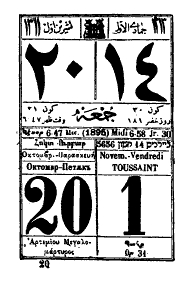
Standardized register of Turkish in the Ottoman Empire
| Field | Value | |
|---|---|---|
| name | Ottoman Turkish | |
| nativename | لسان عثمانی | |
| region | Ottoman Empire | |
| ethnicity | Ottoman Turks | |
| era | ; displaced as a literary standard by modern Turkish in 1928 | |
| familycolor | Altaic | |
| fam1 | Turkic | |
| fam2 | Common Turkic | |
| fam3 | Oghuz | |
| fam4 | Western Oghuz | |
| ancestor | Old Anatolian Turkish | |
| script | Ottoman Turkish alphabet | |
| nation | ||
| iso2 | ota | |
| iso3 | ota | |
| linglist | ota | |
| glotto | otto1234 | |
| map | OttomanEmpireMain.png | |
| mapcaption | The Ottoman Empire at its peak. During this time Ottoman Turkish culture including the language also developed in the conquered areas. | |
| image | [[File:Ottoman Turkish in Nastaliq.png | 200px]] |
| imagecaption | Ottoman Turkish written in Nastaliq style | |
| (لسان عثمانی) |
(لسان عثمانی)
Ottoman Turkish (, ; ) was the standardized register of the Turkish language in the Ottoman Empire (14th to 20th centuries CE). It borrowed extensively, in all aspects, from Persian and Arabic (through Persian). It was written in the Ottoman Turkish alphabet. Ottoman Turkish was largely unintelligible to rural Turks, who continued to use kaba Türkçe ("raw/vulgar Turkish"; compare Vulgar Latin and Demotic Greek), which used far fewer foreign loanwords and is the basis of the modern standard. The Tanzimât era (1839–1876) saw the application of the term "Ottoman" when referring to the language (لسان عثمانی or عثمانلیجه ); Modern Turkish uses the same terms when referring to the language of that era (Osmanlıca and Osmanlı Türkçesi). More generically, the Turkish language was called تركجه or تركی "Turkish".
History
Historically, Ottoman Turkish was transformed in three eras:
- اسكی عثمانلی توركچهسی (Old Ottoman Turkish): the version of Ottoman Turkish used until the 16th century. It was almost identical with the Turkish used by Seljuk empire and Anatolian beyliks and was often regarded as part of اسكی آناطولی توركچهسی (Old Anatolian Turkish).
- اورتا عثمانلی توركچهسی (Middle Ottoman Turkish) or (Classical Ottoman Turkish): the language of poetry and administration from the 16th century until Tanzimat.
- یڭی عثمانلی توركچهسی (New Ottoman Turkish): the version shaped from the 1850s to the 20th century under the influence of journalism and Western-oriented literature.
Language reform
In 1928, following the fall of the Ottoman Empire after World War I and the establishment of the Republic of Turkey, widespread language reforms (a part in the greater framework of Atatürk's reforms) instituted by Mustafa Kemal Atatürk saw the replacement of many Persian and Arabic origin loanwords in the language with their Turkish equivalents. One of the main supporters of the reform was the Turkish nationalist Ziya Gökalp. It also saw the replacement of the Perso-Arabic script with the extended Latin alphabet. The changes were meant to encourage the growth of a new variety of written Turkish that more closely reflected the spoken vernacular and to foster a new variety of spoken Turkish that reinforced Turkey's new national identity as being a post-Ottoman state.
See the list of replaced loanwords in Turkish for more examples of Ottoman Turkish words and their modern Turkish counterparts. Two examples of Arabic and two of Persian loanwords are found below.
| English | Ottoman | Modern Turkish |
|---|---|---|
| obligatory | واجب | zorunlu |
| hardship | مشكل | güçlük |
| city | شهر | kent (also şehir) |
| province | ولایت | il |
| war | حرب | savaş |
Legacy
Historically speaking, Ottoman Turkish is the predecessor of modern Turkish. However, the standard Turkish of today is essentially Türkiye Türkçesi (Turkish of Turkey) as written in the Latin alphabet and with an abundance of neologisms added, which means there are now far fewer loan words from other languages, and Ottoman Turkish was not instantly transformed into the Turkish of today. At first, it was only the script that was changed, and while some households continued to use the Arabic system in private, most of the Turkish population was illiterate at the time, making the switch to the Latin alphabet much easier. Then, loan words were taken out, and new words fitting the growing amount of technology were introduced. Until the 1960s, Ottoman Turkish was at least partially intelligible with the Turkish of that day. One major difference between Ottoman Turkish and modern Turkish is the latter's abandonment of compound word formation according to Arabic and Persian grammar rules. The usage of such phrases still exists in modern Turkish but only to a very limited extent and usually in specialist contexts; for example, the Persian-derived genitive construction تقدیر الهی () (which reads literally as "the preordaining of the divine" and translates as "divine dispensation" or "destiny") is used, as opposed to the normative modern Turkish construction, ilâhî takdîr (literally, "divine preordaining").
In 2014, Turkey's Education Council decided that Ottoman Turkish should be taught in Islamic high schools and as an elective in other schools, a decision backed by President Recep Tayyip Erdoğan, who said the language should be taught in schools so younger generations do not lose touch with their cultural heritage.
Writing system
Main article: Ottoman Turkish alphabet
Most Ottoman Turkish was written in the Ottoman Turkish alphabet (), a variant of the Perso-Arabic script. The Armenian, Greek and Rashi script of Hebrew were sometimes used by Armenians, Greeks and Jews. (See Karamanli Turkish, a dialect of Ottoman written in the Greek script; Armeno-Turkish alphabet)
Grammar
Main article: Turkish grammar
The actual grammar of Ottoman Turkish is not different from the grammar of modern Turkish. The focus of this section is on the Ottoman orthography; the conventions surrounding how the orthography interacted and dealt with grammatical morphemes related to conjugations, cases, pronouns, etc.
Cases
- Nominative and Indefinite accusative/objective: -∅, no suffix. گول göl 'the lake' 'a lake', چوربا 'soup', گیجه 'night'; طاوشان گترمش 'he/she brought a rabbit'.
- Genitive: suffix ڭ/نڭ . پاشانڭ 'of the pasha'; كتابڭ 'of the book'.
- Definite accusative: suffix ی : طاوشانی گترمش 'he/she brought the rabbit'. The variant suffix does not occur in Ottoman Turkish orthography (unlike in Modern Turkish), although it's pronounced with the vowel harmony. Thus, گولی 'the lake' vs. Modern Turkish gölü.
- Dative: suffix ه : اوه 'to the house'.
- Locative: suffix ده : مكتبده 'at school', قفسده 'in (the/a) cage', باشده 'at a/the start', شهرده 'in town'. The variant suffix used in Modern Turkish (–te, –ta) does not occur.
- Ablative: suffix دن : ادمدن 'from the man'.
- Instrumental: suffix or postposition ایله . Generally not counted as a grammatical case in modern grammars.
The table below lists nouns with a variety of phonological features that come into play when taking case suffixes; it includes a typical singular and plural noun, containing back and front vowels, words that end with the letter ـه ( or ) (back and front vowels), words that end in a ـت () sound, and words that end in either ـق or ـك (). These words are to serve as references, to observe orthographic conventions:
- Which vowels are written using the 4 letters: elif ا, vav و, he ه, and ye ی, and which are not.
- When words or morphemes are connected to each other, and when they are separated with the use of Zero-width non-joiner.
- When a final letter is softened when followed by a vowel sound, and when not; both in Ottoman orthography and in modern Latin orthography.
- When harmony of vowel roundness exists in spoken pronunciation and modern Latin orthography, but not in Ottoman orthography.
- When the letters ڭ () and ن () are used.
| Case | Morpheme | اُوق | اُوقلَر | اَو | اَولَر | قورت | چارطاق | ایپك | پاره | پیده | كوپری | ok | ||||||||||||||||
|---|---|---|---|---|---|---|---|---|---|---|---|---|---|---|---|---|---|---|---|---|---|---|---|---|---|---|---|---|
| oklar | ||||||||||||||||||||||||||||
| ev | ||||||||||||||||||||||||||||
| evler | ||||||||||||||||||||||||||||
| kurt | ||||||||||||||||||||||||||||
| çartak | ||||||||||||||||||||||||||||
| ipek | ||||||||||||||||||||||||||||
| para | ||||||||||||||||||||||||||||
| pide | ||||||||||||||||||||||||||||
| köprü | ||||||||||||||||||||||||||||
| Nom | Acc | Dat | Loc | Abl | Gen | Inst | ||||||||||||||||||||||
| — | اوق | ok | اوقلر | oklar | او | ev | اولر | evler | قورت | kurt | چارطاق | çartak | ایپك | ipek | پاره | para | پیده | pide | كوپری | köprü | ||||||||
| ـی | اوقی | oku | اوقلری | okları | اوی | evi | اولری | evleri | قوردی | kurdu | چارطاغی | çartağı | ایپگی | ipeği | پارهیی | parayı | پیدهیی | pideyi | كوپریی | köprüyü | ||||||||
| -ı -i -u -ü | ||||||||||||||||||||||||||||
| ـه | اوقه | oka | اوقلره | oklara | اوه | eve | اولره | evlere | قورده | kurda | چارطاغه | çartağa | ایپگه | ipeğe | پارهیه | paraya | پیدهیه | pideye | كوپریه | köprüye | ||||||||
| -a -e | ||||||||||||||||||||||||||||
| ـده | اوقده | okta | اوقلرده | oklarda | اوده | evde | اولرده | evlerde | قورتده | kurt'ta | چارطاقده | çartakta | ایپكده | ipekde | پارهده | parada | پیدهده | pidede | كوپریده | köprüde | ||||||||
| -da -de -ta -te | ||||||||||||||||||||||||||||
| ـدن | اوقدن | oktan | اوقلردن | oklardan | اودن | evden | اولردن | evlerden | قورتدن | kurttan | چارطاقدن | çartaktan | ایپكدن | ipekden | پارهدن | paradan | پیدهدن | pideden | كوپریدن | köprüden | ||||||||
| -dan -den -tan -ten | ||||||||||||||||||||||||||||
| ـڭ | اوقڭ | okun | اوقلرڭ | okların | اوڭ | evin | اولرڭ | evlerin | قوردڭ | kurdun | چارطاغڭ | çartağın | ایپگڭ | ipeğin | پارهنڭ | paranın | پیدهنڭ | pidenin | كوپرینڭ | köprünün | ||||||||
| -ın -in -un -ün | ||||||||||||||||||||||||||||
| ـله | اوقله | okla | اوقلرله | oklarla | اوله | evle | اولرله | evlerle | قورتله | kurtla | چارطاقله | çartakla | ایپكله | ipekle | پارهیله | parala | پیدهیله | pidele | كوپریله | köprülü | ||||||||
| -la -le -lu -lü |
Possessives
Table below shows the suffixes for creating possessed nouns. Each of these possessed nouns, in turn, take case suffixes as shown above.
| Person | Morpheme | اُوق | اُوقلَر | اَو | اَولَر | قورت | چارطاق | ایپك | پاره | پیده | كوپری | ok | ||||||||||||||||
|---|---|---|---|---|---|---|---|---|---|---|---|---|---|---|---|---|---|---|---|---|---|---|---|---|---|---|---|---|
| oklar | ||||||||||||||||||||||||||||
| ev | ||||||||||||||||||||||||||||
| evler | ||||||||||||||||||||||||||||
| kurt | ||||||||||||||||||||||||||||
| çartak | ||||||||||||||||||||||||||||
| ipek | ||||||||||||||||||||||||||||
| para | ||||||||||||||||||||||||||||
| pide | ||||||||||||||||||||||||||||
| köprü | ||||||||||||||||||||||||||||
| — | 1st Person Sg. | 2nd Person Sg. | 3rd Person Sg. | 1st Person Pl. | 2nd Person Pl. | 3rd Person Pl. | ||||||||||||||||||||||
| — | اوق | ok | اوقلر | oklar | او | ev | اولر | evler | قورت | kurt | چارطاق | çartak | ایپك | ipek | پاره | para | پیده | pide | كوپری | köprü | ||||||||
| ـم | اوقم | okum | اوقلرم | oklarım | اویم | evim | اولرم | evlerim | قوردم | kurdum | چارطاغم | çartağım | ایپگم | ipeğim | پارهم | param | پیدهم | pidem | كوپریم | köprüm | ||||||||
| -m -ım -im -um -üm | ||||||||||||||||||||||||||||
| ـڭ | اوقڭ | okun | اوقلرڭ | okların | اویڭ | evin | اولرڭ | evlerin | قوردڭ | kurdun | چارطاغڭ | çartağın | ایپگڭ | ipeğin | پارهڭ | paran | پیدهڭ | piden | كوپریڭ | köprün | ||||||||
| -n -ın -in -un -ün | ||||||||||||||||||||||||||||
| ـی / ـسی | اوقی | oku | اوقلری | okları | اوی | evi | اولری | evleri | قوردی | kurdu | چارطاغی | çartağı | ایپگی | ipeği | پارهسی | parası | پیدهسی | pidesi | كوپریسی | köprüsü | ||||||||
| -(s)ı -(s)i -(s)u -(s)ü | ||||||||||||||||||||||||||||
| ـمز | اوقمز | okumuz | اوقلرمز | oklarımız | اومز | evimiz | اولرمز | evlerimiz | قوردمز | kurdumuz | چارطاغمز | çartağımız | ایپگمز | ipeğimiz | پارهمز | paramız | پیدهمز | pidemiz | كوپریمز | köprümüz | ||||||||
| -(ı)mız -(i)miz -(u)muz -(ü)müz | ||||||||||||||||||||||||||||
| ـڭز | اوقڭز | okunuz | اوقلرڭز | oklarınız | اوڭز | eviniz | اولرڭز | evleriniz | قوردڭز | kurdunuz | چارطاغڭز | çartağınız | ایپگڭز | ipeğiniz | پارهڭز | paranız | پیدهڭز | pideniz | كوپریڭز | köprünüz | ||||||||
| -(ı)nız -(i)niz -(u)nuz -(ü)nüz | ||||||||||||||||||||||||||||
| ـلری | اوقلری | okları | اوقلرلری | okları | اولری | evleri | اولرلری | evleri | قورتلری | kurtları | چارطاقلری | çartakleri | ایپكلری | ipekleri | پارهلری | paraları | پیدهلری | pideleri | كوپریلری | köprüleri | ||||||||
| -ları -leri |
For third person (singular and plural) possessed nouns, that end in a vowel, when it comes to taking case suffixes, a letter ـنـ () comes after the possessive suffix. For singular endings, the final vowel ـی ( or ) is removed in all instances. For plural endings, if the letter succeeding the additional ـنـ () is a vowel, the final vowel ـی ( or ) is kept; otherwise it is removed (note the respective examples for kitaplarını and kitaplarından).
| Nom | Acc | Dat | Loc | Abl | Gen |
|---|---|---|---|---|---|
| his/her book | كتابی | كتابنی | كتابنه | كتابنده | كتابندن |
| kitabı | kitabını | kitabına | kitabında | kitabından | kitabının |
| his/her books | كتابلری | كتابلرینی | كتابلرینه | كتابلرنده | كتابلرندن |
| kitapları | kitaplarını | kitaplarına | kitaplarında | kitaplarından | kitaplarının |
| his/her maternal aunt | تیزهسی | تیزهسنی | تیزهسنه | تیزهسنده | تیزهسندن |
| teyzesi | teyzesini | teyzesine | teyzesinde | teyzesinden | teyzesinin |
| his/her maternal aunts | تیزهلری | تیزهلرینی | تیزهلرینه | تیزهلرنده | تیزهلرندن |
| teyzeleri | teyzelerini | teyzelerine | teyzelerinde | teyzelerinden | teyzelerinin |
Verbs
Below table shows the positive conjugation for two sample verbs آچمق açmak (to open) and سولمك sevilmek (to be loved). The first verb is the active verb, and the other has been modified to form a passive verb. The first contains back vowels, the second front vowels; both containing non-rounded vowels (which also impacts pronunciation and modern Latin orthography).
| Person}} | آچمق açmak | ||||||||||||||||||||||||||||||||||||||||||||||||||||||||||
|---|---|---|---|---|---|---|---|---|---|---|---|---|---|---|---|---|---|---|---|---|---|---|---|---|---|---|---|---|---|---|---|---|---|---|---|---|---|---|---|---|---|---|---|---|---|---|---|---|---|---|---|---|---|---|---|---|---|---|---|
| 'to open' | سولمك sevilmek | ||||||||||||||||||||||||||||||||||||||||||||||||||||||||||
| 'to be loved' | Singular | Plural | Singular | Plural | Indicative}} | Present Imperfect | |||||||||||||||||||||||||||||||||||||||||||||||||||||
| am/is/are opening | |||||||||||||||||||||||||||||||||||||||||||||||||||||||||||
| am/is/are being loved | 1 | 2 | 3 | Past Imperfect | |||||||||||||||||||||||||||||||||||||||||||||||||||||||
| was/were opening | |||||||||||||||||||||||||||||||||||||||||||||||||||||||||||
| was/were being loved | 1 | 2 | 3 | Present Aorist | |||||||||||||||||||||||||||||||||||||||||||||||||||||||
| shall habitually open | |||||||||||||||||||||||||||||||||||||||||||||||||||||||||||
| shall habitually be loved | 1 | 2 | 3 | Past Perfect | |||||||||||||||||||||||||||||||||||||||||||||||||||||||
| opened | |||||||||||||||||||||||||||||||||||||||||||||||||||||||||||
| was loved | 1 | 2 | 3 | Future | |||||||||||||||||||||||||||||||||||||||||||||||||||||||
| will open | |||||||||||||||||||||||||||||||||||||||||||||||||||||||||||
| will be loved | 1 | 2 | 3 | Inferential}} | Perfect | ||||||||||||||||||||||||||||||||||||||||||||||||||||||
| have/has opened, I believe | |||||||||||||||||||||||||||||||||||||||||||||||||||||||||||
| was/were loved, I believe | 1 | 2 | 3 | Necessitative}} | Aorist | ||||||||||||||||||||||||||||||||||||||||||||||||||||||
| must open | |||||||||||||||||||||||||||||||||||||||||||||||||||||||||||
| must be loved | 1 | 2 | 3 | Past | |||||||||||||||||||||||||||||||||||||||||||||||||||||||
| must've open | |||||||||||||||||||||||||||||||||||||||||||||||||||||||||||
| must've been loved | 1 | 2 | 3 | Optative}} | Present | ||||||||||||||||||||||||||||||||||||||||||||||||||||||
| that may open | |||||||||||||||||||||||||||||||||||||||||||||||||||||||||||
| that may be loved | 1 | 2 | 3 | Conditional}} | Aorist | ||||||||||||||||||||||||||||||||||||||||||||||||||||||
| if open | |||||||||||||||||||||||||||||||||||||||||||||||||||||||||||
| if be loved | 1 | 2 | 3 | Past | |||||||||||||||||||||||||||||||||||||||||||||||||||||||
| if opened | |||||||||||||||||||||||||||||||||||||||||||||||||||||||||||
| if were loved | 1 | 2 | 3 | Imperative | 1 | 2 | 3 | ||||||||||||||||||||||||||||||||||||||||||||||||||||
| آچیورم | açıyorum | آچیورز | açıyoruz | سولیورم | seviliyorum | سولیورز | seviliyoruz | ||||||||||||||||||||||||||||||||||||||||||||||||||||
| آچیورسڭ | açıyorsun | آچیورسڭز | açıyorsunuz | سولیورسڭ | seviliyorsun | سولیورسڭز | seviliyorsunuz | ||||||||||||||||||||||||||||||||||||||||||||||||||||
| آچیور | açıyor | آچیورلر | açıyorlar | سولیور | seviliyor | سولیورلر | seviliyorlar | ||||||||||||||||||||||||||||||||||||||||||||||||||||
| آچیوردم | açıyordum | آچیوردق | açıyorduk | سولیوردم | seviliyordum | سولیوردك | seviliyorduk | ||||||||||||||||||||||||||||||||||||||||||||||||||||
| آچیوردڭ | açıyordun | آچیوردڭز | açıyordunuz | سولیوردڭ | seviliyordun | سولیوردڭز | seviliyordunuz | ||||||||||||||||||||||||||||||||||||||||||||||||||||
| آچیوردی | açıyordu | آچیوردیلر | açıyordular | سولیوردی | seviliyordu | سولیوردیلر | seviliyordular | ||||||||||||||||||||||||||||||||||||||||||||||||||||
| آچارم | açarım | آچارز | açarız | سولورم | sevilirim | سولورز | seviliriz | ||||||||||||||||||||||||||||||||||||||||||||||||||||
| آچارسڭ | açarsın | آچارسڭز | açarsınız | سولورسڭ | sevilirsin | سولورسڭز | sevilirsiniz | ||||||||||||||||||||||||||||||||||||||||||||||||||||
| آچار | açar | آچارلر | açarlar | سولور | sevilir | سولورلر | sevilirler | ||||||||||||||||||||||||||||||||||||||||||||||||||||
| آچدم | açtım | آچدق | açtık | سولدم | sevildim | سولدك | sevildik | ||||||||||||||||||||||||||||||||||||||||||||||||||||
| آچدڭ | açtın | آچدڭز | açtınız | سولدڭ | sevildin | سولدڭز | sevildiniz | ||||||||||||||||||||||||||||||||||||||||||||||||||||
| آچدی | açtı | آچدیلر | açtılar | سولدی | sevildi | سولدیلر | sevildiler | ||||||||||||||||||||||||||||||||||||||||||||||||||||
| آچهجغم | açacağım | آچهجغز | açacağız | سولهجگم | sevileceğim | سولهجگز | sevileceğiz | ||||||||||||||||||||||||||||||||||||||||||||||||||||
| آچهجقسڭ | açacaksın | آچهجقسڭز | açacaksınız | سولهجكسن | sevileceksin | سولهجكسڭز | sevileceksiniz | ||||||||||||||||||||||||||||||||||||||||||||||||||||
| آچهجق | açacak | آچهجقلر | açacaklar | سولهجك | sevilecek | سولهجكلر | sevilecekler | ||||||||||||||||||||||||||||||||||||||||||||||||||||
| آچمشم | açmışım | آچمشز | açmışız | سولمشم | sevilmişim | سولمشز | sevilmişiz | ||||||||||||||||||||||||||||||||||||||||||||||||||||
| آچمشسڭ | açmışsın | آچمشسڭز | açmışsınız | سولمشسن | sevilmişsin | سولمشسڭز | sevilmişsiniz | ||||||||||||||||||||||||||||||||||||||||||||||||||||
| آچمش | açmış | آچمشلر | açmışlar | سولمش | sevilmiş | سولمشلر | sevilmişler | ||||||||||||||||||||||||||||||||||||||||||||||||||||
| آچمشدر | açmışdır | سولمشدر | sevilmişdir | ||||||||||||||||||||||||||||||||||||||||||||||||||||||||
| آچملویم | açmalıyım | آچملویز | açmalıyız | سولملویم | sevilmeliyim | سولملویز | sevilmeliyiz | ||||||||||||||||||||||||||||||||||||||||||||||||||||
| آچملوسڭ | açmalısın | آچملوسڭز | açmalısınız | سولملوسڭ | sevilmelisin | سولملوسڭز | sevilmelisiniz | ||||||||||||||||||||||||||||||||||||||||||||||||||||
| آچملو | açmalı | آچملولر | açmalılar | سولملو | sevilmeli | سولملولر | sevilmeliler | ||||||||||||||||||||||||||||||||||||||||||||||||||||
| آچملویدم | açmalıydım | آچملویدق | açmalıydık | سولملویدم | sevilmeliydim | سولملویدق | sevilmeliydik | ||||||||||||||||||||||||||||||||||||||||||||||||||||
| آچملویدڭ | açmalıydın | آچملویدڭز | açmalıydınız | سولملویدڭ | sevilmeliydin | سولملویدڭز | sevilmeliydiniz | ||||||||||||||||||||||||||||||||||||||||||||||||||||
| آچملویدی | açmalıydı | آچملویدیلر | açmalıydılar | سولملویدی | sevilmeliydi | سولملویدیلر | sevilmeliydiler | ||||||||||||||||||||||||||||||||||||||||||||||||||||
| آچهیم | açayım | آچهیز | açayız | سولهیم | sevileyim | سولهیز | sevileyiz | ||||||||||||||||||||||||||||||||||||||||||||||||||||
| آچهلم | açalım | سولهلم | sevilelim | ||||||||||||||||||||||||||||||||||||||||||||||||||||||||
| آچهسن | açasın | آچهسڭز | açasınız | سولهسن | sevilesin | سولهسڭز | sevilesiniz | ||||||||||||||||||||||||||||||||||||||||||||||||||||
| آچه | aça | آچهلر | açalar | سوله | sevile | سولهلر | sevileler | ||||||||||||||||||||||||||||||||||||||||||||||||||||
| آچسم | açsam | آچسق | açsak | سولسم | sevilsem | سولسك | sevilsek | ||||||||||||||||||||||||||||||||||||||||||||||||||||
| آچسڭ | açsan | آچسڭز | açsanız | سولسڭ | sevilsen | سولسڭز | sevilseniz | ||||||||||||||||||||||||||||||||||||||||||||||||||||
| آچسه | açsa | آچسهلر | açsalar | سولسه | sevilse | سولسهلر | sevilseler | ||||||||||||||||||||||||||||||||||||||||||||||||||||
| آچسیدم | açsaydım | آچسیدق | açsaydık | سولسیدم | sevilseydim | سولسیدك | sevilseydik | ||||||||||||||||||||||||||||||||||||||||||||||||||||
| آچسیدڭ | açsaydın | آچسیدڭز | açsaydınız | سولسدیڭ | sevilseydin | سولسیدڭز | sevilseydiniz | ||||||||||||||||||||||||||||||||||||||||||||||||||||
| آچسیدی | açsaydı | آچسیدیلر | açsaydılar | سولسیدی | sevilseydi | سولسیدیلر | sevilseydiler | ||||||||||||||||||||||||||||||||||||||||||||||||||||
| — | آچالم | açalım | — | سولهلم | sevilelim | ||||||||||||||||||||||||||||||||||||||||||||||||||||||
| آچ | aç | آچڭز | açınız | سول | sevil | سولڭز | seviliniz | ||||||||||||||||||||||||||||||||||||||||||||||||||||
| آچڭ | açın | سولڭ | sevilin | ||||||||||||||||||||||||||||||||||||||||||||||||||||||||
| آچسون | açsın | آچسونلر | açsınlar | سولسون | sevilsin | سولسونلر | sevilsinler |
Negation and complex verbs
Below table shows the conjugation of a negative verb, and a positive complex verb expressing ability. In Turkish, complex verbs can be constructed by adding a variety of suffixes to the base root of a verb. The two verbs are یازممق yazmamaq (not to write) and سوهبلمك sevebilmek (to be able to love).
| Person}} | یازممق yazmamaq | ||||||||||||||||||||||||||||||||||||||||
|---|---|---|---|---|---|---|---|---|---|---|---|---|---|---|---|---|---|---|---|---|---|---|---|---|---|---|---|---|---|---|---|---|---|---|---|---|---|---|---|---|---|
| 'not to write' | سوهبلمك sevebilmek | ||||||||||||||||||||||||||||||||||||||||
| 'to be able to love' | Singular | Plural | Singular | Plural | Indicative}} | Present Imperfect | |||||||||||||||||||||||||||||||||||
| am/is/are not writing | |||||||||||||||||||||||||||||||||||||||||
| can love | 1 | 2 | 3 | Past Imperfect | |||||||||||||||||||||||||||||||||||||
| was/were not writing | |||||||||||||||||||||||||||||||||||||||||
| was/were able to love | 1 | 2 | 3 | Present Aorist | |||||||||||||||||||||||||||||||||||||
| do not write | |||||||||||||||||||||||||||||||||||||||||
| shall be able to love | 1 | 2 | 3 | Past Perfect | |||||||||||||||||||||||||||||||||||||
| used not to write | |||||||||||||||||||||||||||||||||||||||||
| could love | 1 | 2 | 3 | Future | |||||||||||||||||||||||||||||||||||||
| shall not write | |||||||||||||||||||||||||||||||||||||||||
| will be able to love | 1 | 2 | 3 | Necessitative}} | Aorist | ||||||||||||||||||||||||||||||||||||
| must open | |||||||||||||||||||||||||||||||||||||||||
| must be loved | 1 | 2 | 3 | Optative}} | Present | ||||||||||||||||||||||||||||||||||||
| that may not open | |||||||||||||||||||||||||||||||||||||||||
| that may not be able to love | 1 | 2 | 3 | Imperative | 1 | 2 | 3 | ||||||||||||||||||||||||||||||||||
| یازمیورم | yazmayorum | یازمیورز | yazmayoruz | سوهبیلیورم | sevebiliyorum | سوهبیلیورز | sevebiliyoruz | ||||||||||||||||||||||||||||||||||
| یازمیورسن | yazmayorsun | یازمیورسڭز | yazmayorsunuz | سوهبیلیورسن | sevebiliyorsun | سوهبیلیورسڭز | sevebiliyorsunuz | ||||||||||||||||||||||||||||||||||
| یازمیور | yazmayor | یازمیورلر | yazmayorlar | سوهبیلیور | sevebiliyor | سوهبیلیورلر | sevebiliyorlar | ||||||||||||||||||||||||||||||||||
| یازمیوردم | yazmıyordum | یازمیوردق | yazmıyorduk | سوهبیلیوردم | sevebiliyordum | سوهبیلیوردك | sevebiliyorduk | ||||||||||||||||||||||||||||||||||
| یازمیوردڭ | yazmıyordun | یازمیوردڭز | yazmıyordunuz | سوهبیلیوردڭ | sevebiliyordun | سوهبیلیوردڭز | sevebiliyordunuz | ||||||||||||||||||||||||||||||||||
| یازمیوردی | yazmıyordu | یازمیوردیلر | yazmıyordular | سوهبیلیوردی | sevebiliyordu | سوهبیلیوردیلر | sevebiliyordular | ||||||||||||||||||||||||||||||||||
| یازمم | yazmam | یازمیز | yazmayız | سوهبلورم | sevebilirim | سوهبلورز | sevebiliriz | ||||||||||||||||||||||||||||||||||
| یازمازسن | yazmazsın | یازمازسڭز | yazmazsınız | سوهبلورسن | sevebilirsin | سوهبلورسڭز | sevebilirsiniz | ||||||||||||||||||||||||||||||||||
| یازماز | yazmaz | یازمازلر | yazmazlar | سوهبلور | sevebilir | سوهبلورلر | sevebilirler | ||||||||||||||||||||||||||||||||||
| یازمادم | yazmadım | یازمادق | yazmadık | سوهبلدم | sevebildim | سوهبلدك | sevebildik | ||||||||||||||||||||||||||||||||||
| یازمادڭ | yazmadın | یازمادڭز | yazmadınız | سوهبلدڭ | sevebildin | سوهبلدڭز | sevebildiniz | ||||||||||||||||||||||||||||||||||
| یازمادی | yazmadı | یازمادیلر | yazmadılar | سوهبلدی | sevebildi | سوهبلدیلر | sevebildiler | ||||||||||||||||||||||||||||||||||
| یازمیهجغم | yazmayacağım | یازمیهجغز | yazmayacağız | سوهبلهجگم | sevibileceğim | سوهبلهجگز | sevibileceğiz | ||||||||||||||||||||||||||||||||||
| یازمیهجقسن | yazmayacaksın | یازمیهجقسڭز | yazmayacaksınız | سوهبلهجكسن | sevibileceksin | سوهبلهجكسڭز | sevibileceksiniz | ||||||||||||||||||||||||||||||||||
| یازمیهجق | yazmayacak | یازمیهجقلر | yazmayacaklar | سوهبلهجك | sevibilecek | سوهبلهجكلر | sevibilecekler | ||||||||||||||||||||||||||||||||||
| یازمهملییم | yazmamalıyım | یازمهملییز | yazmamalıyız | سوهبلملییم | sevibilmeliyim | سوهبلملییز | sevibilmeliyiz | ||||||||||||||||||||||||||||||||||
| یازمهملیسن | yazmamalısın | یازمهملیسڭز | yazmamalısınız | سوهبلملیسن | sevibilmelisin | سوهبلملیسڭز | sevibilmelisiniz | ||||||||||||||||||||||||||||||||||
| یازمهملی | yazmamalı | یازمهملیلر | yazmamalılar | سوهبلملی | sevibilmeli | سوهبلملیلر | sevibilmeliler | ||||||||||||||||||||||||||||||||||
| یازمیهیم | yazmayayım | یازمیهیز | yazmayayız | سوهبلهیم | sevibileyim | سوهبلهیز | sevibileyiz | ||||||||||||||||||||||||||||||||||
| یازمیهلم | yazmayalım | سوهبلهلم | sevibilelim | ||||||||||||||||||||||||||||||||||||||
| یازمیهسن | yazmayasın | یازمیهسڭز | yazmayasınız | سوهبلهسن | sevibilesin | سوهبلهسڭز | sevibilesiniz | ||||||||||||||||||||||||||||||||||
| یازمیه | yazmaya | یازمیهلر | yazmayalar | سوهبله | sevibile | سوهبلهلر | sevibileler | ||||||||||||||||||||||||||||||||||
| — | یازمیهلم | yazmayalım | — | سوبلهلم | sevibilelim | ||||||||||||||||||||||||||||||||||||
| یازمه | yazma | یازمیڭز | yazmayınız | سوبل | sevibil | سوبلڭز | sevibiliniz | ||||||||||||||||||||||||||||||||||
| یازمیڭ | yazmayın | سوبلڭ | sevibilin | ||||||||||||||||||||||||||||||||||||||
| یازمسون | yazmasın | یازمسونلر | yazmasınlar | سوبلسون | sevibilsin | سوبلسونلر | sevibilsinler |
Compound verbs
Another common category of verbs in Turkish (more common in Ottoman Turkish than in modern Turkish), is compound verbs. This consists of adding a Persian or Arabic active or passive participle to a neuter verb, to do (ایتمك etmek) or to become (اولمق olmaq). For example, note the following two verbs:
- راضی اولمق razı olmaq (to consent);
- قتل ایتمك katletmek (to slaughter); تشكر ایتمك teşekkür etmek (to thank);
- ایو اولنمق iyi olunmak (to get better).
Below table shows some sample conjugations of these two verbs. The conjugation of the verb "etmek" is not straightforward, because the root of the verb ends in a [t]. This sound transforms into a [d] when followed by a vowel sound. This is reflected in conventions of Ottoman orthography as well.
| Person}} | اولمق olmaq | ||||||||||||||||||||||||||||||||||||||||||||
|---|---|---|---|---|---|---|---|---|---|---|---|---|---|---|---|---|---|---|---|---|---|---|---|---|---|---|---|---|---|---|---|---|---|---|---|---|---|---|---|---|---|---|---|---|---|
| 'to become' | ایتمك etmek | ||||||||||||||||||||||||||||||||||||||||||||
| 'to do' | Singular | Plural | Singular | Plural | Indicative}} | Present Imperfect | 1 | 2 | 3 | Past Imperfect | 1 | 2 | 3 | Present Aorist | 1 | 2 | 3 | Past Perfect | 1 | 2 | 3 | Future | 1 | 2 | 3 | Necessitative}} | Aorist | 1 | 2 | 3 | Past | 1 | 2 | 3 | Optative}} | Present | 1 | 2 | 3 | Imperative | 1 | 2 | 3 | ||
| اولیورم | oluyorum | اولیورز | oluyoruz | ایدیورم | ediyorum | ایدیورز | ediyoruz | ||||||||||||||||||||||||||||||||||||||
| اولیورسن | oluyorsun | اولیورسڭز | oluyorsunuz | ایدیورسن | ediyorsun | ایدیورسڭز | ediyorsunuz | ||||||||||||||||||||||||||||||||||||||
| اولیور | oluyor | اولیورلر | oluyorlar | ایدیور | ediyor | ایدیورلر | ediyorlar | ||||||||||||||||||||||||||||||||||||||
| اولیوردم | oluyordum | اولیوردق | oluyorduk | ایدیوردم | ediyordum | ایدیوردق | ediyorduk | ||||||||||||||||||||||||||||||||||||||
| اولیوردڭ | oluyordun | اولیوردڭز | oluyordunuz | ایدیوردڭ | ediyordun | ایدیوردڭز | ediyordunuz | ||||||||||||||||||||||||||||||||||||||
| اولیوردی | oluyordu | اولیوردیلر | oluyordular | ایدیوردی | ediyordu | ایدیوردیلر | ediyordular | ||||||||||||||||||||||||||||||||||||||
| اولورم | olurum | اولورز | oluruz | ایدرم | ederim | ایدرز | ederiz | ||||||||||||||||||||||||||||||||||||||
| اولورسن | olursun | اولورسڭز | olursunuz | ایدرسن | edersin | ایدرسڭز | edersiniz | ||||||||||||||||||||||||||||||||||||||
| اولور | olur | اولورلر | olurlar | ایدر | eder | ایدرلر | ederler | ||||||||||||||||||||||||||||||||||||||
| اولدم | oldum | اولدق | olduk | ایتدم | ettim | ایتدك | ettik | ||||||||||||||||||||||||||||||||||||||
| اولدڭ | oldun | اولدڭز | oldunuz | ایتدڭ | ettin | ایتدڭز | ettiniz | ||||||||||||||||||||||||||||||||||||||
| اولدی | oldu | اولدیلر | oldular | ایتدی | etti | ایتدیلر | ettiler | ||||||||||||||||||||||||||||||||||||||
| اولهجغم | olacağım | اولهجغز | olacağız | ایدهجگم | edeceğim | ایدهجگز | edeceğiz | ||||||||||||||||||||||||||||||||||||||
| اولهجقسن | olacaksın | اولهجقسڭز | olacaksınız | ایدهجكسن | edeceksin | ایدهجكسڭز | edeceksiniz | ||||||||||||||||||||||||||||||||||||||
| اولهجق | olacak | اولهجقلر | olacaklar | ایدهجك | edecek | ایدهجكلر | edecekler | ||||||||||||||||||||||||||||||||||||||
| اولملویم | olmalıyım | اولملویز | olmalıyız | ایتملییم | etmeliyim | ایتملییز | etmeliyiz | ||||||||||||||||||||||||||||||||||||||
| اولملوسن | olmalısın | اولملوسڭز | olmalısınız | ایتملیسن | etmelisin | ایتملیسڭز | etmelisiniz | ||||||||||||||||||||||||||||||||||||||
| اولملو | olmalı | اولملولر | olmalılar | ایتملی | etmeli | ایتملیلر | etmeliler | ||||||||||||||||||||||||||||||||||||||
| اولملویدم | olmalıydım | اولملویدق | olmalıydık | ایتملییدم | etmeliydim | ایتملییدق | etmeliydik | ||||||||||||||||||||||||||||||||||||||
| اوللویدڭ | olmalıydın | اولملویدڭز | olmalıydınız | ایتملییدڭ | etmeliydin | ایتكلییدڭز | etmeliydiniz | ||||||||||||||||||||||||||||||||||||||
| اولملویدی | olmalıydı | اولملویدیلر | olmalıydılar | ایتملییدی | etmeliydi | ایتملییدیلر | etmeliydiler | ||||||||||||||||||||||||||||||||||||||
| اولهیم | olayım | اولهیز | olayız | ایدهیم | edeyim | ایدهیز | edeeyiz | ||||||||||||||||||||||||||||||||||||||
| اولهلم | olalım | ایدهلم | edelim | ||||||||||||||||||||||||||||||||||||||||||
| اولهسن | olasın | اولهسڭز | olasınız | ایدهسن | edesin | ایدهسڭز | edesiniz | ||||||||||||||||||||||||||||||||||||||
| اوله | ola | اولهلر | olalar | ایده | ede | ایدهلر | edeler | ||||||||||||||||||||||||||||||||||||||
| — | اولهلم | olalım | — | ایدهلم | edelim | ||||||||||||||||||||||||||||||||||||||||
| اول | ol | اولڭز | olunuz | ایت | et | ایدڭز | ediniz | ||||||||||||||||||||||||||||||||||||||
| اولڭ | olun | ایدڭ | edin | ||||||||||||||||||||||||||||||||||||||||||
| اولسون | olsun | اولسونلر | olsunlar | ایتسون | etsin | ایتسونلر | etsinler |
'to be' and 'not to be' Verbs
In Turkish, there is a verb representing to be, but it is a defective verb. It does not have an infinitive or several other tenses. It is usually a suffix.
| Person}} | 'to be' | Singular | Plural | Indicative}} | Present | 1 | 2 | 3 | Past | 1 | 2 | 3 | Conditional}} | Aorist | 1 | 2 | 3 | Past | 1 | 2 | 3 |
|---|---|---|---|---|---|---|---|---|---|---|---|---|---|---|---|---|---|---|---|---|---|
| ـم | -ım, -im, -um, -üm | ـز | -ız, -iz, -uz, -üz | ||||||||||||||||||
| ـیم | -yım, -yim, -yum, -yüm | ـیز | -yız, -yiz, -yuz, -yüz | ||||||||||||||||||
| ـسن | -sın, -sin, -sun, -sün | ـسڭز | -sınız, -siniz, -sunuz, -sünüz | ||||||||||||||||||
| ـدر | -dır, -dir, -dur, -dür | ||||||||||||||||||||
| -tır, -tir, -tur, -tür | ـدرلر | -dırlar, -dirler, -durlar, -dürler | |||||||||||||||||||
| -tırlar, -tirler, -turlar, -türler | |||||||||||||||||||||
| ـدیم | -dım, -dim, -dum, -düm | ||||||||||||||||||||
| -tım, -tim, -tum, -tüm | ـدك | -dık, -dik, -duk, -dük | |||||||||||||||||||
| -tık, -tik, -tuk, -tük | |||||||||||||||||||||
| ـیدیم | -ydım, -ydim, -ydum, -ydüm | ـیدك | -ydık, -ydik, -yduk, -ydük | ||||||||||||||||||
| ـدڭ | -dın, -din, -dun, -dün | ||||||||||||||||||||
| -tın, -tin, -tun, -tün | ـدڭز | -dınız, -diniz, -dunuz, -dünüz | |||||||||||||||||||
| -tınız, -tiniz, -tunuz, -tünüz | |||||||||||||||||||||
| ـیدڭ | -ydın, -ydin, -ydun, -ydün | ـیدڭز | -ydınız, -ydiniz, -ydunuz, -ydünüz | ||||||||||||||||||
| ـدی | -dı, -di, -du, -dü | ||||||||||||||||||||
| -tı, -ti, -tu, -tü | ـدیلر | -dılar, -diler, -dular, -düler | |||||||||||||||||||
| -tılar, -tiler, -tular, -tüler | |||||||||||||||||||||
| ـیدی | -ydı, -ydi, -ydu, -ydü | ـیدیلر | -ydılar, -ydiler, -ydular, -ydüler | ||||||||||||||||||
| ـسم | -sam, -sem | ـسك | -sak, -sek | ||||||||||||||||||
| ـیسم | -ysam, -ysem | ـیسك | -ysak, -ysek | ||||||||||||||||||
| ـسڭ | -san, -sen | ـسڭز | -sanız, -seniz, -sanuz, -senüz | ||||||||||||||||||
| ـیسڭ | -ysan, -ysen | ـیسڭز | -ysanız, -yseniz, -ysanuz, -ysenüz | ||||||||||||||||||
| ـسه | -sa, -se | ـسهلر | -salar, -seler | ||||||||||||||||||
| ـیسه | -ysa, -yse | ـیسهلر | -ysalar, -yseler | ||||||||||||||||||
| ـسیدم | -saydım, -seydim, -saydum, -seydüm | ـسیدك | -saydık, -seydik, -sayduk, -seydük | ||||||||||||||||||
| ـیسیدم | -ysaydım, -yseydim, -ysaydum, -yseydüm | ـیسیدك | -ysaydık, -yseydik, -ysayduk, -yseydük | ||||||||||||||||||
| ـسیدڭ | -saydın, -seydin, -saydun, -seydün | ـسیدڭز | -saydınız, -seydiniz, -saydunuz, -seydünüz | ||||||||||||||||||
| ـیسیدڭ | -ysaydın, -yseydin, -ysaydun, -yseydün | ـیسیدڭز | -ysaydınız, -yseydiniz, -ysaydunuz, -yseydünüz | ||||||||||||||||||
| ـسیدی | -saydı, -seydi, -saydu, -seydü | ـسیدیلر | -saydılar, -seydiler, -saydular, -seydüler | ||||||||||||||||||
| ـیسیدی | -ysaydı, -yseydi, -ysaydu, -yseydü | ـیسیدیلر | -ysaydılar, -yseydiler, -ysaydular, -yseydüler |
Negative verb to be is created with the use of the word دگل değil, followed by the appropriate conjugation of the to be verb; or optionally used as a standalone for 3rd person.
- بن ایشجی دگلم / ben işçi değilim: 'I am not a worker'
- او چفتجی دگلدر / o çiftçi değildir: 'he is not a farmer'
- او چفتجی دگل / o çiftçi değil: 'he is not a farmer'
- اگر كندم ایچون حاضر دگلسیدم / eğer kendim için hazır değilseydim.: 'if I'm not ready for myself'
'to exist/have' and 'not to exist/have' Verbs
Generally, the verbs 'to exist' and 'to have' are expressed using what's called an existential copula, the word وار var.
- او وار / ev var: 'there is a house'
The verb 'to have' is expressed in the same way, except that the object noun will take a possessive pronoun, producing sentences that will literally mean "there exists house of mine".
- اوم وار / evim var: 'I have a house'
The verbs 'to exist' and 'to have' conjugated for other tenses, are expressed in the same way, with a possessive pronoun if needed, and copula وار var, followed by the 3rd person singular form of the verb 'to do: ایتمك etmek attached as a suffix (or separate as a stanadalone verb); as conjugated in the above section.
- اوڭ واردی / evin vardı: 'you had a house'
- بناء وارملییدی / bina varmalıydı: 'there had to be a building'
The verbs 'not to exist' and 'not to have' are created in the exact same manner and conjugation, except that the copula یوق yok is used.
- او یوق / ev yok: 'there isn't a house'
- اوم یوق / evim yok: 'I don't have a house'
- اوڭ یوقدی / evin yoktu: 'you didn't have a house'
- بناء یوقملییدی / bina yokmalıydı: 'there must not have been a building'
Verb construction
Turkish being an agglutinative language as opposed to an analytical one (generally), means that from a single root verb, with the addition of a variety of morphemes and suffixes, multiple new and different verbs meanings can be expressed in single but larger words.
Below table is a sample from the verb تپمك (, "to kick"), whose root (which is also 2nd person imperative) is تپ (). Each of the produced new verbs below can be made into an infinitive with the addition of ـمك () at the end.
| Classes | Active | Transitive or Intransitive | Transitive or Intransitive | Intransitive | Determinate | Indeterminate | Reciprocal | Affirmative}} | Simple | Causative | |||||||||||||||||||||
|---|---|---|---|---|---|---|---|---|---|---|---|---|---|---|---|---|---|---|---|---|---|---|---|---|---|---|---|---|---|---|---|
| (Permissive) | Negative}} | Simple | Causative | ||||||||||||||||||||||||||||
| (Permissive) | Impotential}} | Simple | Causative | ||||||||||||||||||||||||||||
| (Permissive) | Classes | Passive | Transitive or Intransitive | Transitive or Intransitive | Intransitive | Determinate | Indeterminate | Reciprocal | Affirmative}} | Simple | Causative | ||||||||||||||||||||
| (Permissive) | Negative}} | Simple | Causative | ||||||||||||||||||||||||||||
| (Permissive) | Impotential}} | Simple | Causative | ||||||||||||||||||||||||||||
| (Permissive) | |||||||||||||||||||||||||||||||
| تپ (tep) | |||||||||||||||||||||||||||||||
| kick | تپن (tepin) | ||||||||||||||||||||||||||||||
| kick about, dance | تپش (tepiş) | ||||||||||||||||||||||||||||||
| mutually kick one another | |||||||||||||||||||||||||||||||
| تپدر (teptir) | |||||||||||||||||||||||||||||||
| make/let s.o. kick/be kicked | تپندر (tepindir) | ||||||||||||||||||||||||||||||
| make s.o. kick about | تپشدر (tepiştir) | ||||||||||||||||||||||||||||||
| make s.o.s kick one another mutually | |||||||||||||||||||||||||||||||
| تپمه (tepme) | |||||||||||||||||||||||||||||||
| don't kick | تپنمه (tepinme) | ||||||||||||||||||||||||||||||
| don't kick about, don't dance | تپشمه (tepişme) | ||||||||||||||||||||||||||||||
| don't mutually kick one another | |||||||||||||||||||||||||||||||
| تپدرمه (teptirme) | |||||||||||||||||||||||||||||||
| make/let not s.o. kick/be kicked | تپندرمه (tepindirme) | ||||||||||||||||||||||||||||||
| make not s.o. kick about | تپشدرمه (tepiştirme) | ||||||||||||||||||||||||||||||
| make not s.o.s kick one another mutually | |||||||||||||||||||||||||||||||
| تپهمه (tepeme) | |||||||||||||||||||||||||||||||
| be unable to kick | تپنهمه (tepineme) | ||||||||||||||||||||||||||||||
| be unable to kick about, dance | تپشهمه (tepişeme) | ||||||||||||||||||||||||||||||
| be unable to mutually kick one another | |||||||||||||||||||||||||||||||
| تپدرهمه (teptireme) | |||||||||||||||||||||||||||||||
| be unable to make/let s.o. kick/be kicked | تپندرهمه (tepindireme) | ||||||||||||||||||||||||||||||
| be unable to make s.o. kick about | تپشدرهمه (tepiştireme) | ||||||||||||||||||||||||||||||
| be unable to make s.o.s kick one another mutually | |||||||||||||||||||||||||||||||
| تپل (tepil) | |||||||||||||||||||||||||||||||
| be kicked | تپنل (tepinil) | ||||||||||||||||||||||||||||||
| be kicked about | تپشل (tepişil) | ||||||||||||||||||||||||||||||
| be mutually kick in | |||||||||||||||||||||||||||||||
| تپدرل (teptiril) | |||||||||||||||||||||||||||||||
| be made to be kicked | تپندرل (tepindiril) | ||||||||||||||||||||||||||||||
| be made to be kicked about | تپشدرل (tepiştiril) | ||||||||||||||||||||||||||||||
| be made to kick one another mutually | |||||||||||||||||||||||||||||||
| تپلمه (tepilme) | |||||||||||||||||||||||||||||||
| not be kicked | تپنلمه (tepinilme) | ||||||||||||||||||||||||||||||
| not be kicked about | تپشلمه (tepişilme) | ||||||||||||||||||||||||||||||
| not be mutually kicked | |||||||||||||||||||||||||||||||
| تپدرلمه (teptirilme) | |||||||||||||||||||||||||||||||
| be not made to be kicked | تپندرلمه (tepindirilme) | ||||||||||||||||||||||||||||||
| be not made to be kicked about | تپشدرلمه (tepiştirilme) | ||||||||||||||||||||||||||||||
| be not made to be one another mutually kicked | |||||||||||||||||||||||||||||||
| تپلهمه (tepilme) | |||||||||||||||||||||||||||||||
| be unable to be kicked | تپنلهمه (tepinileme) | ||||||||||||||||||||||||||||||
| be unable to be kicked about | تپشلهمه (tepişileme) | ||||||||||||||||||||||||||||||
| be unable to be mutually kicked | |||||||||||||||||||||||||||||||
| تپدرلهمه (teptirileme) | |||||||||||||||||||||||||||||||
| be unable to be made to be kicked | تپندرلهمه (tepindirileme) | ||||||||||||||||||||||||||||||
| be unable to be made to be kicked about | تپشدرلهمه (tepiştirileme) | ||||||||||||||||||||||||||||||
| be unable to be made to be mutually kicked |
Structure
Ottoman Turkish was highly influenced by Arabic and Persian. Arabic and Persian words in the language accounted for up to 88% of its vocabulary. As in most other Turkic and foreign languages of Islamic communities, the Arabic borrowings were borrowed through Persian, not through direct exposure of Ottoman Turkish to Arabic, a fact that is evidenced by the typically Persian phonological mutation of the words of Arabic origin.
The conservation of archaic phonological features of the Arabic borrowings furthermore suggests that Arabic-incorporated Persian was absorbed into pre-Ottoman Turkic at an early stage, when the speakers were still located to the north-east of Persia, prior to the westward migration of the Islamic Turkic tribes. An additional argument for this is that Ottoman Turkish shares the Persian character of its Arabic borrowings with other Turkic languages that had even less interaction with Arabic, such as Tatar, Bashkir, and Uyghur. From the early ages of the Ottoman Empire, borrowings from Arabic and Persian were so abundant that original Turkish words were hard to find. In Ottoman, one may find whole passages in Arabic and Persian incorporated into the text. It was however not only extensive loaning of words, but along with them much of the grammatical systems of Persian and Arabic.
In a social and pragmatic sense, there were (at least) three variants of Ottoman Turkish:
- فصیح توركچه (Eloquent Turkish): the language of poetry and administration, Ottoman Turkish in its strict sense;
- اورتا توركچه (Middle Turkish): the language of higher classes and trade;
- قبا توركچه (Rough Turkish): the language of lower classes.
A person would use each of the varieties above for different purposes, with the variant being the most heavily suffused with Arabic and Persian words and the least. For example, a scribe would use the Arabic (عسل) to refer to honey when writing a document but would use the native Turkish word bal (بال) when buying it.
Numbers
| 12 | ١٢ | اون ایكی |
|---|
Transliterations
The transliteration system of the İslâm Ansiklopedisi has become a de facto standard in Oriental studies for the transliteration of Ottoman Turkish texts. In transcription, the New Redhouse, Karl Steuerwald, and Ferit Devellioğlu dictionaries have become standard. Another transliteration system is the Deutsche Morgenländische Gesellschaft (DMG), which provides a transliteration system for any Turkic language written in Arabic script. There are few differences between the İA and the DMG systems.
Notes
References
References
- "Turkey – Language Reform: From Ottoman To Turkish".
- "5662".
- Glenny, Misha. (2001). "The Balkans — Nationalism, War, and the Great Powers, 1804–1999". Penguin.
- Kerslake, Celia. (1998). "Turkic Languages". Routledge.
- Aytürk, İlker. (July 2008). "The First Episode of Language Reform in Republican Turkey: The Language Council from 1926 to 1931". Journal of the Royal Asiatic Society.
- Pamuk, Humeyra. (December 9, 2014). "Erdogan's Ottoman language drive faces backlash in Turkey". [[Reuters]].
- Redhouse, William James. "A Simplified Grammar of the Ottoman-Turkish Language".
- Sir James William Redhouse. (1884). "A simplified grammar of the Ottoman-Turkish language". Trübner.
- Charles Wells. (1880}} Online copies from [[Google_Books]]: [https://books.google.com/books?id=bYqvxt5wQrcC] (PDF can be accessed at: [[iarchive:in.ernet.dli.2015.31137). "A practical grammar of the Turkish language (as spoken and written)". B. Quaritch.
- {{ill. Bertold Spuler. 9971774887 p 69
- [[Percy Smythe, 8th Viscount Strangford. Percy Ellen Algernon Frederick William Smythe Strangford]], [[Percy Smythe, 6th Viscount Strangford. Percy Clinton Sydney Smythe Strangford]], [[Lady Strangford
- M. Sukru Hanioglu, "A Brief History of the Late Ottoman Empire", Published by Princeton University Press, 2008. p. 34: "It employed a predominant Turkish syntax, but was heavily influenced by Persian and (initially through Persian) Arabic.
- Pierre A. MacKay, "[https://www.jstor.org/pss/147397 The Fountain at Hadji Mustapha]", ''Hesperia'', Vol. 36, No. 2 (Apr. – Jun., 1967), pp. 193–195: "The immense Arabic contribution to the lexicon of Ottoman Turkish came rather through Persian than directly, and the sound of Arabic words in Persian syntax would be far more familiar to a Turkish ear than correct Arabic".
- 978-1134006557 p XV.
- Hagopian, V. H.. (1907). "Ottoman-Turkish conversation-grammar; a practical method of learning the Ottoman-Turkish language". J. Groos.
- Korkut Buğday ''Osmanisch'', p. 2
- Korkut Buğday ''Osmanisch'', p. 13
- [http://www.aai.uni-hamburg.de/voror/Material/dmg.pdf Transkriptionskommission der DMG ''Die Transliteration der arabischen Schrift in ihrer Anwendung auf die Hauptliteratursprachen der islamischen Welt'', p. 9] {{webarchive. link. (2012-07-22)
- Korkut Buğday ''Osmanisch'', p. 2f.
This article was imported from Wikipedia and is available under the Creative Commons Attribution-ShareAlike 4.0 License. Content has been adapted to SurfDoc format. Original contributors can be found on the article history page.
Ask Mako anything about Ottoman Turkish — get instant answers, deeper analysis, and related topics.
Research with MakoFree with your Surf account
Create a free account to save articles, ask Mako questions, and organize your research.
Sign up freeThis content may have been generated or modified by AI. CloudSurf Software LLC is not responsible for the accuracy, completeness, or reliability of AI-generated content. Always verify important information from primary sources.
Report