From Surf Wiki (app.surf) — the open knowledge base
Orotone
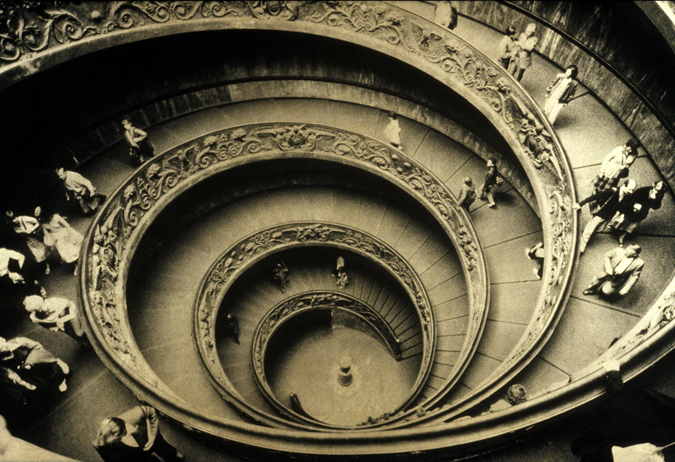
An orotone or gold tone is one of many types of photographic print which can be made from a negative. An orotone photograph is created by printing a positive on a glass plate precoated with a silver gelatin emulsion. Following exposure and development, the back of the plate is coated with banana oil impregnated with gold-colored pigment, to yield a gold-toned image. Alternatively, the developed glass plate can be gold-leafed by hand with a 23-karat gold leaf. Being printed on glass, orotone images are extremely fragile and often require specialized frames in order to prevent breakage. Other types of prints can be made with the same negative used to make an orotone. Consequently, silver gelatin prints and platinotypes (platinum and palladium prints) are also made by those who produce orotone prints.
Then and now
.jpg)
The making of orotone prints was a contemporary art in the early twentieth century. Orotones are often to be seen in interiors associated with the Arts and Crafts movement. Many of these orotones are by the Seattle photographer Edward S. Curtis, who produced hundreds of orotone photographs of Native Americans during his career. Curtis developed the "Curt-Tone", using techniques which he claimed were superior.
Curtis promoted his process as follows: Orotone / Goldtone Process }}
Sally Larsen (who gold-leafs each developed plate by hand) and Ryan Zoghlin are modern practitioners of orotone photography.
References
References
- Gidley, Mick (1998). ''Edward S. Curtis and the North American Indian, Incorporated.'' Cambridge: Cambridge University Press.
- Heyman, Theresa Thau (1984). ''Pioneer Photography of the Great Basin.'' Sierra [[Nevada Museum of Art]].
- Hausman, Gerald; Kapoun, Bob, eds. (1995). ''Prayer to the Great Mystery: The Uncollected Writings and Photography of Edward S. Curtis''. New York: St. Martin's Press.
- Rexer, Lyle (2002). ''Photography's Antiquarian Avant-Garde, the New Wave in Old Processes''. New York: Abrams. pp. 78–79. {{ISBN. 0-8109-0402-0.
This article was imported from Wikipedia and is available under the Creative Commons Attribution-ShareAlike 4.0 License. Content has been adapted to SurfDoc format. Original contributors can be found on the article history page.
Ask Mako anything about Orotone — get instant answers, deeper analysis, and related topics.
Research with MakoFree with your Surf account
Create a free account to save articles, ask Mako questions, and organize your research.
Sign up freeThis content may have been generated or modified by AI. CloudSurf Software LLC is not responsible for the accuracy, completeness, or reliability of AI-generated content. Always verify important information from primary sources.
Report