From Surf Wiki (app.surf) — the open knowledge base
Organ system
Group of organs assembled in a structural unit to serve a common function
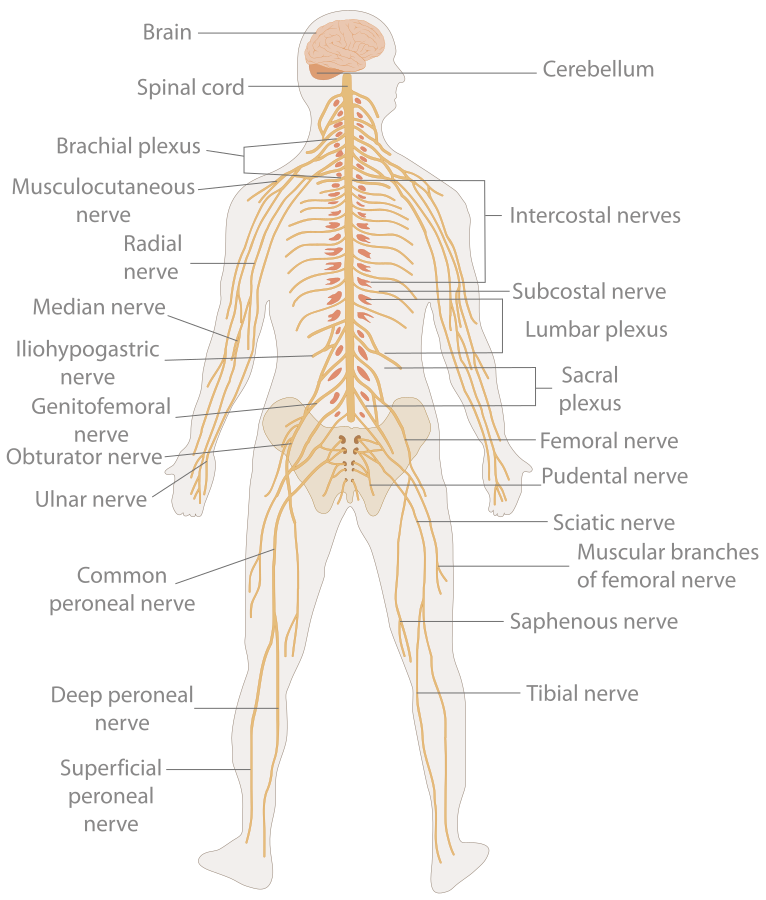
Group of organs assembled in a structural unit to serve a common function
An organ system is a biological system consisting of a group of organs that work together to perform one or more bodily functions. Each organ has a specialized role in an organism body, and is made up of distinct tissues.
Humans
Main article: List of systems of the human body
There are 11 distinct organ systems in human beings, which form the basis of human anatomy and physiology. The 11 organ systems: the respiratory system, digestive and excretory system, circulatory system, urinary system, integumentary system, skeletal system, muscular system, endocrine system, lymphatic system, nervous system, and reproductive system. There are other systems in the body that are not organ systems—for example, the immune system protects the organism from infection, but it is not an organ system since it is not composed of organs. Some organs are in more than one system—for example, the nose is in the respiratory system and also serves as a sensory organ in the nervous system; the testes and ovaries are both part of the reproductive and endocrine systems.
| Organ system | Description | Component organs |
|---|---|---|
| Respiratory system | breathing: exchange of oxygen and carbon dioxide | nose, mouth, paranasal sinuses, pharynx, larynx, trachea, bronchi, lungs and thoracic diaphragm |
| Digestive and excretory system | digestion: breakdown and absorption of nutrients, excretion of solid wastes | teeth, tongue, salivary glands, esophagus, stomach, liver, gallbladder, pancreas, small intestine, large intestine, rectum and anus |
| Circulatory system | circulate blood in order to transport nutrients, waste, hormones, O2, CO2, and aid in maintaining pH and temperature | blood, heart, arteries, veins and capillaries |
| Urinary system | maintain fluid and electrolyte balance, purify blood and excrete liquid waste (urine) | kidneys, ureters, bladder and urethra |
| Integumentary system | exterior protection of body and thermal regulation | skin, hair, fat and nails |
| Skeletal system | structural support and protection, production of blood cells | bones, cartilage, ligaments and tendons |
| Muscular system | movement of body, production of heat | skeletal muscles, smooth muscles and cardiac muscle |
| Endocrine system | communication within the body using hormones made by endocrine glands | hypothalamus, pituitary, pineal gland, thyroid, parathyroid and adrenal glands, ovaries and testicles |
| Exocrine system | various functions including lubrication and protection | ceruminous glands, lacrimal glands, sebaceous glands and mucus |
| Lymphatic system | return lymph to the bloodstream, aid immune responses, form white blood cells | lymph, lymph nodes, lymph vessels, tonsils, spleen and thymus |
| Nervous system | sensing and processing information, controlling body activities | brain, spinal cord, nerves, sensory organs and the following sensory systems (nervous subsystems): visual system,smell (olfactory system), taste (gustatory system) and hearing (auditory system) |
| Reproductive system | sex organs involved in reproduction | ovaries, fallopian tubes, uterus, vagina, vulva, penis, testicles, vasa deferentia, seminal vesicles and prostate |
Other animals
Other animals have similar organ systems to humans, although simpler animals may have a lot of organs in an organ system or have fewer organ systems.
Plants

Plants have two major organs systems. Vascular plants have two distinct organ systems: a shoot system, and a root system. The shoot system consists stems, leaves, and the reproductive parts of the plant (flowers and fruits). The shoot system generally grows above ground, where it absorbs the light needed for photosynthesis. The root system, which supports the plants and absorbs water and minerals, is usually underground.
| Organ system | Description | Component organs |
|---|---|---|
| Root system | anchors plants into place, absorbs water and minerals, and stores carbohydrates | roots |
| Shoot system | stem for holding and orienting leaves to the sun as well as transporting materials between roots and leaves, leaves for photosynthesis, and flowers for reproduction | stem, leaves, and flowers |
References
References
- (2013). "1.2 Structural Organization of the Human Body - Anatomy and Physiology". Openstax.
- Wakim, Suzanne. (August 8, 2020). "Human Organs and Organ Systems".
- (2014). "Principles of Life". Sinauer Associates.
This article was imported from Wikipedia and is available under the Creative Commons Attribution-ShareAlike 4.0 License. Content has been adapted to SurfDoc format. Original contributors can be found on the article history page.
Ask Mako anything about Organ system — get instant answers, deeper analysis, and related topics.
Research with MakoFree with your Surf account
Create a free account to save articles, ask Mako questions, and organize your research.
Sign up freeThis content may have been generated or modified by AI. CloudSurf Software LLC is not responsible for the accuracy, completeness, or reliability of AI-generated content. Always verify important information from primary sources.
Report