From Surf Wiki (app.surf) — the open knowledge base
Opposition to pornography
Overview of opposing views to pornography
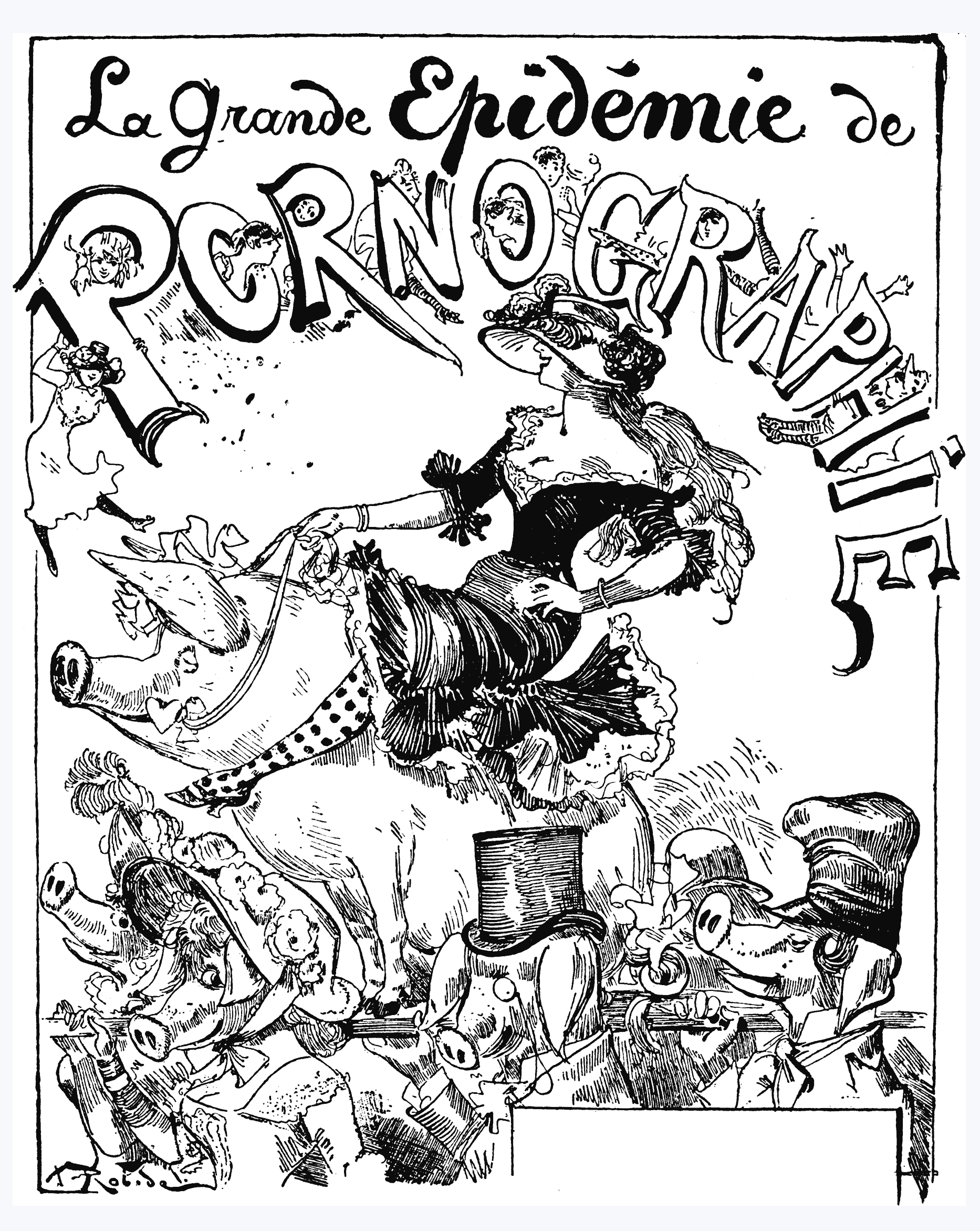
Overview of opposing views to pornography
Reasons for opposition to pornography include religious objections, moral values, feminist concerns, as well as harmful effects, such as pornography addiction and erectile dysfunction. Pornography addiction is not a condition recognized by the DSM-5, the ICD-11, or the DSM-5-TR. Anti-pornography movements have allied disparate social activists in opposition to pornography, from social conservatives to harm reduction advocates. The definition of "porn" varies between countries and movements, and many make distinctions between pornography, which they oppose, and erotica, which they consider acceptable. Sometimes opposition will deem certain forms of pornography more or less harmful, while others draw no such distinctions.
A 2018 Gallup survey reported that 43% of U.S. adults believe that pornography is "morally acceptable", a 7% increase from 2017. From 1975 to 2012, the gender gap in pornography opposition has widened, with more women increasingly opposed to pornography, and men's opposition rate declining faster.
Religious views
Main article: Religious views on pornography, Thou shalt not commit adultery
Most world religions hold negative opinions about pornography which stem from a variety of rationales, including concerns about human dignity, modesty, chastity, and other virtues.
In Judaism and Christianity, there are numerous verses in the Bible which are usually cited as condemning fornication and adultery, notably the Sermon on the Mount in Matthew , which states that "anyone who looks at a woman lustfully has already committed adultery with her in his heart." The Catechism of the Catholic Church explicitly condemns pornography because it "offends against chastity" and "does grave injury to the dignity of its participants", since "each one becomes an object of base pleasure and illicit profit for others".
Islam also forbids adultery and fornication, and various verses of the Quran have been cited as condemning pornography and lustfulness, including Surah An-Nur (), which tells Muslim women to "lower their gaze and guard their chastity, and not to reveal their adornments, except what normally appears", and Muslim men to "lower their gaze and guard their chastity. That is purer for them. Surely, Allah is All-Aware of what they do."
Feminist views
Main article: Feminist views on pornography#Anti-pornography feminism
Some feminists are opposed to pornography, arguing that it is an industry which exploits women and is complicit in violence against women, both in its production (where they present evidence that abuse and exploitation of women performing in pornography is rampant) and in its consumption (where pornography eroticizes the domination, humiliation, and coercion of women, and reinforces sexual and cultural attitudes that are complicit in rape and sexual harassment). They charge that pornography contributes to the male-centered objectification of women and thus to sexism. Andrea Dworkin was a feminist famously opposed to the pornography industry, and proposed the Antipornography Civil Rights Ordinance in several American cities in the 1980s. In 2015, feminist Gail Dines founded Culture Reframed, which responds to the growing pornography industry by providing education and support for healthy child and youth development.
However, many other feminists are opposed to censorship, and have argued against the introduction of anti-porn legislation in the United States, among them Betty Friedan, Kate Millett, Karen DeCrow, Wendy Kaminer and Jamaica Kincaid. Some sex-positive feminists actively support pornography that depicts female sexuality in a positive way, without objectifying or demeaning women, whereas some other feminists don't see any problem with the industry in its current state, given the subjective nature of perceiving humiliation or aggressiveness in a consensual context as something demeaning or negative.
Conservative views
Religious conservatives commonly oppose pornography, along with a subset of feminists, though their reasoning may differ. Many religious conservatives view pornography as a threat to children. Some conservative Catholics and Protestants oppose pornography because they believe that it encourages non-procreative sex, encourages abortion, and can be connected to the rise of sexually transmitted diseases.
Concerned Women For America (CWA) is a conservative organization that opposes same-sex marriage and abortion. When discussing violence against women, the CWA often uses pornography to illustrate their points. The CWA asserts that pornography is a major reason why men inflict harm on women. The CWA argues that pornography convinces men to disrespect their wives and neglect their marriages, thereby threatening the sanctity of traditional marriage. Unlike other issues CWA has tackled, they are less forcefully anti-feminist when it comes to the topic of pornography, as many of their points surrounding why pornography is distasteful parallels those of anti-pornography feminists.
Some extremist Christian and far-right groups have issued death threats towards porn managers and sex workers.
Science-based views
Dolf Zillmann argued in the 1986 publication "Effects of Prolonged Consumption of Pornography" that extensive viewing of pornographic material produces many unfavorable political effects, including a decreased respect for long-term monogamous relationships, and an attenuated desire for procreation. He describes the theoretical basis of these experimental findings:The values expressed in pornography clash so obviously with the family concept, and they potentially undermine the traditional values that favor marriage, family, and children... Pornographic scripts dwell on sexual engagements of parties who have just met, who are in no way attached or committed to each other, and who will part shortly, never to meet again... Sexual gratification in pornography is not a function of emotional attachment, of kindness, of caring, and especially not of continuance of the relationship, as such continuance would translate into responsibilities, curtailments, and costs...
A study by Zillman in 1982 also indicated that prolonged exposure to pornography desensitized both men and women toward victims of sexual violence. After being shown pornographic movies, test subjects were asked to judge an appropriate punishment for a rapist. The test subjects recommended incarceration terms that were significantly more lenient than those recommended by control subjects who had not watched pornography. Some researchers like Zillman believe that pornography causes unequivocal harm to society by increasing rates of sexual assault. Other researchers believe that there is a correlation between pornography and a decrease of sex crimes; exhibiting a strong disbelief in the claim that pornography is a cause of rape; mainstream science does not claim that pornography would be a cause of rape.
The appropriation of the sexually explicit in American culture and society is part of what has been called "the pornification of America". Rape culture is often discussed when it comes to pornography, and is defined by society victim-blaming women because of their rape. It is known as society making rape less substantial. Some of the most searched titles on pornography websites is rape scenes.
The impact of pornography can vary significantly among teenagers and across cultures, depending on specific constellations of personality traits. Research indicates that special attention may be required for highly frequent consumers of pornography, those who actively seek sexually violent content, and individuals with additional risk factors. Male adolescents at a more advanced pubertal stage, characterized as sensation seekers with weak or troubled family relations, tended to use pornography more frequently. This usage correlated with more permissive sexual attitudes and stronger gender-stereotypical sexual beliefs. Additionally, it appeared to be associated with engaging in sexual intercourse, having greater experience with casual sex behavior, and an increased likelihood of involvement in sexual aggression, both as perpetrators and victims. The authors of the review state that the impact of pornography upon the brains of teenagers is a suggestion (what scientific literature suggests) rather than a scientific fact. That is, the data are suggestive rather than conclusive.
In a 2021 review of recent pornography research, K. Camille Hoagland & Joshua B. Grubbs posit that "Specifically, mere pornography use itself was most often not associated with sexual functioning in either direction, but self-reported problematic use of pornography was consistently associated with more sexual functioning problems."
Some studies suggest that children and youths are more susceptible to the neurological effects of pornography consumption than adults, however this lacks direct empirical evidence. This can be attributed to considerable ethical problems with performing such research. Since those problems are a huge obstacle, it is likely that such research will not be allowed, thus possibly it could never be known. Rory Reid (UCLA) declared "Universities don't want their name on the front page of a newspaper for an unethical study exposing minors to porn." Repeated cross-sectional surveys did not detect any correlation between pornography use and mental problems of teenagers, since the curve is U-shaped, with both too low and too high consumption of pornography being problematic.
While the World Health Organization's ICD-11 (2022) has recognized compulsive sexual behaviour disorder (CSBD) as an "impulsive control disorder", CSBD is not classified as an addiction; the American Psychiatric Association's DSM-5 (2013) and the DSM-5-TR (2022) do not classify compulsive pornography consumption as a mental disorder or a behavioral addiction. According to Emily F. Rothman, "The professional public health community is not behind the recent push to declare pornography a public health crisis." The ideas supporting the "crisis" have been described as pseudoscientific.
References
References
- (September 2019). "What Arouses Evangelicals? Cultural Schemas, Interpretive Prisms, and Evangelicals' Divergent Collective Responses to Pornography and Masturbation". [[Oxford University Press]] on behalf of the [[American Academy of Religion]].
- (April 2015). ""Don't push your immorals on me": Encouraging anti-porn advocacy in The Church of Jesus Christ of Latter-Day Saints". [[SAGE Publications]].
- (September 2013). "Outsourcing Moral Authority: The Internal Secularization of Evangelicals' Anti-Pornography Narratives". [[Wiley-Blackwell]] on behalf of the [[Society for the Scientific Study of Religion]].
- (2013). "Psychiatry Online".
- Martinez-Gilliard, Erin. (2023). "Sex, Social Justice, and Intimacy in Mental Health Practice: Incorporating Sexual Health in Approaches to Wellness". Taylor & Francis.
- (22 February 2023). "Iatrogenic effects of Reboot/NoFap on public health: A preregistered survey study". SAGE Publications.
- (2018-06-05). "More Americans Say Pornography Is Morally Acceptable".
- (2015). "The Widening Gender Gap in Opposition to Pornography, 1975–2012". Social Currents.
- [[Pope John Paul II]]. (2003). "[[Catechism of the Catholic Church]]". [[Libreria Editrice Vaticana]] on behalf of the [[Holy See]].
- Slick, Matt. (2008-12-11). "What does the Bible say about pornography? Is it wrong?".
- Freeman, Tzvi. "What's Wrong With Pornography?".
- Mujahid, Abdul Malik. "Islam on Pornography: A Definite No-No".
- "Bible Verses about Pornography".
- (2009). "Matthew and Paul: A Comparison of Ethical Perspectives". [[Cambridge University Press]].
- Rashid, Qasim. (29 March 2017). "Muslim men need to understand that the Quran says they should observe hijab first, not women".
- (2021). "Un-Veiling Dichotomies: European Secularism and Women's Veiling". [[Springer Nature]].
- Morgan, Robin (1974). "Theory and Practice: Pornography and Rape". In: ''Going Too Far: The Personal Chronicle of a Feminist''. Random House. {{ISBN. 0-394-48227-1.
- MacKinnon, Catharine (1987). ''Feminism Unmodified: Discourses on Life and Law''. Cambridge, MA: Harvard University Press. pp. 146–150.
- "Culture Reframed".
- "The Harm of Porn: Just Another Excuse to Censor". The Law.
- "Feminist Critique of the Feminist Critique of Pornography, A Essay".
- (1997). "The Cognitive Structure of a Moral Crusade: Conservative Protestantism and Opposition to Pornography". Social Forces.
- (23 June 2020). "As underage pregnancies rise, Kenyan bishops warn against sex ed, abortion". [[Catholic News Service]].
- Schreiber, Ronnee. (2008). "Righting Feminism". Oxford University Press.
- Cole, Samantha. (13 April 2021). "The Crusade Against Pornhub Is Going to Get Someone Killed".
- (10 March 2021). "Hatred Against Women: The Dark World of Extremist Misogyny". Der Spiegel.
- Ley, David J.. (27 October 2018). "Is One Sexual Behavior Triggering Certain Groups?".
- Zillmann, Dolf. (4 August 1986). "Report of the Surgeon General's Workshop on Pornography and Public Health: Background Papers: 'Effects of Prolonged Consumption of Pornography'".
- (April 2008). "Linking male use of the sex industry to controlling behaviors in violent relationships: an exploratory analysis". [[Violence Against Women (journal).
- Diamond, Milton. (June 23, 2006). "The Effects of Pornography: An International Perspective". Porn 101: Eroticism, Pornography, and the First Amendment, [[University of Hawaii]]}}.
- Whitehead, John W.. "Miley Cyrus and the Pornification of America". The Rutherford Institute.
- Aucoin, Don. (January 24, 2006). "The pornification of America. From music to fashion to celebrity culture, mainstream entertainment reflects an X-rated attitude like never before". Boston Globe.
- (June 2015). "The dark side of internet searches: a macro level assessment of rape culture". International Journal of Cyber Criminology.
- (June 2005). "Pornography and Teenagers: The Importance of Individual Differences". Adolescent Medicine Clinics.
- (2016-05-03). "Adolescents and Pornography: A Review of 20 Years of Research". The Journal of Sex Research.
- (2021-09-01). "Pornography Use and Holistic Sexual Functioning: a Systematic Review of Recent Research". Current Addiction Reports.
- (2019). "The components of the adolescent brain and its unique sensitivity to sexually explicit material". Elsevier BV.
- (1999). "Ethical issues in conducting sex research on the internet". Informa UK Limited.
- Segal, David. (4 April 2014). "Does porn harm children?".
- Segal, David. (28 March 2014). "Opinion - Does Porn Hurt Children?".
- (2023). "Associations between adolescents watching pornography and poor mental health in three Swedish surveys". European Child & Adolescent Psychiatry.
- "Compulsive sexual behavior disorder".
- a verified Counsellor or Therapist. (24 January 2018). "Compulsive Sexual Behavior Disorder in ICD-11". Akademiai Kiado Zrt..
- (April 2014). "Is pornography addictive?". Monitor on Psychology.
- (4 June 2014). "Sexual Diversity and Sexual Offending: Research, Assessment, and Clinical Treatment in Psychosexual Therapy". Karnac Books.
- Since it is neither of two behavioral addictions mentioned in the DSM-5 or DSM-5-TR.
- American Psychiatric Association. (2022). "Diagnostic and Statistical Manual of Mental Disorders, Fifth Edition, Text Revision (DSM-5-TR)". American Psychiatric Association Publishing.
- American Psychiatric Association. (2022). "Diagnostic and Statistical Manual of Mental Disorders, Fifth Edition, Text Revision (DSM-5-TR)". American Psychiatric Association Publishing.
- Rothman, Emily F.. (2021). "Pornography and Public Health". Oxford University Press.
- (2022). "Reference Module in Neuroscience and Biobehavioral Psychology". Elsevier.
- "Shelley Lubben - My Blog, Thoughts, and Life".
- "Out of Pornography and Into the Light". CBN.
- "Pro-Sex Feminism: Redefining Pornography".
- McElroy, Wendy. "A Feminist Overview of Pornography".
- Kreidler, Marc. (July 26, 2019). "Search | Free Inquiry".
- (2014). "The Emperor Has No Clothes: A Review of the 'Pornography Addiction' Model". Current Sexual Health Reports.
- "sfbg.com".
- Strossen, Nadine. (November 1995). "Pornography Must Be Tolerated". The Ethical Spectacle.
- (8 April 1999). "The Columbia Reader on Lesbians and Gay Men in Media, Society, and Politics". Columbia University Press.
This article was imported from Wikipedia and is available under the Creative Commons Attribution-ShareAlike 4.0 License. Content has been adapted to SurfDoc format. Original contributors can be found on the article history page.
Ask Mako anything about Opposition to pornography — get instant answers, deeper analysis, and related topics.
Research with MakoFree with your Surf account
Create a free account to save articles, ask Mako questions, and organize your research.
Sign up freeThis content may have been generated or modified by AI. CloudSurf Software LLC is not responsible for the accuracy, completeness, or reliability of AI-generated content. Always verify important information from primary sources.
Report