From Surf Wiki (app.surf) — the open knowledge base
Oily fish
Fish species with oils in their tissues and coelom

Fish species with oils in their tissues and coelom
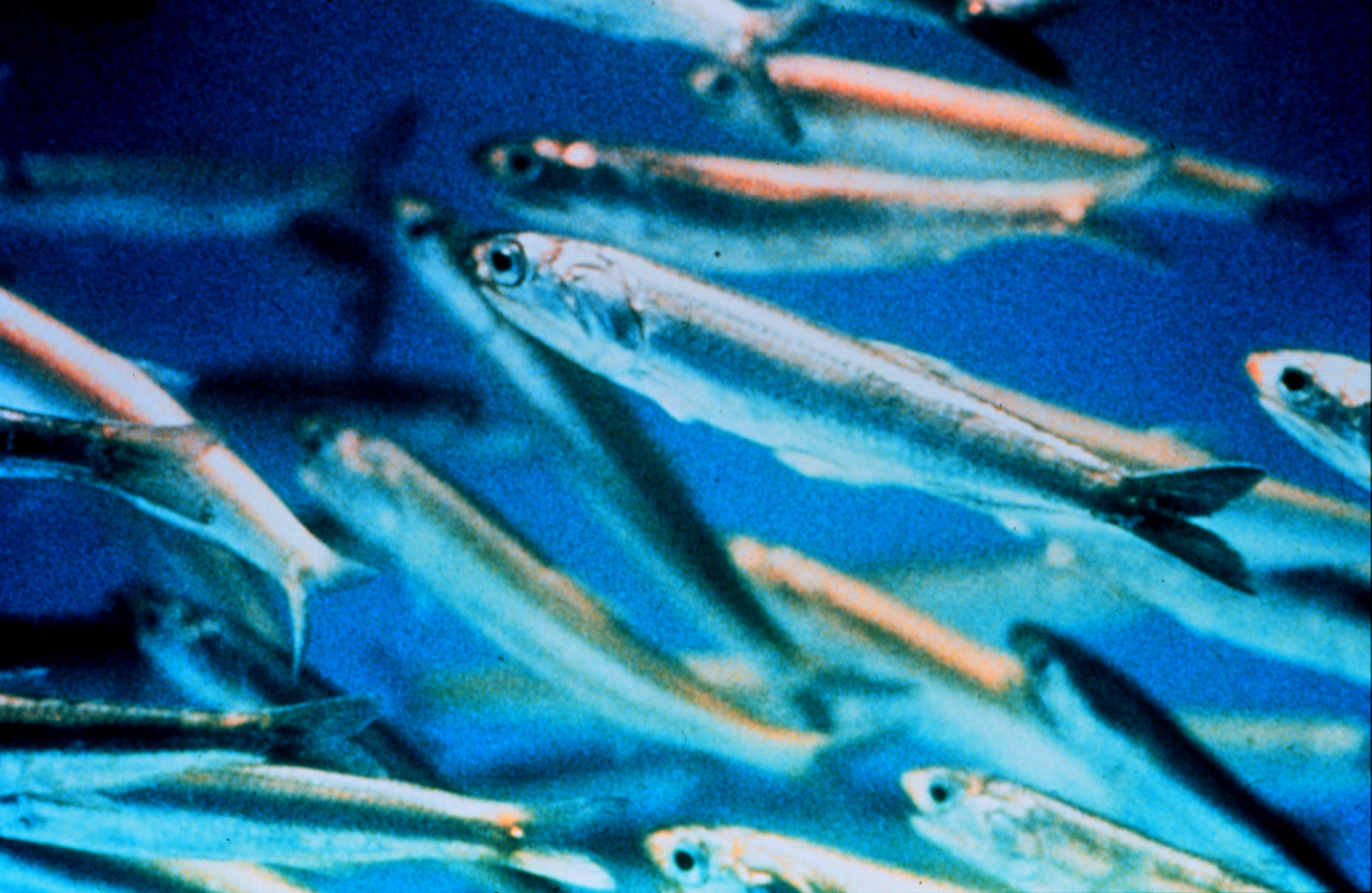
Oily fish, also known as blue fish or fatty fish, are fish species with oil (fats) in soft tissues and in the coelomic cavity around the gut. Their fillets may contain up to 30% oil, although this figure varies both within and between species. Examples of oily fish include small forage fish such as sardines, herring and anchovies, and other larger pelagic fish such as salmon, trout, tuna, swordfish and mackerel.
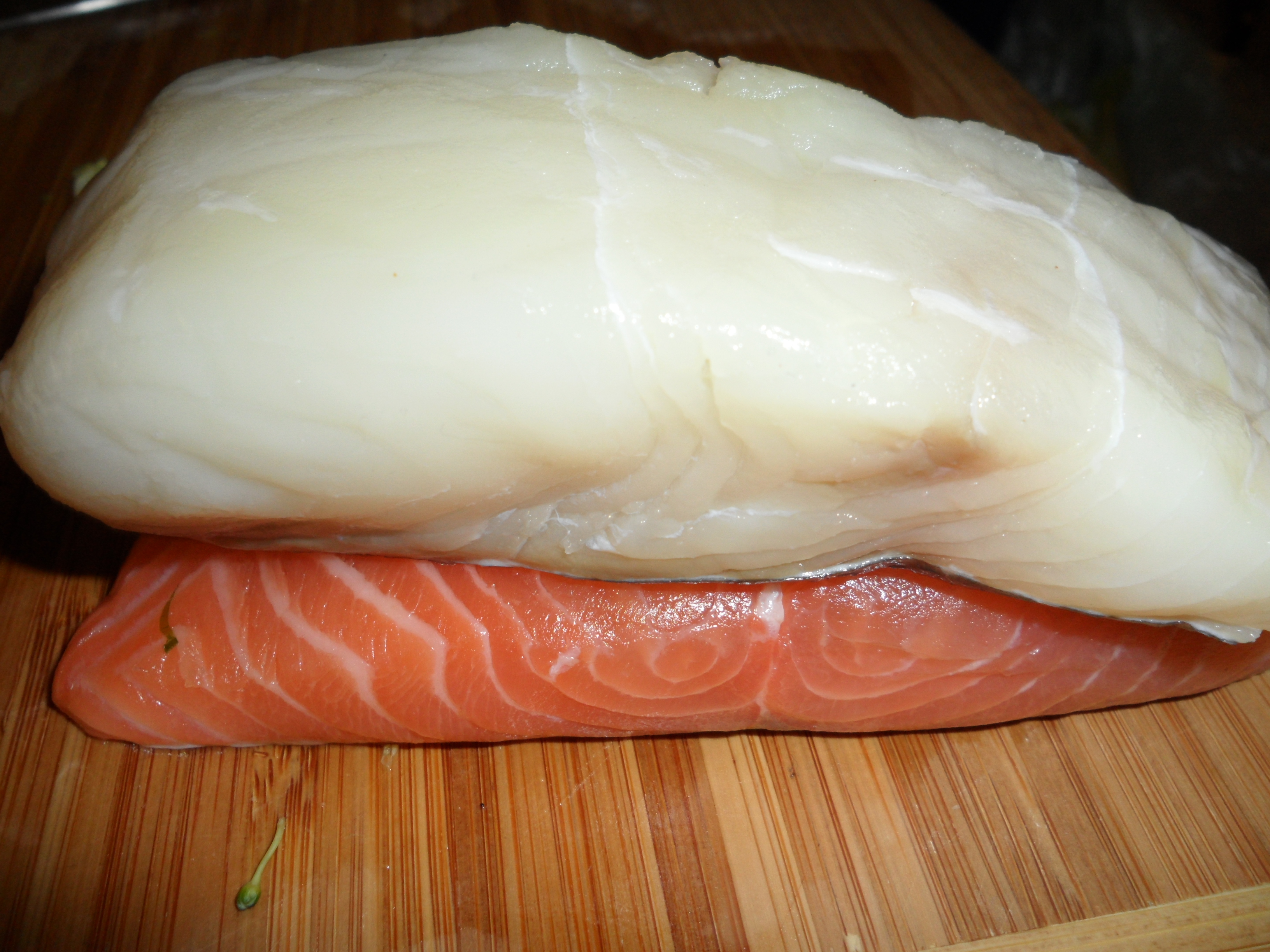
Oily fish can be contrasted with whitefish, which contain oil only in the liver and in much less overall quantity than oily fish. Examples of whitefish are cod, haddock and flatfish. White fish are usually demersal fish which live on or near the seafloor, whereas oily fish are pelagic, living in the water column goes from the bottom.
Oily fish meat is a good source of important fat-soluble vitamins such as Vitamin A and D, and is rich in omega-3 fatty acids (white fish also contain these nutrients but at a much lower concentration). For this reason the consumption of oily fish rather than white fish can be more beneficial to humans, particularly concerning heart diseases such as stroke and ischemic heart disease; however, oily fish are known to carry higher levels of contaminants (such as mercury or dioxin or POPs) than whitefish. Among other benefits, studies suggest that the omega-3 fatty acids in oily fish may help improve inflammatory conditions such as arthritis.
Health benefits
Dementia
A 1997 study published in Annals of Neurology followed 5,386 elderly participants in Rotterdam. It found that fish consumption decreased the risk of dementia.{{Cite journal | hdl-access = free
French research published in 2002 in the British Medical Journal (BMJ) followed 1,674 elderly residents of southern France for seven years, studying their consumption of meat versus seafood and the presence of dementia symptoms. The conclusion was that people who ate fish at least once a week had a significantly lower risk of being diagnosed with dementia over a seven-year period. This study reinforced the Annals of Neurology findings. Because of the longer term, the BMJ study provided stronger evidence of a genuine protective effect.{{Cite journal
Cardiovascular health
Consuming 200–400 g of oily fish twice per week may also help prevent sudden death due to myocardial infarction by preventing cardiac arrhythmia. The eicosapentaenoic acid found in fish oils appears to dramatically reduce inflammation through conversion within the body to resolvins, with beneficial effects for the cardiovascular system and arthritis.
Recommended consumption
.jpg)
In 1994, the UK Committee on Medical Aspects of Food and Nutrition Policy recommended that people eat at least two portions of fish per week, one of which should be oily fish.
In 2004 the UK Food Standards Agency published advice on the recommended minimum and maximum quantities of oily fish to be eaten per week, to balance the beneficial qualities of the omega-3 fatty acids against the potential dangers of ingesting polychlorinated biphenyls and dioxins. It reiterated the 1994 guideline of two portions of fish per week including one portion of oily fish, but advised eating no more than four portions per week, and no more than two portions for people who are pregnant, may become pregnant or who are breastfeeding.
The United States Environmental Protection Agency's (EPA) Exposure Reference Dose (RfI) for methylmercury (MeHg) is 0.1 micrograms per kg body weight per day. The corresponding limit of blood mercury is 5.8 micrograms per liter. The restrictions apply to certain oily fish – "marlin, swordfish, shark and, to a lesser extent, tuna". The recommendations on maximum consumption of oily fish were up to four portions (1 portion = 140g, or approx 4.9 ounces) a week for men, boys, and women past childbearing age, and up to two portions a week for women of childbearing age, including pregnant and breastfeeding women, and girls. There is no recommended limit on the consumption of white fish.
The EPA and 2007 U.S. Department of Agriculture guidelines sets a limit only on consumption of fatty fish with greater than one part per million of methylmercury, specifically tilefish, king mackerel, shark and swordfish. There are limits, however, for nursing/pregnant women and children under the age of six. This population should completely avoid fish with high risk of mercury contamination (those listed above) and limit consumption of moderate and low-mercury fish to 12 ounces or less per week. Albacore tuna should be limited to six ounces or less per week.
Omega-3 content
Concerns about contamination, diet or supply have led to investigation of plant sources of omega-3 fatty acids, notably flax, hempseed and perilla oils. Lactating women who supplemented their diet with flaxseed oil showed increases in blood and breastmilk concentration of alpha-linolenic acid and eicosapentaenoic acid but no changes to concentrations of docosahexaenoic acid.
References
References
- (4 July 2024). "Types of fish: Bluefish, Whitefish and Semi-fatty fish".
- (24 June 2004). "What's an oily fish?".
- (7 October 1989). "Oily fish helps heart attack victims to live longer - 07 October 1989". New Scientist.
- Kremer JM. (2017). "Fish Oil and Inflammation — A Fresh Look". The Journal of Rheumatology.
- Wilkinson, Emma. (9 March 2009). "Oily fish dementia boosts queried".
- (2003). "Clinical prevention of sudden cardiac death by n-3 polyunsaturated fatty acids and mechanism of prevention of arrhythmias by n-3 fish oils". Circulation.
- Arita, M.. (2005). "Stereochemical assignment, antiinflammatory properties, and receptor for the Omega-3 lipid mediator Resolvin E1". [[J. Exp. Med..
- (23 June 2004). "Oily fish advice: your questions answered".
- SACN (2004) [https://cot.food.gov.uk/sites/default/files/cot/fishreport200401.pdf ''Advice on fish consumption: benefits and risks''], 20 May 2014, Committee on Toxicity. {{ISBN. 011243083X.
- (1 January 2003). "Supplementing lactating women with flaxseed oil does not increase docosahexaenoic acid in their milk". American Journal of Clinical Nutrition.
This article was imported from Wikipedia and is available under the Creative Commons Attribution-ShareAlike 4.0 License. Content has been adapted to SurfDoc format. Original contributors can be found on the article history page.
Ask Mako anything about Oily fish — get instant answers, deeper analysis, and related topics.
Research with MakoFree with your Surf account
Create a free account to save articles, ask Mako questions, and organize your research.
Sign up freeThis content may have been generated or modified by AI. CloudSurf Software LLC is not responsible for the accuracy, completeness, or reliability of AI-generated content. Always verify important information from primary sources.
Report