From Surf Wiki (app.surf) — the open knowledge base
Oil of clove
Oil of cloves
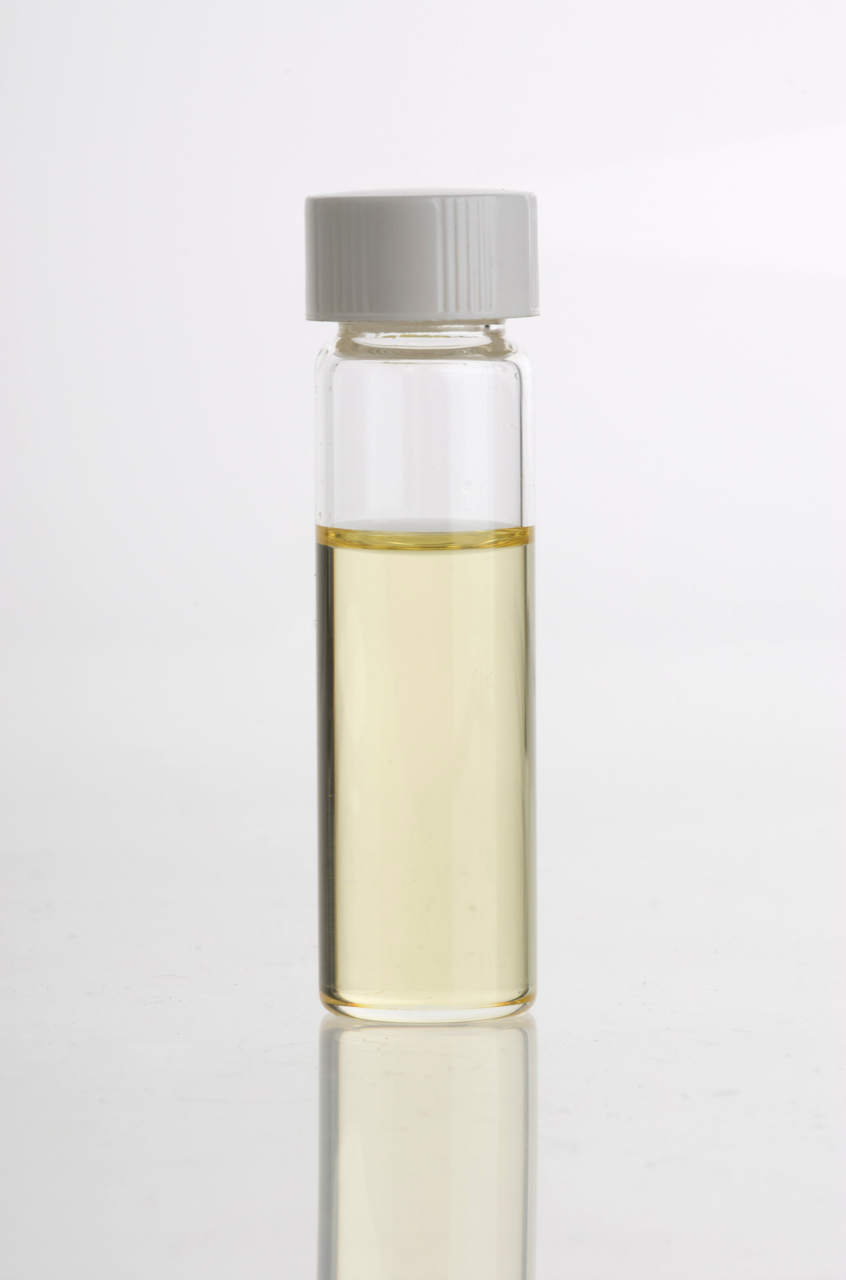
Oil of cloves
Oil of clove, also known as clove oil or eugenol, is an essential oil extracted from the clove plant, Syzygium aromaticum. Clove oil is commonly used in aromatherapy and for flavoring food, tea, and toothpaste. In alternative medicine, it may be used as a topical medication to relieve toothache. There is insufficient medical evidence to support its use as an analgesic for treating pain.
Madagascar and Indonesia are the main producers of clove oil.
Types and phytochemicals
There are three types of clove oil:
- Bud oil is derived from the flower-buds of S. aromaticum. It consists of 60–90% eugenol, eugenol acetate, caryophyllene and other minor constituents.
- Leaf oil is derived from the leaves of S. aromaticum. It consists of 70–82% eugenol, and some amounts of beta Caryophyllene and alpha Humulene.
- Stem oil is derived from the twigs of S. aromaticum. It consists of 85–92% eugenol, with other minor constituents. Stem oil is closer in olfactive and flavor profile to bud oil.
Distilled clove oil from buds contains mixed phytochemicals, including as main constituents phenylpropanoids (primarily eugenol), carvacrol, thymol, and cinnamaldehyde, with smaller quantities of polyphenols, carbohydrates, lipids, oleanolic acid, and rhamnetin.
Human health
Toxicity
Clove oil is toxic in anything other than small therapeutic doses, and several cases of acute liver and kidney damage have been reported, principally in children. In foods, the level of clove oil used as a flavor ingredient does not exceed 0.06%, and is considered safe.
Toothache
Particularly in South Korea and India, eugenol, an aromatic compound extracted from clove oil, is used in alternative medicine to relieve toothache. Applied to a cavity in a decayed tooth or tooth socket remaining after extraction, eugenol or clove oil may relieve toothache temporarily. There is insufficient scientific evidence that eugenol is effective for treating dental pain.
Other uses
Clove oil is commonly used to anesthetize or euthanize laboratory or pet fish.
Clove oil is a component of choji oil (), which was traditionally used for the maintenance of Japanese swords.
Regulation
In Germany, Commission E permits the sale and administration of clove oil for use in alternative medicine.
Notes
References
References
- (8 May 2023). "Clove". Drugs.com.
- (28 October 2019). "Eugenol (clove oil)". LiverTox: Clinical and Research Information on Drug-Induced Liver Injury, US National Institute of Diabetes and Digestive and Kidney Diseases.
- (27 February 2025). "Clove". MedlinePlus, National Library of Medicine, US National Institutes of Health.
- (3 July 2020). "Clove Oil BP". Electronic Medicines Compendium, UK.
- Lawless, J.. (1995). "The Illustrated Encyclopedia of Essential Oils: The Complete Guide to the Use of Oils in Aromatherapy and Herbalism".
- (2013). "Natural Products". Springer-Verlag Berlin; In: Natural Products - Phytochemistry, Botany and Metabolism of Alkaloids, Phenolics and Terpenes; Part XIV.
- Gary Kent Ostrander. (2000). "The Laboratory Fish". Elsevier.
- (21 July 2014). "Zoo Animal and Wildlife Immobilization and Anesthesia". Wiley.
- Nagayama, Kōkan. (1997). "The Connoisseur's Book of Japanese Swords". Kodansha International.
- (6 October 2019). "Glossary".
- (1998-08-15). "The Complete German Commission E Monographs: Therapeutic Guide to Herbal Medicines". American Botanical Council.
This article was imported from Wikipedia and is available under the Creative Commons Attribution-ShareAlike 4.0 License. Content has been adapted to SurfDoc format. Original contributors can be found on the article history page.
Ask Mako anything about Oil of clove — get instant answers, deeper analysis, and related topics.
Research with MakoFree with your Surf account
Create a free account to save articles, ask Mako questions, and organize your research.
Sign up freeThis content may have been generated or modified by AI. CloudSurf Software LLC is not responsible for the accuracy, completeness, or reliability of AI-generated content. Always verify important information from primary sources.
Report