From Surf Wiki (app.surf) — the open knowledge base
Obesity-associated morbidity

| Field | Value |
|---|---|
| image | Medical complications of obesity.png |
| caption | Obesity may cause a number of medical complications which negatively impact peoples' quality of life. |
| specialty | Endocrinology (other specialties) |
Obesity is a risk factor for many chronic physical and mental illnesses.
Health risks for those who are overweight may be decreasing because of improvements in medical care. Some obesity-associated medical conditions may be the result of stress caused by medical discrimination against people who are obese, rather than the direct effects of obesity, and some may be exacerbated by the relatively poor healthcare received by people who are obese.
Medical discrimination
Main article: Social stigma of obesity#In healthcare
Because of the social stigma of obesity, people who are obese may receive poorer healthcare than people within the normal BMI weight range, potentially contributing to the relationship between obesity and poor health outcomes. People who experience weight-related discrimination, irrespective of their actual weight status, similarly have poorer health outcomes than those who do not experience weight-related discrimination. People who are obese are also less likely to seek medical care than people who are not obese, even if the weight gain is caused by medical problems. Peter Muennig, a professor in the Department of Health Policy and Management at Columbia University, has proposed that obesity-associated medical conditions may be caused "not from adiposity alone, but also from the psychological stress induced by the social stigma associated with being obese".
Cardiological risks

Body weight is not considered to be an independently predictive risk factor for cardiovascular disease by current (as of 2014) risk assessment tools. Mortality from cardiovascular disease has decreased despite increases in obesity, and at least one clinical trial was stopped early because the weight loss intervention being tested did not reduce cardiovascular disease.
Ischemic heart disease
Abdominal obesity is associated with cardiovascular diseases including angina and myocardial infarction. However, overall obesity (as measured by BMI) may lead to false diagnoses of myocardial infarction and may decrease mortality after acute myocardial infarction.
In 2008, European guidelines concluded that 35% of ischemic heart disease among adults in Europe is due to obesity.
Congestive heart failure
Having obesity is associated to about 11% of heart failure cases in males and 14% in females.
High blood pressure
More than 85% of those with hypertension have a BMI greater than 25, although diet is probably a more important factor than body weight. The association between obesity and hypertension has been found in animal and clinical studies, which have suggested that there are multiple potential mechanisms for obesity-induced hypertension. These mechanisms include the activation of the sympathetic nervous system as well as the activation of the renin–angiotensin–aldosterone system. As of 2007, it was unclear whether there is an association between hypertension and obesity in children, but there is little direct evidence that blood pressure has increased despite increases in pediatric overweight.
Abnormal cholesterol levels
Obesity is associated with increased levels of LDL cholesterol and lower levels of HDL cholesterol in the blood.
Deep vein thrombosis and pulmonary embolism
Obesity increases one's risk of venous thromboembolism by approximately 2.3 fold.
Dermatological risks
Obesity is associated with the incidence of stretch marks, acanthosis nigricans, lymphedema, cellulitis, hirsutism, and intertrigo.
Endocrine risks

Diabetes mellitus
Main article: Diabesity
The link between obesity and type 2 diabetes is so strong that researchers in the 1970s started calling it "diabesity".
Gynecomastia
In some individuals, obesity can be associated with elevated peripheral conversion of androgens into estrogens.
Gastrointestinal risks
Gastroesophageal reflux disease
Several studies have shown that the frequency and severity of GERD symptoms increase with BMI, such that people who are underweight have the fewest GERD symptoms, and people who are severely obese have the most GERD symptoms. However, most studies find that GERD symptoms are not improved by nonsurgical weight loss.
Cholelithiasis (gallstones)
Obesity causes the amount of cholesterol in bile to rise, in turn the formation of stone can occur
Reproductive system (or genital system)
Polycystic ovarian syndrome (PCOS)
Due to its association with insulin resistance, the risk of obesity increases with polycystic ovarian syndrome (PCOS). In the US approximately 60% of patients with PCOS have a BMI greater than 30. It remains uncertain whether PCOS contributes to obesity, or the reverse.
Infertility
Obesity can lead to infertility in both males and females. This is primarily due to excess estrogen interfering with normal ovulation in females It is believed to cause 6% of primary infertility. A review in 2013 came to the result that obesity increases the risk of oligospermia and azoospermia in males, with an of odds ratio 1.3. Being morbidly obese increases the odds ratio to 2.0.
Complications of pregnancy
Obesity is related to many complications in pregnancy including: haemorrhage, infection, increased hospital stays for the mother, and increased NICU requirements for the infant. Obese females also have increased risk of preterm births and low birth weight infants.
Obese females have more than twice the rate of C-sections compared to females of "normal" weight. Some have suggested that this may be due in part to the social stigma of obesity.
Birth defects
Those who are obese during pregnancy have a greater risk of having a child with a number of congenital malformations including: neural tube defects such as anencephaly and spina bifida, cardiovascular anomalies, including septal anomalies, cleft lip and palate, anorectal malformation, limb reduction anomalies, and hydrocephaly.
Intrauterine fetal death
Maternal obesity is associated with an increased risk of intrauterine fetal death.
Buried penis
Excess body fat in morbid obesity can, in some cases, completely obscure or "bury" the penis.
Neurological risks
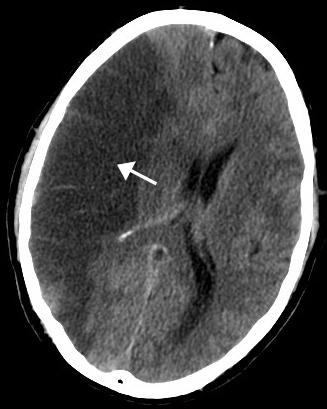
Stroke
Ischemic stroke is increased in both men and women who are obese,
Meralgia paresthetica
Meralgia paresthetica is a neuropathic pain or numbness of the thighs, sometimes associated with obesity.
Migraines
Migraine (and headaches in general) is comorbid with obesity. The risk of migraine rises 50% by BMI of 30 kg/m2 and 100% by BMI of 35 kg/m2. The causal connection remains unclear.
Carpal tunnel syndrome
The risk of carpal tunnel syndrome is estimated to rise 7.4% for each 1 kg/m2 increase of body mass index.
Dementia
One review found that those who are obese do not have a significantly higher rate of dementia than those with "normal" weight.
Idiopathic intracranial hypertension
Idiopathic intracranial hypertension, or unexplained high pressure in the cranium, is a rare condition that can cause visual impairment, frequent severe headache, and tinnitus. It is most commonly seen in obese women, and the incidence of idiopathic intracranial hypertension is increasing along with increases in the number of people who are obese.
Multiple sclerosis
Obese female individuals at 18 years of age have a greater than twofold increased risk of multiple sclerosis compared to females with a BMI between 18.5 and 20.9. Female individuals who are underweight at age 18 have the lowest risk of multiple sclerosis. However, body weight as an adult was not associated with risk of multiple sclerosis.
Cancer
Main article: Obesity and cancer
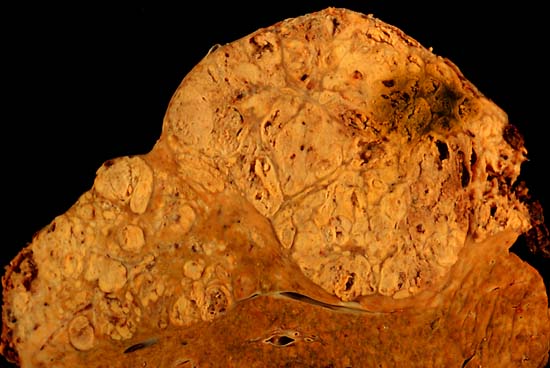
Many cancers occur at increased frequency in those who are overweight or obese. A study from the United Kingdom found that approximately 5% of cancer is due to excess weight. These cancers include:
- breast cancer
- ovarian cancer
- esophageal cancer
- colorectal cancer
- hepatocellular carcinoma
- pancreatic cancer
- gallbladder cancer
- stomach cancer
- endometrial cancer
- cervical cancer
- prostate cancer
- renal cell carcinoma
- non-Hodgkin's lymphoma
- multiple myeloma
A high body mass index (BMI) is associated with a higher risk of developing ten common cancers including 41% of uterine cancers and at least 10% of gallbladder, kidney, liver and colon cancers in the UK. For those undergoing surgery for cancer, obesity is also associated with an increased risk of major postoperative complications compared with those of "normal" weight.
Psychiatric risks

Depression
Obesity has been associated with depression, likely due to social factors rather than physical effects of obesity. However, it is possible that obesity is caused by depression (due to reduced physical activity or, in some people, increases in appetite). Obesity-related disabilities may also lead to depression in some people. Repeated failed attempts at weight loss might also lead to depression.
The association between obesity and depression is strongest in those who are more severely obese, those who are younger, and in women. Suicide rate however decreases with increased BMI. Similarly, weight loss through bariatric surgery is associated with increased risk of suicide.
Social stigmatization
Main article: Social stigma of obesity
Obese people draw negative reactions from others, and people are less willing to help obese individuals in any situation due to social stigmatization. People who are obese also experience fewer educational and career opportunities, on average earn a lesser income, and generally receive poorer health care and treatment than individuals of "normal" weight.
Respiratory system
Obstructive sleep apnea
Obesity is a risk factor for obstructive sleep apnea.
Obesity hypoventilation syndrome

Obesity hypoventilation syndrome is defined as the combination of obesity, hypoxia during sleep, and hypercapnia during the day, resulting from hypoventilation.
Chronic lung disease
Obesity is associated with a number of chronic lung diseases, including asthma and COPD.
Complications during general anaesthesia
Obesity significantly reduces and stiffens the functional lung volume, requiring specific strategies for respiratory management under general anesthesia.
Obesity and asthma
The low grade systemic inflammation of obesity has been shown to worsen lung function in asthma and increase the risk of developing an asthma exacerbation.
COVID-19
A study in England found a linear increase in severe COVID-19 resulting in hospitalisation and death for those whose BMI is above 23, and a linear increase in admission to an intensive care unit across the whole BMI spectrum. The difference in COVID-19 risk from having a high BMI was most pronounced in people aged under 40, or who were black. A study from Mexico found that obesity alone was responsible for a 2.7 times increased risk of death from COVID-19, while comorbidities with diabetes, immunosuppression or high blood pressure increased the risk further. A study from the United States found that there was an inverse correlation between age and BMI of COVID patients; the younger the age group, the higher its BMI.
Rheumatological and orthopedic risks
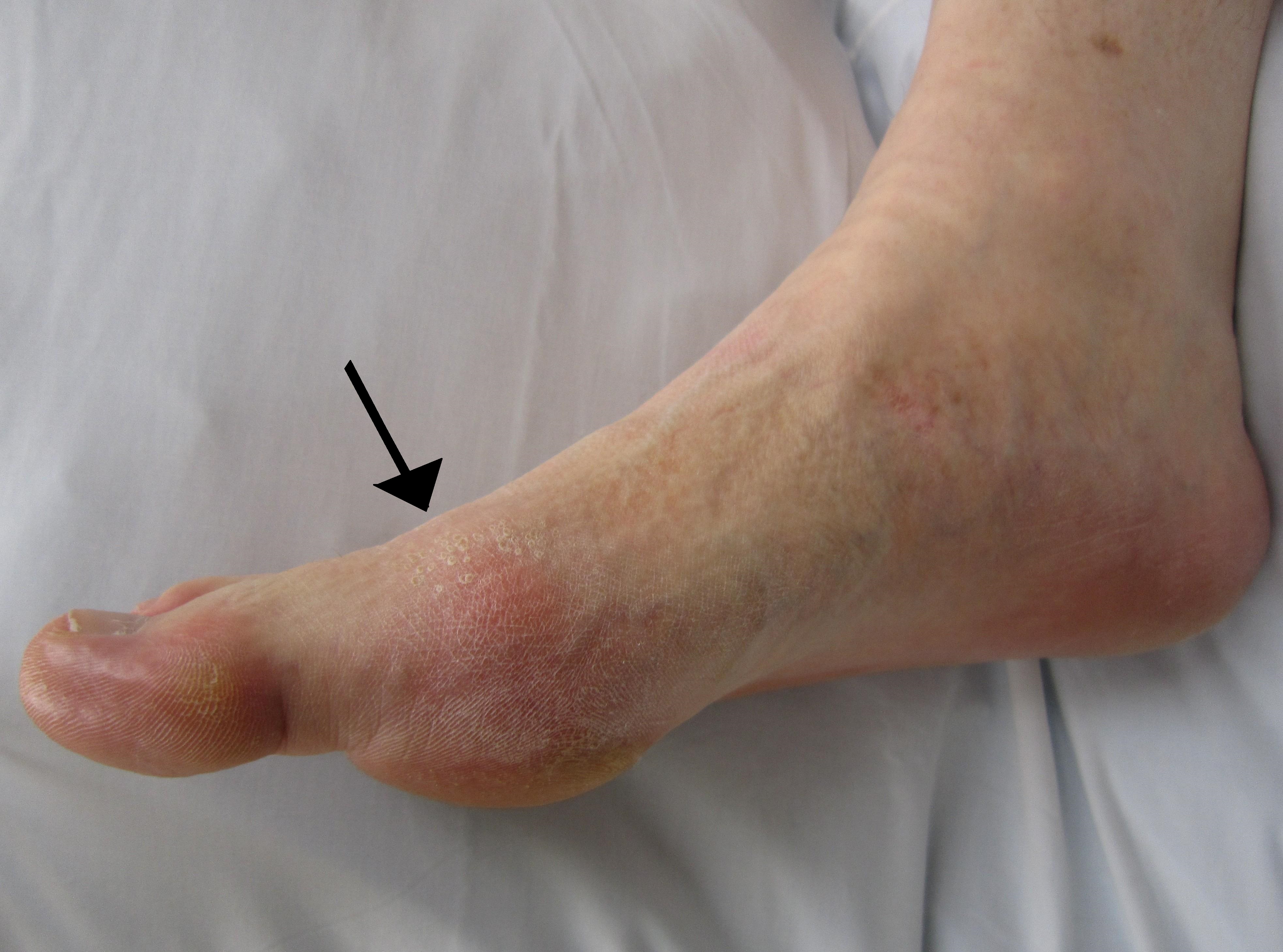
Gout
Compared to men with a BMI of 21–22.9, men with a BMI of 30–34.9 have 2.33 times more gout, and men with a BMI ≥ 35 have 2.97 times more gout. Weight loss decreases these risks.
Poor mobility
There is a strong association between obesity and musculoskeletal pain and disability.
Osteoarthritis
Increased rates of arthritis are seen in both weight-bearing and non-weight-bearing joints.
Low back pain
Obese individuals are twice to four times more likely to have lower back pain than their "normal" weight peers.
Traumatic injury
In females, low BMI is a risk factor for osteoporotic fractures in general. In contrast, obesity is a protective factor for most osteoporotic fractures.
Urological and nephrological risks
Urinary incontinence
Urge, stress, and mixed incontinence all occur at higher rates in obese people. The rates of urinary incontinence are about double that found in the "normal" weight population. Urinary incontinence improves with weight loss.
Chronic kidney disease
Obesity increases one's risk of chronic kidney disease by three to four times.
Hypogonadism
In males, obesity and metabolic syndrome both increase estrogen and adipokine production. This reduces gonadotropin-releasing hormone, in turn reducing both luteinizing hormone and follicle stimulating hormone. The result is reduction of the testis' production of testosterone and a further increase in adipokine levels. This then feeds back to cause further weight gain.
Erectile dysfunction
Obese male individuals can experience erectile dysfunction, and weight loss can improve their sexual functioning.
References
References
- Muennig, P. (2008). "The body politic: the relationship between stigma and obesity-associated disease.". BMC Public Health.
- Phelan, S. M.. (April 2015). "Impact of weight bias and stigma on quality of care and outcomes for patients with obesity". Obesity Reviews.
- Puhl, Rebecca M.. (May 2009). "The Stigma of Obesity: A Review and Update". Obesity.
- Schafer, Markus H.. (March 2011). "The Stigma of Obesity: Does Perceived Weight Discrimination Affect Identity and Physical Health?". Social Psychology Quarterly.
- Puhl, Rebecca M.. (2013). "Weight discrimination and bullying". Best Practice & Research Clinical Endocrinology & Metabolism.
- Muennig, Peter. (7 August 2018). "Policy - Peter Muennig". Columbia University.
- Morris. (2014). "Review of Clinical Practice Guidelines for the Management of LDL-Related Risk". Journal of the American College of Cardiology.
- Flegal. (2012). "Prevalence of obesity and trends in the distribution of body mass index among US adults, 1999–2010". JAMA.
- The Look AHEAD Research Group. (2013). "Cardiovascular effects of intensive lifestyle intervention in type 2 diabetes". New England Journal of Medicine.
- (May 2006). "Obesity and cardiovascular disease: pathophysiology, evaluation, and effect of weight loss". [[Arteriosclerosis, Thrombosis, and Vascular Biology]].
- (2004). "Effect of potentially modifiable risk factors associated with myocardial infarction in 52 countries (the INTERHEART study): case-control study". [[The Lancet]].
- (2015-10-17). "Management of obesity in adults: European clinical practice guidelines". Obesity Facts.
- (October 2005). "Obesity". The Lancet.
- Narkiewicz, Krzysztof. (February 2006). "Obesity and hypertension—the issue is more complex than we thought". Nephrology Dialysis Transplantation.
- Hall, John E.. (2003). "The kidney, hypertension, and obesity". Hypertension.
- (January 2005). "Obesity-associated hypertension: new insights into mechanisms". Hypertension.
- (March 2007). "Has blood pressure increased in children in response to the obesity epidemic?". Pediatrics.
- (January 2008). "Cardiovascular risk factors and venous thromboembolism: a meta-analysis". Circulation.
- (February 2007). "Obesity and thrombosis". European Journal of Vascular and Endovascular Surgery.
- (June 2007). "Obesity and the skin: skin physiology and skin manifestations of obesity". Journal of the American Academy of Dermatology.
- Hahler B. (June 2006). "An overview of dermatological conditions commonly associated with the obese patient". Ostomy Wound Management.
- Johnson, Ruth E.. (November 2009). "Gynecomastia: Pathophysiology, Evaluation, and Management". Mayo Clinic Proceedings.
- (2008). "Gastroesophageal reflux disease and obesity". Reviews in Gastroenterological Disorders.
- (August 2009). "Obesity and gastroesophageal reflux: quantifying the association between body mass index, esophageal acid exposure, and lower esophageal sphincter status in a large series of patients with reflux symptoms". Journal of Gastrointestinal Surgery.
- Kjellin. (1996). "Gastroesophageal reflux in obese patients is not reduced by weight reduction". Scandinavian Journal of Gastroenterology.
- Samer El Hayek. (5 April 2016). "Poly Cystic Ovarian Syndrome: An Updated Overview". [[Frontiers in Physiology]].
- Kamangar. (2015). "Polycystic Ovary Syndrome: Special Diagnostic and Therapeutic Considerations for Children". Pediatric Dermatology.
- Sermondade, N.. (2012). "BMI in relation to sperm count: An updated systematic review and collaborative meta-analysis". Human Reproduction Update.
- (November 2008). "The impact of maternal BMI status on pregnancy outcomes with immediate short-term obstetric resource implications: a meta-analysis". Obesity Reviews.
- (2010). "Overweight and obesity in mothers and risk of preterm birth and low birth weight infants: systematic review and meta-analyses". BMJ.
- (January 2009). "Obesity as an independent risk factor for elective and emergency caesarean delivery in nulliparous women—systematic review and meta-analysis of cohort studies". Obesity Reviews.
- DeJoy. (2015). "Obesity stigma as a determinant of poor birth outcomes in women with high BMI: a conceptual framework.". Maternal and Child Health Journal.
- (February 2009). "Maternal overweight and obesity and the risk of congenital anomalies: a systematic review and meta-analysis". JAMA.
- (2009). "Management of 'Buried' Penis in Adulthood: An Overview". Plastic and Reconstructive Surgery.
- (May–June 2011). "Meralgia Paresthetica". Pain Practice.
- (February 2014). "Obesity and headache: part I—a systematic review of the epidemiology of obesity and headache". Headache.
- (April 2016). "Adipokines and Migraine: A Systematic Review". Headache.
- (December 2015). "The effect of excess body mass on the risk of carpal tunnel syndrome: a meta-analysis of 58 studies". Obesity Reviews.
- (May 2008). "Obesity and central obesity as risk factors for incident dementia and its subtypes: A systematic review and meta-analysis". Obesity Reviews.
- Wall M. (March 2008). "Idiopathic intracranial hypertension (pseudotumor cerebri)". Current Neurology and Neuroscience Reports.
- (19 February 2016). "Idiopathic intracranial hypertension: ongoing clinical challenges and future prospects". Journal of Pain Research.
- Munger, KL. (2009). "Body size and risk of MS in two cohorts of US women". Neurology.
- (2016). "Cancer incidence and mortality in relation to body mass index in the Million Women Study: cohort study". BMJ.
- (April 2003). "Overweight, obesity, and mortality from cancer in a prospectively studied cohort of U.S. adults". New England Journal of Medicine.
- Lyford, Joanna. (August 2014). "Rising obesity levels in UK could result in 4,000 extra cancer cases each year". The Pharmaceutical Journal.
- STARSurg Collaborative. (2016). "Multicentre prospective cohort study of body mass index and postoperative complications following gastrointestinal surgery". British Journal of Surgery.
- (September 2003). "Depression in association with severe obesity: changes with weight loss". Archives of Internal Medicine.
- Tindle. (2010). "Risk of suicide after long-term follow-up from bariatric surgery". The American Journal of Medicine.
- Sikorski, Claudia. (December 2011). "The stigma of obesity in the general public and its implications for public health - a systematic review". BMC Public Health.
- (August 11, 2008). "Dicke sind faul und dumm". [[Süddeutsche Zeitung]].
- Olson, Amy L.. (September 2005). "The obesity hypoventilation syndrome". The American Journal of Medicine.
- Sutherland ER. (August 2008). "Obesity and asthma". Immunology and Allergy Clinics of North America.
- Hodgson, Luke E.. (May 2015). "Respiratory management of the obese patient undergoing surgery". Journal of Thoracic Disease.
- Peters, Michael C.. (July 2016). "Plasma interleukin-6 concentrations, metabolic dysfunction, and asthma severity: a cross-sectional analysis of two cohorts". The Lancet Respiratory Medicine.
- Gao, Min. (1 June 2021). "Associations between body-mass index and COVID-19 severity in 6·9 million people in England: a prospective, community-based, cohort study". The Lancet Diabetes & Endocrinology.
- Vera-Zertuche, J. M.. (2021). "Obesity is a strong risk factor for short-term mortality and adverse outcomes in Mexican patients with COVID-19: a national observational study". Epidemiology & Infection.
- Kass, David A.. (16 May 2020). "Obesity could shift severe COVID-19 disease to younger ages". The Lancet.
- (April 2005). "Obesity, weight change, hypertension, diuretic use, and risk of gout in men: the health professionals follow-up study". Archives of Internal Medicine.
- Tukker, A.. (March 2009). "Overweight and health problems of the lower extremities: osteoarthritis, pain and disability". Public Health Nutrition.
- (November 2008). "Aanzienlijke comorbiditeit bij volwassenen met overgewicht: resultaten uit het 'Leidsche Rijn Gezondheidsproject'". Nederlands Tijdschrift voor Geneeskunde.
- Johansson, Helena. (January 2014). "A Meta-Analysis of the Association of Fracture Risk and Body Mass Index in Women". Journal of Bone and Mineral Research.
- Hunskaar S. (2008). "A systematic review of overweight and obesity as risk factors and targets for clinical intervention for urinary incontinence in women". Neurourology and Urodynamics.
- (September 2008). "Incontinence urinaire d'effort et obésité". Progrès en Urologie.
- (January 2009). "Weight loss to treat urinary incontinence in overweight and obese women". New England Journal of Medicine.
- (2006). "Obesity and risk for chronic renal failure". Journal of the American Society of Nephrology.
- (October 2015). "Hypogonadism as a possible link between metabolic diseases and erectile dysfunction in aging men". Hormones – International Journal of Endocrinology and Metabolism.
- Corona, Giovanni. (2014). "Erectile dysfunction and central obesity: an Italian perspective". Asian Journal of Andrology.
- Chitaley, Kanchan. (December 2009). "Diabetes, Obesity and Erectile Dysfunction: Field Overview and Research Priorities". Journal of Urology.
This article was imported from Wikipedia and is available under the Creative Commons Attribution-ShareAlike 4.0 License. Content has been adapted to SurfDoc format. Original contributors can be found on the article history page.
Ask Mako anything about Obesity-associated morbidity — get instant answers, deeper analysis, and related topics.
Research with MakoFree with your Surf account
Create a free account to save articles, ask Mako questions, and organize your research.
Sign up freeThis content may have been generated or modified by AI. CloudSurf Software LLC is not responsible for the accuracy, completeness, or reliability of AI-generated content. Always verify important information from primary sources.
Report