From Surf Wiki (app.surf) — the open knowledge base
Nutraceutical
Marketing term for supplement
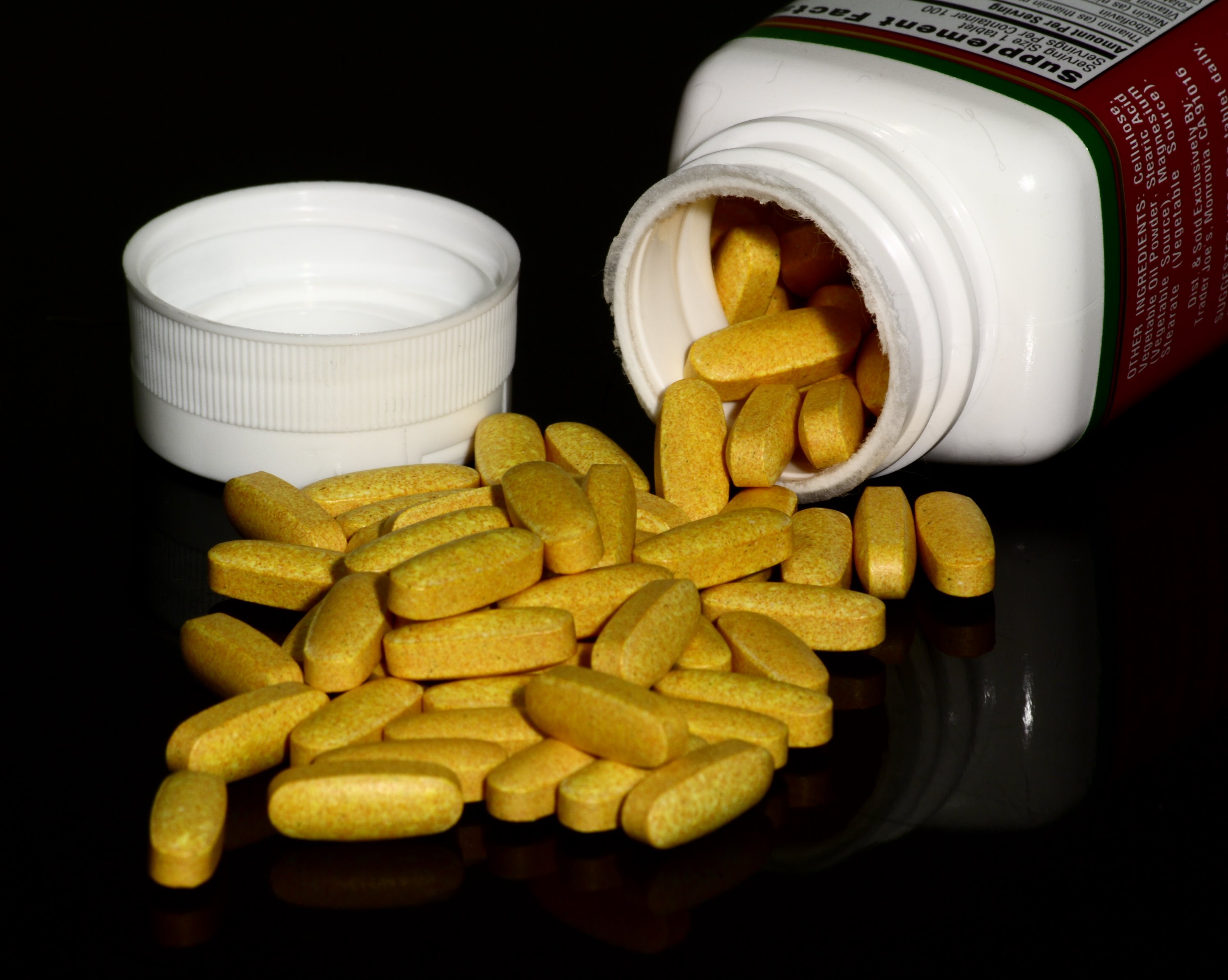
Marketing term for supplement
Nutraceutical is a term that evolved scientifically and also through marketing which is used to imply a pharmaceutical effect from plant extracts, compounds, food products which have efficacy and therapeutic influence on clinical outcomes and patient care largely through supplements.
In the United States, nutraceuticals are considered and regulated as a subset of foods (such as dietary supplements) by the Food and Drug Administration (FDA).
Regulation
Nutraceuticals are treated differently in different jurisdictions.
Canada
Under Canadian law, a nutraceutical can be marketed as either a food or a drug; the terms "nutraceutical" and "functional food" have no legal distinction, as both refer to "a product isolated or purified from foods that is generally sold in medicinal forms not usually associated with food [and] is demonstrated to have a physiological benefit or provide protection against chronic disease."
United States
The term "nutraceutical" is not defined by the FDA. Depending on its ingredients and the claims with which it is marketed, a product is regulated as a drug, dietary supplement, food ingredient, or food.
India
The nutraceutical segment in India is regulated by FSSAI and a license is mandatory for selling products under this segment. Companies have been fined by courts in India for not sticking to quality control regulations.
Other sources
In the global market, there are significant product quality issues. Nutraceuticals from the international market may claim to use organic or exotic ingredients, yet the lack of regulation may compromise the safety and effectiveness of products. Companies looking to create a wide profit margin may create unregulated products overseas with low-quality or ineffective ingredients.
Classification of nutraceuticals
Nutraceuticals are products derived from food sources that are purported to provide extra health benefits, in addition to the basic nutritional value found in foods. Depending on the jurisdiction, products may claim to prevent chronic diseases, improve health, delay the aging process, increase life expectancy, or support the structure or function of the body.
Dietary supplements
In the United States, the Dietary Supplement Health and Education Act (DSHEA) of 1994 defined the term "dietary supplement": "A dietary supplement is a product taken by mouth that contains a 'dietary ingredient' intended to supplement the diet. The 'dietary ingredients' in these products may include:
Dietary supplements do not have to be approved by the FDA before marketing, but companies must register their manufacturing facilities with the FDA and follow current good manufacturing practices (cGMPs). With a few well-defined exceptions, dietary supplements may only be marketed to support the structure or function of the body, and may not claim to treat a disease or condition, and must include a label that says: “These statements have not been evaluated by the Food and Drug Administration. This product is not intended to diagnose, treat, cure, or prevent any disease.” The exceptions are when the FDA has reviewed and approved a health claim. In those situations the FDA also stipulates the exact wording allowed.
Functional foods

Functional foods are fortified or enriched during processing and then marketed as providing some benefit to consumers. Sometimes, additional complementary nutrients are added, such as vitamin D to milk.
Health Canada defines functional foods as "ordinary food that has components or ingredients added to give it a specific medical or physiological benefit, other than a purely nutritional effect." In Japan, all functional foods must meet three established requirements: foods should be (1) present in their naturally occurring form, rather than a capsule, tablet, or powder; (2) consumed in the diet as often as daily; and (3) should regulate a biological process in hopes of preventing or controlling disease.
Market
The modern nutraceutical market developed in Japan during the 1980s. In contrast to the natural herbs and spices used as folk medicine for centuries throughout Asia, the nutraceutical industry grew alongside the expansion of modern technology in the early 21st century.
The market for nutraceuticals is projected to grow to about 614 billion euros (approx. US$675 billion; 2023) by the year 2027.
Etymology
The word "nutraceutical" is a portmanteau of the words "nutrition" and "pharmaceutical", coined in 1989 by Stephen L. DeFelice.
Criticism
Because nutraceuticals are unregulated, these supplements are sold by marketing hype rather than being based on actual clinical evidence. There is no compelling evidence for efficacy in nutraceuticals.
Some scientists claim, there are no internationally defined properties of nutraceuticals. Due to the vague, undiscriminating evidence for the biological effects of nutraceutical products, few experts have proposed abandoning the term.
References
References
- (2022-11-03). "A Comprehensive Review on Nutraceuticals: Therapy Support and Formulation Challenges". Nutrients.
- Fernandes, Dr Edmond. "Why nutraceuticals are crucial in protecting health beyond basic nutrition". The Times of India.
- (2024-12-01). "A review on the influence of nutraceuticals and functional foods on health". Food Chemistry Advances.
- (12 December 2017). "Dietary Supplements". US Food and Drug Administration.
- (2006-04-03). "Legislation relating to nutraceuticals in the European Union with a particular focus on botanical-sourced products". Toxicology.
- (2025-03-04). "Food supplements {{!}} EFSA".
- (June 24, 2013). "Nutraceuticals / Functional Foods and Health Claims on Foods: Policy Paper". Health Canada.
- (4 March 2019). "How the FDA Regulates Nutraceuticals". US Food and Drug Administration.
- "FSSAI".
- (2016-04-07). "Ants in bottle of honey: Dabur told to give Rs 50,000 in legal aid account, pay Rs 35,000 to complainant".
- (January 2017). "Defining 'nutraceuticals': neither nutritious nor pharmaceutical". British Journal of Clinical Pharmacology.
- (2018-06-03). "Nutraceuticals - shedding light on the grey area between pharmaceuticals and food". Expert Review of Clinical Pharmacology.
- "Overview of Dietary Supplements". Fda.gov.
- (2006-03-23). "Glossary – Biotechnology". Health Canada.
- (2000). "Nutraceuticals and functional foods: introduction and meaning". Nutrition.
- (2008). "Functional Food and Health". ACS Symposium.
- (2021). "Sustainable production of pharmaceutical, nutraceutical and bioactive compounds from biomass and waste". Chemical Society Reviews.
- Kalra EK. (2003). "Nutraceutical-definition and introduction". AAPS PharmSci.
- Hayden, Thomas. (1 August 2012). "Getting to know nutraceuticals". Scientific American.
This article was imported from Wikipedia and is available under the Creative Commons Attribution-ShareAlike 4.0 License. Content has been adapted to SurfDoc format. Original contributors can be found on the article history page.
Ask Mako anything about Nutraceutical — get instant answers, deeper analysis, and related topics.
Research with MakoFree with your Surf account
Create a free account to save articles, ask Mako questions, and organize your research.
Sign up freeThis content may have been generated or modified by AI. CloudSurf Software LLC is not responsible for the accuracy, completeness, or reliability of AI-generated content. Always verify important information from primary sources.
Report