From Surf Wiki (app.surf) — the open knowledge base
Northern Region (Ghana)
Region of Ghana

Region of Ghana
| Field | Value |
|---|---|
| name | Northern Region |
| image_skyline | Stadium_tamale2.jpg |
| image_caption | Tamale Stadium |
| image_map | Ghana - Northern Region (2018).png |
| mapsize | 200px |
| map_caption | Location of Northern Region in Ghana |
| subdivision_type | Country |
| subdivision_name | Ghana |
| seat_type | Capital |
| seat | Tamale |
| parts_type | Districts |
| parts_style | para |
| p1 | 16 |
| leader_title | Regional Minister |
| leader_name | Ali Adolf John |
| leader_title1 | |
| area_footnotes | |
| area_total_km2 | 26,534 |
| area_rank | |
| population_total | 2,310,939 |
| population_as_of | 2021 Census |
| population_density_km2 | auto |
| population_rank | |
| demographics_type1 | GDP (PPP) |
| demographics1_title1 | Year |
| demographics_type2 | GDP (Nominal) |
| demographics2_title1 | Year |
| demographics2_info1 | 2018 |
| area_code | 037 |
| iso_code | GH-NP |
| type | Region |
| demographics1_info1 | 2013 |
| demographics1_title2 | Per capita |
| demographics1_info2 | $5,150 |
| demographics2_title2 | Per capita |
| demographics2_info2 | $2,500 |
| blank_name_sec2 | HDI (2021) |
| blank_info_sec2 | 0.539 |
| · 10th | |
| timezone | GMT |
· 10th
The Northern Region is one of the sixteen regions of Ghana. It is situated in the northern part of the country and ranks as the second largest of the sixteen regions. Before its division, it covered an area of 25,000 square kilometres, representing 10 percent of Ghana's area. In December 2018, the Savannah Region and North East Region were created from it. The Northern Region is divided into 16 districts. The region's capital is Tamale, Ghana's third largest city.
Geography and climate
Location and size
The Northern Region, spanning approximately 25,000 square kilometers, stands as Ghana's Second largest region by land area. It shares borders with the North East Region and Savannah Region to the north, and Oti Regions to the south, and neighboring countries, including the Republic of Togo to the east and La Cote d'voire to the west.
Climate and vegetation
The Northern Region has a Guinean forest-savanna mosaic ecosystem. The Guinea Savanna is the wettest of the three savanna ecological zones. The vegetation consists predominantly of woodlands and grasslands. The wet season is between April and October, while the dry season occurs from January to March. There is an average annual rainfall of 750 to 1050 mm (30 to 40 inches). The highest temperatures are reached in March, at the end of the dry season. From late November to March, the north east trade winds blows causing Harmattan. During this time, temperatures can vary between 14 °C (59 °F) at night and 40 °C (104 °F) during the day.
Economy
Like all parts of Ghana, more than half of the economically active population are agricultural. The region is one of the most agriculturally important regions in Ghana. It also has the largest reserve of iron ore.
Demographics
The Northern Region contains much of the territories of the Kingdom of Dagbon and Dagbani is the most widely spoke language, along with English. Dagbani belongs to the Oti–Volta subfamily in the Niger–Congo language family. Other languages spoken within the region include Likpakpaln and Nawuri.
Business

The region is a hotspot for investment in Ghana, with Tamale previously been ranked as the fastest growing city in West Africa; experiencing tremendous growth compared to other cities in Ghana. The region's location, and greater proximity to both Europe and North Africa, compared to Accra, makes it an increasingly attractive destination for investors. Ghana's largest iron ore reserves, estimated to be more than three billion tons, makes the region an ideal destination for investments in steel and iron.
Tourism
- Naa Gbewaa Palace, Yendi
- Hamamat Shea Butter Village
- Tamale Center for Culture and Arts
- Savanna Centre for Contemporary Art
- Red Clay Studios
- Nkrumah Volini
- Nuku Studios
- Saakpuli Slave wells
- Diarre Napagaduungbanani
- Naa Binbegu Boabab Tree, Yendi
- Buntaga Irrigation Dam
- Sabali (River Oti)
- Nawuni River (White Volta)
- Deutsch Cemetery at Yendi
- Adibo dalila war zones, Adibo
Religion
Around three out of five residents in the Northern region were affiliated to Islam (60.0%).
Districts
.png)
The Northern Region of Ghana contains 16 districts. 11 are ordinary districts in addition to 1 metropolitan and 4 municipal districts.: Under every municipality, metropoly and districts are many towns and villages.
| # | District | Capital | Population | 1 | 2 | 3 | 4 | 5 | 6 | 7 | 8 | 9 | 10 | 11 | 12 | 13 | 14 | 15 | 16 |
|---|---|---|---|---|---|---|---|---|---|---|---|---|---|---|---|---|---|---|---|
| Gushegu | Gushegu | ||||||||||||||||||
| Karaga | Karaga | ||||||||||||||||||
| Kpandai | Kpandai | 108,816 | |||||||||||||||||
| Kumbungu | Kumbungu | ||||||||||||||||||
| Mion | Sang | ||||||||||||||||||
| Nanton | Nanton | ||||||||||||||||||
| Nanumba North | Bimbilla | ||||||||||||||||||
| Nanumba South | Wulensi | ||||||||||||||||||
| Saboba | Saboba | ||||||||||||||||||
| Sagnarigu | Sagnerigu | ||||||||||||||||||
| Savelugu | Savelugu | ||||||||||||||||||
| Tamale Metropolitan | Tamale | ||||||||||||||||||
| Tatale Sangule | Tatale | ||||||||||||||||||
| Tolon | Tolon | ||||||||||||||||||
| Yendi Municipal District | Yendi | ||||||||||||||||||
| Zabzugu | Zabzugu |
Health facilities
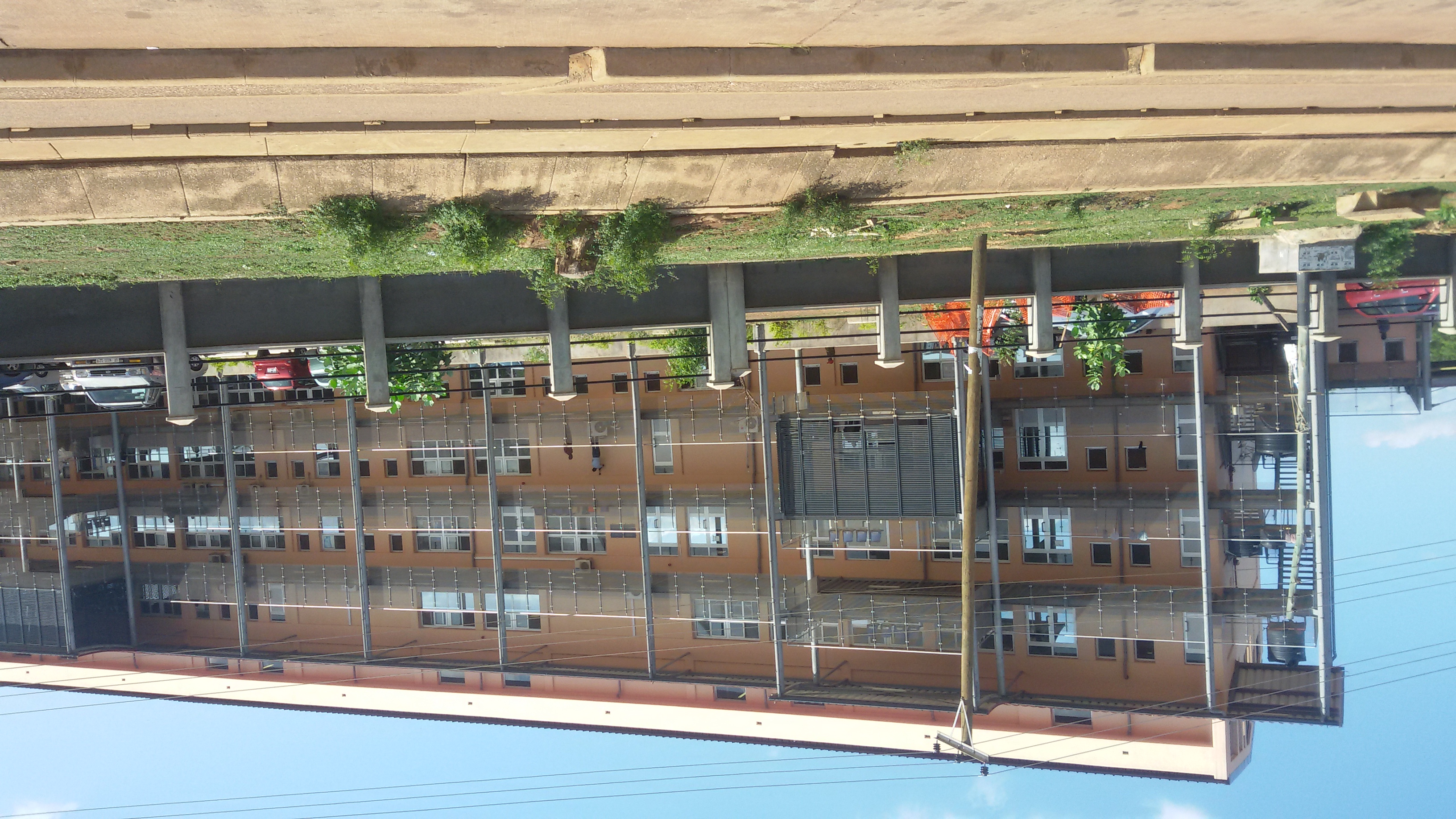
Hospitals in the Northern Region:
- Tamale Teaching Hospital
- Tamale Central West Hospital
- Tamale West Hospital
- SDA Hospital
- Yendi Municipal Hospital
- Savelugu Municipal Hospital
- Bimbilla District Hospital
- Kumbungu District Hospital
- Gusheigu District Hospital
Healthcare Delivery
High-risk districts in the northern belt have been identified as having significant health insurance coverage gaps driven by localized socioeconomic determinants.
Notable citizens
| # | Citizen | Settlement | 1 | 2 | 3 | 4 | 5 | 6 | 7 | 8 | 9 | 10 | 11 |
|---|---|---|---|---|---|---|---|---|---|---|---|---|---|
| Aliu Mahama | Yendi | ||||||||||||
| Wakaso | Tamale | ||||||||||||
| Majeed Waris | Tamale | ||||||||||||
| Haruna Iddrisu | Tamale | ||||||||||||
| Muhammad Mumuni | Kumbungu | ||||||||||||
| Ramatu Baba | Yendi | ||||||||||||
| Abubakari Sadiq NAM | Yendi | ||||||||||||
| Sheikh Ibrahim Basha | Tamale | ||||||||||||
| Sheikh Sa-eed Abubakar | Tamale | ||||||||||||
| Hajia Samata Gifty Bukari | Yendi | ||||||||||||
| Ibrahim Mahama | Tamale |
References
References
- "Regional Ministers - Government of Ghana".
- "Northern Region". GhanaDistricts.com.
- "Sub-national HDI - Area Database - Global Data Lab".
- "No new Covid-19 cases in Northern Region in 3 weeks - MyJoyOnline.com".
- Mutuku, Ryan. (2021-01-25). "The Northern Region districts and their capitals in Ghana".
- (2011-11-01). "Origin of Harmattan dust settled in Northern Ghana — Long transported or local dust?". Geoderma.
- "Learn Dagbanli (Dagbanli Bɔhimbu) → What Is The Dagbanli Language? - Learn Dagbanli {{!}} Learn Dagbani".
- "Tamale is the fastest growing city in West Africa - Tamale in Ghana".
- (2019-05-15). "N/R: Over 1.7bn tonnes of iron ore discovered in Yendi Municipality- Majority Leader".
- "Table 4.17: Population by religious affiliation and region, 2010".
- "Northern". GhanaDistricts.com.
- "Victims of land conflict in Saboba district pick up their pieces - MyJoyOnline.com".
- "HEALTH FACILITIES IN NORTHERN REGION IN SHAMBLES...Tamale Hospital worst affected".
- Ghanem, V. G.. (2026). "Spatial and Machine Learning Analysis of District-Level Health Insurance Inequities in Ghana". Cureus.
This article was imported from Wikipedia and is available under the Creative Commons Attribution-ShareAlike 4.0 License. Content has been adapted to SurfDoc format. Original contributors can be found on the article history page.
Ask Mako anything about Northern Region (Ghana) — get instant answers, deeper analysis, and related topics.
Research with MakoFree with your Surf account
Create a free account to save articles, ask Mako questions, and organize your research.
Sign up freeThis content may have been generated or modified by AI. CloudSurf Software LLC is not responsible for the accuracy, completeness, or reliability of AI-generated content. Always verify important information from primary sources.
Report