From Surf Wiki (app.surf) — the open knowledge base
Northern California
American geographic and cultural region
.png)
American geographic and cultural region
| Field | Value |
|---|---|
| name | Northern California |
| image_skyline | {{multiple image |
| border | infobox |
| total_width | 300 |
| caption_align | center |
| perrow | 2/2/2 |
| image1 | Golden Gate Bridge San Francisco April 2011 001.jpg |
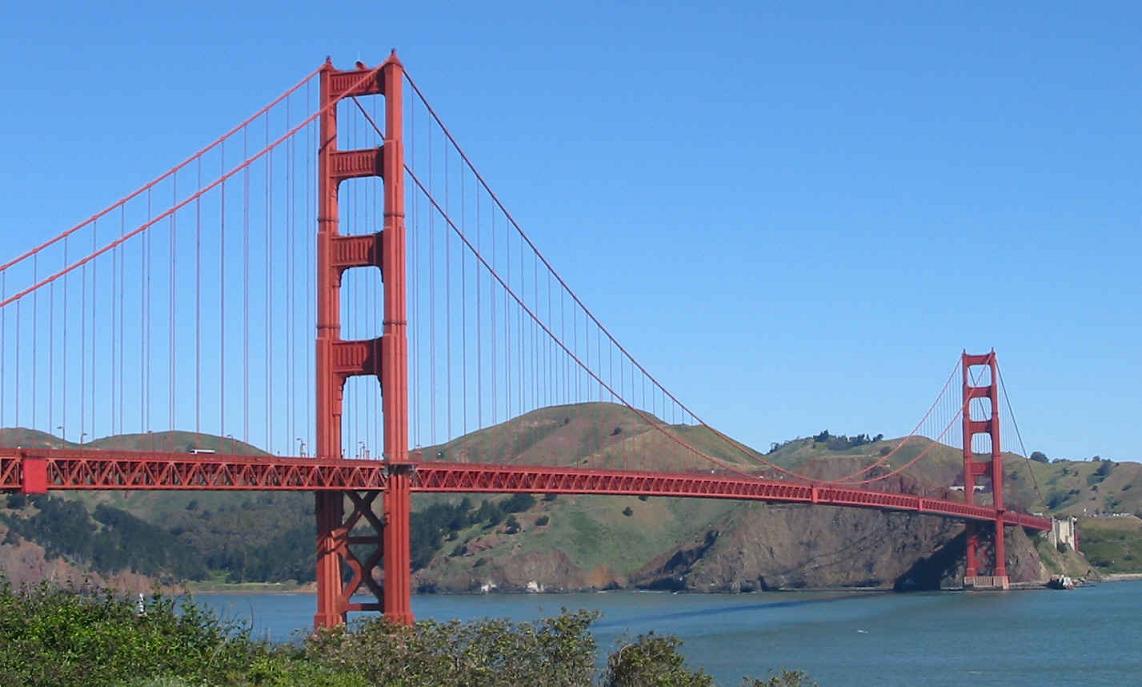
| caption1 | Golden Gate Bridge |
| image2 | Northern California Coast as seen from Muir Beach Overlook.jpg |
| caption2 | Northern California coast as seen from Muir Beach Overlook |
| image3 | Squaw Valley Gondola.jpg |
| caption3 | View of an aerial tram in Lake Tahoe |
| image4 | Natural Bridges State Park (16328059535).jpg |
| caption4 | Natural Bridges State Beach in Santa Cruz |
| image5 | Muir Woods National Monument (47879029461).jpg |
| caption5 | Muir Woods National Monument |
| image6 | SJ skyline at night horizontal.jpg |
| caption6 | San Jose skyline |
| image_map | Northern California counties in red.png |
| map_caption | Northern California counties in red |
| subdivision_type | Country |
| subdivision_name | United States |
| subdivision_type1 | State |
| subdivision_type2 | Major cities |
| subdivision_name1 | California |
| subdivision_name2 | San Jose |
| San Francisco | |
| Fresno | |
| Sacramento | |
| Oakland | |
| Stockton | |
| Fremont | |
| Modesto | |
| Elk Grove | |
| Santa Rosa | |
| Roseville | |
| Salinas | |
| Hayward | |
| Sunnyvale | |
| Visalia | |
| Chico | |
| Redding | |
| San Mateo | |
| San Rafael | |
| Eureka | |
| Susanville | |
| seat_type | Largest city |
| seat | San Jose |
| population_as_of | 2020 |
| population_total | 15,775,319 |
the northern part of the U.S. state
San Francisco Fresno Sacramento Oakland Stockton Fremont Modesto Elk Grove Santa Rosa Roseville Salinas Hayward Sunnyvale Visalia Chico Redding San Mateo San Rafael Eureka Susanville
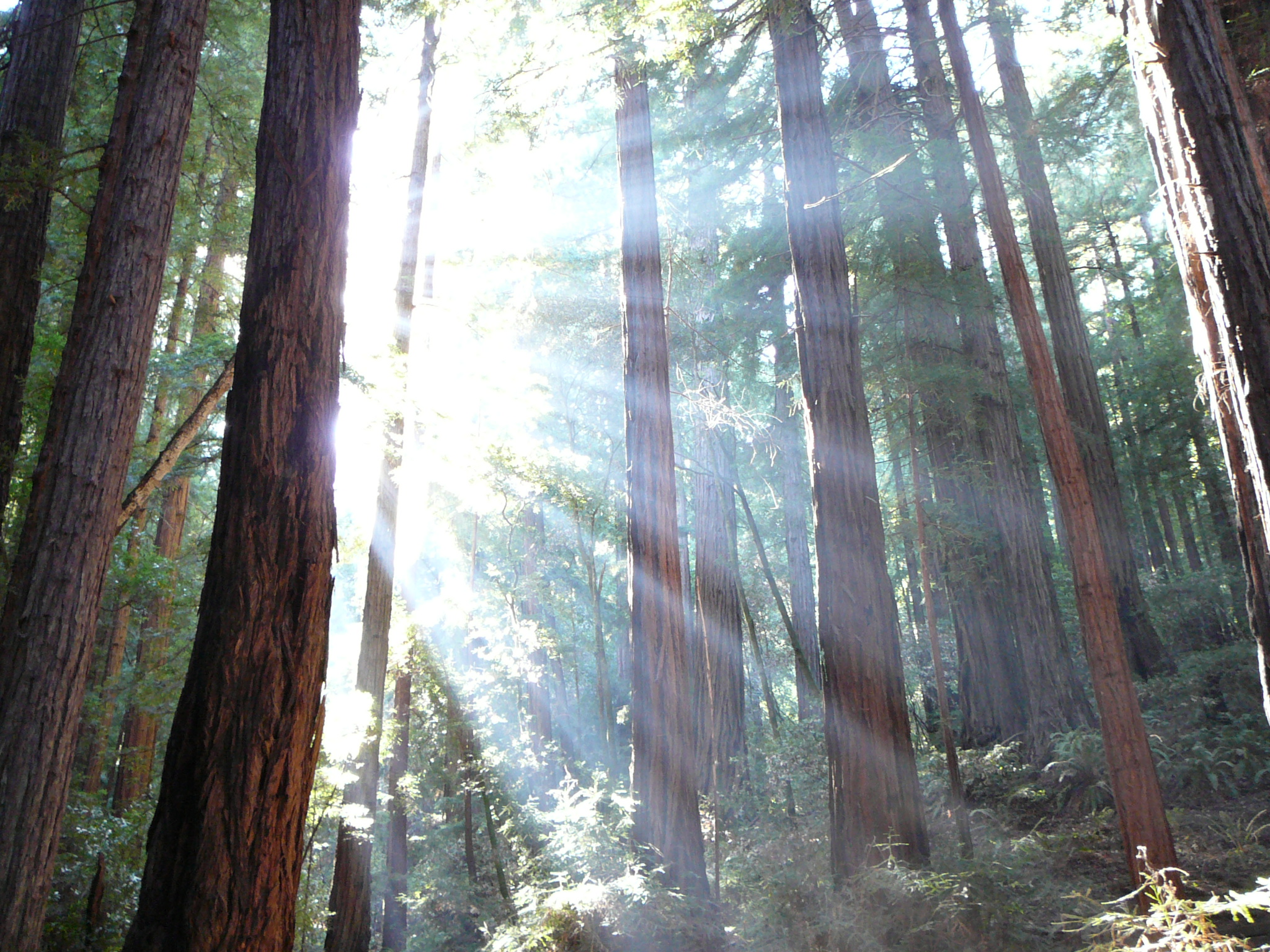
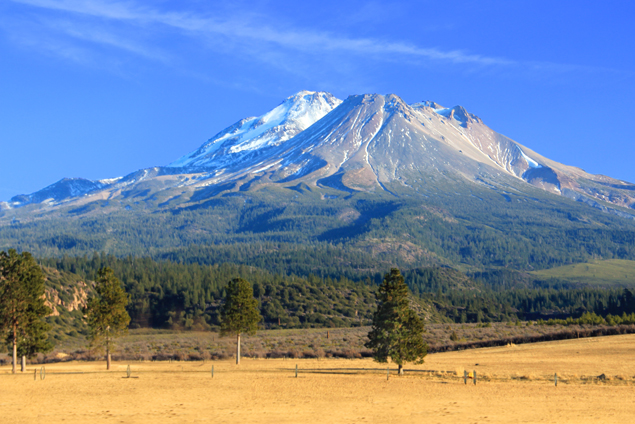
Northern California (commonly shortened to NorCal) is a geocultural region that comprises the northern portion of the U.S. state of California, spanning the northernmost 48 of the state's 58 counties. Northern California in its largest definition is determined by dividing the state into two regions, the other being Southern California. The main northern population centers include the San Francisco Bay Area (anchored by the cities of San Jose, San Francisco, and Oakland), the Greater Sacramento area (anchored by the state capital Sacramento), the Redding, California, area south of the Cascade Range, and the Metropolitan Fresno area (anchored by the city of Fresno). Northern California is coterminous with the natural range of the coast redwood and the giant sequoia, with many well-known old-growth forests and smaller groves. It contains most of the Sierra Nevada, including Yosemite Valley and part of Lake Tahoe, Mount Shasta (the second-highest peak in the Cascade Range after Mount Rainier in Washington), and most of the Central Valley, one of the world's most productive agricultural regions. Northern California is also home to Silicon Valley, the global headquarters for several of the largest most powerful companies in the world, including Alphabet Inc. (Google), Apple, Meta, and Nvidia.
The Northern California Megaregion, one of the 11 megaregions of the United States is centered in Northern California, and extends from Metropolitan Fresno north to Greater Sacramento, and from the Bay Area east across the Nevada state line to encompass the entire Lake Tahoe–Reno area.
Evidence of Native American habitation in the area dates from at least 19,000 years ago and successive waves of arrivals led to one of the most densely populated areas of pre-Columbian North America. The arrival of European explorers from the early 16th to the mid-18th centuries did not establish European settlements in northern California. In 1770, the Spanish mission at Monterey was the first European settlement in the area, followed by other missions along the coast—eventually extending as far north as Sonoma County.
Description
North–south divisions of California
California experienced a population boom during its gold rush (1848–1855), bringing more than 300,000 new residents, with very few of these settling in the southern part of the state. The northern two-thirds of the state was seen as the main part, and was often referred to as simply "California", while the southern third was called "Southern California". At that time, the state was profoundly divided by the Tehachapi Mountains which were a barrier to travelers before highways were built, and remain a bioregion barrier. This geographical barrier curves from Point Conception at the Pacific Ocean eastward through the Transverse Ranges including Mount Pinos and Tejon Pass, continuing through the Tehachapi Mountains including Tehachapi Pass, then cutting northward through the southern Sierra Nevada mountain range to Mount Patterson and the Nevada border. The Mojave Desert and the Great Basin Desert are separated from Northern California by mountain ranges in this definition of bioregions. Southern California in the 1850s was a backwater of mainly Spanish-speaking Californios who resented paying state taxes without receiving state projects.

In 1859, as proposed by the Californio politician Andrés Pico, the California State Legislature passed the Pico Act aiming to divide the state and create a new territory in the south. The border started in the west at a latitude of six standard parallels south of Mount Diablo—meaning 144 miles south of Mount Diablo at the latitude of 35°45'N, currently the border between Monterey and San Luis Obispo counties. The proposed border bent southward to capture more of the Central Valley, then it angled northeast from Old Tejon Ranch to the California border. The new southern portion was to be called the Territory of Colorado because much of its eastern border was the Colorado River. This legislation was signed by Governor John B. Weller and sent to the United States Congress for ratification, but it never came to a vote. Congress was too divided with tensions which would soon break out into the American Civil War, and despite the efforts of Senator Milton Latham, the bill died. However, the proposed east-west line continued to define one of the views of north–south division of the state.
"Northern California" may refer to the state's northernmost 48 counties, using the line established by the Pico Act, or it may refer to the portion north of the geographic barrier formed by the Transverse Ranges, the Tehachapi Mountains, and the Southern Sierras. Because of California's large size and diverse geography, the state can be subdivided in other ways as well. For example, the Central Valley is a region that is distinct both culturally and topographically from coastal California, though in northern versus southern California divisions, the Sacramento Valley and most of the San Joaquin Valley are usually placed in northern California. Some observers describe three partitions of California, with north and south sections separated by Central California.
Technically, California's exact north–south midway division is around 37°N, near the latitude of Morgan Hill and Chowchilla. The geographic center of California is at near North Fork, northeast of Fresno.
The state is often considered as having an additional division north of the urban areas of the San Francisco Bay Area and Sacramento metropolitan areas. Extreme northern residents have felt under-represented in state government and, in 1941, attempted to form a new state with southwestern Oregon to be called Jefferson, or more recently to introduce legislation to split California into two or three states.
Popular usage
The coastal area north of the Bay Area is often referred to as the North Coast, touching the counties of Mendocino, Lake, Humboldt, and Del Norte. The interior region north of Sacramento metropolitan area is referred to by locals as the Northstate, consisting of about 20 counties.
"Northern California" was used by Tim Draper as the name of the northernmost state to be created by splitting California into three new states. The bill, Cal 3, was prevented from appearing on the 2018 California ballot because of a constitutional review by the Supreme Court of California.
Significance
Since the events of the California Gold Rush, Northern California has been a leader on the world's economic, scientific, and cultural stages. From the development of gold mining techniques and logging practices in the 19th century that were later adopted around the world, to the development of world-famous and online business models (such as Apple, Hewlett-Packard, Google, Yahoo!, and eBay), northern California has been at the forefront of new ways of doing business. In science, advances range from being the first to isolate and name fourteen transuranic chemical elements, to breakthroughs in microchip technology. Cultural contributions include the works of Ansel Adams, George Lucas, and Clint Eastwood, as well as beatniks, the Summer of Love, winemaking, the cradle of the international environmental movement, and the open, casual workplace first popularized in the Silicon Valley dot-com boom and now widely in use around the world. Other examples of innovation across diverse fields range from Genentech (development and commercialization of genetic engineering) to CrossFit as a pioneer in extreme human fitness and training. It is also home to one of the largest Air Force Bases on the West Coast, and the largest in California by square meters, Travis Air Force Base.
Cities
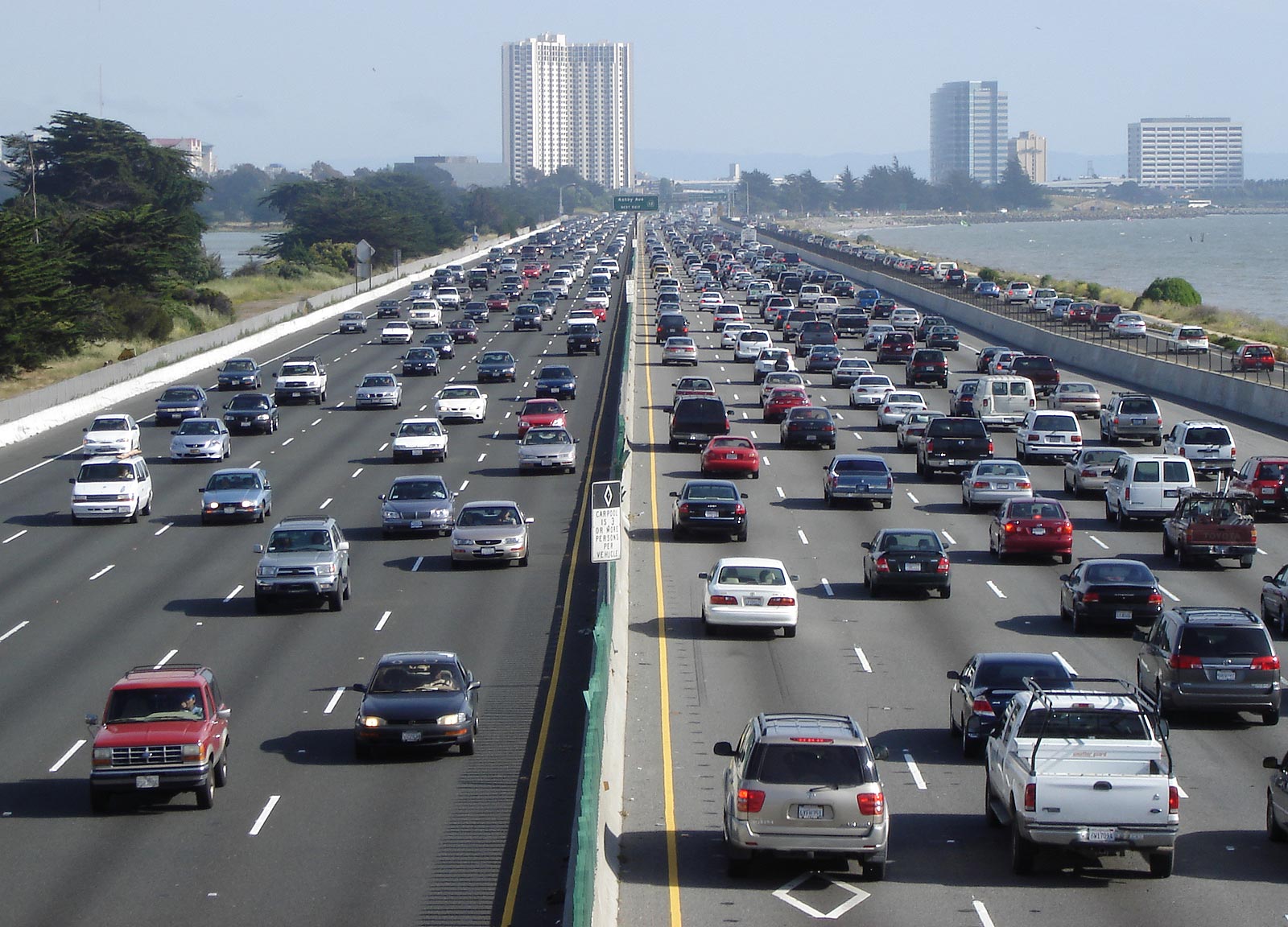
Northern California's largest metropolitan area is the San Francisco Bay Area which consists of 9 counties: Alameda, Contra Costa, Marin, Napa, San Francisco, San Mateo, Santa Clara, Solano, and Sonoma counties. The Bay Area consists of the major cities of San Jose, San Francisco, Oakland, and their many suburbs. Although not a part of the Bay Area, in recent years the Bay Area has drawn more commuters from as far as Central Valley cities such as Sacramento, Stockton, Fresno, Turlock and Modesto. These cities in the central part of the Central Valley and Sierra Nevada foothills may be viewed as part of a single megalopolis. The 2010 U.S. Census showed that the Bay Area grew at a faster rate than the Greater Los Angeles Area while Greater Sacramento had the largest growth rate of any metropolitan area in California.
The state's larger inland cities are considered part of Northern California in cases when the state is divided into two parts. Key cities in the region which are not in major metropolitan areas include Eureka on the far North Coast, Redding, at the northern end of the Central Valley, Chico, and Yuba City in the mid-north of the Central Valley, as well as Fresno and Visalia on the southern end. Though smaller in each case, with the notable exception of Fresno, than the larger cities of the general region, these smaller regional centers are often of historical and economic importance for their respective size, due to their locations, which are primarily rural or otherwise isolated.
Panoramic Downtown San Jose.jpg|San Jose, the most populous city in Northern California and the San Francisco Bay Area, and the 13th most populous city in the United States. SanFran downtown panorama.jpg|San Francisco, the second most populated city in Northern California and a major economic, cultural, and financial center for the region. File:Chukchansi.jpg|Fresno, the fourth most populated city in northern California, as seen from Chukchansi Park. Fresno is the largest city by population in the San Joaquin Valley. File:Sacramento Skyline (cropped).jpg|alt=Sacramento Skyline (cropped).jpg|Sacramento, the third most populous city in Northern California, the capital city of the State of California, and the principal city of the Sacramento metropolitan area. File:Panorama-downtown-oakland by Daniel Ramirez.jpg|Oakland, the fifth-largest city by population in Northern California. Oakland is the major port city of the region and the center of Northern California's African American community.
History

Prehistory to 1847
Inhabited for millennia by Native Americans, from the Shasta tribe in the north, to the Miwoks in the central coast and Sierra Nevada, to the Yokuts of the southern Central Valley, northern California was among the most densely populated areas of pre-Columbian North America.
European explorers
The first European to explore the coast was Juan Rodríguez Cabrillo, sailing for the Spanish Crown; in 1542, Cabrillo's expedition sailed perhaps as far north as the Rogue River in today's Oregon. Beginning in 1565, the Spanish Manila galleons crossed the Pacific Ocean from Mexico to the Spanish Philippines, with silver and gemstones from Mexico. The Manila galleons returned across the northern Pacific, and reached North America usually off the coast of northern California, and then continued south with their Asian trade goods to Mexico.
In 1579, northern California was visited by the English explorer Sir Francis Drake who landed north of today's San Francisco and claimed the area for England. In 1602, the Spaniard Sebastián Vizcaíno explored California's coast as far north as Monterey Bay, where he went ashore. Other Spanish explorers sailed along the coast of northern California for the next 150 years, but no settlements were established.
Spanish era
The first European inhabitants were Spanish missionaries, who built missions along the California coast. The mission at Monterey was first established in 1770, and at San Francisco in 1776. In all, ten missions stretched along the coast from Sonoma to Monterey (and still more missions to the southern tip of Baja California). In 1786, the French signaled their interest in the northern California area by sending a voyage of exploration to Monterey.
The first twenty years of the 19th century continued the colonization of the northern California coast by Spain. By 1820, Spanish influence extended inland approximately 25 to 50 mi from the missions. Outside of this zone, perhaps 200,000 to 250,000 Native Americans continued to lead traditional lives. The Adams-Onís Treaty, signed in 1819 between Spain and the young United States, set the northern boundary of the Spanish claims at the 42nd parallel, effectively creating today's northern boundary of northern California.
Russian presence
In 1812, the Russian state-sponsored Russian-American Company established Fort Ross, a fur trading outpost on the coast of today's Sonoma County. Fort Ross was the southernmost Russian settlement, located some 60 mi north of Spanish colonies in San Francisco. In 1839, the settlement was abandoned due to its inability to meet resource demands, and the increasing Mexican and American presence in the region.
Mexican era
After Mexico gained independence from Spain in 1821, Mexico continued Spain's missions and settlements in northern California as well as Spain's territorial claims. The Mexican Californios (Spanish-speaking Californians) in these settlements primarily traded cattle hides and tallow with American and European merchant vessels.
In 1825, the Hudson's Bay Company established a major trading post just north of today's Portland, Oregon. British fur trappers and hunters then used the Siskiyou Trail to travel throughout northern California. The leader of a further French scientific expedition to northern California, Eugene Duflot de Mofras, wrote in 1840 "...it is evident that California will belong to whatever nation chooses to send there a man-of-war and two hundred men." By the 1830s, a significant number of non-Californios had immigrated to northern California. Chief among these was John Sutter, a European immigrant from Switzerland, who was granted 48827 acre centered on the area of today's Sacramento.
American interest
American trappers began entering northern California in the 1830s. In 1834, American visionary Ewing Young led a herd of horses and mules over the Siskiyou Trail from missions in northern California to British and American settlements in Oregon. Although a small number of American traders and trappers had lived in northern California since the early 1830s, the first organized overland party of American immigrants to arrive in northern California was the Bartleson-Bidwell Party of 1841 via the new California Trail. Also in 1841, an overland exploratory party of the United States Exploring Expedition came down the Siskiyou Trail from the Pacific Northwest. In 1846, the Donner Party earned notoriety as they struggled to enter northern California.
Californian independence and beginning of the United States era
When the Mexican–American War was declared on May 13, 1846, it took almost two months (mid-July 1846) for word to get to California. On June 14, 1846, some 30 non-Mexican settlers, mostly Americans, staged a revolt and seized the small Mexican garrison in Sonoma. They raised the "Bear Flag" of the California Republic over Sonoma. The "Bear Flag Republic" lasted only 26 days, until the U.S. Army, led by John Frémont, took over on July 9. The California state flag today is based on this original Bear Flag, and continues to contain the words "California Republic."
Commodore John Drake Sloat ordered his naval forces to occupy Yerba Buena (present San Francisco) on July 7 and within days American forces controlled San Francisco, Sonoma, and Sutter's Fort in Sacramento. The treaty ending the Mexican–American War was signed on February 2, 1848, and Mexico formally ceded Alta California (including all of present-day northern California) to the United States.

Gold Rush and California statehood
The California Gold Rush took place almost exclusively in northern California from 1848 to 1855. It began on January 24, 1848, when gold was discovered at Sutter's Mill in Coloma. News of the discovery soon spread, resulting in some 300,000 people coming to California from the rest of the United States and abroad. San Francisco grew from a tiny hamlet, home to about 1,000 Californios into a boomtown of over 50,000 people in the 12 years between 1848 and 1860. New roads, churches, and schools were built, and new towns sprung up, aided in part by the development of new methods of transportation such as steamships which came into regular service and railroads which now connected the coasts. The Gold Rush also had negative effects: American colonists chose to use genocide as a tool to remove the Indigenous people so that they could look for gold on their land.
The Gold Rush also increased pressure to make California a U.S. state. Pro-slavery politicians initially attempted to permanently divide northern and southern California at 36 degrees, 30 minutes, the line of the Missouri Compromise. But instead, the passing of the Compromise of 1850 enabled California to be admitted to the Union as a free state.
Population and agricultural expansion (1855–1899)
The decades following the Gold Rush brought dramatic expansion to northern California, both in population and economically – particularly in agriculture. The completion of the First transcontinental railroad in 1869, with its terminus in Sacramento (and then later, Oakland), meant that northern California's agricultural produce (and some manufactured goods) could now be shipped economically to the rest of the United States. In return, immigrants from the rest of the United States (and Europe) could comfortably come to northern California. A network of railroads spread throughout northern California, and in 1887, a rail link was completed to the Pacific Northwest. Almost all of these railways came under the control of the Southern Pacific Railroad, headquartered in San Francisco, and San Francisco continued as a financial and cultural center.
Substantial tensions during this era included nativist sentiments (primarily against Chinese immigrants), tensions between the increasing power of the Southern Pacific Railroad and small farmers, and the beginnings of the labor union movement.
Economy
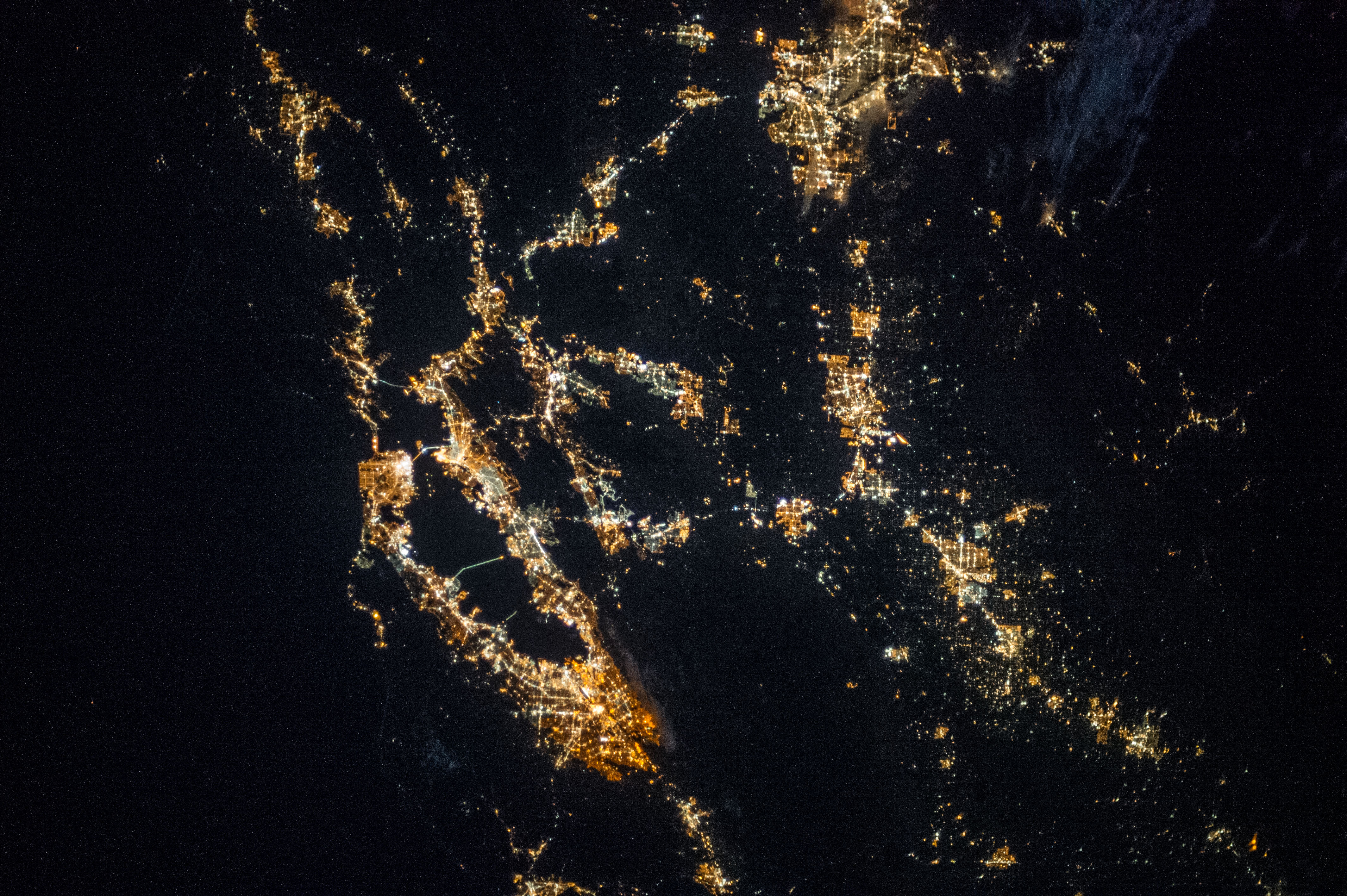
Northern California's economy is noted for being the de facto world leader in high-tech industry (software, semiconductor/micro-electronics, biotechnology and medical devices/instruments), as well as being known for clean power, biomedical, government, and finance. Other significant industries include tourism, shipping, manufacturing, and agriculture. Its economy is diverse, though more concentrated in high technology. It is home to the state capital, as well as several Western United States regional offices in San Francisco, such as the Federal Reserve and 9th Circuit Court.
Climate

Northern California has a warm or mild to cool climate, in which the Sierra mountains gets snow in the late fall through winter and occasionally into spring. Summers are mild along the coast and generally warm and dry, while winters are cool and usually wet. The high temperatures range from 50s °F (10–15 °C) to 30s °F (−1 – +4 °C) in the winters while summers temperature range is 90s °F (32–37 °C) to 60s °F (15–20 °C) or 50s °F (10–15 °C), with highs well into the 100s °F (37–42 °C) for the Sacramento region. Snow covers the mountains (generally above 3000 ft) in mid January through February. Fog occurs infrequently or occurs normally in the west and coast, especially in the summer, creating some of the coolest summer conditions in North America. Since the first decade of the 21st century, droughts and wildfires have increased in frequency as a consequence of climate change.
Population
The population of the forty-eight counties of northern California has shown a steady increase over the years.
The largest percentage increase outside the Gold Rush era (52%) came during the 1940s, as the region was the destination of many post-War veterans and their families, attracted by the greatly expanding industrial base and (often) by their time stationed in northern California during World War II. The largest absolute increase occurred during the 1980s (over 2.1 million person increase), attracted by job opportunities in part by the expansion taking place in Silicon Valley and the Cold War–era expansion of the defense industry. Since the 2000 U.S. Census, Northern California has grown at a faster rate than Southern California due to the strong economic performances of the Bay Area and Sacramento.

Parks and other protected areas
National Park System
Main article: List of areas in the United States National Park System, List of national parks of the United States
The U.S. National Park System controls a large and diverse group of parks in northern California. The best known is Yosemite National Park, which is displayed on the reverse side of the California state quarter. Other prominent parks are the Kings Canyon-Sequoia National Park complex, Redwood National Park, Pinnacles National Park, Lassen Volcanic National Park and the largest in the contiguous forty-eight states, Death Valley National Park.
National Monuments and other federally protected areas
Main article: List of national monuments of the United States, United States National Marine Sanctuary, List of National Wildlife Refuges of the United States, List of national forests of the United States
Other areas under federal protection include Muir Woods National Monument, Giant Sequoia National Monument, Devils Postpile National Monument, Lava Beds National Monument, Point Reyes National Seashore, the Monterey Bay National Marine Sanctuary, and the Cordell Bank and Gulf of the Farallones National Marine Sanctuaries (both off the coast of San Francisco). Included within the latter National Marine Sanctuary is the Farallon National Wildlife Refuge; this National Wildlife Refuge is one of approximately twenty-five such refuges in northern California. National forests occupy large sections of northern California, including the Shasta–Trinity, Klamath, Modoc, Lassen, Mendocino, Eldorado, Tahoe, and Sequoia national forests, among others. Included within (or adjacent to) national forests are federally protected wilderness areas, including the Trinity Alps, Castle Crags, Granite Chief, and Desolation wilderness areas.
In addition, the California Coastal National Monument protects all islets, reefs, and rock outcroppings from the shore of northern California out to a distance of 12 nmi, along the entire northern California coastline. In addition, the National Park Service administers protected areas on Alcatraz Island, the Golden Gate National Recreation Area, Whiskeytown–Shasta–Trinity National Recreation Area, and the Smith River National Recreation Area. The NPS also administers the Manzanar National Historic Site in Inyo County, the Rosie the Riveter World War II Home Front National Historical Park in Richmond, and the Tule Lake National Monument outside of Tulelake.
Other
- Tilden Regional Park
- Alum Rock Park
- Angel Island
- Bidwell Park
- Big Basin Redwoods State Park
- Butano State Park
- Calaveras Big Trees State Park
- Castle Rock State Park
- Caswell Memorial State Park
- East Bay Regional Park District
- Farallon Islands
- Golden Gate Park
- Henry W. Coe State Park
- Humboldt Redwoods State Park
- Jedediah Smith Redwoods State Park
- Lake Tahoe Basin
- Marble Mountain Wilderness
- Mill Creek State Park
- Mount Tamalpais State Park
- Suisun Marsh
- Sacramento River
- Talowa Dunes State Park
- Turtle Bay Exploration Park
- McArthur–Burney Falls Memorial State Park
- Wilder Ranch State Park
- Sequoia National Park
Educational institutions
Northern California hosts a number of world-renowned universities including Stanford University and University of California, Berkeley. Top-tier public graduate schools include Boalt Hall and Hastings law schools and UC San Francisco (a top-ranked medical school) and UC Davis School of Veterinary Medicine, the largest veterinary school in the United States.
Public
- Six University of California campuses: :*UC Berkeley :*UC Davis :*UC Hastings :*UC Merced :*UC San Francisco :*UC Santa Cruz
- Eleven California State University campuses: :* California Maritime Academy :* Chico State :* CSU East Bay :* CSU Monterey Bay :* Fresno State :* Cal Poly Humboldt :* Sacramento State :* San Francisco State :* San Jose State :* Sonoma State :* Stanislaus State
- A large number of local community colleges
Private
(Partial list)
- Academy of Art University
- California College of the Arts
- Dominican University of California
- Fresno Pacific University
- Golden Gate University
- Jessup University
- Menlo College
- Northwestern Polytechnic University
- Notre Dame de Namur University
- Pacific Union College
- Samuel Merritt University
- Santa Clara University
- Saint Mary's College of California
- Simpson University
- Stanford University
- Touro University California
- University of San Francisco
- University of the Pacific
Research
(Partial list)
- American Institute of Mathematics
- Bodega Marine Reserve
- Hopkins Marine Station
- Joint Genome Institute
- Lawrence Berkeley National Laboratory
- Lawrence Livermore National Laboratory
- Lick Observatory
- Long Marine Laboratory
- Mathematical Sciences Research Institute
- Monterey Bay Aquarium Research Institute
- NASA Ames Research Center
- Owens Valley Radio Observatory
- Pacific Institute
- Point Reyes Bird Observatory
- White Mountain Research Station
Counties
- Alameda
- Alpine
- Amador
- Butte
- Calaveras
- Colusa
- Contra Costa
- Del Norte
- El Dorado
- Fresno
- Glenn
- Humboldt
- Inyo
- Kings
- Lake
- Lassen
- Madera
- Marin
- Mariposa
- Mendocino
- Merced
- Modoc
- Mono
- Monterey
- Napa
- Nevada
- Placer
- Plumas
- Sacramento
- San Benito
- San Francisco
- San Joaquin
- San Mateo
- Santa Clara
- Santa Cruz
- Shasta
- Sierra
- Siskiyou
- Solano
- Sonoma
- Stanislaus
- Sutter
- Tehama
- Trinity
- Tulare
- Tuolumne
- Yolo
- Yuba
Regions
The following regions are entirely or partly within northern California:
- Big Sur
- Cascade Range
- Central California
- Central Coast
- Central Valley
- Coastal California
- East Bay (SF)
- Eastern California
- Emerald Triangle
- Gold Country
- Greater Sacramento
- Klamath Basin
- Lake Tahoe
- Lassen Peak
- Lost Coast
- Metropolitan Fresno
- Mount Shasta
- North Bay (SF)
- North Coast
- Russian River
- Sacramento Valley
- San Francisco Bay Area
- San Francisco Peninsula
- San Joaquin Valley
- Santa Clara Valley
- Shasta Cascade
- Sierra Nevada
- Silicon Valley
- South Bay (SF)
- Telecom Valley
- Tri-Valley
- Trinity Alps
- Wine Country
- Yosemite
- Yuba–Sutter area
Cities and towns with more than 50,000 inhabitants
File:San Jose California Skyline.jpg|1 – San Jose File:SF From Marin Highlands3.jpg|2 – San Francisco File:Fresno skyline.jpg|3 – Fresno File:Tower Bridge Sacramento edit.jpg|4 – Sacramento File:Oakland California skyline.jpg|5 – Oakland File:Commercial & Savings Bank - Stockton, CA.jpg|6 – Stockton File:Mission-Peak-2006.jpg|7 – Fremont File:Modesto Arch.JPG|8 – Modesto File:SR vineyard.jpg|9 – Santa Rosa File:Laguna Springs Dr and Laguna Blvd.jpg|10 – Elk Grove File:Main Street, Salinas.jpg|11 – Salinas File:Hayward City Hall number 3 front.jpg|12 – Hayward File:Murphystreetsunnyvale.jpg|13 – Sunnyvale File:Roseville - City Civic Center.jpg|14 – Roseville File:Visalia Transit 2011.jpg|15 – Visalia File:Santaclaraconventioncenter.jpg|16 – Santa Clara File:DK From Parking Lot.jpg|17 – Vallejo File:Todos Santos Plaza (Concord, California) Dec 2009.jpg|18 – Concord File:Berkeley-downtown-Bay-bridge-SF-in-back-from-Lab.jpg|19 – Berkeley File:Pollasky Ave. Clovis.JPG|20 – Clovis File:Aerial view of Fairfield, California.jpg|21 – Fairfield File:Point Richmond, Richmond, California.jpg|22 – Richmond File:Shannon-Williamson Ranch (Antioch, CA).JPG|23 – Antioch File:MCB-san-mateo-aerial.jpg|24 – San Mateo File:Daly City.jpg|25 – Daly City File:Aerial view of Vacaville, California.jpg|26 – Vacaville File:Bidwell Park Chico.jpg|27 – Chico File:Sundialbridge2.jpg|28 – Redding File:11th and Central Tracy California 14-May-2006.jpg|29 – Tracy File:San Leandro Marina 07830.JPG|30 – San Leandro File:Downtown Livermore California.jpg|31 - Livermore File:Citrus Heights - Police.jpg|32 – Citrus Heights File:Merced Theatre.JPG|33 – Merced File:SanRamonPanorama.jpg|34 – San Ramon File:Redwoodcitypanorama.jpg|35 – Redwood City File:MantecaCA.jpg|36 – Manteca File:Mountainviewcentennialplaza.jpg|37 – Mountain View File:Lake Folsom.JPG|38 – Folsom File:Footbridge to Great Mall Main station, March 2018 (cropped).JPG|39 – Milpitas File:MCB-pleasanton-ca.jpg|40 – Pleasanton
| City | Population (2020) | Alameda | Antioch | Berkeley | Brentwood | Chico | Citrus Heights | Clovis | Concord | Cupertino | Daly City | Davis | Dublin | Elk Grove | Fairfield | Folsom | Fresno | Fremont | Gilroy | Hanford | Hayward | Livermore | Lodi | Madera | Manteca | Merced | Milpitas | Modesto | Mountain View | Napa | Novato | Oakland | Palo Alto | Petaluma | Pittsburg | Pleasanton | Porterville | Rancho Cordova | Redding | Redwood City | Richmond | Rocklin | Roseville | Sacramento | Salinas | San Francisco | San Jose | San Leandro | San Mateo | San Rafael | San Ramon | Santa Clara | Santa Cruz | Santa Rosa | South San Francisco | Stockton | Sunnyvale | Tracy | Tulare | Turlock | Union City | Vacaville | Vallejo | Visalia | Walnut Creek | Watsonville | West Sacramento | Woodland | Yuba City |
|---|---|---|---|---|---|---|---|---|---|---|---|---|---|---|---|---|---|---|---|---|---|---|---|---|---|---|---|---|---|---|---|---|---|---|---|---|---|---|---|---|---|---|---|---|---|---|---|---|---|---|---|---|---|---|---|---|---|---|---|---|---|---|---|---|---|---|---|---|---|
| 78,280 | |||||||||||||||||||||||||||||||||||||||||||||||||||||||||||||||||||||
| 115,291 | |||||||||||||||||||||||||||||||||||||||||||||||||||||||||||||||||||||
| 124,321 | |||||||||||||||||||||||||||||||||||||||||||||||||||||||||||||||||||||
| 64,292 | |||||||||||||||||||||||||||||||||||||||||||||||||||||||||||||||||||||
| 101,475 | |||||||||||||||||||||||||||||||||||||||||||||||||||||||||||||||||||||
| 87,583 | |||||||||||||||||||||||||||||||||||||||||||||||||||||||||||||||||||||
| 120,124 | |||||||||||||||||||||||||||||||||||||||||||||||||||||||||||||||||||||
| 125,410 | |||||||||||||||||||||||||||||||||||||||||||||||||||||||||||||||||||||
| 60,381 | |||||||||||||||||||||||||||||||||||||||||||||||||||||||||||||||||||||
| 104,901 | |||||||||||||||||||||||||||||||||||||||||||||||||||||||||||||||||||||
| 66,850 | |||||||||||||||||||||||||||||||||||||||||||||||||||||||||||||||||||||
| 72,589 | |||||||||||||||||||||||||||||||||||||||||||||||||||||||||||||||||||||
| 176,124 | |||||||||||||||||||||||||||||||||||||||||||||||||||||||||||||||||||||
| 119,881 | |||||||||||||||||||||||||||||||||||||||||||||||||||||||||||||||||||||
| 80,454 | |||||||||||||||||||||||||||||||||||||||||||||||||||||||||||||||||||||
| 542,107 | |||||||||||||||||||||||||||||||||||||||||||||||||||||||||||||||||||||
| 230,504 | |||||||||||||||||||||||||||||||||||||||||||||||||||||||||||||||||||||
| 59,520 | |||||||||||||||||||||||||||||||||||||||||||||||||||||||||||||||||||||
| 57,990 | |||||||||||||||||||||||||||||||||||||||||||||||||||||||||||||||||||||
| 162,954 | |||||||||||||||||||||||||||||||||||||||||||||||||||||||||||||||||||||
| 87,955 | |||||||||||||||||||||||||||||||||||||||||||||||||||||||||||||||||||||
| 66,348 | |||||||||||||||||||||||||||||||||||||||||||||||||||||||||||||||||||||
| 66,224 | |||||||||||||||||||||||||||||||||||||||||||||||||||||||||||||||||||||
| 83,498 | |||||||||||||||||||||||||||||||||||||||||||||||||||||||||||||||||||||
| 86,333 | |||||||||||||||||||||||||||||||||||||||||||||||||||||||||||||||||||||
| 80,273 | |||||||||||||||||||||||||||||||||||||||||||||||||||||||||||||||||||||
| 218,464 | |||||||||||||||||||||||||||||||||||||||||||||||||||||||||||||||||||||
| 82,376 | |||||||||||||||||||||||||||||||||||||||||||||||||||||||||||||||||||||
| 79,246 | |||||||||||||||||||||||||||||||||||||||||||||||||||||||||||||||||||||
| 53,225 | |||||||||||||||||||||||||||||||||||||||||||||||||||||||||||||||||||||
| 440,646 | |||||||||||||||||||||||||||||||||||||||||||||||||||||||||||||||||||||
| 68,572 | |||||||||||||||||||||||||||||||||||||||||||||||||||||||||||||||||||||
| 59,776 | |||||||||||||||||||||||||||||||||||||||||||||||||||||||||||||||||||||
| 76,416 | |||||||||||||||||||||||||||||||||||||||||||||||||||||||||||||||||||||
| 79,871 | |||||||||||||||||||||||||||||||||||||||||||||||||||||||||||||||||||||
| 62,623 | |||||||||||||||||||||||||||||||||||||||||||||||||||||||||||||||||||||
| 79,332 | |||||||||||||||||||||||||||||||||||||||||||||||||||||||||||||||||||||
| 93,611 | |||||||||||||||||||||||||||||||||||||||||||||||||||||||||||||||||||||
| 84,292 | |||||||||||||||||||||||||||||||||||||||||||||||||||||||||||||||||||||
| 116,448 | |||||||||||||||||||||||||||||||||||||||||||||||||||||||||||||||||||||
| 71,601 | |||||||||||||||||||||||||||||||||||||||||||||||||||||||||||||||||||||
| 147,773 | |||||||||||||||||||||||||||||||||||||||||||||||||||||||||||||||||||||
| 524,943 | |||||||||||||||||||||||||||||||||||||||||||||||||||||||||||||||||||||
| 163,542 | |||||||||||||||||||||||||||||||||||||||||||||||||||||||||||||||||||||
| 873,965 | |||||||||||||||||||||||||||||||||||||||||||||||||||||||||||||||||||||
| 1,013,240 | |||||||||||||||||||||||||||||||||||||||||||||||||||||||||||||||||||||
| 91,008 | |||||||||||||||||||||||||||||||||||||||||||||||||||||||||||||||||||||
| 105,661 | |||||||||||||||||||||||||||||||||||||||||||||||||||||||||||||||||||||
| 61,271 | |||||||||||||||||||||||||||||||||||||||||||||||||||||||||||||||||||||
| 84,605 | |||||||||||||||||||||||||||||||||||||||||||||||||||||||||||||||||||||
| 127,647 | |||||||||||||||||||||||||||||||||||||||||||||||||||||||||||||||||||||
| 62,956 | |||||||||||||||||||||||||||||||||||||||||||||||||||||||||||||||||||||
| 178,127 | |||||||||||||||||||||||||||||||||||||||||||||||||||||||||||||||||||||
| 66,105 | |||||||||||||||||||||||||||||||||||||||||||||||||||||||||||||||||||||
| 320,804 | |||||||||||||||||||||||||||||||||||||||||||||||||||||||||||||||||||||
| 155,805 | |||||||||||||||||||||||||||||||||||||||||||||||||||||||||||||||||||||
| 93,000 | |||||||||||||||||||||||||||||||||||||||||||||||||||||||||||||||||||||
| 68,875 | |||||||||||||||||||||||||||||||||||||||||||||||||||||||||||||||||||||
| 72,740 | |||||||||||||||||||||||||||||||||||||||||||||||||||||||||||||||||||||
| 70,143 | |||||||||||||||||||||||||||||||||||||||||||||||||||||||||||||||||||||
| 102,386 | |||||||||||||||||||||||||||||||||||||||||||||||||||||||||||||||||||||
| 126,090 | |||||||||||||||||||||||||||||||||||||||||||||||||||||||||||||||||||||
| 141,384 | |||||||||||||||||||||||||||||||||||||||||||||||||||||||||||||||||||||
| 70,127 | |||||||||||||||||||||||||||||||||||||||||||||||||||||||||||||||||||||
| 52,590 | |||||||||||||||||||||||||||||||||||||||||||||||||||||||||||||||||||||
| 53,915 | |||||||||||||||||||||||||||||||||||||||||||||||||||||||||||||||||||||
| 61,032 | |||||||||||||||||||||||||||||||||||||||||||||||||||||||||||||||||||||
| 70,117 |
Metropolitan areas
Northern California is home to three of the state's four extended metropolitan areas, which are home to over three-fourths of the region's population as of the 2010 United States census:
| Metropolitan region | Population |
|---|---|
| San Francisco Bay Area | 7,468,390 |
| Greater Sacramento | 2,461,780 |
| Metropolitan Fresno | 1,081,315 |
Major business districts
The following are major central business districts:
- San Francisco Financial District
- Downtown Oakland
- Downtown Sacramento
- Downtown San Jose
Transportation
See also articles:
- Transportation in the Sacramento metropolitan area
- Transportation in the San Francisco Bay Area
See also categories:
- Transportation in Alameda County
- Transportation in Alpine County
- Transportation in Amador County
- Transportation in Butte County
- Transportation in Calaveras County
- Transportation in Colusa County
- Transportation in Contra Costa County
- Transportation in Del Norte County
- Transportation in El Dorado County
- Transportation in Fresno County
- Transportation in Glenn County
- Transportation in Humboldt County
- Transportation in Inyo County
- Transportation in Kings County
- Transportation in Lake County
- Transportation in Lassen County
- Transportation in Madera County
- Transportation in Marin County
- Transportation in Mariposa County
- Transportation in Mendocino County
- Transportation in Merced County
- Transportation in Modoc County
- Transportation in Mono County
- Transportation in Monterey County
- Transportation in Napa County
- Transportation in Nevada County
- Transportation in Oakland
- Transportation in Placer County
- Transportation in Plumas County
- Transportation in Sacramento
- Transportation in Sacramento County
- Transportation in San Benito County
- Transportation in the San Francisco Bay Area
- Transportation in San Francisco
- Transportation in San Joaquin County
- Transportation in San Mateo County
- Transportation in Santa Clara County
- Transportation in Santa Cruz County
- Transportation in Shasta County
- Transportation in Sierra County
- Transportation in Siskiyou County
- Transportation in Solano County
- Transportation in Sonoma County
- Transportation in Stanislaus County
- Transportation in Sutter County
- Transportation in Tehama County
- Transportation in Trinity County
- Transportation in Tulare County
- Transportation in Tuolumne County
- Transportation in Yolo County
- Transportation in Yuba County
Airports
Main article: List of airports in California

_(2).jpg)
There are 11 airports in Northern California categorized as Primary Service Commercial airports by the FAA:
| Airport | ID | City | Category | 2018 Enplanements |
|---|---|---|---|---|
| San Francisco International Airport | SFO | San Francisco | Large Hub | 27,794,154 |
| San Jose International Airport | SJC | San Jose | Medium Hub | 7,037,144 |
| Oakland San Francisco Bay Airport | OAK | Oakland | Medium Hub | 6,687,963 |
| Sacramento International Airport | SMF | Sacramento | Medium Hub | 5,907,901 |
| Fresno Yosemite International Airport | FAT | Fresno | Small Hub | 853,538 |
| Charles M. Schulz–Sonoma County Airport | STS | Santa Rosa | Non Hub | 217,994 |
| Monterey Regional Airport | MRY | Monterey | Non Hub | 188,046 |
| Stockton Metropolitan Airport | SCK | Stockton | Non Hub | 99,258 |
| Arcata-Eureka Airport | ACV | Arcata | Non Hub | 69,604 |
| Redding Municipal Airport | RDD | Redding | Non Hub | 42,775 |
| Mammoth Yosemite Airport | MMH | Mammoth Lakes | Non Hub | 23,522 |
Railroad

- Bay Area Rapid Transit (BART) – commuter subway connecting most of the core Bay Area including San Francisco, Oakland, and San Jose
- Caltrain – commuter rail between San Francisco and Gilroy (south of San Jose)
- Muni Metro (San Francisco)
- VTA light rail (San Jose)
- Altamont Corridor Express (ACE) – commuter train connecting Stockton and the Central Valley with San Jose and the Bay Area
- Sacramento Regional Transit District light rail
- Amtrak:
- California Zephyr – connects Chicago to the Bay Area
- Capitol Corridor – San Jose to Auburn (eastern suburb of Sacramento)
- Coast Starlight – coastal train between Los Angeles and Seattle with northern California stops in San Jose, Oakland, and Sacramento
- Gold Runner – Central Valley train linking Bakersfield in the Central Valley to Sacramento and Oakland
Major transit organizations
- AC Transit
- Arcata and Mad River Transit System
- County Connection
- El Dorado Transit
- Eureka Transit Service
- Fairfield and Suisun Transit
- Fresno Area Express
- Golden Gate Transit
- Lake Transit
- Mendocino Transit Authority
- Monterey-Salinas Transit
- Porterville City Operated Local Transit
- Redwood Transit System
- SamTrans
- San Benito Express
- SF MUNI
- San Joaquin Regional Transit District
- Santa Clara Valley Transportation Authority (VTA)
- Santa Cruz Metro
- Solano Express
- SolTrans
- Sonoma County Transit
- Tri Delta Transit
- Visalia Transit
- VINE (Napa County)
Major transit ferries

- San Francisco Bay Ferry
- Golden Gate Ferry
- Blue & Gold Fleet
- Angel Island – Tiburon Ferry
Freeways
Interstate highways
- [[File:I-80 (CA).svg|20px]] Interstate 80 (Eastshore Freeway/Lincoln Highway)
- [[File:I-280 (CA).svg|20px]] Interstate 280 (Southern Embarcadero Freeway/Southern Freeway/Junipero Serra Freeway/Sinclair Freeway)
- [[File:I-380 (CA).svg|20px]] Interstate 380
- [[File:I-580 (CA).svg|20px]] Interstate 580 (Eastshore Freeway/MacArthur Freeway/Brown Freeway)
- [[File:I-680 (CA).svg|20px]] Interstate 680 (Joseph P. Sinclair Freeway/Donald D. Doyle Highway/Blue Star Memorial Highway/Luther E. Gibson Freeway)
- [[File:I-780 (CA).svg|20px]] Interstate 780
- [[File:I-880 (CA).svg|20px]] Interstate 880 (Nimitz Freeway)
- [[File:I-980 (CA).svg|20px]] Interstate 980 (Grove-Shafter Freeway)
- [[File:I-238 (CA).svg|20px]] Interstate 238
- [[File:I-5 (CA).svg|20px]] Interstate 5 (Golden State Freeway/West Side Freeway)
- [[File:I-205 (CA).svg|20px]] Interstate 205 (Robert T. Monagan Freeway)
- [[File:I-505 (CA).svg|20px]] Interstate 505
- [[File:Business Loop 80.svg|20px]] Interstate 80 Business (Capital City Freeway)
U.S. Routes
- [[File:US 6 (1961 cutout).svg|20px]] U.S. Route 6
- [[File:US 50 (CA).svg|20px]] U.S. Route 50 (El Dorado Freeway)
- [[File:US 101 (1961 cutout).svg|20px]] U.S. Route 101 (South Valley Freeway/Bayshore Freeway/James Lick Freeway/Central Freeway/Redwood Highway/Michael J. Burns Freeway/Redwood Highway)
- [[File:US 395 (1961 cutout).svg|20px]] U.S. Route 395
- [[File:US 97 (1961 cutout).svg|20px]] U.S. Route 97
- [[File:US 199 (CA).svg|20px]] U.S. Route 199

Principal state highways
- [[File:California 1.svg|20px]] State Route 1 (Pacific Coast Highway/Cabrillo Highway)
- [[File:California 3.svg|20px]] State Route 3
- [[File:California 4.svg|20px]] State Route 4
- [[File:California 9.svg|20px]] State Route 9
- [[File:California 12.svg|20px]] State Route 12
- [[File:California 13.svg|20px]] State Route 13 (Ashby Avenue/Tunnel Road/Warren Freeway)
- [[File:California 16.svg|20px]] State Route 16
- [[File:California 17.svg|20px]] State Route 17
- [[File:California 20.svg|20px]] State Route 20
- [[File:California 24.svg|20px]] State Route 24
- [[File:California 25.svg|20px]] State Route 25
- [[File:California 26.svg|20px]] State Route 26
- [[File:California 29.svg|20px]] State Route 29
- [[File:California 32.svg|20px]] State Route 32
- [[File:California 33.svg|20px]] State Route 33
- [[File:California 35.svg|20px]] State Route 35 (Skyline Boulevard)
- [[File:California 36.svg|20px]] State Route 36
- [[File:California 37.svg|20px]] State Route 37 (Sears Point Tollway)
- [[File:California 41.svg|20px]] State Route 41 (E.G. Lewis Highway, Yosemite Freeway, Southern Yosemite Highway, Wawona Road)
- [[File:California 43.svg|20px]] State Route 43
- [[File:California 44.svg|20px]] State Route 44
- [[File:California 49.svg|20px]] State Route 49 (Golden Chain Highway)
- [[File:California 59.svg|20px]] State Route 59
- [[File:California 61.svg|20px]]/[[File:California 112.svg|20px]]/[[File:California 260.svg|20px]] State Route 61 (Webster Tube/Posey Tube/Doolittle Drive/Davis Street)
- [[File:California 63.svg|20px]] State Route 63
- [[File:California 65.svg|20px]] State Route 65
- [[File:California 68.svg|20px]] State Route 68
- [[File:California 70.svg|20px]] State Route 70
- [[File:California 82.svg|20px]] State Route 82 (Monterey Highway/El Camino Real/Mission Street)
- [[File:California 84.svg|20px]] State Route 84
- [[File:California 85.svg|20px]] State Route 85 (Stevens Creek Freeway/West Valley Freeway/Norman Y. Mineta Highway/CHP Officer Scott M. Greenly Memorial Freeway)
- [[File:California 87.svg|20px]] State Route 87 (Guadalupe Parkway)
- [[File:California 88.svg|20px]] State Route 88
- [[File:California 89.svg|20px]] State Route 89
- [[File:California 92.svg|20px]] State Route 92 (J. Arthur Younger Freeway/Jackson Street)
- [[File:California 96.svg|20px]] State Route 96
- [[File:California 99.svg|20px]] State Route 99
- [[File:California 104.svg|20px]] State Route 104
- [[File:California 108.svg|20px]] State Route 108
- [[File:California 113.svg|20px]] State Route 113
- [[File:California 116.svg|20px]] State Route 116
- [[File:California 120.svg|20px]] State Route 120
- [[File:California 121.svg|20px]] State Route 121
- [[File:California 128.svg|20px]] State Route 128
- [[File:California 130.svg|20px]] State Route 130
- [[File:California 132.svg|20px]] State Route 132
- [[File:California 137.svg|20px]] State Route 137
- [[File:California 139.svg|20px]] State Route 139
- [[File:California 140.svg|20px]] State Route 140
- [[File:California 152.svg|20px]] State Route 152
- [[File:California 156.svg|20px]] State Route 156
- [[File:California 160.svg|20px]] State Route 160 (North Sacramento Freeway/River Road)
- [[File:California 162.svg|20px]] State Route 162
- [[File:California 165.svg|20px]] State Route 165
- [[File:California 168.svg|20px]] State Route 168
- [[File:California 174.svg|20px]] State Route 174
- [[File:California 180.svg|20px]] State Route 180
- [[File:California 185.svg|20px]]/[[File:California 77.svg|20px]] State Route 185 (International Boulevard/East 14th Street/Mission Boulevard)
- [[File:California 190.svg|20px]] State Route 190
- [[File:California 193.svg|20px]] State Route 193
- [[File:California 198.svg|20px]] State Route 198
- [[File:California 201.svg|20px]] State Route 201
- [[File:California 216.svg|20px]] State Route 216
- [[File:California 219.svg|20px]] State Route 219
- [[File:California 236.svg|20px]] State Route 236
- [[File:California 237.svg|20px]] State Route 237
- [[File:California 238.svg|20px]] State Route 238 (Mission Boulevard, Foothill Boulevard)
- [[File:California 245.svg|20px]] State Route 245
- [[File:California 254.svg|20px]] State Route 254 (Avenue of the Giants)
- [[File:California 262.svg|20px]] State Route 262 (Mission Boulevard)
- [[File:California 267.svg|20px]] State Route 267
- [[File:California 269.svg|20px]] State Route 269
- [[File:California 275.svg|20px]] State Route 275 (Tower Bridge Gateway)
- [[File:California 299.svg|20px]] State Route 299
Communication
Telephone area codes
- 209 — Northern San Joaquin Valley (Stockton, Modesto, and Merced).
- 408/669 — Most of Santa Clara County (San Jose and Gilroy).
- 415/628 — San Francisco, Daly City, and Marin County. One of the three original Area Codes in California.
- 510/341 — Inner East Bay (Oakland, Berkeley, Richmond, and Fremont). Originally part of area code 415.
- 530 — A large northeastern section of the region including Tehama County, Shasta County, Lassen County, Yuba County, Sutter County, Butte County, and Nevada County. Split from area code 916 in 1997–1998.
- 559 — Southern San Joaquin Valley (Madera, Fresno, and Visalia).
- 650 — San Francisco Peninsula (San Mateo, Redwood City, and Palo Alto). Originally part of area code 415.
- 707 — The North Coast section of the region from Sonoma County to the Oregon border. Cities include Eureka, Ukiah, Santa Rosa, Napa, Vallejo and Fairfield.
- 831 — Monterey, San Benito and Santa Cruz Counties. Originally part of area code 408.
- 916/279 — Sacramento County and the Sacramento suburbs in western Placer and El Dorado Counties. One of the three original area codes in California, formerly covered all areas now within 530.
- 925 — Outer East Bay (Concord, Pittsburg, Walnut Creek, San Ramon, Pleasanton and Livermore). Originally part of area codes 415 and 510.
Sports
Major league professional sports teams
| Sport | League | Team | Venue | City |
|---|---|---|---|---|
| Baseball | MLB | Athletics (baseball) (American League) | Sutter Health Park | West Sacramento |
| San Francisco Giants (National League) | Oracle Park | San Francisco | ||
| Basketball | NBA | Golden State Warriors | Chase Center | San Francisco |
| Sacramento Kings | Golden 1 Center | Sacramento | ||
| American football | NFL | San Francisco 49ers | Levi's Stadium | Santa Clara |
| Ice hockey | NHL | San Jose Sharks | SAP Center | San Jose |
| Soccer | NWSL | Bay FC | PayPal Park | San Jose |
| Soccer | MLS | San Jose Earthquakes | PayPal Park | San Jose |
| Basketball | WNBA | Golden State Valkyries | Chase Center | San Francisco |
| Cricket | MLC | San Francisco Unicorns | Oakland Coliseum | Oakland |
College sports teams
- California Golden Bears
- Cal Poly Humboldt Lumberjacks
- Stanford Cardinal
- Fresno State Bulldogs
- San Jose State Spartans
- Sacramento State Hornets
- UC Davis Aggies
- USC Trojans
Sports venues
- Laguna Seca Raceway (motorsport)
- Sonoma Raceway (motorsport)
- Olympic Club (golf)
- Silverado Country Club (golf)
- TPC Harding Park (golf)
- TPC Stonebrae (golf)
Sporting events
- Pac-12 Football Championship Game (college football)
- Emerald Bowl (college football)
- AT&T Pebble Beach Pro-Am (golf)
- Frys.com Open (golf)
- Swinging Skirts LPGA Classic (golf)
- Grand Prix of Sonoma (motorsport)
- Toyota/Save Mart 350 (motorsport)
- Monterey Sports Car Championships (motorsport)
- Superbike World Championship (motorsport)
References
References
- Morgan, Neil. (April 19, 1963). "Westward Tilt: Northern California". Lodi News-Sentinel.
- (1917). "Kent Guide Manual (Harrison Narcotic Law) and Progressional Registry". The Service Press.
- (November–December 2007). "The northern California megaregion". [[San Francisco Planning and Urban Research Association]].
- Gannon, Megan I.. (September 4, 2019). "The Knotty Question of When Humans Made the Americas Home".
- "Home {{!}} County of Sonoma".
- (1983). "Two Californias: The Myths And Realities Of A State Divided Against Itself". Island Press.
- Smith, Thomas. (2023-04-23). "Where Does Southern California Stop and Northern California Start?". Bay Area Telegraph.
- Peter Berg. (2014). "The Biosphere and the Bioregion: Essential Writings of Peter Berg". Routledge.
- McWilliams, Carey. (1946). "Southern California: An Island on the Land". Gibbs-Smith.
- [[Minerals Management Service]]. (1987). "Pacific Summary / Index: June 1, 1986 – July 31, 1987". [[U.S. Department of the Interior]].
- (March 3, 1859). "Journals of the Legislature of the State of California".
- O'Keefe, Rob. (August 9, 2017). "Finding California's Geographic Center".
- Wiles, Tay. (January 22, 2018). "A separatist state of mind".
- Myers, John. (June 13, 2018). "Radical plan to split California into three states earns spot on November ballot".
- R.F. Heizer. (1966). "California Indian Tribes map".
- "Juan Rodríguez Cabrillo: A Voyage of Discovery". U.S. National Park Service.
- "Introduction--Early History of the California Coast--A National Register of Historic Places Travel Itinerary".
- "Russian Expansion to America (Russian American Company in California)".
- "Hunters and Trappers at Upper Soda Springs". Museum of the Siskiyou Trail.
- Bancroft, Hubert Howe. (1886). "History of California, 1840–1845, Volume 4". A. L. Bancroft.
- "Sutter's Fort Historic State Park". California Department of Parks & Recreation.
- "American Transition to Early Statehood". California Department of Parks & Recreation.
- (2002). "The Gold Rush of California: A Bibliography of Periodical Articles". California State University, Stanislaus.
- Richards, Rand, 1949-. (1991). "Historic San Francisco : a concise history and guide". Heritage House Publishers.
- "1860 Census: Population of the United States".
- (June 15, 2021). "Living shorelines could help California coasts adapt to rising sea levels".
- (October 29, 2016). "California Labor History Archive".
- (January 26, 2021). "Northern California".
- (November 10, 2018). "California's most destructive wildfire should not have come as a surprise". [[Los Angeles Times]].
- "Advancing Drought Science and Preparedness across the Nation". National Integrated Drought Information System.
- "Historical census data by U.S. Census Bureau".
- "U.S. Census website".
- [https://www.spur.org/sites/default/files/2013-09/SPUR_The_Northern_California_Megaregion.pdf The Northern California Megaregion], p.22, SPUR, 2007.
- "U.S. Census Bureau QuickFacts".
- Excerpted from [[2010 United States census]]
- "San Jose's SJC flies past SFO to the top of rankings as America's best-run airport".
- "Passenger Boarding (Enplanement) and All-Cargo Data for U.S. Airports – Airports".
- For current information, see [http://www.nanpa.com/ nanpa.com], the North American Numbering Plan Administration site.
This article was imported from Wikipedia and is available under the Creative Commons Attribution-ShareAlike 4.0 License. Content has been adapted to SurfDoc format. Original contributors can be found on the article history page.
Ask Mako anything about Northern California — get instant answers, deeper analysis, and related topics.
Research with MakoFree with your Surf account
Create a free account to save articles, ask Mako questions, and organize your research.
Sign up freeThis content may have been generated or modified by AI. CloudSurf Software LLC is not responsible for the accuracy, completeness, or reliability of AI-generated content. Always verify important information from primary sources.
Report