From Surf Wiki (app.surf) — the open knowledge base
North Indian Ocean tropical cyclone
none

none
In the Indian Ocean north of the equator, tropical cyclones can form throughout the year on either side of the Indian subcontinent, although most frequently between April and June, and between October and December.
The North Indian Ocean is the least active official basin, contributing only seven percent of the world's tropical cyclones. However the basin has produced some of the deadliest cyclones in the world, since they strike over very densely populated areas. The Regional Specialized Meteorological Centre (RSMC) is the India Meteorological Department (IMD) and it is responsible to monitor the basin, issues warning and name the storms.
Sub-basins

The basin is divided into two sub-basins the Bay of Bengal and the Arabian Sea.
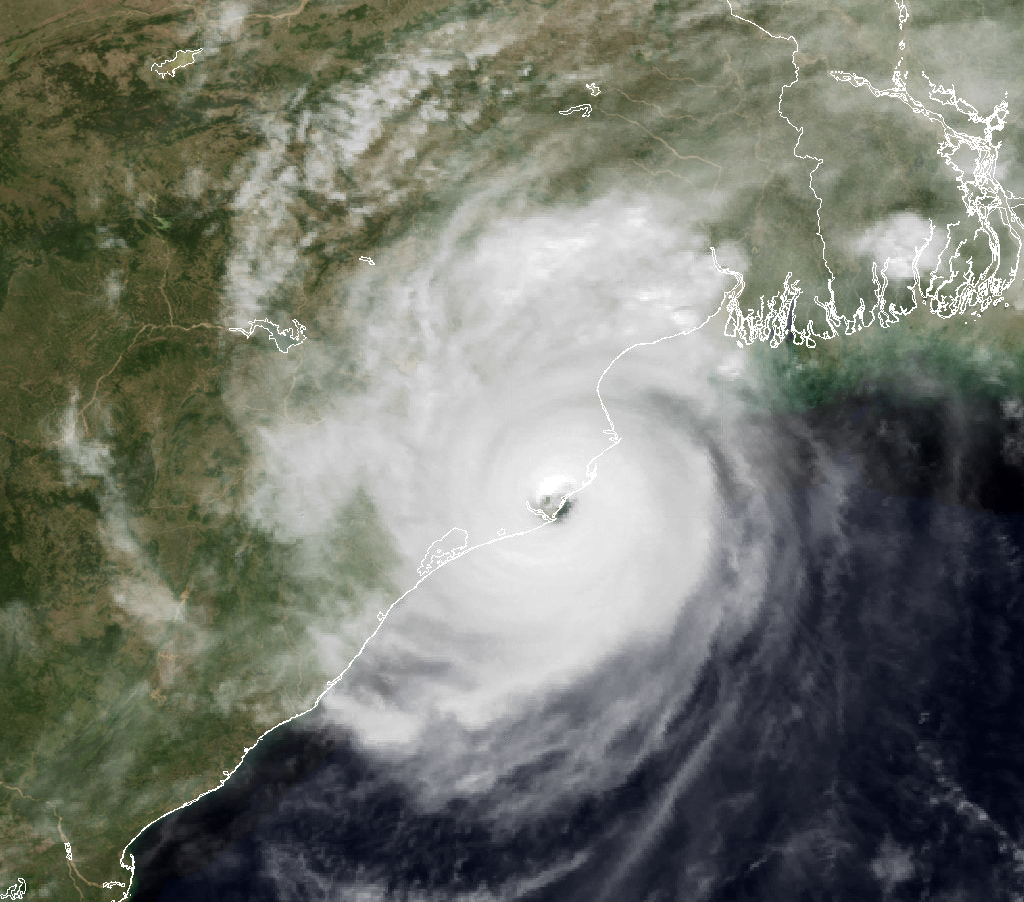
The Bay of Bengal, located in the northeast of the Indian Ocean. The basin is abbreviated BOB by the India Meteorological Department (IMD). The United States's Joint Typhoon Warning Center unofficially designates as B to classify storms formed in the Bay of Bengal. The Bay of Bengal's coast is shared among India, Bangladesh, Myanmar, Sri Lanka and western part of Thailand. This sub-basin is the most active and produces some of the deadliest cyclones of all time. The most intense cyclone in the bay was the 1999 Odisha cyclone.
The Arabian Sea is a sea located in the northwest of the Indian Ocean. Tropical cyclones in the basin are abbreviated ARB by the India Meteorological Department (IMD). The United States's Joint Typhoon Warning Center unofficially designates as A to classify storms formed in the Arabian Sea. The Arabian Sea's coast is shared among Pakistan, India, Yemen, Oman, UAE, Iran, Sri Lanka, Maldives and Somalia. Monsoons are characteristic of the Arabian Sea and responsible for the yearly cycling of its waters. In summer, strong winds blow from the southwest to the northeast, bringing rain to the Indian subcontinent. Cyclones are less frequent in the Arabian Sea, but the basin can produce strong tropical cyclones. Cyclone Gonu was the strongest and the costliest recorded tropical cyclone in the basin.
History of the basin
The systematic scientific studies of tropical systems in the Bay of Bengal and Arabian Sea was started during the 19th century by Henry Piddington. Piddington utilised meteorological logs of vessels that navigated the seas and published a series of memoirs, in the Journal of the Asiatic Society of Bengal between 1839 and 1858. These memoirs gave accounts and tracks of individual storms in the Bay of Bengal and the Arabian Sea.
During the 2004 post monsoon season the IMD started to name tropical cyclones within the basin, with the first one named Cyclone Onil during September 2004. During 2015 a modification to the intensity scale took place, with the IMD and WMO calling a system with 3-minute maximum sustained wind speeds between 90 kn and 120 kn an extremely severe cyclonic storm.
A study analysing the spring season of tropical cyclones in the Bay of Bengal found increases in both pre-monsoon precipitation and tropical cyclone intensity as a result of enhanced large-scale monsoon circulation after 1979. The deepened monsoon trough in the Bay of Bengal not only affects cyclone frequency and timing, but also acts to direct more cyclones towards Myanmar. Increased anthropogenic aerosols likely contributed to such a regional climate change.
Climatology
Formation and frequency
On average only five to six tropical cyclones form in the basin each year. Tropical cyclones form in the months of March to June and October to December, with peaks at May and November. Most of these storms form in the Bay of Bengal: either in the southeastern Bay of Bengal, in the Andaman Sea, or as a remnant of a typhoon from the South China Sea, and a few in the Arabian Sea. High sea surface temperatures and humidity makes the bays more favourable to tropical cyclone development. There are many tropical cyclones in the West Pacific; this may be another reason for increased tropical cyclogenesis in the Bay, as it shares a fair portion of the increased quota of ACE. Meanwhile, the storms in the Arabian Sea mostly form over south-eastern part of the Arabian Sea or a remnant of a tropical cyclone from the Bay of Bengal, however the frequency of cyclogenesis in the Arabian Sea is generally less, due to cooler sea surface temperature and high wind shear. However a strong positive Indian Ocean Dipole may cause an increase of tropical cyclogenesis than usual which was seen in the 2019 season. Very few tropical cyclones develop in the months of June to September (Monsoon months) because of high vertical wind shear. These storms form in the Bay of Bengal and peak as depressions or deep depressions before making landfall in Odisha or West Bengal. Another reason is the low life span in the sea which also avoids the intensification of these low-pressure systems.
Movement
Most of the storms move in a north-westerly direction and starts curving either towards southwest or northeast. There's a higher frequency of recurving towards northeast rather going southwest. In the Arabian Sea these storms mostly move in north-westerly direction targeting the Arabian Peninsula, however in some case these storm moves north-eastwards after crossing the 15°N latitude and strikes the Gujarati coast. In the Bay of Bengal, storms generally moves north-westwards until reaching the east coast and then moves north-eastwards.
Intensification
Intensification probability is maximum in the months of April, May and November in case of a depression becoming a cyclonic storm and severe cyclonic storm. More than half of the depressions intensify into a storm and a quarter intensify into a cyclone in these months.
Landfall
In the Arabian Sea, most storms dissipate offshore without making landfall, but a significant number of tropical cyclones also impact the west coast, particularly the states of Gujarat and Maharashtra. The remaining 11 percent makes landfall in either the Arabian Peninsula, Horn of Africa or Pakistan. In rare cases, some storms make landfall in Iran, like Cyclone Gonu did in 2007. Other than Gonu, two storms: Cyclone Yemyin and Kyarr made some or major impact in Iran.
In the Bay of Bengal, most of the storms strikes either the Indian states of Odisha or West Bengal and a significant number of storms hit the states of Andhra Pradesh and Tamil Nadu. 30 percent of the cyclones strike the countries of Bangladesh, Sri Lanka and Myanmar while the remaining 13 percent just dissipates off shore without making landfall.
Climate change
After a series of devastating cyclones in 2018, rising number of cyclones in the Arabian Sea in 2019 and a rising trend of rapid intensification in 2020 and 2021, many climatologists agree that climate change have caused these activities. On average, five cyclonic storms occur every year in the Arabian Sea. However, in 2019 eight cyclonic storms formed, becoming the record highest number of tropical cyclones in the sub-basin, which was tied with the 1902 season. Research has found that in recent decades the sea surface temperatures has risen up by 1.2 - in the Arabian Sea. During Cyclone Amphan’s rapid intensification, sea surface temperatures were as high as 33 C in the Bay of Bengal, and parts of the Arabian Sea reached 32 C before the formation of Cyclone Nisarga. According to the Union Ministry of Earth and Science, the frequency of very severe cyclonic storms has risen up by one per decade in last two decades, despite the decrease of the overall tropical cyclone frequency in the same period. Higher temperatures caused the cyclones to become more powerful and lead to tropical cyclone formation faster. Rising sea level also caused higher storm surge. Researchers also predict that cyclones will be deadlier and stronger as the trend of warming sea surface temperatures continue. Rising sea levels also may cause severe flooding, strong storm surge and inundation of coastal towns.
Seasons
| {{ #invoke:Chart | bar chart | height = 300 | width = 600 | stack = 1 | group 1 = 0 : 0 : 0 : 1 : 2 : 1 : 0 : 0 : 0 : 2 : 0 : 0 | group 2 = 0 : 0 : 0 : 4 : 5 : 1 : 0 : 0 : 0 : 7 : 5 : 2 | group 3 = 0 : 0 : 0 : 0 : 2 : 1 : 0 : 0 : 1 : 2 : 10 : 4 | group 4 = 0 : 0 : 0 : 0 : 5 : 4 : 0 : 0 : 3 : 2 : 5 : 5 | group 5 = 3 : 1 : 1 : 2 : 8 : 7 : 1 : 0 : 4 : 13 : 9 : 5 | group 6 = 1 : 0 : 0 : 0 : 7 : 12 : 11 : 9 : 5 : 16 : 11 : 9 | group 7 = 2 : 1 : 2 : 1 : 6 : 11 : 8 : 15 : 14 : 12 : 6 : 5 | group names = Super Cyclone : Extremely Severe : Very Severe : Severe : Cyclonic Storm : Deep Depression : Depression | colors = #a188fc : #ff738a : #ffd98c : #c0ffc0 : #00faf4 : #6ec1ea : #1591de | x legends = Jan : Feb : Mar : Apr : May : Jun : Jul : Aug : Sep : Oct : Nov : Dec |
|---|
Before 1890
Main article: Pre-1890 North Indian Ocean cyclone seasons
1890s
Main article: 1890s North Indian Ocean cyclone seasons
| Year | D | CS | SCS | Notes | Total | 112 | 60 | 28 | References |
|---|---|---|---|---|---|---|---|---|---|
| 1890 | 10 | 4 | 1 | ||||||
| 1891 | 13 | 4 | 3 | Total includes 1 Land Severe Cyclonic Storm | |||||
| 1892 | 12 | 7 | 2 | ||||||
| 1893 | 12 | 10 | 4 | ||||||
| 1894 | 12 | 6 | 0 | ||||||
| 1895 | 11 | 5 | 4 | ||||||
| 1896 | 10 | 8 | 3 | ||||||
| 1897 | 12 | 6 | 8 | ||||||
| 1898 | 13 | 7 | 3 | ||||||
| 1899 | 7 | 3 | 0 |
1900s
Main article: 1900s North Indian Ocean cyclone seasons
| Year | D | CS | SCS | Strongest | |||||||||
|---|---|---|---|---|---|---|---|---|---|---|---|---|---|
| storm | Deaths | Damage | |||||||||||
| (USD) | Notes | Total | 105 | 60 | 20 | References | |||||||
| 1900 | 10 | 3 | 1 | ||||||||||
| 1901 | 6 | 3 | 2 | ||||||||||
| 1902 | 13 | 7 | 5 | ||||||||||
| 1903 | 14 | 8 | 2 | ||||||||||
| 1904 | 9 | 4 | 0 | ||||||||||
| 1905 | 10 | 6 | 0 | ||||||||||
| 1906 | 11 | 7 | 1 | ||||||||||
| 1907 | 15 | 8 | 4 | ||||||||||
| 1908 | 9 | 6 | 1 | ||||||||||
| 1909 | 8 | 8 | 4 |
1910s
Main article: 1910s North Indian Ocean cyclone seasons
| Year | D | CS | SCS | Strongest | ||||||||
|---|---|---|---|---|---|---|---|---|---|---|---|---|
| storm | Deaths | Damage | ||||||||||
| (USD) | Notes | Total | 95 | 54 | 21 | References | ||||||
| 1910 | 6 | 5 | 2 | |||||||||
| 1911 | 7 | 5 | 4 | |||||||||
| 1912 | 9 | 6 | 2 | |||||||||
| 1913 | 10 | 6 | 2 | |||||||||
| 1914 | 8 | 4 | 2 | |||||||||
| 1915 | 9 | 6 | 0 | |||||||||
| 1916 | 14 | 8 | 5 | |||||||||
| 1917 | 10 | 3 | 1 | |||||||||
| 1918 | 11 | 5 | 0 | |||||||||
| 1919 | 11 | 6 | 3 |
1920s
Main article: 1920s North Indian Ocean cyclone seasons
| Year | D | CS | SCS | Strongest | ||||||||
|---|---|---|---|---|---|---|---|---|---|---|---|---|
| storm | Deaths | Damage | ||||||||||
| (USD) | Notes | Total | 140 | 62 | 18 | References | ||||||
| 1920 | 9 | 5 | 0 | |||||||||
| 1921 | 10 | 4 | 1 | |||||||||
| 1922 | 13 | 6 | 6 | |||||||||
| 1923 | 16 | 4 | 3 | |||||||||
| 1924 | 13 | 6 | 0 | |||||||||
| 1925 | 20 | 7 | 3 | |||||||||
| 1926 | 13 | 10 | 3 | |||||||||
| 1927 | 18 | 7 | 2 | |||||||||
| 1928 | 13 | 7 | 0 | |||||||||
| 1929 | 15 | 6 | 0 |
1930s
Main article: 1930s North Indian Ocean cyclone seasons
| Year | D | CS | SCS | Strongest | ||||||||
|---|---|---|---|---|---|---|---|---|---|---|---|---|
| storm | Deaths | Damage | ||||||||||
| (USD) | Notes | Total | 152 | 63 | 21 | References | ||||||
| 1930 | 14 | 10 | 1 | |||||||||
| 1931 | 11 | 5 | 1 | |||||||||
| 1932 | 14 | 6 | 2 | |||||||||
| 1933 | 16 | 8 | 3 | |||||||||
| 1934 | 16 | 5 | 0 | |||||||||
| 1935 | 15 | 6 | 2 | |||||||||
| 1936 | 18 | 6 | 3 | Two | 293 | $75,000 | ||||||
| 1937 | 19 | 6 | 2 | |||||||||
| 1938 | 10 | 4 | 4 | |||||||||
| 1939 | 19 | 7 | 3 |
1940s
Main article: 1940s North Indian Ocean cyclone seasons
| Year | D | CS | SCS | Strongest | ||||||||
|---|---|---|---|---|---|---|---|---|---|---|---|---|
| storm | Deaths | Damage | ||||||||||
| (USD) | Notes | Total | 162 | 55 | 23 | References | ||||||
| 1940 | 16 | 8 | 5 | |||||||||
| 1941 | 19 | 8 | 4 | |||||||||
| 1942 | 14 | 5 | 2 | |||||||||
| 1943 | 14 | 7 | 1 | |||||||||
| 1944 | 19 | 8 | 2 | |||||||||
| 1945 | 15 | 3 | 2 | |||||||||
| 1946 | 17 | 5 | 1 | |||||||||
| 1947 | 18 | 4 | 2 | |||||||||
| 1948 | 18 | 6 | 3 | |||||||||
| 1949 | 12 | 1 | 1 |
1950s
Main article: 1950s North Indian Ocean cyclone seasons
| Year | D | CS | SCS | Strongest | ||||||||||
|---|---|---|---|---|---|---|---|---|---|---|---|---|---|---|
| storm | Deaths | Damage | ||||||||||||
| (USD) | Notes | Total | 134 | 39 | 16 | Unknown | Unknown | References | ||||||
| 1950 | 16 | 4 | 0 | Sixteen | Unknown | Unknown | ||||||||
| 1951 | 15 | 4 | 2 | Fifteen | Unknown | Unknown | ||||||||
| 1952 | 17 | 4 | 2 | |||||||||||
| 1953 | 10 | 1 | 1 | |||||||||||
| 1954 | 14 | 1 | 0 | |||||||||||
| 1955 | 13 | 6 | 2 | |||||||||||
| 1956 | 14 | 4 | 2 | |||||||||||
| 1957 | 7 | 4 | 2 | |||||||||||
| 1958 | 12 | 5 | 2 | |||||||||||
| 1959 | 16 | 6 | 3 |
1960s

| Year | D | CS | SCS | Strongest | ||||||||||||
|---|---|---|---|---|---|---|---|---|---|---|---|---|---|---|---|---|
| storm | Deaths | Damage | ||||||||||||||
| (USD) | Notes | Total | 153 | 61 | 38 | Three | 47,000 | $193.9 million | References | |||||||
| 1960 | 15 | 5 | 3 | Ten | {{ntsp | 9400000 | $}} | Vast majority of the fatalities resulted from two cyclones striking East Pakistan three weeks apart | ||||||||
| 1961 | 18 | 5 | 4 | Winnie | Three land depressions developed this season | |||||||||||
| 1962 | 13 | 5 | 3 | Twelve | ≥ | {{ntsp | 34500000 | $}} | Deadliest storm, Harriet, crossed over from the Western Pacific | |||||||
| 1963 | 17 | 6 | 4 | Three | ||||||||||||
| 1964 | 16 | 7 | 5 | {{ntsp | 150000000 | $}} | ||||||||||
| 1965 | 14 | 6 | 4 | |||||||||||||
| 1966 | 18 | 8 | 6 | |||||||||||||
| 1967 | 15 | 6 | 4 | |||||||||||||
| 1968 | 13 | 7 | 4 | "Burma" | ||||||||||||
| 1969 | 14 | 6 | 1 | Twelve |
1970s
| Year | D | CS | SCS | Strongest | |||||||||||
|---|---|---|---|---|---|---|---|---|---|---|---|---|---|---|---|
| storm | Deaths | Damage | |||||||||||||
| (USD) | Notes | Total | 153 | 66 | 44 | "Andhra Pradesh" | 800,000 | $278.4 million | References | ||||||
| 1970 | 15 | 7 | 3 | "Bhola" | 300,000-500,000 | 86.4 million | The Bhola cyclone is the deadliest tropical cyclone recorded worldwide | ||||||||
| 1971 | 15 | 7 | 6 | "Odisha" | |||||||||||
| 1972 | 18 | 7 | 6 | 09B | |||||||||||
| 1973 | 16 | 6 | 3 | 14B | |||||||||||
| 1974 | 12 | 7 | 3 | 06B | |||||||||||
| 1975 | 20 | 7 | 4 | 02A | |||||||||||
| 1976 | 14 | 10 | 7 | 02A | |||||||||||
| 1977 | 18 | 5 | 5 | "Andhra Pradesh" | up to 50,000 | $192 million | Devastated Krishna Delta area in Andhra Pradesh | ||||||||
| 1978 | 14 | 5 | 3 | "Sri Lanka" | 1,000+ | ||||||||||
| 1979 | 11 | 5 | 4 | 01B |
1980s
| Year | D | DD | CS | SCS | VSCS | ESCS | SuCS | Strongest | |||||||||||||||
|---|---|---|---|---|---|---|---|---|---|---|---|---|---|---|---|---|---|---|---|---|---|---|---|
| storm | Deaths | Damages | |||||||||||||||||||||
| (USD) | Notes | Total | 110 | 84 | 44 | 21 | 15 | 9 | 1 | Gay / Kavali | 20,073 | $38.27 billion | References | ||||||||||
| 1980 | 14 | 14 | 5 | 0 | 0 | 0 | 0 | BOB 02 | |||||||||||||||
| 1981 | 12 | 12 | 5 | 3 | 3 | 0 | 0 | BOB 03 | |||||||||||||||
| 1982 | 19 | 11 | 8 | 5 | 3 | 3 | 0 | BOB 01 | |||||||||||||||
| 1983 | 7 | 4 | 2 | 1 | 1 | 1 | 0 | Herbert | |||||||||||||||
| 1984 | 7 | 7 | 4 | 3 | 3 | 2 | 0 | "Sriharikota" | 430 | ||||||||||||||
| 1985 | 15 | 15 | 6 | 1 | 1 | 0 | 0 | "Bangladesh" | 11,107 | ||||||||||||||
| 1986 | 8 | 3 | 1 | 0 | 0 | 0 | 0 | 02B | 11 | ||||||||||||||
| 1987 | 9 | 8 | 5 | 3 | 1 | 0 | 0 | 01B | |||||||||||||||
| 1988 | 9 | 5 | 5 | 3 | 2 | 2 | 0 | "Bangladesh" | 6,740 | $13 million | |||||||||||||
| 1989 | 10 | 5 | 3 | 2 | 1 | 1 | 1 | Gay | 1,785 | $25.27 million | Typhoon Gay crossed over from the West Pacific Basin |
1990s
| Year | D | DD | CS | SCS | VSCS | ESCS | SuCS | Strongest | ||||||||||||||||||||||||
|---|---|---|---|---|---|---|---|---|---|---|---|---|---|---|---|---|---|---|---|---|---|---|---|---|---|---|---|---|---|---|---|---|
| storm | Deaths | Damage | ||||||||||||||||||||||||||||||
| (USD) | Notes and References | Total | 93 | 69 | 41 | 25 | 18 | 9 | 3 | "Odisha" | 168,923 | ~$12.35 billion | References | |||||||||||||||||||
| 1990 | 11 | 6 | 2 | 2 | 1 | 1 | 1 | "Andhra Pradesh" | {{ntsp | 600000000 | $}} | title=Report on Cyclonic Disturbances (Depressions and Tropical Cyclones) over North Indian Ocean in 1990 | publisher=India Meteorological Department | archive-date=January 15, 2015 | author=Regional Specialised Meteorological Centre (RSMC) – Tropical Cyclones, New Delhi | url=http://www.rsmcnewdelhi.imd.gov.in/images/pdf/archive/rsmc/1990.pdf | url-status=live | access-date=February 22, 2015 | date=January 1992 | archive-url=https://web.archive.org/web/20150115051002/http://www.rsmcnewdelhi.imd.gov.in/images/pdf/archive/rsmc/1990.pdf}} | ||||||||||||
| 1991 | 9 | 4 | 3 | 1 | 1 | 1 | 1 | "Bangladesh" | {{ntsp | 1500000000 | $}} | |||||||||||||||||||||
| 1992 | 13 | 11 | 7 | 2 | 1 | 1 | 0 | Forrest | {{ntsp | 69000000 | $}} | Forrest crossed over from the West Pacific Basin | ||||||||||||||||||||
| 1993 | 5 | 4 | 2 | 2 | 2 | 0 | 0 | BOB 02 | {{ntsp | 216000000 | $}} | |||||||||||||||||||||
| 1994 | 5 | 5 | 4 | 2 | 2 | 1 | 0 | "Bangladesh" | {{ntsp | 12500000 | $}} | |||||||||||||||||||||
| 1995 | 8 | 6 | 3 | 2 | 2 | 1 | 0 | BOB 07 | {{ntsp | 46300000 | $}} | |||||||||||||||||||||
| 1996 | 10 | 8 | 6 | 4 | 2 | 0 | 0 | "Andhra Pradesh" | {{ntsp | 1900000000 | $}} | |||||||||||||||||||||
| 1997 | 9 | 7 | 3 | 2 | 1 | 1 | 0 | "Bangladesh" | Unknown | |||||||||||||||||||||||
| 1998 | 12 | 10 | 6 | 5 | 3 | 1 | 0 | "Gujarat" | {{ntsp | 3000000000 | $}} | |||||||||||||||||||||
| 1999 | 10 | 8 | 5 | 3 | 3 | 2 | 1 | "Odisha" | {{ntsp | 5000000000 | $}} | The Odisha cyclone is the strongest cyclone recorded in the Northern Indian Ocean. |
2000s

| Year | D | DD | CS | SCS | VSCS | ESCS | SuCS | Strongest | ||||||||||||||||
|---|---|---|---|---|---|---|---|---|---|---|---|---|---|---|---|---|---|---|---|---|---|---|---|---|
| storm | Deaths | Damage | ||||||||||||||||||||||
| (USD) | Notes | Total | 90 | 64 | 38 | 17 | 9 | 8 | 1 | Gonu | 157,965 | $16.65 billion | References | |||||||||||
| 2000 | 7 | 6 | 5 | 2 | 2 | 2 | 0 | "South India" | {{ntsp | 185000000 | $}} | |||||||||||||
| 2001 | 6 | 5 | 4 | 1 | 1 | 1 | 0 | "Gujarat" | {{ntsp | 104000000 | $}} | |||||||||||||
| 2002 | 7 | 7 | 4 | 1 | 0 | 0 | 0 | "West Bengal" | {{ntsp | 25000000 | $}} | |||||||||||||
| 2003 | 7 | 5 | 3 | 3 | 1 | 0 | 0 | "Sri Lanka" | {{ntsp | 163000000 | $}} | |||||||||||||
| 2004 | 10 | 7 | 4 | 4 | 1 | 1 | 0 | "Myanmar" | {{ntsp | 129800000 | $}} | |||||||||||||
| 2005 | 12 | 7 | 3 | 0 | 0 | 0 | 0 | Pyarr | {{ntsp | 21400000 | $}} | |||||||||||||
| 2006 | 12 | 6 | 3 | 2 | 1 | 1 | 0 | Mala | {{ntsp | 6700000 | $}} | |||||||||||||
| 2007 | 11 | 8 | 4 | 2 | 2 | 2 | 1 | Gonu | {{ntsp | 6400000000 | $}} | |||||||||||||
| 2008 | 10 | 7 | 4 | 1 | 1 | 1 | 0 | Nargis | {{ntsp | 15400000000 | $}} | The deadliest cyclone season since 1970 | ||||||||||||
| Third-costliest cyclone season on record | ||||||||||||||||||||||||
| 2009 | 8 | 6 | 4 | 1 | 0 | 0 | 0 | Aila | {{ntsp | 618400000 | $}} |
2010s

| Year | D | DD | CS | SCS | VSCS | ESCS | SuCS | Strongest | ||||||||||||||||
|---|---|---|---|---|---|---|---|---|---|---|---|---|---|---|---|---|---|---|---|---|---|---|---|---|
| storm | Deaths | Damages | ||||||||||||||||||||||
| (USD) | Notes | Total | **** | **** | **** | **** | **** | **** | **** | Kyarr | **** | ≥ | References | |||||||||||
| 2010 | 8 | 6 | 5 | 4 | 2 | 1 | 0 | Giri | 402 | {{ntsp | 2985000000 | $}} | The most active season since 1998 | |||||||||||
| 2011 | 10 | 6 | 2 | 1 | 1 | 0 | 0 | Thane | 360 | {{ntsp | 277000000 | $}} | The first cyclonic storm didn't develop until November 2nd. | |||||||||||
| 2012 | 5 | 5 | 2 | 0 | 0 | 0 | 0 | Nilam | 128 | {{ntsp | 56700000 | $}} | The first depression of the year did not develop until October 10 | |||||||||||
| 2013 | 10 | 6 | 5 | 4 | 3 | 1 | 0 | Phailin | 323 | {{ntsp | 1500000000 | $}} | Featured Phailin, the first Category 5-equivalent cyclone since Sidr in 2007 | |||||||||||
| 2014 | 8 | 5 | 3 | 2 | 2 | 2 | 0 | Nilofar | 183 | {{ntsp | 3400000000 | $}} | ||||||||||||
| 2015 | 12 | 9 | 4 | 2 | 2 | 2 | 0 | Chapala | 363 | {{ntsp | 358000000 | $}} | First season on record with two cyclones producing hurricane-force winds in Socotra | |||||||||||
| 2016 | 10 | 5 | 4 | 1 | 1 | 0 | 0 | Vardah | 401 | {{ntsp | 5400000000 | $}} | ||||||||||||
| 2017 | 10 | 6 | 3 | 2 | 1 | 0 | 0 | Ockhi | 834 | {{ntsp | 3650000000 | $}} | ||||||||||||
| 2018 | 14 | 9 | 7 | 5 | 3 | 1 | 0 | Mekunu | 343 | {{ntsp | 4325000000 | $}} | The most active season since 1992 | |||||||||||
| 2019 | 12 | 11 | 8 | 6 | 6 | 3 | 1 | Kyarr | 173 | {{ntsp | 11500000000 | $}} | Earliest cyclonic storm in the basin | |||||||||||
| First Super Cyclonic Storm since 2007 |
2020s
| Year | D | DD | CS | SCS | VSCS | ESCS | SuCS | Strongest | ||||||||||||||
|---|---|---|---|---|---|---|---|---|---|---|---|---|---|---|---|---|---|---|---|---|---|---|
| storm | Deaths | Damages | ||||||||||||||||||||
| (USD) | Notes | Total | 62 | 35 | 24 | 16 | 9 | 5 | 1 | Amphan | 4,648 | $53.38 billion | ||||||||||
| 2020 | 9 | 6 | 5 | 4 | 3 | 1 | 1 | Amphan | 280 | $18.1 billion | First super cyclonic storm in the Bay of Bengal since 1999 | |||||||||||
| Featured one of the costliest cyclones ever recorded in the basin, Amphan | ||||||||||||||||||||||
| Second-costliest North Indian cyclone season on record | ||||||||||||||||||||||
| 2021 | 10 | 6 | 5 | 3 | 2 | 1 | 0 | Tauktae | 273 | $6.08 billion | ||||||||||||
| 2022 | 15 | 7 | 3 | 2 | 0 | 0 | 0 | Asani | 79 | $471.2 million | ||||||||||||
| 2023 | 10 | 8 | 7 | 5 | 4 | 3 | 0 | Mocha | 514 | $4.07 billion | Mocha was one of the strongest cyclones ever formed in the basin's history. | |||||||||||
| 2024 | 12 | 7 | 4 | 2 | 0 | 0 | 0 | Remal | 590 | $2.35 billion | ||||||||||||
| 2025 | 14 | 6 | 4 | 2 | 0 | 0 | 0 | Shakhti | 2,912 | $22.28 billion | The first cyclonic storm didn't develop until October 3. | |||||||||||
| Deadliest North Indian Ocean cyclone season since 2008 | ||||||||||||||||||||||
| Featured Senyar, one of only two tropical cyclones on record to exist in the Malacca Strait, as well as the costliest cyclone in the basin on record. | ||||||||||||||||||||||
| Costliest North Indian cyclone season on record |
Records
- The most intense tropical cyclone of the basin was the 1999 Odisha Cyclone. It was the strongest tropical cyclone to hit the Indian state of Odisha. The maximum recorded wind speed was 260 km/h with minimum barometric pressure of 912 mbar.
- The costliest tropical cyclone was Cyclone Amphan, which struck the West Bengal coast on May 20, 2020. The recorded damage cost was 13.2 billion, beating the previous record of Cyclone Nargis which was 12 billion.
- The deadliest tropical cyclone was the 1970 Bhola Cyclone, which caused over 500,000 fatalities in the Ganges-Brahmaputra delta region alone. It made landfall in the Tazumuddin Upazila in East Pakistan (now known as Bangladesh).
- The smallest tropical cyclone was Cyclone Ogni, which struck the Andhra Pradesh coast on October 30, 2008. The cyclone's diameter was only 100 km.
- The largest tropical cyclone was the 1999 Odisha Cyclone, which struck the coast of Odisha.
- The wettest tropical cyclone was Severe Cyclonic Storm ARB 01 (2004). One of the weather stations recorded 184 cm between May 57, 2004.
Notes
References
References
- (May 17, 2021). "Cyclone Tauktae Strikes India".
- "Activities of RSMC, New Delhi".
- "2021 North Indian Ocean Cyclone Season".
- "Acronyms".
- (May 24, 2021). "TROPICAL CYCLONE 02B (TWO) WARNING NR 001". Joint Typhoon Warning Center.
- "Bay of Bengal {{!}} bay, Indian Ocean".
- (May 26, 2021). "Why Bay of Bengal is hotbed of worst tropical cyclones? As Yaas hits Odisha, here's all you need to know".
- "Frequently Asked Questions on Tropical Cyclones".
- (May 14, 2021). "TROPICAL CYCLONE 01A (ONE) WARNING NR 001". Joint Typhoon Warning Center.
- (April 10, 2011). "History of cyclones in the Arabian sea".
- (June 7, 2007). "Tropical Cyclone Gonu".
- (July 14, 2009). "Best track data of tropical cyclonic disturbances over the north Indian Ocean". India Meteorological Department.
- RSMC — Tropical Cyclones New Delhi. (January 2005). "Report on Cyclonic Disturbances over North Indian Ocean during 2014".
- "Third Joint Session of Panel on Tropical Cyclones & Typhoon Committee February 9–13, 2015". World Meteorological Organization.
- (2013). "Intensification of premonsoon tropical cyclones in the Bay of Bengal and its impacts on Myanmar". Journal of Geophysical Research: Atmospheres.
- "Why Bay of Bengal is hotbed of world's worst tropical cyclones?".
- (31 October 2018). "What is the Indian Ocean Dipole? Explain its connection with the Indian monsoons – Civilsdaily".
- "Movement".
- "Intensification".
- "Landfall".
- "WHO EMRO {{!}} Experience of cyclone Gonu in the Islamic Republic of Iran: lessons learned {{!}} Volume 16, issue 12 {{!}} EMHJ volume 16, 2010".
- "MODIS Web".
- "NASA - Hurricane Season 2007: Tropical Cyclone 3B".
- (January 6, 2020). "Statement on Climate of India during 2019".
- (20 May 2021). "Cyclone Tauktae shows why north Indian Ocean is now whacky".
- Sarkar, Soumya. (June 5, 2020). "Cyclones rise as climate change heats up Indian Ocean".
- Unattributed. (August 31, 2010). "Annual frequency of cyclonic disturbances (Maximum sustained windspeeds of 17 knots or more), Cyclones (34 knots or more) and Severe Cyclones (48 knots or more) over the Bay of Bengal (BOB), Arabian Sea (AS) and land surface of India". India Meteorological Department.
- India Meteorological Department. (1936). "Annual Summary — Storms & Depressions". National Oceanic and Atmospheric Administration.
- Regional Specialised Meteorological Centre (RSMC) – Tropical Cyclones, New Delhi. (January 1992). "Report on Cyclonic Disturbances (Depressions and Tropical Cyclones) over North Indian Ocean in 1990". India Meteorological Department.
- Unattributed. (June 26, 2008). "Historical records of Severe Cyclones which formed in the Bay of Bengal and made landfall at the eastern coast of India during the period from 1970-1999". India Meteorological Department.
- (May 12, 2019). "Cyclone Fani: How 2019 was different from 1999 super cyclone".
- Rajaram, Vedika Sud,Prema. (2020-05-22). "Cyclone Amphan caused an estimated $13.2 billion in damage: government source".
- (2022-03-31). "Asian bloc to handle Burma aid {{!}} The Star".
- "Fifty Years of the Cyclone That Triggered a Civil War and Created Bangladesh".
- "Hurricanes: Science and Society: 1970- The Great Bhola Cyclone".
- (January 2007). "REPORT ON CYCLONIC DISTURBANCES OVER NORTH INDIAN OCEAN DURING 2006".
- "Anemometer Failed to Read Wind Speed of 1999 Cyclone".
- (August 2009). "Alarming Rise in the Number and Intensity of Extreme Point Rainfall Events over the Indian Region under Climate Change Scenario". [[Indian Institute of Tropical Meteorology]].
This article was imported from Wikipedia and is available under the Creative Commons Attribution-ShareAlike 4.0 License. Content has been adapted to SurfDoc format. Original contributors can be found on the article history page.
Ask Mako anything about North Indian Ocean tropical cyclone — get instant answers, deeper analysis, and related topics.
Research with MakoFree with your Surf account
Create a free account to save articles, ask Mako questions, and organize your research.
Sign up freeThis content may have been generated or modified by AI. CloudSurf Software LLC is not responsible for the accuracy, completeness, or reliability of AI-generated content. Always verify important information from primary sources.
Report