From Surf Wiki (app.surf) — the open knowledge base
Normanby River
River in northern Queensland, Australia

River in northern Queensland, Australia
| Field | Value |
|---|---|
| name | Normanby |
| name_other | East Normanby, West Normanby, East Normanby North Branch, East Normanby South Branch, Granite Normanby |
| name_etymology | In honour of George Phipps, 2nd Marquess of Normanby |
| image | Normanby-river.JPG |
| image_size | 280 |
| pushpin_map | Australia Queensland |
| pushpin_map_caption | Location of Normanby River river mouth in Queensland |
| subdivision_type1 | Country |
| subdivision_name1 | Australia |
| subdivision_type2 | State |
| subdivision_name2 | Queensland |
| subdivision_type3 | Region |
| subdivision_name3 | Far North Queensland, Cape York Peninsula, Wet Tropics of Queensland |
| length | 350 km |
| discharge1_location | Princess Charlotte Bay |
| discharge1_avg | 390 m3/s |
| source1 | Great Dividing Range |
| source1_location | west of |
| source1_coordinates | |
| source_confluence | East and West Normanby Rivers |
| source_confluence_coordinates | |
| source_confluence_elevation | 125 m |
| mouth | Princess Charlotte Bay |
| mouth_location | Rinyirru National Park |
| mouth_coordinates | |
| mouth_elevation | 0 m |
| basin_size | 24408 km2 |
| tributaries_left | Banana Creek (Queensland), Beardmore Creek, Cabbage Tree (Welcome) Creek, Laura River, Kennedy River |
| tributaries_right | Nigger Creek (Queensland), Surrender Creek, Trapp Creek, Bridge Creek (Queensland), Jack River (Queensland), House Creek (Queensland) |
| custom_label | National park |
| custom_data | Rinyirru National Park |
| extra |
The Normanby River, comprising the East Normanby River, the West Normanby River, the East Normanby River North Branch, the East Normanby River South Branch and the Granite Normanby River, is a river system in Far North Queensland, Australia.
This area is also referred to as the Norman-Laura Catchment and Norman Sub-Basin.
Location and features
With its headwaters in the Great Dividing Range west of in the Wet Tropics of Queensland, the Normanby River is formed by the confluence of the East and West Branches of the river at an elevation of 125 m . The river flows generally north-northwestw through seasonally flooded savanna grassland to reach its mouth in Princess Charlotte Bay about 150 km northwest of . The river is joined by 18 tributaries including the Laura River. The river flows through the Rinyirru National Park, which covers as much as a fifth of the river's basin and is completely impassable during the wet season between November and May. The Rinyirru National Park consists of large wetlands which possess a high diversity of fish species. Near its mouth, the Normanby River flows very slowly and forms a large delta, which is almost inaccessible even during the dry season as there are no roads – even unsealed ones. This land, though, is still dry enough during the dry season that tropical rainforests cannot grow.
The combined river system descends from a peak elevation of 622 m to sea level, with a combined course from source to mouth of over 490 km.
While one source considers the Normanby River system as the third largest river in Australia, the Australian Government agency, Geoscience Australia, does not assess the Normanby River system within the ten longest rivers in Australia nor within the three longest continuous river systems in the country. The Normanby River system has less than half the flow of the Murray and Mitchell Rivers - though data regarding its flow are sparse with less than a third of the 24408 km2 catchment area gauged.
Environmental
Together with the Laura River, the Normanby River system is the fourth largest river system in the Great Barrier Reef catchment, with the third largest mean annual discharge into the Reef. Consequently almost all scientific research into the flow and hydrology of the Normanby basin has been done with the health of the reef rather than the river per se in mind. The fact that the Normanby is completely free of dams means that Australian Government studies have used it as a model for the behaviour of rivers further south when they were in something closer to a virgin state.
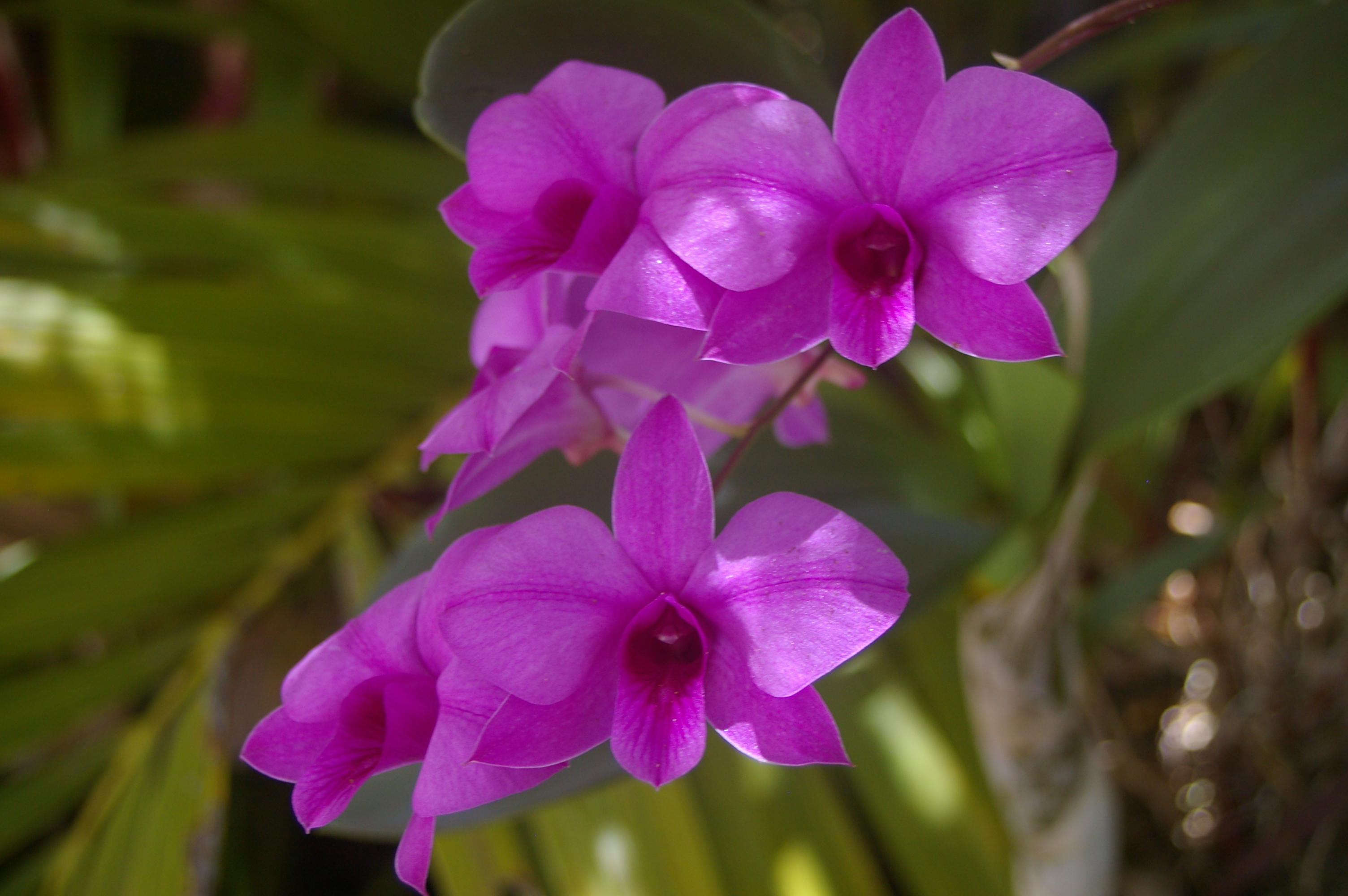
In 2016 the Queensland Government purchased Springvale Station, a 56295 hectare property in Lakeland. Springvale Station was purchased to add to the state's protected area network and complement activities being taken to reduce sediment run-off entering the Normanby River catchment. The Erosion Management Plan will inform the future management planning and activities to be delivered on Springvale Station, as well as identifying potential investment and collaboration opportunities for erosion control on the property.
Springvale Station Nature Refuge provides important habitat for endangered or vulnerable flora and fauna including the Cooktown orchid, ghost bat, northern quoll, red goshawk, spectacled flying-fox, spotted-tailed quoll, Semon's leaf nosed bat and large eared-horseshoe bat. There is no public access on the Nature Refuge.
Industry
The small towns of Lakeland, Laura and Lakefield, several homesteads and remote communities are within the catchment. The Normanby basin is almost entirely used for the grazing of beef cattle on large stations - mostly worked by Aboriginal people. The density of cattle is very low, as are rents. The soils, being mostly ancient lateritic Orthents, are totally unsuitable for the growing sugar cane, which is the principal crop in tropical Australia. Tourism and maintenance of transport infrastructure after regular floods are important to the area. The estuarine areas support commercial and recreational fisheries.
Etymology
The river was named by William Hann in September 1872 in honour of George Phipps, 2nd Marquess of Normanby, who served as the third Governor of Queensland between 1871 and 1874.
Indigenous language
Guugu Yimithirr (also known as Koko Yindjir, Gugu Yimidhirr, Guguyimidjir) is an Australian Aboriginal language of Hope Vale and the Cooktown area. The language region includes the local government area of the Aboriginal Shire of Hope Vale and the Shire of Cook, particularly the localities of Cape Bedford, Battle Camp and sections of the Normanby River and Annan River.
References
References
- "Map of Normanby River, QLD". Bonzle Digital Atlas of Australia.
- "Map of East Normanby River, QLD". Bonzle Digital Atlas of Australia.
- "Map of East Normanby River North Branch, QLD". Bonzle Digital Atlas of Australia.
- "Map of East Normanby River South Branch, QLD". Bonzle Digital Atlas of Australia.
- "Map of West Normanby River, QLD". Bonzle Digital Atlas of Australia.
- "Map of Granite Normanby River, QLD". Bonzle Digital Atlas of Australia.
- "Story Map Series".
- Brown, John Alexander Henstridge. (1983). "Australia's Surface Water Resources". [[Australian Government.
- (21 December 2012). "Longest rivers". Australian Government.
- "Invasive plants — Cook Shire Council".
- Howley, Christina. (2013). "Normanby River Water Quality: 2006-2013 Monitoring Results". Cape York Water Quality.
- Gruber, R.. (2020). "Marine Monitoring Program: Annual Report for Inshore Water Quality Monitoring 2018-19. Report for the Great Barrier Reef Marine Park Authority".
- The State of Queensland, Department of Environment and Science. (7 July 2022). "Springvale Station Nature Refuge {{!}} Coastal catchment management".
- One Search. (2018). "Springvale Station erosion management plan.".
- Contributed. "Solution at hand for saving Great Barrier Reef".
- "Story Map Series".
- "Story Map Series".
- (2012-09-27). "Declared Fish Habitat Area summary - Princess Charlotte Bay".
- "Normanby River". [[Queensland Government]].
- Jack, R. L.. (1922). "Northmost Australia". George Robertson and Co.
- "Guugu Yimithirr".
This article was imported from Wikipedia and is available under the Creative Commons Attribution-ShareAlike 4.0 License. Content has been adapted to SurfDoc format. Original contributors can be found on the article history page.
Ask Mako anything about Normanby River — get instant answers, deeper analysis, and related topics.
Research with MakoFree with your Surf account
Create a free account to save articles, ask Mako questions, and organize your research.
Sign up freeThis content may have been generated or modified by AI. CloudSurf Software LLC is not responsible for the accuracy, completeness, or reliability of AI-generated content. Always verify important information from primary sources.
Report