From Surf Wiki (app.surf) — the open knowledge base
Nocera Inferiore
Municipality in Campania, Italy

Municipality in Campania, Italy
| Field | Value | |
|---|---|---|
| name | Nocera Inferiore | |
| official_name | Comune di Nocera Inferiore | |
| image_skyline | Nocera Inferiore veduta.JPG | |
| image_flag | Nocera Inferiore-Bandiera.svg | |
| image_shield | Nocera Inferiore-Stemma.svg | |
| coordinates | ||
| region | Campania | |
| province | Salerno (SA) | |
| frazioni | Cicalesi, Merichi, Vescovado, Casolla, San Mauro | |
| mayor_party | D | |
| mayor | Paolo De Maio | |
| area_total_km2 | 20.94 | |
| population_total | 45,608 | |
| population_as_of | 1 January 2019 | |
| population_demonym | Nocerini | |
| elevation_m | 43 | |
| istat | saint = St. Priscus | |
| day | May 9 | |
| postal_code | 84014 | |
| area_code | 081 | |
| website |


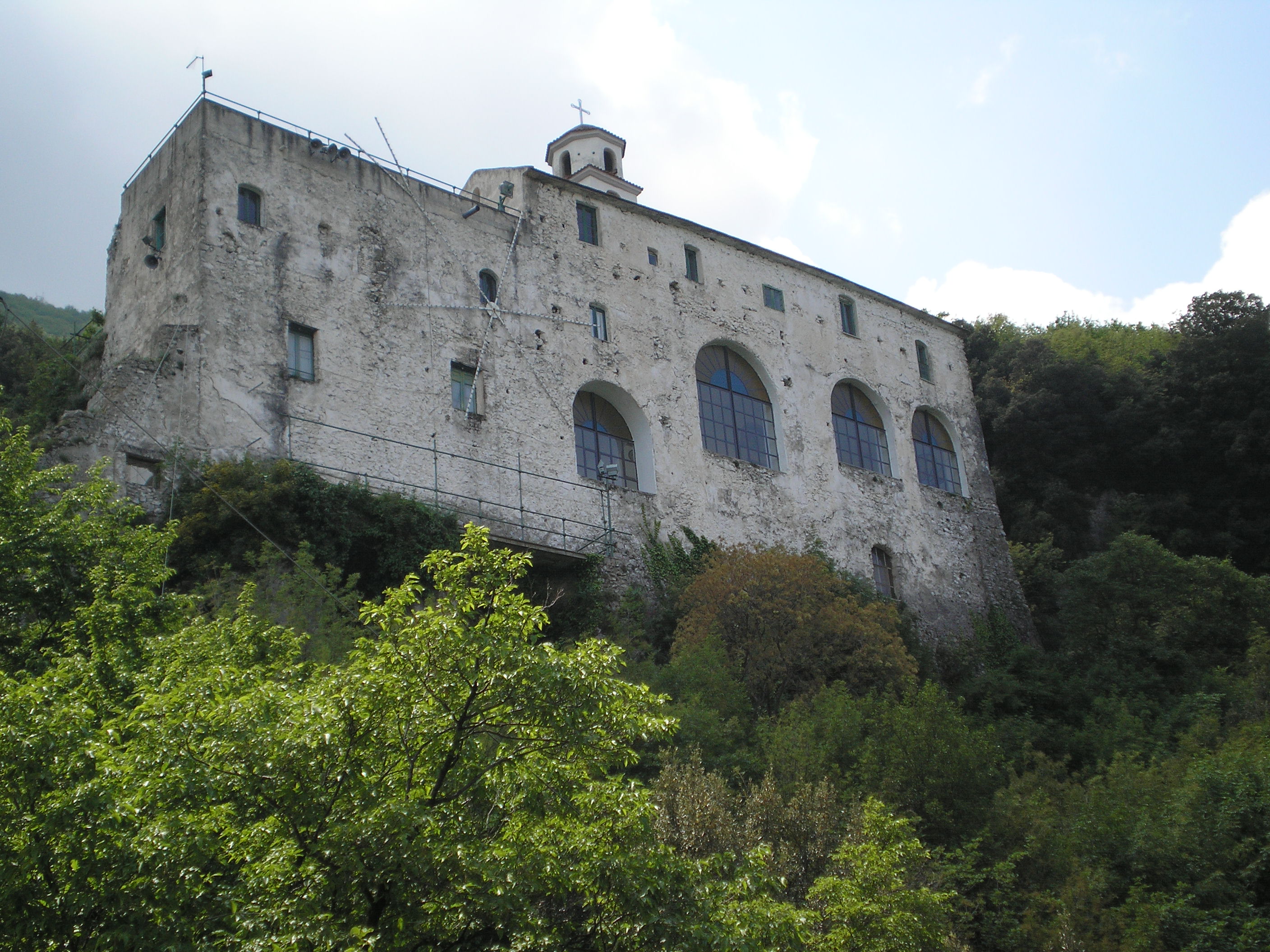
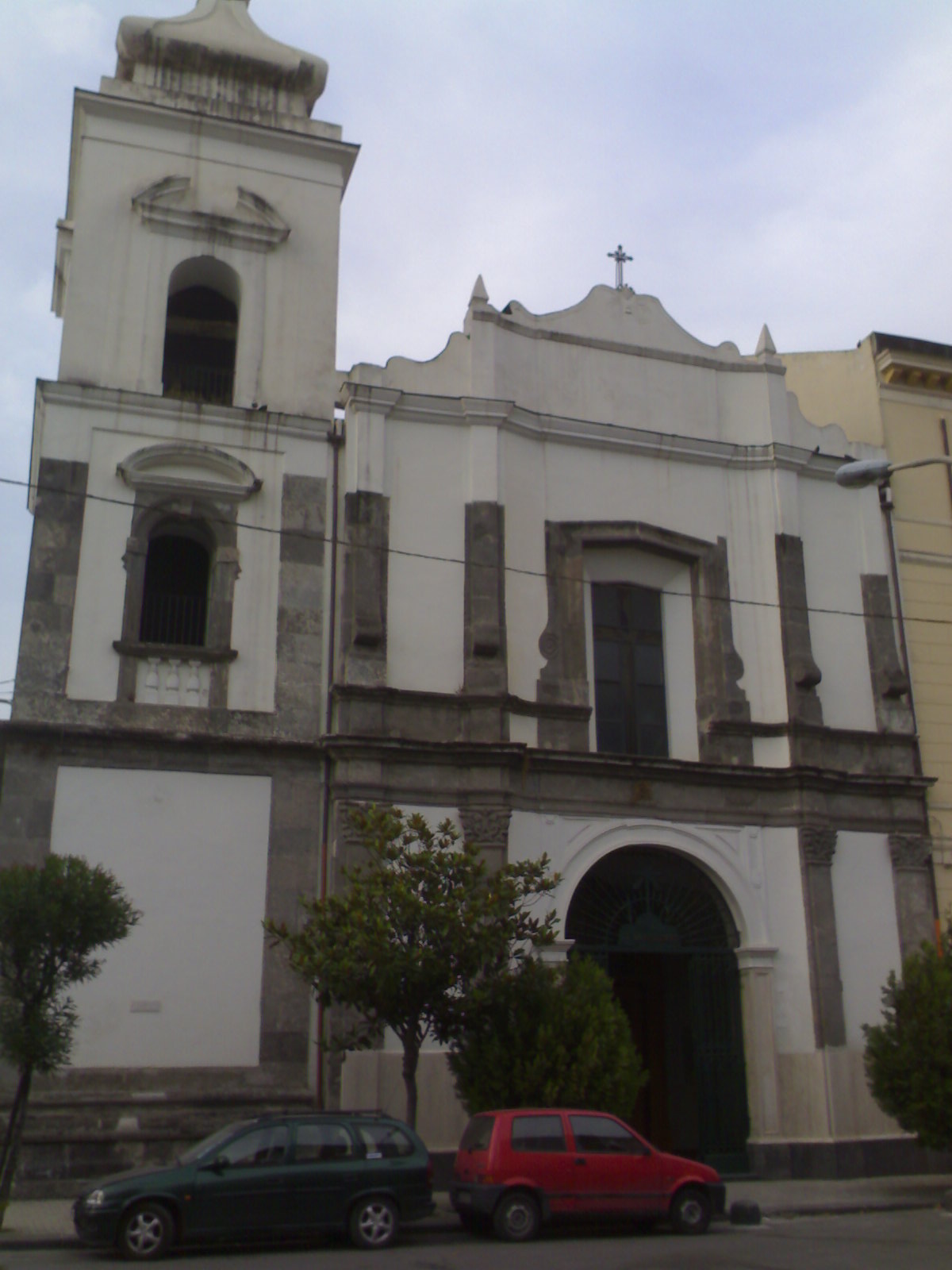


Nocera Inferiore ( or simply Nucèrë, , locally ) is a town and comune in the province of Salerno, in Campania in southern Italy. It lies west of Nocera Superiore, at the foot of Monte Albino, some 35 km east-southeast of Naples by rail.
History
Main article: Nocera Superiore, Nocera dei Pagani#History
The ancient city of Nuceria Alfaterna was situated nearby in Nocera Superiore. Some of the city's necropoli were located in the area of Nocera Inferiore.
Its post-Roman history until 1851 is in common with Nocera Superiore.
Post-Roman history
At an early date, the city became an episcopal see named Nuceria Christianorum ('Nocera of the Christians'), and in the 12th century, it sided with Innocent II against Roger II of Sicily, suffering severely for its choice.
In the 13th century, and long after, the town had the name of Nocera dei Pagani ('Nocera of the pagans') because a colony of Muslim Saracens was introduced by Frederick II in the annexed territory of nowadays Pagani. The town was described as "a genuine Muhammadan town with all its characteristic mosques and minarets." It is said that, through their darker complexion and features, the townsfolk maintain the heritage of these Muslim settlers.
In 1385 Pope Urban VI was besieged in the castle by Charles III of Naples.
By the end of the 15th century, until 1806, Nuceria had the epithet ("of the pagans", Nuceria Paganorum); the town was then divided into 7 boroughs, that later became 5 separate comuni: Nocera Inferiore, Nocera Superiore, Pagani, Sant'Egidio and Corbara. Today the town of Pagani lies about one 1.5 km to the west.
The origins of the name
The current name, Nocera Inferiore, derives from the Italianization of the dialectal toponym Nuceria and from the geographical position of the city that, in 1806, was born from the division of Nocera dei Pagani, sanctioning the birth of five municipalities, including the two Noceras, differentiated according to their height above sea level.
Main sights
One of the most beautiful places to visit in Nocera Inferiore is the medieval castle. Strategically located on the top of Santa Andrea's hill, this fortified structure was founded in the 9th century. In 1138 it was destroyed by the troops of Ruggero II. Helena, the widow of Manfred of Sicily, was imprisoned in the Castle and died here after the battle of Benevento (1268). Here also Urban VI imprisoned the cardinals who favoured the Antipope Clement VII.
The castle also had as guests the writers Dante Alighieri and Boccaccio.
Symbols
The city coat of arms shows a walnut tree with golden fruits. On the red frame of the shield is written "Urbs Nuceria" in Roman letters. On the top there is a castellated crown, whereas at the bottom there is a laurel branch with golden berries and an oak branch with golden acorns tied together with the Italian tricolour ribbon. The city coat of arms has been renewed recently by Antonio Pecoraro.
Since 2017 "Verrà dalla memoria" has been the anthemn of Nocera Inferiore. Lyrics were written by Teresa Staiano and music was composed by Father Carmine Ferraioli.
Monuments
[[Church (building)|Churches]]
- Cathedral of San Prisco and San Marco (10th century)
- Church of San Matteo (10th century)
- Convent of San Giovanni in Parco (12th century)
- Church of Sant'Angelo in grotta (12th century)
- Monastery of Santa Chiara (13th century)
- (13th century)
- (13th century)
- Church of the Corpo di Cristo (16th century)
- Convent of Sant'Andrea (16th century)
- Sanctuary of Santa Maria dei Miracoli (16th century)
- Church of San Bartolomeo (18th century)
- Church of San Giuseppe (20th century)
Castle
- Castello del Parco (10th century)
Buildings
- Torre Guerritore (19th century)
- Palazzo Vescovile (16th century)
- Curia diocesana (18th century)
- Palazzo ducale (16th century)
- Caserma Bruno Tofano (18th century)
- Palazzo Lanzara (17th century)
- Palazzo del Liceo Classico (20th century)
- Villa Piccolomini d'Aragona (20th century)
Museums
- Art gallery of Sant'Antonio convent
- Diocesan Museum San Prisco
- Archaeology museums of Agro nocerino
Notable people
- Publius Sittius
- Felix and Constantia
- Antipope Laurentius
- Beatrice of Provence
- Helena Angelina Doukaina
- Charles Martel of Anjou
- San Ludovico D'Angiò, canonized on April 7, 1317 by John XXII
- Dietrich of Nieheim
- Pope Urban VI
- Raimondo Del Balzo Orsini
- Jacopo Sannazzaro, famous poet, humanist, and epigrammist
- Nunzio Ferraiuoli, famous painter
- Paolo Giovio
- Bernardino Telesio
- Orazio Solimena, famous painter
- Angelo Solimena, famous painter
- Francesco Solimena, famous painter in the Baroque era
- Carlo Cafiero
- Giuseppe Fanelli
- Warren Cuccurullo
- Mario Cuomo, whose father Andrea came from Nocera Inferiore
- Pat Villani
- Mino Raiola, football agent
- Giammario Piscitella
- Lorenzo Prisco, footballer
- Michele Tarallo
- Simone Barone, World Cup-winning footballer
- Raffaele De Martino, footballer
- Teresa Di Loreto
- Isabella Adinolfi
- Coez
Twin towns/cities
Nocera inferiore is twinned with:
- CRO Makarska, Croatia
Transportation
Nocera is connected with Naples, Avellino and Salerno by a branch railway.
References
- {{Cite EB1911
- (1984). "The Poetical Works of Robert Browning: Volume II. Strafford, Sordello". Clarendon Press.
- (31 Aug 2013). "The Journal of Sir Walter Scott: Volume 2: From the Original Manuscript at Abbotsford". Cambridge University Press.
This article was imported from Wikipedia and is available under the Creative Commons Attribution-ShareAlike 4.0 License. Content has been adapted to SurfDoc format. Original contributors can be found on the article history page.
Ask Mako anything about Nocera Inferiore — get instant answers, deeper analysis, and related topics.
Research with MakoFree with your Surf account
Create a free account to save articles, ask Mako questions, and organize your research.
Sign up freeThis content may have been generated or modified by AI. CloudSurf Software LLC is not responsible for the accuracy, completeness, or reliability of AI-generated content. Always verify important information from primary sources.
Report