From Surf Wiki (app.surf) — the open knowledge base
Neuromuscular disease

| Field | Value |
|---|---|
| name | Neuromuscular disease |
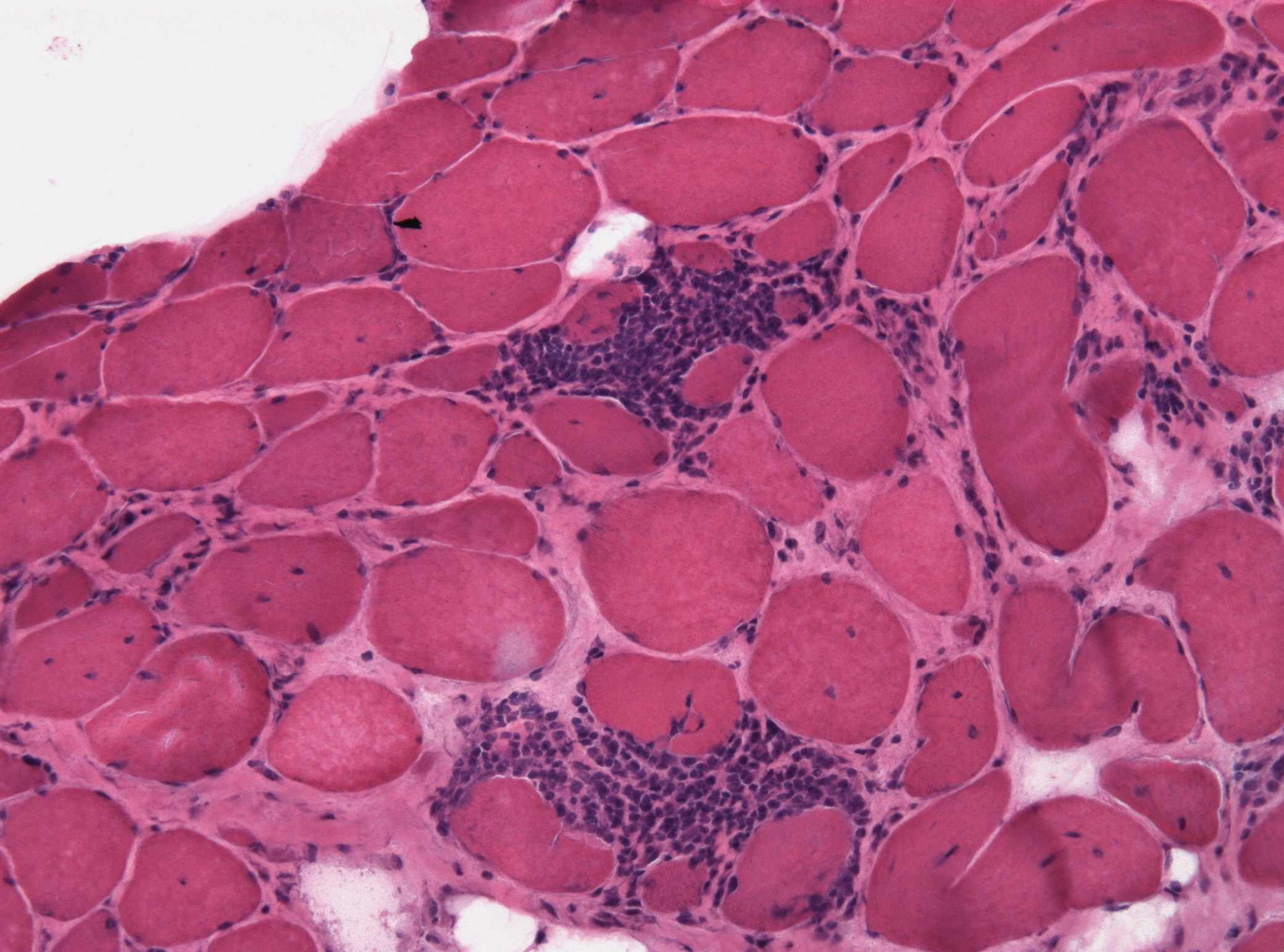
| image | Congenital nemaline myopathy.jpg |
| image_size | 300px |
| caption | Congenital nemaline myopathy (neuromuscular disorder) |
| field | Neurology, neuromuscular medicine, physical medicine and rehabilitation |
| causes | Autoimmune disorders, genetic disorders, environmental factors |
| diagnosis | Muscle electrophysiology tests, genetic testing |
| treatment | Depends on the disorder; many currently have no cure |
A neuromuscular disease is any disease affecting the peripheral nervous system (PNS), the neuromuscular junctions, or skeletal muscles, all of which are components of the motor unit. Damage to any of these structures can cause muscle atrophy and weakness. Issues with sensation can also occur.
Neuromuscular diseases can be acquired or genetic. Mutations of more than 650 genes have shown to be causes of neuromuscular diseases. Other causes include nerve or muscle degeneration, autoimmunity, toxins, medications, malnutrition, metabolic derangements, hormone imbalances, infection, nerve compression/entrapment, comprised blood supply, and trauma.
Signs and symptoms
Symptoms of neuromuscular disease may include numbness, paresthesia, muscle atrophy, a pseudoathletic appearance, exercise intolerance, myalgia (muscle pain), fasciculations (muscle twitches), myotonia (delayed muscle relaxation), hypotonia (lack of resistance to passive movement), fixed muscle weakness (a static symptom), or premature muscle fatigue (a dynamic symptom).
Causes
Neuromuscular disease can be caused by autoimmune disorders, genetic/hereditary disorders exposure to environmental chemicals and poisoning which includes heavy metal poisoning. The failure of the electrical insulation surrounding nerves, the myelin, is seen in certain deficiency diseases, such as the failure of the body's system for absorbing vitamin B-12.
Diseases of the motor end plate include myasthenia gravis, a form of muscle weakness due to antibodies against acetylcholine receptor, and its related condition Lambert–Eaton myasthenic syndrome (LEMS). Tetanus and botulism are bacterial infections in which bacterial toxins cause increased or decreased muscle tone, respectively. Muscular dystrophies, including Duchenne's and Becker's, are a large group of diseases, many of them hereditary or resulting from genetic mutations, where the muscle integrity is disrupted, they lead to progressive loss of strength and decreased life span.
Further causes of neuromuscular diseases are:
Inflammatory muscle disorders
- Polymyalgia rheumatica (or "muscle rheumatism") is an inflammatory condition that mainly occurs in the elderly; it is associated with giant-cell arteritis (It often responds to prednisolone).
- Polymyositis is an autoimmune condition in which the muscle is affected.
- Rhabdomyolysis is the breakdown of muscular tissue due to any cause.
Tumors
- Smooth muscle: leiomyoma (benign)
- Striated muscle: rhabdomyoma (benign)
Diagnosis

Diagnostic procedures that may reveal muscular disorders include direct clinical observations. This usually starts with the observation of bulk, possible atrophy or loss of muscle tone. Neuromuscular disease can also be diagnosed by various blood tests and using electrodiagnostic medicine tests including electromyography (measuring electrical activity in muscles) and nerve conduction studies. Genetic testing is an important part of diagnosing inherited neuromuscular conditions.
Prognosis
Prognosis and management vary by disease.
Notes
References
References
- (2014). "Neuromuscular disorders in clinical practice".
- "GeneTable of Neuromuscular Disorders".
- (November 2021). "Molecular and cellular basis of genetically inherited skeletal muscle disorders.". Nature Reviews. Molecular Cell Biology.
- (December 2021). "The 2022 version of the gene table of neuromuscular disorders (nuclear genome)". Neuromuscular Disorders.
- (2014). "Neuromuscular disorders in clinical practice".
- "Neuromuscular Disorders: MedlinePlus".
- "Myopathy Information Page: National Institute of Neurological Disorders and Stroke (NINDS)".
- Walters, Jon. (October 2017). "Muscle hypertrophy and pseudohypertrophy". Practical Neurology.
- Nadaj-Pakleza, Aleksandra. (July 2022). "Muscle hypertrophy: indicative of good health or disease? / Hypertrophie musculaire : signe de bonne santé ou de maladie ?". Les Cahiers de Myologie.
- (2011). "Autoimmune Neuromuscular Disorders". Current Neuropharmacology.
- (2009). "Neuromuscular involvement in various types of Ehlers-Danlos syndrome". Annals of Neurology.
- (2013-03-14). "Neuromuscular Diseases: A Practical Approach to Diagnosis and Management". Springer Science & Business Media.
- {{EMedicine. article. 1171206. Myasthenia Gravis
- (2003). "The Neuromuscular Junction Disorders". Journal of Neurology, Neurosurgery & Psychiatry.
- {{EMedicine. article. 1170810. Lambert-Eaton Myasthenic Syndrome (LEMS)
- (2014-09-05). "Robbins & Cotran Pathologic Basis of Disease". Elsevier Health Sciences.
- "Muscular Dystrophy Information Page: National Institute of Neurological Disorders and Stroke (NINDS)".
- Liaison, Janet Austin, Office of Communications and Public. "Polymyalgia Rheumatica and Giant Cell Arteritis".
- {{EMedicine. article. 335925. Polymyositis
- {{MedlinePlusEncyclopedia. 000473. Rhabdomyolysis
- {{EMedicine. article. 1057733. Leiomyoma
- {{EMedicine. article. 281592. Rhabdomyomas
- (2012). "Clinical Approach to the Diagnostic Evaluation of Hereditary and Acquired Neuromuscular Diseases". Physical Medicine and Rehabilitation Clinics of North America.
- (2014-12-03). "Neuromuscular Disorders of Infancy, Childhood, and Adolescence: A Clinician's Approach". Elsevier.
- {{EMedicine. article. 2094544. Electromyography and Nerve Conduction Studies
This article was imported from Wikipedia and is available under the Creative Commons Attribution-ShareAlike 4.0 License. Content has been adapted to SurfDoc format. Original contributors can be found on the article history page.
Ask Mako anything about Neuromuscular disease — get instant answers, deeper analysis, and related topics.
Research with MakoFree with your Surf account
Create a free account to save articles, ask Mako questions, and organize your research.
Sign up freeThis content may have been generated or modified by AI. CloudSurf Software LLC is not responsible for the accuracy, completeness, or reliability of AI-generated content. Always verify important information from primary sources.
Report