From Surf Wiki (app.surf) — the open knowledge base
Netaji Subhas Chandra Bose International Airport
Airport serving Kolkata, West Bengal, India

Airport serving Kolkata, West Bengal, India
| Field | Value | ||||
|---|---|---|---|---|---|
| name | Netaji Subhas Chandra Bose International Airport | ||||
| image | External view of Netaji Subhas Chandra Bose International Airport.jpg | ||||
| image-width | 300px | ||||
| IATA | CCU | ||||
| ICAO | VECC | ||||
| pushpin_map | India Kolkata#India West Bengal#India | ||||
| pushpin_label | CCU/VECC | ||||
| type | Public | ||||
| owner-oper | Airports Authority of India | ||||
| opened | |||||
| city-served | Kolkata Metropolitan Region | ||||
| location | Dum Dum, Kolkata, West Bengal, India | ||||
| hub | {{ubl | class=nowrap | |||
| Blue Dart Aviation<ref>{{cite web | title | Blue Dart Aviation – Network and Hubs | url=https://www.bluedartaviation.com/network | website=Blue Dart Aviation | access-date=21 December 2025}} |
| focus_city | Air India | ||||
| operating_base | SpiceJet | ||||
| elevation-f | 16 | ||||
| elevation-m | 5 | ||||
| metric-elev | yes | ||||
| timezone | IST | ||||
| utc | UTC+05:30 | ||||
| built | Early 1900s as the Calcutta Aerodrome | ||||
| coordinates | |||||
| website | |||||
| r1-number | 01L/19R | ||||
| r1-length-f | 9,291 | ||||
| r1-length-m | 2,832 | ||||
| r1-surface | Asphalt | ||||
| r2-number | 01R/19L | ||||
| r2-length-f | 11,919 | ||||
| r2-length-m | 3,633 | ||||
| r2-surface | Asphalt | ||||
| metric-rwy | yes | ||||
| stat1-header | Passengers | ||||
| stat1-data | 21,831,118 ( 10.3%) | ||||
| stat2-header | Aircraft movements | ||||
| stat2-data | 148,888 ( 5.7%) | ||||
| stat3-header | Cargo tonnage | ||||
| stat3-data | 165,617 ( 9.2%) | ||||
| stat-year | April 2024 - March 2025 | ||||
| footnotes | Source: AAI |
| image-width = 300px | owner-oper = Airports Authority of India | city-served = Kolkata Metropolitan Region | Air India Express | Blue Dart Aviation | IndiGo | Alliance Air}} | elevation-f = 16 | elevation-m = 5 | metric-elev = yes | r1-number = 01L/19R | r1-length-f = 9,291 | r1-length-m = 2,832 | r1-surface = Asphalt | r2-number = 01R/19L | r2-length-f = 11,919 | r2-length-m = 3,633 | r2-surface = Asphalt | metric-rwy = yes | stat1-header = Passengers | stat1-data = 21,831,118 ( 10.3%) | stat2-header = Aircraft movements | stat2-data = 148,888 ( 5.7%) | stat3-header = Cargo tonnage | stat3-data = 165,617 ( 9.2%) | stat-year = April 2024 - March 2025 WBTC AC Bus
Prepaid Taxis and App-based Cabs
Netaji Subhas Chandra Bose International Airport is an international airport serving the city of Kolkata and the Kolkata metropolitan area, the capital metropolis of the Indian state of West Bengal. It is the primary aviation hub for eastern and northeastern India. It is located in Dum Dum and in proximity to Jessore Road, approximately 16 km from Dalhousie Square and Howrah Junction via the Howrah Bridge. The airport was originally known as Dum Dum Airport before being renamed in 1995 after Subhas Chandra Bose, one of the most prominent leaders of the Indian independence movement. The airport's IATA code CCU is associated with "Calcutta", the city's name until 2001. Opened in 1924, the airport is one of the oldest airports in India.
Spread over an area of 6.64 sqkm, the airport is the largest hub for air traffic in the eastern part of the country and one of the four operational airports in the state, the others being Bagdogra Airport in Siliguri, Cooch Behar Airport in Cooch Behar and Kazi Nazrul Islam Airport in Durgapur. The airport handled around 22 million passengers in the financial year 2024–25, making it the sixth-busiest airport in India in terms of passenger traffic, after Delhi, Mumbai, Bengaluru, Hyderabad and Chennai airports. The airport is also a major centre for flights to northeast India, Bangladesh, Bhutan, Southeast Asia and the Middle Eastern cities of Dubai, Doha and Abu Dhabi.
History
Early history
Netaji Subhas Chandra Bose International Airport was founded in the early 1900s as the Calcutta Aerodrome. The airport traditionally served as a strategic stopover on the air route from North America and Europe to Indochina and Australia. Dakota 3 was the first aircraft to land in the airport. In 1924, KLM began scheduled stops at Calcutta, as part of their Amsterdam to Batavia (Jakarta) route. The same year, a Royal Air Force aircraft landed in Calcutta as part of the first round-the-world expedition by any air force.
The airport began as an open ground next to the Royal Artillery Armoury in Dum Dum. Sir Stanley Jackson, Governor of Bengal, opened the Bengal Flying Club at Dum Dum/Calcutta aerodrome in February 1929. In 1930, the airfield was made fit for use throughout the year, and other airlines began to utilise the airport. Air Orient began scheduled stops as part of a Paris to Saigon route and Imperial Airways began flights from London to Australia via Calcutta in 1933, thus drew many airlines to Calcutta Airport. Many pioneering flights passed through the airport, including Amelia Earhart's in 1937.
Calcutta played an important role in the Second World War. In 1942, the United States Army Air Forces 7th Bombardment Group flew B-24 Liberator bombers from the airport on combat missions over Burma. The airfield was used as a cargo aerial port for the Air Transport Command and was also used as a communication centre for the Tenth Air Force.
Post-independence (1947–2007)

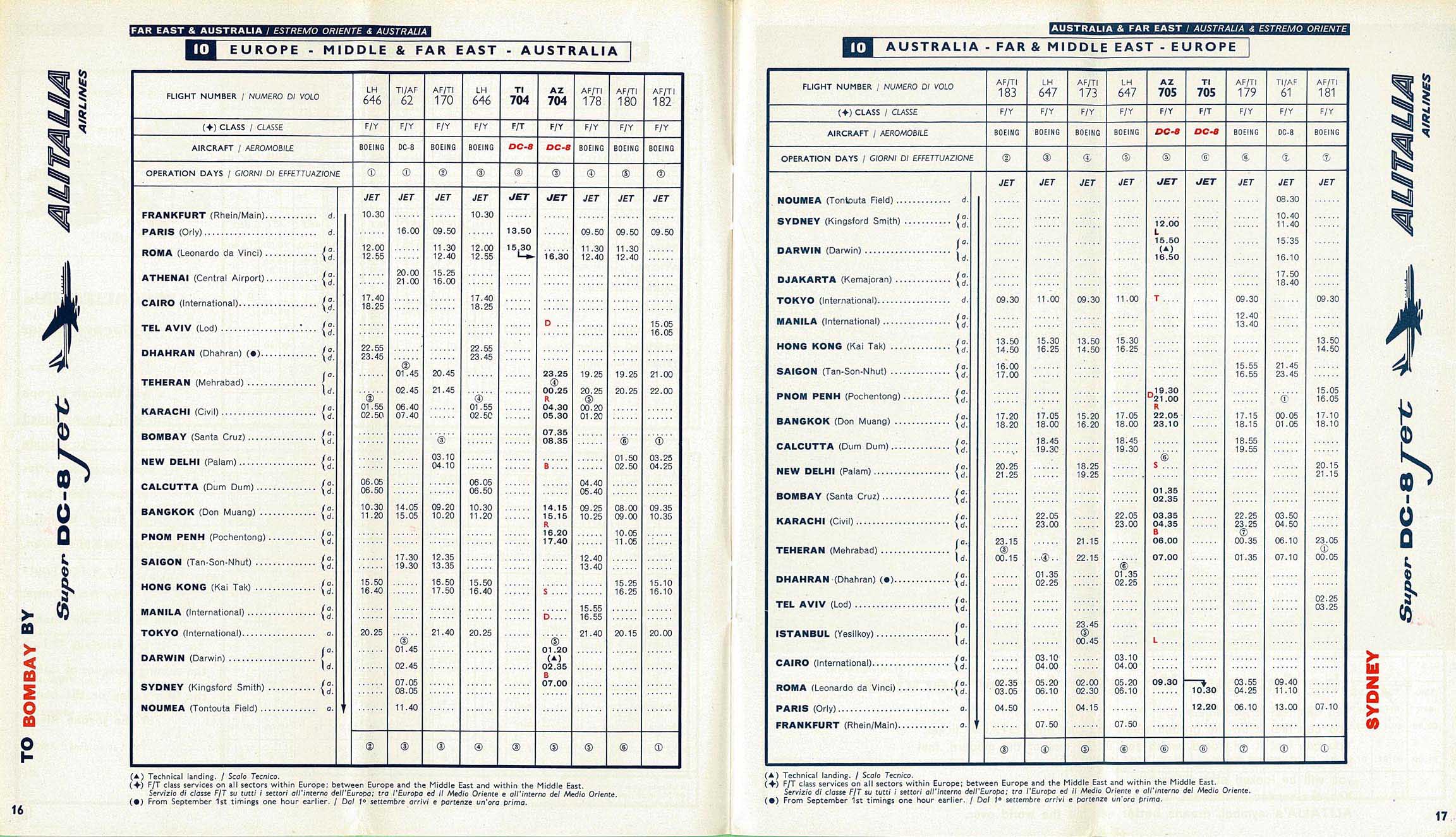
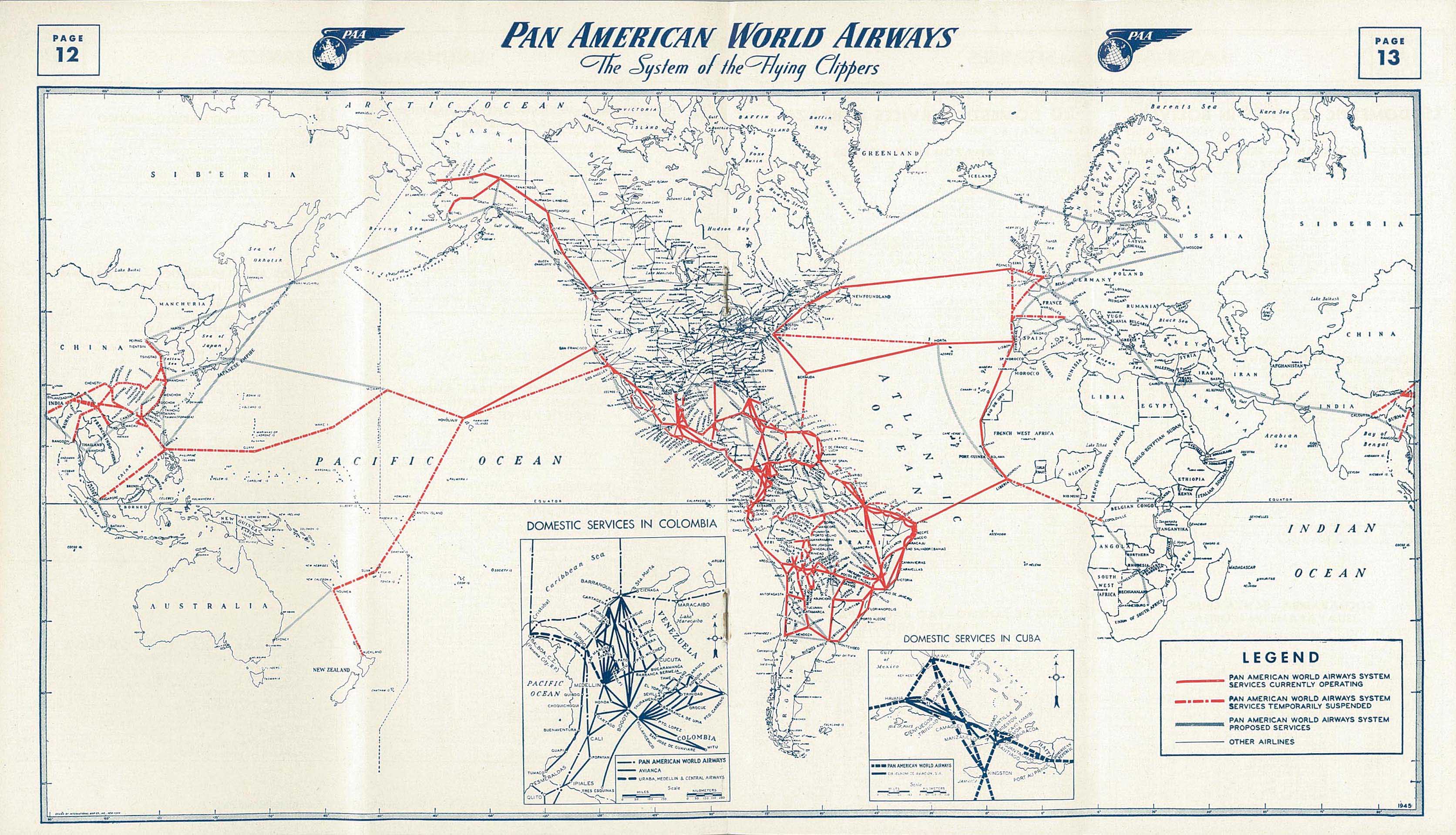
Passenger services grew after the Second World War. Calcutta became a destination for the world's first jet-powered passenger aircraft, the de Havilland Comet, on a British Overseas Airways Corporation (BOAC) route to London. Furthermore, in 1964 Indian Airlines introduced the first Indian domestic jet service, using Caravelle jets on the Calcutta–Delhi route. Between the 1940s and 1960s, the airport was served by several major airlines including Aeroflot, Air France, Alitalia, Cathay Pacific, Japan Airlines, Philippine Airlines, KLM, Lufthansa, Pan Am, Qantas, Swissair, and SAS.
Due to the introduction of longer-haul aircraft and the poor political climate of Calcutta during the 1960s and also during the year 1971, several airlines discontinued their service to the airport. The 1971 Bangladesh Liberation War saw a large increase of both refugees and disease in Calcutta, causing more airlines to cease services to the city. In 1975, the airport opened the first dedicated cargo terminal in India.
The 1990s saw new growth for Calcutta Airport, as the Indian aviation industry saw the arrival of new airlines such as Jet Airways and Air Sahara. A new domestic terminal named Terminal 2 was opened in 1995 making the international one Terminal 1, and the airport was renamed in honour of Netaji Subhas Chandra Bose. In 2000, a new international arrival hall was opened.
The year 2005 saw the growth of low-cost carriers in the Indian aviation sector, with new airlines including SpiceJet, IndiGo, and Kingfisher Airlines. This led to a dramatic rise in passenger numbers at the airport. Overcrowding in both terminals led to the implementation of a comprehensive modernisation plan for the airport.
Modernisation (2008–present)
The modernisation plan for the Kolkata Airport received the final nod on 14 August 2008. The project, worth , included the construction of a new terminal building with a passengers handling capacity of 20 million passengers per annum (mppa), expansion of secondary runway, upgradation of the navigation facilities, addition of taxiways and parking bays and . The then existing domestic and international terminals had a capacity of 4.06 mppa and 0.88 mppa, respectively, and were already saturated having handled 6.45 million and 1.01 million passengers in 2007-08. During 2003–08, the airport saw a 21.4% growth in domestic traffic and 6.4% growth in international traffic with further traffic growth of 19% per annum expected till 2011-12. A series of approvals were granted between April 2007 and May 2008 from multiple authorities for the project.
Meanwhile, the secondary runway was to be extended to 3239 m at a cost of along with the construction of 11 parking bays and a taxiway at and the upgradation of infrastructure including Communication, Navigation and Surveillance (CNS) equipment at . A fund of was also allocated to construct a grade separator and connecting the airport with the roadway and railway network of the city. The Airports Authority of India (AAI) would provide 80% of the project fund (₹1554 crore) while the rest would be sought through commercial borrowings. The AAI had already spent ₹32 crore for consultancy and other preparatory work for the project in the fiscal year. The presence of a 119-year-old mosque that lies 30 metres from the secondary runway's northern end meant the runway would be expanded from the southern end. The proposed taxiway would join the northern ends of both the runways.
In February 2014, the Kolkata Airport had sent a proposal to upgrade its Instrument Landing System (ILS) facilities in the runway to the higher authorities. The approval and project sanction, worth , was received in August that year. The project was expected to be executed between February–March and December 2015. As part of the upgradation, the primary runway's southern stretch (01R), then equipped with a CAT II ILS, would be upgraded to CAT III-B. This would reduce the chances of ceasing flight operations during foggy winter and harsh weather conditions when there is a drop in visibility. Flight operations were affected 12 times or 50 hours, which delayed over 500 flights, during the winter of 2013–14. The CAT III-B lights, which will be guiding the aircraft on the taxiway till the parking bays, will be installed at 24 of the 54 bays. Further, the pock-marked primary runway would be re-carpeted while the secondary runway would also be upgraded to CAT II. The CAT III-B operations in the airport only began in 4 January 2018. Meanwhile, 19L was already equipped with CAT II.
.jpg)
The modernisation plan included some improvements of the airport's existing terminals, including the addition of extra ticketing counters, check-in kiosks, and cafes to the domestic terminal in 2009. However, the need to replace the airport's terminals entirely led to plans for a new integrated terminal, known as T2 to differentiate it from the older domestic block, to serve both international and domestic destinations. A Thai-based company, the Italian-Thai Development (ITD) Corporation (ITD-ITDCem JV, a consortium of ITD and ITD Cementation) and the 125-year-old iconic Project Management Consultant–Parsons Brinckerhoff (PB) was hired with Delhi-based designer Sikka Associates Architects to construct the building. Construction commenced in November 2008, and T2 was inaugurated on 20 January 2013 after overshooting the previous deadlines of July 2011 and August 2012. The former airport hotel 'Ashok' was demolished to give way for two new five-star luxury hotels and a shopping mall in its place.
Commercial operations were intended to start on 23 January 2013, the 116th birth anniversary of Netaji Subhas Chandra Bose. However, the shift to the new terminal was only completed on 16 March 2013. Airports Council International named it the best improved airport in the Asia-Pacific region in 2014 and 2015.
On 27 November 2025, the CAT III-B ILS for the 19L approach of the primary runway was activated for the first time. This was an upgrade from the CAT II ILS for the side, though the 01R approach was already equipped with CAT III-B earlier.
Infrastructure
Runways
Netaji Subhash Chandra Bose International Airport has two parallel runways, the primary runway 01R/19L has a capacity of approximately 35 flights per hour and the secondary runway 01L/19R has a capacity of 15 flights per hour. The secondary runway is usually used as a taxiway when the main runway is used. When the primary runway is shut down for maintenance purposes, the secondary runway is used. The secondary runway was expected to undergo a recarpeting under a project in 2025. By September 2025, the improvements have enhanced the operating capacity of the airport to 35 to 40 flights per hour.
| Runway number | Length | Width | Approach lights/ILS |
|---|---|---|---|
| 01L/19R | 2832 m | 46 m | No ILS / CAT I |
| 01R/19L | 3633 m | 46 m | CAT III-B / CAT III-B |
Hangars and ground services
Air India operates hangars at the airport, while Bharat Petroleum and Indian Oil act as fuellers. Catering facilities are owned by Taj-Sats and Oberoi Flight Services.
Terminals

The airport's new integrated terminal T2 is spread over 233000 m2 and can handle 25 million passengers annually, compared to the previous terminal T1's capacity of five million. The terminal is an L-shaped structure, containing six levels. It contains 128 check-in counters that utilise CUTE (Common User Terminal Equipment) technology and has 78 immigration counters and twelve customs counters. The terminal was developed in a project worth . Passenger lounges are provided by Air India. The terminal is equipped with 18 aerobridges and a further 57 remote parking bays. There are plans to construct an 18-foot bronze statue of Netaji Subhas Chandra Bose in the integrated terminal complex.
Kolkata's old international and domestic terminals closed permanently when the integrated terminal opened. However, there were plans to renovate the old international terminal to be used for future hajj services, while the domestic terminal could be used by regional airlines. An earlier proposal of continuing low-cost carrier operations from the existing domestic terminal has been shelved due to the need to fully utilise the new integrated terminal's capacity, making it the first airport in India to shift even its low-cost domestic airlines to the new integrated building upon completion. However, the old terminal will be replaced by a new terminal T3 to increase the overall capacity.
In the financial year from April 2011 to March 2012, Kolkata Airport served 10.3 million passengers, 85% of whom travelled domestically. The withdrawal of Lufthansa's service to Frankfurt in March 2012 left Kolkata with no direct connections beyond Asia. However, other international operations increased in 2012. The new terminal has attracted some airlines to expand their route networks to include Kolkata.
In September 2012, the Airports Authority of India upgraded the airport's cargo-handling capacity, enabling it to cater for the demand until 2015–16. There has been a 25 per cent growth in international cargo movement to and from Kolkata Airport and a 15 per cent increase in outward transit. Automobile parts accounted for the bulk of the growth in the movement of cargo from the city to other countries. In November 2008 the first Centre for Perishable Cargo (CPC) in West Bengal was opened at the airport. The CPC has an area of 742.5 m2 and an annual storage capacity of 12,000 million tonnes. The CPC had been undergoing trials that started in June 2008 and were built with a grant-in-aid from the Agricultural and Processed Food Products Export Development Authority (APEDA) part of the Commerce Ministry. The volume of export was 21,683 tonnes in 2008–09, during the current fiscal more than 23,042 tonnes of cargo were handled by the airport. Similarly, the volume of import cargo increased from 16,863 tonnes to 18,733 tonnes, increasing over ten per cent during the same period. However, in 2008–09 the total volume of cargo handled by the airport declined by 4.8% from the previous year.
On 3 June 2019, Singapore Airlines operated the Airport's maiden Airbus A350 service from Singapore to Kolkata, enhancing the weekly seat capacity.
|File:Netaji Subhas Chandra Bose International Airport Terminal 2 56 Aerobridge (01).jpg |Airside of the terminal |File:Interior of Netaji Subhas Chandra Bose International Airport 02.jpg |The ceiling is adorned with works by Rabindranath Tagore. |File:Airside of NSCBIA, Kolkata at night.jpg |The airside at night |File:Kolkata Airport Terminal (14668163978).jpg |Check-in area |File:Kolkata NSCBI Airport.jpg |Departure Hall |File:Kolkata Airport New Terminal Outside view.JPG |Departures Level of Terminal 2 |File:Dum Dum Airport, Domestic terminal.jpg |Domestic Section of Terminal 2
Air Traffic Navigation Complex

The Kolkata Airport is currently served by a legacy 35 m building commissioned in 1972. However, the building grappled with space constraints for modernisation and monitoring limitations, especially for aircraft parked along international wing of T2 building.
To solve the crisis, a new air traffic navigation (ATN) complex has been constructed under a project worth . The complex includes area control and technical blocks. The spiral torch-shaped tower has a height of 184 ft and is equipped with advanced digital technology for communication and air traffic systems. The technical block will host flight data and radar data processing systems, data control processing system, and new monitoring systems. The area of the facility will increase from 7640 sqft to 14316 sqft, while the same for the visual control room will be upgraded from 1260 sqft to 2475 sqft.
The project, conceptualised in 2008 to establish a 86 m tall tower, was shelved in 2011 due to lack of funds. In January 2013, however, the top brass of the Airports Authority of India (AAI) granted the in-principle approval for the project, worth . The execution would begin after the transition to new terminal was completed in July. While the surface movement control and tower units would be based in a glass chamber in the apex, the remaining units, including aerodrome control, approach control and area control would be hosted at a three-storied building at the base. The project details would then be sent to higher authorities for the budget to be sanctioned. Another 18 months was expected to float a tender and select bids for flight data processing system, radar data processing system, data control processing system and new monitors. An additional six months would be required for the systems installations and testing. Full operationalisation was expected by 2016.
In May 2013, the project received a funding of , which includes for the building and to upgrade air navigation and surveillance systems. As represented in the cover of AAI's Airports India magazine dated February 2016, the new ATC tower's height was revised to 112 m. However, the height was again halved to 57 m a year later in February 2017 when AAI released the tender for the construction of the facility, akin with the ATC tower in Edinburgh Airport. The ATC Guild (India), a union of the air traffic controllers of India, was unhappy with such revision and defended the earlier plan, stating that the height would not have caused safety hazard but a shorter tower would be obsolete much earlier.
As of June 2022, the existing navigation and surveillance equipment, installed in 2013, was nearing its end of 10-year life cycle and required a new generation of control systems like Level IV Advanced Surface Movement Guidance and Control System (A-SMGCS) as well as new automation system, voice communication, VHF antenna with three outputs, ground guidance and surveillance equipment for aircraft and other vehicles, and equipment to broadcast meteorological data to aircraft. The cost of the entire set of equipment is estimated at to . Meanwhile, the civil work of the new tower was expected for completion by the year's end.
While the civil work of the facility was completed in February 2024, the installation of electrical lines and optic fibre cables was completed in May. The commencement of trials was expected by October 2024 with operationalisation by 2025-end. Until then, the existing and the new complex will function parallelly.
The operational trials of the new complex commenced on 24 March 2025. The tower, with a workforce of eight controllers along with technicians from Communication, Navigation and Surveillance (CNS) department, coordinated the take off and landing of around 40 aircraft between 2 pm and 4 pm. The first aircraft to land under the new ATC's supervision was an IndiGo flight from Bengaluru. Another team of controllers also stood by in the existing ATC tower to takeover responsibilities in case of any contingencies in the new facility. Such operations will continue to be undertaken from the new tower over the same time daily for three months before the duration can be increased. However, full-fledged operations will not begin within the next 18-24 months since the modern equipment is yet to be selected and procured. The equipment include a new generation automation system, approach radar, advanced surface movement guidance and control system as well as abVHF communication equipment. Only after the tenders are floated will the equipment be procured, installed and operationalised. Until then, controllers in the new ATC tower will utilise modified equipment that was procured and installed in 2012 and 2013.
On 7 October, a short circuit in the AC system of the new complex, detected by five controllers reporting for duty, revealed the lack of an emergency exit. This shut the operations from the facility until 20 October after which operations restarted. However, full operational clearance could only be received from the DGCA, BCAS and the fire department after the emergency exit is arranged.
Expansion
The integrated terminal T2 was commissioned in 2013 with an annual capacity of 20 million passengers. The terminal served 9 million passengers in the first year. However, by 2016, the amount quickly rose to 16 million. At this rate, the terminal would be saturated by 2018. This necessitated the airport authority to plan another phase of expansions. In June 2017, the then director of Kolkata airport, Atul Dixit, unveiled the plans of the next phase of expansion to enhance the airport's capacity to 40 million passengers per annum. The first nod for a third terminal was received from the aviation ministry by then. The old air traffic control complex and both of the old terminals, located in the North of the T2, would be demolished to establish the third terminal. In September, a US aviation planning and development firm based in Cincinnati, Landrum & Brown (L&B), was appointed to formulate a master plan to enhance the capacity and efficiency of the airport.
The plan was reportedly sanctioned in February 2020 and first phase expansion was expected to be completed within 30 months.
Initially, the existing terminal will undergo an interim expansion of that will see the terminal handle an additional 2 million passengers annually, bringing the total handling capacity of the existing terminal to 28 million passengers annually. Then, a new expansion plan will be undertaken in two phases over a span of six years.
Upon completion of the project, the new terminal will serve both domestic and international flights with annual capacity of 11 million passengers. This will bring the airport's capacity to 40 million. Further, the existing integrated terminal, which will exclusively handle domestic flights will have a revised capacity of 34 million passengers, taking the airport's overall capacity to 45 million (36 million domestic passengers and 9 million international passengers) by 2032–33. This will mark a nine-fold increase in the airport's capacity within two decades. The old terminals had a combined 5 million passengers per annum capacity until March 2013.
Interim expansions
An interim expansion phase, also referred to as modular expansion phase, will be implemented to meet the airport’s short-term passenger growth demands. In this phase, the old terminal and the T2 integrated terminal will be connected with three aerobridges and walkalators as well as walk-in doors at ground level. The former will be used for boarding and de-boarding passengers from aircraft. Passengers arriving in the boarding building would take the connecting bridge to the terminal T2 and then leave the airport. This is meant to decongest the airport in peak hours and immediately enhance passenger capacity by a million.
Under the modular expansion, the security hold area (SHA), the lounge where passengers wait after the security checks until the aircraft boarding begins, will be expanded for the integrated terminal T2. The SHA could be extended to the left of T2 in place of the old domestic terminal. Ten aerobridges are planned to be added to the terminal. Of the 18 existing aerobridges, 14 serve domestic flights while 4 serve international ones. Each bridge is capable of serving 10 flights per day.
The expansion was underway as of April 2025, and is slated for completion by December. The project will add over 71000 sqft of space to the terminal. This includes an addition of 60200 sqft and 10800 sqft space in the international and domestic wings, respectively. While the domestic section will increase the SHA, the international wing also see the increase of food & beverage (F&B) space. The latter's departure space will also be reorganised including the 32200 sqft Immigration and Customs area being shifted to an equivalent area in the newly added southern section. A third of this will host the offices while the rest will be used for passenger amenities like additional seating and F&B section. The international wing's SHA will also increase by 28000 sqft.
These expansions will enhance the airport's capacity to 28 million passengers per annum. A budget of has been earmarked for this phase. This will provide an additional time of four to five years, until 2030–31, to the airport authority for a long-term solution to accommodate the passenger growth, including the construction of a new terminal.
Phase 1
Under the first phase of expansion, the old domestic terminal, which was operation between 1995 and 2013 and has a built-up area of 240000 sqft, will be demolished and a new terminal, spread over an area of 1300000 sqft, will be constructed. This will increase the airport's capacity by 40% to 33 million passengers. As of 2019, the design of the new terminal was to be finalised by early 2020.
As of December 2024, the demolition would begin in August 2025 and would take a year. Simultaneously, a tender will be floated for the construction of the new terminal which is expected to commence in early 2026. The overall terminal project, worth , will be completed in two phases. The new terminal would be designed in order to efficiently utilise its relatively shorter frontage but service more aircraft at a time than the existing linear integrated terminal.
The new building will be U-shaped and have three sections — a rectangular section and two arm-like concourses. The rectangular section, located at the parking lot of old terminal, will host the check-in counters, security check portals and baggage handling facilities. Meanwhile, the two concourses, at the northern and southern ends of the rectangular sections and extending eastwards, will host the operational area like boarding gates and aerobridges. The rectangular section and southern arm will be built as part of the phase 1, which has been sanctioned by the AAI.
As of July 2025, the demolition of the old domestic terminal is scheduled to be completed by the year-end or early 2026. The entire terminal that will be completed under this phase will exclusively serve international flights and will have an annual capacity of 9 million passengers.
Phase 2
By the time the first phase construction of the new terminal will be completed, the new Air Traffic Navigation Complex will be fully operational and the old tower building and former international terminal will be demolished. Following this, the second phase construction will commence. This includes the northern concourse, located at on the existing Air Traffic Services (ATS) building. Ultimately the new terminal will also require 21 parking bays connected with aerobridges. The construction is aimed to be completed in 2029–30. The terminal will handle both domestic and international traffic while the T2 will be dedicated to domestic traffic. In fact, after removing the immigration, customs, and other related operations, the capacity of T2 will also be increased by 0.6 million passengers.
Other developments
In 2019, the airport had 65 active parking bays. The parking bays remained fully occupied at night except for three parking bays that are required to be reserved for diverted flights. This necessitated to expand parking facilities with the growing demands of the Indian airlines. The AAI planned to develop over 380 parking bays in 23 airports. Airports in Kolkata and Ahmedabad, followed by Lucknow, would take the lead in this initiative.
Amid this development, the AAI had earmarked to take the parking bays quantity to 105 by the end of 2024. An additional was earmarked extend the taxiway F of the airport. An amount of had been invested to extend the taxiway and develop 20 parking bays by 2021. Work for the first set of 10 bays had begun following which the old airport fire station would be demolished for the next 10 bays. After the completion of these 20 bays, another contract, worth , for the rest of 20 bays will be awarded.
However, as of 2025, the airport operates 73 parking bays. However, two additional bays will be made operational by the year-end and will be followed by activation of 10 bays and 19 bays in 2030 and 2032, respectively. In 2033, an additional 28 bays will be commissioned and will bring to the total number of parking bays to 132. This will ensure the parallel increase of terminal and airside infrastructure. Parking bays will also be developed on the eastern flank of the airport.
The cargo terminal of the airport, currently located in the north western sector of the airport, will be moved to the west of the VIP Road. When relocated, the space occupied by the current cargo terminal will give way for the development of more parking bays as well as passenger terminal expansion.
Airlines and destinations
Passenger
| Air Arabia | Abu Dhabi | Air India | Chandigarh, Delhi, Mumbai–Shivaji | Air India Express | Agartala, Bengaluru, Chennai, Guwahati, Imphal, Port Blair, Siliguri, Thiruvananthapuram | AirAsia |Kuala Lumpur–International | Akasa Air | Ahmedabad, Bengaluru, Delhi, Goa–Mopa, Mumbai–Shivaji, Port Blair, Pune, Srinagar | Alliance Air | Bilaspur, Guwahati, Imphal, Lilabari, Rupsi | Bhutan Airlines | Bangkok–Suvarnabhumi, Paro
| Biman Bangladesh Airlines | Dhaka | Buddha Air | Kathmandu | Drukair | Gelephu, Paro | Emirates | Dubai–International | Etihad Airways | Abu Dhabi | flydubai | Dubai–International | IndiGo | Agartala, Ahmedabad, Aizawl, Amritsar, Bangkok–Suvarnabhumi, Bengaluru, Bhubaneswar, Chandigarh, Chennai, Coimbatore, Darbhanga, Dehradun, Delhi, Deoghar, Dhaka, Dibrugarh, Dimapur, Gaya, Ghaziabad, Goa–Dabolim, Goa–Mopa, Gorakhpur, Guangzhou, Guwahati, Hanoi, Ho Chi Minh City, Hyderabad, Imphal, Indore, Itanagar, Jaipur, Jharsuguda, Jorhat, Lucknow, Mumbai–Shivaji, Nagpur, Patna, Phuket, Port Blair, Pune, Purnea, Raipur, Ranchi, Shillong, Siem Reap, Silchar, Siliguri, Singapore, Srinagar, Surat, Varanasi, Visakhapatnam | Malaysia Airlines | Kuala Lumpur–International | Myanmar Airways International | Yangon | Qatar Airways | Doha | Singapore Airlines | Singapore | SpiceJet | Ahmedabad,Chennai, Delhi, Goa–Mopa, Guwahati, Hyderabad, Imphal (begins 10 February 2026), Mumbai–Shivaji, Siliguri (ends 9 February 2026), Srinagar | Star Air | Purnea | Thai AirAsia | Bangkok–Don Mueang | Thai Airways International | Bangkok–Suvarnabhumi | Thai Lion Air | Bangkok–Don Mueang | Thai VietJet Air | Bangkok–Suvarnabhumi | US-Bangla Airlines | Dhaka
Cargo
| Blue Dart Aviation | Bengaluru, Delhi, Guwahati, Mumbai | IndiGo CarGo | Delhi, Dhaka{{cite news |access-date=11 January 2026 |access-date=11 January 2026 | My Indo Airlines | Yangon | Qatar Airways Cargo | Doha, Macau | SpiceXpress | Delhi{{cite magazine |access-date=11 January 2026 | YTO Cargo Airlines | Dubai–Al Maktoum, Hangzhou

Statistics
As of the financial year 2024–25, Netaji Subhas Chandra Bose International Airport is the sixth-busiest airport in India in terms of the total number of passengers served and with respect to the number of flights departing and arriving at the airport, which was about 21.8 million passengers in the FY and 408 flights a day respectively. This was a 10.3% increase from the previous year. Out of which, 19.4 million passengers were domestic travellers and 2.4 million were international travellers. The cargo traffic saw an increase of 9.2% from its previous year, with 165,617.9 metric tonnes of cargo, the best CCU has ever handled so far.
| Year | Passengers | Change | Cargo (MT) | Change | Ref | International | Domestic | Total | ||||||
|---|---|---|---|---|---|---|---|---|---|---|---|---|---|---|
| 2009–10 | 11,87,160 | 68,58,564 | 80,45,724 | 1,10,256 | title=Traffic statistics - passengers (Int'l+Dom.) March 2011 | url=https://www.aai.aero/sites/default/files/traffic-news/mar2k12annex3.pdf | url-status=dead | archive-url=https://web.archive.org/web/20200716212339/https://www.aai.aero/sites/default/files/traffic-news/mar2k12annex3.pdf | archive-date=16 July 2020 | access-date=12 July 2020 | website=aai.aero}} | |||
| 2010–11 | 14,28,086 | 82,03,586 | 96,31,672 | 19.7% | 1,29,957 | 17.9% | ||||||||
| 2011–12 | 15,66,102 | 87,37,889 | 1,03,03,991 | 7.0% | 1,25,593 | 3.4% | ||||||||
| 2012–13 | 16,44,339 | 84,24,316 | 1,00,68,655 | 2.3% | 1,23,491 | 1.7% | ||||||||
| 2013–14 | 17,65,013 | 83,35,219 | 1,01,00,232 | 0.7% | 1,29,782 | 6.2% | ||||||||
| 2014–15 | 19,26,562 | 89,90,107 | 1,09,16,669 | 8.1% | 1,36,699 | 5.3% | ||||||||
| 2015–16 | 22,17,473 | 1,02,03,771 | 1,24,21,244 | 13.8% | 1,39,679 | 2.2% | ||||||||
| 2016–17 | 22,30,071 | 1,35,89,468 | 1,58,19,539 | 24.0% | 1,52, 415 | 9.0% | ||||||||
| 2017–18 | 25,86,775 | 1,73,05,749 | 1,98,92,524 | 25.7% | 1,63,323 | 7.2% | ||||||||
| 2018–19 | 27,86,805 | 1,90,90,545 | 2,18,77,350 | 10.0% | 1,55,232 | 5.0% | ||||||||
| 2019–20 | 29,39,322 | 1,90,76,069 | 2,20,15,391 | 0.6% | 1,53,468 | 1.1% | ||||||||
| 2020–21 | 1,43,081 | 75,85,825 | 77,28,906 | 64.9% | 1,04,953 | 31.6% | title=TOTAL PASSENGERS (INTL+DOM) | url=https://www.aai.aero/sites/default/files/traffic-news/Mar202kAnnex3.pdf | access-date=14 June 2021 | archive-date=7 May 2021 | archive-url=https://web.archive.org/web/20210507151241/https://www.aai.aero/sites/default/files/traffic-news/Mar202kAnnex3.pdf | url-status=live}} | ||
| 2021–22 | 3,42,665 | 1,06,93,443 | 1,10,36,108 | 42.8% | 1,38,127 | 31.6% | ||||||||
| 2022–23 | 19,56,019 | 1,58,02,453 | 1,77,58,472 | 60.9% | 1,36,022 | 1.5% | ||||||||
| 2023–24 | 24,68,601 | 1,73,15,816 | 1,97,84,417 | 11.4% | 1,51,626 | 11.5% | ||||||||
| 2024–25 | 24,19,466 | 1,94,11,652 | 2,18,31,118 | 10.3% | 1,65,617.9 | 9.2% |
| Rank | Airport | Carriers | Departing passengers |
|---|---|---|---|
| 1 | Delhi | Air India, IndiGo, SpiceJet, Akasa Air | 1,422,349 |
| 2 | Bengaluru | Air India Express, Akasa Air, IndiGo | 1,180,899 |
| 3 | Mumbai | Air India, Akasa Air, IndiGo ,SpiceJet | 1,071,297 |
| 4 | Hyderabad | Air India Express, IndiGo | 604,223 |
| 5 | Guwahati | IndiGo, SpiceJet, Alliance Air (India), Air India Express | 552,468 |
| 6 | Chennai | Air India, Air India Express, IndiGo | 535,483 |
| 7 | Agartala | IndiGo, Air India Express | 377,454 |
| 8 | Bagdogra | SpiceJet, Air India Express, IndiGo | 318,782 |
| 9 | Bhubaneswar | Alliance Air (India), IndiGo, Air India Express | 286,814 |
| 10 | Port Blair | SpiceJet, Air India Express, IndiGo, Akasa Air | 274,011 |
| Rank | Airport | Carriers | Departing passengers |
|---|---|---|---|
| 1 | Dhaka | Air India, Biman Bangladesh, Indigo, NovoAir, US-Bangla Airlines | 2,60,277 |
| 3 | Bangkok (BKK, DMK) | Bhutan Airlines, Indigo, Spicejet,Thai Airways, Thai Smile Airways, Thai Air Asia | 2,01,982 |
| 2 | Dubai | Emirates, Flydubai | 1,92,424 |
| 4 | Singapore | IndiGo, Singapore Airlines | 1,04,026 |
| 5 | Doha | Qatar Airways | 75,364 |
| 6 | Kuala Lumpur | AirAsia, Batik Air Malaysia, Malaysia Airlines | 61,930 |
| 7 | Ho Chi Minh City | IndiGo | 22,580 |
| 8 | Kathmandu | Air India | 20,930 |
| 9 | Hanoi | IndiGo | 18,158 |
| 10 | Phuket | IndiGo, Thai AirAsia | 15,405 |
Ground transport
Roads

The airport has a well-established facility of prepaid taxis and air-conditioned buses connecting it to the city centre. Ride-hailing services, including Uber and Ola operate here regularly. As part of the larger modernisation programme, a flyover at Nagerbazar and an entry ramp on VIP Road have also been constructed. A 2 km flyover from Kestopur to Raghunathpur (near Tegharia) was built to speed up airport-bound traffic. These reduced journey times to the airport. Parking facilities at the new terminal include two underground parking levels accommodating 3000 cars, as well as an outdoor car parking that can handle an additional 2000 cars.

West Bengal Transport Corporation (WBTC) operates air-conditioned buses to major parts of Kolkata from 07:00 to 23:00 Hrs throughout the week.
Bus routes
- AC 39 (Airport Terminal - Howrah Stn.)
- VS 2 (Airport Terminal - Howrah Stn.)
- V1 (Airport Terminal - Tollygunge)
- AC 37A (Airport Terminal - Garia)
- AC 43 (Airport Terminal - Golf Green)
Metro
_Metro_Main_Gate.jpg)
The airport is connected at Jai Hind metro station, which opened on 22 August 2025 with one Kolkata Metro line from Noapara (Yellow Line). It is the largest underground metro station in India and the station will eventually also serve another line from New Garia (Orange Line). Both lines will converge at Jai Hind, with Orange line terminating at this station and Yellow Line moving towards Barasat metro station.
Rail
_time_lapse_pics_13.jpg)
The airport was connected to the Kolkata Suburban Railway system's circular line branch. The 4 km long elevated track connected the airport Biman Bandar railway station with Dum Dum Cantonment railway station, passing Jessore Road. Electric multiple unit rolling stocks served the line. Due to poor patronage and plans to replace it with yellow Line metro service, the railway line was closed in September 2016 to facilitate construction of the new lines. The remaining infrastructure was dismantled in early 2020 to make space for road upgrades. As of 2024, the iconic station building still exists as Kolkata metro Railways headquarters.
Presently, the nearest railway stations are Dum Dum Cantonment railway station and Durganagar railway station.
Awards
In 2014 and 2015, the airport won the title of Best Improved Airport in the Asia-Pacific region awarded by the Airport Council International. The airport was awarded the Best Airport by Hygiene Measures in the Asia-Pacific in 2020 by Airports Council International.
Accidents and incidents
On 2 May 1953, BOAC Flight 783 de Havilland Comet bound for Delhi crashed after takeoff from Calcutta Airport with the loss of 43 lives. Parts of the aircraft were found spread over an area of 8 km², near Jugalgari, a village some 25 miles north-west of Calcutta, suggesting disintegration before impact with the ground.
On 12 June 1968, a Pan-Am Flight (N798PA, named Clipper Caribbean) Boeing 707-321C struck a tree 1128 m short of the runway during a night-time visual approach in rain. The aircraft subsequently crashed and caught fire. The fuselage remained largely intact, although the aircraft's landing gear broke off. Out of the 10 crew and 53 passengers aboard, one crew member and five passengers suffered fatal injuries due to the fire.
On 22 December 2015, a Jet Airways bus slammed into the side of an Air India Regional ATR 42-500 aircraft. There were no fatalities. An investigation revealed that the driver was sleeping.
Notes
References
References
- "Blue Dart Aviation – Network and Hubs".
- "Annexure III – Passenger Data".
- "Annexure II – Aircraft Movement Data".
- "Annexure IV – Freight Movement Data".
- "NSCBI Airport, Dum Dum".
- "History".
- (20 November 1924). "Amsterdam- Batavia Flight". [[Flight Global]].
- "Blue World".
- (5 November 1935). "KNILM Time Table".
- (22 May 1924). "Amsterdam- Round-The-World Flights". [[Flight Global]].
- (21 November 2018). "5 Facts Netaji Subhas Chandra Bose International Airport".
- PacificWrecks.com. "Pacific Wrecks".
- (16 January 2017). "Dum Dum – Cathedral Relief Service".
- "NORTH 24 PARGANAS - WEST BENGAL TOURISM".
- (30 December 2013). "esq {{!}} air ministry {{!}} flying officer {{!}} 1920 {{!}} 0415 {{!}} Flight Archive".
- (6 March 2012). "aero club {{!}} aeroplane club {{!}} flying club {{!}} 1929 {{!}} 0480 {{!}} Flight Archive".
- (29 August 1930). "State of Air Transport in the British Empire". [[Flight Global]].
- "1930 Histoire d'Air Orient.".
- "Birth of Aviation and Its Arrival in India".
- (2007). "Global networks before globalisation: imperial airways and the development of long-haul air routes". Loughborough University.
- "Amelia Earhart's Circumnavigation Attempt". Tripline.net.
- Alikhan, Anvar. (8 July 2017). "The Indian adventures of Amelia Earhart before she disappeared into oblivion".
- (17 June 1937). "Amelia in Calcutta".
- Maurer, Maurer (1983). Air Force Combat Units of World War II. Maxwell AFB, Alabama: Office of Air Force History. {{ISBN. 0-89201-092-4.
- (7 June 2016). "India as seen through vintage airline posters".
- (2 May 1953). "Civil Aircraft Accident Report of the Court Investigation on the Accident to Comet G-ALYV on 2nd May, 1953". [[Ministry of Civil Aviation (India).
- "1965 - 1969".
- "Image: su57-04.jpg, (2391 × 1449 px)". timetableimages.com.
- "Air France". timetableimages.com.
- "Image: az61-11.jpg, (2304 × 1325 px)". timetableimages.com.
- "Image: cathay19.jpg, (570 × 720 px)". timetableimages.com.
- "JAL - Japan Air Lines". timetableimages.com.
- "Philippine 1949 Timetable". timetableimages.com.
- "Image: sr51-06.jpg, (2420 × 1222 px)". timetableimages.com.
- "Lufthansa timetable May 1, 1960". timetableimages.com.
- "PanAm Schedule". timetableimages.com.
- "Did You Know About The Old Kangaroo Route?".
- "SAS – Scandinavian Airlines System". Timetableimages.com.
- "History of Kolkata Airport".
- "Netaji Subhash Chandra Bose (Kolkata) International Airport".
- "Overview of the Airline Industry in India".
- "Kolkata Airport modernisation project commences".
- Law, Abhishek. (3 June 2012). "Kolkata airport to turn swanky with modernisation".
- (14 August 2008). "Government Approves Modernization/Expansion of Kolkata Airport". [[Press Information Bureau]].
- Mouparna Bandyopadhyay. (1 June 2008). "An expressindia article regarding the mosque built within the airport complex". [[ExpressIndia]].
- (14 August 2014). "Airport lands big CAT to fight fog". [[The Telegraph (Kolkata).
- (14 August 2014). "Fog, rain won't hold up flights any more". The Times of India.
- (4 January 2018). "Kolkata airport becomes CAT-III-B-complaint". The Times of India.
- (1 May 2012). "New terminal to boost tourism". Financial Express.
- (15 December 2011). "New airport terminal to be delayed". [[The Times of India]].
- "Airports Authority of India". Aai.aero.
- (21 January 2013). "Kolkata airport's new terminal inaugurated". Business Standard.
- (10 December 2019). "Shift complete, old terminals shut down".
- (17 February 2015). "Which airports offer the world's best customer service?". CNN.
- (21 February 2014). "Kolkata wins most improved airport award in Asia-Pacific".
- (10 June 2014). "Kolkata Airport wins best improved airport award". Business Standard India.
- "Netaji Subhash Chandra Bose International Airport - a clean and green facility in Kolkata - The Economic Times". The Economic Times.
- (28 November 2025). "Kolkata airport: Tech aid for runway's north end to ease landing amid fog". The Times of India.
- (20 November 2025). "To help pilots combat winter fog, Kolkata airport completes CAT III-B ILS upgrade".
- "VECC - Netaji Subhash Chandra Bose Airport {{!}} SkyVector".
- (25 May 2017). "VECC AD 2.1 Aerodrome Location Indicator and Name".
- (18 December 2024). "Kolkata airport in 2025: New ATC tower, smooth secondary runway". The Times of India.
- (1 September 2025). "Kolkata Airport plans to have 132 parking bays; expand terminal by 2033". The Times of India.
- "About us {{!}} Tajsats".
- (21 June 2020). "Oberoi Aviation {{!}} Oberoi Hotels & Resorts".
- Basak, Probal. (28 April 2012). "World class, but global takers slip away". Business Standard India.
- (5 April 2019). "Rs 1K crore expansion plan for Kolkata airport".
- (18 October 2010). "Kolkata airport finds place for 'forgotten' hero". [[The Times of India]].
- (26 October 2010). "Second lot of aerobridges for Chennai International Airport arrive at Kolkata port". The Hindu.
- (4 May 2013). "All flights from new terminal by March".
- Gupta, Jayanta. (5 March 2013). "From March 15, all flights from new terminal in Kolkata".
- (5 July 2024). "City airport's new terminal to handle 1.1 crore flyers a year". The Times of India.
- (13 March 2013). "Kolkata Airport: New terminal opens this week; Domestic capacity shrinks".
- (26 March 2012). "Lufthansa flies out of Kolkata skies". [[The Times of India]].
- (28 September 2012). "Four international airlines seek flight to new Kolkata airport".
- (28 September 2012). "Three international airlines show interest in Kolkata".
- [http://www.freshnews.in/west-bengal-gets-first-centre-for-perishable-cargo-77103 A Freshnews article about the Perishable Cargo centre] {{webarchive. link. (29 July 2013)
- (25 April 2019). "Singapore Airlines to introduce Airbus A350 aircraft in Kolkata". [[The Economic Times]].
- (10 May 2012). "New terminal ceilings to sport Tagore works".
- (15 October 2025). "Short circuit exposes absence of emergency exit in new ATC bldg". The Times of India.
- (22 August 2023). "Construction over, new ATC tower at Kolkata airport to get gadgets soon". The Times of India.
- Kumari, Sweety. (25 March 2025). "Kolkata Airport begins operational trials for new ATC Tower".
- (18 February 2017). "Controllers furious over decision to slash ATC tower height by half". The Times of India.
- (11 January 2013). "Iconic tower project back on board". The Times of India.
- (14 May 2013). "Decks cleared for new ATC at airport". The Times of India.
- (23 June 2022). "New Kolkata airport ATC tower to be equipped with latest gadgets". The Times of India.
- (6 May 2024). "Kol airport launching parallel ATC facility for arriving, departing flights". The Times of India.
- (25 March 2025). "Kolkata airport begins trials at new air traffic control tower". The Times of India.
- (14 June 2017). "Kolkata eyes 40 million flyers annually in next 4 years". The Times of India.
- (14 September 2017). "US firm to prepare masterplan for Kolkata airport". The Times of India.
- (23 February 2020). "Seal on Calcutta airport expansion plan".
- (1 April 2025). "Kolkata airport adds 71,000 sq ft to accommodate 20 lakh more flyers per annum". The Times of India.
- (25 July 2025). "'From 26 million passengers to 45 million annually': Kolkata Airport's old domestic terminal to be demolished for new international facility".
- (8 December 2019). "105 parking bays, extended runway at Kolkata airport by 2024".
- (1 September 2025). "Kolkata Airport plans to have 132 parking bays; expand terminal by 2033". The Times of India.
- "Abu Dhabi, United Arab Emirates AUH".
- (16 March 2023). "Arrival of two int'l airlines to take overseas flight count to 152 a week from Kolkata". The Times of India.
- "Air India Flgiht Schedule". [[Air India]].
- "Our Network". Air India Express.
- "Air India Express to launch flights to Chennai from Kolkata effective February 27".
- "Air India Express NW24 Network Additions".
- "Akasa Air Flight Network".
- "Akasa Air to launch Ahmedabad – Kolkata – Port Blair flight next month".
- "Alliance Air".
- "Bhutan Airlines Destinations".
- "Bhutan Airlines Tentatively Resumes Scheduled Service in mid-Sep 2022".
- "Biman Bangladesh Airlines flight routes".
- (15 December 2016). "Buddha Air to Resume Direct Kathmandu–Kolkata Flights from October 19".
- "Drukair About Kolkata Website".
- (8 December 2025). "Gelephu International Airport Welcomes Its First International Flight". Druk Asia.
- "Emirates' Kolkata Webpage".
- "Emirates' Destinations during COVID-19 Crisis".
- "Dubai, United Arab Emirates DXB".
- "Abu Dhabi, United Arab Emirates AUH".
- "UAE airline announces new daily flight to Indian city".
- "Flydubai Route Map".
- "Dubai, United Arab Emirates DXB".
- "Kolkata Airport Route Map".
- "IndiGo Website".
- (3 May 2023). "IndiGo strengthens connectivity to Southeast Asia, adds flights connecting Singapore, Bangkok". Zee Business.
- (12 July 2022). "PM Modi inaugurates Deoghar airport, flags off flight to Kolkata". Firstpost.
- "IndiGo to launch Ghaziabad Hindon - Kolkata, Ahmedabad eff 20JUL2025".
- "INDIGO 1H23 DOMESTIC ROUTES ADDITION SUMMARY – 05MAR23". Aeroroutes.
- "IndiGo Tentatively Schedules Guangzhou Service Resumption in NW25".
- [[IndiGo]]. (12 April 2022). "Fly with us to Hanoi and Ho Chi Minh City".
- (28 November 2022). "Civil Aviation Minister Jyotiraditya Scindia flags off first flight from Itanagar's Donyi Polo Airport". The Economic Times.
- "IndiGo to launch flights to Jharsuguda from November 2023". JetArena.
- "IndiGo Plans Kolkata – Phuket late-Dec 2024 Launch". Aeroroutes.
- "IndiGo to commence Kolkata-Siem Reap service in Nov-2025". CAPA.
- "Malaysia Airlines to restart Kuala Lumpur-Kolkata direct flights from December 2". telegraphindia.
- "Myanmar Airways Route Map".
- "Qatar Airways' About Kolkata webpage".
- "Singapore, Singapore SIN".
- (18 November 2021). "Kolkata-Singapore flights to resume at the end of November".
- "SpiceJet Route Map".
- "SpiceJet Flight Schedule". Official Website of SpiceJet.
- "Flight Schedule - StarAir Ticket Booking".
- "Bangkok, Thailand BKK".
- "Bangkok, Thailand BKK".
- (September 2023). "Thai Airways to resume Kolkata services". Bangkok Post.
- "Bangkok, Thailand BKK".
- (10 December 2024). "Thai airlines expand routes to capitalise on booming Indian tourism".
- Liu, Jim. (22 July 2025). "Thai VietJet Air Adds Bangkok – Kolkata in mid-4Q25".
- "US Bangla Flight routes".
- "Welcome to Blue Dart Aviation Ltd.".
- "Destinations, Blue Dart Aviation".
- (3 August 2024). "IndiGo CarGo start Kolkata-Ezhou flights". Stat Times.
- (7 September 2025). "Qatar Airways Cargo have launched Scheduled Cargo Operations to Kolkata 🇮🇳".
- (24 April 2025). "Total passengers (Intl+Dom)".
- (24 April 2025). "Total (Intl+Dom.) freight".
- "Traffic statistics - passengers (Int'l+Dom.) March 2011".
- "Traffic statistics - freight (Int'l+Dom.) March 2011".
- "Traffic statistics - Passengers (Int'l+Dom.) March 2012".
- "Traffic statistics - Freight (Int'l+Dom.) March 2012".
- "Traffic statistics. March 2013".
- "Traffic statistics - Freight (Int'l+Dom.) March 2013".
- "Traffic statistics - Passengers (Int'l+Dom.) March 2014".
- "Traffic statistics - Freight (Int'l+Dom.) March 2014".
- "Passengers (Int'l+Dom.) March 2015".
- "Freight (Int'l+Dom.) March 2015".
- "Passengers (Int'l+Dom.) March 2016".
- "Freight (Int'l+Dom.) March 2016".
- "Passengers (Int'l+Dom.) March 2017".
- "Traffic statistics - Freight (Int'l+Dom.) March 2017".
- "Passengers (Int'l+Dom.) March 2018".
- "Traffic statistics - Freight (Int'l+Dom.) March 2018".
- "Passengers (Int'l+Dom.) March 2019".
- "Total Freight (Intl+Dom) March 2019".
- "Passengers (Int'l+Dom.) March 2019".
- "Total Freight (Intl+Dom) March 2019".
- "TOTAL PASSENGERS (INTL+DOM)".
- "TOTAL(INTL+DOM) FREIGHT".
- "Passenger Movement 2022-23".
- "Freight Movement 2022-23".
- "Passenger Movement 2023-24".
- "Freight Movement 2023-24".
- "Passenger Movement 2024-25".
- "Freight Movement 2024-25".
- "Home {{!}} Directorate General of Civil Aviation {{!}} Government of India".
- "Home {{!}} Directorate General of Civil Aviation {{!}} Government of India".
- (25 March 2012). "Nagerbazar flyover finally opens to public".
- Chakraborti, Suman. (7 March 2015). "Kolkata's VIP Road flyover to be opened tomorrow".
- "Kolkata International Airport Parking and Charges - IndiaAirport.com".
- "Park & Fly".
- "Transport".
- (17 June 2023). "Night AC bus services from airport to Howrah & Tolly". The Times of India.
- "AC 39 Bus Route". YouFindGo.
- "VS 2 Bus timing details". Airports Authority of India.
- "V1 Bus timing details". Airports Authority of India.
- "AC 37A Bus Route". YouFindGo.
- "AC 43 Bus Route". YouFindGo.
- "The Telegraph - Calcutta (Kolkata) - Metro - Rail set to take over East-West". telegraphindia.com.
- (13 October 2016). "Services End on Kolkata's Circular Railway to Facilitate Metro's Construction".
- Banerjee, Tamaghna. (18 January 2020). "Defunct Circular Rail track dismantled".
- (18 January 2020). "Defunct Circular Rail track dismantled".
- "2020 - Best Hygiene Measures".
- (8 May 1953). "Loss of a Comet". [[Flight Global]].
- "CAA Paper 2002". [[Civil Aviation Authority]].
- (15 October 2017). "ASN Aircraft accident Boeing 707-321C N798PA Calcutta-Dum Dum Airport (CCU)".
- (24 December 2015). "Air India plane unfit to fly, may be scrapped after bus crash". The Times of India.
- (22 December 2015). "Jet Airways bus crashes into Air India jet at Kolkata airport". Hindustan Times.




This article was imported from Wikipedia and is available under the Creative Commons Attribution-ShareAlike 4.0 License. Content has been adapted to SurfDoc format. Original contributors can be found on the article history page.
Ask Mako anything about Netaji Subhas Chandra Bose International Airport — get instant answers, deeper analysis, and related topics.
Research with MakoFree with your Surf account
Create a free account to save articles, ask Mako questions, and organize your research.
Sign up freeThis content may have been generated or modified by AI. CloudSurf Software LLC is not responsible for the accuracy, completeness, or reliability of AI-generated content. Always verify important information from primary sources.
Report