From Surf Wiki (app.surf) — the open knowledge base
National Police Agency (Japan)
Japanese central coordination law enforcement agency
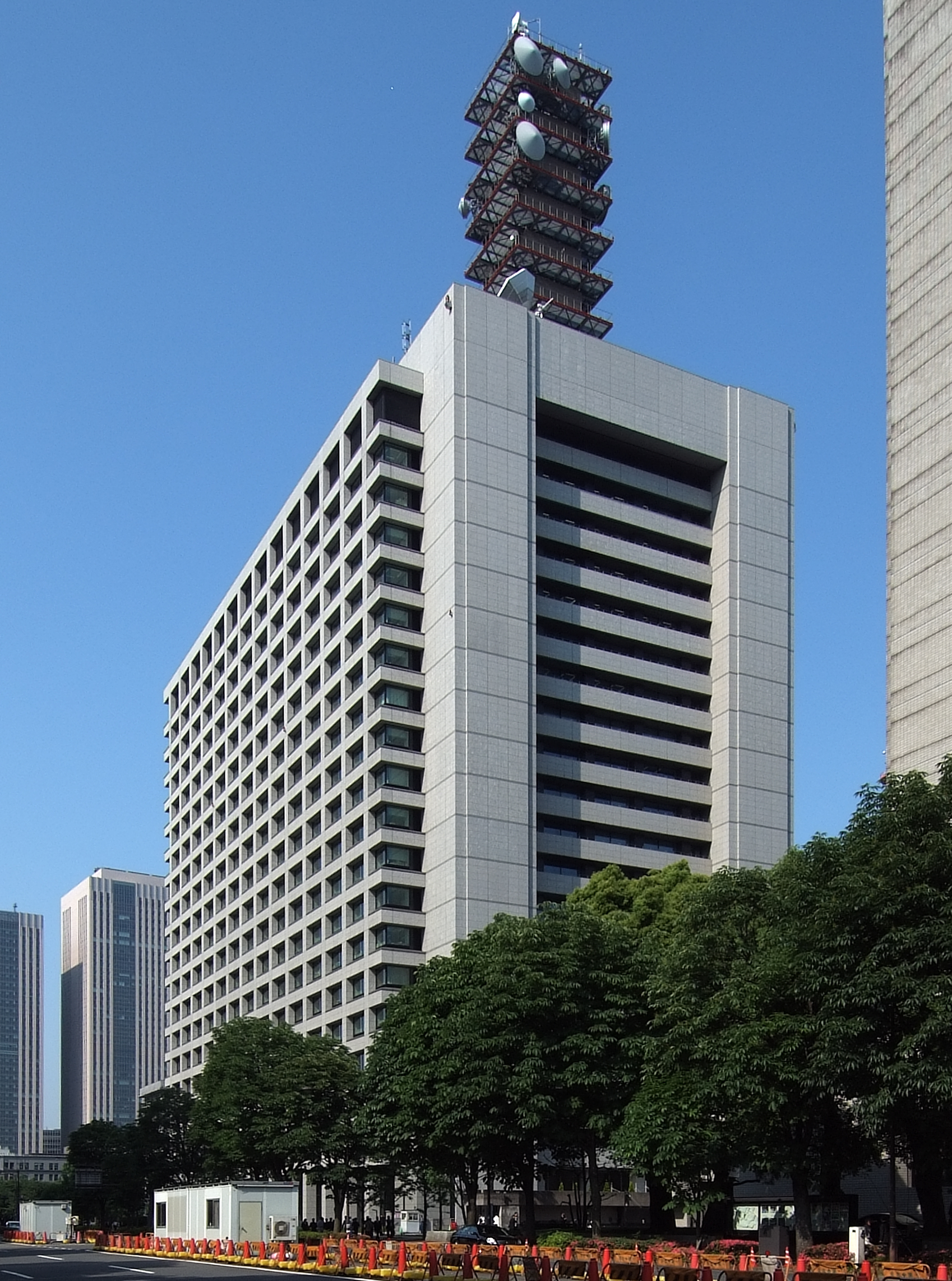
Japanese central coordination law enforcement agency
| Field | Value | |
|---|---|---|
| agencyname | National Police Agency | |
| nativenamea | 警察庁 | |
| nativenamer | ja | |
| abbreviation | NPA | |
| logo | [[File:National Police Agency.svg | 200px]] |
| badge | Asahikage.svg | |
| badgecaption | The Kyokujitsushou | |
| formedyear | ||
| preceding1 | ||
| employees | 7,995 (2020) | |
| budget | ¥360.348 billion (2020) | |
| country | Japan | |
| national | Yes | |
| legalpersonality | Law enforcement agency | |
| headquarters | 2-1-2 Kasumigaseki, Chiyoda, Tokyo 100-8974, Japan | |
| unsworntype | Civilian | |
| unsworn | 4,800 | |
| chief1name | Yoshinobu Kusunoki | |
| chief1position | Commissioner General | |
| parentagency | National Public Safety Commission | |
| child1agency | National Police Academy | |
| child2agency | National Research Institute of Police Science | |
| child3agency | Imperial Guard Headquarters | |
| unittype | Bureau | |
| unitname | ||
| officetype | Regional Bureau | |
| officename | {{collapsible list | title=6 |
| website | www.npa.go.jp/english/index.html | |
| www.npa.go.jp | ||
| footnotes |
| Tōhoku—covering prefectures:
- Aomori
- Iwate
- Miyagi
- Akita
- Yamagata
- Fukushima | Kantō—covering prefectures:
- Ibaraki
- Tochigi
- Gunma
- Saitama
- Chiba
- Kanagawa
- Niigata
- Yamanashi
- Nagano
- Shizuoka | Chūbu—covering prefectures:
- Toyama
- Ishikawa
- Fukui
- Gifu
- Aichi
- Mie | Kinki—covering prefectures:
- Shiga
- Kyoto
- Osaka
- Hyogo
- Nara
- Wakayama | Chūgoku–Shikoku—covering prefectures:
- Tottori
- Shimane
- Okayama
- Hiroshima
- Yamaguchi
- Tokushima
- Kagawa
- Ehime
- Kochi | Kyūshū—covering prefectures:
- Fukuoka
- Saga
- Nagasaki
- Kumamoto
- Oita
- Miyazaki
- Kagoshima
- Okinawa www.npa.go.jp
The National Police Agency is the central coordinating law enforcement agency of the Japanese police system. Unlike national police in other countries, the NPA does not have any operational units of its own aside from the Imperial Guard; rather, it is responsible for supervising Japan's 47 prefectural police departments and determining their general standards and policies, though it can command police agencies under it in national emergencies or large-scale disasters. It is under the National Public Safety Commission of the Cabinet Office.
As of 2017, the NPA has a strength of approximately 7,800 personnel: 2,100 sworn officers, 900 guards, and 4,800 civilian staff.
History
Police services of the Empire of Japan were placed under complete centralized control with the of the Home Ministry at their core. But after the surrender of Japan, the Supreme Commander for the Allied Powers regarded this centralized police system as undemocratic.
During the occupation, the principle of decentralization was introduced by the 1947 Police Law. Cities and large towns had their own municipal police services, and the was responsible for smaller towns, villages and rural areas. But most Japanese municipalities were too small to have a large police force, so sometimes they were unable to deal with large-scale violence. In addition, excessive fragmentation of the police organization reduced the efficiency of police activities.
As a response to these problems, complete restructuring created a more centralized system under the 1954 amended Police Law. All operational units except for the Imperial Guard were reorganized into prefectural police for each prefecture, and the National Police Agency was established as the central coordinating agency for these Police Departments.
On April 1, 2022, the NPA created the Cyber Affairs Bureau and the National Cyber Unit. In December 2023, the NPA announced that the TAIT (Telecom Scam Allianced Investigation Team) will be established in April 2024 to unify investigation efforts across Japan on fraud cases.
Since 2022, the number of people coming forward with racial profiling complaints against Japan's National Police Agency has grown. Foreigners are acknowledged to have been frequent racial profiling targets, with numerous racial profiling incidents not documented by police.
Organization
Leadership
The Commissioner General of the National Police Agency is the highest ranking police officer of Japan, regarded as an exception to the regular class structure. For the Deputy Commissioner General, the Senior Commissioner is supplemented. The Commissioner General's Secretariat are their staff. The civilian political leadership is provided by the National Public Safety Commission.
Internal Bureaus
Community Safety Bureau
The Community Safety Bureau is responsible for crime prevention, combating juvenile delinquency, and pollution control.
This bureau was derived from the Safety Division of the Criminal Affairs Bureau in 1994.
- Community Safety Planning Division
- Personal Safety and Juvenile Division
- Safety Division
- Director for Economic Crimes Investigation
Criminal Affairs Bureau
The Criminal Affairs Bureau is in charge of research statistics and coordination of the criminal investigation of nationally important and international cases.
- (Direct reporting divisions)
- Criminal Affairs Planning Division
- First Investigation Division
- Second Investigation Division
- Director for Criminal Intelligence Support
- Director for Criminal Identification
- Organized Crime Department
- First Organized Crime Division
- Second Organized Crime Division
- Director for International Investigative Operations
Traffic Bureau
The Traffic Bureau is responsible for traffic policing and regulations. This bureau was derived from the Safety Bureau (later merged with the Criminal Affairs Bureau; predecessor of the Community Safety Bureau) in 1962 because of the expression indicating a high number of deaths from traffic accidents.
- Traffic Planning Division
- Traffic Enforcement Division
- Traffic Management and Control Division
- License Division
Security Bureau
Main article: National Police Agency Security Bureau
The Security Bureau is in charge of the internal security affairs, such as counter-intelligence, counter-terrorism or disaster response.
- (Direct reporting divisions)
- Security Planning Division
- Public Security Division
- Foreign Affairs and Intelligence Department
- Foreign Affairs Division
- Counter International Terrorism Division
- Security Operations Department
- 1st Security Operations Division
- 2nd Security Operations Division
- 3rd Security Operations Division
After the 1996 Japanese embassy hostage crisis in Peru, the Security Bureau established the Terrorism Response Team where officers liaise with foreign law enforcement and intelligence agencies when Japanese interests or nationals are in danger. It was later reformed to the Terrorism Response Team - Tactical Wing (TRT-2) for Overseas in order to meet with demands to coordinate with foreign police forces in assisting them whenever a terror attack has happened.
Cyber Affairs bureau
The Cyber Affairs bureau is in charge of policing in cyberspace, combat with cybercrime and cyberterrorism. This bureau was restructured from the Info-Communications Bureau in 2022 by integrating cyber-related divisions in several bureaus.
- Cyber-Policy Planning Division
- Cybercrime Investigation Division
- Digital Analysis Division
Local Branch Bureaus and Departments
Regional Police Bureaus
There are six Regional Police Bureaus, each responsible for a number of prefectures as below:
;Tōhoku Regional Police Bureau : Aomori, Iwate, Miyagi, Akita, Yamagata, and Fukushima Prefectures ;Kantō Regional Police Bureau : Ibaraki, Tochigi, Gunma, Saitama, Chiba, Kanagawa, Niigata, Yamanashi, Nagano, and Shizuoka Prefectures ;Chūbu Regional Police Bureau : Toyama, Ishikawa, Fukui, Gifu, Aichi, and Mie Prefectures ;Kinki Regional Police Bureau : Shiga, Kyoto, Osaka, Hyogo, Nara, and Wakayama Prefectures ;Chūgoku–Shikoku Regional Police Bureau : Tottori, Shimane, Okayama, Hiroshima, and Yamaguchi Prefectures : Tokushima, Kagawa, Ehime, and Kochi Prefectures ;Kyūshū Regional Police Bureau : Fukuoka, Saga, Nagasaki, Kumamoto, Oita, Miyazaki, Kagoshima, and Okinawa Prefectures
They are located in major cities of each geographic region. The Tokyo Metropolitan Police Department and Hokkaido Prefectural Police Headquarters are excluded from the jurisdiction of regional police bureaus. Headed by a Senior Commissioner, each regional police bureaus exercises necessary control and supervision over and provides support services to prefectural police within its jurisdiction, under the authority and orders of NPA's Commissioner General. Attached to each Regional Police Bureaus is a Regional Police School which provides police personnel with education and training required of staff officers as well as other necessary education and training.
Police Communications Departments
Metropolitan Tokyo and the island of Hokkaidō are excluded from the regional jurisdictions and are run more autonomously than other local forces, in the case of Tokyo, because of its special urban situation, and of Hokkaidō, because of its distinctive geography. The National Police Agency maintains police communications divisions in these two areas to handle any coordination needed between national and local forces. In other area, Police Communications Departments are established within each Regional Police Bureaus.
- Independent Communications Departments
- Tokyo Metropolitan Police Info-Communications Department
- Hokkaido Police Info-Communications Department
Subsidiary Organs
- National Police Academy
- National Research Institute of Police Science
- Imperial Guard Headquarters
References
References
- e-Gov法令検索]]
- [https://www.bb.mof.go.jp/server/2020/dlpdf/DL202011001.pdf 令和2年度一般会計予算] 財務省
- "Police of Japan". National Police Agency.
- "POLICE OF JAPAN - NATIONAL POLICE AGENCY | Office of Justice Programs".
- National Police Agency. (2018). "POLICE OF JAPAN 2018 (Overview of Japanese Police)".
- (1977). "Japan post-war police history". [[:ja:警察協会.
- (4 September 2023). "Japan makes progress on international cyber probe collaboration".
- (14 December 2023). "Police to Set up Special Fraud Investigation Team".
- (April 30, 2024). "'We were told to target foreigners': Ex-officer on systematic racial profiling by Japan police". The Mainichi.
- (8 May 2025). "Racial Profiling in Japan is Prevalent but Unseen". New York Times.
- National Police Agency. "Mechanism of Police systems".
- NPA. "Organization Chart".
- Japan Federation of Bar Associations. "Declaration on police activities and citizens' human rights".
- "Archived copy".
- Asahi Shinbun news papre. "NPA to create new bureau for cybersecurity threats". The Asahi Shimbun.
- "Public Safety Commission System and Police Activity Support". Japanese National Police Agency.
This article was imported from Wikipedia and is available under the Creative Commons Attribution-ShareAlike 4.0 License. Content has been adapted to SurfDoc format. Original contributors can be found on the article history page.
Ask Mako anything about National Police Agency (Japan) — get instant answers, deeper analysis, and related topics.
Research with MakoFree with your Surf account
Create a free account to save articles, ask Mako questions, and organize your research.
Sign up freeThis content may have been generated or modified by AI. CloudSurf Software LLC is not responsible for the accuracy, completeness, or reliability of AI-generated content. Always verify important information from primary sources.
Report