From Surf Wiki (app.surf) — the open knowledge base
Nationaal Songfestival
Annual Dutch music competition

Annual Dutch music competition
| Field | Value | |
|---|---|---|
| image | Nationaal Songfestival logo (1997–2003).svg | |
| caption | Logo between 1997 and 2003 | |
| alt_name | NSF | |
| genre | Music competition | |
| country | Netherlands | |
| num_episodes | 48 editions | |
| italic_title | no | |
| company | {{plainlist | |
| first_aired | ||
| last_aired | ||
| related | {{Plainlist |
- NTS (1956–1969)
- NOS (1970–2001, 2006)
- TROS (2003–2005, 2009–2012)
- Junior Songfestival (2003–present)
- Eurovision Song Contest (1956–present) Nationaal Songfestival (; ) was an annual music competition, which was originally organised by the Dutch public broadcaster Nederlandse Televisie Stichting (NTS), and later by the Nederlandse Omroep Stichting (NOS) and the Televisie Radio Omroep Stichting (TROS). It was staged almost every year between 1956 and 2012 to determine the country's entry for the Eurovision Song Contest. The festival has produced four Eurovision winners and eight top-five placings for the Netherlands at the contest.
Due to declining interest in the competition and the Netherlands' poor performance in the Eurovision Song Contest in the late 2000s and early 2010s, it was decided that the Dutch entry for the Eurovision Song Contest 2013 would be internally selected. As this led to the Netherlands' best Eurovision result in over ten years, Nationaal Songfestival has not been organised since. The children's version of the competition, Junior Songfestival, is still active.
History

From 1956 to 1969, Nationaal Songfestival was organised by the Nederlandse Televisie Stichting (NTS). From 1970 onwards, the show was produced and broadcast by the Nederlandse Omroep Stichting (NOS), with the exception of the 2003, 2004 and 2005 editions, which were organised by the Televisie Radio Omroep Stichting (TROS). After the 2006 edition, the NOS stated that it no longer wanted to organise the competition. After a two-year hiatus, the TROS took over the event in 2009.
Throughout the years, different formats were used to determine which artist and/or song would represent the Netherlands in the Eurovision Song Contest. The competition was usually held in February or March. In 1985, 1991, 1995 and 2002, Nationaal Songfestival was not organised, because the Netherlands would not take part in that year's Eurovision Song Contest.
In 1961, 1963, 1980, 2007 and 2008, the Dutch entry for the Eurovision Song Contest was not selected through Nationaal Songfestival, but was chosen internally by a special committee. The 1963 edition of Nationaal Songfestival had been scheduled to take place on 23 January at the Tivoli in Utrecht, but was cancelled due to a strike of the Metropole Orchestra. In 2007, a special edition of the show Mooi! Weer De Leeuw, titled Mooi! Weer het Nationaal Songfestival, was broadcast in which Edsilia Rombley performed three potential Eurovision entries, after which she announced which song she had picked.
2009–2012: Final years

After a two-year hiatus, Nationaal Songfestival returned in 2009 as the selection method for the Dutch Eurovision entry; this time to select a song for De Toppers, who had been internally selected by the TROS as the Dutch representatives. In 2010, this format was reversed when the song "Ik ben verliefd (Sha-la-lie)" written by Pierre Kartner was internally selected, and the performer was chosen through Nationaal Songfestival. Both schlager acts failed to qualify for the final of the Eurovision Song Contest and were subject of heavy criticism in the Netherlands.
When asked in the talk show Pauw & Witteman why "acknowledged composers" are no longer involved in writing the "best possible songs" for Nationaal Songfestival, Eric van Tijn, composer of the winning entries "Vrede" (1993) and "Hemel en aarde" (1998), stated that "it is not an honor anymore to take part in [the competition]". He attributed the Netherlands' poor performance in the Eurovision Song Contest to the NOS and TROS's limited budgets, which did not allow established songwriters to present their songs in the best possible way, thereby making it unattractive to submit an entry.
After more disappointing Eurovision results that Nationaal Songfestival continued to produce in 2011 and 2012, Anouk approached TROS to represent the Netherlands in the Eurovision Song Contest 2013. While initially TROS was pushing for another Nationaal Songfestival selection that year, Anouk refused to participate in it and wanted to be internally selected with full creative control over the entry. Ultimately, TROS decided to select her, and she went on to represent the country with the song "Birds". Anouk was the first Dutch entrant to qualify for a Eurovision final since , which is the longest non-qualification streak of any country to date. With this success, Nationaal Songfestival has not been held since. In subsequent years, the internal selection method led the Netherlands to more success, including placing second in , and winning the .
Voting

In the 1956, 1957, 1958 and 1967 editions, the winning entry was chosen through postcard voting: the public could vote by sending a postcard with the title of their favourite song to a specified address, with the song that received the most postcards being declared the winner. From 1959 onwards, juries often had a role in determining the winner of Nationaal Songfestival. Many editions had twelve regional juries, one for each province (and one for the Zuidelijke IJsselmeerpolders prior to becoming a separate province). Other editions had a single (international) professional jury or expert panel.
A notable voting method was used in 1975, when the audience in the Jaarbeurs was asked to put a rose in one of three vases corresponding to the three competing entries. The vase containing the most roses (the one of Teach-In) was declared the winner. Televoting was first introduced in the 1997 edition. Since then, the voting system of Nationaal Songfestival has often been a combination of jury voting and televoting, largely resembling the voting system of the Eurovision Song Contest.
The voting in the 2010 edition led to much controversy, as it resulted in a tie which – according to the rules – had to be broken by composer Pierre Kartner. Kartner refused to choose between the two artists as he considered them to be "equally strong", and suggested to decide by flipping a coin instead. After much insistence from presenter Yolanthe Cabau, Kartner ultimately chose Sieneke as the winner of the competition.
Past editions


| Year | Date of final | Broadcaster | Venue | Presenter(s) | No. of entries | 1956 | 1957 | 1958 | 1959 | 1960 | 1962 | 1963 | 1964 | 1965 | 1966 | 1967 | 1968 | 1969 | 1970 | 1971 | 1972 | 1973 | 1974 | 1975 | 1976 | 1977 | 1978 | 1979 | 1981 | 1982 | 1983 | 1984 | 1986 | 1987 | 1988 | 1989 | 1990 | 1992 | 1993 | 1994 | 1996 | 1997 | 1998 | 1999 | 2000 | 2001 | 2003 | 2004 | 2005 | 2006 | 2009 | 2010 | 2011 | 2012 |
|---|---|---|---|---|---|---|---|---|---|---|---|---|---|---|---|---|---|---|---|---|---|---|---|---|---|---|---|---|---|---|---|---|---|---|---|---|---|---|---|---|---|---|---|---|---|---|---|---|---|---|---|---|---|---|
| 24 April | NTS | AVRO Studios, Hilversum | Karin Kraaykamp | 8 | ||||||||||||||||||||||||||||||||||||||||||||||||||
| 3 February | NTS | AVRO Studios, Hilversum | Karin Kraaykamp | 8 | ||||||||||||||||||||||||||||||||||||||||||||||||||
| 11 February | NTS | AVRO Studios, Hilversum | Tanja Koen | 11 | ||||||||||||||||||||||||||||||||||||||||||||||||||
| 17 February | NTS | AVRO Studios, Hilversum | Karin Kraaykamp | 8 | ||||||||||||||||||||||||||||||||||||||||||||||||||
| 9 February | NTS | AVRO Studios, Hilversum | Hannie Lips and Piet te Nuyl | 8 | ||||||||||||||||||||||||||||||||||||||||||||||||||
| 27 February | NTS | Theater Concordia, Bussum | Hannie Lips and Elisabeth Mooy | 7 | ||||||||||||||||||||||||||||||||||||||||||||||||||
| Broadcast cancelled due to orchestra strike}} | ||||||||||||||||||||||||||||||||||||||||||||||||||||||
| 24 February | NTS | Tivoli, Utrecht | Elles Berger | 3 | ||||||||||||||||||||||||||||||||||||||||||||||||||
| 13 February | NTS | Theater Concordia, Bussum | Teddy Scholten | 15 | ||||||||||||||||||||||||||||||||||||||||||||||||||
| 5 February | NTS | Tivoli, Utrecht | Teddy Scholten | 15 | ||||||||||||||||||||||||||||||||||||||||||||||||||
| 22 February | NTS | Kloosterhoeve, Harmelen | Leo Nelissen | 6 | ||||||||||||||||||||||||||||||||||||||||||||||||||
| 28 February | NTS | Tivoli, Utrecht | Elles Berger | 4 | ||||||||||||||||||||||||||||||||||||||||||||||||||
| 26 February | NTS | Circustheater, The Hague | Pim Jacobs | 10 | ||||||||||||||||||||||||||||||||||||||||||||||||||
| 11 February | NOS | Congresgebouw, The Hague | Pim Jacobs | 10 | ||||||||||||||||||||||||||||||||||||||||||||||||||
| 24 February | NOS | NOS Studios, Hilversum | Willy Dobbe | 6 | ||||||||||||||||||||||||||||||||||||||||||||||||||
| 22 February | NOS | Theater Carré, Amsterdam | Barend Barendse | 3 | ||||||||||||||||||||||||||||||||||||||||||||||||||
| 28 February | NOS | Theater Carré, Amsterdam | Simon van Collem and Viola van Emmenes | 4 | ||||||||||||||||||||||||||||||||||||||||||||||||||
| 27 February | NOS | Jaarbeurs, Utrecht | Willem Duys | 3 | ||||||||||||||||||||||||||||||||||||||||||||||||||
| 26 February | NOS | Jaarbeurs, Utrecht | Willem Duys | 3 | ||||||||||||||||||||||||||||||||||||||||||||||||||
| 18 February | NOS | Congresgebouw, The Hague | Willem Duys | 5 | ||||||||||||||||||||||||||||||||||||||||||||||||||
| 2 February | NOS | Congresgebouw, The Hague | Ati Dijckmeester | 10 | ||||||||||||||||||||||||||||||||||||||||||||||||||
| 22 February | NOS | Congresgebouw, The Hague | Willem Duys | 8 | ||||||||||||||||||||||||||||||||||||||||||||||||||
| 7 February | NOS | RAI, Amsterdam | Martine Bijl | 5 | ||||||||||||||||||||||||||||||||||||||||||||||||||
| 11 March | NOS | Theater Zuidplein, Rotterdam | Fred Oster and Elles Berger | 10 | ||||||||||||||||||||||||||||||||||||||||||||||||||
| 24 February | NOS | Circustheater, The Hague | Lenny Kuhr | 3 | ||||||||||||||||||||||||||||||||||||||||||||||||||
| 23 February | NOS | Congresgebouw, The Hague | Ivo Niehe | 10 | ||||||||||||||||||||||||||||||||||||||||||||||||||
| 14 March | NOS | NOS Studios, Hilversum | Eddy Becker | 10 | ||||||||||||||||||||||||||||||||||||||||||||||||||
| 1 April | NOS | De Flint, Amersfoort | Pim Jacobs | 10 | ||||||||||||||||||||||||||||||||||||||||||||||||||
| 25 March | NOS | Royal Conservatory, The Hague | Astrid Joosten | 6 | ||||||||||||||||||||||||||||||||||||||||||||||||||
| 23 March | NOS | Congresgebouw, The Hague | Astrid Joosten | 6 | ||||||||||||||||||||||||||||||||||||||||||||||||||
| 10 March | NOS | RAI, Amsterdam | Linda de Mol | 13 | ||||||||||||||||||||||||||||||||||||||||||||||||||
| 10 March | NOS | Congresgebouw, The Hague | Paula Patricio | 20 | ||||||||||||||||||||||||||||||||||||||||||||||||||
| 29 March | NOS | NOS Studios, Hilversum | Bas Westerweel | 10 | ||||||||||||||||||||||||||||||||||||||||||||||||||
| 26 March | NOS | Escape, Amsterdam | Paul de Leeuw | 8 | ||||||||||||||||||||||||||||||||||||||||||||||||||
| 26 March | NOS | AT&T Danstheater, The Hague | Paul de Leeuw | 8 | ||||||||||||||||||||||||||||||||||||||||||||||||||
| 3 March | NOS | Cinevideo Studio, Almere | Ivo Niehe | 15 | ||||||||||||||||||||||||||||||||||||||||||||||||||
| 23 February | NOS | Marcanti Plaza, Amsterdam | Bart Peeters and Joop van Zijl | 6 | ||||||||||||||||||||||||||||||||||||||||||||||||||
| 8 March | NOS | RAI, Amsterdam | Paul de Leeuw and Linda de Mol | 8 | ||||||||||||||||||||||||||||||||||||||||||||||||||
| 14 March | NOS | Studio 22, Hilversum | Paul de Leeuw and Linda de Mol | 10 | ||||||||||||||||||||||||||||||||||||||||||||||||||
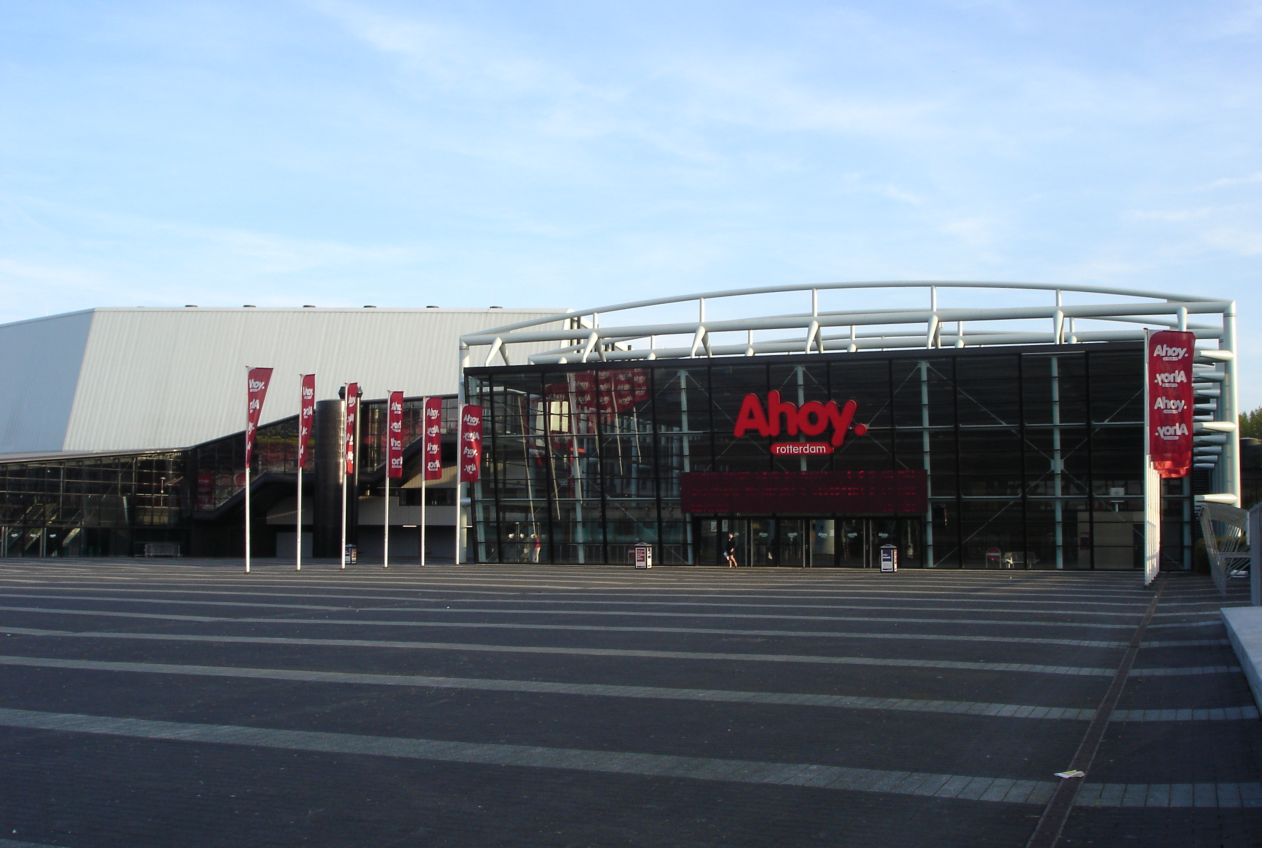
| 27 February | NOS | Rotterdam Ahoy, Rotterdam | Paul de Leeuw | 8 | ||||||||||||||||||||||||||||||||||||||||||||||||||
| 3 March | NOS | Rotterdam Ahoy, Rotterdam | Paul de Leeuw | 8 | ||||||||||||||||||||||||||||||||||||||||||||||||||
| 1 March | TROS | Rotterdam Ahoy, Rotterdam (final) | ||||||||||||||||||||||||||||||||||||||||||||||||||||
| Hart van Holland, Nijkerk (semi-finals) | Loes Luca as "Nénette" (final) | |||||||||||||||||||||||||||||||||||||||||||||||||||||
| Harm Edens (semi-finals) | 32 | |||||||||||||||||||||||||||||||||||||||||||||||||||||
| 22 February | TROS | Pepsi Stage, Amsterdam | Nance Coolen and Humberto Tan | 24 | ||||||||||||||||||||||||||||||||||||||||||||||||||
| 13 February | TROS | Pepsi Stage, Amsterdam | Nance Coolen and Hans Schiffers | 24 | ||||||||||||||||||||||||||||||||||||||||||||||||||
| 12 March | NOS | Heineken Music Hall, Amsterdam | Paul de Leeuw | 9 | ||||||||||||||||||||||||||||||||||||||||||||||||||
| 1 February | TROS | Studio 22, Hilversum | Jack van Gelder | 6 | ||||||||||||||||||||||||||||||||||||||||||||||||||
| 7 February | TROS | Studio Baarn, Baarn | Yolanthe Cabau | 5 | ||||||||||||||||||||||||||||||||||||||||||||||||||
| 30 January | TROS | Studio 21, Hilversum | Yolanthe Cabau | 5 | ||||||||||||||||||||||||||||||||||||||||||||||||||
| 26 February | TROS | Studio 24, Hilversum | Jan Smit and Vivienne van den Assem | 6 |
Special shows
| Year | Date | Title or format | Broadcaster | Venue | Presenter(s) | 1967 | 2007 |
|---|---|---|---|---|---|---|---|
| 1 March | Announcement of results | NTS | Theater Orpheus, Apeldoorn | Leo Nelissen | |||
| 11 February | Mooi! Weer het Nationaal Songfestival | VARA | Studio Cé, Almere | Paul de Leeuw |
Winners
| Artist internally selected |
|---|
| Year | Song | Artist | Songwriter(s) | ESC result | 1956 | 1957 | 1958 | 1959 | 1960 | 1962 | 1964 | 1965 | 1966 | 1967 | 1968 | 1969 | 1970 | 1971 | 1972 | 1973 | 1974 | 1975 | 1976 | 1977 | 1978 | 1979 | 1981 | 1982 | 1983 | 1984 | 1986 | 1987 | 1988 | 1989 | 1990 | 1992 | 1993 | 1994 | 1996 | 1997 | 1998 | 1999 | 2000 | 2001 | 2003 | 2004 | 2005 | 2006 | 2009 | 2010 | 2011 | 2012 |
|---|---|---|---|---|---|---|---|---|---|---|---|---|---|---|---|---|---|---|---|---|---|---|---|---|---|---|---|---|---|---|---|---|---|---|---|---|---|---|---|---|---|---|---|---|---|---|---|---|---|---|---|---|
| "Voorgoed voorbij" | Corry Brokken | Unknown | ||||||||||||||||||||||||||||||||||||||||||||||||||
| "Net als toen" | Corry Brokken | 1 | ||||||||||||||||||||||||||||||||||||||||||||||||||
| "Heel de wereld" | Corry Brokken | 9 ◁ | ||||||||||||||||||||||||||||||||||||||||||||||||||
| 'n Beetje" | Teddy Scholten | 1 | ||||||||||||||||||||||||||||||||||||||||||||||||||
| "Wat een geluk" | Rudi Carrell | 12 | ||||||||||||||||||||||||||||||||||||||||||||||||||
| "Katinka" | De Spelbrekers | 13 ◁ | ||||||||||||||||||||||||||||||||||||||||||||||||||
| "Jij bent mijn leven" | Anneke Grönloh ‡ | 10 | ||||||||||||||||||||||||||||||||||||||||||||||||||
| 't Is genoeg" | Conny Vandenbos | 11 | ||||||||||||||||||||||||||||||||||||||||||||||||||
| "Fernando en Filippo" | Milly Scott | 15 | ||||||||||||||||||||||||||||||||||||||||||||||||||
| "Ring-dinge-ding" | Thérèse Steinmetz ‡ | 14 | ||||||||||||||||||||||||||||||||||||||||||||||||||
| "Morgen" | Ronnie Tober | 16 ◁ | ||||||||||||||||||||||||||||||||||||||||||||||||||
| "De troubadour" | Lenny Kuhr | 1 | ||||||||||||||||||||||||||||||||||||||||||||||||||
| "Waterman" | Hearts of Soul | 7 | ||||||||||||||||||||||||||||||||||||||||||||||||||
| "Tijd" | Saskia and Serge ‡ | 6 | ||||||||||||||||||||||||||||||||||||||||||||||||||
| "Als het om de liefde gaat" | Sandra and Andres ‡ | 4 | ||||||||||||||||||||||||||||||||||||||||||||||||||
| "De oude muzikant" | Ben Cramer ‡ | 14 | ||||||||||||||||||||||||||||||||||||||||||||||||||
| "Ik zie een ster" | Mouth and MacNeal ‡ | 3 | ||||||||||||||||||||||||||||||||||||||||||||||||||
| "Dinge-dong" | Teach-In | 1 | ||||||||||||||||||||||||||||||||||||||||||||||||||
| "The Party's Over" | Sandra Reemer | 9 | ||||||||||||||||||||||||||||||||||||||||||||||||||
| "De mallemolen" | Heddy Lester | 12 | ||||||||||||||||||||||||||||||||||||||||||||||||||
| 't Is OK" | Harmony | 13 | ||||||||||||||||||||||||||||||||||||||||||||||||||
| "Colorado" | Xandra ‡ | 12 | ||||||||||||||||||||||||||||||||||||||||||||||||||
| "Het is een wonder" | Linda Williams | 9 | ||||||||||||||||||||||||||||||||||||||||||||||||||
| "Jij en ik" | Bill van Dijk | 16 | ||||||||||||||||||||||||||||||||||||||||||||||||||
| "Sing Me a Song" | Bernadette | 7 | ||||||||||||||||||||||||||||||||||||||||||||||||||
| "Ik hou van jou" | Maribelle | 13 | ||||||||||||||||||||||||||||||||||||||||||||||||||
| "Alles heeft ritme" | Frizzle Sizzle | 13 | ||||||||||||||||||||||||||||||||||||||||||||||||||
| "Rechtop in de wind" | Marcha ‡ | 5 | ||||||||||||||||||||||||||||||||||||||||||||||||||
| "Shangri-la" | Gerard Joling ‡ | 9 | ||||||||||||||||||||||||||||||||||||||||||||||||||
| "Blijf zoals je bent" | Justine Pelmelay | 15 | ||||||||||||||||||||||||||||||||||||||||||||||||||
| "Ik wil alles met je delen" | Maywood | 15 | ||||||||||||||||||||||||||||||||||||||||||||||||||
| "Wijs me de weg" | Humphrey Campbell | 9 | ||||||||||||||||||||||||||||||||||||||||||||||||||
| "Vrede" | Ruth Jacott ‡ | 6 | ||||||||||||||||||||||||||||||||||||||||||||||||||
| "Waar is de zon?" | Willeke Alberti ‡ | 23 | ||||||||||||||||||||||||||||||||||||||||||||||||||
| "De eerste keer" | Maxine and Franklin Brown | 7 | ||||||||||||||||||||||||||||||||||||||||||||||||||
| "Niemand heeft nog tijd" | Mrs. Einstein ‡ | 22 | ||||||||||||||||||||||||||||||||||||||||||||||||||
| "Hemel en aarde" | Edsilia Rombley | 4 | ||||||||||||||||||||||||||||||||||||||||||||||||||
| "One Good Reason" | Marlayne | 8 | ||||||||||||||||||||||||||||||||||||||||||||||||||
| "No Goodbyes" | Linda Wagenmakers | 13 | ||||||||||||||||||||||||||||||||||||||||||||||||||
| "Out On My Own" | Michelle | 18 | ||||||||||||||||||||||||||||||||||||||||||||||||||
| "One More Night" | Esther Hart | 13 | ||||||||||||||||||||||||||||||||||||||||||||||||||
| "Without You" | Re-union | 20 | ||||||||||||||||||||||||||||||||||||||||||||||||||
| "My Impossible Dream" | Glennis Grace | DNQ | ||||||||||||||||||||||||||||||||||||||||||||||||||
| "Amambanda" | Treble | |||||||||||||||||||||||||||||||||||||||||||||||||||
| "Shine" | De Toppers ‡ | |||||||||||||||||||||||||||||||||||||||||||||||||||
| "Ik ben verliefd (Sha-la-lie)" † | Sieneke | |||||||||||||||||||||||||||||||||||||||||||||||||||
| "Je vecht nooit alleen" | 3JS ‡ | |||||||||||||||||||||||||||||||||||||||||||||||||||
| "You and Me" | Joan Franka |
Musical styles and artists
In the early years of the competition, Nationaal Songfestival entries used to be entirely in Dutch, even though the Eurovision rules did not dictate any language restrictions until 1966. The rule that a country's entries must be performed in one of its national languages was first abolished in 1973, which led to the 1974 en 1975 Nationaal Songfestival winners "Ik zie een ster" and "Dinge-dong" being performed in English at the Eurovision Song Contest (as "I See a Star" and "Ding-a-dong"). In 1976, "The Party's Over" by Sandra Reemer was the first song in a language other than Dutch to win Nationaal Songfestival.
The Eurovision Song Contest's language rule was reintroduced in 1977 and abolished once again in 1999, after which the majority of entries at each year's Nationaal Songfestival were performed in English. The 2000 edition marked the first time an entry in West Frisian, "Hjir is it begjin" by Gina de Wit, was selected to take part in the competition. In 2003, the operatic pop entry "Turiddu" by Arwin Kluft was the first to be fully in Italian. In 2006, the lyrics of the winning song "Amambanda" by Treble were partly in an imaginary language.
Throughout the years, the competition also diversified in terms of musical styles. In its early years, Dutch chansons and jazz songs dominated in the competition. Later, there was also room for more experimental entries, such as the rumba song "Fernando en Filippo" by Milly Scott (1st, 1966). In the 1980s, the synth-pop genre gained popularity in Nationaal Songfestival with entries such as "Rechtop in de wind" (1st, 1987) and "Shangri-la" (1st, 1988), and by the late 1990s and the early 2000s, mid-to-uptempo dance-pop had become a successful genre in the competition. Entries in this genre included "No Goodbyes" by Linda Wagenmakers (1st, 2000), "So Much Love" by Ebonique (2nd, 2001), and "One More Night" by Esther Hart (1st, 2003). In the same period, the a cappella genre made its debut with the entries "Danielle… la plus belle" (3rd, 2001) and "Celeste" (5th, 2004).
While many established artists, such as Patricia Paay (1969), Bonnie St. Claire (1970, 1977, 1982), and Gordon (1990, 2003), have participated in Nationaal Songfestival, the competition has also been a stage for new talent. Notable newcomers included Justine Pelmelay (1989), Marlayne (1999), Ben and Dean Saunders (2003), and Waylon (2005).
References
References
- (11 May 2017). "De Nederlandse voorronde door de jaren heen".
- (12 May 2021). "Hoe Anouk het Songfestival weer cool maakte".
- (17 May 2006). "Nationaal Songfestival 2007 zeker niet bij de NOS".
- (29 August 2004). "50 jaar songfestival: NSF 1963".
- (11 February 2007). "Edsilia kiest Nooit meer zonder jou".
- (3 February 2009). "Toppers krijgen veel kritiek over optreden Songfestival".
- (23 July 2021). "Sieneke over haar 'Songfestival'-deelname: 'Er was óveral kritiek op'".
- (9 February 2010). "Eric van Tijn over het Songfestival". [[Pauw & Witteman]].
- "Teach-In (Nederland) - 1975".
- Dee, Daphne. (19 August 2020). "Editorial: The 2019 Dutch victory – how did the Netherlands get there and what can other countries learn from it?".
- (18 May 2021). "Songfestival-throwback: Pierre Kartner kan niet kiezen".
- "Eurovision Song Contest: Luxembourg 1966". Eurovision Song Contest.
- "Eurovision Song Contest: Luxembourg 1973". Eurovision Song Contest.
- "Eurovision Song Contest: London 1977". Eurovision Song Contest.
- "Eurovision Song Contest: Jerusalem 1999". Eurovision Song Contest.
- (18 January 2000). "Primeur op Songfestival: een Fries liedje".
- (16 February 2003). "Songfestivallers Ebonique en Kluft naar de finale".
- (10 March 2008). "Belgen zingen niet-bestaande taal op Songfestival".
- (1 August 2022). "Alle Nederlandse songfestivalliedjes - de ultieme rangschikking".
- "Ben Saunders".
- (9 November 2017). "'Guess who's back...' Waylon naar Eurovisie Songfestival".
This article was imported from Wikipedia and is available under the Creative Commons Attribution-ShareAlike 4.0 License. Content has been adapted to SurfDoc format. Original contributors can be found on the article history page.
Ask Mako anything about Nationaal Songfestival — get instant answers, deeper analysis, and related topics.
Research with MakoFree with your Surf account
Create a free account to save articles, ask Mako questions, and organize your research.
Sign up freeThis content may have been generated or modified by AI. CloudSurf Software LLC is not responsible for the accuracy, completeness, or reliability of AI-generated content. Always verify important information from primary sources.
Report