From Surf Wiki (app.surf) — the open knowledge base
Music of Star Wars
none

none
The music of the Star Wars franchise is composed and produced in conjunction with the development of the feature films, television series, and other merchandise within the epic space opera multimedia franchise created by George Lucas. The music for the primary feature films (which serves as the basis for the rest of the related media) was written by John Williams. Williams' work on the series included the scores of nine feature films, a suite and several cues of thematic material for Solo: A Star Wars Story and the theme music for the Star Wars: Galaxy's Edge theme parks at Disneyland and Walt Disney World. These count among the most widely known and popular contributions to modern film music, and utilize a symphony orchestra and features an assortment of about fifty recurring musical themes to represent characters and other plot elements: one of the largest caches of themes in the history of film music.
Released between 1977 and 2019, the music for the primary feature films was, in the case of the first two trilogies, performed by the London Symphony Orchestra and, in select passages, by the London Voices chorus. The sequel trilogy was largely conducted by Williams and William Ross, and performed by the Hollywood Freelance Studio Symphony and (in a few passages) by the Los Angeles Master Chorale.
Additional composers have since contributed music to other movies and media within the Star Wars universe*.* The music for several animated and live-action television series spin-offs has been written by Kevin Kiner, Ludwig Göransson, Natalie Holt, Nicholas Britell, and Ryan Shore. Music for the spin-off films, other television programs, and video games, as well as the trailers of the various installments, were created by various other composers, with this material occasionally revisiting some of Williams' principal themes (and, with one spin-off film, with Williams actually writing a new theme for the composer to use).
The scores are primarily performed by a symphony orchestra of varying size joined, in several sections, by a choir of varying size.{{efn|Williams generally uses the choir for texture, as humming or wordless voices. Several sections rely on repeated syllables in Sanskrit, as is the case of Duel of the Fates or Snoke's theme.
While the syllables are drawn from (loosely) translated texts such as Cad Goddeu or the writing of Kipling, Williams typically arranges them by ear and without heed to their meaning, so the choral text remains repetitive and meaningless.
In other instances, the choir repeats a short albeit coherent sentence, such as with the Funeral theme or Anakin's Dark Deeds.
Overview
Films
| Year | Title | Composer | Conductor | Orchestrator/Arranger | Orchestra | Choir | Saga films | Anthology films | Animated films |
|---|---|---|---|---|---|---|---|---|---|
| 1977 | Star Wars | John Williams | John Williams | Herbert W. Spencer | London Symphony Orchestra | ||||
| 1980 | The Empire Strikes Back | London Voices (women) | |||||||
| 1983 | Return of the Jedi | London Voices (men) | |||||||
| 1999 | The Phantom Menace | Conrad Pope | |||||||
| John Neufeld | London Voices (SATB) | ||||||||
| 2002 | Attack of the Clones | Conrad Pope | |||||||
| Eddie Karam | London Voices (SATB) | ||||||||
| 2005 | Revenge of the Sith | London Voices (SATB) | |||||||
| 2015 | The Force Awakens | John Williams | |||||||
| William Ross | |||||||||
| Gustavo Dudamel | John Williams | ||||||||
| William Ross | Hollywood Freelance Studio Symphony | Hollywood Film Chorale (bass) | |||||||
| 2017 | The Last Jedi | John Williams | |||||||
| William Ross | Los Angeles Master Chorale (SATB, bass) | ||||||||
| 2019 | The Rise of Skywalker | John Williams | |||||||
| 1978 | The Star Wars Holiday Special | Ian Fraser | |||||||
| John Williams (Original Themes) | Ian Fraser | ||||||||
| 1984 | Caravan of Courage: An Ewok Adventure | Peter Bernstein | |||||||
| John Williams (Original Themes) | Peter Bernstein | ||||||||
| 1985 | Ewoks: The Battle for Endor | ||||||||
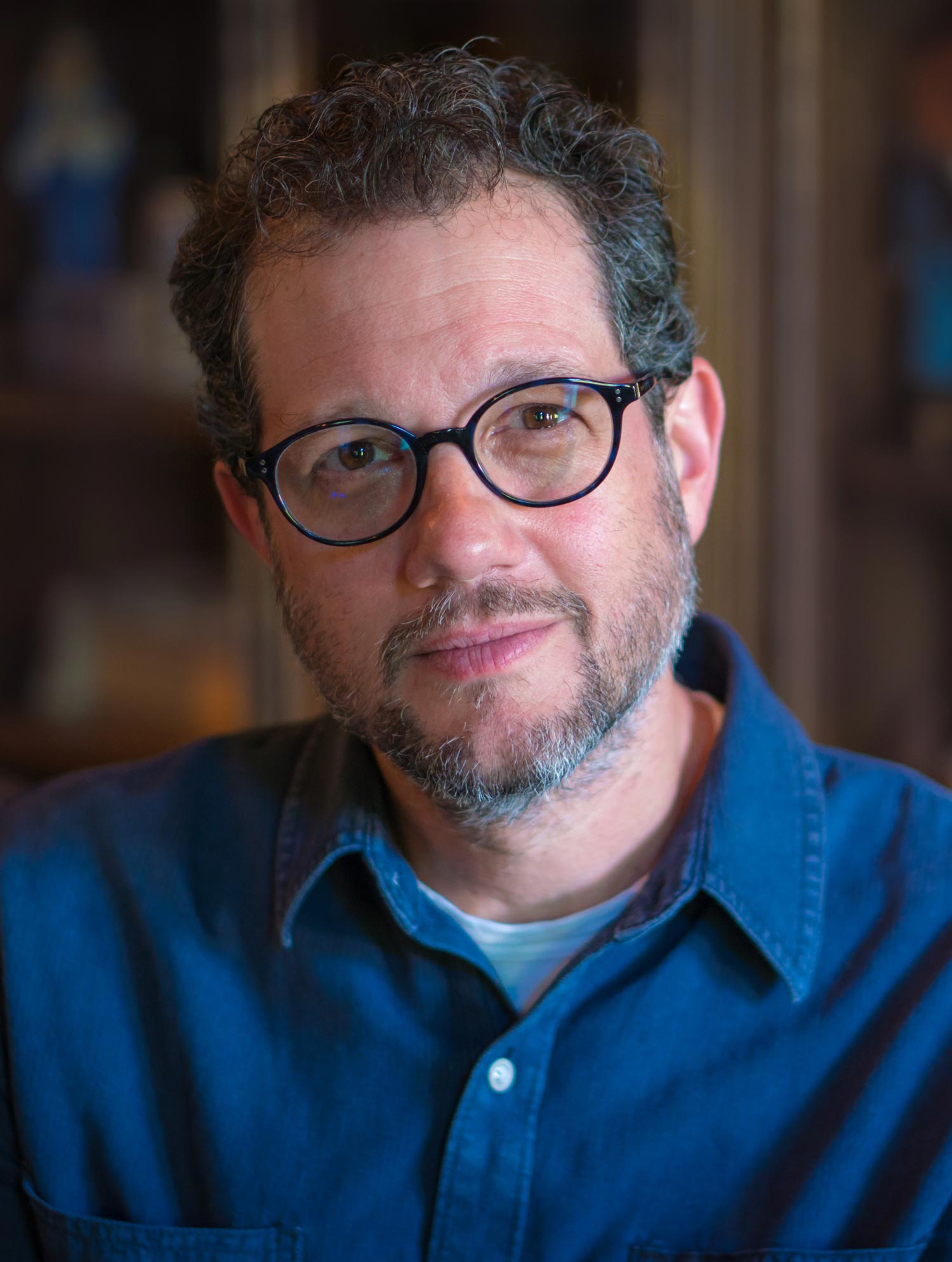
| 2016 | Rogue One | Michael Giacchino | |||||||
| John Williams (Original Themes) | Tim Simonec | William Ross | |||||||
| Tim Simonec | |||||||||
| Brad Dechter | |||||||||
| Jeff Kryka | |||||||||
| Chris Tilton | |||||||||
| Herbert W. Spencer | Hollywood Freelance Studio Symphony | Los Angeles Master Chorale | |||||||
| 2018 | Solo | John Powell | |||||||
| John Williams (Han Solo Theme, Original Themes) | Gavin Greenaway | (additional music and arrangements) | The London Session Orchestra | ||||||
| Recording Arts Orchestra of Los Angeles (Han Solo Theme) | |||||||||
| 2008 | The Clone Wars | Kevin Kiner | |||||||
| John Williams (Original Themes) | Kevin Kiner | ||||||||
| Nic Raine | Kevin Kiner | ||||||||
| Nic Raine | |||||||||
| Takeshi Furukawa | City of Prague Philharmonic Orchestra |
Television
Animation series
Kevin Kiner composed the score to the film Star Wars: The Clone Wars (2008), the predecessor to the animated TV series of the same name. Both properties loosely use some of the original themes and music by John Williams. Kiner's own material for the film includes a theme for Anakin Skywalker's Padawan learner, Ahsoka Tano, as well as a theme for Jabba the Hutt's uncle Ziro. Kiner went on to score the TV series' entire seven seasons, which concluded in 2020. A soundtrack album for the first six seasons was released in 2014 by Walt Disney Records and three soundtrack albums for the final season were released in 2020.
Kiner continued his work with the franchise for the animated series Star Wars Rebels (2014–2018), which also incorporates Williams' themes. He had later made the score for Star Wars: The Bad Batch (2021–2024) and Star Wars: Tales (2022–), spin-offs of The Clone Wars.
James L. Venable and Paul Dinletir composed the music of Star Wars: Clone Wars (2003–2005) 2D animated series, Ryan Shore serves as the composer for Star Wars: Forces of Destiny (2017–2018) and Star Wars Galaxy of Adventures (2018–2020), and Michael Tavera composes the score to Star Wars Resistance (2018–2020).
Matthew Margeson produced the soundtrack for Star Wars: Young Jedi Adventures in 2023.
| Year | Title | Composer | Additional composers | |
|---|---|---|---|---|
| 2003–2005 | Star Wars: Clone Wars: Seasons 1-3 | James L. Venable | ||
| Paul Dinletir | ||||
| 2008–2014 | Star Wars: The Clone Wars: Seasons 1-6 | Kevin Kiner | Takeshi Furukawa | |
| David G. Russell | ||||
| Matthew St. Laurent | ||||
| Reuven Herman | ||||
| Russ Howard III | ||||
| 2014–2015 | Star Wars Rebels: Season 1 | Matthew St. Laurent | ||
| Jared Forman | ||||
| David G. Russell | ||||
| Sean Kiner | ||||
| Deana Kiner | ||||
| Julian Cisneros | ||||
| Reuven Herman | ||||
| 2015–2016 | Star Wars Rebels: Season 2 | |||
| 2016–2017 | Star Wars Rebels: Season 3 | |||
| 2017–2018 | Star Wars Rebels: Season 4 | |||
| Star Wars: Forces of Destiny: Seasons 1-2 | Ryan Shore | |||
| 2018–2020 | Star Wars: Galaxy of Adventures: Seasons 1-2 | |||
| Star Wars Resistance: Seasons 1-2 | Michael Tavera | |||
| 2020 | Star Wars: The Clone Wars: Season 7 (Episodes 1-4) | Kevin Kiner | Sean Kiner | |
| Deana Kiner | ||||
| Star Wars: The Clone Wars: Season 7 (Episodes 5-8) | ||||
| Star Wars: The Clone Wars: Season 7 (Episodes 9-12) | ||||
| 2021 | Star Wars: The Bad Batch: Season 1 (Episodes 1-8) | |||
| Star Wars: The Bad Batch: Season 1 (Episodes 9-16) | ||||
| 2022 | Star Wars: Tales of the Jedi | |||
| 2023 | Star Wars: The Bad Batch: Season 2 (Episodes 1-8) | |||
| Star Wars: The Bad Batch: Season 2 (Episodes 9-16) | ||||
| 2023–2024 | Star Wars: Young Jedi Adventures: Season 1 | Matthew Margeson | ||
| 2024 | Star Wars: The Bad Batch: Season 3 (Episodes 1-8) | Kevin Kiner | Sean Kiner | |
| Deana Kiner | ||||
| Star Wars: The Bad Batch: Season 3 (Episodes 9-15) | ||||
| Star Wars: Tales of the Empire | ||||
| 2024–2025 | Star Wars: Young Jedi Adventures: Season 2 | Matthew Margeson | ||
| 2025 | Star Wars: Tales of the Underworld | Kevin Kiner | Sean Kiner | |
| Deana Kiner | ||||
| 2026 | Star Wars: Maul: Shadow Lord |
''Star Wars: Visions''
Various composers worked on the animated anthology series Star Wars: Visions.
| Year | Title | Composer(s) |
|---|---|---|
| 2021 | Star Wars: Visions: Season 1 (The Duel) | Keiji Inai |
| Star Wars: Visions: Season 1 (Tatooine Rhapsody) | Yoshiaki Dewa | |
| Star Wars: Visions: Season 1 (The Twins) | Michiru Oshima | |
| Star Wars: Visions: Season 1 (The Village Bride) | Kevin Penkin | |
| Star Wars: Visions: Season 1 (The Ninth Jedi) | Nobuko Toda | |
| Kazuma Jinnouchi | ||
| Star Wars: Visions: Season 1 (T0-B1) | A-Bee | |
| Keiichiro Shibuya | ||
| Star Wars: Visions: Season 1 (The Elder) | Michiru Oshima | |
| Star Wars: Visions: Season 1 (Lop & Ocho) | Yoshiaki Dewa | |
| Star Wars: Visions: Season 1 (Akakiri) | U-Zhaan | |
| 2023 | Star Wars: Visions: Season 2 (Sith) | Dan Levy |
| Star Wars: Visions: Season 2 (Screecher's Reach) | Leo Pearson | |
| Star Wars: Visions: Season 2 (In the Stars) | Andrés Walker | |
| Patricio Portius | ||
| Star Wars: Visions: Season 2 (I Am Your Mother) | Jean-Marc Petsas | |
| Star Wars: Visions: Season 2 (Journey to the Dark Head) | Jang Young Gyu | |
| Lee Byung-Hoon | ||
| Star Wars: Visions: Season 2 (The Spy Dancer) | Olivier Deriviere | |
| Star Wars: Visions: Season 2 (The Bandits of Golak) | Sneha Khanwalkar | |
| Star Wars: Visions: Season 2 (The Pit) | Daniel Lopatin | |
| Star Wars: Visions: Season 2 (Aau's Song) | Markus Wormstorm | |
| 2025 | ||
| 2026 |
''LEGO Star Wars''
A list of LEGO Star Wars animated tv series & specials and their score composers:
| Year | Title | Composer |
|---|---|---|
| 2002 | LEGO Star Wars: The Han Solo Affair | Jason Graves |
| John Williams (themes) | ||
| 2005 | LEGO Star Wars: Revenge of the Brick | Kostia Efimov |
| John Williams (themes) | ||
| 2009 | LEGO Star Wars: The Quest for R2-D2 | Anthony Lledo |
| John Williams (themes) | ||
| 2010 | LEGO Star Wars: Bombad Bounty | |
| 2011 | LEGO Star Wars: The Padawan Menace | John Williams |
| 2012 | LEGO Star Wars: The Empire Strikes Out | |
| 2013–2014 | LEGO Star Wars: The Yoda Chronicles | |
| 2015 | LEGO Star Wars: Droid Tales | |
| 2016–2017 | LEGO Star Wars: The Freemaker Adventures | Michael Kramer |
| John Williams (themes) | ||
| 2018 | LEGO Star Wars: All-Stars | |
| 2020 | The LEGO Star Wars Holiday Special | |
| 2021 | LEGO Star Wars: Terrifying Tales | |
| 2022 | LEGO Star Wars: Summer Vacation | |
| 2024–2025 | LEGO Star Wars: Rebuild the Galaxy | Michael Kramer |
| Roberto Prado | ||
| John Williams (themes) |
''Zen: Grogu and Dust Bunnies''
For the hand drawn anime short by Studio Ghibli Grogu and Dust Bunnies, Ludwig Göransson composes the score.
| Year | Title | Composer |
|---|---|---|
| 2022 | Zen - Grogu and Dust Bunnies | Ludwig Göransson |
Live-action series
''The Mandalorian''
For the Disney+ series The Mandalorian, Oscar-winner Ludwig Göransson composes the score. For the third season of the series, Joseph Shirley was revealed to be composing the score for the season, replacing Ludwig Göransson. Shirley previously provided additional music for the first two seasons and used Göransson's themes to compose the score for The Book of Boba Fett.
| Year | Title | Composer(s) |
|---|---|---|
| 2019 | The Mandalorian: Season 1 (Chapter 1) | Ludwig Göransson |
| The Mandalorian: Season 1 (Chapter 2) | ||
| The Mandalorian: Season 1 (Chapter 3) | ||
| The Mandalorian: Season 1 (Chapter 4) | ||
| The Mandalorian: Season 1 (Chapter 5) | ||
| The Mandalorian: Season 1 (Chapter 6) | ||
| The Mandalorian: Season 1 (Chapter 7) | ||
| The Mandalorian: Season 1 (Chapter 8) | ||
| 2020 | The Mandalorian: Season 2 (Chapters 9-12) | |
| The Mandalorian: Season 2 (Chapters 13-16) | ||
| 2023 | The Mandalorian: Season 3 (Chapters 17-20) | Joseph Shirley |
| Ludwig Göransson (themes) | ||
| The Mandalorian: Season 3 (Chapters 21-24) |
''The Book of Boba Fett''
For the Disney+ series The Book of Boba Fett, Ludwig Göransson composes the main theme, while Joseph Shirley composes the score.
| Year | Title | Composer(s) |
|---|---|---|
| 2021–2022 | The Book of Boba Fett: Season 1 (Chapters 1-4) | Ludwig Göransson |
| Joseph Shirley | ||
| The Book of Boba Fett: Season 1 (Chapters 5-7) |
''Obi-Wan Kenobi''
For the Disney+ series Obi-Wan Kenobi, John Williams returned to write the main theme. Natalie Holt composed the rest of the score, making her the first woman to score a live-action Star Wars project.
| Year | Title | Composer(s) |
|---|---|---|
| 2022 | Obi-Wan Kenobi: Season 1 | John Williams |
| Natalie Holt | ||
| William Ross |
''Andor''
For the Disney+ series Andor, Nicholas Britell composes the score. For the second season Brandon Roberts composes the main score along with Britell composing additional scores.
| Year | Title | Composer(s) |
|---|---|---|
| 2022 | Andor: Season 1 (Episodes 1-4) | Nicholas Britell |
| Andor: Season 1 (Episodes 5-8) | ||
| Andor: Season 1 (Episodes 9-12) | ||
| 2025 | Andor: Season 2 (Episodes 1-3) | Brandon Roberts |
| Nicholas Britell (themes) | ||
| Andor: Season 2 (Episodes 4-6) | ||
| Andor: Season 2 (Episodes 7-9) | ||
| Andor: Season 2 (Episodes 10-12) |
''Ahsoka''
In April 2023, during Star Wars Celebration London, it was revealed that Kevin Kiner would compose the score for Ahsoka, after previously composing the music for the animated series The Clone Wars, Rebels, The Bad Batch, and Tales of the Jedi.
| Year | Title | Composer(s) |
|---|---|---|
| 2023 | Ahsoka: Season 1 (Episodes 1-4) | Kevin Kiner |
| Ahsoka: Season 1 (Episodes 5-8) |
''The Acolyte''
In February 2024 it was revealed that Michael Abels had been tapped to compose the score for Star Wars: The Acolyte.
| Year | Title | Composer(s) |
|---|---|---|
| 2024 | The Acolyte: Season 1 (Episodes 1-4) | Michael Abels |
| The Acolyte: Season 1 (Episodes 5-8) |
''Skeleton Crew''
In November 2024, Mick Giacchino was revealed to have composed the score for the series. His father, Michael Giacchino, previously composed the score for the Star Wars film Rogue One (2016).
| Year | Title | Composer(s) |
|---|---|---|
| 2024–2025 | Star Wars: Skeleton Crew: Season 1 | Mick Giacchino |
''Jedi Temple Challenge''
For the game show Jedi Temple Challenge, Gordy Haab composes the score.
| Year | Title | Composer(s) |
|---|---|---|
| 2020 | Star Wars: Jedi Temple Challenge: Season 1 | Gordy Haab |
Documentaries
| Year | Title | Composer | Additional composers |
|---|---|---|---|
| 2004 | Empire of Dreams: The Story of the Star Wars Trilogy | John Williams | |
| 2020 | Disney Gallery: The Mandalorian: Season 1 | Michael Kramer | |
| 2020–2021 | Disney Gallery: The Mandalorian: Season 2 | ||
| 2021 | Disney Gallery: The Book of Boba Fett | ||
| 2022 | Light & Magic: Season 1 | James Newton Howard | Michael Dean Parsons |
| Xander Rodzinski | |||
| Tobin Pugash | |||
| Obi-Wan Kenobi: A Jedi's Return | Michael Dean Parsons | ||
| Scott Michael Smith | |||
| 2023 | Disney Gallery: The Mandalorian: Season 3 | Michael Kramer | |
| A Disturbance in the Force | Karl Preusser | ||
| 2025 | Light & Magic: Season 2 | Michael Dean Parsons | |
| Xander Rodzinski |
Video games
| Year | Title | Composer |
|---|---|---|
| 1995 | Star Wars: Dark Forces | Clint Bajakian |
| 1996 | Star Wars: Shadows of the Empire | Joel McNeely |
| 1998 | Star Wars: Rogue Squadron | Chris Huelsbeck |
| 2001 | Star Wars Rogue Squadron II: Rogue Leader | |
| 2002 | Star Wars: Bounty Hunter | Jeremy Soule |
| 2003 | Star Wars: Knights of the Old Republic | |
| Star Wars Rogue Squadron III: Rebel Strike | Chris Huelsbeck | |
| Star Wars Knights of the Old Republic II: The Sith Lords | Mark Griskey | |
| 2005 | Star Wars: Republic Commando | Jesse Harlin |
| 2006 | Star Wars: Empire at War | Frank Klepacki |
| 2008 | Star Wars: The Force Unleashed | Mark Griskey |
| Jesse Harlin | ||
| 2010 | Star Wars: The Force Unleashed II | Mark Griskey |
| 2011 | Star Wars: The Old Republic | Mark Griskey |
| Wilbert Roget II | ||
| Gordy Haab | ||
| Lennie Moore | ||
| Jesse Harlin | ||
| Peter McConnel | ||
| Jared Emerson-Johnson | ||
| Steve Kirk | ||
| Henri Wilkinson | ||
| Samuel Joseph Smythe | ||
| Madison Denbrock | ||
| Marco Valerio Antonini | ||
| Yitong ET Chen | ||
| Vincent Oppido | ||
| 2015 | Star Wars: Battlefront | Gordy Haab |
| 2017 | Star Wars: Battlefront II | |
| 2019 | Star Wars Jedi: Fallen Order | Stephen Barton |
| Gordy Haab | ||
| 2020 | Star Wars: Squadrons | Gordy Haab |
| Star Wars: Tales from the Galaxy's Edge | Bear McCreary | |
| Joseph Trapanese | ||
| Danny Piccione | ||
| 2023 | Star Wars Jedi: Survivor | Stephen Barton |
| Gordy Haab | ||
| 2024 | Star Wars: Hunters | Gordy Haab |
| Star Wars: Outlaws | Wilbert Roget II | |
| Kazuma Jinnouchi | ||
| Jon Everist | ||
| Cody Matthew Johnson |
Multimedia / Theme Parks
| Year | Title | Composer |
|---|---|---|
| 1996 | Star Wars: Shadows of the Empire | Joel McNeely |
| 2019 | Star Wars: Galaxy's Edge | John Williams |
| Harlan Hodges | ||
| Randy Kerber |
Other albums
| Year | Title | Composer |
|---|---|---|
| 1980 | Star Wars: Christmas in the Stars | Meco |
| 2016 | Star Wars: Headspace | Various Artists |
| 2019 | Star Wars: Galaxy's Edge: Oga's Cantina: R3X's Playlist 1 | |
| 2023 | Star Wars: Galaxy's Edge: Oga's Cantina: R3X's Playlist 2 | |
| Star Wars: Galactic Starcruiser | Gaya |
Style
Inspiration
The scores utilize an eclectic variety of musical styles, many culled from the Late Romantic idiom of Richard Strauss and his contemporaries that itself was incorporated into the Golden Age Hollywood scores of Erich Korngold and Max Steiner. The reasons for this are known to involve George Lucas's desire to allude to the underlying fantasy element of the narrative rather than the science-fiction setting, as well as to ground the otherwise strange and fantastic setting in recognizable, audience-accessible music. Indeed, Lucas maintains that much of the films' success relies not on advanced visual effects, but on the simple, direct emotional appeal of its plot, characters and, importantly, music.
Lucas originally wanted to use tracked orchestral and film music in a similar manner to 2001: A Space Odyssey, itself a major inspiration for Star Wars. Williams, who was hired to consult and possibly work on the source music, was advised to form a soundtrack with recurring musical themes to augment the story, while Lucas's choice of music could be used as a temporary track for Williams to base his musical choices on. This resulted in several nods or homages to the music of Gustav Holst, William Walton, Sergei Prokofiev and Igor Stravinsky in the score to Star Wars. Williams relied less and less on references to existing music in the latter eight scores, incorporating more strains of modernist orchestral writing with each progressive score, although occasional nods continue to permeate the music. The score to * Revenge of the Sith* has clear resemblances to the successful scores of other contemporary composers of the time, namely Howard Shore's Lord of the Rings, Hans Zimmer's Gladiator and Tan Dun's* Crouching Tiger, Hidden Dragon*, with which the movie was most likely scored contemporarily.{{efn|These inspirations are evident in some of the orchestration choices, including the wide use of an SATB choir and boy choir and even a soloist (including a woman singing mournfully in "Padme's Ruminations", similar to Lisa Gerard's vocal work in Gladiator). The orchestra was augmented with a second set of timpani as was the case with Shore's Lord of the Rings scores, and with taiko drums, which have been used extensively by Shore and Zimmer. In particular, Anakin's Dark Deeds with the humming boy choir opening leading into a Gothic piece for an adult choir is evocative of "The Treason of Isengard". Several tracks, including the music to the film's opening, evoke the Orcs' rhythmic music.
Structure
Star Wars was one of the film scores that heralded the revival of grand symphonic scores in the late 1970s. One technique that particularly influenced these scores is Williams' use of the leitmotif, which was most famously associated with Richard Wagner's Der Ring Des Nibelungen and, in early film scores, with Steiner. A leitmotif (or leading motive) is a recurring, evolving musical theme for narrative elements such as characters, locations, ideas, sentiments, objects or other specific part of the film. It is commonly used in modern film scoring as a device for mentally anchoring certain parts of a film to the soundtrack. Of chief importance for a leitmotif is that it must be strong enough for a listener to latch onto while being flexible enough to undergo variation and development along the progression of the story. The more varied and nuanced the use of leitmotif is, the more memorable it typically becomes. A good example of this is the way in which Williams subtly conceals the intervals of "The Imperial March" within "Anakin's Theme" in The Phantom Menace, implying his dark future to come.
Also important is the density in which leitmotifs are used: the more leitmotifs are used in a piece of a given length, the more thematically rich it is considered to be. Film music, however, typically needs to strike a balance between the number of leitmotifs used, so as to not become too dense for the audience (being preoccupied with the visuals) to follow. Williams' music of Star Wars is unique in that it is relatively dense for film scoring, with approximately 17 themes used in each two-hour film, of which about 90% is scored.
Performance
Williams re-recorded some of his suites from the first trilogy with the Skywalker Symphony Orchestra as an album. Several of his later themes were released as singles and music videos, and were later released a collection of suites from the six films as a compilation that played to a series of clips from the films, with sparse dialogue and sound effects. These became the basis for a series of hour-long concerts which featured Star Wars music to images from the films, Star Wars: In Concert, which took place in 2009 and 2010. First performed in London, it went on to tour across the United States and Canada, last playing in London, Ontario, Canada on July 25, 2010.
The scores of the first trilogy (in the form of its Blu-Ray release) and The Force Awakens are performed as Live to Projection concerts, but with greatly reduced forces. The performances follow the music of the finished film, with some of the music looped, tracked or omitted entirely, and do not feature any of the diegetic pieces and often omit the choral parts.
Orchestration
John Williams sketched the score for his various orchestrations and wrote the music for a full symphony orchestra (ranging from 79 to 113 players overall
The Empire Strikes Back required 104 players, not including the conductor or synthesizer (rhttp://www.jw-collection.de/scores/tesblp.htmecalls ) due to the inclusion of a fourth flute, and sections that required a third harp, five oboes overall, an added piccolo and eight percussionists overall.
If the Empire Strikes Back is to augmented with the string section size of Revenge of the Sith or the Skywalker Symphony Recording, it would require about 112 players and a small women choir.
A Star Wars in Concert production that would follow the orchestration of the recording, would have to feature some of the expansions of the various episodes, requiring about 110 players, as well as the mixed choir and possibly the bass choir.) and, in several passages, chorus (ranging from 12 to 120 singers overall) and a few non-orchestral instruments. The orchestration is not consistent throughout the different films, but generally, the score makes use of a considerable brass section over a comparatively smaller string section, giving the series its heraldic, brassy sound.
Several of the scores require larger forces, including a large (over 100-piece) romantic-period orchestra, a mixed choir and even a boy choir, although none of the scores call for particularly immense forces compared to larger film or theater works.{{efn|Star Wars Concerts were held with as few as 130 performers, and some Live to Projection Concerts can therefore be played by as few as sixty players. By comparison, each of Howard Shore's Middle Earth scores require a minimum of 230 musicians to stage (ranging to as many as 500), and several stage works such as Gurre Lieder or Mahler's Eighth Symphony can range from 300 to over a thousand musicians.
Nevertheless, amateur performances (like the NJYS Playathon) of Williams score, among other film scores (including the aforementioned Howard Shore ones) have utilized orchestral forces of 450-piece or more.}} Nevertheless, due to added high woodwinds and percussion parts, scores such as Empire Strikes Back and Attack of the Clones call for 106 and 110 players, respectively. The former called for a third harp and fourth bassoon, while the latter (and all prequel scores) utilized a fuller string section. Revenge of the Sith also utilized a second set of timpani. Comparatively, the original Star Wars trilogy and the sequel trilogy films call for much smaller forces of as little as 82 players, and small choral accompaniment in select cues. The first spin-off film, Rogue One, followed the prequel trilogy's instrumentation, using a 110-piece orchestra and 90-piece mixed choir.
In live performances, the forces are usually greatly reduced: Official Star Wars Concerts were held with as little as 60-piece orchestras and 50-piece mixed choral ensembles or with the choir omitted altogether.
- Woodwinds: 3 flutes (doubling on piccolos and an alto flute), 2 oboes (doubling on a cor anglais), 3 clarinets (doubling on a bass clarinet and an E-flat clarinet), 2 bassoons (doubling on a contrabassoon).
- Brass: 6 horns (doubling on Wagner Tubas), 4 trumpets, 3 trombones, tuba.
- Keyboards: Piano, celesta, synthesizer.
- Timpani: 4–6 kettledrums.
- Percussion: at least three percussionists playing bass drums, tenor drums, snare drums (including guillotine drums, side drums, military drums), timbales, toms (floor tom and hanging toms), triangle, tambourine, cymbals (suspended, sizzle, crash and finger cymbals), tam-tam, xylophones, vibraphone, glockenspiel, tubular bells, and anvil on all episodes. Also required are temple blocks (I), claves (II, V, VI), ratchet (V–VIII), marimba (I, IV, VII–VIII), bongos (I, IV, VII–VIII), congas (I–III, VI–VII), log drums (I, IV, VI–VII), low wood block (IV), bell plates, clappers (IV), steel drum (IV, VIII), boobams (I, IV, VII), medium gong (VI–VII), kendhang, rattle, sistrum, shekere, guiro, bamboo sticks, cowbells, hyoshigi (VI), bell tree (III), one medium Thai gong (VI), three medium chu-daiko drums (II–III, one for VII–VIII), washboard, goblet drum, caxixi (VIII).
- Strings: 2 harps, 14 first violins, 12 second violins, 10 violas, 10 violoncellos, 6 double basses.
- Additional instruments: 1 piccolo, 1 flute, 1–2 recorders, 2 oboes, 1 clarinet, 3 saxophones, 1–2 bassoons, 2 horns, trumpet, bass trombone, tuba, set of timpani, five percussionists, 89-piece SATB choir, 10 basso profundo singers, 30 boys, 1 Tibetan throat singer, narrator, 4 violins divided, 4 violas, 2 violoncellos, 2 contrabasses, 1 harp.
- Non-orchestral instruments: Cretan Lyra and cümbüş (I), electric guitar (II), toy piano (VI), kazoo, highland bagpipes, banjo, didgeridoo (VIII).{{efn|Williams is not usually keen to stray far from the orchestral instrumentation. The Cretan Lyra and Cumbus are used briefly for diegetic Tatooine music for Phantom Menace and Attack of the Clones, composed by his son, Joseph, and were originally played by one instrumentalist. Williams also recalls "reed flutes" (most likely referring to the ney flute) used in the score, probably for those cues. The prequel scores are not performed live, but seeing as diegetic pieces are not played even in the scores that are performed live, these would probably be omitted under such circumstances, as well. The electric guitar is used in small inserts during the chase through Curoscant in Attack of the Clones (albeit muted in the film on the request of George Lucas). Williams also used three saxophones for the Cantina Band, although those could be doubled by the clarinet players. He also once claimed to have used Kazoos in that sequence, although the liner notes make no mention of it. Didgeridoos are used in the diegetic Caretaker party music, which scores a deleted scene. They are also featured in The Phantom Menace ultimate edition release, where they were originally used as diegetic sound effects, and layered over the soundtrack.
Musical themes in the scores
John Williams wrote a series of themes and motifs for certain characters and ideas in each of the Star Wars films. The multiple installments allowed Williams to compose some sixty or seventy themes and reprise some of them extensively, continually developing them over a long period of screen time.
Williams introduces a considerable, but manageable number of themes in each episode (seven themes on average), attempting to compose main themes that are distinct, long-lined and memorable. Connections between the themes are formed for narrative purposes or, more generally, in the favour of cohesion. As a result, some of the themes play very often: the Force Theme plays over one hundred times in the series.
Each score can be said to have a "main theme", which is developed and repeated frequently throughout the film, and represents the high and low points of the film itself as much as they do narrative elements within the film: for instance, the frequent use of The Imperial March in Empire Strikes Back. Besides the main theme and a handful of other principal themes, Williams forged several smaller motifs for each episode, which are generally not as memorable and at times interchangeable. As a result of his compositional process, a large number of incidental musical material and themes that are specific to certain setpieces also occur throughout the piece. Williams had designated the music of the main titles to be the main theme of the series as a whole, but there is not necessarily a main theme for each trilogy. Instead, each trilogy (and to a lesser extent, each film) has its own style or soundscape.{{efn|The scores to the original three films are melodic and romantic, as is – largely – the score to The Phantom Menace. However, Episodes II and even III feature much more rhythmic music, and Revenge of the Sith, in particular, is more operatic in its use of choir and even solo vocals.
The sequel scores feature another evolution of Williams' musical style, which is less obtrusive, with more lilting musical themes like Rey's theme, reminiscent of some of Williams' work on Harry Potter.
Williams' Star Wars catalog remains one of the largest collections of leitmotifs in the history of cinema, although – for comparison – it still falls short of Wagner's use of leitmotifs in the Ring Cycle or even Howard Shore's work on the Hobbit and Lord of the Rings films. Both works feature many more themes for a similar or shorter running time; and use the themes with greater specificity and variation; where Williams prefers to write fewer themes (to allow him to focus on them better) and use them in a more straightforward manner and sometimes, solely for their romantic effect. Shore and Wagner's themes are also inter-related and arranged into sets of subsets of related themes through various melodic or harmonic connections, whereas Williams prefers greater distinction between his themes.{{efn|In thematic works such as those of Wagner or Shore, all the leitmotifs which are thematically connected (e.g. all of Alberich's themes or all of the Hobbits' themes) are connected in melody, harmony, key and orchestration, so as to create sets and subsets of inter-connected thematic "families." This allows the composer to introduce new themes later in the work while having the new theme evoke associations that the audience already felt towards existing related themes.
Williams' various themes do share certain connections, but they are basic enough as to nullify any attempts to categorize them except in the broadest of strokes, such as themes for the protagonists and themes for the antagonists.
Williams scores the films one episode at a time and attempts to base each score on new material as much as possible. Therefore, the Imperial March makes no appearance in the original Star Wars, since Williams did not conceive of it until he was scoring The Empire Strikes Back, and the same is true of Across the Stars and The Phantom Menace. Other themes get abandoned, like the Droid motive from The Empire Strikes Back or the original Imperial motives of the original Star Wars. Between trilogies, Williams had often changed his way of using leitmotifs, moving from long-lined melodies in the classic trilogy to shorter, more rhythmic ideas in the prequel trilogy.
The use of the themes in the scores
Williams does not always use his themes in a strictly narrative sense. In almost each entry, he will occasionally use a theme seemingly at random, purely because its mood fits the scene. Princess Leia's Theme is used for the death of Obi-Wan Kenobi in the original Star Wars, which has little to do with her character even though she is present in the scene. Yoda's Theme appears several times during the Cloud City sequences in The Empire Strikes Back. The concert piece Duel of the Fates is used several times throughout the prequel trilogy, appearing over the entire final battle in The Phantom Menace (as opposed to just the lightsaber duel for which it was written); Anakin Skywalker's search for his mother in Attack of the Clones; and the unrelated Yoda and Darth Sidious's duel in Revenge of the Sith. Williams' original composition for the Geonosis Battle Arena in Attack of the Clones, a variation on the Droid Army March, was used for the Utapau assault in Revenge of the Sith. Multiple uses of the Force Theme are also non-thematic.
This also happens through the use of tracked music. Attack of the Clones, the first film to be shot digitally, had major edits made after the scoring process, leading to the inclusion of tracked music over many of the digitally created sequences such as the Droid Factory on Geonosis or the Clone Army's arrival to the battle. These scenes used music such as Yoda's theme or incidental music from The Phantom Menace with little dramatic connection to what is occurring on screen. Musical similarities exist between the final scenes of The Phantom Menace with Finn's confession to Rey in The Force Awakens, probably a result of temp-track choice. In other cases, the material was not tracked but rather lifted from the original composition and re-recorded, such as in the big action scenes of Return of the Jedi, both of which lift material from the Battle of Yavin and Ben's death. Other composers to have used Williams' themes in spinoff materials have likewise sometimes used them loosely.
Over the long period in which the films were made, many of the themes changed their initial meaning: By the time of The Empire Strikes Back, the Luke Skywalker material and the theme of Old Ben were already rebranded as the "Star Wars Main theme" and "The Force Theme", respectively, by Williams. The Rebel Fanfare (initially, the fanfare of the Blockade Runner) eventually turned into the theme of the Millennium Falcon.
Themes
Listed below are about 67 leitmotifs, based on primarily on Williams own notes and Frank Lehman's extensive catalogue, but also on Doug Adams et al analyses of the scores. Along with two themes Williams composed for Solo and two more for Galaxy's Edge, his work of the series had accrued as many as 71 leitmotifs. The main new theme of each entry is highlighted:
Original trilogy
''Star Wars (A New Hope)''
- "Luke's Theme (Star Wars Main Theme)"
- "Luke's (Star Wars) Secondary Theme"
- "The Rebel Spaceship Fanfare" (Millennium Falcon Theme)
- "Action Ostinato"
- "Old Ben's Theme (The Force Theme)"
- "Jawa Theme"
- "Princess Leia's Theme"
- "Imperial Motif"
- "Death Star Motif"
- "Rebel Victory Theme"
''The Empire Strikes Back''
Returning: Star Wars Theme, Star Wars Secondary Theme, Rebel Fanfare, The Force, Princess Leia, Rebel Victory
- "The Imperial March" (Darth Vader's Theme)
- :
- "Droids Motif"
- "Cloud City March"
- "Cloud City Trap"
- "Boba Fett Motif"
- "Dark Side theme"
''Return of the Jedi''
Returning: Spaceship Dogfight Motif; Star Wars Theme, Secondary Star Wars Theme, Rebel Fanfare, The Force, Leia, the Imperial March, Han Solo and the Princess, Yoda
-
- "Primitive Ewok Theme"
- "The Emperor's Theme"****
- "Jabba The Hutt Theme"
- "Brother and Sister Arpeggios"
- "Triumph Fanfare"
- "Trap motif"
- "Luke and Leia Theme"
- First reprisal: "Spaceship Dogfight motif"
Prequel trilogy
''The Phantom Menace''
Returning: Star Wars Theme, Stars Wars Secondary Theme, The Rebel Fanfare, The Force Theme, The Imperial March, Yoda's Theme, Jabba's Theme, The Emperor's Theme
- "Duel of the Fates"
- "Young Anakin's Theme"
- "Droid Invasion March"
- "Qui-Gon's Motif"
- "Darth Maul Motif"
- "Jar Jar's Theme"
- "Shmi's Theme"
''Attack of the Clones''
Returning: Shmi's Theme; Star Wars Theme, Star Wars Secondary Theme, The Rebel Fanfare, The Force Theme, The Imperial March, The Emperor's Theme, Young Anakin's Theme, Droid Invasion March, Duel of the Fates
- "Across the Stars" (Love Theme from Attack of the Clones)
- "Across the Stars" (second theme)
- "Courting on Naboo Theme"
- "Separatist Motif"
- "Kamino Motif"
- "Mystery Motif"
''Revenge of the Sith''
Returning: Jedi Funeral Theme, Coruscant Fanfare; Star Wars Theme, Secondary Star Wars Theme, Leia's theme, The Rebel Fanfare, The Force Theme, The Imperial March, The Emperor's Theme, Young Anakin's Theme, Descent, Droid Invasion March, Duel of the Fates, Shmi, Across the Stars, Across the Stars (embryonic), Dark Side
- "Battle of the Heroes"
- "General Grievous' Motif"
- "Lament for Anakin Theme"
- First reprisal: "Funeral Theme"
- First reprisal: "Coruscant Fanfare"
Sequel trilogy
''The Force Awakens''
Returning: Star Wars Theme, Secondary Star Wars Theme, Millennium Falcon*, The Force theme, Leia's Theme, The Imperial March, Han Solo and the Princess*
- "Rey's Theme"
- Rey's Chime Figure
- Rey's Gallop Figure
- "Kylo Ren's Fanfare"
- "Kylo Ren's Conflicted Motif"John Williams refers to a "more ruminative part" besides Kylo Ren's main theme, which he thought of as a "relative of Darth Vader." (the unabridged interview appears here: http://projectorandorchestra.com/john-williams-on-the-force-awakens-and-the-legacy-of-star-wars/ ) The arpeggiated material that often introduces this motif often appears as a shorthand for the entire theme, and Lehman classifies it as a separate motif and Maurizio Caschetto follows in his lead.
- "First Order Theme"
- "Map Motif"
- "March of the Resistance"
- "Tension figure"
- "Pursuit Ostinato"
- "Poe Dameron's Motif"
- "Snoke's Theme"
- "Jedi Steps"
''The Last Jedi''
Returning: Star Wars Theme, Secondary Star Wars Theme, Millennium Falcon, The Force Theme, Leia's Theme, Yoda's Theme, Luke and Leia, Han Solo and the Princess, The Imperial March, Spaceship Dogfight Motif, Death Star motif, The Emperor's Theme, Poe's Theme, Rey's Themes, Kylo Ren's themes, First Order, Tension figure, Snoke's Theme, Jedi Steps
- "Rose Tico's Theme"
- "Luke's Island Motif"
- "Rebel Desperation Motif"
''The Rise of Skywalker''
Returning: Star Wars Theme, Secondary Star Wars Theme, Millennium Falcon, The Force Theme, Leia's Theme, Han Solo and the Princess, The Imperial March, The Emperor's Theme, Poe's Theme, Rey's Themes, Kylo Ren's themes, March of the Resistance, Luke and Leia, Yoda's Theme, Dark Side, Tension figure
- "The Trio Theme"
- "The Rise of Skywalker (Victory) Theme"
- "Anthem of Evil (Psalm of the Sith)"
- "Poe's Heroics Theme"
- "Sith Artifacts"
- "Knights of Ren Motif"
Incidental motifs
Since neither Williams nor his office ever provided a full list of the leitmotifs used in every Star Wars film, there is some controversy around the exact number of themes, with some taking an inclusive approach that identifies various leitmotifs, even where the composer probably never intended for,Such an approach is taken by the programs to the live-to-projection premiere, which is seemingly not based on new insight from Williams himself. Such an approach was taken by the programs to the live-to-projection premiere of the Star Wars films, where numerous motifs were identified (seemingly with no new insight from Williams himself), including a rancor motif, a motif for the droids in the original Star Wars, etc... Others to have taken to such an approach are Alfred Surenyan and Aaron Krerowicz . Even Ed Chang does this with several minor motifs he attributes to the various Star Wars scores, including an "Imperial rhythmic motif", a " rhythmic Imperial skirmish motif", "exotic Bespin motif", "'one with the Force' motif", "trap theme", a "taking off motif", a secondary Droid march, an Utapau "motoric" motif, and a "Millennium Falcon rhythmic motif." Also see previous versions of this page. and others taking an exclusive, reductive approach.
Some of the more inclusive analyses identify themes that do not actually recur either in discrete cues nor even strewn across one long stretch of music.For instance, a multitude of motifs identified in these reviews:
http://scoresheet.tripod.com/alpha.html This is the result of Williams' propensity (in these scores and otherwise) to write material that is either melodic, rhythmic, harmonic or timbral specifically to an individual setpiece or non-recurring plot element in the film, such as The Battle of Hoth, the Chase through Coruscant, or The Battle of Crait. These individual pieces of music – whether they consist of a full melody, ostinati, diegetic pieces or a certain timbre – have sometimes been described as having thematic significance, occasionally (in fleeting comments) even by Williams himself, but since they do not recur in a different part of the narrative, nor are transformed from or into another motif, they do not comply with the definition of a leitmotif.
Even when some of these figures do recur, it is often unclear whether they are substantial enough to be assigned with thematic significance, as these instances often includes material that is incidental in nature, such as several figures used in the finale of The Empire Strikes Back; material that is purely rhythmic or timbral like various "bouncing" horn figures for Luke's landspeeder search in the original Star Wars, material that is of a generic nature, such as his use of "mournful homophonic" choir in The Last Jedi for climactic moments; or material that is part of Williams' stylistic choices as a composer, more than a thematic statement unique to the series. For instance, his use of tritones often denotes mystery, a device he uses for the droids landing on Tatooine and again in the concert arrangement of "The Throne Room."
In fact, sometimes the supposedly recurring material is similar, but not in fact identical. A good example would be the variety of gestures relating to the dark side, following a piece of music used in the opera-house scene. Lehamn however clarifies that those alleged following statements are "similar but inexact" to the earlier gesture.
Sometimes, the recurring material is question is not part of the original composition but is rather tracked after-the-fact, or at least lifted, from existing material into a different section of the film, or from material that is recapitulated in a concert piece or end-credits suite. This includes the Podracing fanfare and the ostinato accompaniment of the Rebel Fanfare, which otherwise does not appear isolated from the unabridged theme more than once; the mournful writing for French horn at Shmi's funeral, the Arena March from Attack of the Clones etc.
Themes in the Anthology films
''Rogue One''
Returning: Luke's Theme, Rebel Fanfare, The Force Theme, Leia's Theme, Imperial Motif, Death Star Motif, The Imperial March
- Jyn's Theme
- Hope Theme
- Guardians of the Whills Theme
- Imperial Theme (Krennic's Theme)
''Solo''
For Solo, John Williams wrote and recorded a concert arrangement for a new theme for Han Solo. In the process of composing the theme, Williams ended up using two separate ideas, each conveying a different aspect of the character, and went as far as to spot the film for places to use each motif; all other leitmotifs and other material were written and adapted by John Powell, the main composer for the film.
Returning: Spaceship Dogfight motif, Star Wars Theme, Millennium Falcon theme, Duel of the Fates, The Imperial March, The Imperial motif, Death Star Motif, The Asteroid Field, Imperial Cruiser Pursuit, Droids Motif
By John Williams:
- Han Solo's Theme
- "Han Solo's Searching theme"
By John Powell:
- Chewbacca's Theme
- Han and Qi'Ra's Love Theme
- L3'S Theme
- Crew theme
- Enfys Nest Theme
- Crime Syndicate Motif (Vos's Theme)
Concert suites
Instead of offering a full recording release of a particular film, Williams typically releases a condensed score on album, in which the music is arranged out of the film order and more within the veins of a concert program. These album releases typically include several concert suites, written purely for the end credits or the album itself, where a specific theme is developed continuously throughout the piece. Williams also re-edited some of his existing cues after the fact in order to "concertize" theme on the behest of conductors such as Charles Gerhardt. Five of the eight films also have unique credit suites that feature alternate concert arrangements of themes and/or a medley of the main themes of a particular film.
Original Trilogy
Star Wars Episode IV: A New Hope
- "Main Title"
- "Princess Leia's Theme"
- "The Little People"
- "Cantina Band"
- "Here They Come!"
- "The Battle"
- "Throne Room and End Title"
Star Wars Episode V: The Empire Strikes Back
- "The Imperial March"
- "Yoda's Theme"
- "Han Solo and the Princess (1980)"
- "Han Solo and the Princess (2018)"
Star Wars Episode VI: Return of the Jedi
- "Parade of the Ewoks"
- "Luke and Leia"
- "Jabba the Hutt"
- "The Forest Battle"
Prequel Trilogy
Star Wars Episode I: The Phantom Menace
- "Duel of the Fates"
- "Anakin's Theme"
- "The Adventures of Jar Jar"
- "The Flag Parade"
Star Wars Episode II: Attack of the Clones
- "Across the Stars"
Star Wars Episode III: Revenge of the Sith
- "Battle of the Heroes"
Sequel Trilogy
Star Wars Episode VII: The Force Awakens
- "Rey's Theme"
- "March of the Resistance"
- "Adagio"
- "Scherzo for X-Wings"
- "The Jedi Steps"
Star Wars Episode VIII: The Last Jedi
- "The Rebellion is Reborn"
Star Wars Episode IX: The Rise of Skywalker
- "The Rise of Skywalker"
- "The Speeder Chase"
- "Anthem of Evil"
From the spin-offs
From Rogue One
- "Jyn Erso and Hope Suite"
- "The Imperial Suite"
- "The Guardians of the Whills Suite"
From Solo
- "The Adventures of Han"
Diegetic music
Diegetic music is music "that occurs as part of the action (rather than as background), and can be heard by the film's characters". In addition to the orchestral scope that was brought on by John Williams' musical score, the Star Wars franchise also features many distinguishing diegetic songs that enrich the detail of the audio mise-en-scène. Some of this diegetic music was written by John Williams; some by his son, Joseph; and some by various other people.
From Star Wars
- "Cantina Band" and "Cantina Band #2". Written by John Williams, it is played in the Mos Eisley Cantina on Tatooine. It is written for solo trumpet, three saxophones, clarinet, Fender Rhodes piano, steel drum, synthesizer and various percussion, including boobams and toms. According to the Star Wars Customizable Card Game, the diegetic title for the first Cantina band piece is "Mad About Me". The liner notes for the 1997 Special Edition release of the Star Wars soundtrack describe the concept behind these works as "several creatures in a future century finding some 1930's Benny Goodman swing band music ... and how they might attempt to interpret it". This piece also appears on an all the outtake easter eggs on the Episode I and Episode II and on the bonus disc of the 2004 original trilogy DVD set.
From Return of the Jedi
- "Jabba's Baroque Recital". Mozart-esque John Williams composition (featuring a synthesized harpsichord) played while 3PO and R2 first arrive and play Jabba the message from Luke Skywalker.
- "Lapti Nek". Written by Joseph Williams (John Williams' son) and translated into Huttese, this is played by the Max Rebo Band in Jabba the Hutt's palace (in the original cut of the movie).
- "Jedi Rocks" (composed by Jerry Hey). This was composed to replace "Lapti Nek" for the 1997 Special Edition of the film.
- "Max Rebo Band Jams". Heard twice in the film, once after Jabba sends the Wookiee Chewbacca to jail, and again on Jabba's sail barge Khetanna (hence its title). A recording of the first can be found on the official Star Wars Soundboards.
- "Ewok Feast" and "Part of the Tribe". By John Williams. Heard when Luke and company were captured by the Ewoks and brought to their treehouses.
- "Ewok Celebration". The Victory Song, whose lyrics were written by Joseph Williams, can be heard at the end of the original release of Return of the Jedi.
- "Victory Celebration". By John Williams. The Victory Song at the end of the Return of the Jedi 1997 re-edition.
From The Phantom Menace
- "Tatooine Street Music". Joseph Williams wrote four separate pieces of unusual, vaguely Eastern sounding source music for the streets of Mos Espa, featuring a player on Cretan Lyra and Cumbus, and a solo, wailing female vocal.
- "Augie's Municipal Band". By John Williams. Music played during the peace parade at the end of the film, it is a sped-up, attenuated trumpet and boy choir composition. It is closely related to the Emperor's Theme, but is not an outright quote of it.
From Attack of the Clones
- "Dex's Diner"
- "Unknown Episode II Source Cue". A second source cue is credited to Joseph Williams' name for Episode II, but is not heard in the film.
- "Arena Percussion". Originally meant to accompany the Droid Factory sequence, Ben Burtt's attempt at composition is instead shifted to the arena, replacing the predominantly unused John Williams cue "Entrance of the Monsters."
From The Force Awakens
- "Jabba Flow" and "Dobra Doompa". Written by Lin-Manuel Miranda and J. J. Abrams, these songs were played at Maz Kanata's castle.
From The Last Jedi
- "Canto Bight". Written by John Williams, it appears when Finn and Rose first arrive to the casino planet of Canto Bight. It is written in the style of big-band jazz and is stylistically akin to the "Cantina Band" music from Star Wars. The track features solo alto saxophone, two baritone saxophones, solo clarinet, trombones, kazoo, muted trumpets, Fender Rhodes piano, bass, synthesizers, steel drums, and various percussion, including washboards and goblet drums. The track briefly quotes "Aquarela do Brasil" (which also features hi-hat and ride cymbals) by Ary Barroso as a reference to the 1985 Terry Gilliam film Brazil, and includes a brief piano statement of Williams' and Johnny Mercer's theme from The Long Goodbye.
- "Caretaker party music": source cue of an unknown composition (possibly by Williams), which features highland bagpipes and a didgeridoo, and accompanies a deleted scene from the film.
From The Rise of Skywalker
- "Lido Hey": Written by Lin-Manuel Miranda and J. J. Abrams and performed by Shag Kava, a musical moniker for Miranda and Abrams. Plays as the main characters participate and traverse the Festival of Ancestors on the desert planet Pasaana.
- "Oma's Place": Performed by Ricky Tinez and J. J. Abrams. Plays as the main characters enter a bar owned by Oma Tres (featuring composer John Williams in a cameo role) on the planet Kijimi.
From Solo: A Star Wars Story
- "Chicken in the Pot". Written by John Powell, it is performed on Dryden Vos' yacht when Solo reunites with Qi'ra and first meets Vos.
Reception
Accolades
In 2005, the 1977 soundtrack for Star Wars was voted as the "most memorable film score of all time" by the American Film Institute in the list AFI's 100 Years of Film Scores, based on the assessment of a jury of over 500 artists, composers, musicians, critics and historians from the film industry.
| Year | Title | Award | Recipient | Result | Films | Other media | ||||||||
|---|---|---|---|---|---|---|---|---|---|---|---|---|---|---|
| 1978 | A New Hope | title=The 50th Academy Awards (1978) Nominees and Winners | url=http://www.oscars.org/oscars/ceremonies/1978 | access-date=January 19, 2013 | publisher=The Academy of Motion Picture Arts and Sciences | archive-date=May 25, 2019 | archive-url=https://web.archive.org/web/20190525032405/https://www.oscars.org/oscars/ceremonies/1978 | url-status=live}} | John Williams | Won | ||||
| title=The 35th Annual Golden Globe Awards (1978) | url=http://www.goldenglobes.org/browse/?param=/year/1977 | url-status=dead | archive-url=https://archive.today/20130415025541/http://www.goldenglobes.org/browse/?param=/year/1977 | archive-date=April 15, 2013 | access-date=January 19, 2013 | publisher=Golden Globe Awards}} | ||||||||
| title=Soundtrack 1978 | url=http://www.bafta.org/awards-database.html?year=1978&category=Film&award=Soundtrack | access-date=January 19, 2013 | work=BAFTA Awards Database | publisher=British Acacdemy of Film & Television Awards | archive-date=July 14, 2022 | archive-url=https://web.archive.org/web/20220714092437/http://awards.bafta.org/explore?year=1978&category=Film&award=Soundtrack | url-status=live}} | |||||||
| title=1977 20th Annual Grammy Awards | url=http://www.grammy.com/nominees/search?artist=&title=&year=1977&genre=All | access-date=January 19, 2013 | work=Past Winners database | publisher=Grammy Awards | archive-date=September 30, 2015 | archive-url=https://web.archive.org/web/20150930230545/http://www.grammy.com/nominees/search?artist=&title=&year=1977&genre=All | url-status=live}} | |||||||
| Grammy Award for Best Original Score Written for a Motion Picture or a Television Special | ||||||||||||||
| Grammy Award for Best Pop Instrumental Performance | ||||||||||||||
| title=Past Saturn Awards | url=http://www.saturnawards.org/past.html | url-status=dead | archive-url=https://web.archive.org/web/20100209012608/http://www.saturnawards.org/past.html | archive-date=February 9, 2010 | access-date=January 19, 2013 | publisher=Saturn Awards | df=mdy-all}} | |||||||
| 1981 | The Empire Strikes Back | title=The 53rd Academy Awards (1981) Nominees and Winners | url=http://www.oscars.org/oscars/ceremonies/1981 | access-date=January 19, 2013 | publisher=The Academy Awards of Motion Picture Arts & Sciences | archive-date=April 2, 2015 | archive-url=https://web.archive.org/web/20150402004127/http://www.oscars.org/oscars/ceremonies/1981 | url-status=live}} | Nominated | |||||
| title=Soundtrack 1980 | url=http://www.bafta.org/awards-database.html?year=1980&category=Film&award=Original+Film+Music | access-date=January 19, 2013 | work=BAFTA Awards Database | publisher=British Acacdemy of Film & Television Awards | archive-date=September 27, 2011 | archive-url=https://web.archive.org/web/20110927162528/http://www.bafta.org/awards-database.html?year=1980&category=Film&award=Original+Film+Music | url-status=live}} | Won | ||||||
| title=1980 – 23rd Annual Grammy Awards | url=http://www.grammy.com/nominees/search?artist=&title=&year=1980&genre=All | access-date=January 19, 2013 | publisher=Grammy Awards | archive-date=July 28, 2013 | archive-url=https://web.archive.org/web/20130728121953/http://www.grammy.com/nominees/search?artist= | url-status=live}} | ||||||||
| Grammy Award for Best Original Score Written for a Motion Picture or a Television Special | ||||||||||||||
| Saturn Award for Best Music | Nominated | |||||||||||||
| 1984 | Return of the Jedi | title=The 56th Academy Awards (1984) Nominees and Winners | url=http://www.oscars.org/oscars/ceremonies/1984 | access-date=January 19, 2013 | publisher=The Academy of Motion Picture Arts & Sciences | archive-date=April 2, 2015 | archive-url=https://web.archive.org/web/20150402004202/http://www.oscars.org/oscars/ceremonies/1984 | url-status=live}} | ||||||
| Golden Globe Award for Best Original Score | ||||||||||||||
| Grammy Award for Best Original Score Written for a Motion Picture or a Television Special | ||||||||||||||
| Saturn Award for Best Music | ||||||||||||||
| 2000 | The Phantom Menace | Grammy Award for Best Score Soundtrack Album for Motion Picture, Television or Other Visual Media | ||||||||||||
| date=January 15, 2000 | title=Final Nominations for the 42nd Annual Grammy Awards | url=https://books.google.com/books?id=oQ0EAAAAMBAJ&q=2000+grammy+awards+phantom+menace&pg=PA73 | magazine=Billboard | page=73 | access-date=October 2, 2020 | archive-date=July 14, 2022 | archive-url=https://web.archive.org/web/20220714092435/https://books.google.com/books?id=oQ0EAAAAMBAJ&q=2000+grammy+awards+phantom+menace&pg=PA73 | url-status=live}} | ||||||
| 2003 | Attack of the Clones | Saturn Award for Best Music | ||||||||||||
| 2006 | Revenge of the Sith | Best Score Soundtrack Album for Motion Picture, Television or Other Visual Media | ||||||||||||
| Saturn Award for Best Music | ||||||||||||||
| 2016 | The Force Awakens | Academy Award for Best Original Score | ||||||||||||
| BAFTA Award for Best Film Music | Won | |||||||||||||
| Grammy Award for Best Score Soundtrack for Visual Media | Nominated | |||||||||||||
| Saturn Award for Best Music | Won | |||||||||||||
| 2017 | Rogue One | Saturn Award for Best Music | Michael Giacchino | Nominated | ||||||||||
| 2018 | The Last Jedi | Academy Award for Best Original Score | John Williams | |||||||||||
| Grammy Award for Best Score Soundtrack for Visual Media | ||||||||||||||
| Saturn Award for Best Music | ||||||||||||||
| 2019 | Solo: A Star Wars Story | Grammy Award for Best Instrumental Composition ("Mine Mission") | John Williams, John Powell | |||||||||||
| 2020 | The Rise of Skywalker | Academy Award for Best Original Score | John Williams | |||||||||||
| BAFTA Award for Best Film Music | ||||||||||||||
| 2020 | Star Wars: Galaxy's Edge | Grammy Award for Best Instrumental Composition ("Star Wars: Galaxy's Edge Symphonic Suite") | John Williams | Won |
Certifications
The soundtracks to both Star Wars and Star Wars Episode I: The Phantom Menace have been certified Platinum by the Recording Industry Association of America, for shipments of at least 1 million units, with the albums for The Empire Strikes Back and Star Wars Episode II: Attack of the Clones being certified Gold (500,000 units). The British Phonographic Industry certified Star Wars and Episode I as Gold for shipments of over 100,000 units in the UK.
Notes
References
References
- (2017-07-06). "5 Highlights from Star Wars Forces of Destiny: "The Padawan Path" {{!}} StarWars.com". StarWars.com.
- (December 15, 2015). "Dudamel Conducts Some Music for New 'Star Wars' Film". The New York Times.
- according to the closing credit roll
- (November 4, 2014). "'Star Wars: The Clone Wars' TV Series Soundtrack Announced".
- (April 21, 2014). "Kevin Kiner to Score 'Star Wars Rebels'".
- . (July 20, 2022). ["Matthew Margeson to Score Disney Junior's 'Young Jedi Adventures'"](http://filmmusicreporter.com/2022/07/20/matthew-margeson-to-score-disney-juniors-young-jedi-adventures/).
- Breznican, Anthony. (April 22, 2022). "Obi-Wan Kenobi Composer Natalie Holt Reveals "Haunting" Approach".
- McPherson, Christopher. (April 8, 2023). "'Ahsoka': Kevin Kiner Returns as Composer".
- (February 21, 2024). "'The Acolyte' Has a Tentative Release Date [Exclusive]". Valnet.net.
- . (November 11, 2024). ["Composer Mick Giacchino Joins Star Wars: Skeleton Crew - Reveal"](https://www.starwars.com/news/skeleton-crew-mick-giacchino-composer-announce?cmp=smc%7C15220166281).
- (February 8, 2012). "Spielberg and Lucas on Williams: Directors reminisce about collaborating with Hollywood's greatest composer".
- "4/11/05: FSM Forum Star Wars Episode III".
- "Star Wars Episode 1 - The Phantom Menace : Interview with John Williams April9 1999".
- "Episode 69: Rian Johnson On The Music Of Star Wars & Other Movies". audioBoom.
- Star Wars, [http://www.jw-collection.de/scores/swlp.htm liner notes] {{Webarchive. link. (December 12, 2017 .)
- (September 12, 2017). "Five-Time Oscar Winner John Williams Talks Bringing Star Wars Scores to the New York Philharmonic".
- "STAR WARS - Episode III".
- "John Williams London Symphony Orchestra Star Wars".
- Keyes, Allison (July 24, 2010). [https://web.archive.org/web/20151230163343/http://www.npr.org/templates/story/story.php?storyId=128731971 "'Star Wars In Concert' Puts The Force In The Music"]. ''[[NPR]]''. Archived from [https://www.npr.org/templates/story/story.php?storyId=128731971 the original] on December 30, 2015. Retrieved December 30, 2015.
- "Error".
- https://nyphil.org/
/media/pdfs/program-notes/1718/John-Williams-Star-Wars-The-Empire-Strikes-Back.pdf {{Webarchive. link. (July 14, 2022 ; https://nyphil.org//media/pdfs/program-notes/1718/John-Williams-Star-Wars-Return-of-the-Jedi.pdf ; https://nyphil.org/~/media/pdfs/program-notes/1718/John-Williams-Star-Wars-The-Force-Awakens.pdf {{Webarchive). link. (January 15, 2018) - "Star Wars: Star Wars Episode I the Phantom Menace".
- Star Wars, [http://www.jw-collection.de/scores/swlp.htm Liner Notes] {{Webarchive. link. (December 12, 2017)
- "Star Wars - Special Edition".
- (3 January 2018). "A Field Guide to the Musical Leitmotifs of "Star Wars"".
- link. (August 6, 2017 , in: ''Film Score Monthly'' (Volume 4, number 5), pp. 22–47.)
- "Star Wars - LP".
- Frank Lehman, ''[https://franklehman.com/starwars/ The Complete Catalogue of Musical Themes of Star Wars] {{Webarchive. link. (October 11, 2019 ''.)
- Michael Matessino, [http://mahawa.jw-music.net/scores/swse.htm Star Wars: A New Hope Special Edition Liner notes] {{Webarchive. link. (January 30, 2016 .)
- Karol Krok, [https://cbwritingblogblog.wordpress.com/2015/12/14/themes-of-star-wars-trilogy/ themes of the original trilogy] {{Webarchive. link. (January 6, 2018 , films on wax.)
- "Star Wars".
- Michael Matessino, [http://mahawa.jw-music.net/scores/tesbse.htm Empire Strikes Back: Special Edition liner notes] {{Webarchive. link. (August 27, 2017 .)
- "The Empire Strikes Back - LP".
- "Williams: The Empire Strikes Back".
- "Filmtracks: Star Wars: The Empire Strikes Back (John Williams)".
- Michael Matessino, [http://mahawa.jw-music.net/scores/rotjse.htm Return of the Jedi: Special Edition liner notes] {{Webarchive. link. (August 28, 2017)
- link. (July 14, 2022 In: ''Film Score Monthly'', Volume 4, number 7, pp. 32–34.)
- "Return of the Jedi".
- "Filmtracks: Star Wars: Return of the Jedi (John Williams)".
- Karol Krok, [https://cbwritingblogblog.wordpress.com/2016/01/06/the-themes-of-star-wars-episode-2-the-prequel-trilogy/ The themes of the Prequel Trilogy] {{Webarchive. link. (January 15, 2018 , Films-on-wax.)
- In [http://www.musicweb-international.com/film/jwilliamsinterview.html interviews] {{Webarchive. link. (June 29, 2017 , Williams mentions "Duel of the Fates", Anakin's theme, "Jar Jar's music", as well as Qui-Gon's theme and the Trade Federation Droid Army March, from an interview in the making of the film.)
- "Star Wars: Star Wars Episode I the Phantom Menace".
- "Filmtracks: Star Wars: The Phantom Menace (John Williams)".
- (February 25, 2012). "Star Wars: The Phantom Menace".
- "Star Wars Episode I: The Phantom Menace".
- Mark Richards, [http://www.filmmusicnotes.com/celebrating-star-wars-themes-part-5-of-6-across-the-stars/ Across the Stars: Analysis] {{Webarchive. link. (December 28, 2017 .)
- "Archived copy".
- link. (August 6, 2017 '', Film Score Monthly, pp. 18–23.)
- Jon and Al Kaplan [http://jimlochner.com/wp-content/uploads/2014/01/FSM_TheHeiress.pdf mention] {{Webarchive. link. (October 22, 2016 "minor-mode arpeggiations" as dominating this score, presumably referring to this motif. [http://www.filmscoremonthly.com/articles/2005/11_Apr---FSM_Forum_Star_Wars_Episode_III.asp Adams] {{Webarchive). link. (September 11, 2017 also says that the leitmotifs in that score were "rhythmic" in nature. While Williams himself has said little of the leitmotifs of this score (outside of Across the Stars), Lucas is quoted on the album saying that Williams "heightens the mystery and suspense that drives the first half of the film", most likely referring to this motif, which is indeed confined to the first half of the film.)
- Mark Richards, [http://www.filmmusicnotes.com/celebrating-star-wars-themes-part-6-of-6-battle-of-the-heroes/ Battle of the Heroes: Analysis] {{Webarchive. link. (January 19, 2016 .)
- Williams [http://www.jw-collection.de/scores/epi3_stuff.htm recalls] {{Webarchive. link. (August 7, 2017 to have written "three or four pieces of new material" for this installment, including "a couple of[...]lamentations[...]of Anakin's turn from the light to the dark", a "piece with a lot of percussion for Grievous" [http://www.jw-collection.de/scores/epi3.htm and] {{Webarchive). link. (August 23, 2017 "Battle of the Heroes[...]a motif based on four pitches." Ian Freer who was present at the recording, noted the lament and "variations to Qui-Gon’s funeral." Also based on the recording, John Crichton speaks of "the new theme" (Battle of the Heroes) which has "nine notes", the lament, Across the Stars, and "a reprise of a choral track from a previous score. This is probably the reprise of Qui-Gon’s funeral music.")
- "Williams: Revenge of the Sith".
- This is a piece of music written originally for Qui-Gon's funeral in The Phantom Menace. It was reprised and repurposed here as a general "funeral" theme, being woven into the lament material in "Anakin's Betrayal" and used for Padme's death and her later funeral.
- This fanfare from "He is the Chosen One", [http://jimlochner.com/wp-content/uploads/2014/01/FSM_TheHeiress.pdf recurs] {{Webarchive. link. (October 22, 2016 in "Palpatine's Teachings" for a transition to the view of Curoscant from Padme's abode. It was used in the finished film rather for a shot of Obi-Wan entering Bail Organa's ship.)
- "STAR WARS - Episode III".
- (December 18, 2015). "John Williams on 'Force Awakens' score: 'I felt a renewed energy, and a vitality'".
- Mark Richards, [http://www.filmmusicnotes.com/themes-and-their-musical-meaning-in-star-wars-episode-vii-the-force-awakens/ The Force Awakens themes] {{Webarchive. link. (January 6, 2018 .)
- link. (April 9, 2018 with Williams, he composed themes for Rey, Kylo, Rey, the Resistance, Poe and Snoke. His end-credits suite, traditionally used to recapitulate the entire thematic glossary of the film, features the themes for Rey, Kylo (both themes), Poe, the Resistance and the Pursuit ostinato. Snoke's theme is not visited, although it has a dedicated track on the album.)
- (December 21, 2015). "STAR WARS: THE FORCE AWAKENS – John Williams".
- (December 9, 2015). "Film Score Icons Williams, Morricone and Horner Loom Large in Oscar Race".
- "The Click Track".
- (December 20, 2015). "Star Wars: The Force Awakens".
- This theme is often used in conjunction with the character of Finn, and was therefore often mistaken to be his theme, as well as for the [http://www.artofthescore.com.au/podcast/2018/4/3/episode-15-the-force-awakens-part-1 Millennium Falcon] {{Webarchive. link. (May 28, 2018 . Rather, it is a motif for the more comedic action sequences in the film, in which Finn's propensity to flee is used for comedic effect.)
- "Limited edition Star Wars: The Force Awakens vinyl sets available for pre-order - Syfy Wire".
- (December 19, 2017). "STAR WARS: THE LAST JEDI – John Williams".
- "'Star Wars: The Last Jedi' Original Soundtrack Album: First Impressions – JOHN WILLIAMS Fan Network – JWFAN".
- http://www.waltdisneystudiosawards.com/media/pdf/SW_PRODUCTION_NOTES.pdf {{Webarchive. link. (April 14, 2018 . Williams mentions a theme for Finn, but is most likely misremembering.)
- Mark Richards, [http://www.filmmusicnotes.com/new-musical-themes-and-their-meaning-in-the-last-jedi/ The Last Jedi themes] {{Webarchive. link. (January 6, 2018 .)
- (January 10, 2018). "John Williams is on Target to Set Yet Another Oscar Record".
- [http://starwarsmusic.pashamusic.com/ Alfred Surenyan] {{Webarchive. link. (July 14, 2022 describes themes for the Flag Parade, the Arrival on Tatooine, Jango's Escape, Taun We (which is mentioned in Takis analysis, but as a setpiece-specific piece), Anakin's Dark Deeds, The Dune Sea, The Emperor's Throne Room, Starkiller Base, etc. Ed Chung describes an "escape theme" from the opening space battle of [http://cuebycue.blogspot.co.il/2016/05/star-wars-ep-iii-revenge-of-sith.html Revenge of the Sith] {{Webarchive). link. (August 28, 2017 , an Utapau motoric figure appearing in the fight with Grievous, an "[http://cuebycue.blogspot.co.il/search?q=strikes+back exotic Bespin motif] {{Webarchive). link. (July 14, 2022 " for the finale of Empire Strikes Back, a "[http://cuebycue.blogspot.co.il/2016/04/star-wars-ep-i-phantom-menace-williams.html taking off] {{Webarchive). link. (August 28, 2017 " motif from "The Phantom Menace", etc...)
- Williams [http://www.jw-collection.de/scores/swlp.htm refers] {{Webarchive. link. (December 12, 2017 to the use of "bouncing" horns in Star Wars as a "motif" for Luke's Landspeeder, although it is based on no fixed recurring melodic or rhythmic idea. He also [https://www.jwfan.com/?page_id=4585 once] {{Webarchive). link. (March 16, 2018 referred to the material for the Battle of Hoth as "thematic", but Matessino's notes ultimately [http://mahawa.jw-music.net/scores/tesbse.htm conclude] {{Webarchive). link. (August 27, 2017 that "thematic material is deffered" in the piece. Lehman makes no mention of either motif, even as "incidental" motifs, and in fact stressed that "Themes for self-contained, non-repeating set-pieces are not included." Adams also does not list any setpiece-specific material in his thematic analyses, but did [http://jimlochner.com/wp-content/uploads/2014/01/FSM_TheHeiress.pdf mention] {{Webarchive). link. (October 22, 2016 that "the walker attack on Hoth[...]was assigned a memorable and fully realized standalone melody" but, unlike the melody of "The TIE fighters chasing the Millennium Falcon away from the Death Star", which went on to recur in a later installment, this motif (like the Asteroid Field music) is used "with less thought toward a score-length arc of material than toward a series of self-contained vignettes." In the prequels, ostinati-based pieces such as Chase through Coruscant or Jango Fett's escape are described by Adams not as melodies but as "shorter, chunkier motives seldom longer than a measure or two, and often more rhythmic than melodic" and as "terse" and "episodic." [http://www.filmscoremonthly.com/daily/aticle.cfm?articleID=3866 Jeff Bonds] {{Webarchive). link. (June 16, 2020 also mentions that the former sequence features "no theme hitting them [the audience] over the head.")
- (December 23, 2016). "Rogue One: A Star Wars Story".
- (December 20, 2016). "ROGUE ONE – Michael Giacchino".
- (December 30, 2017). "'Solo' Locks in Key 'Star Wars' Veteran (EXCLUSIVE)".
- According to John Powell, "The Adventures of Han" contains two themes which Williams develops separately (to the point of spotting them for a couple of actual cues), one more heroic, the other – more reflective.
- "Filmtracks: Star Wars: A New Hope (John Williams)".
- "Williams: Star Wars".
- "The Empire Strikes Back".
- "Filmtracks: Star Wars: Attack of the Clones (John Williams)".
- "Star Wars Episode II: Attack of the Clones".
- "Williams: Attack of the Clones".
- "Filmtracks: Star Wars: Revenge of the Sith (John Williams)".
- "Movie Music UK – Revenge of the Sith – John Williams".
- As with other long-lined themes on this list, components of Rey's theme have been described as independent leitmotifs, namely the wind and chime introduction figures of the unabridged theme. In his [https://makingstarwars.net/2017/05/the-cantina-cast-177-the-music-of-star-wars-and-john-williams/ commentary] {{Webarchive. link. (September 28, 2017 on the score, Doug refers to the piece as a single theme. He also refers to the variation heard in the end-credits as "Rey's theme in counterpoint[...]with The Force theme.")
- "Filmtracks: Rogue One: A Star Wars Story (Michael Giacchino)".
- {{Wiktionary-inline. diegetic. ''Diegetic''.
- Hutchinson, Sean. (November 11, 2015). "Alien Musicians in 'Star Wars,' Ranked".
- (May 3, 2019). "Jabba the Hutt – Galactic Gangster {{!}} Star Wars Galaxy of Adventures".
- (December 21, 2015). "The 9 Best Songs Ever Played in a Star Wars Movie". [[Condé Nast]].
- "Star Wars Tops AFI's List of 25 Greatest Film Scores of All Time". American Film Institute.
- "The 50th Academy Awards (1978) Nominees and Winners". The Academy of Motion Picture Arts and Sciences.
- "The 35th Annual Golden Globe Awards (1978)". Golden Globe Awards.
- "Soundtrack 1978". British Acacdemy of Film & Television Awards.
- "1977 20th Annual Grammy Awards". Grammy Awards.
- "Past Saturn Awards". Saturn Awards.
- "The 53rd Academy Awards (1981) Nominees and Winners". The Academy Awards of Motion Picture Arts & Sciences.
- "Soundtrack 1980". British Acacdemy of Film & Television Awards.
- "1980 – 23rd Annual Grammy Awards". Grammy Awards.
- "The 56th Academy Awards (1984) Nominees and Winners". The Academy of Motion Picture Arts & Sciences.
- (January 15, 2000). "Final Nominations for the 42nd Annual Grammy Awards".
- (December 17, 2005). "Grammy Award Nominees".
- Hipes, Patrick. (January 26, 2020). "Grammy Awards: Billie Eilish Sweeps Record, Album, Song & New Artist – The Complete Winners List". [[Deadline Hollywood]].
- "Star Wars – Gold & Platinum".
- "Certified Awards Search – BPI".

This article was imported from Wikipedia and is available under the Creative Commons Attribution-ShareAlike 4.0 License. Content has been adapted to SurfDoc format. Original contributors can be found on the article history page.
Ask Mako anything about Music of Star Wars — get instant answers, deeper analysis, and related topics.
Research with MakoFree with your Surf account
Create a free account to save articles, ask Mako questions, and organize your research.
Sign up freeThis content may have been generated or modified by AI. CloudSurf Software LLC is not responsible for the accuracy, completeness, or reliability of AI-generated content. Always verify important information from primary sources.
Report