From Surf Wiki (app.surf) — the open knowledge base
Muscimol
Naturally occurring sedative and hallucinogen
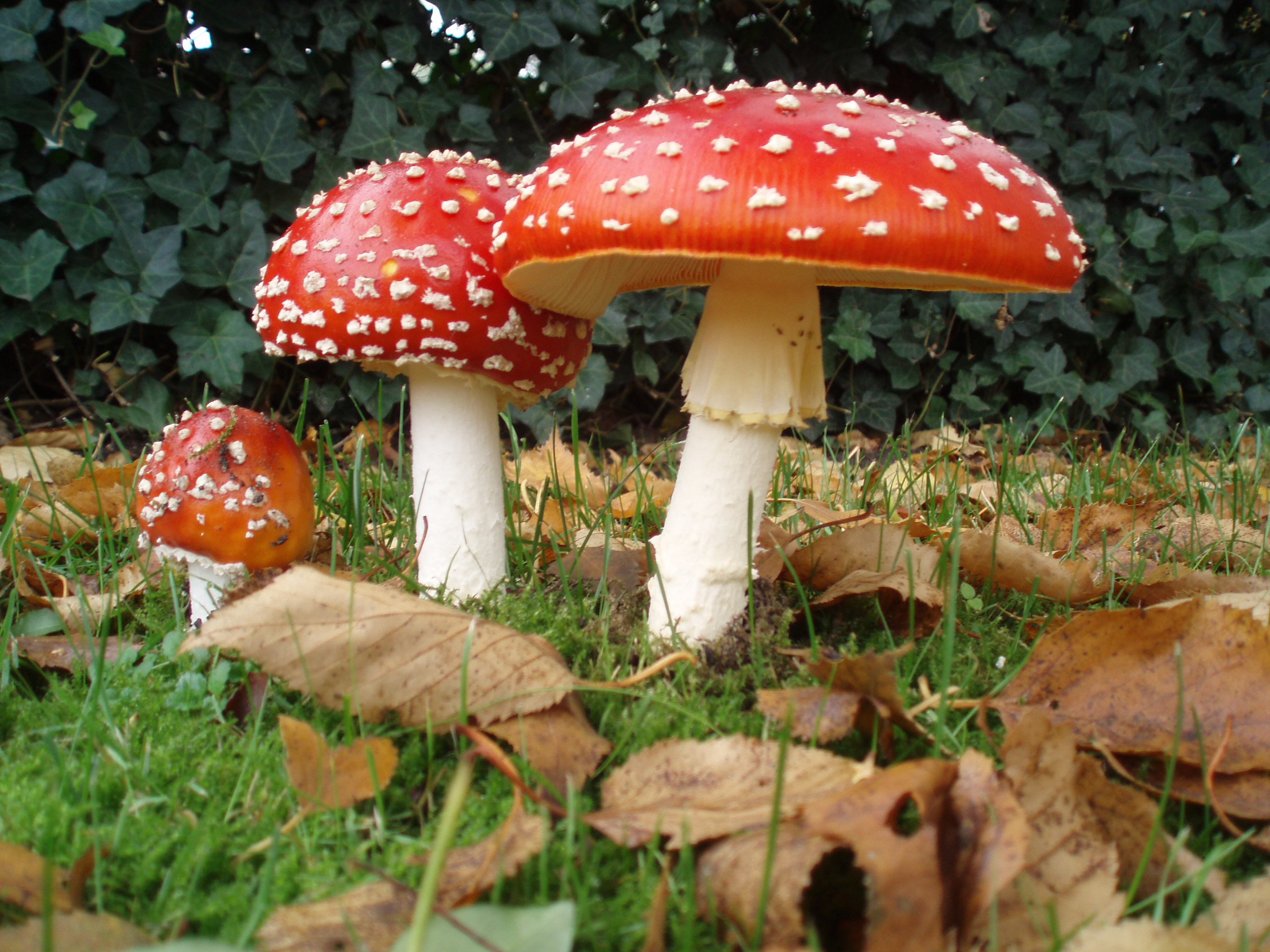
Naturally occurring sedative and hallucinogen
| Field | Value | |||
|---|---|---|---|---|
| Verifiedfields | verified | |||
| Watchedfields | verified | |||
| verifiedrevid | 410573320 | |||
| image | Muscimol chemical structure.svg | |||
| image_class | skin-invert-image | |||
| width | 200px | |||
| image2 | Muscimol structure ball and stick.png | |||
| image_class2 | bg-transparent | |||
| width2 | 185px | |||
| routes_of_administration | Oral, smoking | |||
| class | GABAA receptor agonist; Sedative; Hypnotic; Hallucinogen | |||
| ATC_prefix | None | |||
| legal_AU | S9 | |||
| legal_status | SE: Under investigation | |||
| Uncontrolled, in general | ||||
| bioavailability | Unknown | |||
| protein_bound | Unknown | |||
| metabolism | Transamination (via GABA-T) | |||
| onset | 0.5–2 hours (peak 1–3 hours) | |||
| elimination_half-life | Unknown | |||
| duration_of_action | 4–8 hours (but up to 24 hours) | |||
| excretion | Urine (partially unchanged) | |||
| CAS_number_Ref | ||||
| CAS_number | 2763-96-4 | |||
| PubChem | 4266 | |||
| IUPHAR_ligand | 4259 | |||
| DrugBank | DB12458 | |||
| ChemSpiderID_Ref | ||||
| ChemSpiderID | 4116 | |||
| UNII_Ref | ||||
| UNII | D5M179TY2E | |||
| KEGG_Ref | ||||
| KEGG | C08311 | |||
| ChEBI_Ref | ||||
| ChEBI | 7035 | |||
| ChEMBL_Ref | ||||
| ChEMBL | 273481 | |||
| synonyms | Agarin; Agarine; Pantherine; Pantherin; Pyroibotenic acid; β-Toxin; 5-Aminomethylisoxazol-3-ol; 3-Hydroxy-5-aminomethylisoxazole | |||
| IUPAC_name | 5-(aminomethyl)-1,2-oxazol-3-one | |||
| C | 4 | H=6 | N=2 | O=2 |
| SMILES | NCc1cc(no1)O | |||
| StdInChI_Ref | ||||
| StdInChI | 1S/C4H6N2O2/c5-2-3-1-4(7)6-8-3/h1H,2,5H2,(H,6,7) | |||
| StdInChIKey_Ref | ||||
| StdInChIKey | ZJQHPWUVQPJPQT-UHFFFAOYSA-N | |||
| melting_point | 184 | |||
| melting_high | 185 |
| Drugs.com =
Uncontrolled, in general
| elimination_half-life = Unknown
Muscimol, also known as agarin, pantherine, or pyroibotenic acid, is a GABAA receptor agonist with sedative and hallucinogenic effects and the principal psychoactive constituent of Amanita mushrooms such as Amanita muscaria (fly agaric) and Amanita pantherina (panther cap). It is a 3-hydroxyisoxazole alkaloid and is closely related structurally to the neurotransmitter γ-aminobutyric acid (GABA). The compound is widely used as a ligand and agonist of the GABAA receptor in scientific research. Muscimol is typically taken orally, but may also be smoked. Peak effects occur after 1 to 3hours orally and its duration is 4 to 8hours but up to 24hours.
The effects of muscimol in humans include central depression, sedation, sleep, cognitive and motor impairment, hallucinations, perceptual distortion, and muscle twitching, among others. Muscimol acts as a potent GABAA receptor full agonist. It is also a potent GABAA-ρ receptor partial agonist and a weak GABA reuptake inhibitor. The drug is inactive at the GABAB receptor but is a substrate of GABA transaminase (GABA-T). Muscimol mostly exerts its effects via GABAA receptor activation. It is very different from drugs like benzodiazepines and barbiturates as it is an orthosteric agonist of the GABAA receptor rather than an allosteric modulator. Unlike GABA, muscimol crosses the blood–brain barrier and hence is centrally active. Muscimol, which is also known chemically as 5-aminomethylisoxazol-3-ol, is a conformationally restrained analogue of GABA. The related compound and Amanita spp. constituent ibotenic acid is a prodrug of muscimol.
Muscimol was first isolated from Amanita muscaria and hence was discovered in 1964. It has been limitedly clinically studied as a potential pharmaceutical drug for a number of uses, such as treatment of epilepsy. In addition, analogues and derivatives of muscimol, such as the selective GABAA receptor agonist gaboxadol (THIP; LU-2-030) and the selective GABA reuptake inhibitor tiagabine (Gabitril), have been developed as pharmaceutical drugs. Muscimol and Amanita muscaria mushrooms have rarely been used as recreational drugs historically. By the mid-2020s however, use of these substances, including recreational use for hallucinogenic effects and microdosing for claimed therapeutic benefits, has become increasingly prominent. The most commonly cited therapeutic reason for their use is to improve sleep. Muscimol is not a controlled substance and is unregulated in most of the world, including in most of the United States and Europe.
Natural occurrence
The main natural sources of muscimol are fungi of the genus Amanita, such as Amanita muscaria (fly agaric) and Amanita pantherina (panther cap). It is produced in the mushrooms along with muscarine (which is present in trace amounts and it is not active), muscazone, and ibotenic acid. In Amanita muscaria, the layer just below the skin of the cap contains the highest amount of muscimol, and is therefore the most psychoactive portion.
Use and effects
The properties and effects of muscimol in humans have been limitedly assessed in clinical studies. It has been assessed in these studies at doses of 5 to 15mg orally. The oral threshold dose of muscimol is approximately 6mg, while the psychoactive dose range has been said to range from approximately 8 to 15mg. As little as 1g of dried Amanita muscaria button may contain this amount of muscimol, although the potency varies greatly among mushrooms. According to Jonathan Ott, a 15mg dose is "psychoptic" while a 20mg dose is "visionary". The onset of action of muscimol, via isolated muscimol or Amanita muscaria consumption orally, is between 30minutes and 2hours, with peak effects occurring after 1 to 3hours. The duration is 4 to 8hours, but some effects may persist for up to 24hours. In one publication, the effects of muscimol were described as follows:
: "Waser (1967) describes the effects of self-administration of 10–15 mg. of muscimol as '. . . intense hallucinations as with LSD were missing . . . there resulted considerable disturbances of psychic functions, such as orientation in space and time, visual perception, process of thinking, speech, and some new psychic phenomena of illusions and echo pictures'. Higher doses tended to produce severe intoxication in man, with painful muscular twitching, considerable agitation, and vivid hallucinations."
The effects of muscimol in humans in different studies have been found to include sedation, dizziness, incoordination, relaxation, reduced anxiety, mood improvement, sleep, rich dreaming, difficulty speaking, impaired attention, focus, and concentration, impaired learning, confusion, loss of appetite, stimulation, agitation, hallucinogenic effects, echo-like pseudohallucinations (visual and auditory, vivid hallucinations, psychosis, and delirium. At higher doses, coma, seizures, and death can occur. Physical effects of muscimol can include muscle twitching, flushing, slightly increased blood pressure, nausea, vomiting, abdominal pain, and diarrhea, among others. After-effects have been reported to include fatigue, inactivity, and headache and migraine. Muscimol can increase prolactin and growth hormone levels.
Muscimol is said to have similar effects on sleep in rodents as the related experimental pharmaceutical drug gaboxadol (THIP). In humans, gaboxadol decreases sleep onset latency, increases sleep duration, increases slow wave sleep (SWS) and slow wave activity (SWA), and does not suppress REM sleep. The effects of muscimol and gaboxadol on sleep differ from those of widely used GABAA receptor positive allosteric modulators like benzodiazepines and Z-drugs, which can instead disrupt SWS and SWA despite improving sleep onset and duration. Although muscimol and gaboxadol have similar effects on sleep, muscimol has additionally been found to increase REM sleep unlike gaboxadol.
Ibotenic acid, a prodrug of muscimol, is active at doses of approximately 20 to 100mg orally in humans. About 10 to 20% of ibotenic acid is said to be converted into muscimol following decarboxylation.
Toxicity and overdose
The toxicity and safety profile of muscimol has been studied in various contexts, both experimental and clinical. The median lethal dose (LD50) in mice is 3.8mg/kg s.c, 2.5mg/kg i.p. The LD50 in rats is 4.5mg/kg i.v, 45 mg/kg orally. A study on non-human primates indicated that muscimol, when administered in escalating doses, caused reversible hyperkinesia and dyskinesias at higher doses (up to 88.8 mM), but no long-term toxicity was observed on histological examination. Muscimol has shown potential as an anticonvulsant, blocking seizures induced by various agents in animal models without causing significant toxicity at therapeutic doses. Muscimol exhibits dose-dependent effects with higher doses leading to significant, but reversible, central nervous system symptoms. The dose of muscimol that is thought to be potentially fatal in humans is 90mg, which is 15times its threshold active dose of 6mg.
Interactions
The actions and effects of muscimol may be potentiated by benzodiazepines such as diazepam.
Pharmacology
Pharmacodynamics

Muscimol is a potent GABAA receptor full agonist, activating the receptor for the brain's principal inhibitory neurotransmitter, γ-aminobutyric acid (GABA). Muscimol binds to the same site on the GABAA receptor complex as GABA itself, unlike other GABAergic drugs such as barbiturates, benzodiazepines, and Z-drugs, which interact with separate allosteric sites. GABAA receptors are widely distributed in the brain, so when muscimol is administered, it alters neuronal activity in multiple regions including the cerebral cortex, hippocampus, and cerebellum. By mimicking GABA, muscimol activates these receptors, leading to the opening of chloride channels and subsequent hyperpolarization of neurons. This results in decreased neuronal excitability, which is crucial for maintaining the balance between excitation and inhibition in the central nervous system.
Muscimol shows relatively uniform effects on GABAA receptors of differing subunit compositions. However, it was found to act as a superagonist of extrasynaptic α4β3δ subunit-containing GABAA receptors ( = 120 to 140% relative to GABA). This was found to be due to reduced receptor desensitization with muscimol compared to GABA. Subsequent research has found that muscimol is a preferential agonist of the relatively small population of δ subunit-containing GABAA receptors and that these receptors have a substantial contribution to its effects. In contrast to muscimol, benzodiazepines and Z-drugs do not activate δ subunit-containing GABAA receptors. On the other hand, alcohol is known to selectively potentiate δ subunit-containing extrasynaptic GABAA receptors analogously to muscimol.
While muscimol is often thought of as a selective GABAA agonist with exceptionally high affinity to δ subunit-containing GABAA receptors, it is also a potent partial agonist of the GABAA-ρ receptor, and so its range of effects results from a combined action on more than one GABAA receptor subtype. In fact, it is more potent as a partial agonist of the GABAA-ρ receptor than as a GABAA receptor agonist. Muscimol has been said to be inactive at the GABAB receptor. However, a subsequent study reported that muscimol may have GABAB receptor-mediated inhibitory activity, although more research is needed to further characterize this activity. Muscimol is inactive in terms of affecting GABA transaminase (GABA-T). There is little evidence that muscimol interacts with other biological targets besides the GABA receptors and the GABA transporters.
In animals, muscimol produces central depression, sedation, analgesia, anxiolysis, anticonvulsant effects, neuroprotective effects, and anesthesia, among other effects. In rodent drug discrimination studies, muscimol and gaboxadol fully generalize between each other, but generalization between benzodiazepines like diazepam does not occur. These findings suggest that muscimol and gaboxadol have differing interoceptive effects from those of benzodiazepines. During a test involving rabbits connected to an EEG, muscimol presented with a distinctly synchronized EEG tracing. This is substantially different from serotonergic psychedelics like psilocybin, with which brainwave patterns generally show a desynchronization. In higher doses (2mg/kg via IV), the EEG will show characteristic spikes.
Pharmacokinetics
The pharmacokinetics of muscimol in humans have been very limitedly studied. Pharmacokinetic parameters such as bioavailability, volume of distribution, plasma protein binding, and elimination half-life are unavailable.
Absorption
Muscimol is readily absorbed in the gastrointestinal tract when taken orally.
Distribution
The brain tissue distribution of muscimol in rats has been studied. Muscimol rapidly enters and unevenly distributes in rat brain, especially in the substantia nigra, colliculi, and hypothalamus. Muscimol crosses the blood–brain barrier and hence is centrally active. This has been said to likely be mediated by active transport via the high-affinity GABA uptake system and other amino acid transporters. Although muscimol crosses the blood–brain barrier, it does so relatively poorly and far less readily than gaboxadol.
Metabolism
Muscimol is known to be metabolized via transamination by GABA transaminase (GABA-T). Ibotenic acid is a prodrug of muscimol via decarboxylation. However, it has been said that muscimol can also be converted back into ibotenic acid via glutamate decarboxylase. The metabolites of muscimol have not been identified, but might contribute to the toxicity of muscimol.
Elimination
Muscimol is excreted by the kidneys into urine. It is excreted partially unmetabolized. This has been taken advantage of by Siberian practitioners of the traditional entheogenic use of Amanita muscaria via recycling of muscimol in urine.
The elimination half-life of muscimol in humans is unknown. The closely related drug gaboxadol (THIP), which is a cyclized derivative of muscimol, has an elimination half-life in humans of 1.5 to 2hours. In rodents, the half-life of gaboxadol was about twice as long as that of muscimol. The drug is said to be more resistant to metabolism than muscimol, for instance not being a substrate for GABA-T.
Chemistry
Structure
Muscimol was first isolated from Amanita pantherina by Onda in 1964, and thought to be an amino acid or peptide. Structure was then elucidated by Takemoto, Eugster, and Bowden. Muscimol is a semi-rigid isoxazole containing both alcohol and aminomethyl substituents. Muscimol is commonly portrayed as a tautomer, where it adopts an amide-like configuration. It is also commonly shown as a zwitterion.
Properties
Muscimol is a zwitterion at physiological pH. Its predicted log P of –1.4 to –2.2. The drug's log P is similar to that of γ-aminobutyric acid (GABA).
Isolation
Muscimol can be extracted from the flesh of the Amanita muscaria by treatment with boiling water, followed by rapid cooling, and further treatment with a basic resin. This is washed with water, and eluted with acetic acid using column chromatography. The eluate is freeze dried, dissolved in water, and passed down a column of cellulose phosphate. A subsequent elution with ammonium hydroxide and recrystallization from alcohol results in pure muscimol.
In instances where pure muscimol is not required, such as recreational or spiritual use, a crude extract is often prepared by simmering dried Amanita muscaria in water for 30minutes.
Synthesis
Several chemical syntheses of muscimol have been published.
Analogues
Analogues of muscimol include γ-aminobutyric acid (GABA), ibotenic acid, dihydromuscimol, thiomuscimol, piperidine-4-sulphonic acid (P4S), gaboxadol (THIP), 4-AHP, 4-PIOL, isonipecotic acid, guvacine, isoguvacine, THPO, nipecotic acid, and tiagabine, among others. The structural requirements for GABAA receptor binding and activation are very strict, so relatively few high-efficacy GABAA receptor agonists are known.
History
Amanita muscaria has been used by humans as a psychoactive drug since ancient times. Muscimol was isolated from Amanita muscaria independently by three different research groups in 1964 and 1965. It was synthesized by Gagneux and colleagues in 1965. The chemical structure of muscimol, along with that of ibotenic acid, was published by Conrad Eugster at the University of Zurich in 1967.
Its structural similarity to the neurotransmitter γ-aminobutyric acid (GABA) was quickly recognized and muscimol was shown to have GABA-like actions by Graham Johnston and colleagues in 1968. Subsequently, its actions were shown to be reversed by the GABA receptor antagonist bicuculline in 1971.
The effects of muscimol in humans were studied and described by Waser in 1967. Later, ethnobotanist Jonathan Ott further described the effects of muscimol, via Amanita pantherina consumption, in 1976.
Danish medicinal chemist Povl Krogsgaard-Larsen and colleagues studied muscimol and synthetic analogues over several decades starting in the 1970s. Other GABAA receptor ligands, such as gaboxadol (THIP) and 4-PIOL, and GABA transporter modulators, such as nipecotic acid and tiagabine, have been derived from muscimol. Many muscimol analogues were developed by Krogsgaard-Larsen and colleagues.
Muscimol was encountered online as a novel designer drug in 2023.
Society and culture
Legal status
Muscimol is not a controlled substance and is unregulated in most of the world.
Australia
Muscimol is considered a Schedule 9 prohibited substance in Australia under the Poisons Standard (October 2015). A Schedule 9 substance is a substance "which may be abused or misused, the manufacture, possession, sale or use of which should be prohibited by law except when required for medical or scientific research, or for analytical, teaching or training purposes with approval of Commonwealth and/or State or Territory Health Authorities."
Poland
Muscimol and ibotenic acid are both considered as novel psychoactive substances in Poland as of 2024. Possessing or selling them is illegal.
United States
Neither Amanita muscaria nor muscimol is considered a controlled substance by the Federal government of the United States. The United States Food and Drug Administration (FDA) has deemed Amanita muscaria and its constituents, including muscimol, unapproved for conventional foods and is also evaluating their use in dietary supplements. Agriculture regulators in Florida actioned against one seller of Amanita products after the agency had determined such products were considered adulterated under state law.
Muscimol may be regulated on a state level. Louisiana State Act 159 banned the possession and cultivation of the Amanita muscaria except for ornamental or aesthetic purposes. Except as a constituent of lawfully manufactured food or dietary supplements, the act outlaws preparations of the Amanita muscaria intended for human consumption, including muscimol.
Research
Muscimol has been clinically studied for a number of potential medical uses. It was assessed in small clinical studies in the treatment of Huntington's disease, tardive dyskinesia, and schizophrenia in the 1970s but was not found to be useful for these indications. Another study evaluated muscimol in schizophrenics with tardive dyskinesia in 1992. Studies also assessed the biochemical effects of muscimol in humans in the late 1970s and early 1980s.
According to Povl Krogsgaard-Larsen, muscimol was too toxic and non-selective and as such was not developed for use as a pharmaceutical drug. Instead, the synthetic analogue gaboxadol (THIP), which was more selective and less toxic, was developed.
In 2019, a phase 1 clinical trial of muscimol for drug-resistant epilepsy was published. It has also been formally investigated for potential treatment of Alzheimer's disease and Parkinson's disease. A 2023 systematic review and meta-analysis of 22preclinical studies found that muscimol reduces neuropathic pain in animals, with effects beginning within 15minutes and lasting up to 3hours.
Muscimol has never been approved as a pharmaceutical drug for any use anywhere in the world.
References
References
- (20 October 2016). "Muscimol: Uses, Interactions, Mechanism of Action".
- (June 2005). "Fly agaric (Amanita muscaria) poisoning, case report and review". Toxicon.
- (2000). "Psychedelische Chemie Aspekte Psychoaktiver Moleküle". Nachtschatten-Verlag.
- (14 November 2014). "The Dictionary of Drugs: Chemical Data: Chemical Data, Structures and Bibliographies". Springer.
- (September 2024). "Classics in Chemical Neuroscience: Muscimol". ACS Chem Neurosci.
- (October 2014). "Muscimol as an ionotropic GABA receptor agonist". Neurochem Res.
- (February 2003). "Amanita muscaria: chemistry, biology, toxicology, and ethnomycology". Mycol Res.
- (1981). "Muscimol, a psychoactive constituent of Amanita muscaria, as a medicinal chemical model structure". Acta Chem Scand B.
- (1997). "GABAA and GABAB receptor agonists, partial agonists, antagonists and modulators: design and therapeutic prospects". European Journal of Pharmaceutical Sciences.
- (August 2002). "GABA(A) receptor ligands and their therapeutic potentials". Curr Top Med Chem.
- (October 2004). "GABA(A) agonists and partial agonists: THIP (Gaboxadol) as a non-opioid analgesic and a novel type of hypnotic". Biochem Pharmacol.
- (August 2013). "Gaboxadol, by Hamilton Morris".
- (2025). "Emerging Risks of Amanita Muscaria: Case Reports on Increasing Consumption and Health Risks". Acta Med Litu.
- (April 2023). "Reasons, Form of Ingestion and Side Effects Associated with Consumption of Amanita muscaria". Toxics.
- (September 2024). "Need for a Public Health Response to the Unregulated Sales of Amanita muscaria Mushrooms". Am J Prev Med.
- (1976). "Toxic metabolites of Amanita pantherina, A. cothurnata, A. muscaria and other Amanita species". Lloydia.
- (1978). "Mushroom Poisoning: Diagnosis and Treatment". CRC Press.
- (1975). "Hallucinogenic Agents". Wright-Scientechnica.
- (1967). "Ethnopharmacologic Search for Psychoactive Drugs". Raven Press.
- (August 2013). "Fungal hallucinogens psilocin, ibotenic acid, and muscimol: analytical methods and biologic activities". Ther Drug Monit.
- (2023). "Psychoactive Isoxazoles, Muscimol, and Isoxazole Derivatives from the Amanita (Agaricomycetes) Species: Review of New Trends in Synthesis, Dosage, and Biological Properties". Int J Med Mushrooms.
- (2014). "Encyclopedia of Toxicology".
- (1990). "New class of hallucinogens: GABA-enhancing agents". Drug Development Research.
- (February 2006). "Gaboxadol--a new awakening in sleep". Curr Opin Pharmacol.
- (March 2007). "Gaboxadol, a selective extrasynaptic GABA(A) agonist, does not generalise to other sleep-enhancing drugs: a rat drug discrimination study". Neuropharmacology.
- (June 2010). "Slow-wave sleep deficiency and enhancement: implications for insomnia and its management". World J Biol Psychiatry.
- (1996). "Pharmacotheon: Entheogenic Drugs, Their Plant Sources and History". Natural Products Company.
- (2025). "Exploring User Experiences with Amanita muscaria: A Thematic Analysis of Reddit Online Forum Discussions". Subst Use Misuse.
- (July 2024). "Psychoactive Amanitas Chemistry".
- (April 2010). "Image-guided convection-enhanced delivery of muscimol to the primate brain: Laboratory investigation". Journal of Neurosurgery.
- (June 1980). "Anticonvulsant effects of muscimol". Neurology.
- (December 2003). "Muscimol prevents NMDA antagonist neurotoxicity by activating GABAA receptors in several brain regions". Brain Research.
- (1999). "Muscimol". CRC Press.
- (April 2019). "Extrasynaptic δ-GABAA receptors are high-affinity muscimol receptors". J Neurochem.
- (March 2007). "Effect of short-term treatment with gaboxadol on sleep maintenance and initiation in patients with primary insomnia". Sleep.
- (July 2008). "GABA(A) receptors and alcohol". Pharmacology, Biochemistry, and Behavior.
- (May 2007). "Ethanol acts directly on extrasynaptic subtypes of GABAA receptors to increase tonic inhibition". Alcohol.
- (May 2008). "Physiology and pharmacology of alcohol: the imidazobenzodiazepine alcohol antagonist site on subtypes of GABAA receptors as an opportunity for drug development?". British Journal of Pharmacology.
- (August 1995). "Characterisation of delta-subunit containing GABAA receptors from rat brain". European Journal of Pharmacology.
- (October 2006). "GABAA receptor alpha 4 subunits mediate extrasynaptic inhibition in thalamus and dentate gyrus and the action of gaboxadol". Proceedings of the National Academy of Sciences of the United States of America.
- (April 1993). "Characterization of bicuculline/baclofen-insensitive (rho-like) gamma-aminobutyric acid receptors expressed in Xenopus oocytes. II. Pharmacology of gamma-aminobutyric acidA and gamma-aminobutyric acidB receptor agonists and antagonists". Molecular Pharmacology.
- (September 2000). "Presynaptic inhibition by muscimol through GABAB receptors". Eur J Neurosci.
- (2020). "Frontiers in Pharmacology of Neurotransmitters".
- (April 1985). "GABA and the behavioral effects of anxiolytic drugs". Life Sci.
- (January 1969). "Neuropharmacological investigations on muscimol, a psychotropic drug extracted from Amanita muscaria". Psychopharmacologia.
- (1979). "Distribution and metabolism of muscimol in the brain and other tissues of the rat". Neuropharmacology.
- (2001). "Addiction".
- (1983). "Effects of THIP on chronic anxiety". Psychopharmacology (Berl).
- (October 1982). "Relative disposition of the GABA agonists THIP and muscimol in the brain of the rat". J Pharm Pharmacol.
- (June 1964). "A Flycidal Constituent of Amanita pantherina (DC.) FR". Chemical & Pharmaceutical Bulletin.
- (1964). "イボテン酸の構造". Yakugaku Zasshi.
- (January 1965). "Wirkstoffe aus amanita muscaria: ibotensaeure und muscazon". Tetrahedron Letters.
- (June 1965). "Constituents of Amanita muscaria". Nature.
- (December 1997). "Structural features of muscimol, a potent GABAA receptor agonist, crystal structure and quantum chemicalab initio calculations". Structural Chemistry.
- (July 1992). "An Improved Synthesis of Muscimol". Synthetic Communications.
- "Muscimol".
- (April 1990). "The role of the blood-brain barrier in movement disorders". Clin Neuropharmacol.
- "Cellulose Phosphate: Product Information".
- (1965). "A novel constituent of Amanita muscaria". Tetrahedron Letters.
- (July 2024). "Amanita muscaria Preparation for Beginners". Erowid }}{{self-published inline.
- (January 1965). "Synthesis of pantherine (agarin)". Tetrahedron Letters.
- (1986). "A convenient synthesis of muscimol by a 1,3-dipolar cycloaddition reaction". Tetrahedron Letters.
- (1968). "The synthesis of pantherine and related compounds". Journal of the Chemical Society C: Organic.
- (January 1981). "A facile synthesis of muscimol". Tetrahedron Letters.
- (2016). "Synthesis and Pharmacological Evaluation of Amidine Containing GABAA Receptor Agonists".
- (2006). "GABA(A) agonists and partial agonists: THIP (Gaboxadol) as a non-opioid analgesic and a novel type of hypnotic".
- Krogsgaard-Larsen, Povl. (2018). "Reference Module in Biomedical Sciences". Elsevier.
- Hall, A. H., & Hall, P. K. (1994). Ibotenic acid/muscimol-containing mushrooms. In Handbook of Mushroom Poisoning—Diagnosis and Treatment (pp. 265-278). CRC Press, Boca Raton. https://books.google.com/books?id=WPWsZNvOqVAC&pg=PA265
- (1967). "Zur Nomenklatur der neuen Verbindungen aus Amanita -Arten". Helvetica Chimica Acta.
- "Conrad Eugster".
- (December 1968). "Central actions of ibotenic acid and muscimol". Biochem Pharmacol.
- (September 1971). "Bicuculline, an antagonist of GABA and synaptic inhibition in the spinal cord of the cat". Brain Res.
- (1976). "Psycho-Mycological Studies Of Amanita – From Ancient Sacrament To Modern Phobia". Journal of Psychedelic Drugs.
- "Мусцимол (Muscimol)".
- (October 2015). "Poisons Standard". The Government of Australia.
- "Rozporządzenie Ministra Zdrowia z dnia 30 kwietnia 2025 r. zmieniające rozporządzenie w sprawie wykazu substancji psychotropowych, środków odurzających oraz nowych substancji psychoaktywnych".
- (December 18, 2024). "FDA Alerts Industry and Consumers About Use of Amanita muscaria or Its Constituents in Food". FDA.
- (May 31, 2023). "Mood-altering mushroom sales bloom despite safety concerns".
- "Louisiana Act No 159".
- (October 1980). "Physiological and behavioral studies with muscimol". Neurochem Res.
- (1977). "Huntington's disease: treatment with muscimol, a GABA-mimetic drug". Trans Am Neurol Assoc.
- (September 1978). "Huntington's disease: treatment with muscimol, a GABA-mimetic drug". Ann Neurol.
- (June 1978). "Muscimol: GABA agonist therapy in schizophrenia". Am J Psychiatry.
- (May 1979). "Improvement in tardive dyskinesia after muscimol therapy". Arch Gen Psychiatry.
- Chase, N., & Tamminga, C. A. (1979). Muscimol therapy of hyperkinetic extpapyramidal disorders Thomas. ''Brain Research Bulletin'', ''4''(5), 700. https://scholar.google.com/scholar?cluster=11103420926788228270
- Tamminga, C. A., & Chase, T. N. (1979). GABA agonist effect on cognitive dysfunction in schizophrenic subjects. ''Brain Research Bulletin'', ''4''(5), 708. https://scholar.google.com/scholar?cluster=12333477908462637709
- (August 1992). "GABA agonist-induced changes in motor, oculomotor, and attention measures correlate in schizophrenics with tardive dyskinesia". Biol Psychiatry.
- (December 1978). "Stimulation of prolactin and growth hormone secretion by muscimol, a gamma-aminobutyric acid agonist". J Clin Endocrinol Metab.
- (January 1982). "Effects of gamma aminobutyric acid (GABA) and muscimol on endocrine pancreatic function in man". Metabolism.
- (September 1983). "Plasma growth hormone and prolactin response to dopaminergic GABAmimetic and cholinergic stimulation in Huntington's disease". Neurology.
- (9 January 2018). "A Fungal Fairy Tale". [[Vice Media]].
- (September 2016). "Antiepileptic drugs in development pipeline: A recent update". eNeurologicalSci.
- (July 2019). "Convection-Enhanced Delivery of Muscimol in Patients with Drug-Resistant Epilepsy". Neurosurgery.
- (27 September 2025). "Delving into the Latest Updates on Muscimol with Synapse".
- (2020). "Frontiers in Pharmacology of Neurotransmitters". Springer Singapore.
- (2023). "Muscimol as a treatment for nerve injury-related neuropathic pain: A systematic review and meta-analysis of preclinical studies". The Korean Journal of Pain.
This article was imported from Wikipedia and is available under the Creative Commons Attribution-ShareAlike 4.0 License. Content has been adapted to SurfDoc format. Original contributors can be found on the article history page.
Ask Mako anything about Muscimol — get instant answers, deeper analysis, and related topics.
Research with MakoFree with your Surf account
Create a free account to save articles, ask Mako questions, and organize your research.
Sign up freeThis content may have been generated or modified by AI. CloudSurf Software LLC is not responsible for the accuracy, completeness, or reliability of AI-generated content. Always verify important information from primary sources.
Report