From Surf Wiki (app.surf) — the open knowledge base
Mourning wheatear
Species of bird
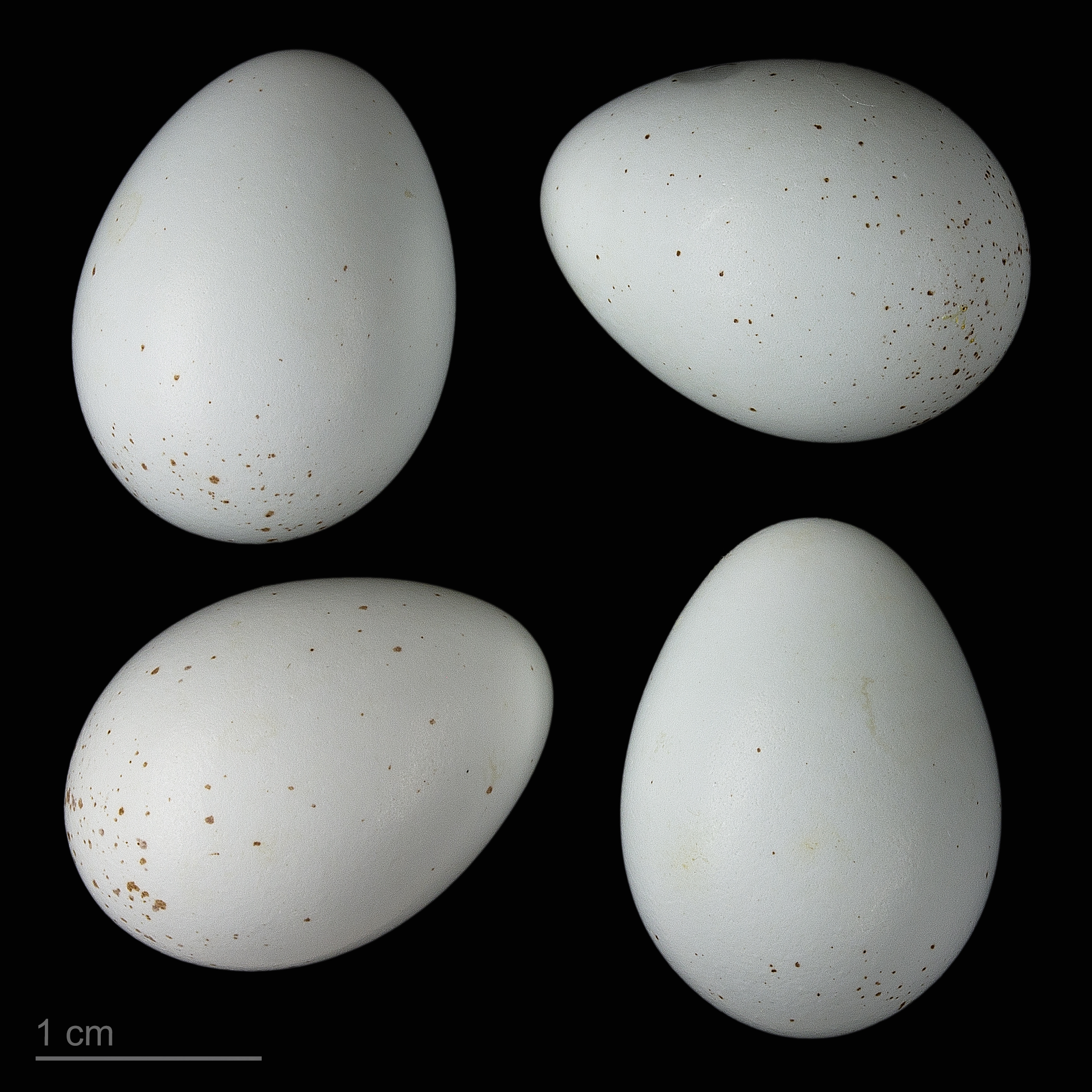
Species of bird
The mourning wheatear (Oenanthe lugens) is a bird, one of 14 species of wheatear found in northern Africa and the Middle East. It is a small passerine in a group formerly classed as members of the thrush family Turdidae, but now more generally considered to be part of the Old World flycatcher family Muscicapidae.
Taxonomy
The mourning wheatear was formally described in 1823 as Saxicola lugens by the German naturalist Hinrich Lichtenstein based on a specimen collected in Nubia. The specific epithet is from Latin lugens, lugentis meaning "mourning". The mourning wheatear is now one of around thirty wheatears placed in the genus Oenanthe that was introduced in 1816 by the French ornithologist Louis Pierre Vieillot.
Four subspecies are recognised.
- O. l. halophila (Tristram, HB, 1859) – northern Sahara (eastern Morocco to northern Libya and northwestern Egypt)
- O. l. lugens (Lichtenstein, MHC, 1823) – Egypt (east of the Nile) to Israel, Syria, Jordan, and northern Iraq
- O. l. persica (Seebohm, H, 1881) – breeds southern Iran; wanders to southern Egypt, northern Sudan, and southern Israel
- O. l. warriae Shirihai, H & Kirwan, GM, 2011 – basalt desert of eastern Jordan and southern Syria
The subspecies O. l. halophila has sometimes been treated as a separate species, the Maghreb wheatear and the subspecies O. l. warriae has been treated as a separate species, the basalt wheatear. As the differences in mitochondrial DNA sequences are relatively modest, the two taxa are treated by AviList as subspecies.
Description
The mourning wheatear measures 14–16 cm in length and weighs between 19–25 g. It is characterized by its striking black-and-white plumage. Both males and females share a similar appearance, featuring a white crown, nape, chest, and belly that contrast with the black head and neck, which extend to the black back. The tail is predominantly white, marked by a black stripe at the tip and a central black intrusion forming an inverted "T" pattern, a characteristic feature of wheatears. While the wings appear entirely black when at rest, they reveal white bases on the flight feathers during flight, creating a distinct white "flag" along the wing. It shows only a subtle sexual dimorphism, with the females sporting more subtle plumage. The basalt wheatear, subspecies O. l. warriae, differs from the nominate is having mainly black plumage except for white undertail coverts and a small white patch on the rump. The plumage of the adult female is less black and more brown in colour. The Maghreb wheatear, subspecies O. l. halophila, shows strong sexual dimorphism with the female having grey-brown plumage rather than the black and white of the male.
Distribution and habitat
The mourning wheatear is native to semi-desert areas of the Middle East, from eastern Egypt to Iran. It is primarily found in desert habitats, favoring environments with caves for shelter, rocky slopes, valleys, screes, cliffs, ravines, dry barren wadis, ridges, and flat plains. It occasionally visits villages, lowlands, wastelands, and cultivated fields. The species is typically observed at altitudes ranging from 1000 to.
Conservation status
The species has a wide distribution range, stable population trends, and is presumed to have a large population, although precise estimates have not been conducted. As a result, it is classified as "Least Concern" by the International Union for Conservation of Nature (IUCN).
Gallery
Basalt_wheatear,_Oenanthe_warriae,_Lior_Kislev_1.jpg |Basalt wheatear (O. l. warriae), Arabah, Israel Maghreb wheatear (Oenanthe halophila) Kebili.jpg|Maghreb wheatear (O. l. halophila), Tunisia
References
References
- BirdLife International. (2019). "''Oenanthe lugens''".
- Lichtenstein, Hinrich. (1823). "Verzeichniss der Doubletten des Zoologischen Museums der Königl. Universität zu Berlin : nebst Beschreibung vieler bisher unbekannter Arten von Säugethieren, Vögeln, Amphibien und Fischen". T. Trautwein.
- (1964). "Check-List of Birds of the World". Museum of Comparative Zoology.
- Jobling, James A.. "lugens". Cornell Lab of Ornithology.
- AviList Core Team. (2025). "AviList: The Global Avian Checklist, v2025".
- (2011). "A new taxon in the Mourning Wheatear ''Oenanthe lugens'' complex". Journal of the British Ornithologists' Club.
- (February 2025). "Chats, Old World flycatchers". International Ornithologists' Union.
- (2013). "Phylogeny of the ''Oenanthe lugens'' complex (Aves, Muscicapidae: Saxicolinae): Paraphyly of a morphologically cohesive group within a recent radiation of open-habitat chats". Molecular Phylogenetics and Evolution.
- Collar, N.J.. (2005). "Handbook of the Birds of the World". Lynx Edicions.
- Collar, Nigel. (2020). "Mourning Wheatear (''Oenanthe lugens'')".
- "Mourning Wheatear (''Oenanthe lugens'')". BirdLife International.
This article was imported from Wikipedia and is available under the Creative Commons Attribution-ShareAlike 4.0 License. Content has been adapted to SurfDoc format. Original contributors can be found on the article history page.
Ask Mako anything about Mourning wheatear — get instant answers, deeper analysis, and related topics.
Research with MakoFree with your Surf account
Create a free account to save articles, ask Mako questions, and organize your research.
Sign up freeThis content may have been generated or modified by AI. CloudSurf Software LLC is not responsible for the accuracy, completeness, or reliability of AI-generated content. Always verify important information from primary sources.
Report