From Surf Wiki (app.surf) — the open knowledge base
Mother's Day
Celebration honouring mothers
Celebration honouring mothers
| Field | Value |
|---|---|
| holiday_name | Mother's Day |
| image | William-Adolphe Bouguereau (1825-1905) - Maternal Admiration (1869).jpg |
| caption | Maternal Admiration, painted by William-Adolphe Bouguereau |
| type | worldwide |
| observedby | 40+ countries |
| significance | Honors mothers and motherhood |
| date | Varies per country |
| duration | 1 day |
| frequency | Annual |
| relatedto |
Mother's Day is a celebration honoring the mother of the family or individual, as well as motherhood, maternal bonds, and the influence of mothers in society. It is celebrated on different days in many parts of the world, most commonly in March or May. It complements similar celebrations honoring family members, such as Father's Day, Siblings Day, and Grandparents' Day.
Countries around the world have a multi-century history of a day to celebrate mothers.
In the United States, the modern version of the holiday began in the early 20th century at the initiative of Anna Jarvis. She organized the first Mother's Day service of worship and celebration at Andrews Methodist Episcopal Church in Grafton, West Virginia, which serves as the International Mother's Day Shrine today. It is not directly related to the many traditional celebrations of mothers and motherhood that have existed throughout the world over thousands of years, such as the Greek cult to Cybele, the mother deity Rhea, the Roman festival of Hilaria, or the other Christian ecclesiastical Mothering Sunday celebration (associated with the image of Mother Church). However, in some countries, Mother's Day is still synonymous with these older traditions.{{citation | access-date = 2023-05-08 | access-date = 2023-05-08 | access-date = 2023-05-08 The American version of Mother's Day has been criticized for having become too commercialized. Jarvis herself, who began the celebration as a liturgical observance, regretted this commercialism and expressed that this was never her intention. In response, Constance Adelaide Smith successfully advocated for Mothering Sunday as a commemoration of a broader definition of motherhood in many other parts of the English-speaking world.
Establishment of holiday
Main article: Mother's Day (United States)#History
The modern holiday was first celebrated in 1907, when Anna Jarvis held the first Mother's Day service of worship at Andrews Methodist Episcopal Church in Grafton, West Virginia. Andrew's Methodist Church now holds the International Mother's Day Shrine. Her campaign to make Mother's Day a recognized holiday in the United States began in 1905, the year her mother, Ann Reeves Jarvis, died. Ann Jarvis had been a peace activist who cared for wounded soldiers on both sides of the American Civil War, and created Mother's Day Work Clubs to address public health issues. She and another peace activist and suffragist, Julia Ward Howe, had been urging for the creation of a "Mother's Day For Peace" where mothers would ask that their husbands and sons were no longer killed in wars. Forty years before it became an official holiday, Ward Howe had made her Mother's Day Proclamation in 1870, which called upon mothers of all nationalities to band together to promote the "amicable settlement of international questions, the great and general interests of peace." Anna Jarvis wanted to honor this and to set aside a day to honor all mothers because she believed a mother is "the person who has done more for you than anyone in the world".
In 1908, the U.S. Congress rejected a proposal to make Mother's Day an official holiday, joking that they would also have to proclaim a "Mother-in-law's Day". However, owing to the efforts of Anna Jarvis, by 1911 all U.S. states observed the holiday, with some of them officially recognizing Mother's Day as a local holiday (the first being West Virginia, Jarvis' home state, in 1910). In 1914, Woodrow Wilson signed a proclamation designating Mother's Day, held on the second Sunday in May, as a national holiday to honor mothers.
Although Jarvis, who started Mother's Day as a liturgical service, was successful in founding the celebration, she became resentful of the commercialization of the holiday, and it became associated with the phrase "Hallmark holiday". By the early 1920s, Hallmark Cards and other companies had started selling Mother's Day cards. Jarvis believed that the companies had misinterpreted and exploited the idea of Mother's Day, and that the emphasis of the holiday was on sentiment, not profit. As a result, she organized boycotts of Mother's Day and threatened to issue lawsuits against the companies involved. Jarvis argued that people should appreciate and honor their mothers through handwritten letters expressing their love and gratitude, instead of buying gifts and pre-made cards. Jarvis protested at a candy makers' convention in Philadelphia in 1923, and at a meeting of American War Mothers in 1925. By this time, carnations had become associated with Mother's Day, and the selling of carnations by the American War Mothers to raise money angered Jarvis, who was arrested for disturbing the peace.
In Britain, Constance Adelaide Smith was inspired to advocate for Mothering Sunday, an already-existing Christian ecclesiastical celebration in which the faithful visit the church in which they received the sacrament of baptism, as an equivalent celebration. She referred to medieval traditions of celebrating Mother Church, 'mothers of earthly homes', Mary, mother of Jesus, and Mother Nature. Her efforts were successful in the British Isles and other parts of the English-speaking world.
Spelling
In 1912, Anna Jarvis trademarked the phrase "Second Sunday in May, Mother's Day, Anna Jarvis, Founder", and created the Mother's Day International Association.Compare footnote 51 in {{cite book | url-access = registration | access-date = 28 April 2016 She specifically noted that "Mother's" should "be a singular possessive, for each family to honor its own mother, not a plural possessive commemorating all mothers in the world." This is also the spelling used by U.S. President Woodrow Wilson in his 1914 presidential proclamation, by the U.S. Congress in relevant bills, and by various U.S. presidents in their proclamations concerning Mother's Day.Presidential proclamations from The American Presidency Project:
- 71 – Proclamation 2083 – Mother's Day Proclamation, Franklin D. Roosevelt, 3 May 1934.
- Proclamation 3535 Mother's Day, 1963 John F. Kennedy, 26 April 1963.
- Proclamation 3583 – Mother's Day, 1964 Lyndon B. Johnson, 23 April 1964
- Proclamation 4437 – Mother's Day, 1976, Gerald Ford, 5 May 1976.
- Proclamation 5801 – Mother's Day, 1988 , Ronald Reagan, 26 April 1988.
- Proclamation 6133 – Mother's Day, 1990, George Bush, 10 May 1990
- Proclamation 6559 – Mother's Day, 1993, Bill Clinton, 7 May 1993.
- Proclamation 8253 – Mother's Day, 2008, George W. Bush, 8 May 2008.
Dates around the world
While the United States holiday was adopted by some other countries, existing celebrations, held on different dates, honoring motherhood have become described as "Mother's Day", such as Mothering Sunday in the United Kingdom or, in Greece, the Eastern Orthodox celebration of the presentation of Jesus Christ to the temple (2 February of Julian Calendar). Both the secular and religious Mother Day are present in Greece. Mothering Sunday is often referred to as "Mother's Day" even though it is an unrelated celebration.
In some countries, the date adopted is one significant to the majority religion, such as Virgin Mary Day in Catholic countries. Other countries selected a date with historical significance. For example, Bolivia's Mother's Day is a fixed date, May 27, commemorating a battle in which women participated to defend their children.
Some countries, such as Russia, celebrate International Women's Day instead of Mother's Day or simply celebrate both holidays, which is the custom in Ukraine. Kyrgyzstan has recently introduced Mother's Day, but "year on year International Women's Day is certainly increasing in status".
| Dates in various countries | Gregorian calendar | Occurrence | Dates | Country | Hebrew calendar | Occurrence | Equivalent Gregorian dates | Country | Hindu calendar | Occurrence | Equivalent Gregorian dates | Country | Islamic calendar | Occurrence | Equivalent Gregorian dates | Country | Vietnamese calendar | Occurrence | Equivalent Gregorian dates | Country |
|---|---|---|---|---|---|---|---|---|---|---|---|---|---|---|---|---|---|---|---|---|
| 14 June | ||||||||||||||||||||
| Third Sunday of September | September | |||||||||||||||||||
| Kazakhstan | ||||||||||||||||||||
| 20 October | Vietnam (Vietnamese Women's Day) | |||||||||||||||||||
| 30 Shevat | Between 30 January and 1 March | |||||||||||||||||||
| 2022 = 12 February 2021 | ||||||||||||||||||||
| 1 February 2022 | ||||||||||||||||||||
| 21 February 2023 | 2023 = 1 February 2022 | |||||||||||||||||||
| 21 February 2023 | ||||||||||||||||||||
| 9 February 2024 | 2024 = 21 February 2023 | |||||||||||||||||||
| 9 February 2024 | ||||||||||||||||||||
| 28 February 2025 | 2025 = 9 February 2024 | |||||||||||||||||||
| 28 February 2025 | ||||||||||||||||||||
| 17 February 2026 | 2026 = 28 February 2025 | |||||||||||||||||||
| 17 February 2026 | ||||||||||||||||||||
| 7 February 2027 | 2027 = 17 February 2026 | |||||||||||||||||||
| 7 February 2027 | ||||||||||||||||||||
| 27 February 2028 | 2028 = 7 February 2027 | |||||||||||||||||||
| 27 February 2028 | ||||||||||||||||||||
| 15 February 2029 | 2029 = 27 February 2028 | |||||||||||||||||||
| 15 February 2029 | ||||||||||||||||||||
| 3 February 2030 | 2030 = 15 February 2029 | |||||||||||||||||||
| 3 February 2030 | ||||||||||||||||||||
| 23 February 2031 | 2031 = 3 February 2030 | |||||||||||||||||||
| 23 February 2031 | ||||||||||||||||||||
| 12 February 2032 | 2032 = 23 February 2031 | |||||||||||||||||||
| 12 February 2032 | ||||||||||||||||||||
| 30 January 2033 | 2033 = 12 February 2032 | |||||||||||||||||||
| 30 January 2033 | ||||||||||||||||||||
| 19 February 2034 | 2034 = 30 January 2033 | |||||||||||||||||||
| 19 February 2034 | ||||||||||||||||||||
| 9 February 2035 | 2035 = 19 February 2034 | |||||||||||||||||||
| 9 February 2035 | ||||||||||||||||||||
| 28 February 2036 | ||||||||||||||||||||
| Between 19 April and 19 May | ||||||||||||||||||||
| 20 Jumada al-Thani | {{#switch: | 2022 = 3 February 2021 | ||||||||||||||||||
| 22 January 2022 | ||||||||||||||||||||
| 13 January 2023 | 2023 = 22 January 2022 | |||||||||||||||||||
| 13 January 2023 | ||||||||||||||||||||
| 2 January 2024 | ||||||||||||||||||||
| 22 December 2024 | 2024 = 13 January 2023 | |||||||||||||||||||
| 2 January 2024 | ||||||||||||||||||||
| 22 December 2024 | ||||||||||||||||||||
| 11 December 2025 | 2025 = 2 January 2024 | |||||||||||||||||||
| 22 December 2024 | ||||||||||||||||||||
| 11 December 2025 | ||||||||||||||||||||
| 30 November 2026 | 2026 = 11 December 2025 | |||||||||||||||||||
| 30 November 2026 | ||||||||||||||||||||
| 19 November 2027 | 2027 = 30 November 2026 | |||||||||||||||||||
| 19 November 2027 | ||||||||||||||||||||
| 7 November 2028 | 2028 = 19 November 2027 | |||||||||||||||||||
| 7 November 2028 | ||||||||||||||||||||
| 28 October 2029 | 2029 = 7 November 2028 | |||||||||||||||||||
| 28 October 2029 | ||||||||||||||||||||
| 18 October 2030 | 2030 = 28 October 2029 | |||||||||||||||||||
| 18 October 2030 | ||||||||||||||||||||
| 7 October 2031 | 2031 = 18 October 2030 | |||||||||||||||||||
| 7 October 2031 | ||||||||||||||||||||
| 25 September 2032 | 2032 = 7 October 2031 | |||||||||||||||||||
| 25 September 2032 | ||||||||||||||||||||
| 14 September 2033 | 2033 = 25 September 2032 | |||||||||||||||||||
| 14 September 2033 | ||||||||||||||||||||
| 3 September 2034 | 2034 = 14 September 2033 | |||||||||||||||||||
| 3 September 2034 | ||||||||||||||||||||
| 24 August 2035 | 2035 = 3 September 2034 | |||||||||||||||||||
| 24 August 2035 | ||||||||||||||||||||
| 13 August 2036 | ||||||||||||||||||||
| 15th day of seventh month | Between 6 August and 6 September | 2022 = 22 August 2021 | ||||||||||||||||||
| 12 August 2022 | ||||||||||||||||||||
| 30 August 2023 | 2023 = 12 August 2022 | |||||||||||||||||||
| 30 August 2023 | ||||||||||||||||||||
| 18 August 2024 | 2024 = 30 August 2023 | |||||||||||||||||||
| 18 August 2024 | ||||||||||||||||||||
| 6 September 2025 | 2025 = 18 August 2024 | |||||||||||||||||||
| 6 September 2025 | ||||||||||||||||||||
| 29 June 2026 | 2026 = 6 September 2025 | |||||||||||||||||||
| 29 June 2026 | ||||||||||||||||||||
| 19 June 2027 | 2027 = 29 June 2026 | |||||||||||||||||||
| 19 June 2027 | ||||||||||||||||||||
| 7 June 2028 | 2028 = 19 June 2027 | |||||||||||||||||||
| 7 June 2028 | ||||||||||||||||||||
| 27 May 2029 | 2029 = 7 June 2028 | |||||||||||||||||||
| 27 May 2029 | ||||||||||||||||||||
| 16 May 2030 | 2030 = 27 May 2029 | |||||||||||||||||||
| 16 May 2030 | ||||||||||||||||||||
| 6 May 2031 | 2031 = 16 May 2030 | |||||||||||||||||||
| 6 May 2031 | ||||||||||||||||||||
| 24 May 2032 | 2032 = 6 May 2031 | |||||||||||||||||||
| 24 May 2032 | ||||||||||||||||||||
| 14 May 2033 | 2033 = 24 May 2032 | |||||||||||||||||||
| 14 May 2033 | ||||||||||||||||||||
| 3 May 2034 | 2034 = 14 May 2033 | |||||||||||||||||||
| 3 May 2034 | ||||||||||||||||||||
| 24 March 2035 | 2035 = 3 May 2034 | |||||||||||||||||||
| 24 March 2035 | ||||||||||||||||||||
| 12 March 2036 |
International history and tradition


In most countries, Mother's Day is an observance derived from the holiday as it has evolved in the United States, promoted by companies who saw benefit in making it popular. As adopted by other countries and cultures, the holiday has different meanings, is associated with different events (religious, historical or legendary), and is celebrated on different dates.
In some cases, countries already had existing celebrations honoring motherhood, and their celebrations then adopted several external characteristics from the US holiday, such as giving carnations and other presents to one's mother.
The extent of the celebrations varies greatly. In some countries, it is potentially offensive to one's mother not to mark Mother's Day. In others, it is a little-known festival celebrated mainly by immigrants, or covered by the media as a taste of foreign culture.
Religion
In certain traditional branches of Christianity, the holiday is strongly associated with revering the Virgin Mary. In some Catholic, Lutheran and Anglican homes, families have a special shrine on their home altar devoted to the Blessed Virgin Mary. In many Eastern Catholic and Eastern Orthodox Churches, a special prayer service is held in honor of the Theotokos Virgin Mary.
In Islam, special attention is paid to mothers. The Prophet Muhammad said in this regard: ″The Paradise is beneath mother's feet″ Also there is no concept of Mother's Day in Islam, but the Quran teaches that children should give priority to loving their mother over their father.
Quran the holy book of Muslims has mentioned the status and respect of Mother in many verses: Surah Al-Isra, verse 23, Al-Ahqaf, verse 15, Luqman, verse 14 and Al-Baqarah, verse 233, is one of them.
In Hindu tradition, Mother's Day is called "Mata Tirtha Aunshi" or "Mother Pilgrimage fortnight", and is celebrated in countries with a Hindu population, especially in Nepal, where mothers are honored with special foods. The holiday is observed on the new moon day in the month of Baisakh, i.e., April/May. This celebration is based on the Hindu religion and it pre-dates the creation of the US-inspired celebration by at least a few centuries.
In Buddhism, the festival of Ullambana is derived from the story of Maudgalyayana and his mother.
By country
Albania
In Albania, as in a number of Balkan and Eastern European countries, Mother's Day is celebrated on 8 March, in conjunction with International Women's Day.
Arab world
Mother's Day in most Arab countries is celebrated on 21 March. It was introduced in Egypt by journalist Mustafa Amin and was first celebrated in 1956. The practice has since been adopted by other Arab countries.
Argentina
In Argentina, Mother's Day is celebrated on the third Sunday of October. The holiday was originally celebrated on 11 October, the old liturgical date for the celebration of the Maternity of the Blessed Virgin Mary but after the Second Vatican Council, which moved the Virgin Mary festivity to 1 January, the Mother's Day started to be celebrated the third Sunday of October because of popular tradition. Argentina is the only country in the world that celebrates Mother's Day on this date.
Armenia
In Armenia, Mother's Day is celebrated on 8 March, and on 7 April as Maternity and Beauty Day.
Australia
In Australia, Mother's Day is celebrated on the second Sunday in May. Australia celebrated Mother’s Day for the first time in 1910 with special church services, however, it was not popularly observed until the 1920s. Because it is autumn in Australia for Mother’s Day, and carnations are a spring flower, white chrysanthemums are the traditional Mother’s Day flower in Australia.
Bangladesh
There is no historical tradition of celebrating Mother's Day () in Bangladesh, and it has become popular in the country due to western influences. It is celebrated on the second Sunday of May and is not a public holiday. Mother's Day was not very popular and in recent times it has been spread more widely by the Millennial and Generation Z communities across the country through social media. Although many religious families do not celebrate it, it is more widespread than ever before. There is a popular phrase used by many parents, including mothers, which is "Every day is Father's/Mother's Day so you will love your parents every day." Most people just wish or pray for their mother, but many from big cities like Dhaka, Chittagong, Khulna, Sylhet, Barishal, Narayangonj, Bogura etc. go to restaurants to celebrate, many also cut cakes. Many others cut cakes at home or order meals online. Some children may give small gifts to their mothers.
Belarus
Belarus celebrates Mother's Day on 14 October. Like other ex-Communist republics, Belarus used to celebrate only International Women's Day on 8 March. Mother's Day in Belarus was officially established by the Belarusian government, and it was celebrated for the first time in 1996. The celebration of the Virgin Mary (the holiday of Protection of the Holy Mother of God) is celebrated on the same day.
Bhutan
Mother's Day in Bhutan is celebrated on 8 May. It was introduced in Bhutan by the Tourism Council of Bhutan.
Belgium
In Belgium, Mother's Day (Moederdag or Moederkesdag in Dutch and Fête des Mères in French) is celebrated on the second Sunday of May. In the week before this holiday children make little presents at primary school, which they give to their mothers in the early morning of Mother's Day. Typically, the father will buy croissants and other sweet breads and pastries and bring these to the mother while she is still in bed – the beginning of a day of pampering for the mother. There are also many people who celebrate Mother's Day on 15 August instead; these are mostly people around Antwerp, who consider that day (Assumption) the classical Mother's Day and the observance in May an invention for commercial reasons. It was originally established on that day as the result of a campaign by Frans Van Kuyck, a painter and Alderman from Antwerp.
Bolivia
In Bolivia, Mother's Day is celebrated on 27 May. El Día de la Madre Boliviana was passed into law on 8 November 1927, during the presidency of Hernando Siles Reyes. The date commemorates the Battle of La Coronilla, which took place on 27 May 1812, during the Bolivian War of Independence, in what is now the city of Cochabamba. In this battle, women fighting for the country's independence were slaughtered by the Spanish army. It is not a public holiday, but all schools hold activities and festivities throughout the day.Sources for Bolivia:
Brazil
In Brazil, Mother's Day is celebrated on the second Sunday of May. The first Mother's Day in Brazil was promoted by Associação Cristã de Moços de Porto Alegre (Young Men's Christian Association of Porto Alegre) on 12 May 1918. In 1932, then President Getúlio Vargas made the second Sunday of May the official date for Mother's Day. In 1947, Archbishop Jaime de Barros Câmara, Cardinal-Archbishop of Rio de Janeiro, decided that this holiday would also be included in the official calendar of the Catholic Church.
Mother's Day is not an official holiday (see Public holidays in Brazil), but it is widely observed and typically involves spending time with and giving gifts to one's mother. Because of this, it is considered one of the celebrations most related to consumerism in the country, second only to Christmas Day as the most commercially lucrative holiday.
Canada
:See also Other observances in Canada
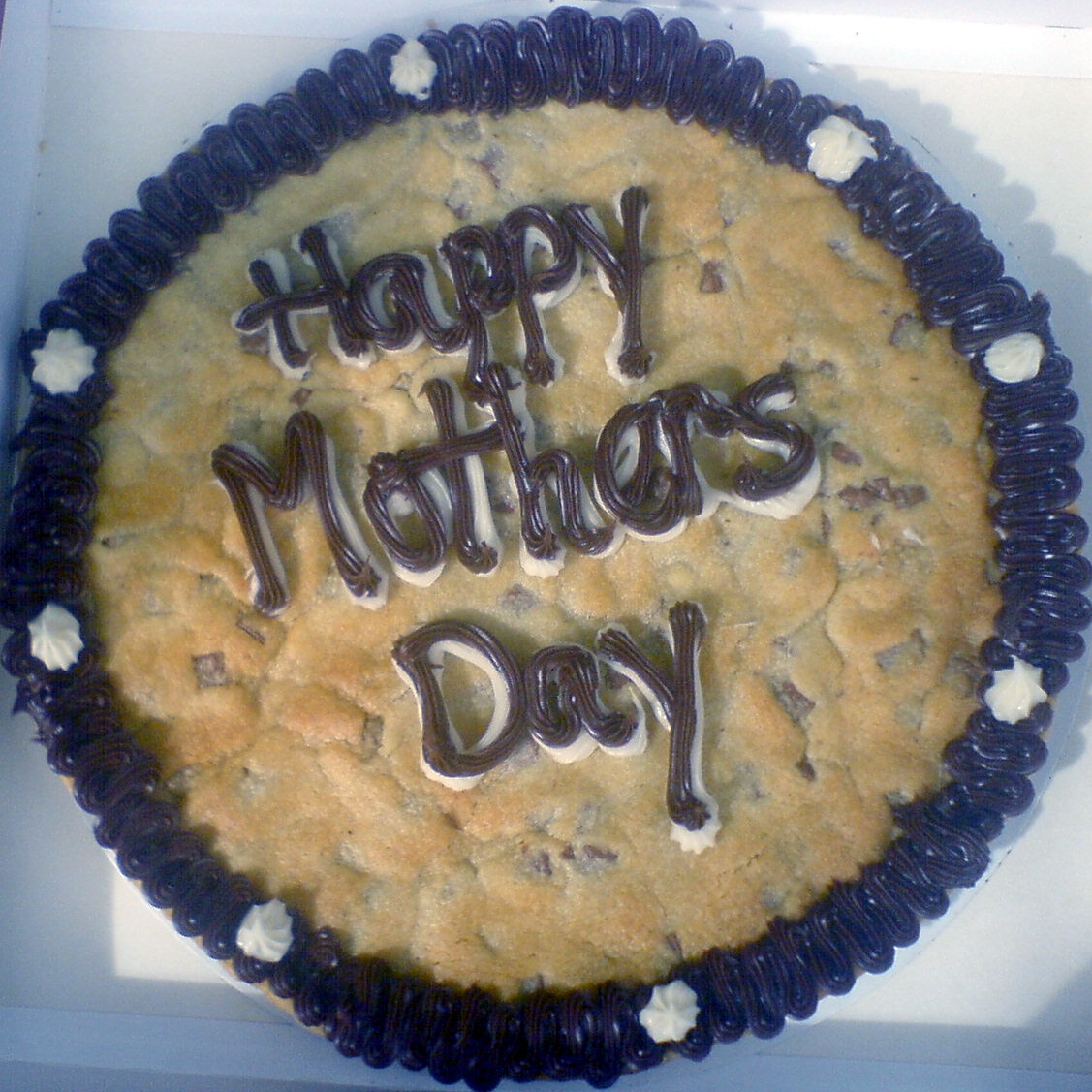
Mother's Day in Canada is celebrated on the second Sunday in May (it is not a public holiday or bank holiday), and typically involves small celebrations and gift-giving to one's mother, grandmother, or other important female figures in one's family. Celebratory practices are very similar to those of other western nations. A Québécois tradition is for Québécois men to offer roses or other flowers to the women.
China
Mother's Day is becoming more popular in China. Carnations are a very popular Mother's Day gift and the most sold flowers in relation to the day. In 1997 Mother's Day was set as the day to help poor mothers and to remind people of the poor mothers in rural areas such as China's western region. In the People's Daily, the Chinese government's official newspaper, an article explained that "despite originating in the United States, people in China accept the holiday without hesitation because it is in line with the country's traditional ethics – respect for the elderly and filial piety towards parents."
In recent years, the Communist Party member Li Hanqiu began to advocate for the official adoption of Mother's Day in memory of Meng Mu, the mother of Mèng Zǐ. He formed a non-governmental organization called Chinese Mothers' Festival Promotion Society, with the support of 100 Confucian scholars and lecturers of ethics. Li and the Society want to replace the Western-style gift of carnations with lilies, which, in ancient times, were planted by Chinese mothers when children left home. Mother's Day remains an unofficial festival, except in a small number of cities.
Costa Rica
In Costa Rica, Mother's Day is celebrated on 15 August. In 1927, at the Nicolás Ulloa School in Heredia, Evangelina Solís founded an annual event that would celebrate the mothers of the students. It was held around the time of the distribution of midterm notes, in July. Evangelina's reasoning was that mothers should be congratulated for their children's successes. The event gained national traction and was enacted into law in 1932. The final date of 15 August was chosen as it coincided with the celebration of Assumption of Mary, mother of Jesus.
Czech Republic
In the Czech Republic, Mother's Day is celebrated every second Sunday in May. It started in former Czechoslovakia in 1923. The promoter of this celebration was Alice Masaryková. After World War II communists replaced Mother's Day with International Woman's Day, celebrated on 8 March. The former Czechoslovakia celebrated Women's Day until the Velvet Revolution in 1989. After the split of the country in 1993, the Czech Republic started celebrating Mother's Day again.
Egypt
Mother's Day in Egypt is celebrated on 21 March, the first day of spring in the northern hemisphere. It was introduced in Egypt by journalist Mustafa Amin in his book Smiling America (1943). The idea was overlooked at the time. Later Amin heard the story of a widowed mother who devoted her whole life to raising her son until he became a doctor. The son then married and left without showing any gratitude to his mother. Hearing this, Amin became motivated to promote "Mother's Day". The idea was first ridiculed by president Gamal Abdel Nasser but he eventually accepted it and Mother's Day was first celebrated on 21 March 1956. The practice has since been copied by other Arab countries.
When Mustafa Amin was arrested and imprisoned, the government changed the name of the holiday from "Mother's Day" to "Family Day", but they reverted the name after Egyptian mothers wrote to complain. Celebrations continued to be held on the same date and classic songs celebrating mothers remain famous to this day.
Ethiopia
Mother's Day is celebrated for three days in Ethiopia, after the end of the rainy season. It comes in mid-fall where people enjoy a three-day feast called "Antrosht".
For the feast, ingredients will be brought by the children for a traditional hash recipe. The ingredients are divided along genders, with girls bringing spices, vegetables, cheese and butter, while the boys bring a lamb or bull. The mother hands out the hash to the family.
A celebration takes place after the meal. The mothers and daughters anoint themselves using butter on their faces and chests. While honoring their family and heroes, men sing songs.
Estonia
In Estonia, Mother's Day (emadepäev in Estonian) is celebrated on the second Sunday of May. It is recognized nationally, but is not a public holiday.
Finland
In Finland, Mother's Day (äitienpäivä in Finnish) is celebrated on the second Sunday of May. It is recognized nationally and is a public holiday. It is usually celebrated at homes where children or grandchildren bring Mother's day cards that they have drawn to their mothers and grandmothers. Usually, some food, coffee and cakes are served for guests. Grown up children visit their parents' homes and bring traditionally Mother's day roses or other flowers accompanied by a Mother's day card. The president of Finland honors with medals every year some mothers who have done something exceptional and positive during the year.
France
In France, amidst alarm at the low birth rate, there were attempts in 1896 and 1904 to create a national celebration honoring the mothers of large families. In 1906 ten mothers who had nine children each were given an award recognising "High Maternal Merit" ("Haut mérite maternel"). American World War I soldiers fighting in France popularized the US Mother's Day holiday created by Anna Jarvis. They sent so much mail back to their country for Mother's Day that the Union Franco-Américaine created a postal card for that purpose. In 1918, also inspired by Jarvis, the town of Lyon wanted to celebrate a "journée des Mères", but instead decided to celebrate a "Journée Nationale des Mères de familles nombreuses." The holiday was more inspired by anti-depopulation efforts than by the US holiday, with medals awarded to the mothers of large families. The French government made the day official in 1920 as a day for mothers of large families. Since then the French government awards the Médaille de l'enfance et des familles to mothers of large families.
In 1941, by an initiative of Philippe Pétain, the wartime Vichy government used the celebration in support of their policy to encourage larger families, but all mothers were now honored, even mothers with smaller families.
In 1950, after the war, the celebration was reinstated. The law of 24 May 1950 required (in Article 1) that the Republic pay official homage to French Mothers. Article 2 stated it should be celebrated on the last Sunday in May as the "Fête des Mères" (except when Pentecost fell on that day, in which case it was moved to the first Sunday in June). Article 3 stated that all expenditure shall be covered from the budget of the Ministry of Public Health and Population.
During the 1950s, the celebration lost all its patriotic and natalist ideologies, and became heavily commercialized.
In 1956, the celebration was given a budget and integrated into the new Code de l'action Sociale et des familles. In 2004 responsibility for the holiday was transferred to the Minister responsible for families.
Georgia
Georgia celebrates Mother's Day on 3 March. It was declared by the first President of Georgia Zviad Gamsakhurdia in order to replace the International Women Day, and it was officially approved by the Supreme Council in 1991. Nowadays Georgia celebrates both Mother's Day on 3 March and International Women's Day on 8 March.
Germany
Kyrgyzstan
In Kyrgyzstan, Mother's Day is celebrated on 19 May every year. The holiday was first celebrated in 2012. Mothers are also honored on International Women's Day
Latvia
Mother's Day in Latvia was celebrated for the first time in 1922. Since 1934, Mother's Day is celebrated on the second Sunday of May. After the end of the Soviet occupation of Baltic states celebration was resumed in 1992. Mothers are also honored on International Women's Day.
Lithuania
Mother's Day in Lithuania was celebrated for the first time in 1928. In Lithuania, Mother's Day is celebrated on the first Sunday of May.
Malawi
In Malawi, Mother's Day is a public holiday. The day is observed on 15 October or the following workday. It is celebrated on the UN's World Rural Women's Day.
Maldives
In the Maldives, Mother's Day is celebrated on 13 May. The day is celebrated in different ways. Children give gifts and spend time with their mothers. Daughters give their mothers cards and handmade gifts and sons give their mothers gifts and flowers. Maldivians love to celebrate Mother's day, and they have it specially written on their calendar.
Malta
The first mention of Mother's Day in Malta occurred during the Radio Children's Programmes run by Frans H. Said in May 1961. Within a few years, Mother's Day became one of the most popular dates in the Maltese calendar. In Malta, this day is commemorated on the second Sunday in May. Mothers are invariably given gifts and invited for lunch, usually at a good quality restaurant.
Mexico
In Mexico, the government of Álvaro Obregón imported the Mother's Day holiday from the US in 1922, and the newspaper Excélsior held a massive promotional campaign for the holiday that year. The conservative government tried to use the holiday to promote a more conservative role for mothers in families, but that perspective was criticized by the socialists as promoting an unrealistic image of a woman who was not good for much more than breeding.
In the mid-1930s, the leftist government of Lázaro Cárdenas promoted the holiday as a "patriotic festival". The Cárdenas government tried to use the holiday as a vehicle for various efforts: to stress the importance of families as the basis for national development; to benefit from the loyalty that Mexicans felt towards their mothers; to introduce new morals to Mexican women; and to reduce the influence that the church and the Catholic right exerted over women. The government sponsored the holiday in the schools. However, ignoring the strict guidelines from the government, theatre plays were filled with religious icons and themes. Consequently, the "national celebrations" became "religious fiestas" despite the efforts of the government.
Soledad Orozco García, the wife of President Manuel Ávila Camacho, promoted the holiday during the 1940s, resulting in an important state-sponsored celebration. The 1942 celebration lasted a full week and included an announcement that all women could reclaim their pawned sewing machines from the Monte de Piedad at no cost.
Due to Orozco's promotion, the Catholic National Synarchist Union (UNS) took heed of the holiday around 1941. Shop-owner members of the Party of the Mexican Revolution (now the Institutional Revolutionary Party) observed a custom allowing women from humble classes to pick a free Mother's Day gift from a shop to bring home to their families. The Synarchists worried that this promoted both materialism and the idleness of lower classes, and in turn, reinforced the systemic social problems of the country. Currently this holiday practice is viewed as very conservative, but the 1940s' UNS saw Mother's Day as part of the larger debate on the modernization that was happening at the time. This economic modernization was inspired by US models and was sponsored by the state. The fact that the holiday was originally imported from the US was seen as evidence of an attempt at imposing capitalism and materialism in Mexican society.
The UNS and the clergy of the city of León interpreted the government's actions as an effort to secularize the holiday and to promote a more active role for women in society. They concluded that the government's long-term goal was to cause women to abandon their traditional roles at home in order to spiritually weaken men. They also saw the holiday as an attempt to secularize the cult to the Virgin Mary, inside a larger effort to dechristianize several holidays. The government sought to counter these claims by organizing widespread masses and asking religious women to assist with the state-sponsored events in order to "depaganize" them. The clergy preferred to promote 2 July celebration of the Santísima Virgen de la Luz, the patron of León, Guanajuato, in replacement of Mother's Day. In 1942, at the same time as Soledad's greatest celebration of Mother's Day, the clergy organized the 210th celebration of the Virgin Mary with a large parade in León.
There is a consensus among scholars that the Mexican government abandoned its revolutionary initiatives during the 1940s, including its efforts to influence Mother's Day.
Today the "Día de las Madres" is an unofficial holiday in Mexico held each year on 10 May, the day on which it was first celebrated in Mexico.
In Mexico, to show affection and appreciation to the mother, it is traditional to start the celebration with the famous song "Las Mañanitas", either a cappella, with the help of a mariachi or a contracted trio. Families usually gather to celebrate, trying to spend as much time as possible with mothers to honor them. They bring some dishes and eat together or visit a restaurant.
Myanmar
In Myanmar, Mothers' Day (the plural form of mother is used as an official title) is celebrated on the full moon day of Pyatho, the tenth month of the Myanmar calendar, which usually falls in January. At the proposal and initiative of U Thukha, who put a lot of effort into founding this day, it was first celebrated in Mandalay on the full moon day of Pyatho in 1995, but it was officially added to the Myanmar calendar in 1997, two years after its first celebration.
People who are away from home, send postcards or phone their mothers to express love and gratitude and those who live with their mother, give her personal service, like bathing or shampooing, and usually take her to pagodas.
Nepal
In Nepal, there is a festival equivalent to Mother's Day, called Mata Tirtha Aunsi ("Mother Pilgrimage New Moon"), or Mata Tirtha Puja ("Mother Pilgrimage Worship"). It is celebrated according to the lunar calendar. It falls on the last day of the dark fortnight in the month of Baishakh which falls in April–May (in 2015, it will occur on 18 April). The dark fortnight lasts for 15 days from the full moon to the new moon. This festival is observed to commemorate and honor mothers, and it is celebrated by giving gifts to mothers and remembering mothers who are no more.
To honor mothers who have died, it is the tradition to go on a pilgrimage to the Mata Tirtha ponds, located 6 km to the southwest of downtown Kathmandu. The nearby Mata Tirtha village is named after these ponds. Previously, the tradition was observed primarily by the Newar community and other people living in the Kathmandu Valley. Now this festival is widely celebrated across the country.
Many tragic folklore legends have been created, suggesting different reasons why this pond became a pilgrimage site. The most popular version says that, in ancient times, the mother of a shepherd died, and he made offerings to a nearby pond. There he saw the face of his mother in the water, with her hand taking the offerings. Since then, many people have visited the pond, hoping to see their deceased mother's face. Pilgrims believe that they will bring peace to their mothers' souls by visiting the sacred place. There are two ponds. The larger one is for ritual bathing. The smaller one is used to "look upon mother's face", and is fenced by iron bars to prevent people from bathing in it.
Traditionally, in the Kathmandu valley the South-Western corner is reserved for women and women-related rituals, and the North-Eastern is for men and men-related rituals. The worship place for Mata Tirtha Aunsi is located in Mata Tirtha in the South-Western half of the valley, while the worship place for Gokarna Aunsi, the equivalent celebration for deceased fathers is located in Gokarna, Nepal, in the North-Eastern half. This division is reflected in many aspects of the life in Kathmandu valley.
Mother's Day is known as Aama ko Mukh Herne Din in Nepali, which literally means "day to see mother's face". In Nepal Bhasa, the festival is known as Mām yā Khwā Swayegu, which can be translated as "to look upon mother's face".
Netherlands
In the Netherlands, Mother's Day was introduced as early as 1910 by the Dutch branch of the Salvation Army. The Royal Dutch Society for Horticulture and Botany, a group protecting the interest of Dutch florists, worked to promote the holiday; they hoped to emulate the commercial success achieved by American florists. They were imitating the campaign already underway by florists in Germany and Austria, but they were aware that the traditions had originated in the US.
Florists launched a major promotional effort in 1925. This included the publication of a book of articles written by famous intellectuals, radio broadcasts, newspapers ads, and the collaboration of priests and teachers who wanted to promote the celebration for their own reasons. In 1931 the second Sunday of May was adopted as the official celebration date. In the mid-1930s the slogan Moederdag – Bloemendag (Mother's Day – Flowers' Day) was coined, and the phrase was popular for many years. In the 1930s and 1940s "Mother's Day cakes" were given as gifts in hospitals and to the Dutch Queen, who is known as the "mother of the country". Other trade groups tried to cash in on the holiday and to give new meaning to the holiday in order to promote their own wares as gifts.
Roman Catholic priests complained that the holiday interfered with the honoring of the Virgin Mary, the divine mother, which took place during the whole month of May. In 1926 Mother's Day was celebrated on 7 July in order to address these complaints. Catholic organizations and priests tried to Christianize the holiday, but those attempts were rendered futile around the 1960s when the church lost influence and the holiday was completely secularized.
In later years, the initial resistance disappeared, and even leftist newspapers stopped their criticism and endorsed Mother's Day.
In the 1980s, the American origin of the holiday was still not widely known, so feminist groups who opposed the perpetuation of gender roles sometimes claimed that Mother's Day was invented by Nazis and celebrated on the birthday of Klara Hitler, Hitler's mother.
New Zealand
In New Zealand, Mother's Day is celebrated on the second Sunday in May. Mother's Day is not a public holiday. The New Zealand tradition is to send or give cards and gifts, and for children to serve their mothers breakfast in bed.
Nicaragua
In Nicaragua, the Día de la Madre has been celebrated on 30 May since the early 1940s. The date was chosen by President Anastasio Somoza García because it was the birthday of Casimira Sacasa, his wife's mother.
North Korea
Mother's Day is celebrated on 16 November as a public holiday in North Korea. The date takes its significance from the First National Meeting of Mothers held in 1961, for which Kim Il Sung, the leader of the country, published a work called The Duty of Mothers in the Education of Children. The date was designated as Mother's Day in May 2012 by the Presidium of the Supreme People's Assembly but only became a public holiday and appeared on the North Korean calendar starting in 2015.
Norway
Mother's Day was first celebrated on 9 February 1919 and was initially organized by religious institutions. Later it has become a family day, and the mother is often treated to breakfast in bed, flowers and cake.
It has gradually become a major commercial event, with special pastries, flowers and other presents offered by retailers. Day-cares and primary schools often encourage children to make cards and other gifts.
Pakistan
In Pakistan, Mother's Day is celebrated on the second Sunday of May. Media channels celebrate with special shows. Individuals honor their mothers by giving gifts and commemorative articles. Individuals who have lost their mothers pray and pay their respects to their loved ones lost. Schools hold special programs in order to acknowledge the efforts of their mothers.
Panama
In Panama, Mother's Day is celebrated on 8 December, the same day as the Feast of the Immaculate Conception. This date was suggested in 1930 by the wife of Panama's President Florencio Harmodio Arosemena. 8 December was adopted as Mother's Day under Law 69, which was passed the same year.
According to another account, in 1924 the Rotary Club of Panama asked that Mother's Day be celebrated on 11 May. Politician Aníbal D. Ríos changed the proposal so that the celebration would be held on 8 December. He then established Mother's Day as a national holiday on that date.
Paraguay
In Paraguay, Mother's Day is celebrated on 15 May, the same day as the Dia de la Patria, which celebrates the independence of Paraguay.
In 2008, the Paraguayan Minister of Culture, Bruno Barrios, lamented this coincidence because, in Paraguay, Mother's Day is much more popular than independence day and the independence celebration goes unnoticed. As a result, Barrios asked that the celebration be moved to the end of the month. In 2008, the Comisión de festejos (Celebration Committee) of the city of Asunción asked that Mother's Day be moved to the second Sunday of May.
Philippines
In the Philippines, Mother's Day is officially celebrated on the second Sunday of May, but it is not a public holiday. Although not a traditional Filipino holiday, the occasion owes its popularity to American Colonial Period influence.
According to a 2008 article by the Philippine News Agency, in 1921 the Ilocos Norte Federation of Women's Clubs asked to declare the first Monday of December as Mother's Day "to honor these fabulous women who brought forth God's children into this world." In response, Governor-General Charles Yeater issued Circular No. 33 declaring the celebration. In 1937 President Manuel L. Quezon issued Presidential Proclamation No. 213, changing the name of the occasion from "Mother's Day" to "Parent's Day" to address the complaints that there wasn't a "Father's Day". In 1980 President Ferdinand Marcos issued Presidential Proclamation No. 2037 proclaiming the date as both Mother's Day and Father's Day. In 1988 President Corazon Aquino issued Presidential Proclamation No. 266, changing Mother's Day to the second Sunday of May, and Father's Day to the third Sunday of June, discontinuing the traditional date. In 1998 President Joseph Estrada returned both celebrations to the first Monday of December.
Portugal
In Portugal, the "Dia da Mãe" ("Mother's Day") is an unofficial holiday held each year on the first Sunday of May (sometimes coinciding with Labour Day). In the weeks leading up to this Sunday, school children spend a few hours a day preparing a gift for their mothers, aided by their school teachers. In general, mothers receive gifts from their family members and this day is meant to be celebrated with the whole family. It used to be celebrated on 8 December, the same date as the Conception of the Virgin celebration.
Romania
In Romania, Mother's Day has been celebrated on the first Sunday of May since 2010. Law 319/2009 made both Mother's Day and Father's Day official holidays in Romania. The measure was passed thanks to campaign efforts from the Alliance Fighting Discrimination Against Fathers (TATA). Previously, Mother's Day was celebrated on 8 March, as part of International Women's Day (a tradition dating back to when Romania was part of the Eastern bloc). Today, Mother's Day and International Women's Day are two separate holidays, with International Women's Day being held on its original date of 8 March.
Russia
Main article: International Women's Day
Traditionally Russia had celebrated International Women's Day and Mother's Day on 8 March, an inheritance from the Soviet Union, and a public holiday.{{cite news | script-title = ru:К советским женщинам, обращение ЦК КПСС в связи с Международным днём 8 Марта. | access-date = 22 March 2013 | archive-date = 29 November 2014 | archive-url = https://web.archive.org/web/20141129021914/http://www.oldgazette.ru/siskusstvo/08031945/index1.html | url-status = dead
Women's Day was first celebrated on the last Sunday in February in 1913 in Russia.
In 1917, demonstrations marking International Women's Day in Saint Petersburg on the last Sunday in February (which fell on 8 March on the Gregorian calendar) initiated the February Revolution. Following the October Revolution later that year, the Bolshevik Alexandra Kollontai persuaded Vladimir Lenin to make it an official holiday in the Soviet Union, and it was established, but was a working day until 1965.
On 8 May 1965, by the decree of the Presidium of the Supreme Soviet, International Women's Day was declared a non-working day in the Soviet Union "in commemoration of the outstanding merits of Soviet women in communistic construction, in the defense of their Fatherland during the Great Patriotic War, in their heroism and selflessness at the front and in the rear, and also marking the great contribution of women to strengthening friendship between peoples, and the struggle for peace. But still, women's day must be celebrated as are other holidays."
Samoa
In Samoa, Mother's Day is celebrated on the second Sunday in May, and as a recognised national holiday on the Monday following.
Singapore
In Singapore, Mother's Day is celebrated on the second Sunday of May. It is not recognized as a holiday by the government.
Slovakia
Czechoslovakia celebrated only Women's Day until the Velvet Revolution in 1989. After the country split in 1993, Slovakia started celebrating both Women's Day and Mother's Day. The politicization of Women's Day has affected the official status of Mother's Day. Center-right parties want Mother's Day to replace Women's Day, and social-democrats want to make Women's Day an official holiday. Currently, both days are festive, but they are not "state holidays". In the Slovak Republic, Mother's Day is celebrated every second Sunday in May.
South Africa
In South Africa, Mother's Day is celebrated on the second Sunday of May. It is not recognized as a holiday by the government. The tradition is to give cards and gifts and to serve mothers breakfast in bed or to go out to lunch together as a family.
South Korea
In South Korea, Parents' Day (어버이날, Eobeoinal) is celebrated annually on May 8. Unlike Mother's Day, which is focused solely on mothers, Parents' Day honors both mothers and fathers. The holiday was established as an official national observance in 1973, replacing the separate celebrations of Mother's Day and Father's Day that had been observed earlier. Typical customs include giving carnations, writing letters, and spending time with one's parents.
South Sudan
In South Sudan, Mother's Day is celebrated on the first Monday in July. The president Salva Kiir Mayardit proclaimed Mother's Day as the first Monday in July after handing over from Sudan. Children in South Sudan are presenting mothers with gifts and flowers. The first Mother's Day was held in that country on 2 July 2012.
Spain
In Spain, Mother's Day or Día de la Madre is celebrated on the first Sunday of May. The weeks leading up to this Sunday, school children spend a few hours a day preparing a gift for their mothers, aided by their school teachers. In general, mothers receive gifts from their family members & this day is meant to be celebrated with the whole family. It is also said to be celebrated in May, as May is the month dedicated to the Virgin Mary (mother of Jesus) according to Catholicism. The idea of a month dedicated specifically to Mary can be traced back to baroque times. Although it wasn't always held during May, Mary Month included thirty daily spiritual exercises honoring Mary.
In 1925 the Valencian poet Julio Menéndez García published a Hymn to Mother in a pamphlet in which he proposed the celebration of Mother's Day in all Spanish-speaking countries. The official declaration was never produced, but at that time the initiative was adopted at a local level on different dates; thus, for example, in Madrid, Mother's Day was celebrated on 4 October 1926.
In 1939 the Youth Front of FET y de las JONS party, promoted the celebration of Mother's Day coinciding with the feast of the Immaculate Conception, on 8 December.
In the early 1960s, on the initiative of a chain of department stores (Galerías Preciados), which copied the custom established in Cuba, Mother's Day was also celebrated on the first Sunday of May (El Corte Inglés, the great competitor of Galerías Preciados, celebrated the holiday in December). The two dates, May and December, coexisted until 1965 when the ecclesiastical authorities chose to celebrate the festival in May, within the month consecrated to the Virgin, to recover the authentic character of the Day of the Immaculate Conception.
Sri Lanka
In Sri Lanka, Mother's Day is celebrated on the second Sunday of May.
Sweden
In Sweden, Mother's Day was first celebrated in 1919, by an initiative of the author Cecilia Bååth-Holmberg. It took several decades for the day to be widely recognized. Swedes born in the early nineteen hundreds typically did not celebrate the day because of the common belief that the holiday was invented strictly for commercial purposes. This was in contrast to Father's Day, which has been widely celebrated in Sweden since the late 1970s. Mother's Day in Sweden is celebrated on the last Sunday in May. A later date was chosen to allow everyone to go outside and pick flowers.
Switzerland
In Switzerland, the "règle de Pentecôte" law allows Mother's Day to be celebrated a week late if the holiday falls on the same day as Pentecost. In 2008, merchants declined to move the date.
Taiwan
In Taiwan, Mother's Day is celebrated on the second Sunday of the month of May, coinciding with Buddha's Birthday and the traditional ceremony of "washing the Buddha". In 1999 the Taiwanese government established the second Sunday of May as Buddha's Birthday, so they would be celebrated in the same day.
Since 2006, the Tzu Chi, the largest charity organization in Taiwan, celebrates the Tzu Chi Day, Mother's Day and Buddha's Birthday all together, as part of a unified celebration and religious observance.
Thailand
Mother's day in Thailand is celebrated on the birthday of the Queen Mother of Thailand, Sirikit (12 August). The holiday was first celebrated around the 1980s as part of the campaign by the Prime Minister of Thailand Prem Tinsulanonda to promote Thailand's Royal family.
Ukraine
Ukraine celebrates Mother's Day () on the second Sunday of May. In Ukraine, Mother's Day officially became a holiday in 1999 and has been celebrated since 2000. Ukrainian society also celebrates International Women's Day, a holiday adopted under the Soviet Union that remained a tradition in Ukraine after its collapse.
United Kingdom

The United Kingdom celebrates Mother's Day on the Fourth Sunday in Lent (). In the United Kingdom, the holiday has its roots in the religious Mothering Sunday celebration and was originally unrelated to the international Mother's Day holiday. Most historians believe that Mothering Sunday evolved from a medieval practice of visiting one's mother church annually on Laetare Sunday.
United States
Main article: Mother's Day (United States)

The United States celebrates Mother's Day on the second Sunday in May. In 1872 Julia Ward Howe called for women to join in support of disarmament and asked for 2 June 1872, to be established as a "Mother's Day for Peace". Her 1870 "Appeal to womanhood throughout the world" is sometimes referred to as Mother's Day Proclamation. But Howe's day was not for honouring mothers but for organizing pacifist mothers against war. In the 1880s and 1890s there were several further attempts to establish an American "Mother's Day", but these did not succeed beyond the local level.
The holiday eventually became so highly commercialized that many, including its founder, Anna Jarvis, considered it a "Hallmark holiday," i.e. one with an overwhelming commercial purpose. Jarvis eventually ended up opposing the holiday she had helped to create. This economic modernization was inspired by US models and was sponsored by the state. She died in 1948, regretting what had become of her holiday.
In the United States, Mother's Day remains one of the biggest days for sales of flowers, greeting cards, and the like; Mother's Day is also the biggest holiday for dining out and for long-distance telephone calls. Moreover, churchgoing is also popular on Mother's Day, yielding the highest church attendance after Christmas Eve and Easter. Many worshippers celebrate the day with carnations, coloured if the mother is living and white if she is dead.
It is possible that the holiday would have withered over time without the support and continuous promotion of the florist industry. Other holidays from the same time, such as Children's Day and Temperance Sunday, do not have the same level of popularity.
Notes
Citations
Enstam, Elizabeth York. "The Dallas equal suffrage association, political style, and popular culture: grassroots strategies of the Woman Suffrage Movement, 1913–1919." Journal of Southern History 68.4 (2002):817+. Student Resources in Context. Web. 14 November 2014.
References
General
References
- L. James Grold. (April 1968). "Mother's Day". [[American Journal of Psychiatry]].
- Tuleja, Tad. (1999). "Curious Customs: The Stories Behind 296 Popular American Rituals". Galahad Books.
- Robert J. Myers, [[Hallmark Cards]]. (1972). "Celebrations; the complete book of American holidays". [[Doubleday (publisher).
- {{harvnb. Helsloot. 2007
- [https://www.telegraph.co.uk/news/0/mothers-day-2017-uk-date-facts-traditions/ Mother's Day 2017], ''The Daily Telegraph''
- Trammell, Kendall. "Mother's Day founder later came to regret it". CNN.
- (26 March 2017). "The medieval origins of Mothering Sunday". The British Library.
- (10 May 2018). "Nietzsche Wishes You an Ambivalent Mother's Day". [[The Paris Review]].
- Matthew. (8 May 2015). "History of Mother's Day as a Day of Peace: Julia Ward Howe".
- (14 December 2017). "Engaging Families – U.S. Department of Education".
- (2016). "Panati's Extraordinary Origins of Everyday Things". Book Sales.
- (2010). "Encyclopedia of Motherhood". Sage.
- (2015). "Women of the Mountain South: Identity, Work, and Activism". Ohio University Press.
- "Hallmark celebrates 100th year of Mother's Day, started by a woman who grew to despise it". kansas.com.
- Lois M. Collins. (6 May 2014). "Mother's Day 100-year history a colorful tale of love, anger and civic unrest". Deseret News.
- (1990). "Celebrations That Matter: A Year-Round Guide to Making Holidays Meaningful". Augsburg.
- (2009). "The Prayer Book Guide to Christian Education, Third Edition". [[Church Publishing]].
- (1921). "The Revival of Mothering Sunday". SPCK.
- (1926). "A short history of Mothering Sunday (mid-Lent)".
- "Smith, Constance Adelaide [''pseud.'' C. Penswick Smith]".
- Louisa Taylor, Canwest News Service. (11 May 2008). "Mother's Day creator likely 'spinning in her grave'". The Vancouver Sun.
- link. (22 November 2008 H. Res. 1113: Celebrating the role of mothers in the United States and supporting the goals and ideals of Mother's Day (Vote On Passage))
- link. (22 November 2008 Table Motion to Reconsider: H RES 1113 Celebrating the role of mothers in the United States and supporting the goals and ideals of Mother's Day)
- "Mothering Sunday". [[BBC]].
- (2000). "Religion & the New Immigrants: Continuities & Adaptations in Immigrant Congregations". [[Rowman & Littlefield.
- (2010). "Historical Dictionary of the Russian Federation". Scarecrow Press.
- "About International Women's Day".
- (25 June 2009). "Latest U.S. export to Vietnam: Mother's Day".
- (6 March 2016). "Mother's Day 2016: Everything you need to know about Mothering Sunday 2016". [[The Daily Telegraph]].
- (23 March 2016). "A Special Note to Syrian Mothers on Mother's Day". [[News Deeply]].
- John MacIntyre. (2005). "The amazing mom book: real facts, tender tales, and thoughts from the heart about the most important person on Earth". Sourcebooks.
- (21 March 2015). "Lamis' Story – International Women's Day 2015".
- El Hamid, Ashraf Abd. (22 March 2018). "Why the Arab world celebrates Mother's Day on March 21".
- (8 March 2009). "Días Nacionales en Chile".
- Xinhua from [[China Daily]]. (16 May 2006). "It's Mother's Day". SCUEC online.
- "Principales efemérides. Mes Mayo". Unión de Periodistas de Cuba.
- (9 March 2010). "Mixed emotions on Women's Day in Eastern Europe". euractiv.com.
- "Calendario Cívico Escolar". Dirección Regional de Educación de Lima Metropolitana.
- Kabita Maharana. (9 May 2014). "Mother's Day 2014 to be Celebrated in US and other Countries: Best Quotes to Say 'Thank You' to Mum". International Business Times.
- Ministerio de Educación y Cultura de Paraguay. "Día de la Madre".
- Fatchurrohman, Irvan. (2024-12-22). "Kongres Perempuan Indonesia I: Cikal Bakal Hari Ibu Nasional".
- (7 May 2016). "Celebrating Mother's Day? Make Sure You Have The Date Right". [[NPR]].
- (6 May 2016). "Mata Tirtha Aunsi today". Nepal Republic Media.
- (8 May 2016). "Mother's Day 2016: Which countries celebrate it on 8 May – and why?". The Independent.
- (2004). "Encyclopedia of Latino popular culture". [[Greenwood Publishing Group]].
- (1987). "The Lutheran Standard, Volume 27". Augsburg Publishing House.
- (February 2023). "Jesus and Mary". Adams Media.
- "Orthodox Tradition and Mary : University of Dayton, Ohio".
- (1989). "The Book of Jihad".
- "Islams Women – Status of Mothers in Islam". islamswomen.com.
- (28 April 2014). "The Story of Nepali Mother's Day".
- Teiser, Stephen F.. (1988). "The Ghost Festival in Medieval China". Princeton University Press.
- "When is Mother's Day in Albania? What day is Mother's Day in Albania?".
- Jehl, Douglas. (16 April 1997). "Mustafa Amin, Liberal Editor Jailed by Nasser, Dies at 83". [[The New York Times]].
- "Mother's Day in the Arab World".
- (22 March 2018). "Why the Arab world celebrates Mother's Day on March 21". Al Arabiya English.
- Padre Fabián Castro. (3 October 2010). "El día de la madre en el mundo y en la Argentina". padrefabian.com.ar.
- Baby Professor. (2017). "A Special Day for Mommies: Origin of Mother's Day – Holiday Book for Kids". Speedy Publishing LLC.
- MOTHERS’ DAY. (1910, June 20). Leader (Orange, NSW : 1899–1945), p. 2. http://nla.gov.au/nla.news-article252410359
- "MOTHERS' DAY." (1910, June 14). The Daily Telegraph (Sydney, NSW : 1883–1930), p. 5. http://nla.gov.au/nla.news-article239408160
- Traditional Mother's Day flower in Australia. April 2021. https://www.giftsaustralia.com.au/mothers-day
- The Council of Ministers of the Republic of Belarus. (14 October 2009). "Support for mothers remains the key priority of Belarus' social policy".
- (14 October 2010). "Belarus celebrates Mother's Day for 15th time. The President congratulated the Belarusian mothers.". [[Belteleradio]].
- (8 May 2010). "Bhutan celebrates Mother's Day for 5th time.". [[Bhutanbroadcastingserviceradio]].
- Taes, Sofie. (11 May 2019). "the roots and guises of 'Mother's Day'".
- (11 May 2012). "Dia das Mães: shoppings têm promoções especiais".
- Gullion, Katherine. (8 May 2019). "Opinion – Mother's & Father's Day are exclusionary".
- "Mother's Day Celebrations Around the World".
- (14 May 2001). "Mother's Day Popular in China". People's Daily.
- people.com.cn, sina.com.cn. (17 June 2008). "Researchers and Experts Propose a Chinese Mother's Day". [[All-China Women's Federation]].
- (16 May 2007). "Do we need our own Mother's Day?". China Daily.
- Le, Karen. (2020-05-06). "Is There Mother's Day in China?".
- "LA GACETA N° 197 DEL 25 DE OCTUBRE DEL 2023".
- Hoy, Redacción Heredia. (2019-09-04). "EVANGELINA SOLÍS SALVATIERRA Y EL DÍA DE LA MADRE EN COSTA RICA".
- Meky, Shounaz. (21 March 2017). "How Egypt introduced Mother's Day to the Arab world".
- Abd El Hamid, Ashraf. (March 22, 2018). "Why the Arab world celebrates Mother's Day on March 21".
- (March 28, 2021). "Egyptian singers celebrate Mother's Day with new songs".
- (29 April 2011). "Mother's Day – Holidays".
- (17 May 2010). "Happy Mother's Day Birtukan!".
- "Mothers Day History ~ The Complete History of Mother's Day".
- "Pühade ja tähtpäevade seadus".
- (7 February 2011). "Äitienpäivä 2020 – Juhlapyhät.fi".
- "Histoire de la fête des mères et celle de "l'Union fraternelle des pères de familles méritants d'Artas"". Union des Familles en Europe.
- "Artas, berceau de la Fête des mères". mairie d'Artas.
- Luc Capdevila (CRHISCO – [[University of Rennes 2]]), Fabrice Virgili (IHTP – [[Centre national de la recherche scientifique. CNRS]]), "[http://irice.cnrs.fr/IMG/doc/Guerre_femmes_nation.doc Guerre, femmes et nation en France (1939–1945)] {{webarchive. link. (28 July 2011 ", in IRICE.)
- (1 March 2016). "France honours parents who raise large families". [[The Connexion]].
- "Loi no 50-577 du 24 mai 1950 relative à la Fête des mères". [[JORF]].
- (3 March 2013). "Bidzina Ivanishvili Congratulates Mothers on Mother's Day". News Agency [[InterPressNews]] (IPN).
- Weindling, Paul. (1993). "Health, Race & German Politics Between National Unification & Nazism". Cambridge University Press.
- Michelle Mouton. (2007). "From nurturing the Nation to Purifying the Volk: Weimar and Nazi family policy, 1918–1945". [[Cambridge University Press]].
- Ann Taylor Allen. (February 1995). "Reviewed work(s): Muttertag und Mutterkreuz: Der Kult um die "Deutsche Mutter" im Nationalsozialismus, by Irmgard Weyrather". [[American Historical Review]].
- (2019-05-05). "The origins and traditions of Mother's Day – Hungarian mothers run the world".
- "How to Celebrate Mother's Day in Hungary".
- TTN. (13 March 2004). "Social change in India discussed". [[The Times of India]].
- (10 May 2019). "Mother's Day 2019 Date: When is mother's day in India 2019?".
- (10 May 2019). "When is Mother's Day 2019? Date, Significance, History and Importance of Mother's Day".
- Doctor, Vikram. (11 May 2019). "Why retailers love mothers so much". The Economic Times.
- Wardhani, Lynda K.. (22 December 2010). ["In observance of Mother's Day"](http://www.thejakartapost.com/news/2010/12/22/in-observance-mother%27s-day.html }}{{dead link). [[The Jakarta Post]].
- seenthing. (21 December 2010). "Sejarah Perayaan Nasional Hari Ibu 22 Desembe".
- Bulbeck, Chilla. (2009). "Sex, love and feminism in the Asia Pacific: a cross-cultural study of young people's attitudes". Routledge.
- Kathryn Robinson. (2009). "Gender, Islam and Democracy in Indonesia". Routledge.
- Wendy S. DeBano. (2009). "Music and the Play of Power in the Middle East, North Africa and Central Asia". [[Ashgate Publishing]].
- (24 June 2008). "Ahmadinejad highlights women's significant role in society". Presidency of The Islamic Republic of Iran News Service.
- Shahla Haeri. (1993). "Fundamentalisms and Society: Reclaiming the Sciences, the Family, and Education". University of Chicago Press.
- Firoozeh Kashani-Sabet. (2011). "Conceiving Citizens: Women and the Politics of Motherhood in Iran". Oxford University Press.
- Shahla Haeri. (2009). "Contemporary Iran:Economy, Society". Oxford University Press.
- Mahdi, Ali Akbar. (2003). "Iran Encountering Globalization: Problems and Prospects". Ali Mohammadi. London and New York: Routledge/Curzon.
- "The Shiite Interpretation of the Status of Women". Institute for Advanced Study.
- (12 May 2019). "How to have an Irish Mother's Day".
- "When is Mother's Day 2020 in Ireland?".
- "Mother's Day in Ireland".
- (2013). "Il bello della scienza. Intersezioni tra storia, scienza e arte". Angeli.
- Anonymous. (1 April 2010). "La Festa DeLLa Mamma". Italian America.
- Raul Zaccari – together with Senators Bellisario, Baldini, Restagno, Piasenti, Benedetti and Zannini. Senato della Repubblica, [http://www.senato.it/service/PDF/PDFServer/BGT/434379.pdf 78ª Seduta Pubblica], 18 dicembre 1958. "Istituzione de la festa della Mamma." (Annunzio di presentazione di disegni di legge)
- Bologna, Caroline. (9 May 2018). "Mother's Day Traditions Around The World".
- Светлана Моисеева. (17 May 2013). "Президент поздравил кыргызстанцев с Днем матери". Вечерный Бишкек.
- "About International Women's Day".
- Apollo.lv. (13 May 2012). "Šodien sveicam Māmiņas!". Apollo.lv India.
- [http://www.tvnet.lv/sievietem/veseliba/421417-latvija_atzime_mates_dienu Latvijā atzīmē Mātes dienu] {{webarchive. link. (30 March 2014 TVNET)
- (2015). "National Holidays".
- Newcomer, p. 133
- Sherman, p. 44
- Newcomer, pp. 133–134
- Newcomer, p. 134
- Newcomer, 134–135
- Newcomer, 135–136
- Newcomer, 136–139
- [http://legacyproject.org/guides/mdhistory.html The History of Mother's Day] from The Legacy Project, a Legacy Center (Canada) website
- (7 May 2016). "When Is Mother's Day Celebrated In Mexico?".
- Thompson, Jennifer Trainer. (2008). "The Joy of Family Traditions: A Season-by-Season Companion to Celebrations, Holidays, & Special Occasions". [[Ten Speed Press.
- ဘီဘီစီ. (18 January 2011). "မြန်မာနိုင်ငံမှာ အမေများနေ့ ကျင်းပ".
- Yee Mon. (27 January 2016). "Myanmar Mother's Day Review".
- The New Light of Myanmar. (5 January 2019). "Yangon University confers Doctor of Letters on Reactor Sayadaw of International Theravada Buddhist Missionary University, Sayagyi U Thukha".
- မုဒိတာ (တောင်သာ). (5 January 2019). "ပြာသိုလပြည့် အမေများနေ့".
- (1992). "Ritual, State, and History in South Asia: Essays in Honour of J.C. Heesterman". Brill.
- {{harvnb. Helsloot. 2007
- {{harvnb. Helsloot. 2007
- {{harvnb. Helsloot. 2007
- {{harvnb. Helsloot. 2007
- {{harvnb. Helsloot. 2007
- {{harvnb. Helsloot. 2007
- (31 January 2009). "The history of mother's day".
- Lic. Pedro Rafael Díaz Figueroa. (27 May 1999). "El origen del Día de la Madre". [[El Nuevo Diario]].
- Lee Sang Yong. (16 December 2014). "North Korea's Official 2015 Calendar Revealed". Daily NK.
- (11 May 2010). "Mother's Day in Norway".
- (17 May 2016). "World marks Mother's Day with Utmost Love, Respect". ARY News.
- editorial. (8 December 2001). "Bendita Madre". [[Crítica]].
- Penny de Henríquez. (9 December 2005). "Origins. La celebración del Día de la Madre". [[La Prensa (Panama City).
- (January 2018). "Session of the Honorable Cámara de Senadores. Señor Senador Diego Abente Brun".
- (14 May 2008). ["Buscan que se cambie fecha del día de la madre"](http://www.radioviva.com.py/articulo.php?ID=2478}}{{dead link). Radio Viva 90.1 FM Paraguay.
- (27 July 2008). "Hoy miércoles 27 de agosto se inician las acciones de la Comisión de Festejos por el Bicentenario, con una retreta en la Plaza de los Héroes". Municipality of Asunción.
- (11 December 1998). "Proclamation No. 58, s. 1998". [[Official Gazette (Philippines).
- Content Manager 03. (1 December 2014). "The First Monday of December is Mother's Day and Father's Day". [[Malacañan Palace]] (official residence of the [[President of the Philippines]]).
- (4 May 2010). "Romania Celebrates Fathers' Day On Second Sunday Of May". [[Mediafax]].
- "About International Women's Day".
- {{cite encyclopedia. Балаховская. Л. Г.. Советская энциклопедия. (1969–1978). link
- "The Evolution of Parents' Day in South Korea".
- "Parents' Day: History and evolution".
- "Why is May the Month of Mary?". National Catholic Register.
- ''Diario de Valencia'', 25 September 1925
- ''La Opinión: diario independiente de la mañana'', 4 October 1926.
- ''Nueva Alcarria'', 5 December 1964.
- "Music and thanksgiving on Mother's Day".
- "Unique page title".
- (May 28, 2023). "Mors dag 2023: När är det mors dag?".
- Fleurop-Interflora (Suisse). (22 April 2008). "La Fête des Mères 2008 ne sera pas reportée".
- Camaron Kao. (14 May 2012). "Thousands of believers mark Buddha's birthday". [[China Post]].
- Ko Shu-Ling. (9 May 2011). "Sakyamuni Buddha birthday celebrated". [[Taipei Times]].
- (15 May 2012). "300,000 Attend Buddha Day Ceremonies in 34 Countries". [[Tzu Chi]].
- (4 May 2008). "Tzu Chi Foundation to stage Mother's Day event". [[Taipei Times]].
- Caroline Hong. (23 May 2004). "Cultural center performs 'bathing Buddha' ceremony". Taipei Times.
- unsigned. (15 May 2006). "Taiwan Quick Take: Tzu Chi celebrates birthday". Taipei Times.
- (10 August 2012). "Police chief returns earlier for Mother's Day". [[MCOT]] news.
- Handwerk, Brian. (9 May 2014). "Mother's Day Turns 100: Its Surprisingly Dark History".
- Paul M. Handley. (2006). "The King Never Smiles: a biography of Thailand's Bhumibol Adulyadej". [[Yale University Press]].
- "Украз Президента України. Про День Матері". zakon2.rada.gov.ua.
- (14 March 2021). "Mother's Day: When is it celebrated and where did it come from?".
- (1972). "The Wife of Bath and Refreshment Sunday". Papers on Language and Literature.
- Bernhard, Virginia. (2002). "The family in America: an encyclopedia". [[ABC-CLIO]].
- Jarvis wanted to accomplish her mother's dream of making a celebration for all mothers, although the idea did not take off until she enlisted the services of wealthy Philadelphia merchant John Wanamaker, who celebrated it on 8 May 1910 in Bethany Temple Presbyterian Church, Philadelphia, PA of which he was the founder. In a letter to the pastor, she said it was, "our first Mother's Day".Cristina Rouvalis, [http://www.post-gazette.com/pg/08132/880876-85.stm For the mother of Mother's Day, it's just never been right], Cristina Rouvalis, ''Pittsburgh Post-Gazette'', 11 May 2008.
- (28 April 2006). "Mother's Day Dining Fact Sheet". [[National Restaurant Association]].
- Barbara Mikkelson, "[http://www.snopes.com/holidays/fathersday/collect.asp We love you – call collect]". Snopes.com. Retrieved 2010.03.08.
- J. Ellsworth Kalas. (2009). "Preaching the Calendar: Celebrating Holidays and Holy Days". [[Westminster John Knox Press]].
- Leigh, p. [https://books.google.com/books?id=maF8mTPsJqsC&q=mother%27s+day&pg=PA256 256]
This article was imported from Wikipedia and is available under the Creative Commons Attribution-ShareAlike 4.0 License. Content has been adapted to SurfDoc format. Original contributors can be found on the article history page.
Ask Mako anything about Mother's Day — get instant answers, deeper analysis, and related topics.
Research with MakoFree with your Surf account
Create a free account to save articles, ask Mako questions, and organize your research.
Sign up freeThis content may have been generated or modified by AI. CloudSurf Software LLC is not responsible for the accuracy, completeness, or reliability of AI-generated content. Always verify important information from primary sources.
Report