From Surf Wiki (app.surf) — the open knowledge base
Mood board
Visual presentation to convey a general idea
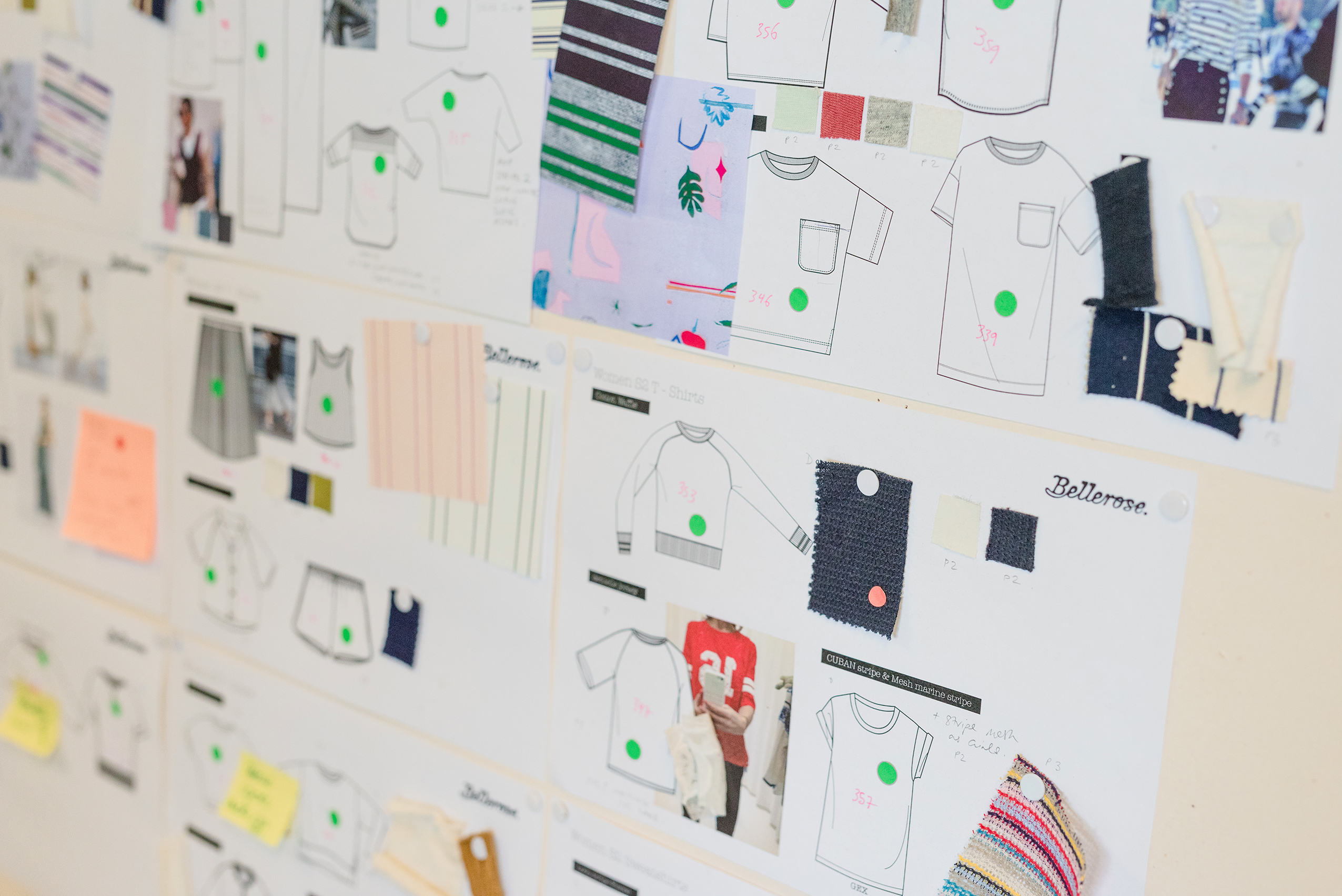
Visual presentation to convey a general idea
A mood board is a type of visual presentation or 'collage' consisting of images, text, and samples of objects in a composition. It can be based on a set topic or can be any material chosen at random. A mood board can be used to convey a general idea or feeling about a particular topic. They may be physical or digital, and can be effective presentation tools.
Uses
Graphic designers, interior designers, industrial designers, photographers, user interface designers and other creative artists use mood boards to visually illustrate the style they wish to pursue. Amateur and professional designers alike may use them as an aid for more subjective purposes such as how they want to decorate their bedroom, or the vibe they want to convey through their fashion.
Mood boards can also be used by authors to visually explain a certain style of writing, or an imaginary setting for a story line. In short, mood boards are not limited to interior decorating purposes, but serve as a visual tool to quickly inform others of the overall "feel" (or "flow") of an idea. In creative processes, mood boards can balance coordination and creative freedom.
Mood boards can be used in marketing for advertisements and branding. They are used to help creative teams stay on the same page while also adhering to the image that the brand wants to project outward. They can also be helpful for sticking to a specific creative concept when creating a series of ads.
Types
One way of creating a mood board is using a foam board which can be cut up with a scalpel and can also have spray mounted cut-outs put onto it. Cardboard, paper, and cork-board can also be used as an alternative base for a mood board. Some examples of ideas used to convey a mood are food, music, and colors. Mood boards can be decorated with string, stickers, pretty tape, magazine pictures, original art, original pictures, and fabrics, as well as any other decoration that happens to inspire the creator. They can take the form of various shapes and sizes.
Creating mood boards in a digital form allows for easier collaboration and modification. They can be created with digital design software, such as Adobe Creative Cloud Express and Figma, or online via sites such as Pinterest, Shuffles (a product of Pinterest), and ShopLook. Users of these platforms often use images that others have shared online to create a vision that they might not have necessarily been able to create themselves with the physical objects around them.
References
References
- Low, Rachel. (2015). "Girl's guide to stylish DIY: design & sew 5 complete outfits: mood boards, fashion sketching, choosing fabric, adding style". C & T.
- (2015). "Visual organizing: Balancing coordination and creative freedom via mood boards". Journal of Business Research.
- Callihan, Diane. (2022-06-02). "Get in the Mood: Why Your Brand Needs a Mood Board".
- "Creative Advertising Concepts".
- "Visual Representations: Mood Boards and Idea Sharing". Impact Posters Gallery.
- "Shuffles".
- "The easiest way to find or create the perfect outfit {{!}} ShopLook".
This article was imported from Wikipedia and is available under the Creative Commons Attribution-ShareAlike 4.0 License. Content has been adapted to SurfDoc format. Original contributors can be found on the article history page.
Ask Mako anything about Mood board — get instant answers, deeper analysis, and related topics.
Research with MakoFree with your Surf account
Create a free account to save articles, ask Mako questions, and organize your research.
Sign up freeThis content may have been generated or modified by AI. CloudSurf Software LLC is not responsible for the accuracy, completeness, or reliability of AI-generated content. Always verify important information from primary sources.
Report