From Surf Wiki (app.surf) — the open knowledge base
Ministry of Land, Infrastructure, Transport and Tourism
Government ministry of Japan
Government ministry of Japan
| Field | Value |
|---|---|
| agency_name | Ministry of Land, Infrastructure, Transport and Tourism |
| nativename_a | 国土交通省 |
| nativename_r | Kokudokōtsūshō |
| logo | Logo of MLIT.svg |
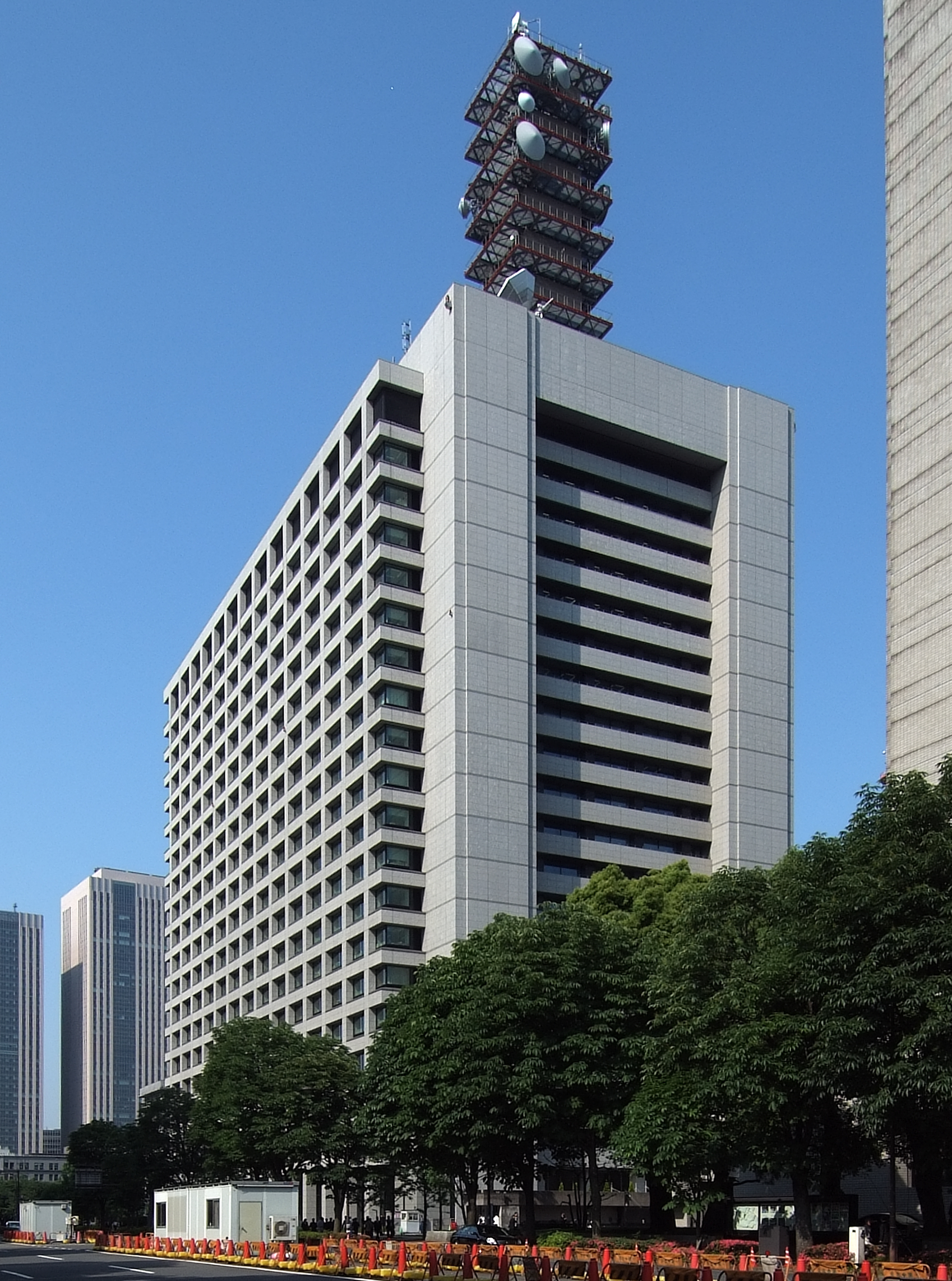
| picture | Central-Government-Building-3-01.jpg |
| picture_caption | Central Government Building # 3: MLIT Headquarters |
| formed | |
| preceding1 | Ministry of Transport |
| preceding2 | Ministry of Construction |
| preceding3 | |
| preceding4 | |
| jurisdiction | Government of Japan |
| headquarters | 2-1-3 Kasumigaseki, Chiyoda-ku, Tokyo 100-8918 Japan |
| coordinates | |
| minister1_name | Yasushi Kaneko, Minister of Land, Infrastructure, Transport and Tourism |
| minister2_name | Takashi Ōtsuka, State Minister of Land, Infrastructure, Transport and Tourism |
| minister3_name | Ichiro Tsukada, State Minister of Land, Infrastructure, Transport and Tourism |
| website |
The Ministry of Land, Infrastructure, Transport and Tourism is a ministry of the Japanese government. It is responsible for one-third of all the laws and orders in Japan and is the largest Japanese ministry in terms of employees, as well as the second-largest executive agency of the Japanese government after the Ministry of Defense. The ministry oversees four external agencies including the Japan Coast Guard, the Japan Meteorological Agency and the Japan Tourism Agency.
Background
MLIT was established as part of the administrative reforms of January 6, 2001, which merged the Ministry of Transport, the Ministry of Construction, the (北海道開発庁 Hokkaidō-kaihatsu-chō), and the (国土庁 Kokudo-chō). Before the ministry renamed itself on January 8, 2008, the ministry's English name was "Ministry of Land, Infrastructure and Transport". One of the mother ministries, the Ministry of Construction, along with the former Ministry of Home Affairs, the National Police Agency and the former Ministry of Health and Welfare, is the successor to the pre-WW2 Home Ministry, and has sent deputy governors and deputy mayors to each prefecture and municipality since becoming the Ministry of Land, Infrastructure and Transport.
Organization
MLIT is organized into the following bureaus:
- Minister's Secretariat
- Policy Bureau
- National and Regional Policy Bureau
- Real Estate and Construction Economics Bureau
- City Bureau
- Water and Disaster Management Bureau
- Road Bureau
- Housing Bureau
- Railway Bureau
- Logistics/Road Transport Bureau
- Maritime Bureau
- Ports and Harbours Bureau
- Civil Aviation Bureau
- Hokkaido Bureau
- Director-General for Policy Planning
- Director-General for International Affairs
External agencies
- Japan Coast Guard (海上保安庁)
- Japan Meteorological Agency (気象庁)
- Japan Tourism Agency (観光庁)
- Japan Transport Safety Board (運輸安全委員会)
- (former)
References
References
- [http://law.e-gov.go.jp/htmldata/H11/H11HO100.html 国土交通省設置法] {{Webarchive. link. (2012-02-15 , Ministry of Internal Affairs and Communications. {{in lang). ja
- [http://www.mlit.go.jp/kaiken/kaiken08/080108.html 冬柴大臣会見要旨(平成20年1月8日)], Ministry of Land, Infrastructure, Transport and Tourism. Retrieved on 2008-11-07. {{in lang. ja
- "組織と主な業務 (所掌業務・電話番号等) - 国土交通省".
- [http://www.mlit.go.jp/common/000026153.pdf The Organization of The Ministry of Land, Infrastructure, Transport and Tourism (As of July 1, 2011)], Ministry of Land, Infrastructure, Transport and Tourism.
This article was imported from Wikipedia and is available under the Creative Commons Attribution-ShareAlike 4.0 License. Content has been adapted to SurfDoc format. Original contributors can be found on the article history page.
Ask Mako anything about Ministry of Land, Infrastructure, Transport and Tourism — get instant answers, deeper analysis, and related topics.
Research with MakoFree with your Surf account
Create a free account to save articles, ask Mako questions, and organize your research.
Sign up freeThis content may have been generated or modified by AI. CloudSurf Software LLC is not responsible for the accuracy, completeness, or reliability of AI-generated content. Always verify important information from primary sources.
Report