From Surf Wiki (app.surf) — the open knowledge base
Methamphetamine
Central nervous system stimulant

Central nervous system stimulant
| Field | Value | |
|---|---|---|
| verifiedrevid | 589084691 | |
| INN | Metamfetamine | |
| image | 2D-CHEMICAL-FORMULA-METHAMPHETAMINKA-10001010101.png | |
| image_class | skin-invert | |
| imageL | D-Methamphetamine MV.png | |
| image_classL | bg-transparent | |
| widthL | 200 | |
| imageR | L-Methamphetamine MV.png | |
| image_classR | bg-transparent | |
| chirality | Racemic mixture | |
| <!-- Clinical data --> | widthR | 200 |
| pronounce | ||
| (), | ||
| (), | ||
| () | ||
| tradename | Desoxyn, others | |
| Drugs.com | ||
| DailyMedID | ||
| pregnancy_AU | X | |
| pregnancy_AU_comment | The system is developed for medicine that can be prescribed, but the equivalent is category X. | |
| dependency_liability | ||
| addiction_liability | Very high | |
| routes_of_administration | By mouth, intravenous, intramuscular, subcutaneous, inhalation, insufflation, rectal, vaginal | |
| class | Substituted amphetamine | |
| ATC_prefix | N06 | |
| ATC_suffix | BA03 | |
| ATC_supplemental | ||
| legal_AU | S8 | |
| legal_BR | F2 | |
| legal_BR_comment | ||
| legal_CA | Schedule I | |
| legal_DE | Anlage II | |
| legal_NZ | Class A | |
| legal_UK | Class A | |
| legal_US | Schedule II | |
| legal_US_comment | ||
| legal_EU | Rx-only | |
| legal_UN | Psychotropic Schedule II | |
| legal_status | SE: Förteckning I | |
| <!-- Pharmacokinetic data --> | bioavailability | Oral: 67% |
| Intranasal: 79% | ||
| Inhalation: 67–90% | ||
| Intravenous: 100% | ||
| protein_bound | Varies widely | |
| metabolism | CYP2D6 and FMO3 | |
| metabolites | • Amphetamine | |
| onset | Oral: 3hours (peak) | |
| Intranasal: | ||
| elimination_half-life | 9–12hours (range 5–30hours); irrespective of route | |
| duration_of_action | 8–12hours | |
| excretion | Primarily kidney | |
| <!-- Identifiers --> | index2_label | (dl)-Methamphetamine hydrochloride |
| CAS_number_Ref | ||
| CAS_number | 537-46-2 | |
| CAS_number2_Ref | ||
| CAS_number2 | 300-42-5 | |
| PubChem | 1206 | |
| IUPHAR_ligand | 4803 | |
| DrugBank_Ref | ||
| DrugBank | DB01577 | |
| ChemSpiderID_Ref | ||
| ChemSpiderID | 1169 | |
| UNII_Ref | ||
| UNII | 44RAL3456C | |
| UNII2_Ref | ||
| UNII2 | 24GNZ56D62 | |
| KEGG_Ref | ||
| KEGG | D08187 | |
| ChEBI_Ref | ||
| ChEBI | 6809 | |
| ChEMBL_Ref | ||
| ChEMBL | 1201201 | |
| PDB_ligand | B40 | |
| synonyms | N-methylamphetamine, N,α-dimethylphenethylamine, desoxyephedrine | |
| <!-- Chemical and physical data --> | IUPAC_name | (RS)-N-methyl-1-phenylpropan-2-amine |
| C | 10 | |
| H | 15 | |
| N | 1 | |
| SMILES | CNC(C)Cc1ccccc1 | |
| StdInChI_Ref | ||
| StdInChI | 1S/C10H15N/c1-9(11-2)8-10-6-4-3-5-7-10/h3-7,9,11H,8H2,1-2H3 | |
| StdInChIKey_Ref | ||
| StdInChIKey | MYWUZJCMWCOHBA-UHFFFAOYSA-N | |
| melting_point | 170 | |
| melting_notes | ||
| boiling_point | 212 | |
| boiling_notes | at 760 mmHg |
READ THIS BEFORE EDITING: every medical statement in the lead has a reference in the body of the article. Please do not delete contested lead content without either looking for the statement's ref in the body of the article and/or asking about it on the talk page first.
--
(), (), () | Drugs.com =
Serotonin–norepinephrine–dopamine releasing agent
Intranasal: 79% Inhalation: 67–90% Intravenous: 100%
• Pholedrine • N-Hydroxymethamphetamine Intranasal: | elimination_half-life = 9–12hours (range 5–30hours); irrespective of route
Methamphetamine is a central nervous system (CNS) stimulant that is primarily used as a recreational or performance-enhancing drug and less commonly as a second-line treatment for attention deficit hyperactivity disorder (ADHD). It has also been researched as a potential treatment for traumatic brain injury. Methamphetamine was discovered in 1893 and exists as two enantiomers: levo-methamphetamine and dextro-methamphetamine. Methamphetamine properly refers to a specific chemical substance, the racemic free base, which is an equal mixture of levomethamphetamine and dextromethamphetamine in their pure amine forms, but the hydrochloride salt, commonly called crystal meth, is widely used. Methamphetamine is rarely prescribed over concerns involving its potential for misuse as an aphrodisiac and euphoriant, among other concerns, as well as the availability of other drugs with comparable effects and treatment efficacy such as dextroamphetamine and lisdexamfetamine. While pharmaceutical formulations of methamphetamine in the United States are labeled as methamphetamine hydrochloride, they contain dextromethamphetamine as the active ingredient. Dextromethamphetamine is a stronger CNS stimulant than levomethamphetamine.
Both racemic methamphetamine and dextromethamphetamine are illicitly trafficked and sold owing to their potential for recreational use and ease of manufacture. The highest prevalence of illegal methamphetamine use occurs in parts of Asia and Oceania, and in the United States, where racemic methamphetamine and dextromethamphetamine are classified as Schedule II controlled substances. Levomethamphetamine is available as an over-the-counter (OTC) drug for use as an inhaled nasal decongestant in the United States and is seldom abused. Internationally, the production, distribution, sale, and possession of methamphetamine is restricted or banned in many countries, owing to its placement in schedule II of the United Nations Convention on Psychotropic Substances treaty. While dextromethamphetamine is a more potent drug, racemic methamphetamine is illicitly produced more often, owing to the relative ease of synthesis and regulatory limits of chemical precursor availability.
The effects of methamphetamine are nearly identical to other substituted amphetamine. In low to moderate and therapeutic doses (5–25 mg orally), methamphetamine produces typical SNDRA effects and may elevate mood, increase alertness, concentration, and energy, reduce appetite, and promote weight loss. In overdose or during extended binges, it may induce psychosis, breakdown of skeletal muscle, seizures, and bleeding in the brain. Chronic high-dose use can precipitate unpredictable and rapid mood swings, stimulant psychosis (e.g., paranoia, hallucinations, delirium, and delusions), and aggression. Recreationally, methamphetamine's ability to increase energy has been reported to lift mood and increase sexual desire to such an extent that users are able to engage in sexual activity continuously for several days while binging the drug. Methamphetamine is known to possess a high abuse liability (a high likelihood that extratherapeutic use will lead to compulsive drug use) and high psychological dependence liability (a high likelihood that withdrawal symptoms will occur when methamphetamine use ceases). Discontinuing methamphetamine after heavy use may lead to a post-acute-withdrawal syndrome, which can persist for months beyond the typical withdrawal period. At high doses, like other substituted amphetamine, methamphetamine is neurotoxic to human midbrain dopaminergic neurons and, to a lesser extent, serotonergic neurons. Methamphetamine neurotoxicity causes adverse changes in brain structure and function, such as reductions in grey matter volume in several brain regions, as well as adverse changes in markers of metabolic integrity.
Uses
Medical
In the United States, methamphetamine hydrochloride, sold under the brand name Desoxyn, is FDA-approved for the treatment of attention deficit hyperactivity disorder (ADHD); however, the FDA notes that the limited therapeutic usefulness of methamphetamine should be weighed against the risks associated with its use. To avoid toxicity and risk of side effects, FDA guidelines recommend an initial dose of methamphetamine at doses 5–10 mg/day for ADHD in adults and children over six years of age, and may be increased at weekly intervals of 5 mg, up to 25 mg/day, until optimum clinical response is found; the usual effective dose is around 20–25 mg/day. Methamphetamine is sometimes prescribed off-label for obesity, narcolepsy, and idiopathic hypersomnia. In the United States, methamphetamine's levorotary form is available in some over-the-counter (OTC) nasal decongestant products.
Although the pharmaceutical name "methamphetamine hydrochloride" may suggest a racemic mixture, Desoxyn contains enantiopure dextromethamphetamine, which is a more potent stimulant than both levomethamphetamine and racemic methamphetamine. This naming convention deviates from the standard practice observed with other stimulants, such as Adderall and dextroamphetamine, where the dextrorotary enantiomer is explicitly identified as an active ingredient in both generic and brand-name pharmaceuticals.
As methamphetamine is associated with a high potential for misuse, the drug is regulated under the Controlled Substances Act and is listed under Schedule II in the United States. Methamphetamine hydrochloride dispensed in the United States is required to include a boxed warning regarding its potential for recreational misuse and addiction liability.
Desoxyn Gradumet was an extended-release form of the drug. It is no longer produced.
Recreational
See also: Party and play and the [History and culture of substituted amphetamines#Recreational routes of administration
Methamphetamine is often used recreationally for its effects as a potent euphoriant and stimulant as well as [aphrodisiac qualities.
According to a National Geographic TV documentary on methamphetamine, an entire subculture known as party and play is based around sexual activity and methamphetamine use. Participants in this subculture, which consists almost entirely of homosexual male methamphetamine users, will typically meet up through internet dating sites and have sex. Because of its strong stimulant and aphrodisiac effects and inhibitory effect on ejaculation, with repeated use, these sexual encounters will sometimes occur continuously for several days on end. The crash following the use of methamphetamine in this manner is very often severe, with marked hypersomnia (excessive daytime sleepiness). The party and play subculture is prevalent in major US cities such as San Francisco and New York City.
Contraindications
Methamphetamine is contraindicated in individuals with a history of substance use disorder, heart disease, or severe agitation or anxiety, or in individuals currently experiencing arteriosclerosis, glaucoma, hyperthyroidism, or severe hypertension. The FDA states that individuals who have experienced hypersensitivity reactions to other stimulants in the past or are currently taking monoamine oxidase inhibitors should not take methamphetamine. The FDA also advises individuals with bipolar disorder, depression, elevated blood pressure, liver or kidney problems, mania, psychosis, Raynaud's phenomenon, seizures, thyroid problems, tics, or Tourette syndrome to monitor their symptoms while taking methamphetamine. Owing to the potential for stunted growth, the FDA advises monitoring the height and weight of growing children and adolescents during treatment.
Adverse effects
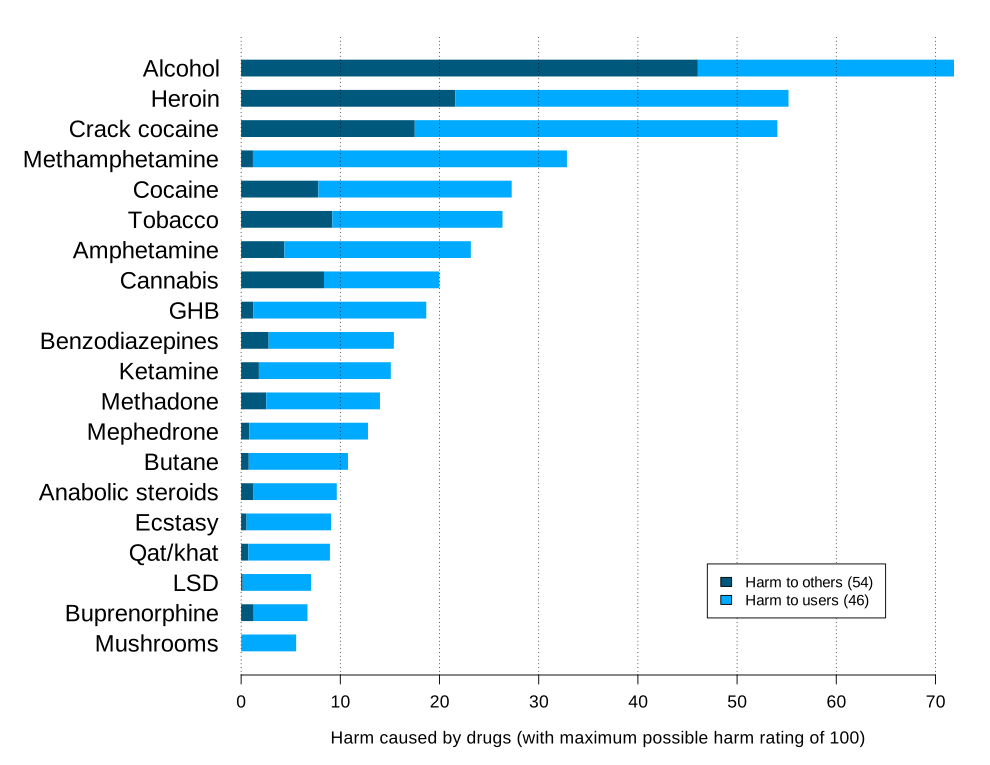

Physical
Cardiovascular
Methamphetamine is a sympathomimetic drug that causes vasoconstriction and tachycardia. Methamphetamine also promotes abnormal extra heartbeats and irregular heart rhythms, which may be life-threatening.
Other physical effects
The effects can also include loss of appetite, hyperactivity, dilated pupils, flushed skin, excessive sweating, increased movement, dry mouth and teeth grinding (potentially leading to condition informally known as meth mouth), headache, rapid breathing, high body temperature, diarrhea, constipation, blurred vision, dizziness, twitching, numbness, tremors, dry skin, acne, and pale appearance. Long-term meth users may have sores on their skin; Numerous deaths related to methamphetamine overdoses have been reported. Additionally, "[p]ostmortem examinations of human tissues have linked use of the drug to diseases associated with aging, such as coronary atherosclerosis and pulmonary fibrosis", which may be caused "by a considerable rise in the formation of ceramides, pro-inflammatory molecules that can foster cell aging and death."
Dental and oral health ("meth mouth")
Main article: Meth mouth

Methamphetamine users, particularly heavy users, may lose their teeth abnormally quickly, regardless of the route of administration, from a condition informally known as meth mouth. The condition is generally most severe in users who inject the drug, rather than swallow, smoke, or inhale it. According to the American Dental Association, meth mouth "is probably caused by a combination of drug-induced psychological and physiological changes resulting in xerostomia (dry mouth), extended periods of poor oral hygiene, frequent consumption of high-calorie, carbonated beverages and bruxism (teeth grinding and clenching)". As dry mouth is also a common side effect of other stimulants, which are not known to contribute severe tooth decay, many researchers suggest that methamphetamine-associated tooth decay is more due to users' other choices. They suggest the side effect has been exaggerated and stylized to create a stereotype of current users as a deterrence for new ones.
Sexually transmitted infection
Methamphetamine use was found to be related to higher frequencies of unprotected sexual intercourse in both HIV-positive and unknown casual partners, an association more pronounced in HIV-positive participants. These findings suggest that methamphetamine use and engagement in unprotected anal intercourse are co-occurring risk behaviors, behaviors that potentially heighten the risk of HIV transmission among gay and bisexual men. Methamphetamine use allows users of both sexes to engage in prolonged sexual activity, which may cause genital sores and abrasions as well as priapism in men. Methamphetamine may also cause sores and abrasions in the mouth via bruxism, increasing the risk of sexually transmitted infection.
Besides the sexual transmission of HIV, it may also be transmitted between users who share a common needle. The level of needle sharing among methamphetamine users is similar to that among other drug injection users.
Psychological
The psychological effects of methamphetamine can include euphoria, dysphoria, changes in libido, alertness, apprehension and concentration, decreased sense of fatigue, insomnia or wakefulness, self-confidence, sociability, irritability, restlessness, grandiosity and repetitive and obsessive behaviors. Peculiar to methamphetamine and related stimulants is "punding", persistent non-goal-directed repetitive activity. Methamphetamine use also has a high association with anxiety, depression, amphetamine psychosis, suicide, and violent behaviors.
Neurotoxicity
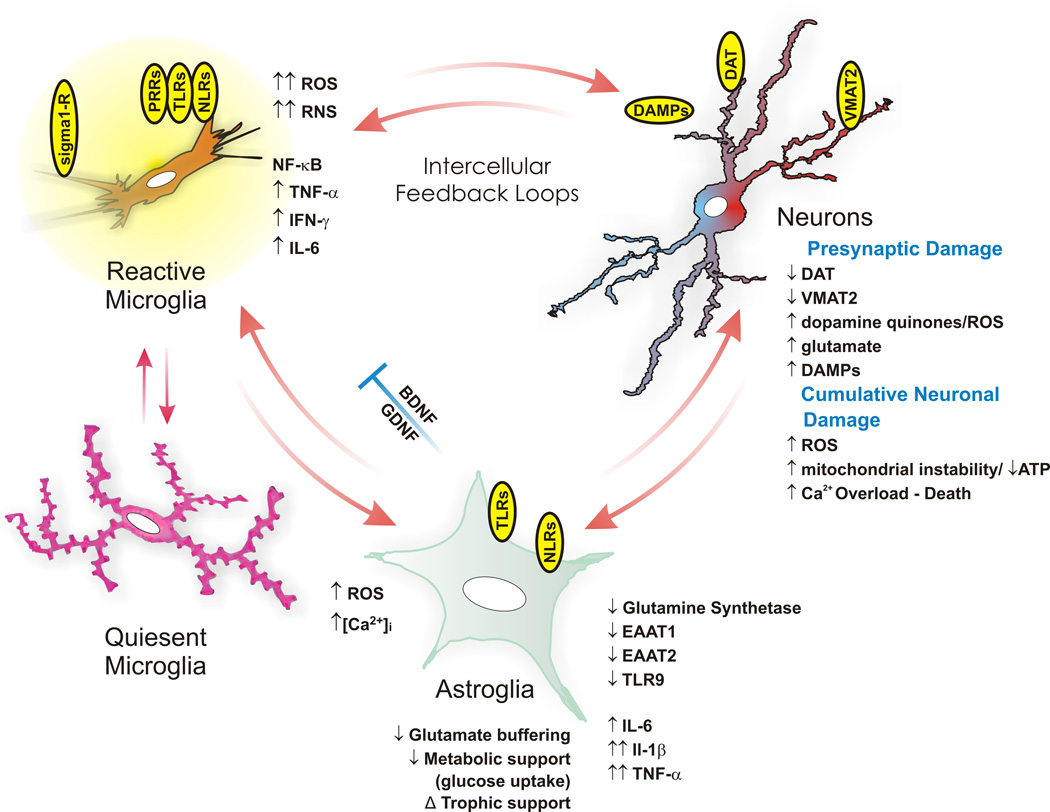
Methamphetamine is neurotoxic to dopaminergic systems in lab animals and is associated with dopaminergic toxicity in humans. Excitotoxicity, oxidative stress, metabolic compromise, UPS dysfunction, protein nitration, endoplasmic reticulum stress, p53 expression and other processes contributed to this neurotoxicity. In line with its dopaminergic neurotoxicity, methamphetamine use is associated with a higher risk of Parkinson's disease. In addition to its dopaminergic neurotoxicity, a review of human studies indicated that chronic methamphetamine use is associated with serotonergic neurotoxicity. It has been demonstrated that a high core temperature is correlated with an increase in the neurotoxic effects of methamphetamine. Withdrawal of methamphetamine in dependent persons may lead to post-acute withdrawal which persists months beyond the typical withdrawal period.
Magnetic resonance imaging studies on human methamphetamine users have also found evidence of neurodegeneration, or adverse neuroplastic changes in brain structure and function. In particular, methamphetamine appears to cause hyperintensity and hypertrophy of white matter, marked shrinkage of hippocampi, and reduced gray matter in the cingulate cortex, limbic cortex, and paralimbic cortex in recreational methamphetamine users. Moreover, evidence suggests that adverse changes in the level of biomarkers of metabolic integrity and synthesis occur in recreational users, such as a reduction in N-acetylaspartate and creatine levels and elevated levels of choline and myoinositol.
Methamphetamine has been shown to activate TAAR1 in human astrocytes and generate cAMP as a result. Activation of astrocyte-localized TAAR1 appears to function as a mechanism by which methamphetamine attenuates membrane-bound EAAT2 (SLC1A2) levels and function in these cells.
Methamphetamine binds to and activates both sigma receptor subtypes, σ1 and σ2, with micromolar affinity. Sigma receptor activation may promote methamphetamine-induced neurotoxicity by facilitating hyperthermia, increasing dopamine synthesis and release, influencing microglial activation, and modulating apoptotic signaling cascades and the formation of reactive oxygen species.
Addiction
Current models of addiction from chronic drug use involve alterations in gene expression in certain parts of the brain, particularly the nucleus accumbens. The most important transcription factors that produce these alterations are ΔFosB, cAMP response element binding protein (CREB), and nuclear factor kappa B (NFκB). ΔFosB plays a crucial role in the development of drug addictions, since its overexpression in D1-type medium spiny neurons in the nucleus accumbens is necessary and sufficient for most of the behavioral and neural adaptations that arise from addiction. Once ΔFosB is sufficiently overexpressed, it induces an addictive state that becomes increasingly more severe with further increases in ΔFosB expression. It has been implicated in addictions to alcohol, cannabinoids, cocaine, methylphenidate, nicotine, opioids, phencyclidine, propofol, and substituted amphetamines, among others.
ΔJunD, a transcription factor, and G9a, a histone methyltransferase enzyme, both directly oppose the induction of ΔFosB in the nucleus accumbens (i.e., they oppose increases in its expression). Sufficiently overexpressing ΔJunD in the nucleus accumbens with viral vectors can completely block many of the neural and behavioral alterations seen in chronic drug use (i.e., the alterations mediated by ΔFosB). ΔFosB also plays an important role in regulating behavioral responses to natural rewards, such as palatable food, sex, and exercise. Since both natural rewards and addictive drugs induce expression of ΔFosB (i.e., they cause the brain to produce more of it), chronic acquisition of these rewards can result in a similar pathological state of addiction. ΔFosB is the most significant factor involved in both amphetamine addiction and amphetamine-induced sex addictions, which are compulsive sexual behaviors that result from excessive sexual activity and amphetamine use. These sex addictions (i.e., drug-induced compulsive sexual behaviors) are associated with a dopamine dysregulation syndrome which occurs in some patients taking dopaminergic drugs, such as amphetamine or methamphetamine.
Epigenetic factors
Methamphetamine addiction is persistent for many individuals, with 61% of individuals treated for addiction relapsing within one year. About half of those with methamphetamine addiction continue with use over a ten-year period, while the other half reduce use starting at about one to four years after initial use.
The frequent persistence of addiction suggests that long-lasting changes in gene expression may occur in particular regions of the brain, and may contribute importantly to the addiction phenotype. In 2014, a crucial role was found for epigenetic mechanisms in driving lasting changes in gene expression in the brain.
A review in 2015 summarized a number of studies involving chronic methamphetamine use in rodents. Epigenetic alterations were observed in the brain reward pathways, including areas like ventral tegmental area, nucleus accumbens, and dorsal striatum, the hippocampus, and the prefrontal cortex. Chronic methamphetamine use caused gene-specific histone acetylations, deacetylations and methylations. Gene-specific DNA methylations in particular regions of the brain were also observed. The various epigenetic alterations caused downregulations or upregulations of specific genes important in addiction. For instance, chronic methamphetamine use caused methylation of the lysine in position 4 of histone 3 located at the promoters of the c-fos and the C-C chemokine receptor 2 (ccr2) genes, activating those genes in the nucleus accumbens (NAc). The ccr2 gene is also important in addiction, since mutational inactivation of this gene impairs addiction.
In methamphetamine addicted rats, epigenetic regulation through reduced acetylation of histones, in brain striatal neurons, caused reduced transcription of glutamate receptors. Glutamate receptors play an important role in regulating the reinforcing effects of addictive drugs.
Administration of methamphetamine to rodents causes DNA damage in their brain, particularly in the nucleus accumbens region. During repair of such DNA damages, persistent chromatin alterations may occur such as in the methylation of DNA or the acetylation or methylation of histones at the sites of repair. These alterations can be epigenetic scars in the chromatin that contribute to the persistent epigenetic changes found in methamphetamine addiction.
Treatment and management
A 2018 systematic review and network meta-analysis of 50 trials involving 12 different psychosocial interventions for amphetamine, methamphetamine, or cocaine addiction found that combination therapy with both contingency management and community reinforcement approach had the highest efficacy (i.e., abstinence rate) and acceptability (i.e., lowest dropout rate). Other treatment modalities examined in the analysis included monotherapy with contingency management or community reinforcement approach, cognitive behavioral therapy, 12-step programs, non-contingent reward-based therapies, psychodynamic therapy, and other combination therapies involving these.
, there is no effective pharmacotherapy for methamphetamine addiction. A systematic review and meta-analysis from 2019 assessed the efficacy of 17 different pharmacotherapies used in randomized controlled trials (RCTs) for amphetamine and methamphetamine addiction; it found only low-strength evidence that methylphenidate might reduce amphetamine or methamphetamine self-administration. There was low- to moderate-strength evidence of no benefit for most of the other medications used in RCTs, which included antidepressants (bupropion, mirtazapine, sertraline), antipsychotics (aripiprazole), anticonvulsants (topiramate, baclofen, gabapentin), naltrexone, varenicline, citicoline, ondansetron, prometa, riluzole, atomoxetine, dextroamphetamine, and modafinil.
Medication-Assisted Treatment (MAT) combines FDA-approved medications with behavioral therapies to address substance use disorders. This approach aims to reduce cravings and withdrawal symptoms, supporting individuals in their recovery process.
Dependence and withdrawal
Tolerance is expected to develop with regular methamphetamine use and, when used recreationally, this tolerance develops rapidly. In dependent users, withdrawal symptoms are positively correlated with the level of drug tolerance. Depression from methamphetamine withdrawal lasts longer and is more severe than that of cocaine withdrawal.
According to the current Cochrane review on drug dependence and withdrawal in recreational users of methamphetamine, "when chronic heavy users abruptly discontinue [methamphetamine] use, many report a time-limited withdrawal syndrome that occurs within 24 hours of their last dose". Withdrawal symptoms in chronic, high-dose users are frequent, occurring in up to 87.6% of cases, and persist for three to four weeks with a marked "crash" phase occurring during the first week. Methamphetamine withdrawal symptoms can include anxiety, drug craving, dysphoric mood, fatigue, increased appetite, increased movement or decreased movement, lack of motivation, sleeplessness or sleepiness, and vivid or lucid dreams.
Methamphetamine that is present in a mother's bloodstream can pass through the placenta to a fetus and be secreted into breast milk. Infants born to methamphetamine-abusing mothers may experience a neonatal withdrawal syndrome, with symptoms involving of abnormal sleep patterns, poor feeding, tremors, and hypertonia. This withdrawal syndrome is relatively mild and only requires medical intervention in approximately 4% of cases.
Neonatal
Unlike other drugs, babies with prenatal exposure to methamphetamine do not show immediate signs of withdrawal. Instead, cognitive and behavioral problems start emerging when the children reach school age.
A prospective cohort study of 330 children showed that at the age of 3, children with methamphetamine exposure showed increased emotional reactivity, as well as more signs of anxiety and depression; and at the age of 5, children showed higher rates of externalizing disorders and attention deficit hyperactivity disorder (ADHD).
Overdose
Methamphetamine overdose is a diverse term. It frequently refers to the exaggeration of the unusual effects with features such as irritability, agitation, hallucinations and paranoia. The cardiovascular effects are typically not noticed in young healthy people. Hypertension and tachycardia are not apparent unless measured. A moderate overdose of methamphetamine may induce symptoms such as: abnormal heart rhythm, confusion, difficult or painful urination, high or low blood pressure, high body temperature, over-active or over-responsive reflexes, muscle aches, severe agitation, rapid breathing, tremor, urinary hesitancy, and an inability to pass urine. An extremely large overdose may produce symptoms such as adrenergic storm, methamphetamine psychosis, substantially reduced or no urine output, cardiogenic shock, bleeding in the brain, circulatory collapse, hyperpyrexia (i.e., dangerously high body temperature), pulmonary hypertension, kidney failure, rapid muscle breakdown, serotonin syndrome, and a form of stereotypy ("tweaking"). A methamphetamine overdose will likely also result in mild brain damage owing to dopaminergic and serotonergic neurotoxicity. Death from methamphetamine poisoning is typically preceded by convulsions and coma.
Psychosis
Use of methamphetamine can result in a stimulant psychosis which may present with a variety of symptoms (e.g., paranoia, hallucinations, delirium, and delusions). A Cochrane Collaboration review on treatment for amphetamine, dextroamphetamine, and methamphetamine use-induced psychosis states that about 5–15% of users fail to recover completely. The same review asserts that, based upon at least one trial, antipsychotic medications effectively resolve the symptoms of acute amphetamine psychosis. Amphetamine psychosis may also develop occasionally as a treatment-emergent side effect.
Death from overdose
The CDC reported that the number of deaths in the United States involving psychostimulants with abuse potential to be 23,837 in 2020 and 32,537 in 2021. This category code (ICD–10 of T43.6) includes primarily methamphetamine but also other stimulants such as amphetamine, and methylphenidate. The mechanism of death in these cases is not reported in these statistics and is difficult to know. Unlike fentanyl which causes respiratory depression, methamphetamine is not a respiratory depressant. Some deaths are as a result of intracranial hemorrhage and some deaths are cardiovascular in nature including flash pulmonary edema and ventricular fibrillation.
Emergency treatment
Acute methamphetamine intoxication is largely managed by treating the symptoms and treatments may initially include administration of activated charcoal and sedation. There is not enough evidence on hemodialysis or peritoneal dialysis in cases of methamphetamine intoxication to determine their usefulness. Forced acid diuresis (e.g., with vitamin C) will increase methamphetamine excretion but is not recommended as it may increase the risk of aggravating acidosis, or cause seizures or rhabdomyolysis. Hypertension presents a risk for intracranial hemorrhage (i.e., bleeding in the brain) and, if severe, is typically treated with intravenous phentolamine or nitroprusside. Blood pressure often drops gradually following sufficient sedation with a benzodiazepine and providing a calming environment.
Antipsychotics such as haloperidol are useful in treating agitation and psychosis from methamphetamine overdose. Beta blockers with lipophilic properties and CNS penetration such as metoprolol and labetalol may be useful for treating CNS and cardiovascular toxicity. The mixed alpha- and beta-blocker labetalol is especially useful for treatment of concomitant tachycardia and hypertension induced by methamphetamine. The phenomenon of "unopposed alpha stimulation" has not been reported with the use of beta-blockers for treatment of methamphetamine toxicity.
Interactions
Methamphetamine is metabolized by the liver enzyme CYP2D6, so CYP2D6 inhibitors will prolong the elimination half-life of methamphetamine. Methamphetamine also interacts with monoamine oxidase inhibitors (MAOIs), since both MAOIs and methamphetamine increase plasma catecholamines; therefore, concurrent use of both is dangerous. Methamphetamine may decrease the effects of sedatives and depressants and increase the effects of antidepressants and other stimulants as well. Methamphetamine may counteract the effects of antihypertensives and antipsychotics owing to its effects on the cardiovascular system and cognition respectively. The pH of gastrointestinal content and urine affects the absorption and excretion of methamphetamine. Specifically, acidic substances will reduce the absorption of methamphetamine and increase urinary excretion, while alkaline substances do the opposite. Owing to the effect pH has on absorption, proton pump inhibitors, which reduce gastric acid, are known to interact with methamphetamine. Norepinephrine reuptake inhibitors (NRIs) like atomoxetine prevent norepinephrine release induced by amphetamines and have been found to reduce the stimulant, euphoriant, and sympathomimetic effects of dextroamphetamine in humans. Similarly, norepinephrine–dopamine reuptake inhibitors (NRIs) like methylphenidate and bupropion prevent norepinephrine and dopamine release induced by amphetamines and bupropion has been found to reduce the subjective and sympathomimetic effects of methamphetamine in humans.
Pharmacology
Pharmacodynamics
| Compound | Ref |
|---|---|
| Phenethylamine | 10.9 |
| d-Amphetamine | 6.6–7.2 |
| l-Amphetamine | 9.5 |
| d-Methamphetamine | 12.3–13.8 |
| l-Methamphetamine | 28.5 |
| d-Ethylamphetamine | 28.8 |
| Notes: The smaller the value, the more strongly the drug releases the neurotransmitter. The assays were done in rat brain synaptosomes and human potencies may be different. See also Monoamine releasing agent § Activity profiles for a larger table with more compounds. Refs: |
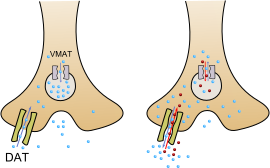
Methamphetamine has been identified as a potent full agonist of trace amine-associated receptor 1 (TAAR1), a G protein-coupled receptor (GPCR) that regulates brain catecholamine systems. Activation of TAAR1 increases cyclic adenosine monophosphate (cAMP) production and either completely inhibits or reverses the transport direction of the dopamine transporter (DAT), norepinephrine transporter (NET), and serotonin transporter (SERT). When methamphetamine binds to TAAR1, it triggers transporter phosphorylation via protein kinase A (PKA) and protein kinase C (PKC) signaling, ultimately resulting in the internalization or reverse function of monoamine transporters. Methamphetamine is also known to increase intracellular calcium, an effect which is associated with DAT phosphorylation through a Ca2+/calmodulin-dependent protein kinase (CAMK)-dependent signaling pathway, in turn producing dopamine efflux. TAAR1 has been shown to reduce the firing rate of neurons through direct activation of G protein-coupled inwardly-rectifying potassium channels. TAAR1 activation by methamphetamine in astrocytes appears to negatively modulate the membrane expression and function of EAAT2, a type of glutamate transporter.
In addition to its effect on the plasma membrane monoamine transporters, methamphetamine inhibits synaptic vesicle function by inhibiting VMAT2, which prevents monoamine uptake into the vesicles and promotes their release. Methamphetamine binds to VMAT2 via the resperine site, in contrast to amphetamine, which appears to bind at the tetrabenazine site. This results in the outflow of monoamines from synaptic vesicles into the cytosol (intracellular fluid) of the presynaptic neuron, and their subsequent release into the synaptic cleft by the phosphorylated transporters. Other transporters that methamphetamine is known to inhibit are SLC22A3 and SLC22A5. SLC22A3 is an extraneuronal monoamine transporter that is present in astrocytes, and SLC22A5 is a high-affinity carnitine transporter.
Methamphetamine is also an agonist of the alpha-2 adrenergic receptors and sigma receptors with a greater affinity for σ1 than σ2, and inhibits monoamine oxidase A (MAO-A) and monoamine oxidase B (MAO-B). Sigma receptor activation by methamphetamine may facilitate its central nervous system stimulant effects and promote neurotoxicity within the brain. Dextromethamphetamine is a stronger psychostimulant, but levomethamphetamine has stronger peripheral effects, a longer half-life, and longer perceived effects among heavy substance users. At high doses, both enantiomers of methamphetamine can induce similar stereotypy and methamphetamine psychosis, but levomethamphetamine has shorter psychodynamic effects.
Pharmacokinetics
The bioavailability of methamphetamine is 67% orally, 79% intranasally, 67 to 90% via inhalation (smoking), and 100% intravenously. Following oral administration, methamphetamine is well-absorbed into the bloodstream, with peak plasma methamphetamine concentrations achieved in approximately 3.13–6.3 hours post ingestion. Methamphetamine is also well absorbed following inhalation and following intranasal administration. Because of the high lipophilicity of methamphetamine due to its methyl group, it can readily move through the blood–brain barrier faster than other stimulants, where it is more resistant to degradation by monoamine oxidase. The amphetamine metabolite peaks at 10–24 hours. Methamphetamine is excreted by the kidneys, with the rate of excretion into the urine heavily influenced by urinary pH. When taken orally, 30–54% of the dose is excreted in urine as methamphetamine and 10–23% as amphetamine. Following IV doses, about 45% is excreted as methamphetamine and 7% as amphetamine. The elimination half-life of methamphetamine varies with a range of 5–30hours, but it is on average 9 to 12hours in most studies. The elimination half-life of methamphetamine does not vary by route of administration, but is subject to substantial interindividual variability.
CYP2D6, dopamine β-hydroxylase, flavin-containing monooxygenase 3, butyrate-CoA ligase, and glycine N-acyltransferase are the enzymes known to metabolize methamphetamine or its metabolites in humans. The primary metabolites are amphetamine and 4-hydroxymethamphetamine; other minor metabolites include: 4-hydroxyamphetamine, 4-hydroxynorephedrine, 4-hydroxyphenylacetone, benzoic acid, hippuric acid, norephedrine, and phenylacetone, the metabolites of amphetamine. Among these metabolites, the active sympathomimetics are amphetamine, 4‑hydroxyamphetamine, 4‑hydroxynorephedrine, 4-hydroxymethamphetamine, and norephedrine. Methamphetamine is a CYP2D6 inhibitor.
The main metabolic pathways involve aromatic para-hydroxylation, aliphatic alpha- and beta-hydroxylation, N-oxidation, N-dealkylation, and deamination. The known metabolic pathways include:
Detection in biological fluids
Methamphetamine and amphetamine are often measured in urine or blood as part of a drug test for sports, employment, poisoning diagnostics, and forensics. Chiral techniques may be employed to help distinguish the source of the drug to determine whether it was obtained illicitly or legally via prescription or prodrug. Chiral separation is needed to assess the possible contribution of levomethamphetamine, which is an active ingredients in some OTC nasal decongestants, toward a positive test result. Dietary zinc supplements can mask the presence of methamphetamine and other drugs in urine.
Chemistry
Methamphetamine is a chiral compound with two enantiomers, dextromethamphetamine and levomethamphetamine. At room temperature, the free base of methamphetamine is a clear and colorless liquid with an odor characteristic of geranium leaves. It is soluble in diethyl ether and ethanol as well as miscible with chloroform.
In contrast, the methamphetamine hydrochloride salt is odorless with a bitter taste. It has a melting point between 170 and and, at room temperature, occurs as white crystals or a white crystalline powder. The hydrochloride salt is also freely soluble in ethanol and water. The crystal structure of either enantiomer is monoclinic with P21 space group; at 90 K, it has lattice parameters a = 7.10 Å, b = 7.29 Å, c = 10.81 Å, and β = 97.29°.
Degradation
A 2011 study into the destruction of methamphetamine using bleach showed that effectiveness is correlated with exposure time and concentration. A year-long study (also from 2011) showed that methamphetamine in soils is a persistent pollutant. In a 2013 study of bioreactors in wastewater, methamphetamine was found to be largely degraded within 30 days under exposure to light.
Synthesis
Racemic methamphetamine may be prepared starting from phenylacetone by either the Leuckart or reductive amination methods. In the Leuckart reaction, one equivalent of phenylacetone is reacted with two equivalents of N-methylformamide to produce the formyl amide of methamphetamine plus carbon dioxide and methylamine as side products. In this reaction, an iminium cation is formed as an intermediate which is reduced by the second equivalent of N-methylformamide. The intermediate formyl amide is then hydrolyzed under acidic aqueous conditions to yield methamphetamine as the final product. Alternatively, phenylacetone can be reacted with methylamine under reducing conditions to yield methamphetamine.
History, society, and culture
Main article: History and culture of substituted amphetamines
.jpg)

Amphetamine, discovered before methamphetamine, was first synthesized in 1887 in Germany by Romanian chemist Lazăr Edeleanu who named it phenylisopropylamine. Shortly after, methamphetamine was synthesized from ephedrine in 1893 by Japanese chemist Nagai Nagayoshi. Three decades later, in 1919, methamphetamine hydrochloride was synthesized by pharmacologist Akira Ogata via reduction of ephedrine using red phosphorus and iodine.
From 1938, methamphetamine was marketed on a large scale in Germany as a nonprescription drug under the brand name Pervitin, produced by the Berlin-based Temmler pharmaceutical company. It was used by all branches of the combined armed forces of the Third Reich, for its stimulant effects and to induce extended wakefulness. Pervitin became colloquially known among the German troops as "Stuka-Tablets" (Stuka-Tabletten) and "Herman-Göring-Pills" (Hermann-Göring-Pillen), as a snide allusion to Göring's widely-known addiction to drugs. However, the side effects, particularly the withdrawal symptoms, were so serious that the army sharply cut back its usage in 1940. By 1941, usage was restricted to a doctor's prescription, and the military tightly controlled its distribution. Soldiers would only receive a couple of tablets at a time, and were discouraged from using them in combat. Historian Łukasz Kamieński says,
Some soldiers turned violent, committing war crimes against civilians; others attacked their own officers. At the end of the war, it was used as part of a new drug: D-IX.
Obetrol, patented by Obetrol Pharmaceuticals in the 1950s and indicated for treatment of obesity, was one of the first brands of pharmaceutical methamphetamine products. Because of the psychological and stimulant effects of methamphetamine, Obetrol became a popular diet pill in the United States in the 1950s and 1960s. Eventually, as the addictive properties of the drug became known, governments began to strictly regulate the production and distribution of methamphetamine. For example, during the early 1970s in the United States, methamphetamine became a schedule II controlled substance under the Controlled Substances Act. As of January 2013, the Desoxyn trademark had been sold to Italian pharmaceutical company Recordati.
Trafficking
The Golden Triangle (Southeast Asia), specifically Shan State, Myanmar, is the world's leading producer of methamphetamine as production has shifted to ya ba and crystalline methamphetamine, including for export to the United States and across East and Southeast Asia and the Pacific.
Concerning the accelerating synthetic drug production in the region, the Cantonese Chinese syndicate Sam Gor, also known as The Company, is understood to be the main international crime syndicate responsible for this shift. It is made up of members of five different triads. Sam Gor is primarily involved in drug trafficking, earning at least $8 billion per year. Sam Gor is alleged to control 40% of the Asia-Pacific methamphetamine market, while also trafficking heroin and ketamine. The organization is active in a variety of countries, including Myanmar, Thailand, New Zealand, Australia, Japan, China, and Taiwan. Sam Gor previously produced meth in Southern China and is now believed to manufacture mainly in the Golden Triangle, specifically Shan State, Myanmar, responsible for much of the massive surge of crystal meth in circa 2019. The group is understood to be headed by Tse Chi Lop, a gangster born in Guangzhou, China who also holds a Canadian passport.
Liu Zhaohua was another individual involved in the production and trafficking of methamphetamine until his arrest in 2005. It was estimated over 18 tonnes of methamphetamine were produced under his watch.
Legal status
Main article: Legal status of methamphetamine
The production, distribution, sale, and possession of methamphetamine is restricted or illegal in many jurisdictions. In some jurisdictions, it is legally available as a prescription medication. Methamphetamine has been placed in schedule II of the United Nations Convention on Psychotropic Substances treaty, indicating that it has limited medical use.
Research
Animal models have shown that low-dose methamphetamine improves cognitive and behavioural functioning following TBI (traumatic brain injury). This is in contrast to high, repeated doses which cause neurotoxicity. These models demonstrate that low-dose methamphetamine increases neurogenesis and reduces apoptosis in the dentate gyrus of the hippocampus following TBI. It has also been found that TBI patients testing positive for methamphetamine at the time of emergency department admission have lower rates of mortality.
It has been suggested, based on animal research, that calcitriol, the active metabolite of vitamin D, can provide significant protection against the DA- and 5-HT-depleting effects of neurotoxic doses of methamphetamine. Protection against methamphetamine-induced neurotoxicity has also been observed following administration of ascorbic acid (vitamin C), cobalamin (vitamin B12), and vitamin E.
Footnotes
Reference notes
References
References
- "Methamphetamine".
- Anvisa. (24 July 2023). "RDC Nº 804 – Listas de Substâncias Entorpecentes, Psicotrópicas, Precursoras e Outras sob Controle Especial". [[Diário Oficial da União]].
- (7 July 1971). "Amphetamine, Methamphetamine, and Optical Isomers". Bureau of Narcotics and Dangerous Drugs.
- (January 2016). "The neuroprotective potential of low-dose methamphetamine in preclinical models of stroke and traumatic brain injury". Progress in Neuro-psychopharmacology & Biological Psychiatry.
- "Methamphetamine: Toxicity". National Center for Biotechnology Information.
- (2000). "Mimicking gene defects to treat drug dependence". Ann. N. Y. Acad. Sci..
- (October 2014). "Methamphetamine: an update on epidemiology, pharmacology, clinical phenomenology, and treatment literature". Drug Alcohol Depend.
- "Methamphetamine: Chemical and Physical Properties". National Center for Biotechnology Information.
- (8 January 2015). "Methamphetamine". [[European Monitoring Centre for Drugs and Drug Addiction]] (EMCDDA).
- (8 February 2013). "Methamphetamine: Identification". University of Alberta.
- "Methedrine (methamphetamine hydrochloride): Uses, Symptoms, Signs and Addiction Treatment". Addictionlibrary.org.
- "Polisi Tangkap Bandar Shabu-shabu". Detik News.
- (26 July 2023). "P1-M shabu seized from 3 drug pushers".
- "Jadi pengedar sabu seorang IRT di Pidoli Dolok ditangkap Polisi – ANTARA News Sumatera Utara". ANTARA News Agency.
- "E-bike driver nabbed in drug bust, shabu worth almost P1 million seized".
- "Meth Slang Names".
- (20 November 2024). "Methamphetamine".
- "Methamphetamine and the law".
- "Levomethamphetamine". National Center for Biotechnology Information.
- (September 2017). "Molecular, Behavioral, and Physiological Consequences of Methamphetamine Neurotoxicity: Implications for Treatment". The Journal of Pharmacology and Experimental Therapeutics.
- (July 2023). "Pharmacology of R-(-)-Methamphetamine in Humans: A Systematic Review of the Literature". ACS Pharmacology & Translational Science.
- (April 2015). "Code of Federal Regulations Title 21: Subchapter D – Drugs for human use, Part 341 – cold, cough, allergy, bronchodilator, and antiasthmatic drug products for over-the-counter human use".
- "Levomethamphetamine: Identification". National Center for Biotechnology Information.
- (February 2012). "Is cognitive functioning impaired in methamphetamine users? A critical review". Neuropsychopharmacology.
- (3 December 2004). "Meth's aphrodisiac effect adds to drug's allure". Associated Press.
- (March 2015). "Recent advances in methamphetamine neurotoxicity mechanisms and its molecular pathophysiology". Behavioural Neurology.
- (1993). "Treatment of narcolepsy with methamphetamine". Sleep.
- (2007). "Practice parameters for the treatment of narcolepsy and other hypersomnias of central origin". Sleep.
- (1997). "Amphetamine Misuse: International Perspectives on Current Trends". Harwood Academic Publishers.
- (29 May 2024). "Adderall- dextroamphetamine saccharate, amphetamine aspartate, dextroamphetamine sulfate, and amphetamine sulfate tablet". Teva Pharmaceuticals USA, Inc..
- (10 July 2023). "Dextroamphetamine sulfate tablet".
- (19 March 2022). "Desoxyn Gradumet Side Effects".
- (August 2013). "San Francisco Meth Zombies". National Geographic Channel.
- (2011). "Goldfrank's toxicologic emergencies". McGraw-Hill Medical.
- (November 2010). "Drug harms in the UK: a multicriteria decision analysis". Lancet.
- (2011). "Questioning the method and utility of ranking drug harms in drug policy". The International Journal on Drug Policy.
- (2011). "Basing drug scheduling decisions on scientific ranking of harmfulness: false promise from false premises". Addiction (Abingdon, England).
- (September 2019). "Methamphetamine Use and Cardiovascular Disease". Arteriosclerosis, Thrombosis, and Vascular Biology.
- (October 2019). "What are the long-term effects of methamphetamine misuse?". [[National Institutes of Health]], U.S. Department of Health & Human Services.
- (27 February 2020). "Meth Sores". Advanced Recovery Systems.
- National Institute on Drug Abuse. (29 January 2021). "Overdose Death Rates".
- . (11 February 2015). ["Accelerated cellular aging caused by methamphetamine use limited in lab"](https://www.sciencedaily.com/releases/2015/02/150211153838.htm).
- (2012). "Drug abuse identification and pain management in dental patients: a case study and literature review". Gen. Dent..
- "Methamphetamine Use (Meth Mouth)". American Dental Association.
- (February 2012). "Is cognitive functioning impaired in methamphetamine users? A critical review". Neuropsychopharmacology.
- (2008). "Longitudinal Modeling of Methamphetamine Use and Sexual Risk Behaviors in Gay and Bisexual Men". AIDS and Behavior.
- (June 2005). "We Are Not OK". VillageVoice.
- "Methamphetamine Use and Health {{pipe}} UNSW: The University of New South Wales – Faculty of Medicine".
- (8 September 2022). "Desoxyn- methamphetamine hydrochloride tablet".
- (2010). "Goodman & Gilman's Pharmacological Basis of Therapeutics". McGraw-Hill.
- (February 2012). "Amphetamines". Merck.
- (2011). "Neurologic manifestations of chronic methamphetamine abuse". Neurologic Clinics.
- (May 2008). "Major physical and psychological harms of methamphetamine use". Drug Alcohol Rev..
- (26 December 2021). "Missouri sword slay suspect smiles for mug shot after allegedly killing beau".
- (2014). "Emerging Targets & Therapeutics in the Treatment of Psychostimulant Abuse". Academic Press.
- (2014). "Neuroimmune Signaling in Drug Actions and Addictions". Academic Press.
- (August 2012). "Toxicity of amphetamines: an update". Arch. Toxicol..
- (May 2009). "Methamphetamine toxicity and messengers of death". Brain Res. Rev..
- (March 2006). "Relationship between temperature, dopaminergic neurotoxicity, and plasma drug concentrations in methamphetamine-treated squirrel monkeys". The Journal of Pharmacology and Experimental Therapeutics.
- (October 2014). "Methamphetamine and HIV-1-induced neurotoxicity: role of trace amine associated receptor 1 cAMP signaling in astrocytes". Neuropharmacology.
- (July 2006). "Neural mechanisms of addiction: the role of reward-related learning and memory". Annu. Rev. Neurosci..
- (2009). "Molecular Neuropharmacology: A Foundation for Clinical Neuroscience". McGraw-Hill Medical.
- (November 2014). "Molecular neurobiology of addiction: what's all the (Δ)FosB about?". Am. J. Drug Alcohol Abuse.
- (December 2011). "Natural rewards, neuroplasticity, and non-drug addictions". Neuropharmacology.
- Kanehisa Laboratories. (29 October 2014). "Alcoholism – Homo sapiens (human)".
- (February 2009). "Methylphenidate-induced dendritic spine formation and DeltaFosB expression in nucleus accumbens". Proc. Natl. Acad. Sci. U.S.A..
- (January 2014). "Epigenetic mechanisms of drug addiction". Neuropharmacology.
- (March 2012). "Sex, drugs, and rock 'n' roll: hypothesizing common mesolimbic activation as a function of reward gene polymorphisms". Journal of Psychoactive Drugs.
- (November 2011). "Transcriptional and epigenetic mechanisms of addiction". Nat. Rev. Neurosci..
- (February 2013). "Natural and drug rewards act on common neural plasticity mechanisms with ΔFosB as a key mediator". J. Neurosci..
- (June 2014). "Time to relapse following treatment for methamphetamine use: a long-term perspective on patterns and predictors". Drug Alcohol Depend.
- (2013). "Patterns of treatment utilization and methamphetamine use during first 10 years after methamphetamine initiation". J Subst Abuse Treat.
- (2015). "Epigenetic landscape of amphetamine and methamphetamine addiction in rodents". Epigenetics.
- (December 2015). "Using c-fos to study neuronal ensembles in corticostriatal circuitry of addiction". Brain Res..
- (July 2014). "Methamphetamine downregulates striatal glutamate receptors via diverse epigenetic mechanisms". Biol. Psychiatry.
- (May 2004). "The ups and downs of addiction: role of metabotropic glutamate receptors". Trends Pharmacol. Sci..
- (August 2008). "The peroxidative DNA damage and apoptosis in methamphetamine-treated rat brain". The Journal of Medical Investigation.
- (June 2015). "Methamphetamine induces DNA damage in specific regions of the female rat brain". Clinical and Experimental Pharmacology & Physiology.
- (June 2016). "Epigenome Maintenance in Response to DNA Damage". Molecular Cell.
- (December 2018). "Comparative efficacy and acceptability of psychosocial interventions for individuals with cocaine and amphetamine addiction: A systematic review and network meta-analysis". PLOS Medicine.
- (May 2014). "Combination pharmacotherapies for stimulant use disorder: a review of clinical findings and recommendations for future research". Expert Rev Clin Pharmacol.
- (February 2014). "Future pharmacological treatments for substance use disorders". Br. J. Clin. Pharmacol..
- (December 2019). "Pharmacotherapy for methamphetamine/amphetamine use disorder-a systematic review and meta-analysis". Addiction.
- "Pharmacotherapy for methamphetamine/amphetamine use disorder—a systematic review and meta-analysis".
- "Crystal Meth Addiction".
- "Amphetamines: Drug Use and Abuse". Merck.
- (2013). "Efficacy of psychostimulant drugs for amphetamine abuse or dependence". Cochrane Database Syst. Rev..
- (2007). "Methamphetamine abuse". American Family Physician.
- (2009). "Treatment for amphetamine withdrawal". Cochrane Database Syst. Rev..
- (3 January 2020). "Babies born to meth-affected mothers seem well behaved, but their passive nature masks a serious problem". [[ABC News Online]].
- (April 2012). "Prenatal methamphetamine exposure and childhood behavior problems at 3 and 5 years of age". American Academy of Pediatrics.
- (2011). "Poisoning & Drug Overdose". McGraw-Hill Medical.
- (11 February 2011). "Amphetamine Poisoning". Unbound Medicine.
- (September 2007). "Serotonin toxicity: a practical approach to diagnosis and treatment". Med. J. Aust..
- (2015). "Molecular Neuropharmacology: A Foundation for Clinical Neuroscience". McGraw-Hill Medical.
- (2009). "Treatment for amphetamine psychosis". Cochrane Database Syst. Rev..
- (1983). "A Handbook on Drug and Alcohol Abuse: The Biomedical Aspects". Oxford University Press.
- (February 2009). "Potential adverse effects of amphetamine treatment on brain and behavior: a review". Mol. Psychiatry.
- (December 2022). "Drug Overdose Deaths in the United States, 2001–2021". National Center for Health Statistics (U.S.).
- (May 2018). "Mechanism of death: there's more to it than sudden cardiac arrest". Journal of Thoracic Disease.
- (February 2021). "Increased rupture risk in small intracranial aneurysms associated with methamphetamine use". Interventional Neuroradiology.
- (August 2018). "Recognition of Sympathetic Crashing Acute Pulmonary Edema (SCAPE) and use of high-dose nitroglycerin infusion". The American Journal of Emergency Medicine.
- (15 October 2019). "A Case report of hemodynamic instability, cardiac arrest, and acute severe dyspnea subsequent to inhalation of crystal methamphetamine". Pharmaceutical and Biomedical Research.
- (January 2006). "Amphetamines as potential inducers of fatalities: a review in the district of Ghent from 1976-2004". Medicine, Science, and the Law.
- (September 1997). "Methamphetamine toxicity: treatment with a benzodiazepine versus a butyrophenone". Eur. J. Emerg. Med..
- "Methamphetamine Toxicity: Treatment & Management". WebMD.
- (2025). "Beta Blockers". StatPearls Publishing.
- (May 2015). "Treatment of toxicity from amphetamines, related derivatives, and analogues: a systematic clinical review". Drug Alcohol Depend..
- (8 February 2013). "Methamphetamine: Enzymes". University of Alberta.
- (April 2013). "A systematic review of combination therapy with stimulants and atomoxetine for attention-deficit/hyperactivity disorder, including patient characteristics, treatment strategies, effectiveness, and tolerability". J Child Adolesc Psychopharmacol.
- (2012). "Behavioral Neuroscience of Attention Deficit Hyperactivity Disorder and Its Treatment".
- (2009). "Atomoxetine attenuates dextroamphetamine effects in humans". Am J Drug Alcohol Abuse.
- (2008). "Pharmacotherapy of methamphetamine addiction: an update". Subst Abus.
- (June 2013). "Bupropion, methylphenidate, and 3,4-methylenedioxypyrovalerone antagonize methamphetamine-induced efflux of dopamine according to their potencies as dopamine uptake inhibitors: implications for the treatment of methamphetamine dependence". BMC Res Notes.
- (July 2006). "Bupropion reduces methamphetamine-induced subjective effects and cue-induced craving". Neuropsychopharmacology.
- (February 2015). "Behavioral, biological, and chemical perspectives on atypical agents targeting the dopamine transporter". Drug and Alcohol Dependence.
- (January 2001). "Amphetamine-type central nervous system stimulants release norepinephrine more potently than they release dopamine and serotonin". Synapse.
- (2013). "Powerful cocaine-like actions of 3,4-methylenedioxypyrovalerone (MDPV), a principal constituent of psychoactive 'bath salts' products". Neuropsychopharmacology.
- (22 May 2012). "Synthesis and Biological Evaluation of Rigid Analogues of Methamphetamines".
- (July 2008). "Dopamine Transporters: Chemistry, Biology and Pharmacology". Wiley.
- (2012). "The designer methcathinone analogs, mephedrone and methylone, are substrates for monoamine transporters in brain tissue". Neuropsychopharmacology.
- (March 2024). "Structure-activity relationships for locomotor stimulant effects and monoamine transporter interactions of substituted amphetamines and cathinones". Neuropharmacology.
- (2022). "In vivo Structure-Activity Relationships of Substituted Amphetamines and Substituted Cathinones". University of Arkansas for Medical Sciences.
- (October 2003). "Monoamine transporters and psychostimulant drugs". Eur J Pharmacol.
- (2006). "Therapeutic potential of monoamine transporter substrates". Current Topics in Medicinal Chemistry.
- (January 2011). "The emerging role of trace amine-associated receptor 1 in the functional regulation of monoamine transporters and dopaminergic activity". J. Neurochem..
- (8 February 2013). "Methamphetamine: Targets". University of Alberta.
- (July 2001). "Trace amines: identification of a family of mammalian G protein-coupled receptors". Proc. Natl. Acad. Sci. U.S.A..
- (July 2009). "A receptor mechanism for methamphetamine action in dopamine transporter regulation in brain". J. Pharmacol. Exp. Ther..
- (2 December 2014). "TA1 receptor". International Union of Basic and Clinical Pharmacology.
- (July 2014). "Amphetamine modulates excitatory neurotransmission through endocytosis of the glutamate transporter EAAT3 in dopamine neurons". Neuron.
- (September 2013). "Mechanisms of dopamine transporter regulation in normal and disease states". Trends Pharmacol. Sci..
- (July 2011). "Electrophysiological effects of trace amines on mesencephalic dopaminergic neurons". Front. Syst. Neurosci..
- mct. (28 January 2012). "TAAR1". University of Paris.
- (May 2011). "TAAR1 activation modulates monoaminergic neurotransmission, preventing hyperdopaminergic and hypoglutamatergic activity". Proc. Natl. Acad. Sci. U.S.A..
- Sulzer D, Sonders MS, Poulsen NW, Galli A (April 2005). "Mechanisms of neurotransmitter release by amphetamines: a review". ''Progress in Neurobiology''. '''75''' (6): 406–433. [[Doi (identifier). doi]]:10.1016/j.pneurobio.2005.04.003. [[PMID (identifier). PMID]] 15955613. [[S2CID (identifier). S2CID]] 2359509.
They also demonstrated competition for binding between METH and reserpine, suggesting they might bind to the same site on VMAT. George Uhl's laboratory similarly reported that AMPH displaced the VMAT2 blocker tetrabenazine (Gonzalez et al., 1994). Tetrabenazine and reserpine are thought to bind to different sites on VMAT (Schuldiner et al., 1993a)
- (January 2011). "VMAT2: a dynamic regulator of brain monoaminergic neuronal function interacting with drugs of abuse". Ann. N. Y. Acad. Sci..
- (8 February 2013). "Methamphetamine: Transporters". University of Alberta.
- (August 2003). "[The role of glial monoamine transporters in the central nervous system]". Nihon Shinkei Seishin Yakurigaku Zasshi.
- (March 2011). "Role of sigma receptors in methamphetamine-induced neurotoxicity". Curr Neuropharmacol.
- (September 2010). "Could sigma receptor ligands be a treatment for methamphetamine addiction?". Curr Drug Abuse Rev.
- (February 1999). "l-methamphetamine pharmacokinetics and pharmacodynamics for assessment of in vivo deprenyl-derived l-methamphetamine". J. Pharmacol. Exp. Ther..
- (February 1995). "Hippocampus norepinephrine, caudate dopamine and serotonin, and behavioral responses to the stereoisomers of amphetamine and methamphetamine". J. Neurosci..
- (October 2006). "Human pharmacology of the methamphetamine stereoisomers". Clin. Pharmacol. Ther..
- (May 2019). "Function of complement factor H and imaging of small molecules by MALDI-MSI in a methamphetamine behavioral sensitization model". Behavioural Brain Research.
- (August 2010). "The clinical toxicology of metamfetamine". Clinical Toxicology.
- (July 2009). "A review of the clinical pharmacology of methamphetamine". Addiction.
- (December 2013). "Adderall XR Prescribing Information". Shire US Inc.
- (2005). "Table 5: N-containing drugs and xenobiotics oxygenated by FMO". Pharmacology & Therapeutics.
- (March 1999). "N-oxygenation of amphetamine and methamphetamine by the human flavin-containing monooxygenase (form 3): role in bioactivation and detoxication". J. Pharmacol. Exp. Ther..
- (September 2002). "Simultaneous determination of amphetamine and one of its metabolites by HPLC with electrochemical detection". J. Pharm. Biomed. Anal..
- (2013). "Foye's principles of medicinal chemistry". Wolters Kluwer Health/Lippincott Williams & Wilkins.
- (January 1974). "Dopamine-beta-hydroxylase. Stereochemical course of the reaction". J. Biol. Chem..
- (April 1963). "Dopamine-beta-oxidase activity in man, using hydroxyamphetamine as substrate". Br. J. Pharmacol. Chemother..
- "butyrate-CoA ligase: Substrate/Product". Technische Universität Braunschweig..
- "glycine N-acyltransferase: Substrate/Product". Technische Universität Braunschweig..
- (2 October 2017). "Methamphetamine: Pharmacology". University of Alberta.
- "p-Hydroxyamphetamine: Compound Summary". National Center for Biotechnology Information.
- "p-Hydroxynorephedrine: Compound Summary". National Center for Biotechnology Information.
- "Phenylpropanolamine: Compound Summary". National Center for Biotechnology Information.
- "Amphetamine". National Center for Biotechnology Information.
- (March 2013). "Table 2: Xenobiotics metabolized by the human gut microbiota". Pharmacological Research.
- (May 1973). "The demethylation of methamphetamine by intestinal microflora". The Journal of Pharmacy and Pharmacology.
- (June 2013). "Nutritional supplements and ergogenic AIDS". Prim. Care.
- (August 1998). "Determination of amphetamine, methamphetamine and amphetamine-derived designer drugs or medicaments in blood and urine". J. Chromatogr. B.
- (August 2007). "Bioanalytical procedures for determination of drugs of abuse in blood". Anal. Bioanal. Chem..
- (July 1994). "Confirmatory tests for drugs in the workplace by gas chromatography-mass spectrometry". J. Chromatogr. A.
- (September 2004). "Enantiomeric separation and quantitation of (+/-)-amphetamine, (+/-)-methamphetamine, (+/-)-MDA, (+/-)-MDMA, and (+/-)-MDEA in urine specimens by GC-EI-MS after derivatization with (R)-(−)- or (S)-(+)-alpha-methoxy-alpha-(trifluoromethy)phenylacetyl chloride (MTPA)". J. Anal. Toxicol..
- (2004). "Clinical pharmacokinetics of amfetamine and related substances: monitoring in conventional and non-conventional matrices". Clin Pharmacokinet.
- (2020). "Disposition of toxic drugs and chemicals in man". Biomedical Publications.
- (July 2011). "Zinc reduces the detection of cocaine, methamphetamine, and THC by ELISA urine testing". J. Anal. Toxicol..
- (April 2008). "Redetermination of (+)-methamphetamine hydro-chloride at 90 K". Acta Crystallographica Section E.
- "Chemical Interaction of Bleach and Methamphetamine: A Study of Degradation and Transformation Effects". UNIVERSITY OF CALIFORNIA, DAVIS.
- (October 2011). "Biotic and abiotic degradation of illicit drugs, their precursor, and by-products in soil". Chemosphere.
- (October 2013). "Stereoselective biodegradation of amphetamine and methamphetamine in river microcosms". Water Res..
- (November 1944). "Studies on the Leuckart reaction". The Journal of Organic Chemistry.
- (September 2009). "Characterization of route specific impurities found in methamphetamine synthesized by the Leuckart and reductive amination methods". Anal. Chem..
- "Overdose Death Rates". [[National Institute on Drug Abuse]] (NIDA).
- (3 September 2017). "US overdose deaths from fentanyl and synthetic opioids doubled in 2016". The Guardian.
- (2009). "Alcohol and Drug Misuse: A Handbook for Students and Health Professionals". Routledge.
- "Historical overview of methamphetamine". Government of Vermont.
- (2011). "The pH Levels of Different Methamphetamine Drug Samples on the Street Market in Cape Town". ISRN Dentistry.
- "Historical overview of methamphetamine". Vermont Department of Health.
- "Pervitin". CHEMIE.DE Information Service GmbH.
- (2009). "Pharmacology and Abuse of Cocaine, Amphetamines, Ecstasy and Related Designer Drugs". Springer.
- (6 May 2005). "The Nazi Death Machine: Hitler's Drugged Soldiers". Der Spiegel, 6 May 2005.
- (April 2011). "Methamphetamine for Hitler's Germany: 1937 to 1945". Bull. Anesth. Hist..
- (2016). "Shooting Up: A Short History of Drugs and War". Oxford University Press.
- (March 2008). "On Speed: The Many Lives of Amphetamine". New York University Press.
- (2 May 2013). "Recordati: Desoxyn". Recordati SP.
- (June 2019). "Transnational Organized Crime in Southeast Asia: Evolution, Growth and Challenges".
- (24 October 2019). "The Man Accused of Running the Biggest Drug Trafficking Syndicate in Asia's History has Been Revealed: Here's What Needs To Happen Next". [[CNN]].
- (14 October 2019). "Drugs investigators close in on Asian 'El Chapo' at centre of vast meth ring". The Telegraph.
- (14 October 2019). "Inside the hunt for the man known as 'Asia's El Chapo'". [[New York Post]].
- (16 September 2009). "Notorious drug kingpin executed for trafficking".
- United Nations Office on Drugs and Crime. (2007). "Preventing Amphetamine-type Stimulant Use Among Young People: A Policy and Programming Guide". United Nations.
- (August 2003). "List of psychotropic substances under international control". United Nations.
- (August 2012). "Treatment with low-dose methamphetamine improves behavioral and cognitive function after severe traumatic brain injury". The Journal of Trauma and Acute Care Surgery.
- (September 2008). "The impact of substance abuse on mortality in patients with severe traumatic brain injury". The Journal of Trauma.
- (August 2006). "Calcitriol protects against the dopamine- and serotonin-depleting effects of neurotoxic doses of methamphetamine". Annals of the New York Academy of Sciences.
- (January 2017). "L-Ascorbate Protects Against Methamphetamine-Induced Neurotoxicity of Cortical Cells via Inhibiting Oxidative Stress, Autophagy, and Apoptosis". Molecular Neurobiology.
- (April 2018). "The effects of vitamin B12 on the brain damages caused by methamphetamine in mice". Iranian Journal of Basic Medical Sciences.
- (May 2024). "Protective effects of vitamin C and E on amygdala of methamphetamine-induced brain disorder on adult male Wistar rats". World Journal of Pharmaceutical Research.
This article was imported from Wikipedia and is available under the Creative Commons Attribution-ShareAlike 4.0 License. Content has been adapted to SurfDoc format. Original contributors can be found on the article history page.
Ask Mako anything about Methamphetamine — get instant answers, deeper analysis, and related topics.
Research with MakoFree with your Surf account
Create a free account to save articles, ask Mako questions, and organize your research.
Sign up freeThis content may have been generated or modified by AI. CloudSurf Software LLC is not responsible for the accuracy, completeness, or reliability of AI-generated content. Always verify important information from primary sources.
Report